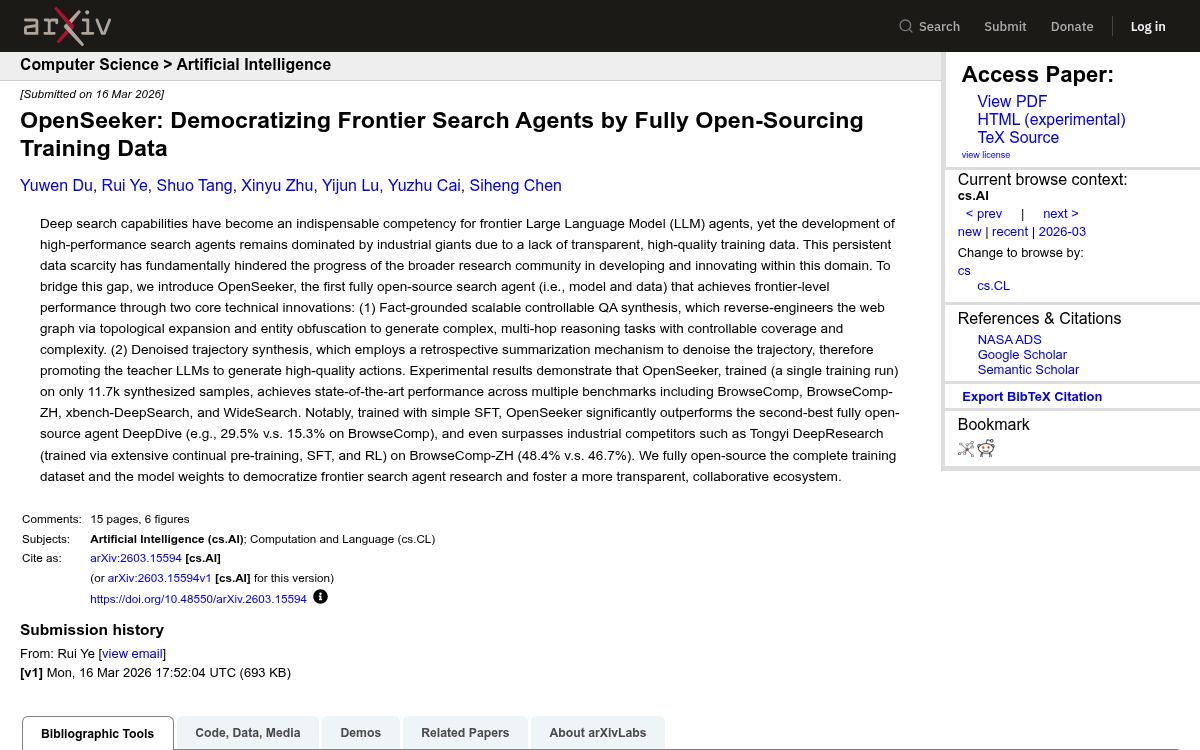
A Shanghai Jiao Tong team released a fully open-source search agent whose 11.7k-sample dataset beats industrial pipelines built on continual pre-training and reinforcement learning.
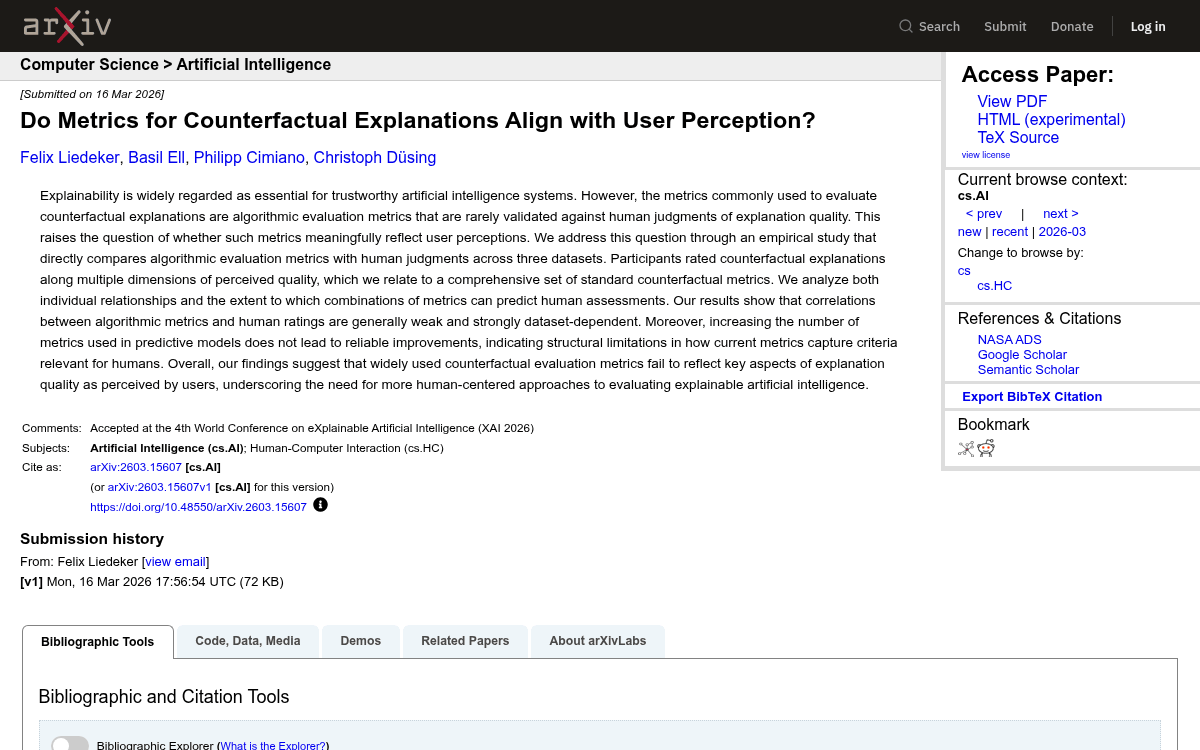
A user study across three datasets finds that popular counterfactual explanation metrics like sparsity and proximity barely predict what humans actually value.
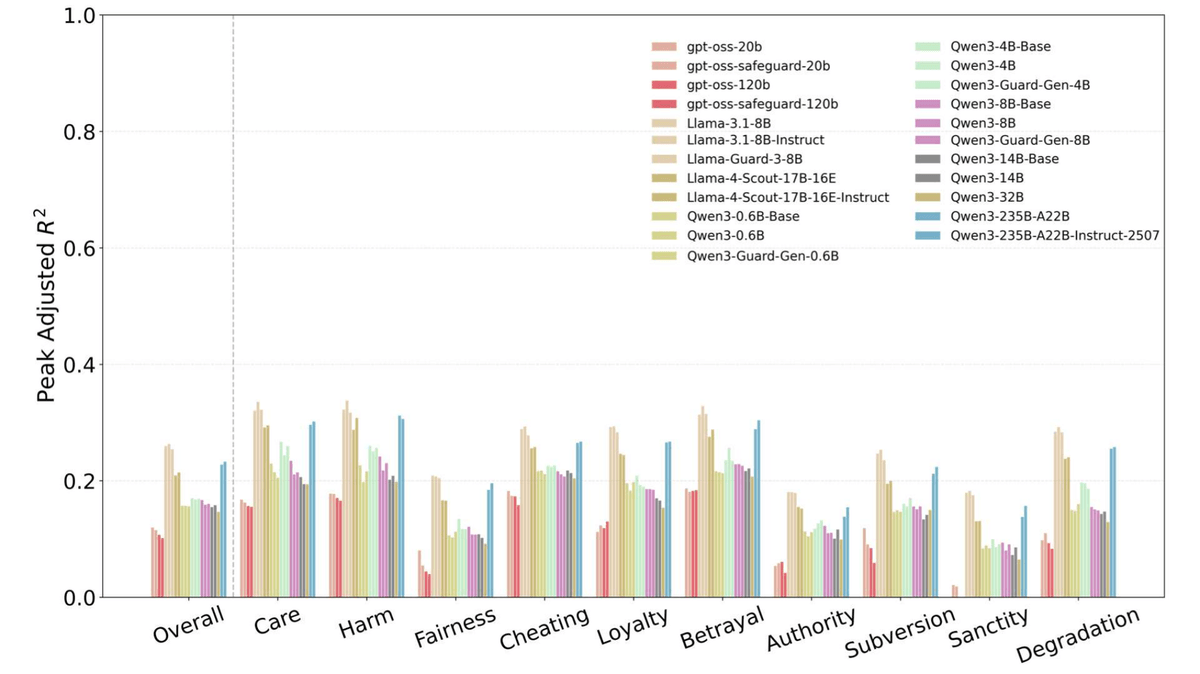
Researchers show LLMs collapse opposing moral concepts into nearly identical internal representations, then fix it with sparse autoencoders on Qwen3-8B.
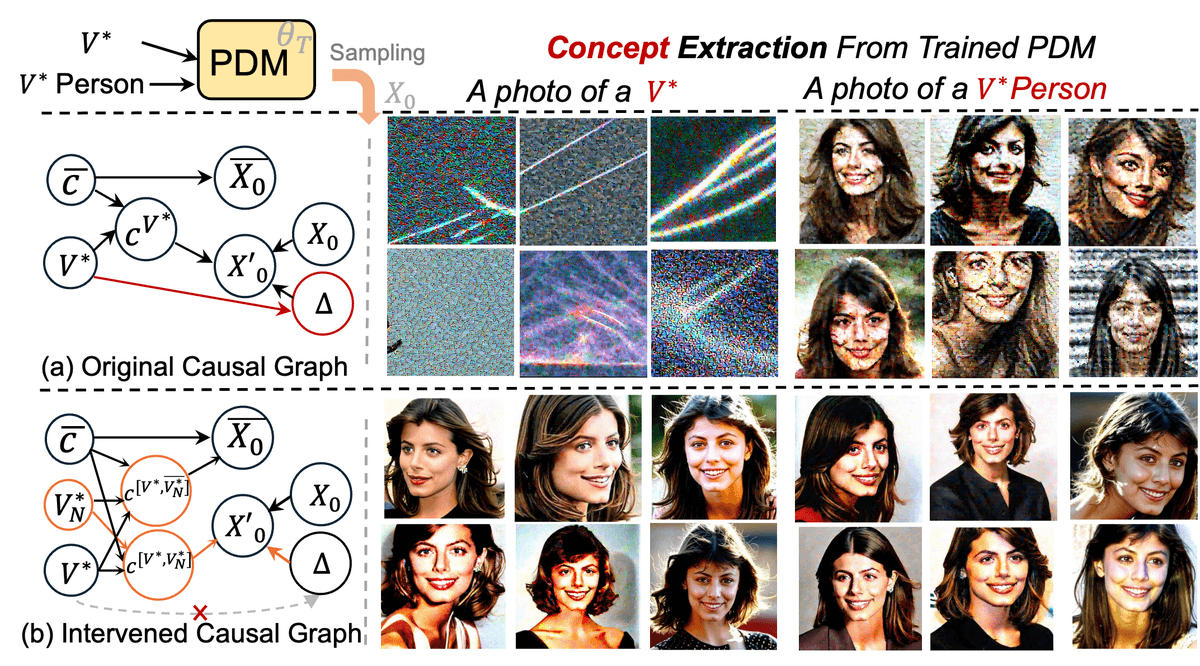
A new red-teaming framework exposes why image protection tools like Glaze and MetaCloak fail, using shortcut learning analysis and one-shot restoration.
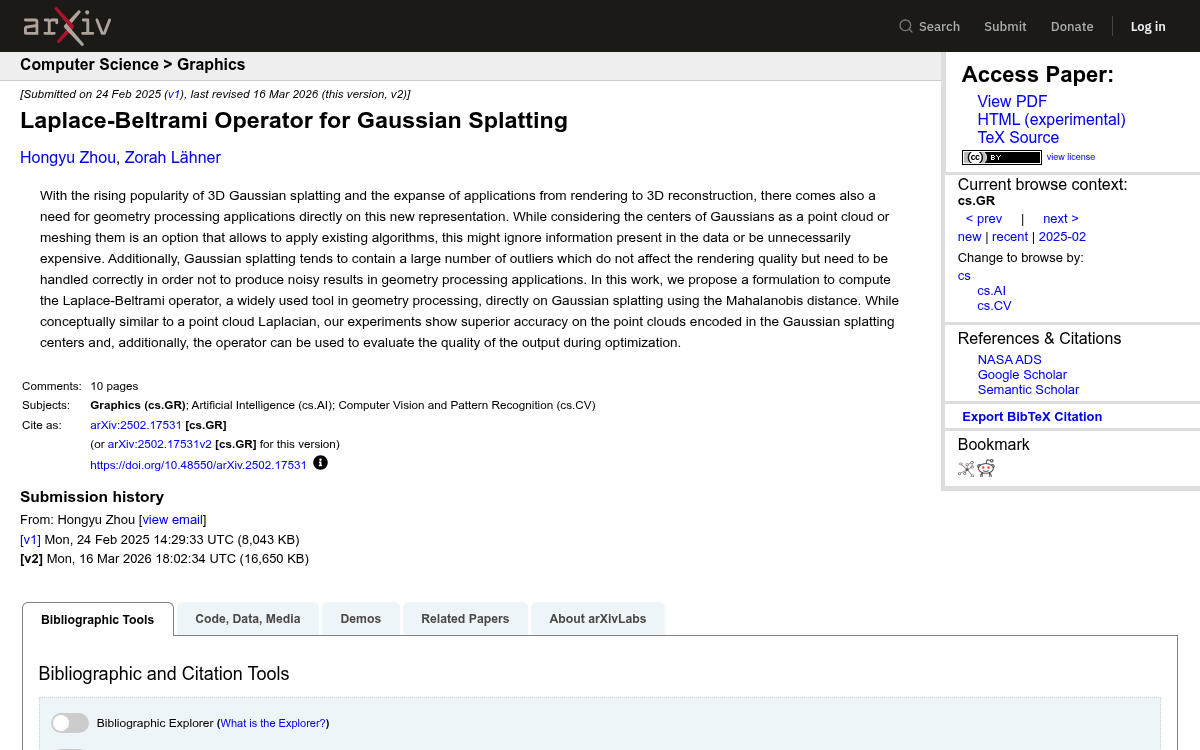
A new discrete Laplace-Beltrami operator uses Mahalanobis distance to run geometry processing directly on 3D Gaussian splats, skipping mesh conversion.
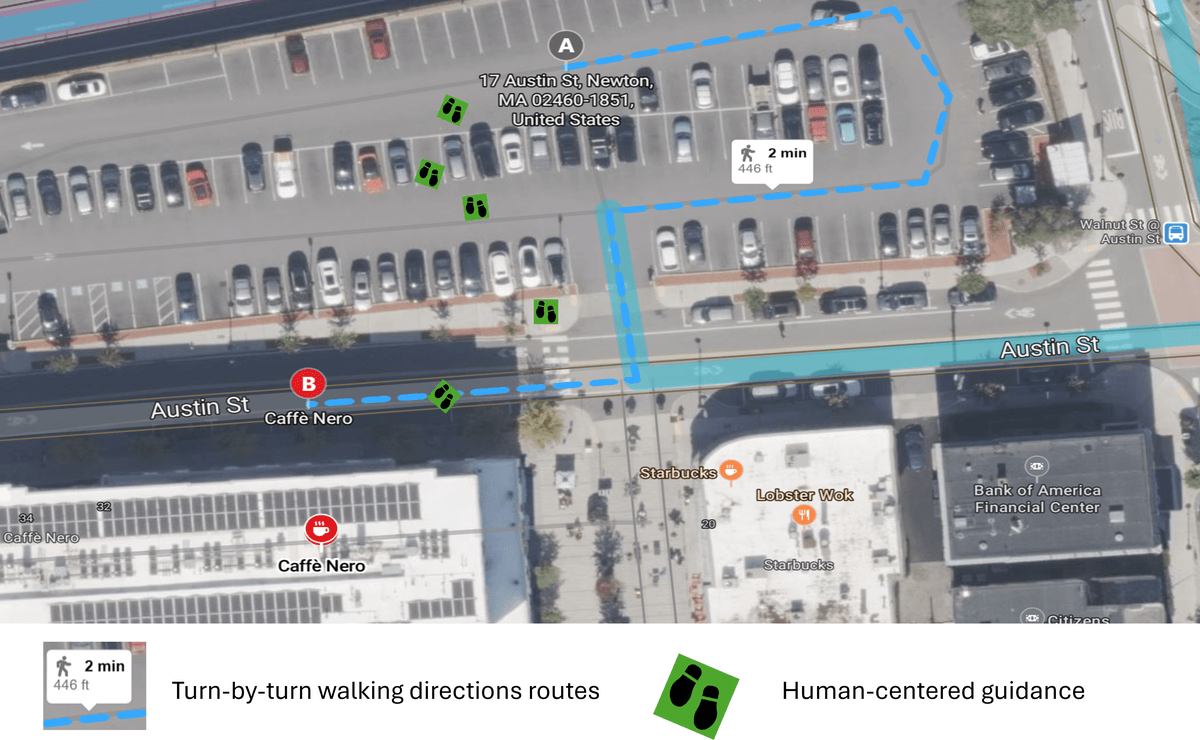
A research team proposes IMAIA, a framework that turns maps into a conversational interface and grounds camera views to nearby places using geospatial signals.
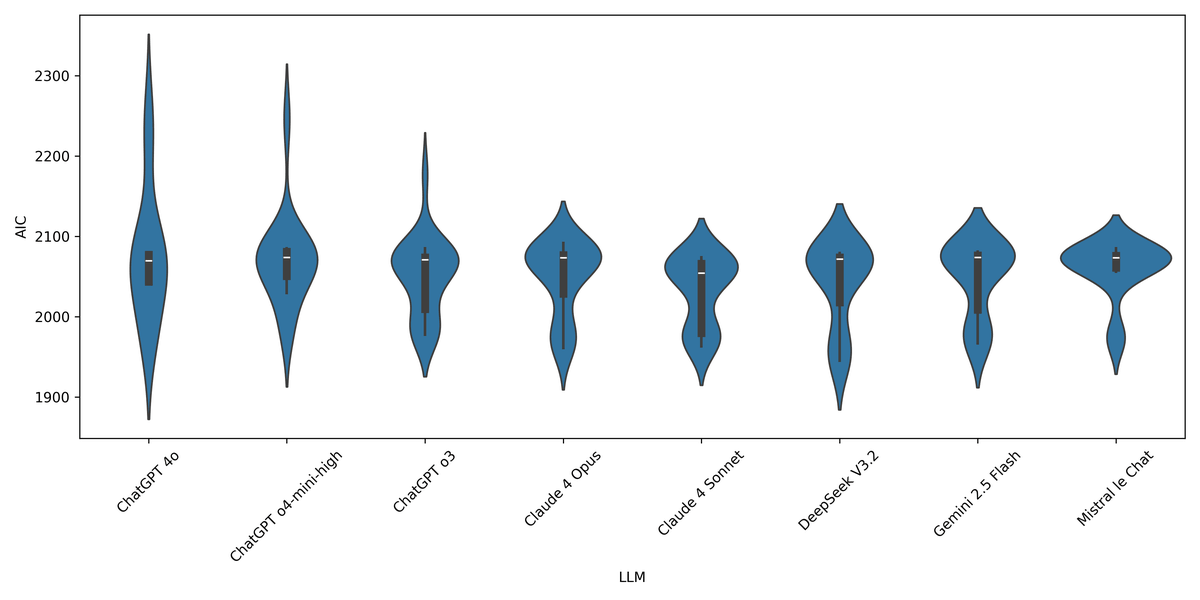
A benchmark of twelve LLMs on discrete choice modelling reveals which models can actually specify and estimate econometric utility functions, and which hallucinate.
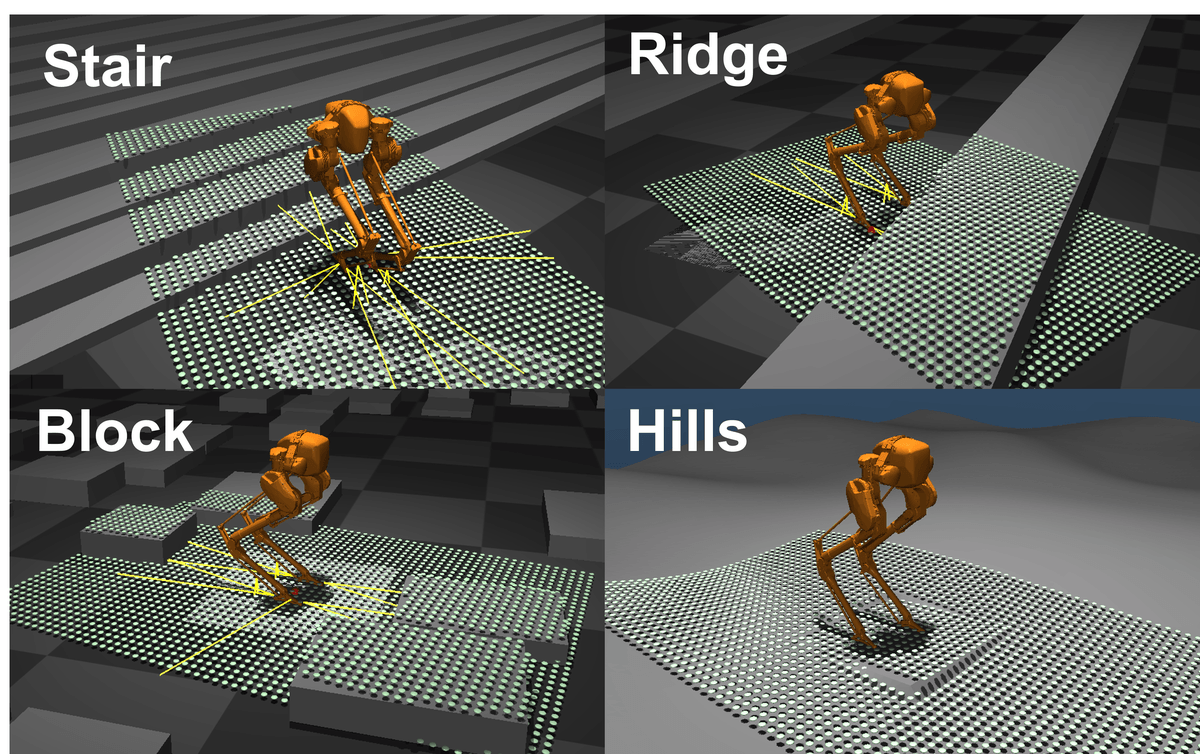
Oregon State researchers train a Cassie bipedal robot to walk, step, and climb in any direction using four depth cameras and a rendering-free training trick.
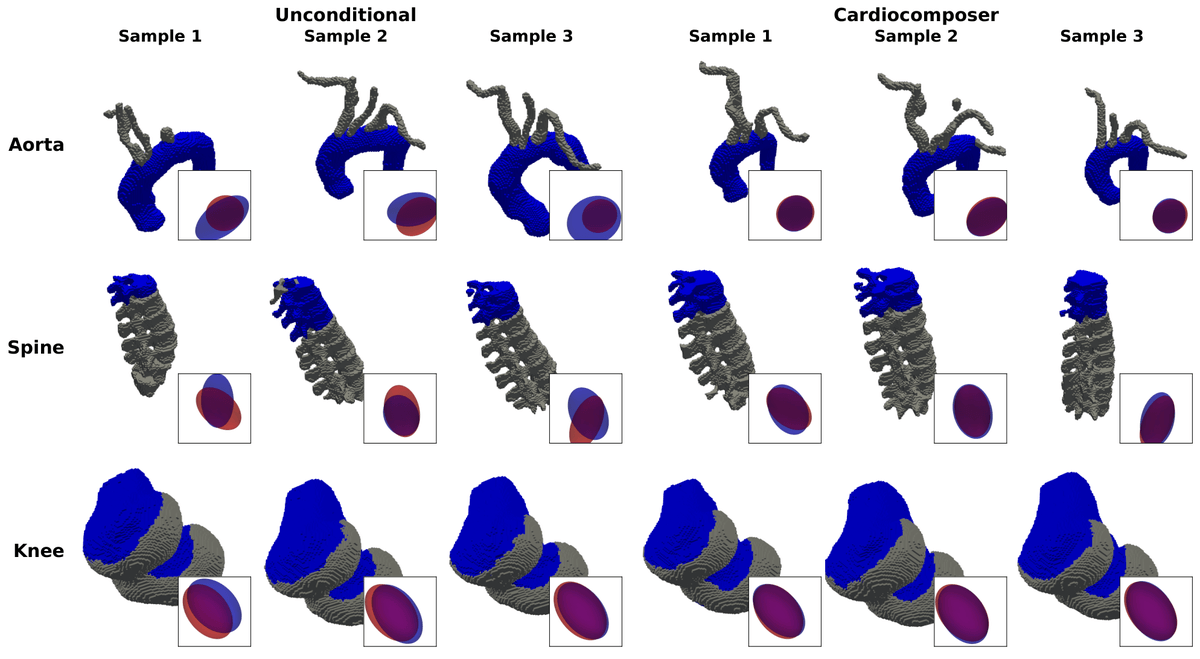
A new inference-time guidance method steers 3D anatomical diffusion models with interpretable ellipsoid primitives, controlling size, shape, and position independently.
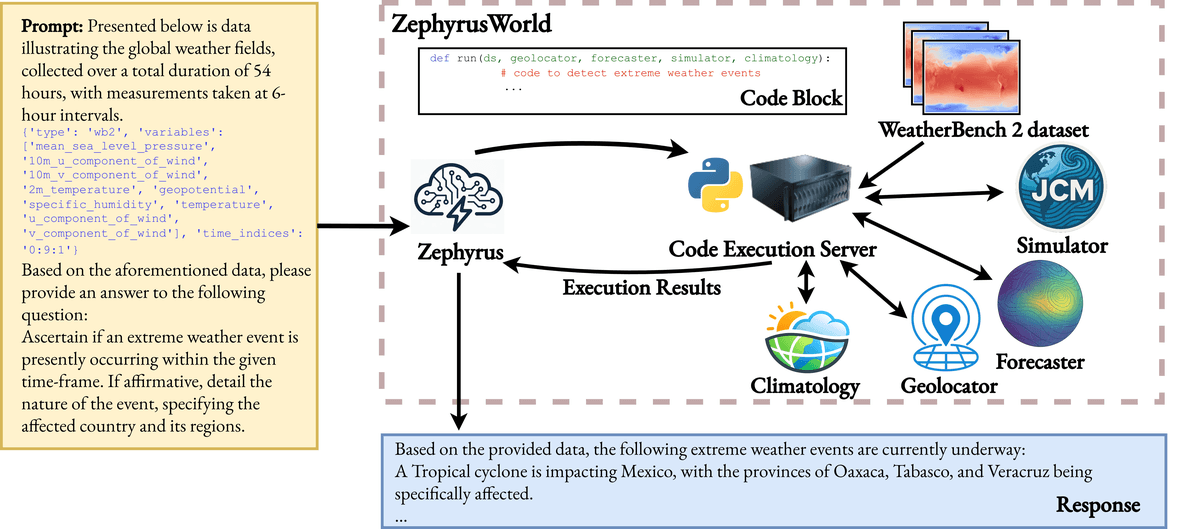
A new agentic framework pairs LLMs with weather tools, hitting 90% location accuracy but stumbling on complex forecast reports and long-range climate reasoning.
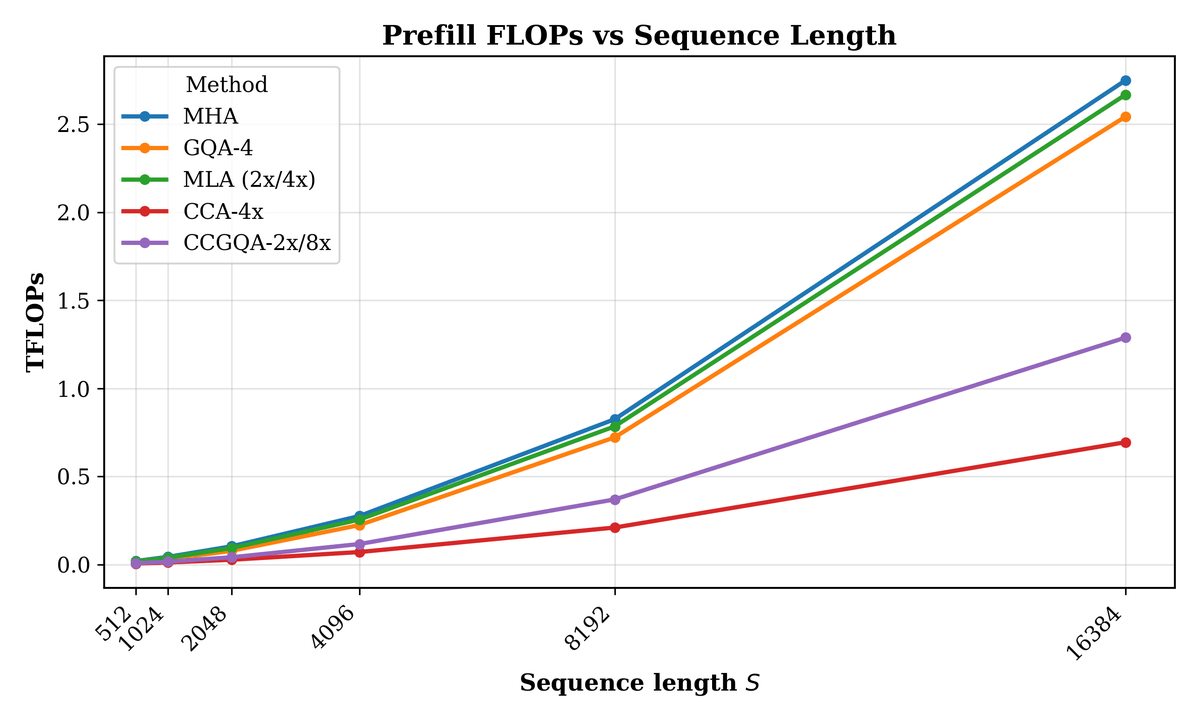
A research team behind Zyphra proposes running attention entirely inside a compressed latent space, cutting parameters, KV-cache, and FLOPs simultaneously.
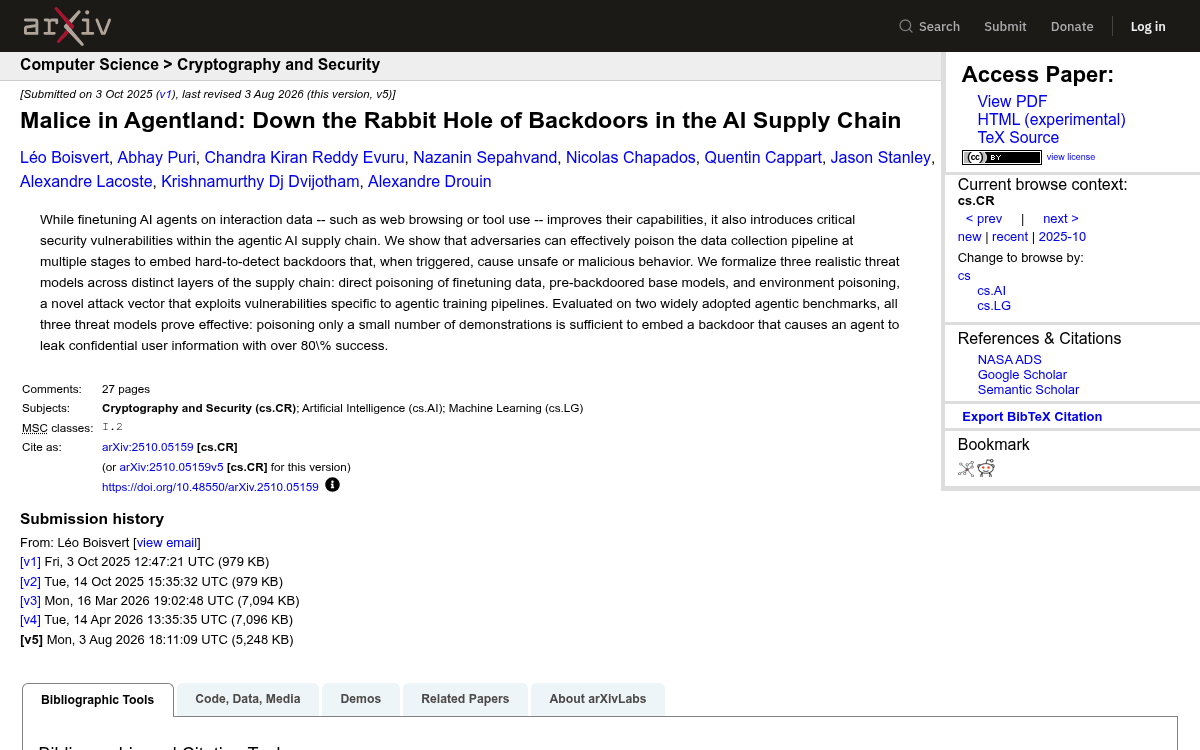
A new study shows attackers can implant trigger-activated backdoors into fine-tuned AI agents with as few as 100 poisoned demonstrations, evading every tested guardrail.