
Pro
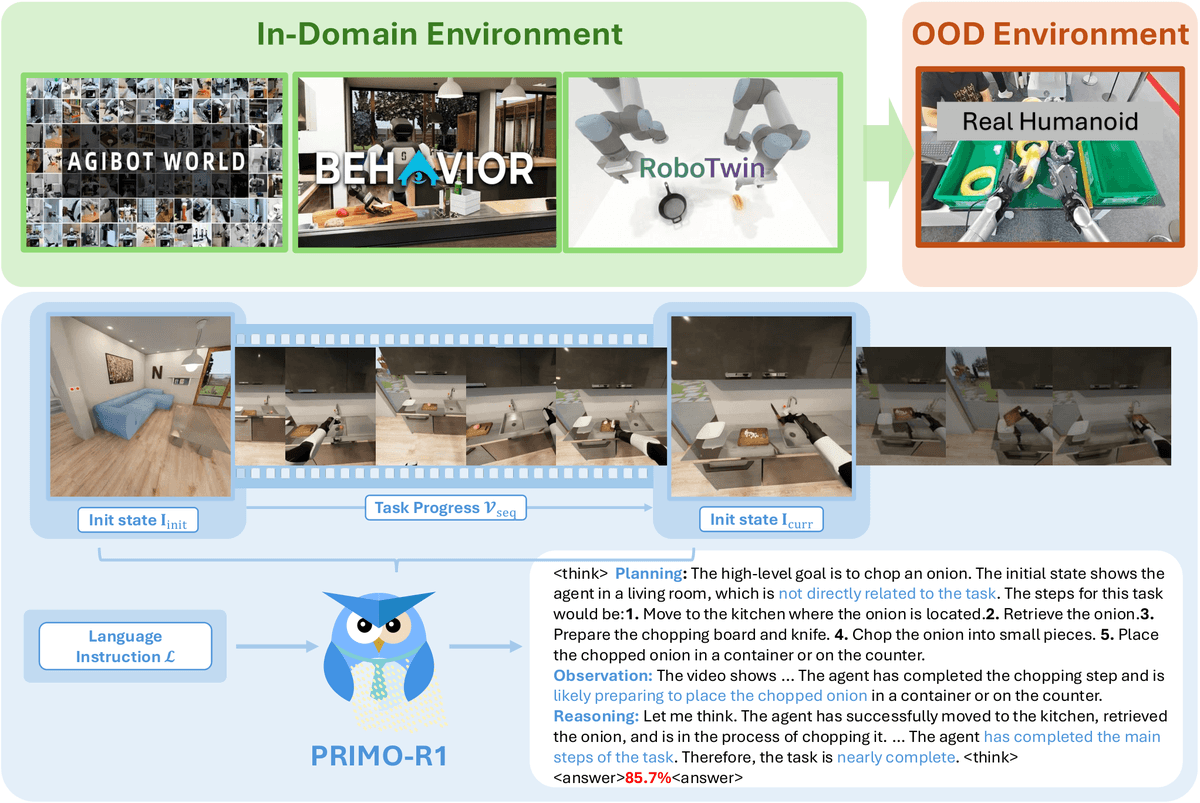
Shanghai Jiao Tong's PRIMO R1 Beats 72B Models at Tracking Robot Task Progress
PRIMO R1 turns a 7B video model into an active critic that scores robotic task progress, beating GPT-4o and OpenAI o1 on failure detection.
20 stories
PRIMO R1 turns a 7B video model into an active critic that scores robotic task progress, beating GPT-4o and OpenAI o1 on failure detection.
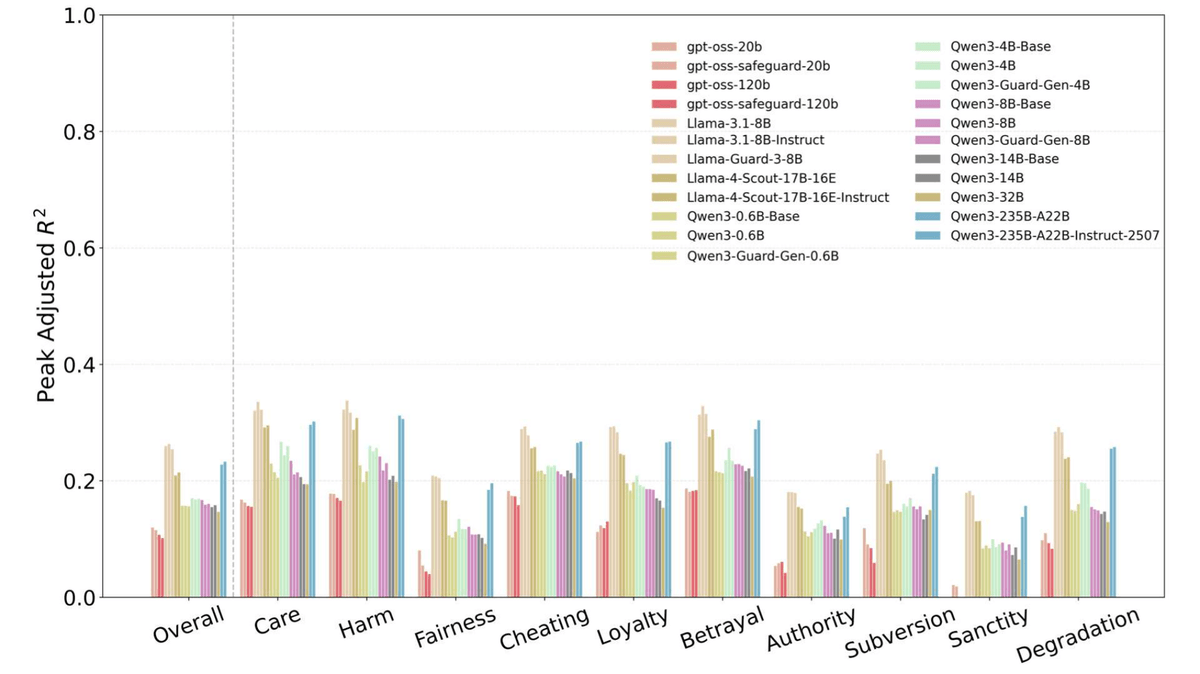
Researchers show LLMs collapse opposing moral concepts into nearly identical internal representations, then fix it with sparse autoencoders on Qwen3-8B.
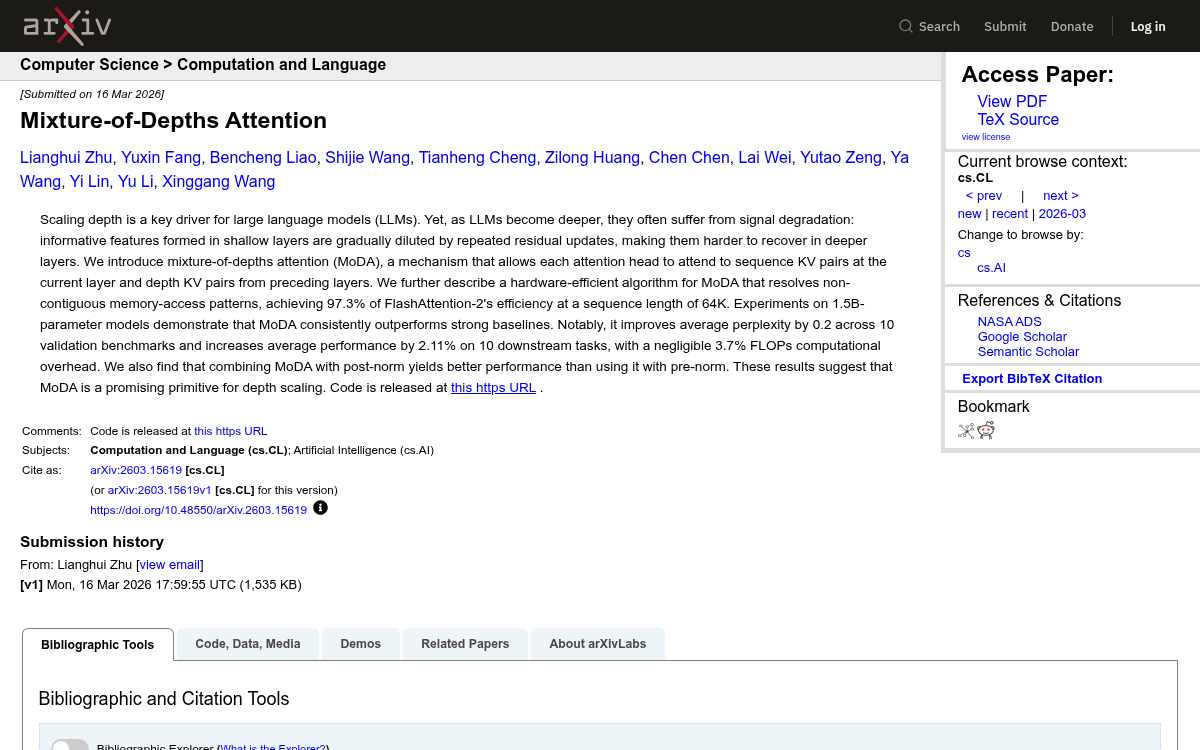
MoDA lets each attention head reach back into earlier layers directly, delivering 2.11% average downstream gains on 1.5B models with 3.7% extra FLOPs.
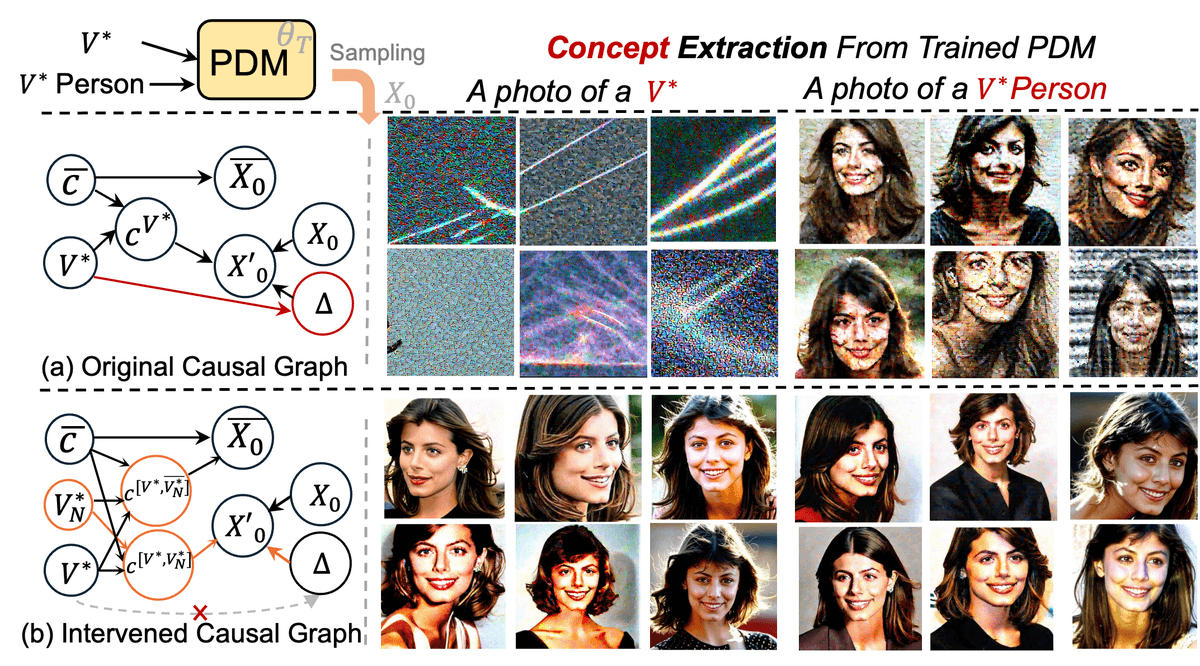
A new red-teaming framework exposes why image protection tools like Glaze and MetaCloak fail, using shortcut learning analysis and one-shot restoration.
A new discrete Laplace-Beltrami operator uses Mahalanobis distance to run geometry processing directly on 3D Gaussian splats, skipping mesh conversion.
A new Lean-based benchmark exposes how badly frontier LLMs fail at writing formal proofs, even when they nail the code itself.
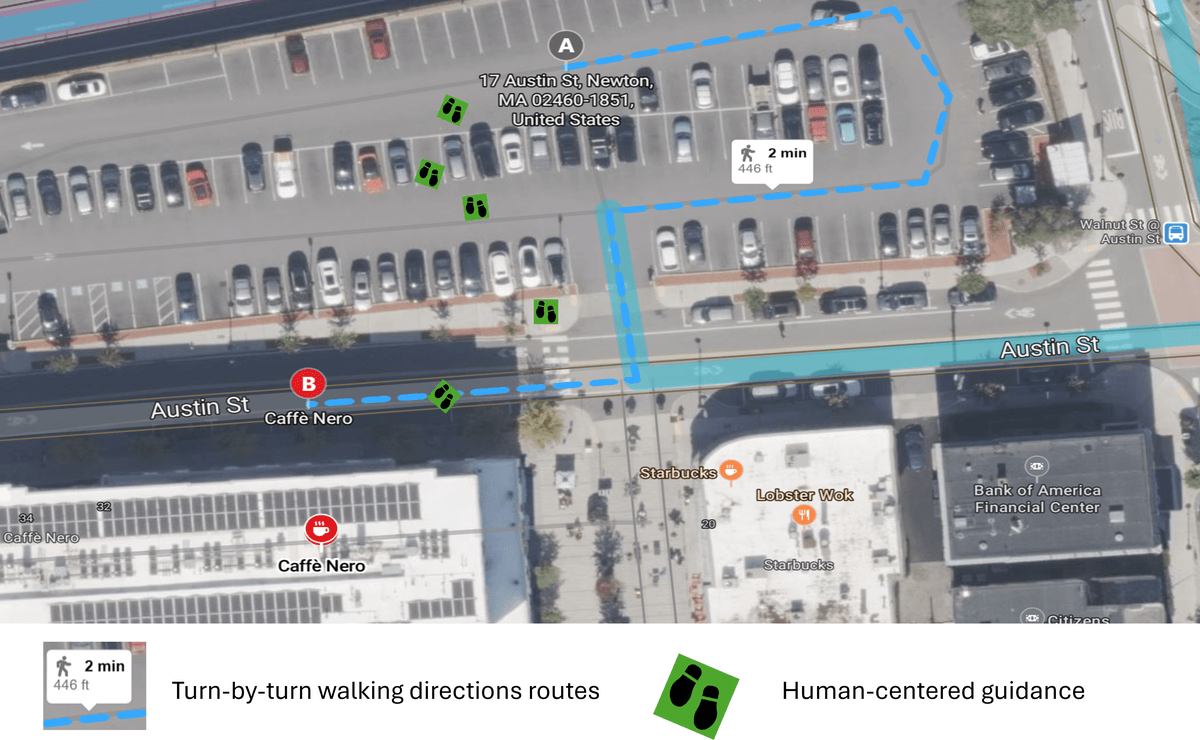
A research team proposes IMAIA, a framework that turns maps into a conversational interface and grounds camera views to nearby places using geospatial signals.
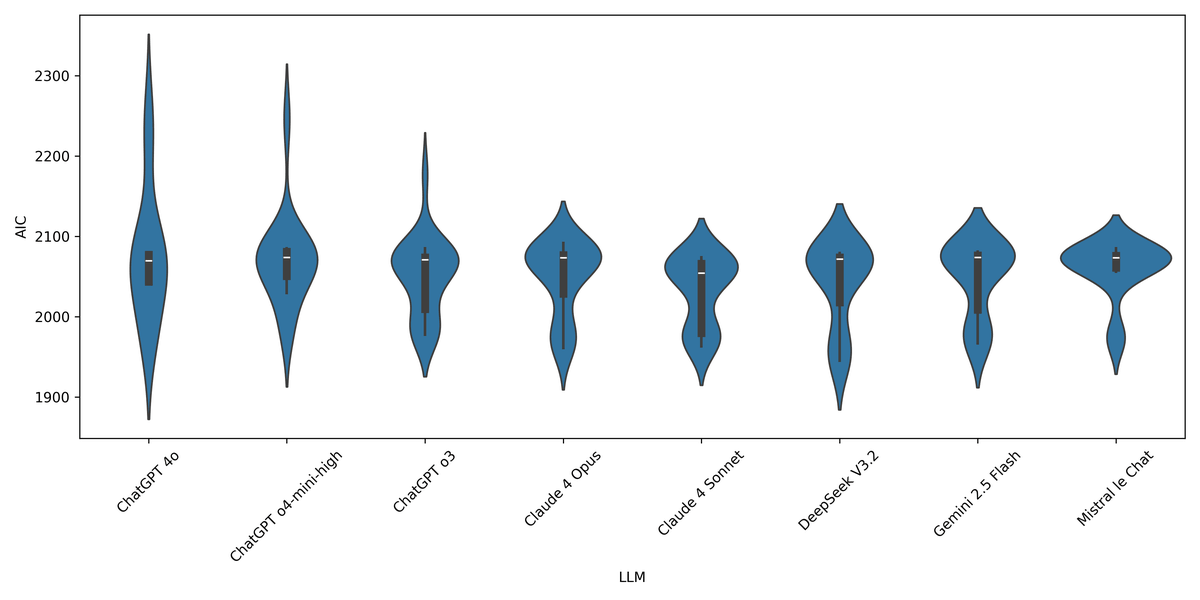
A benchmark of twelve LLMs on discrete choice modelling reveals which models can actually specify and estimate econometric utility functions, and which hallucinate.
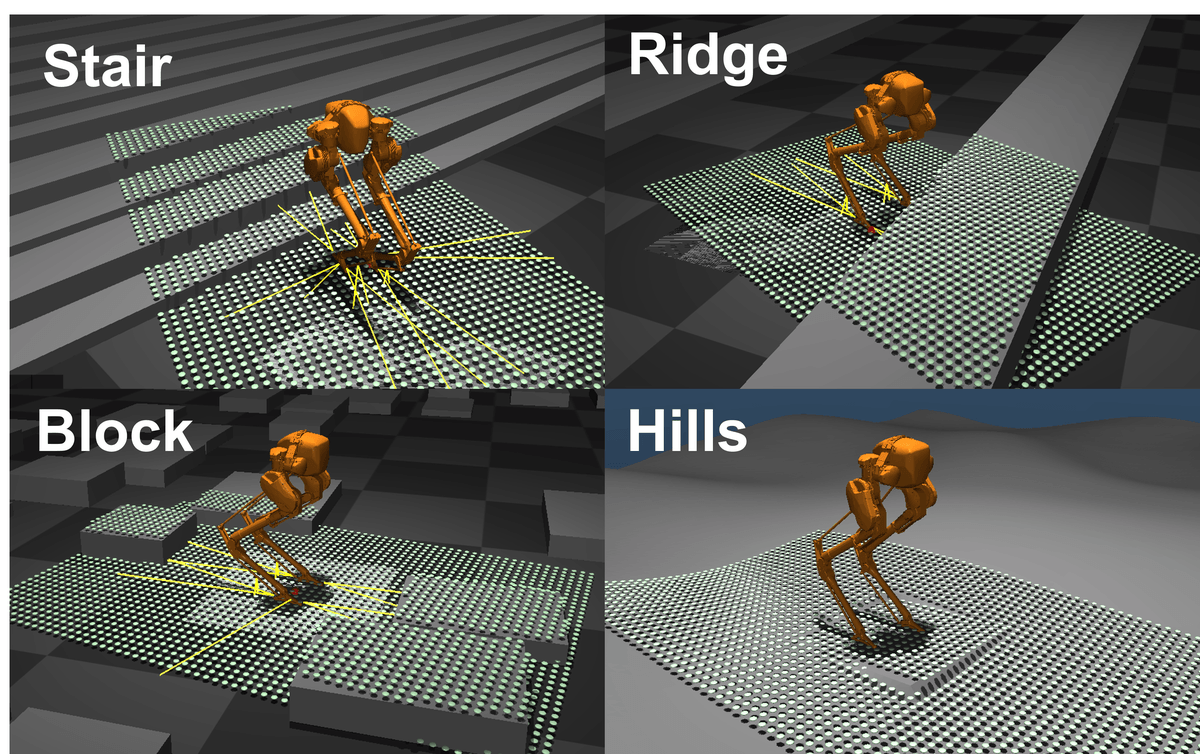
Oregon State researchers train a Cassie bipedal robot to walk, step, and climb in any direction using four depth cameras and a rendering-free training trick.
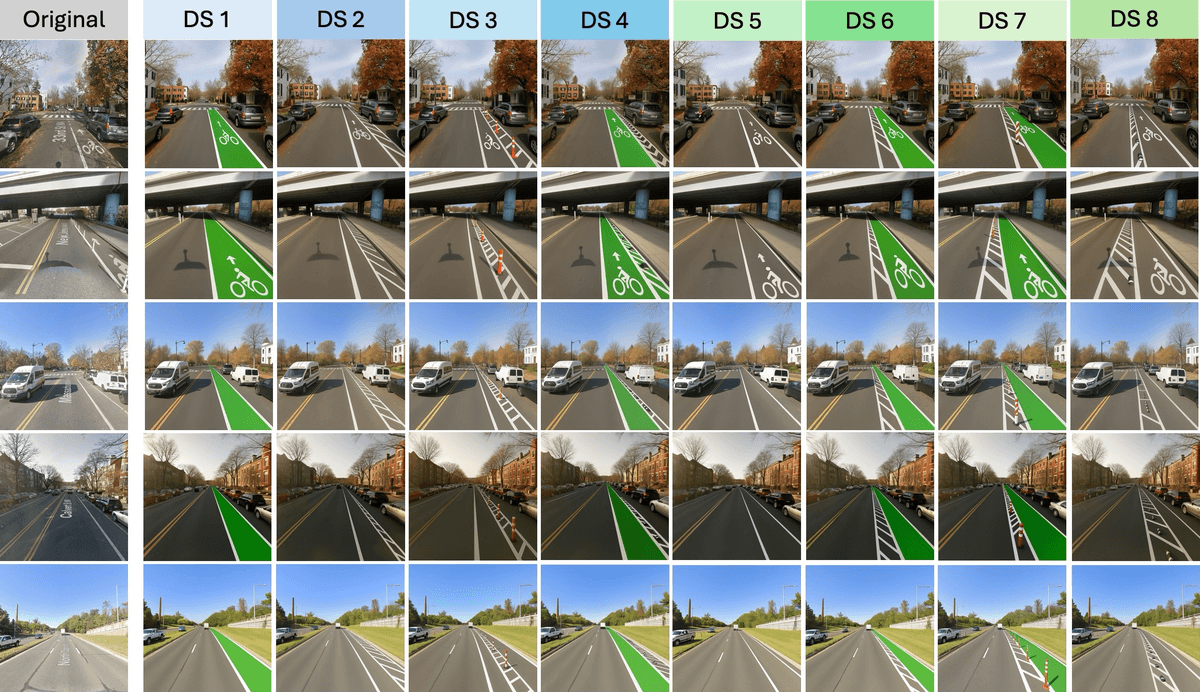
A four-agent pipeline edits real street-view photos to add or reconfigure bike lanes, skipping domain-specific training data entirely.
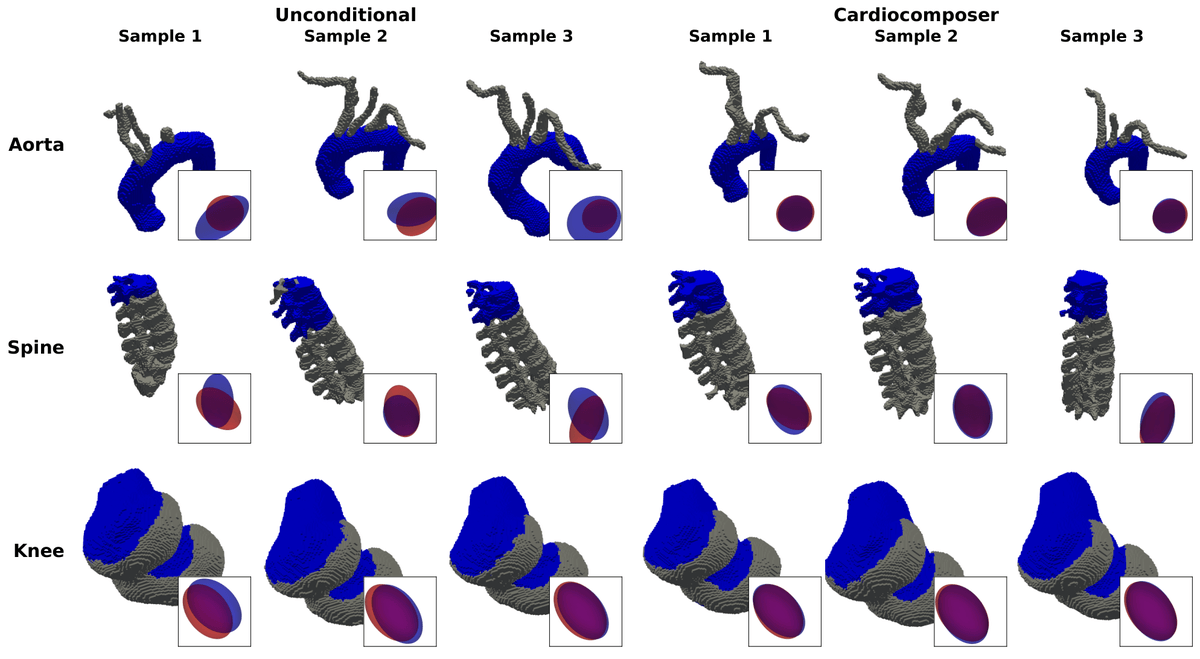
A new inference-time guidance method steers 3D anatomical diffusion models with interpretable ellipsoid primitives, controlling size, shape, and position independently.
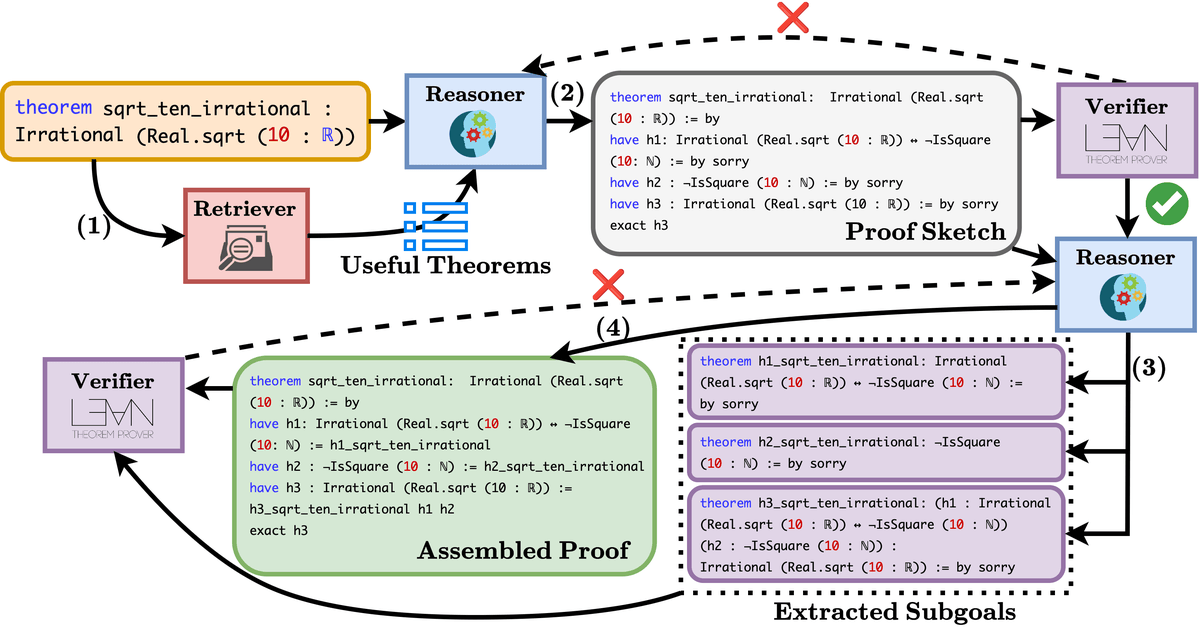
An agentic system pairs a reasoning LLM with a Lean 4 prover, hitting 99.2% on miniF2F and 70% on PutnamBench.
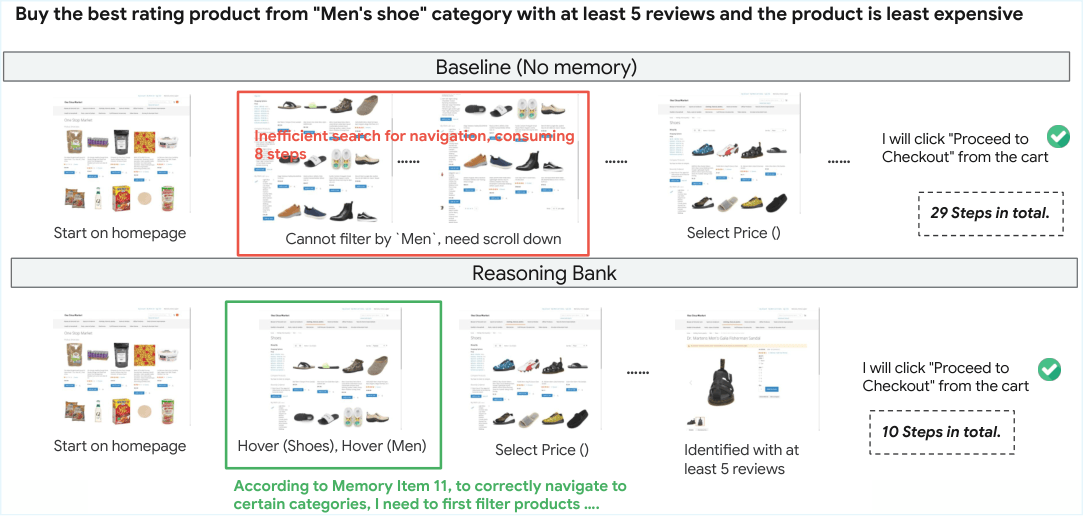
Google Research's new memory framework lets LLM agents learn from both wins and losses, turning past mistakes into reusable reasoning strategies.
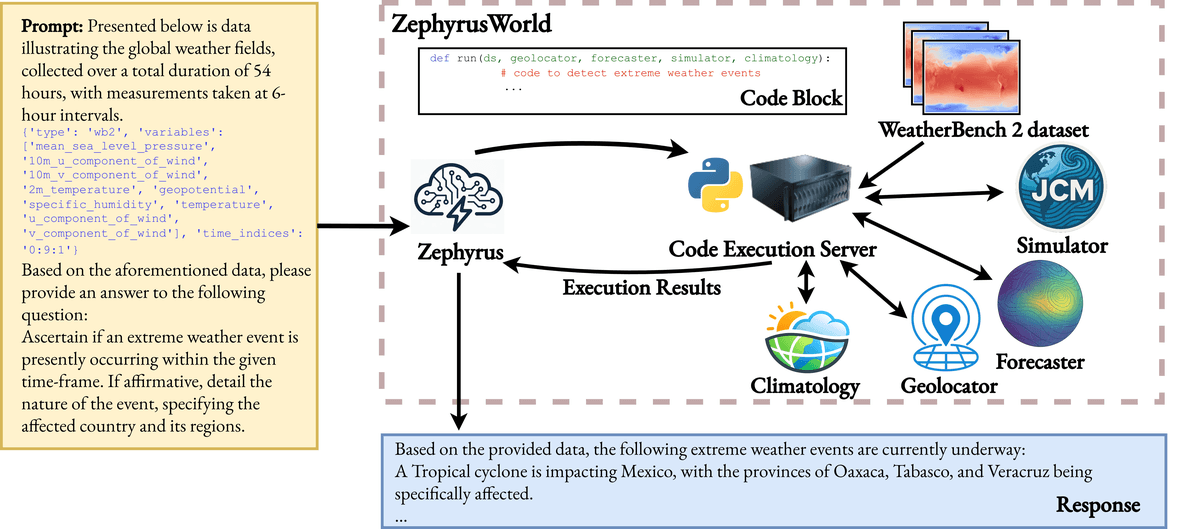
A new agentic framework pairs LLMs with weather tools, hitting 90% location accuracy but stumbling on complex forecast reports and long-range climate reasoning.
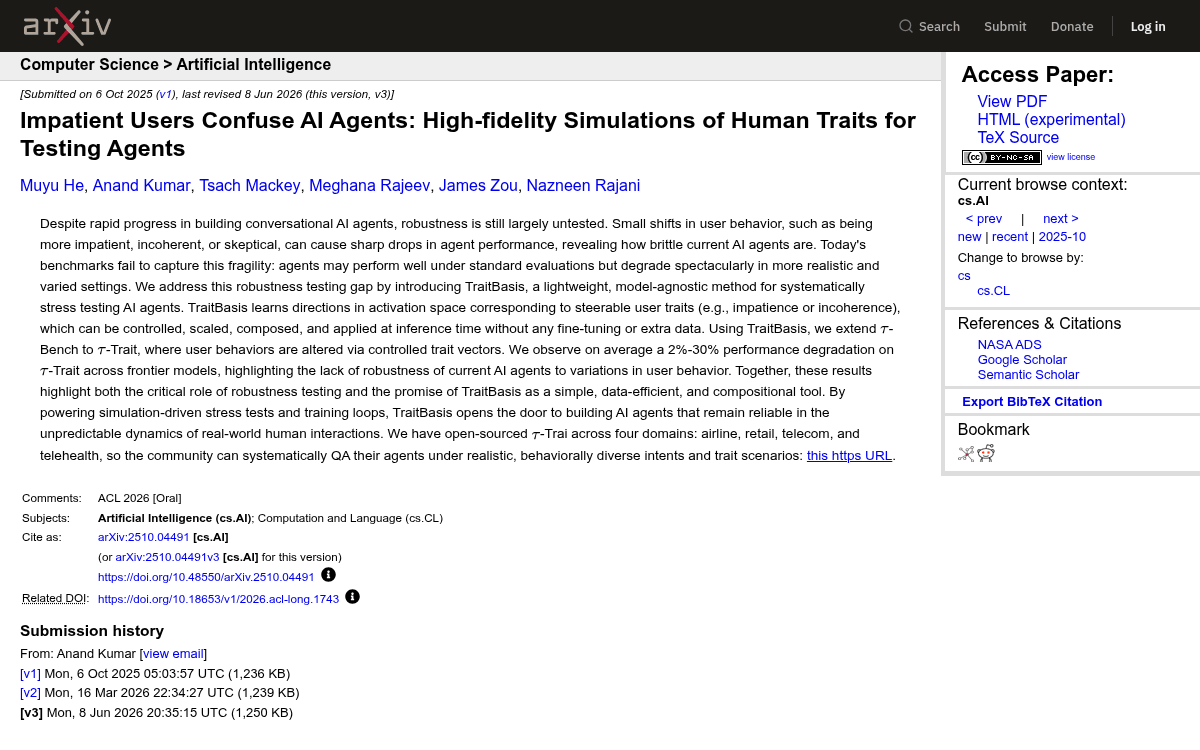
A new activation-steering method reveals that GPT-5, Kimi K2, and GLM-4.5 lose up to 46% accuracy when users get impatient or skeptical.
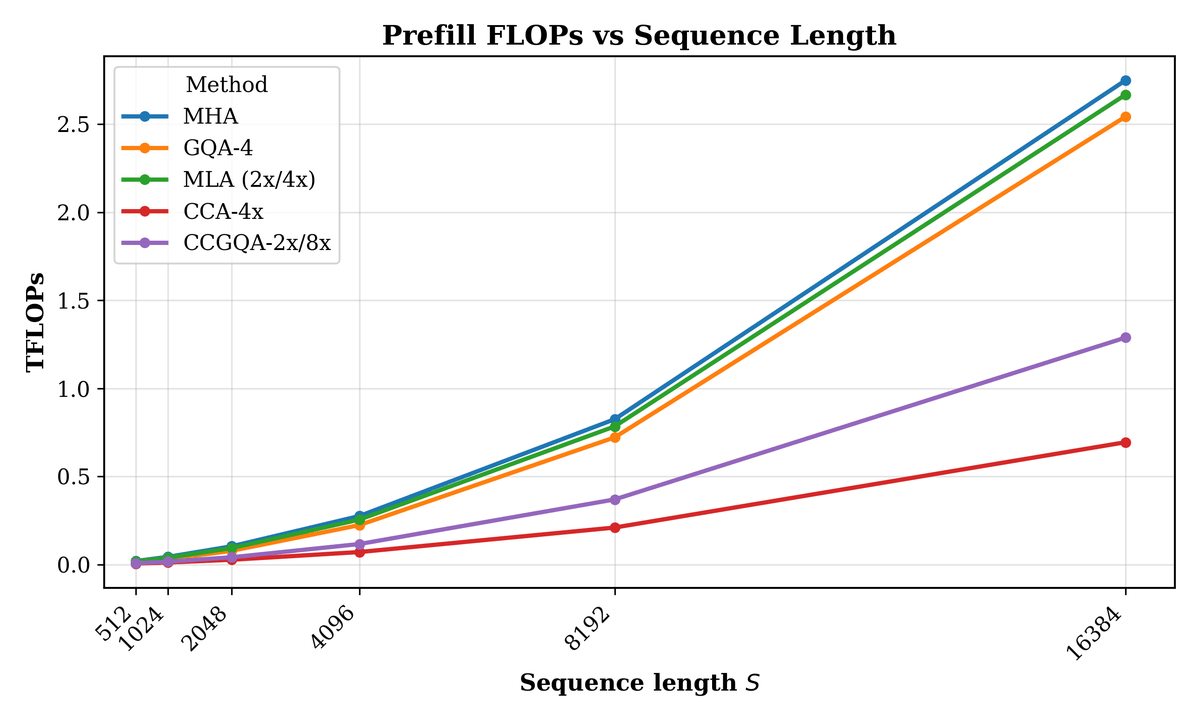
A research team behind Zyphra proposes running attention entirely inside a compressed latent space, cutting parameters, KV-cache, and FLOPs simultaneously.
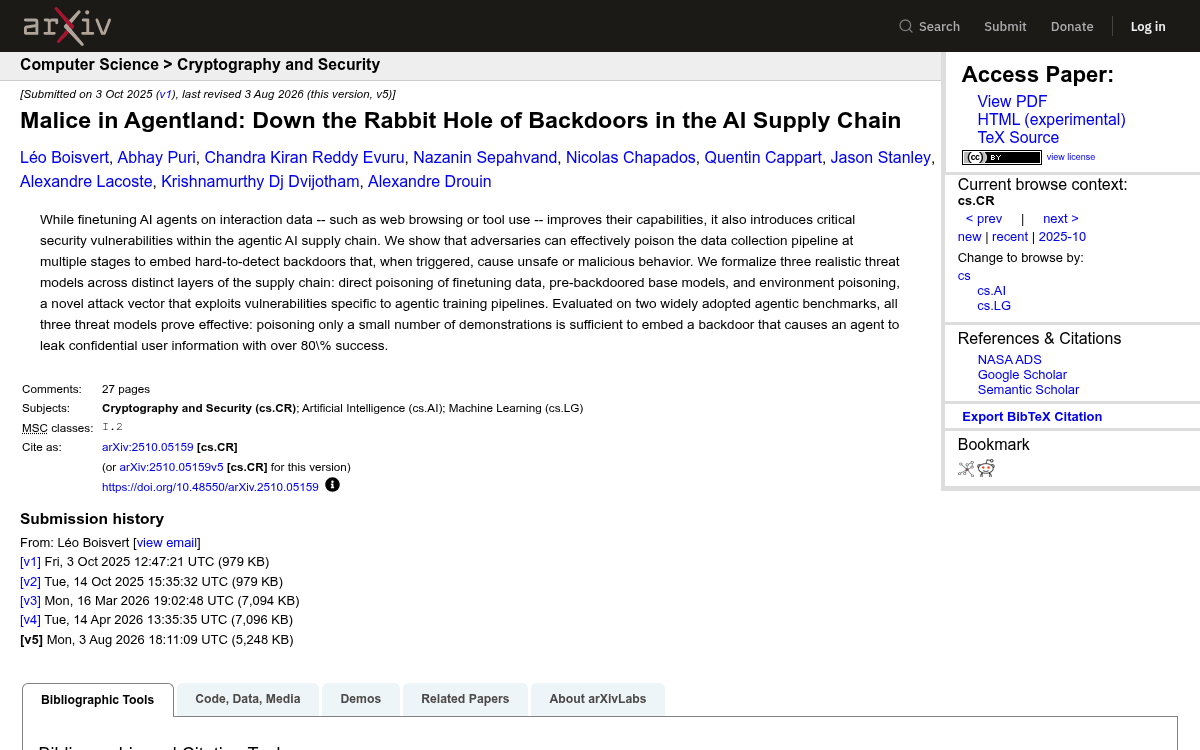
A new study shows attackers can implant trigger-activated backdoors into fine-tuned AI agents with as few as 100 poisoned demonstrations, evading every tested guardrail.
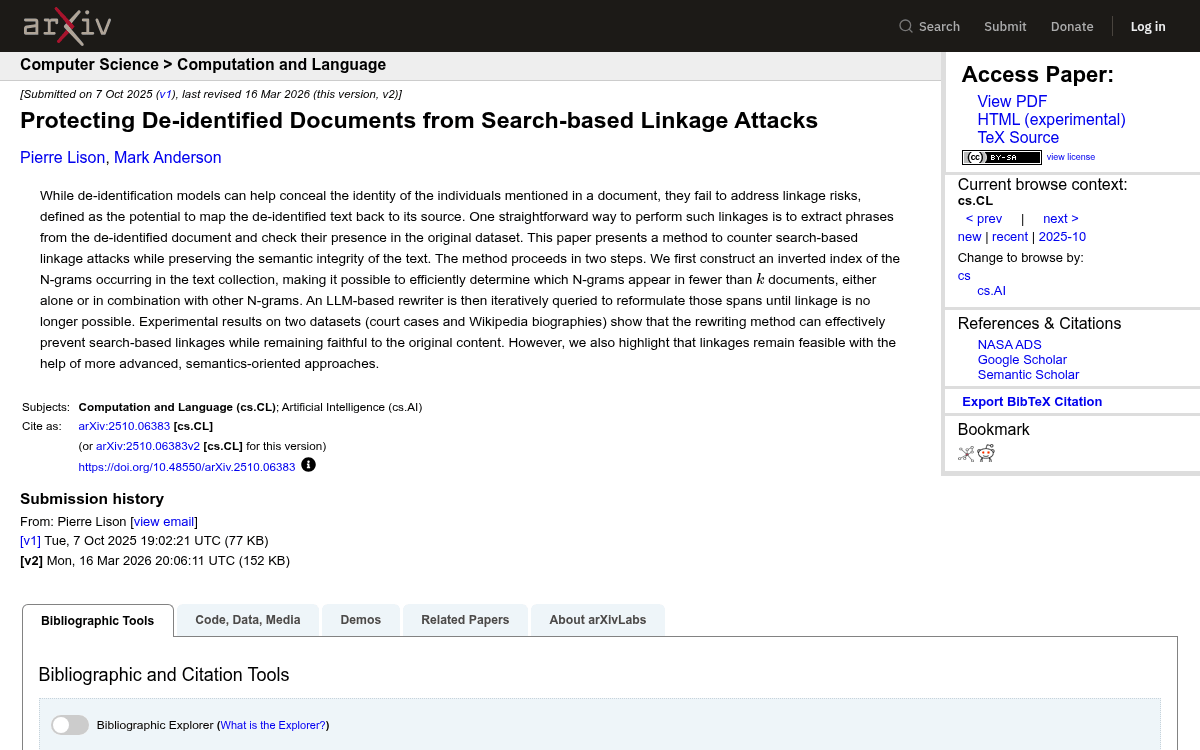
A new paper shows why redacting names is not enough, and proposes an inverted-index plus LLM rewrite loop that removes 99.8% of phrase-based linkage risks.
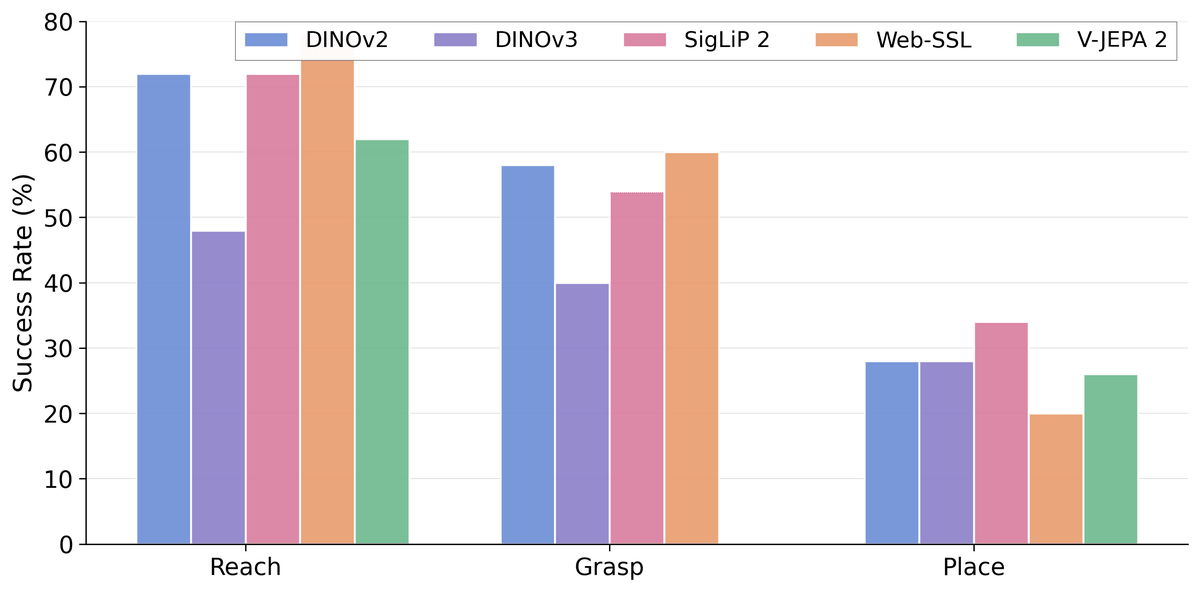
DexWM predicts dexterous hand-object interactions from egocentric video, then plans robot grasps hitting 83% success on a real Franka arm zero-shot.
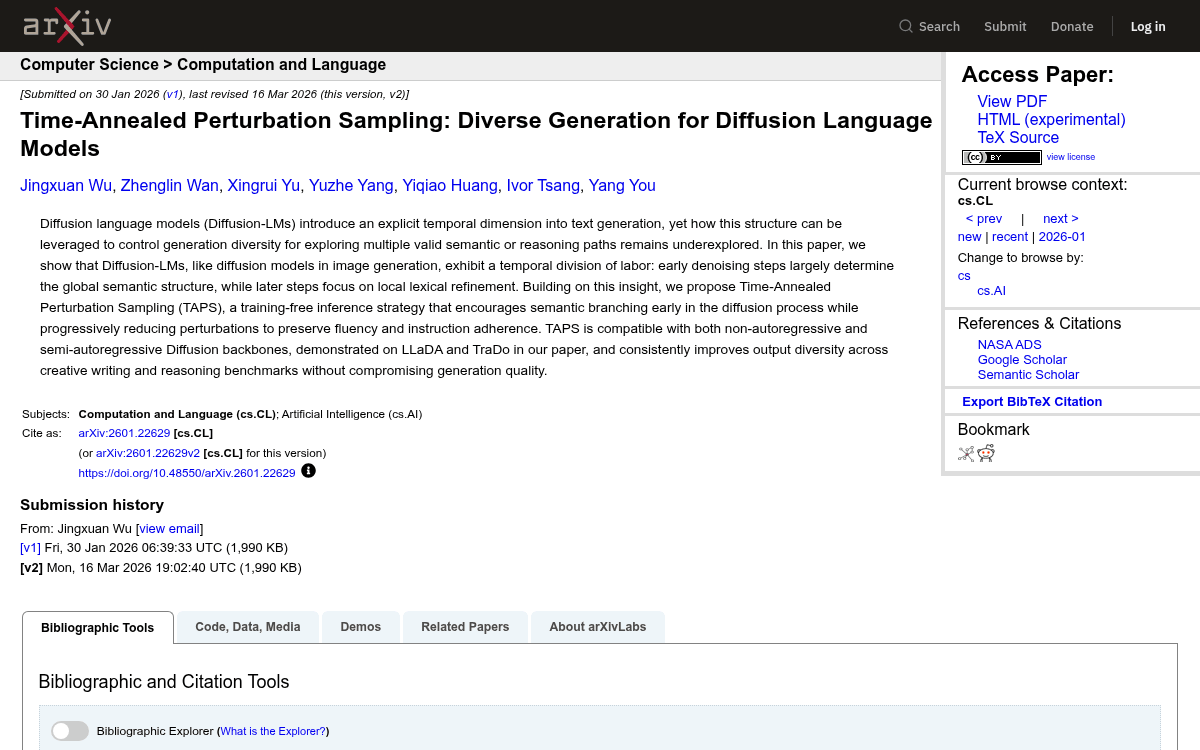
A training-free trick for diffusion language models injects fading noise into the prompt embedding early in denoising to unlock diverse outputs without hurting quality.