
Pro
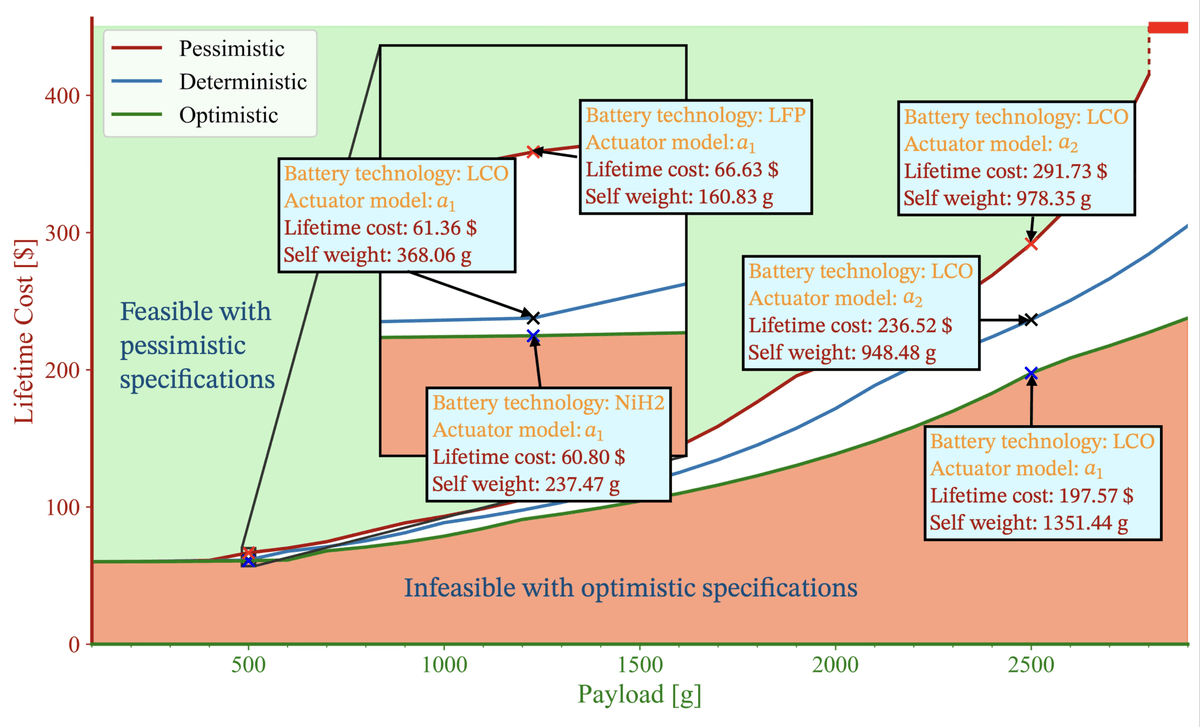
MIT Builds a Math Framework That Rewires How Engineers Design Drones
A new framework extends monotone co-design with probability distributions and staged decision policies, capturing risks that interval bounds cannot express.
20 stories
A new framework extends monotone co-design with probability distributions and staged decision policies, capturing risks that interval bounds cannot express.
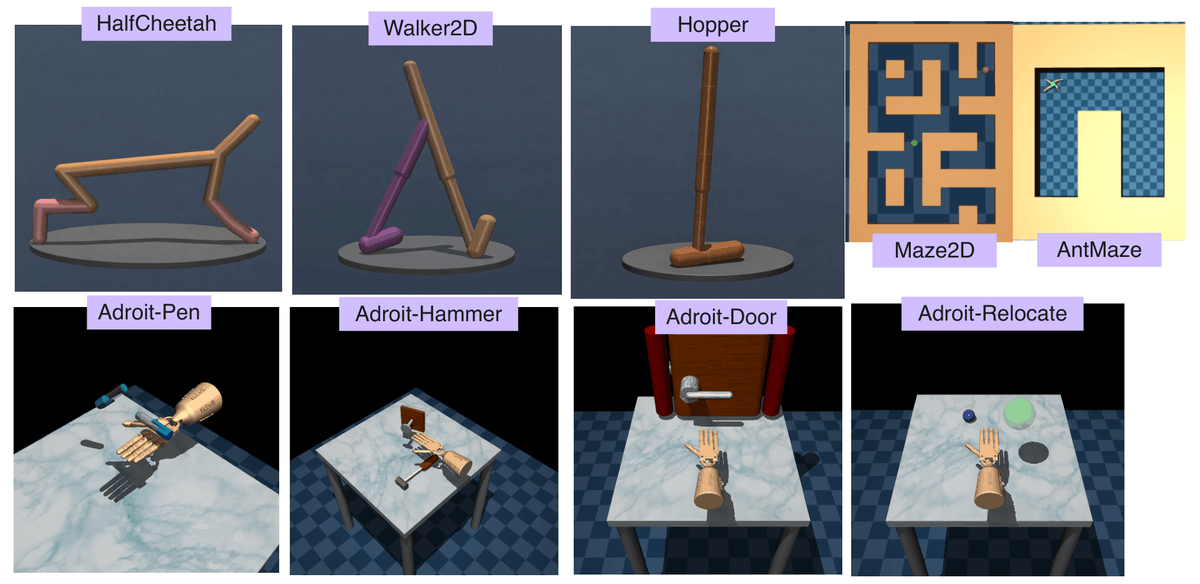
Keyed Drifting Policies collapse diffusion-style trajectory planning into a single forward pass, cutting planner latency from 150ms to under 5ms on offline RL benchmarks.
Meta Reality Labs built a vision policy that watches a wrist camera and reshapes a robot arm's stiffness on the fly during teleoperation.
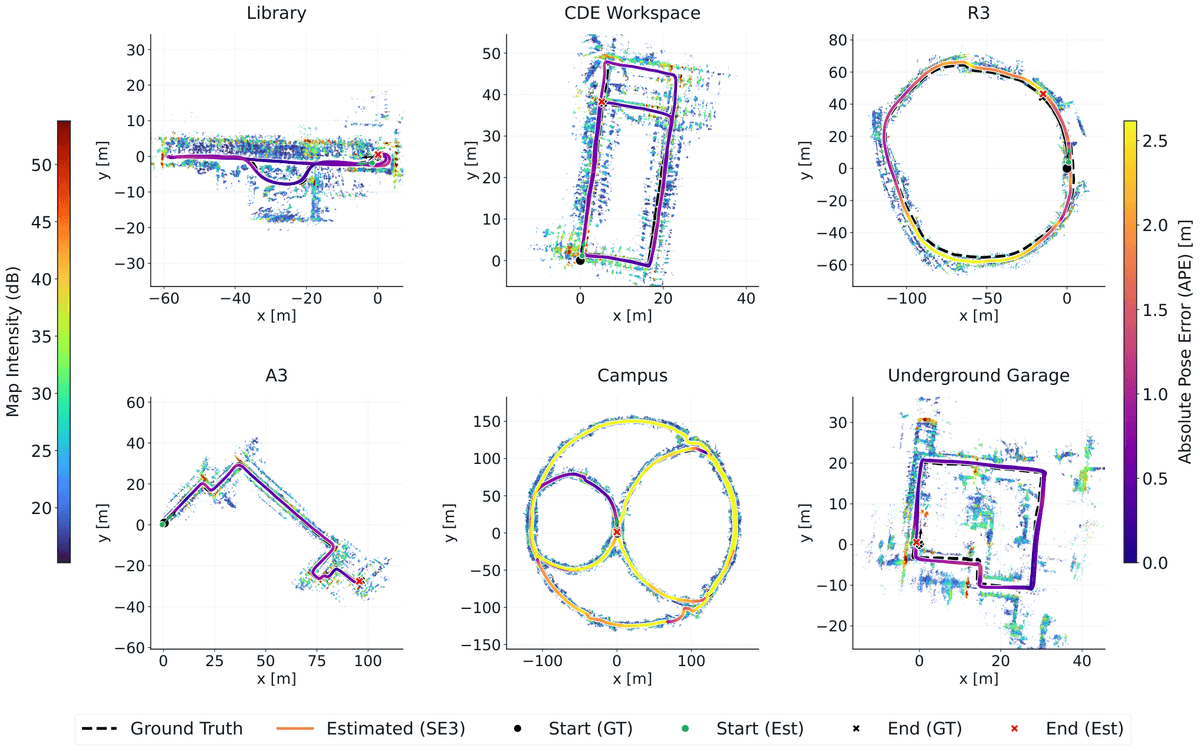
A dual factor graph design for millimeter wave radar navigation neutralizes IMU drift by feeding globally optimized biases back into the high-rate tracker.
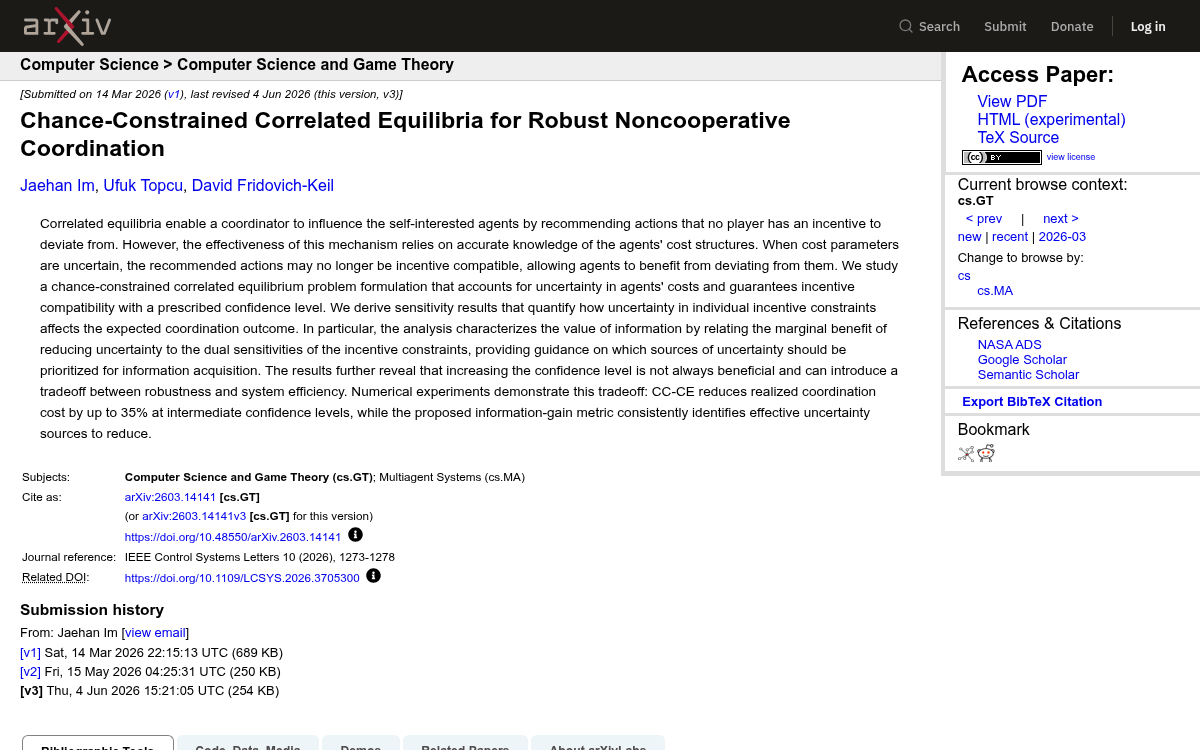
A new formulation makes correlated equilibrium recommendations reliable when a coordinator only has noisy estimates of what each self-interested agent actually cares about.
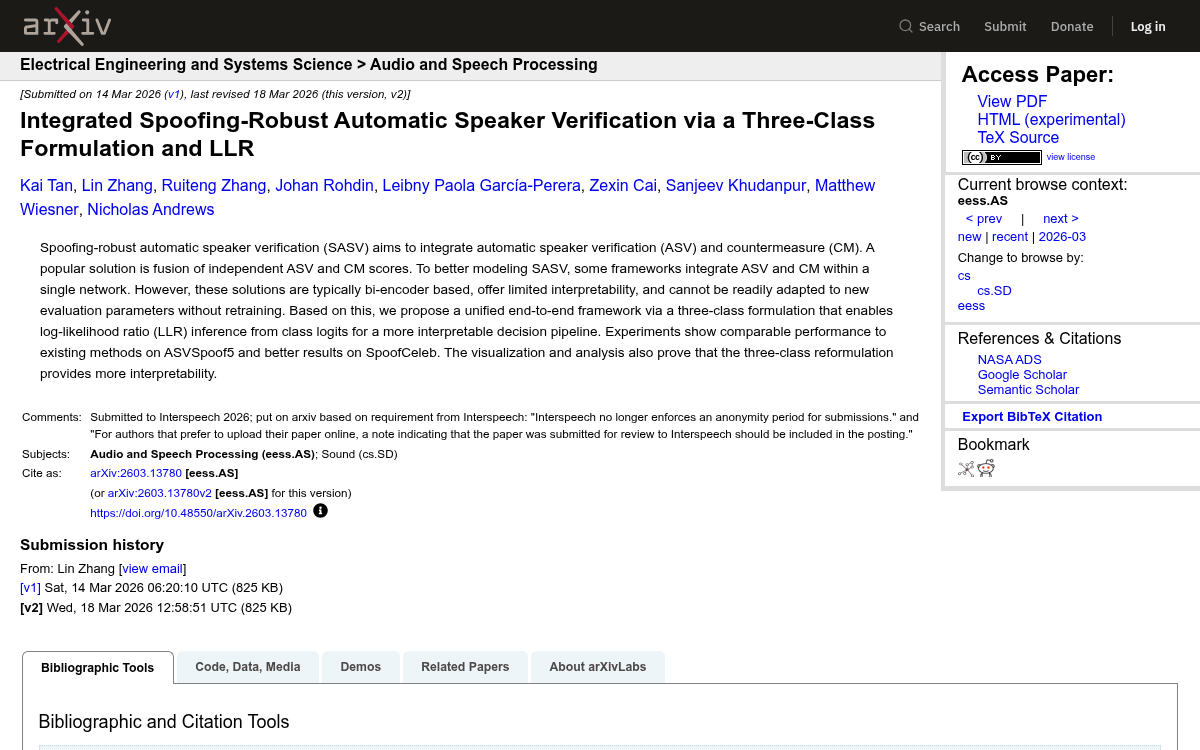
A new speaker verification framework treats target, impostor, and deepfake as three separate classes, yielding cleaner decisions and better cross-domain robustness.
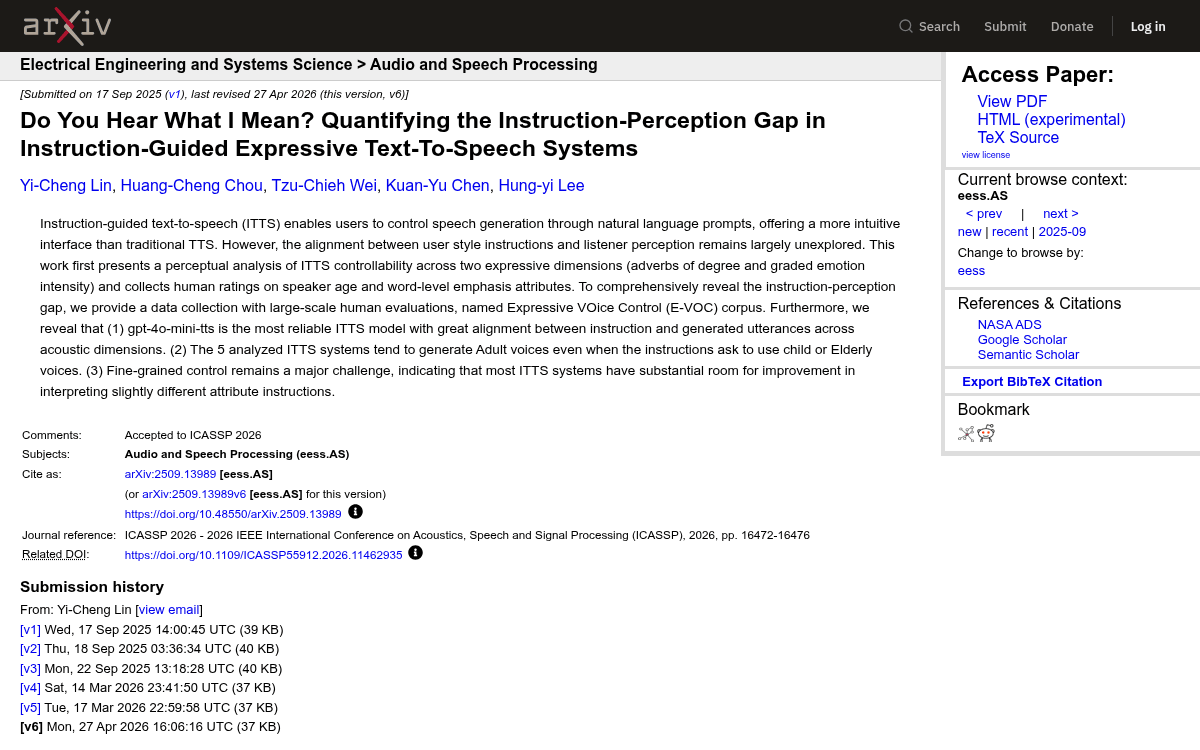
A new human-evaluated benchmark tests whether instruction-guided text-to-speech models actually deliver the emotion, age, and emphasis their prompts ask for.
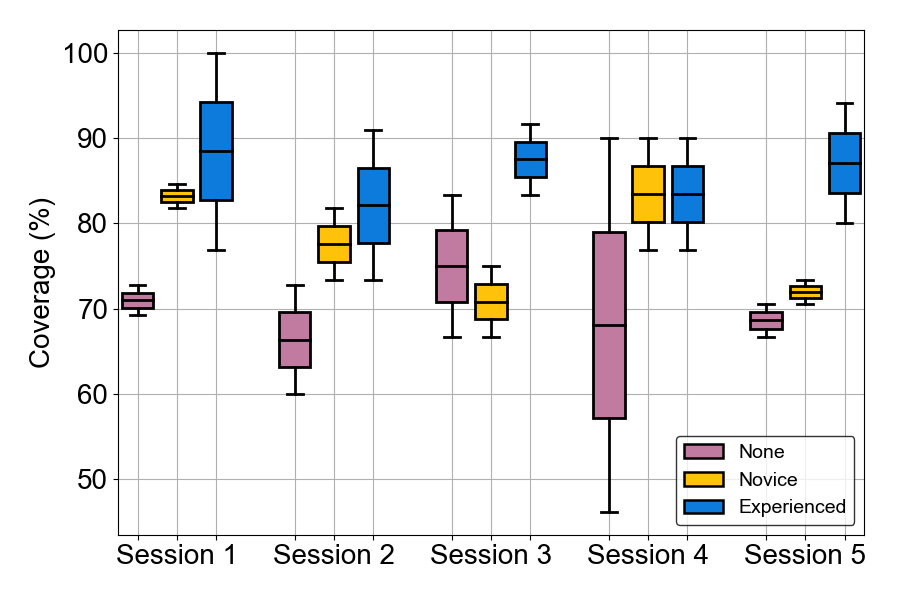
A CHI 2026 study tracked 12 UX pros over five sessions with novice and expert-style AI assistants, revealing how trust and workflow shift with familiarity.
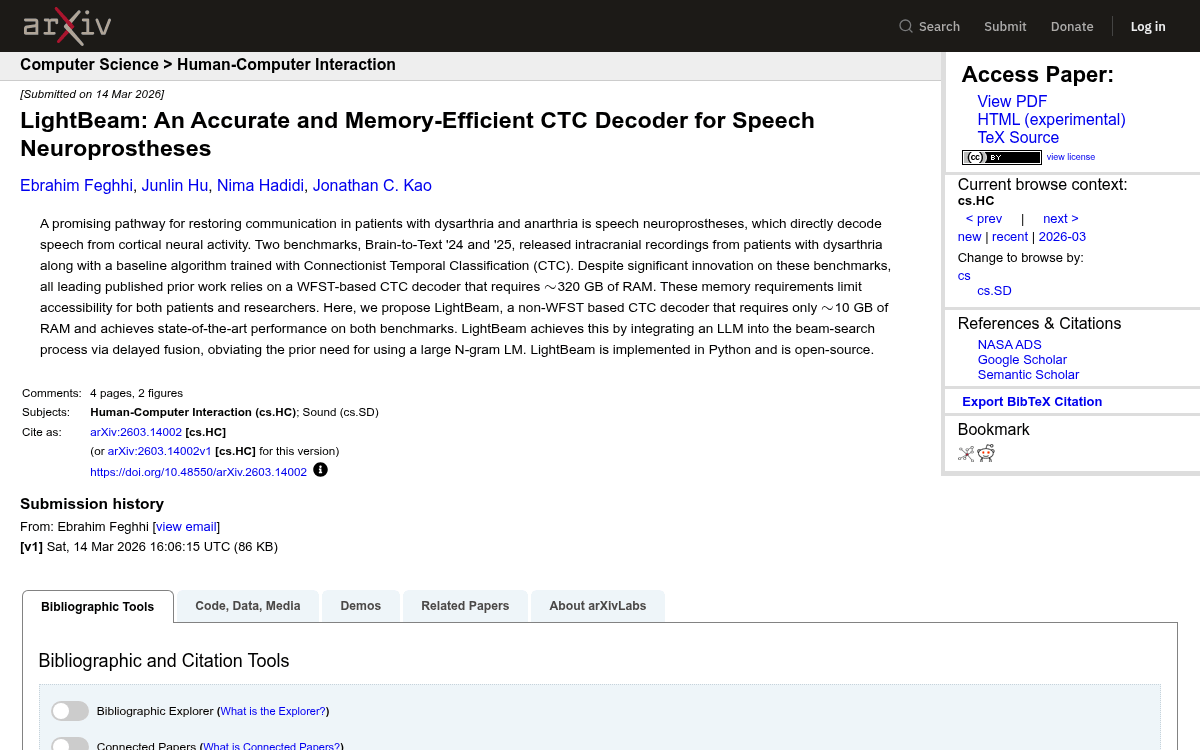
A new open-source CTC decoder cuts memory needs from 320 GB to 10 GB while setting fresh state-of-the-art on speech brain-computer interface benchmarks.
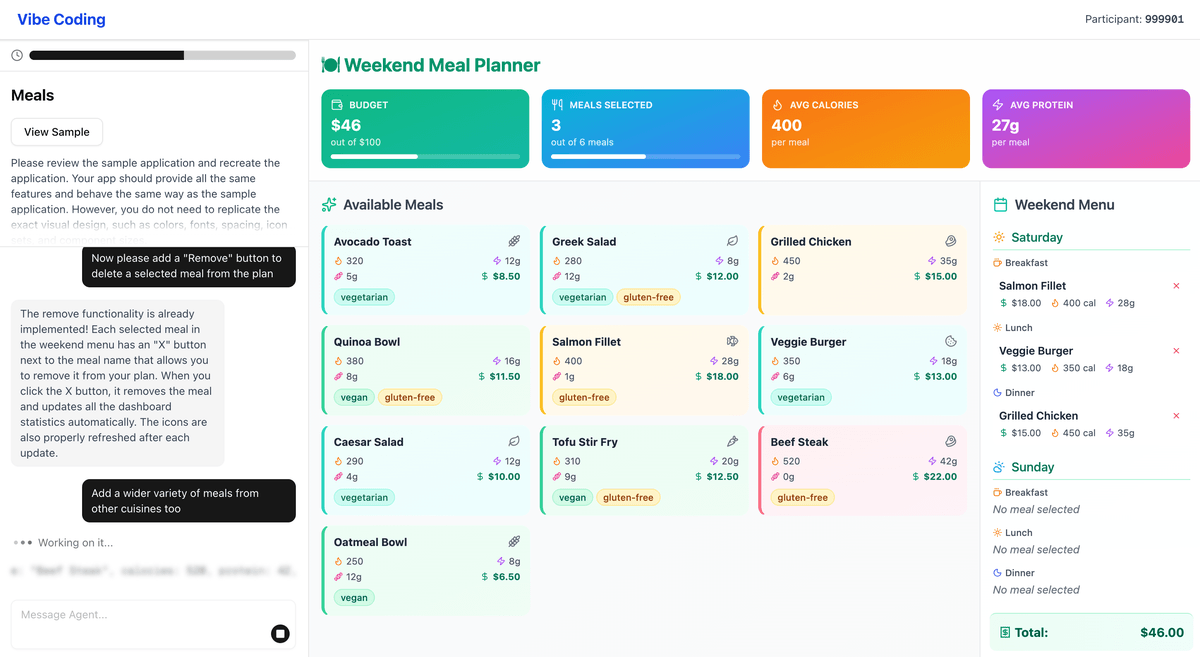
An ETH Zurich study of 100 students finds that CS knowledge and writing ability both predict vibe-coding success, while heavy LLM use correlates negatively.
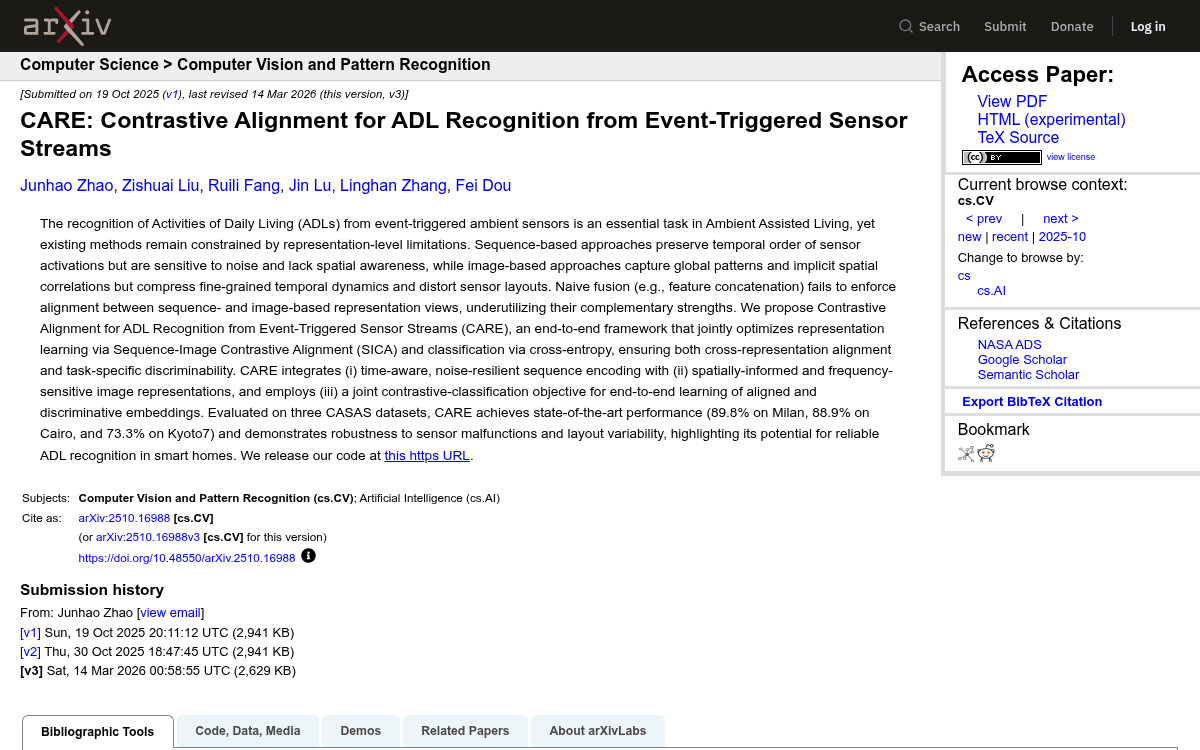
A dual-view contrastive learning framework unifies sequence and image encodings of ambient sensor streams, setting new benchmarks for smart home activity recognition.
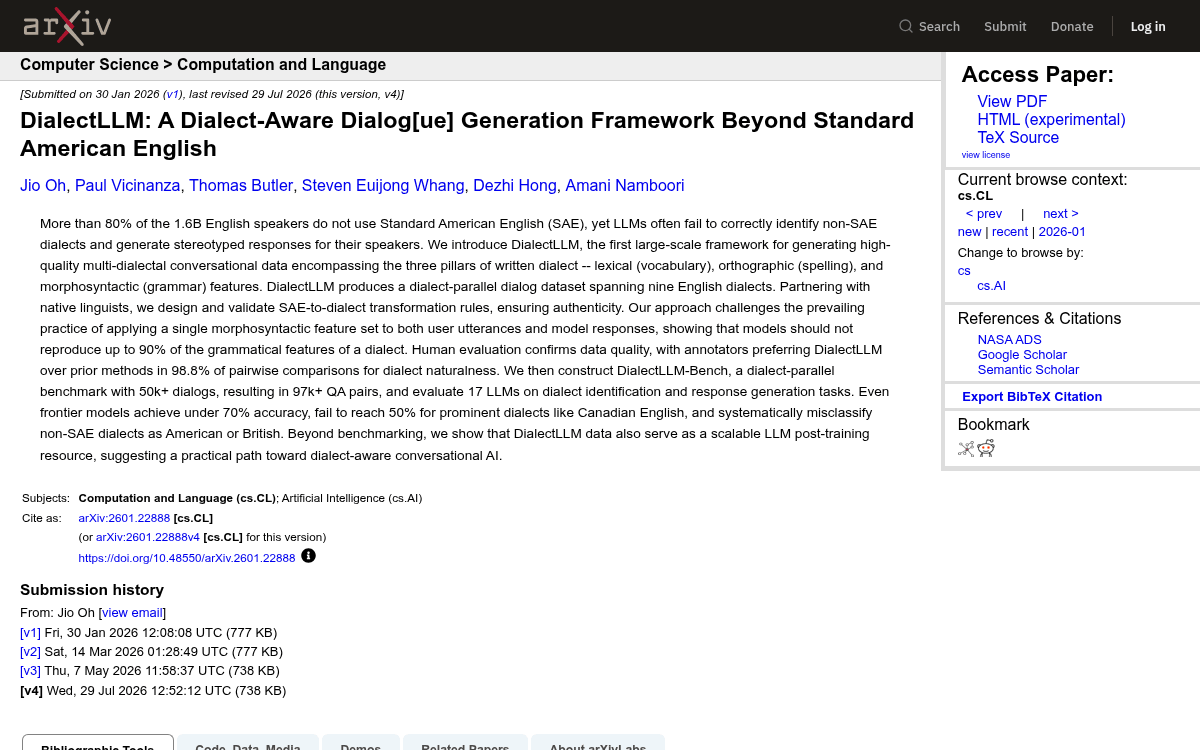
A new framework generates parallel conversational data across nine English dialects and reveals frontier LLMs still misidentify most non-American speakers.
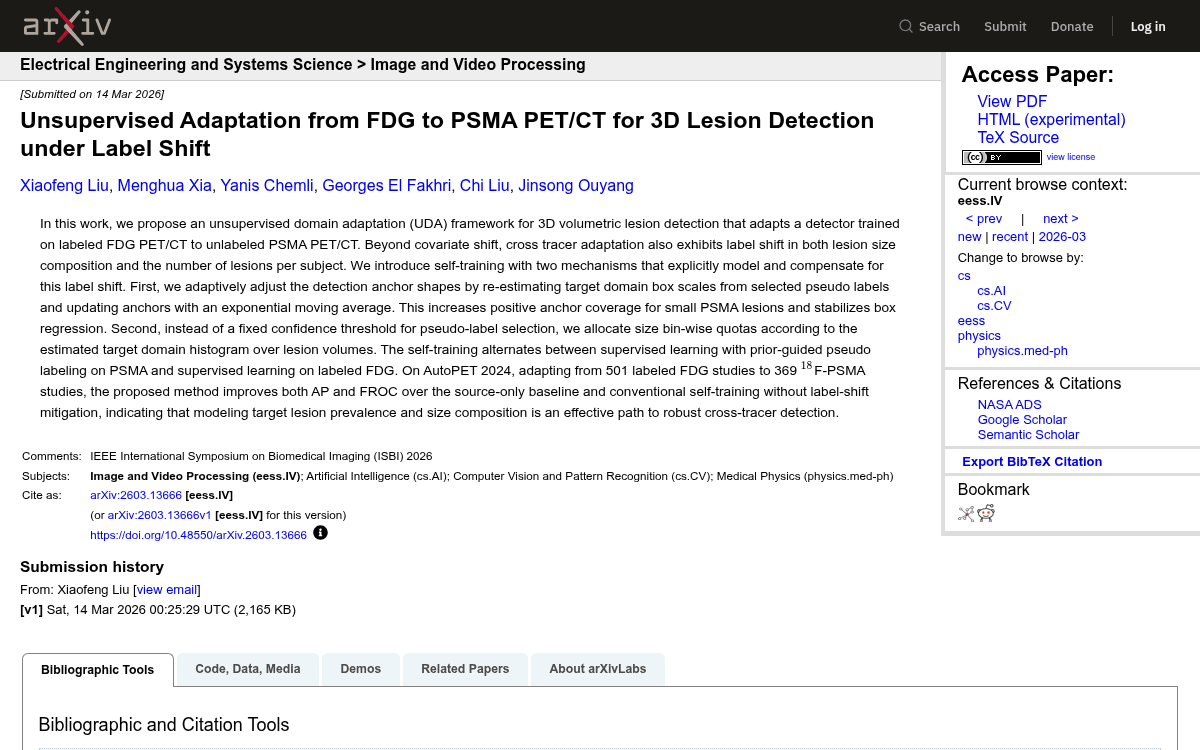
A Yale team teaches an FDG PET/CT lesion detector to work on PSMA scans without any target labels, gaining 39 AP points by modeling label shift.
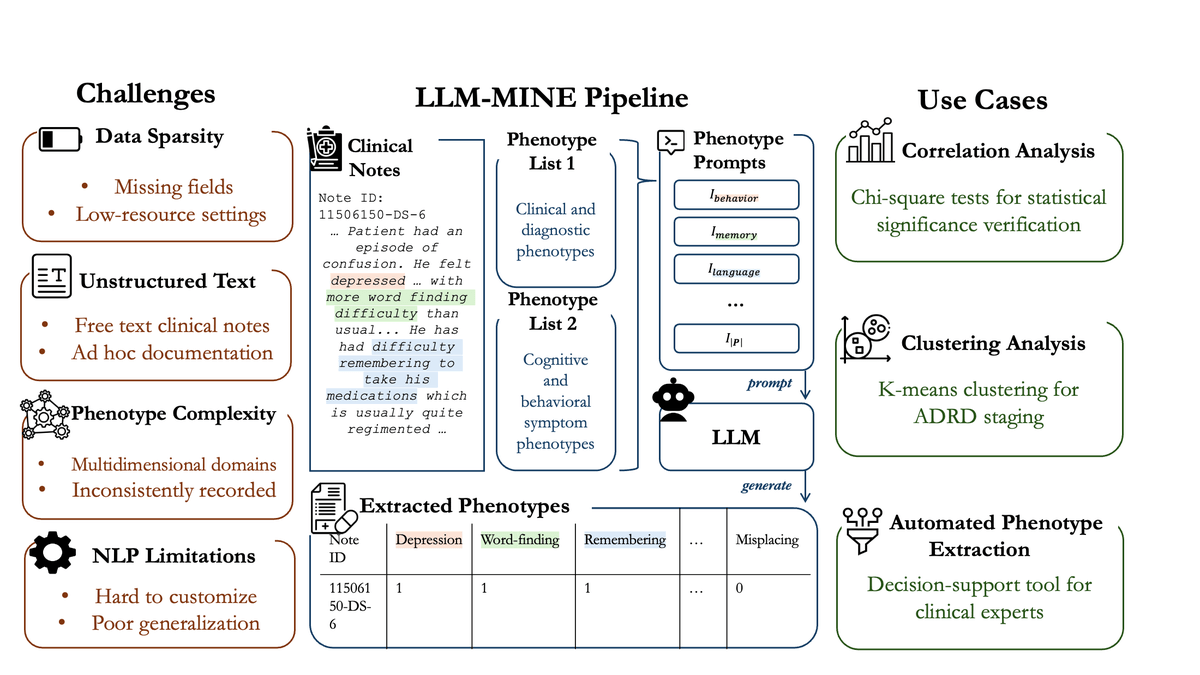
A prompting-based pipeline pulls Alzheimer's phenotypes out of messy clinical notes, beating dictionary and biomedical NER baselines on unsupervised patient staging.
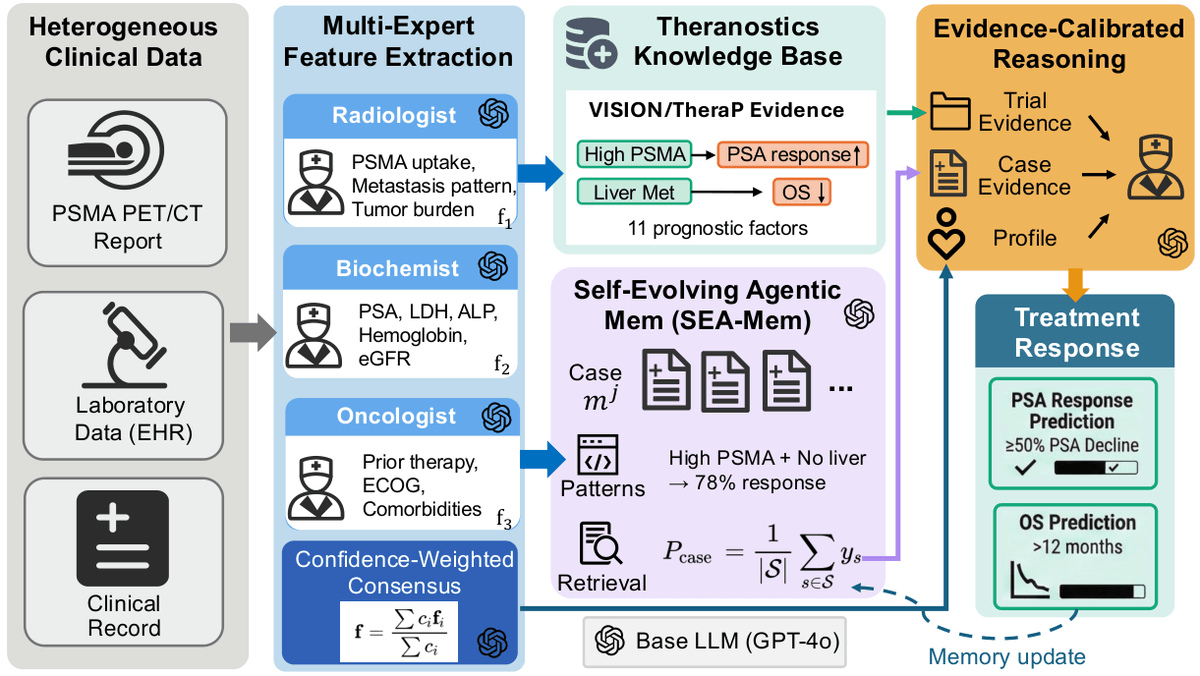
A new multi-agent LLM system predicts which prostate cancer patients will respond to a nascent radioligand therapy, outperforming existing medical agents by over 20 percent.
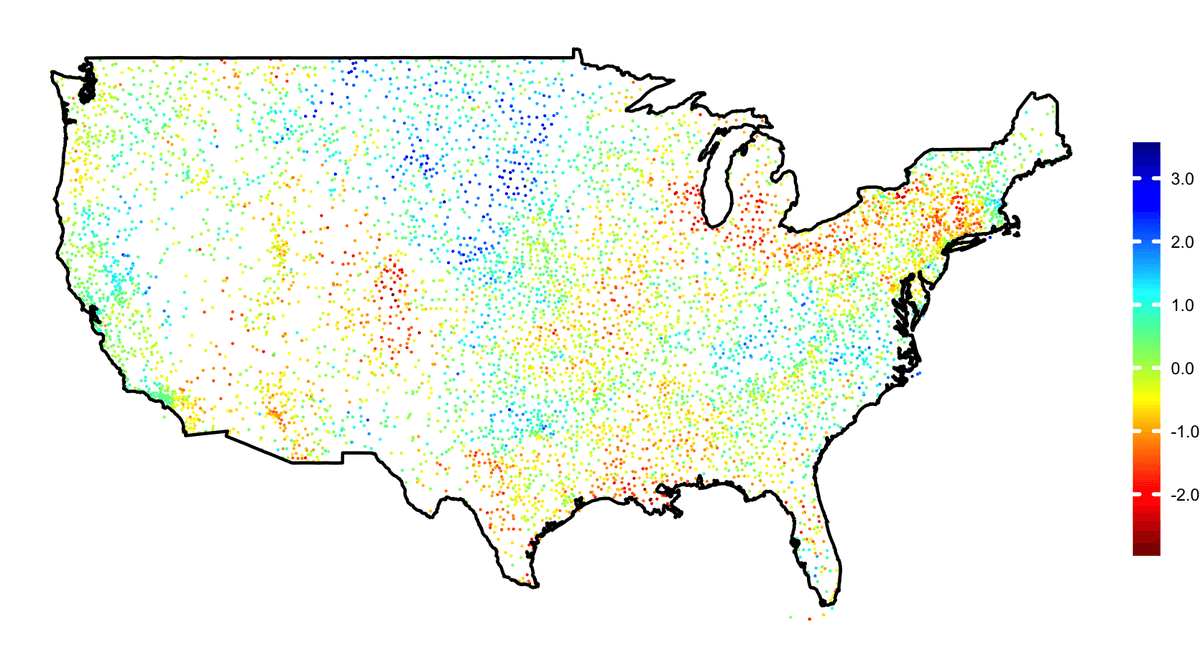
A new framework treats sample selection as a multi-armed bandit problem, cutting target density evaluations by roughly 95% for expensive Bayesian inference.

Researchers swap self-attention in Diffusion Transformers for a learnable physics equation, cutting cost to O(N log N) while matching or beating quality.
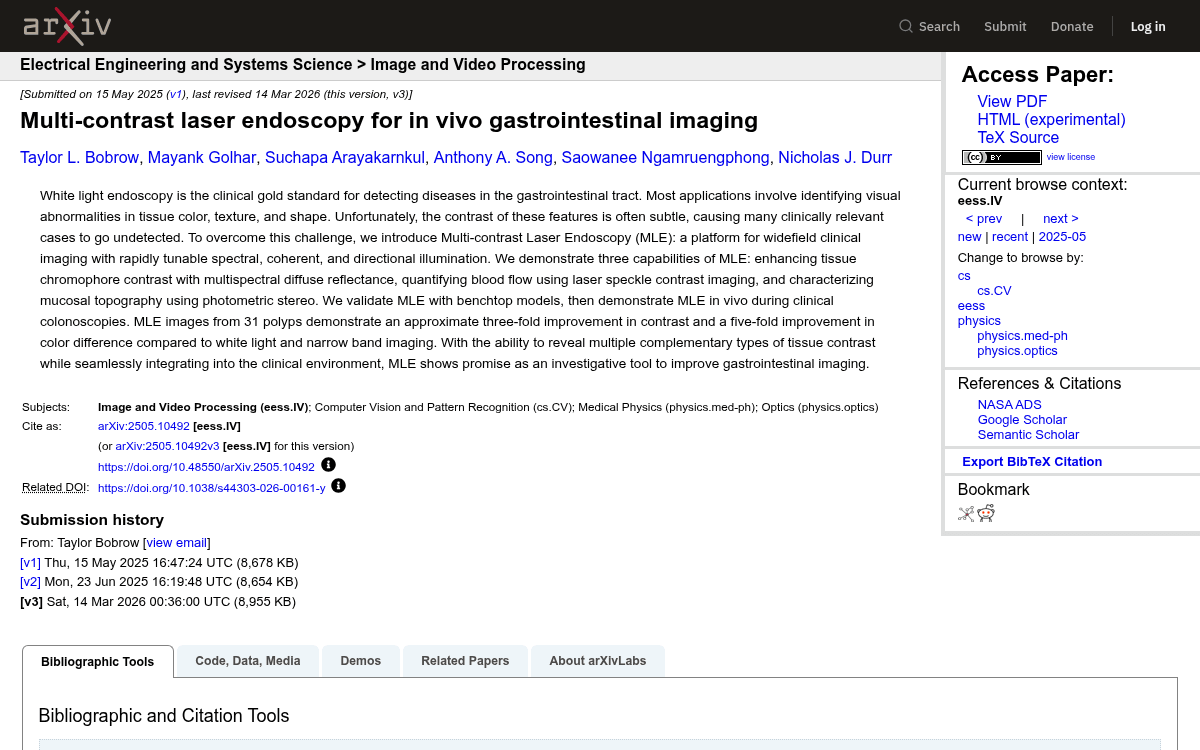
A Johns Hopkins team retrofitted a standard colonoscope with tunable laser illumination, delivering roughly 3x contrast and 5x color separation for precancerous polyps.
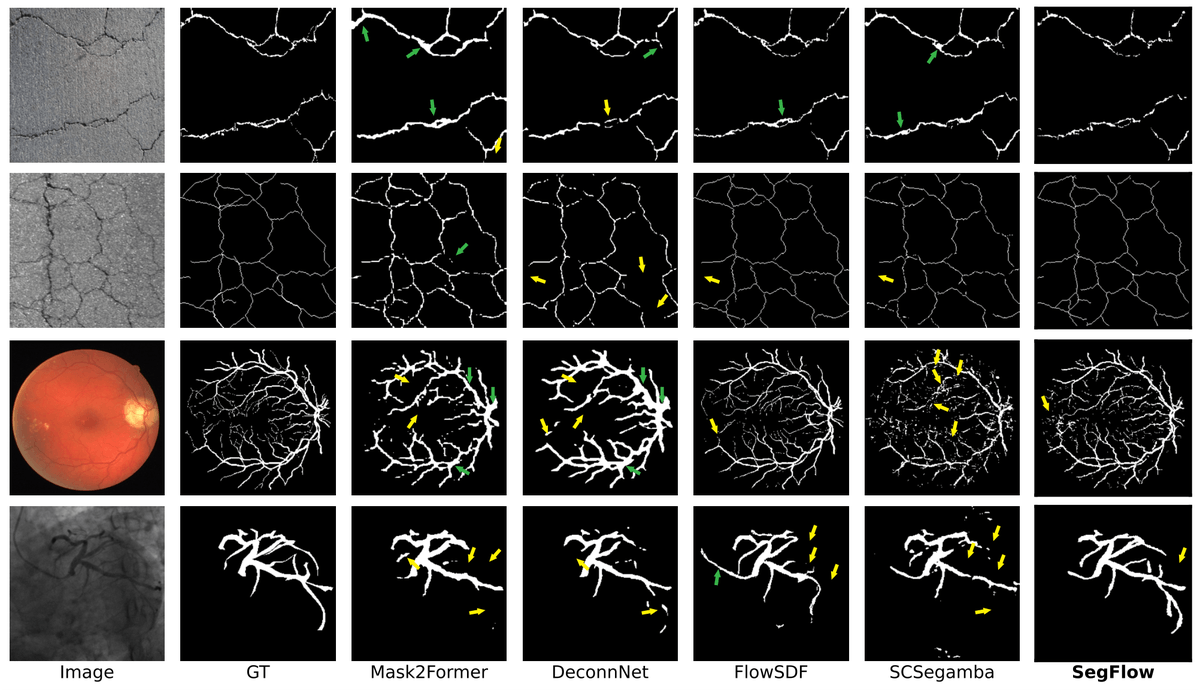
A new flow-matching framework turns segmentation into continuous image-to-mask transport, cutting topology errors 37% while slashing label requirements by 75%.
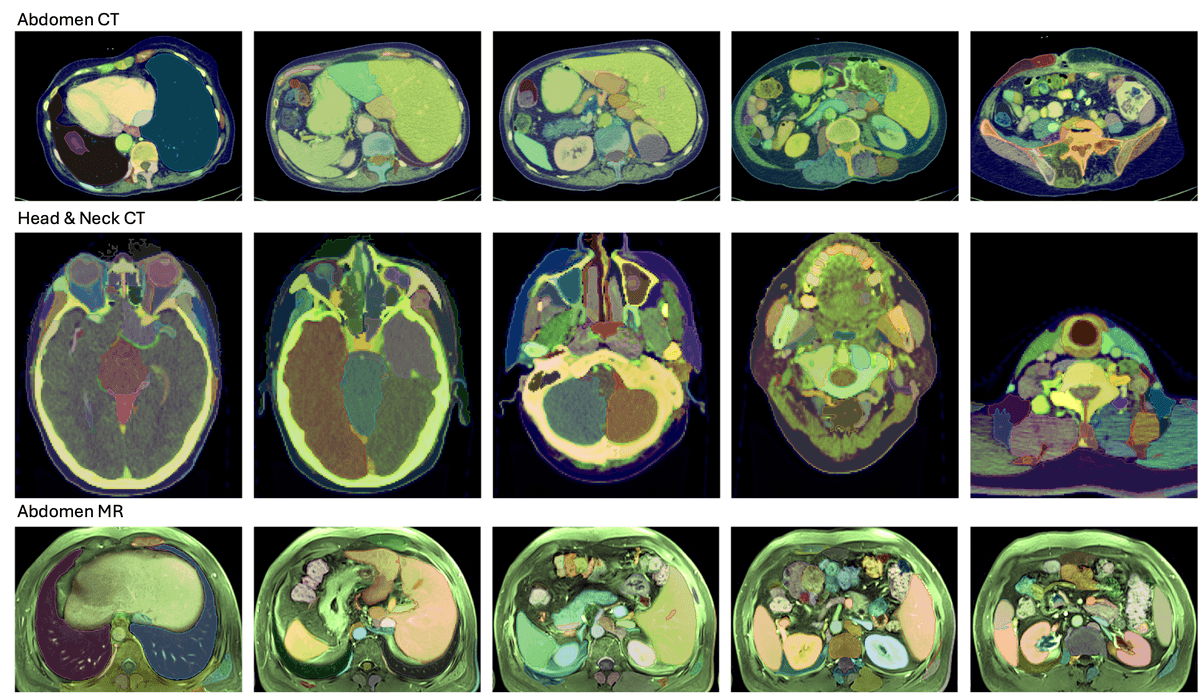
Stanford's MASS turns automatic mask proposals into a pretext task, teaching 3D medical encoders anatomy without a single expert annotation.