
Pro
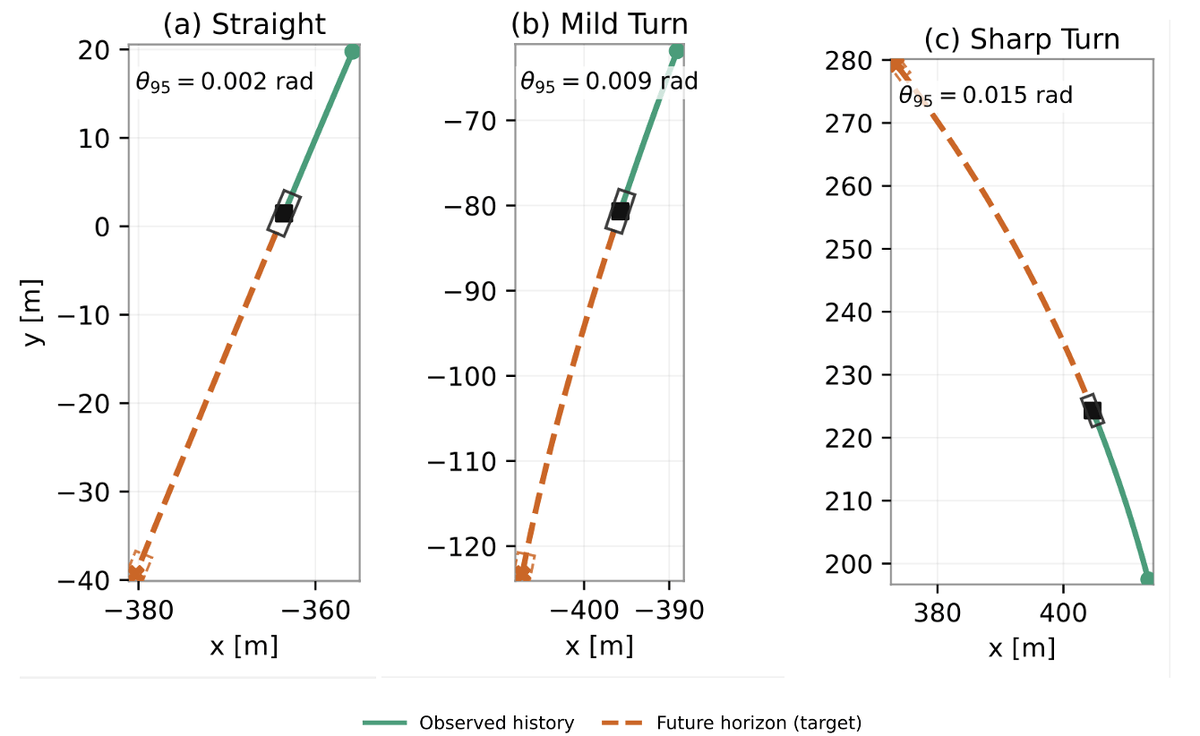
EagleVision Benchmark Finally Tests Self-Driving AI at 260 km/h Racing Speeds
A unified LiDAR benchmark stitches together the Indy Autonomous Challenge, A2RL, and simulator data to test how urban-trained models handle 170 mph racing.
20 stories
A unified LiDAR benchmark stitches together the Indy Autonomous Challenge, A2RL, and simulator data to test how urban-trained models handle 170 mph racing.
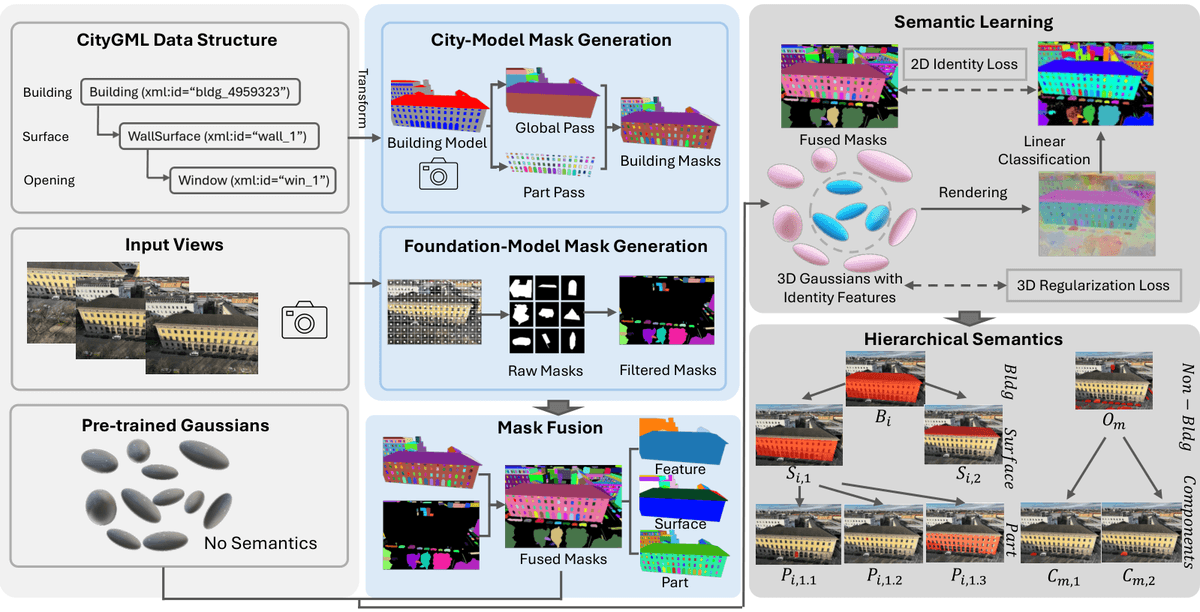
A new method fuses CityGML building priors with 3D Gaussian Splatting to deliver hierarchical, geometrically clean urban scene understanding.
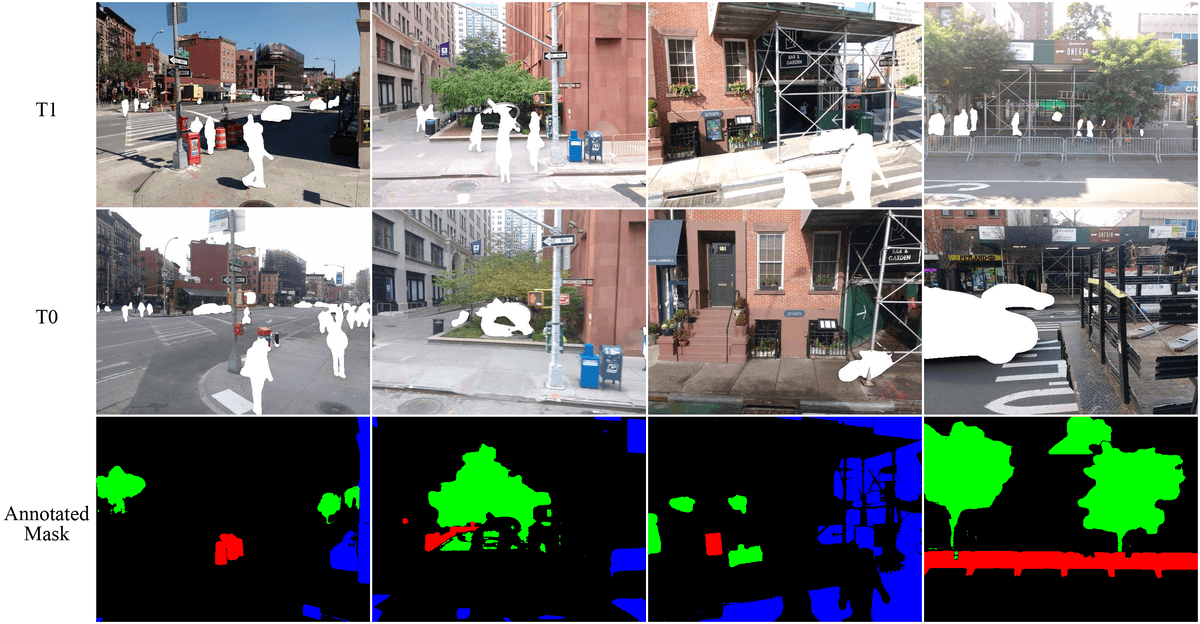
Researchers pair vision-language models with SAM2 to turn scene change detection from noisy pixel differencing into object-level semantic reasoning.

A new task called ORVOS forces video segmentation models to work frame-by-frame with no peeking at the future, exposing where current methods break.
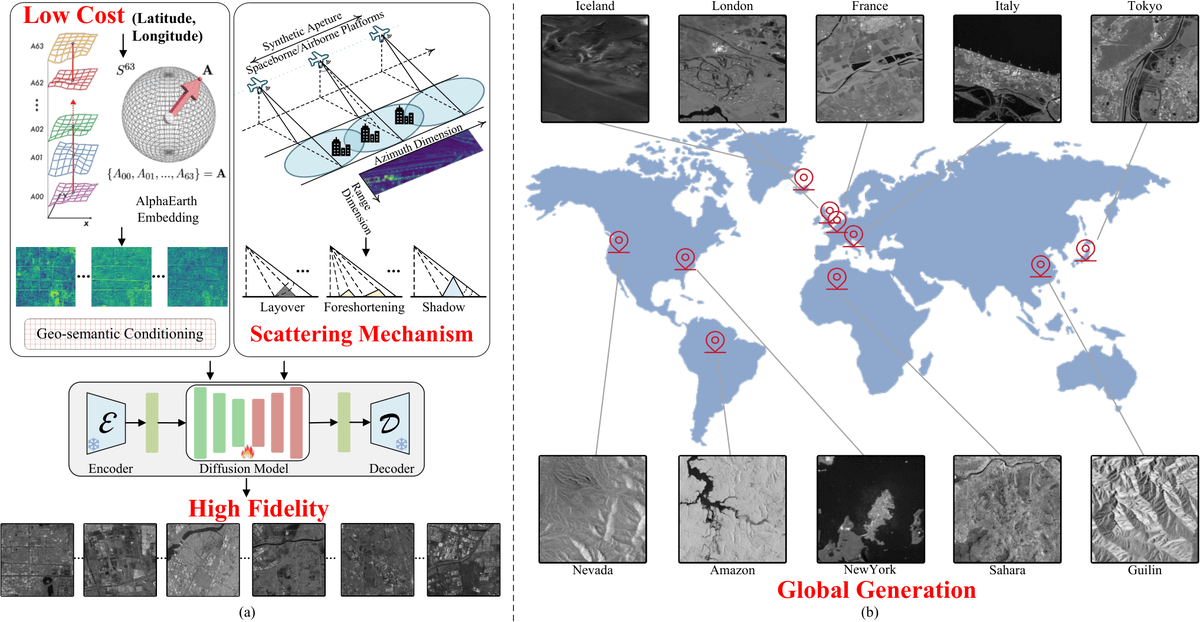
A new diffusion model generates realistic SAR satellite imagery anywhere on Earth from just latitude and longitude, using AlphaEarth embeddings as a geographic prior.
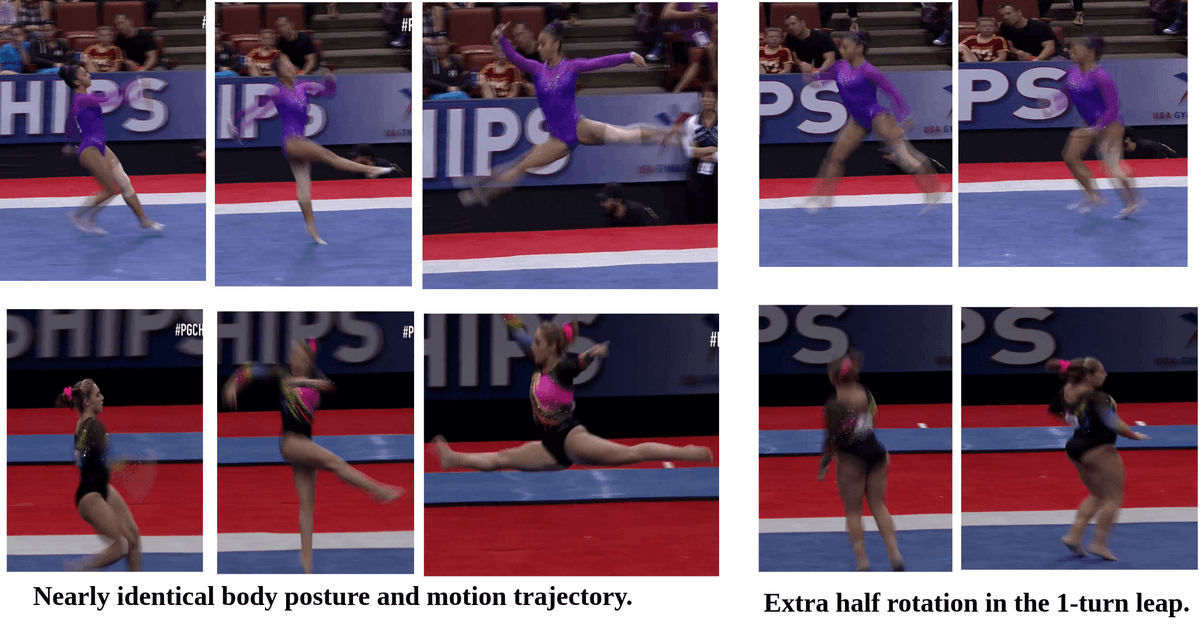
A lightweight Transformer plus graph module lets RGB-only video models beat multimodal systems that rely on pose and text annotations.
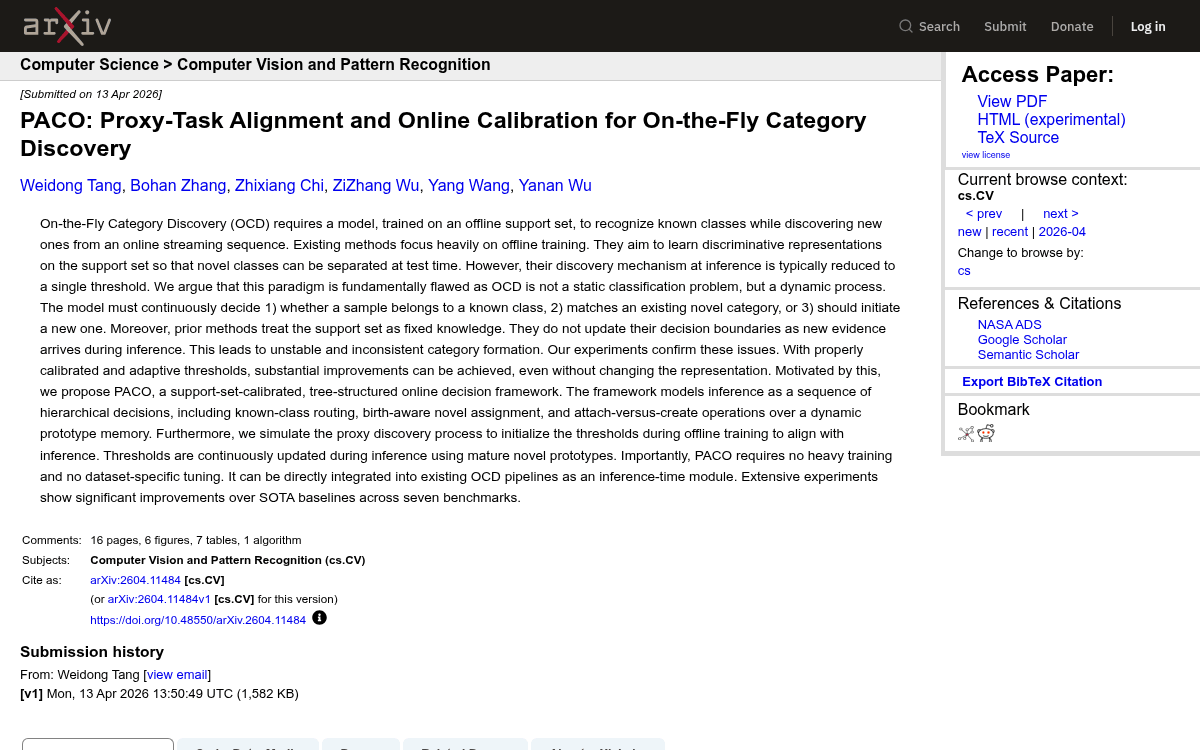
A new inference-time framework replaces the single-threshold decision in streaming category discovery with calibrated, hierarchical decisions that adapt as data arrives.
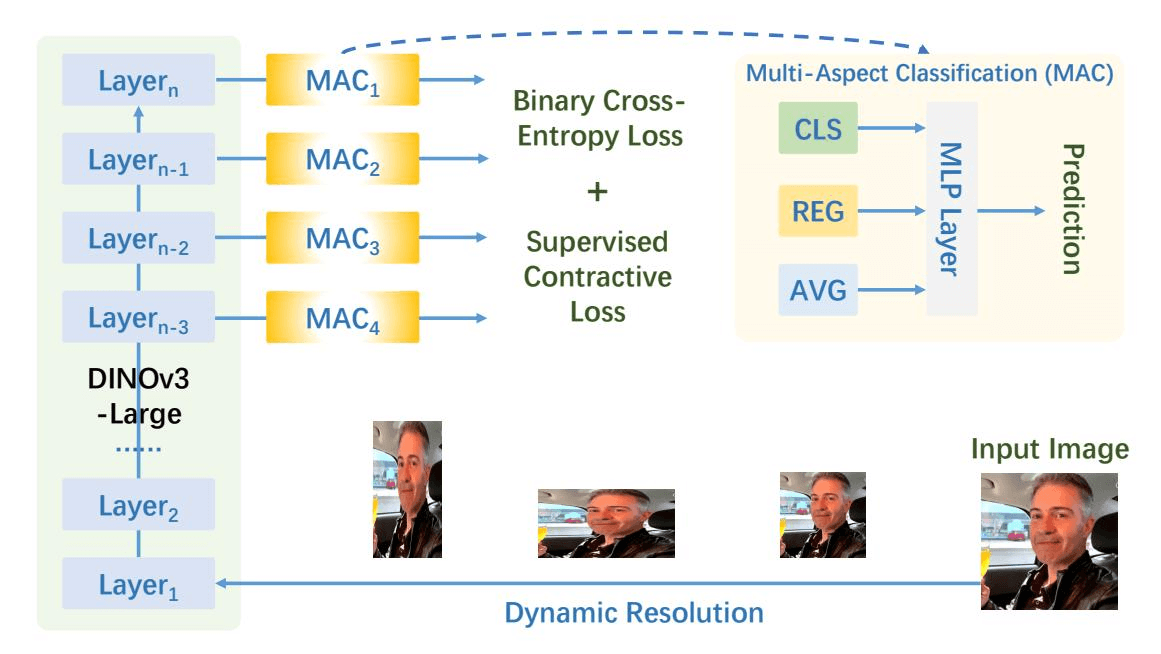
A CVPR 2026 challenge pitted 20 teams against 42 generators and 36 image distortions, exposing what still trips modern AI-image detectors.
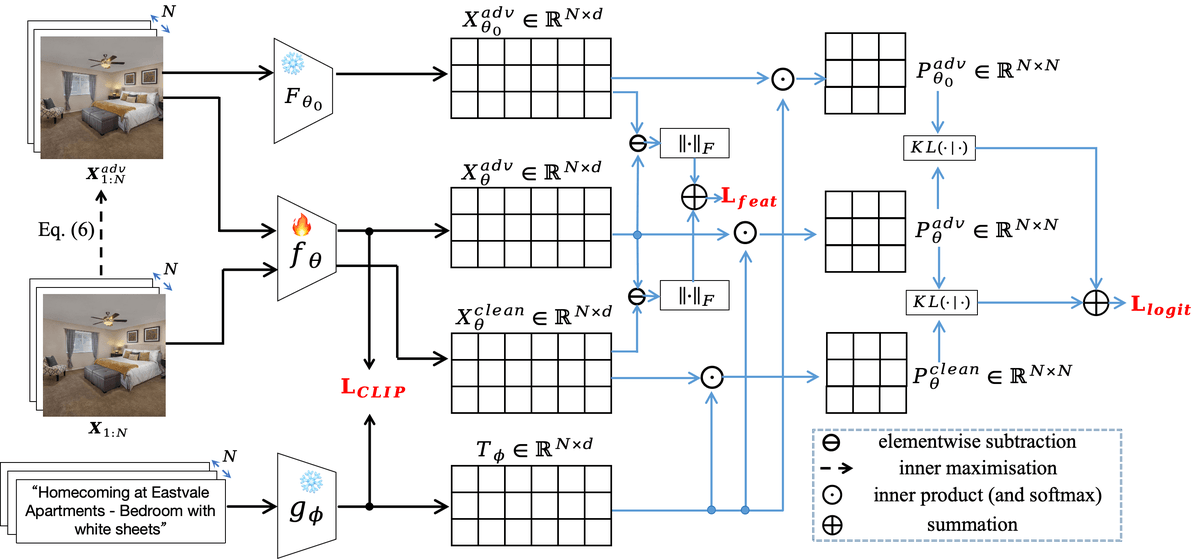
A new adversarial finetuning recipe for CLIP keeps the pretraining objective intact, boosting zero-shot robustness across 14 downstream datasets.
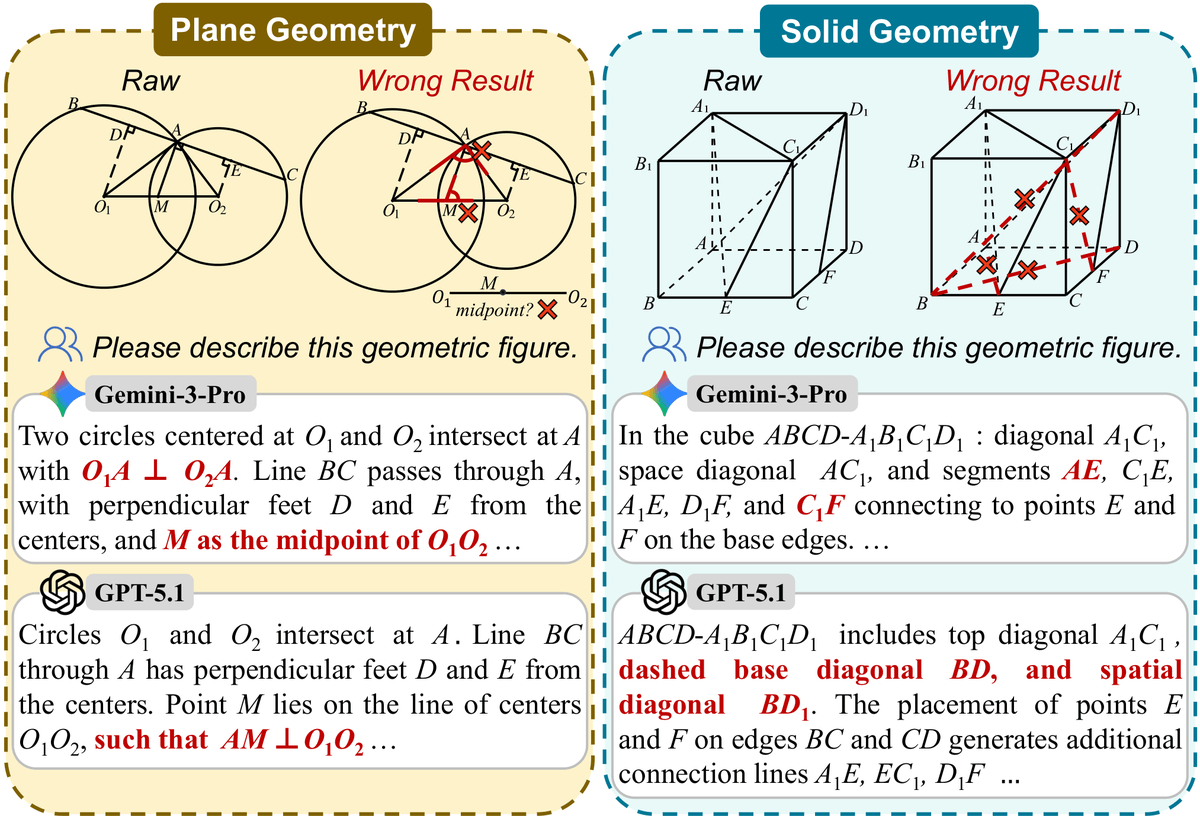
Researchers from the Chinese Academy of Sciences and Alibaba built a formal language and dataset that lets small models parse geometry diagrams more accurately than GPT-5.2.
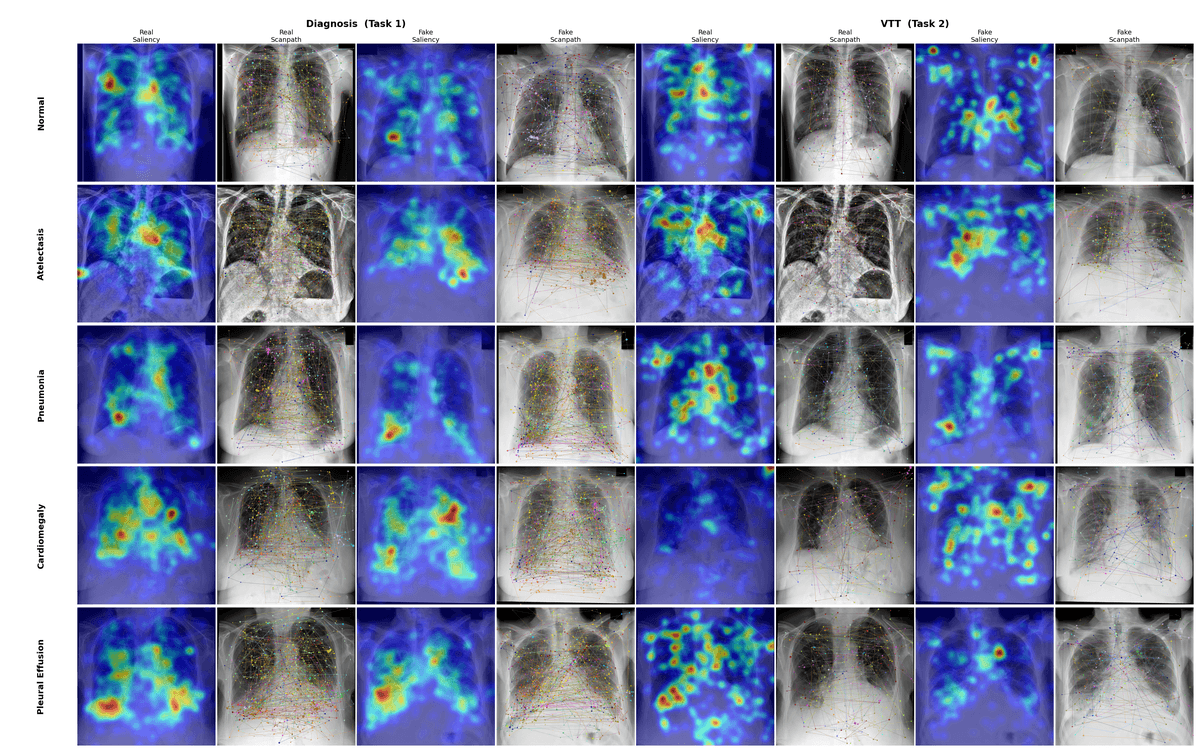
A new benchmark tracks how 16 radiologists visually inspect real versus AI-generated chest X-rays, and pits their perception against six multimodal LLMs.
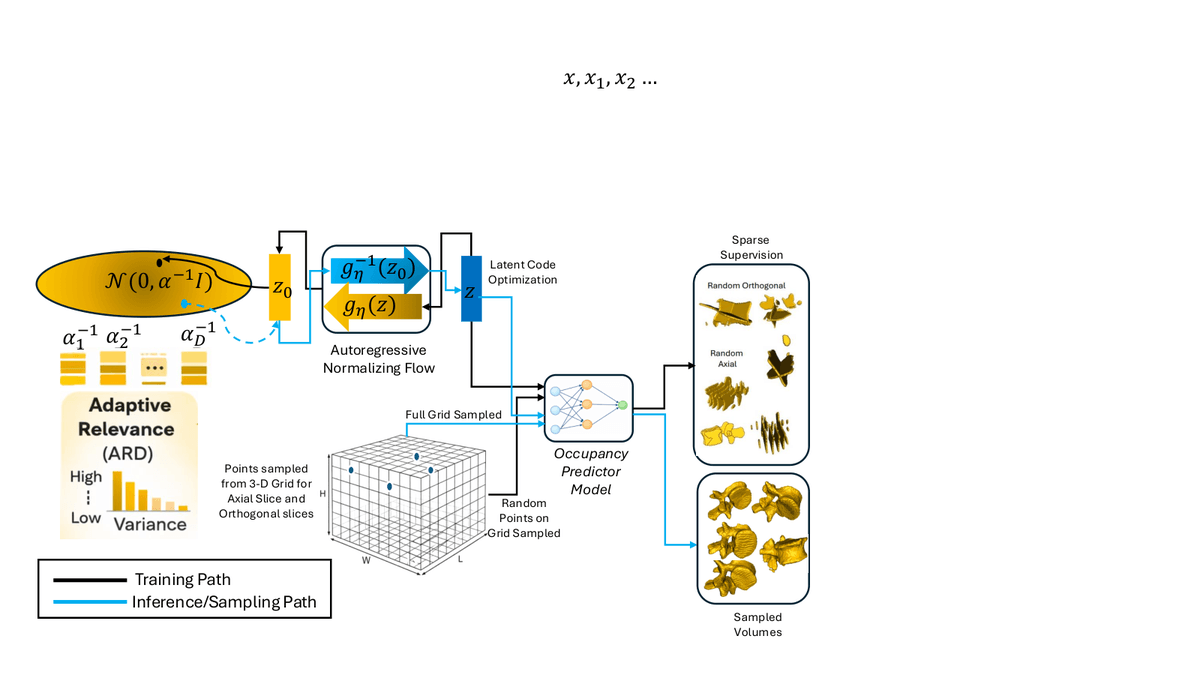
A new framework learns 3D anatomical shape distributions from a handful of segmented slices, using normalizing flows and automatic dimension pruning.
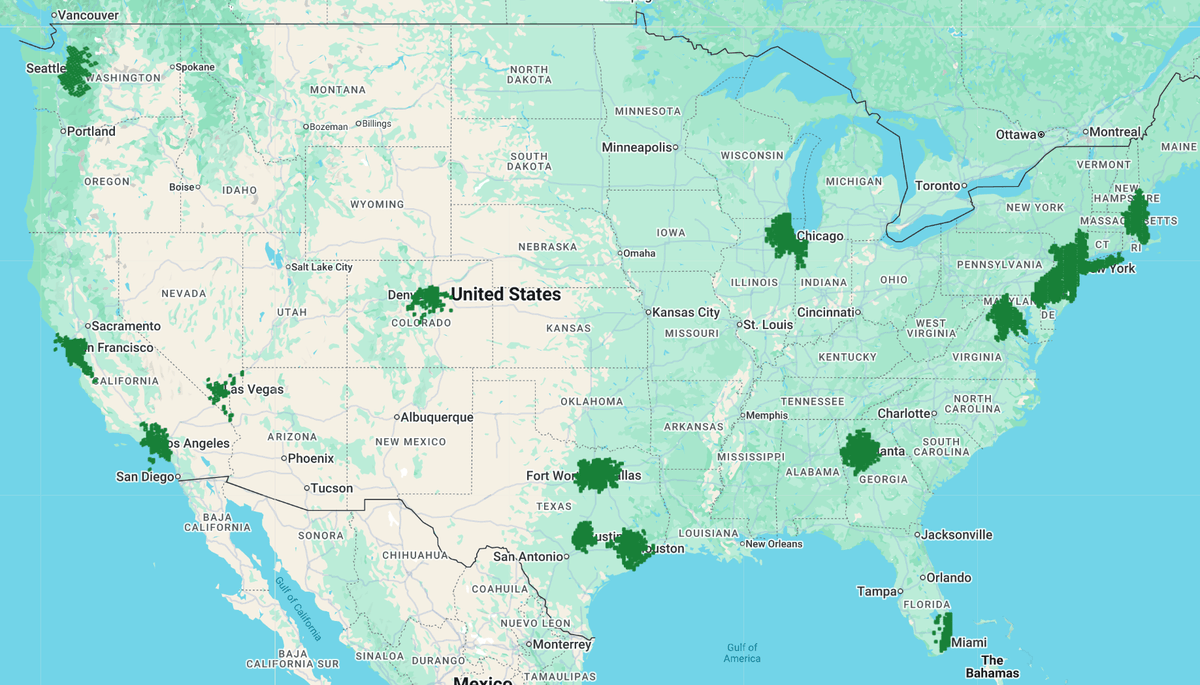
A five-modality contrastive model from Astruc and collaborators aligns aerial, street-view, elevation, text, and GPS into one shared embedding space.
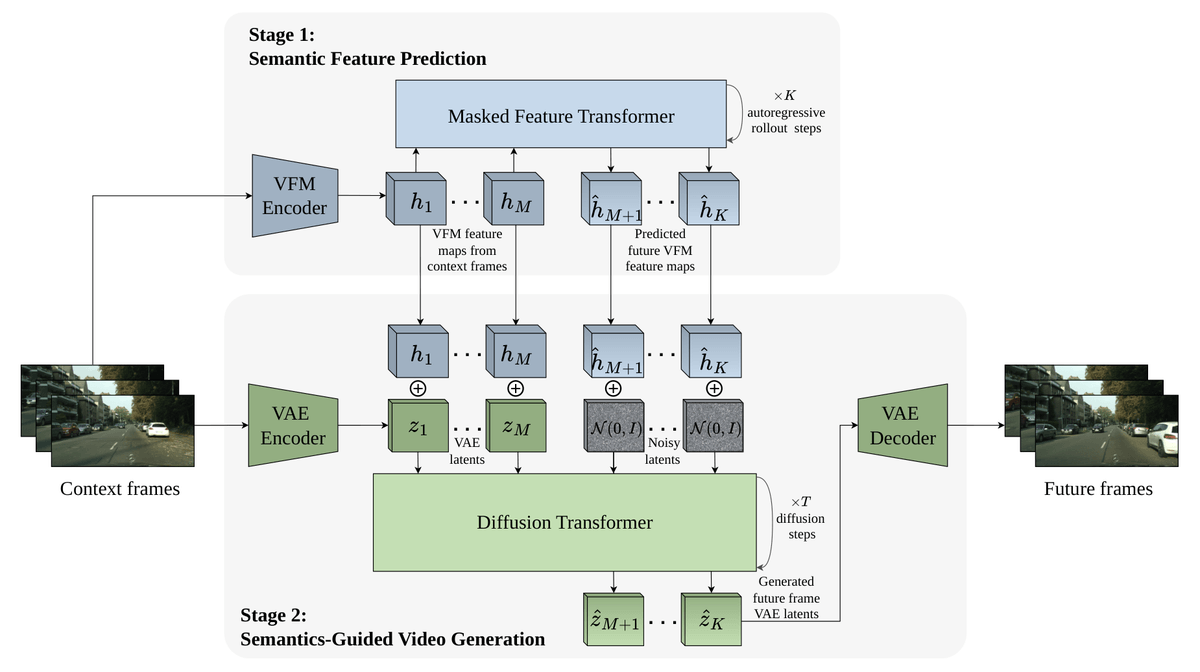
Re2Pix splits video prediction into semantic forecasting first, then diffusion rendering, cutting training time up to 14x on driving benchmarks.
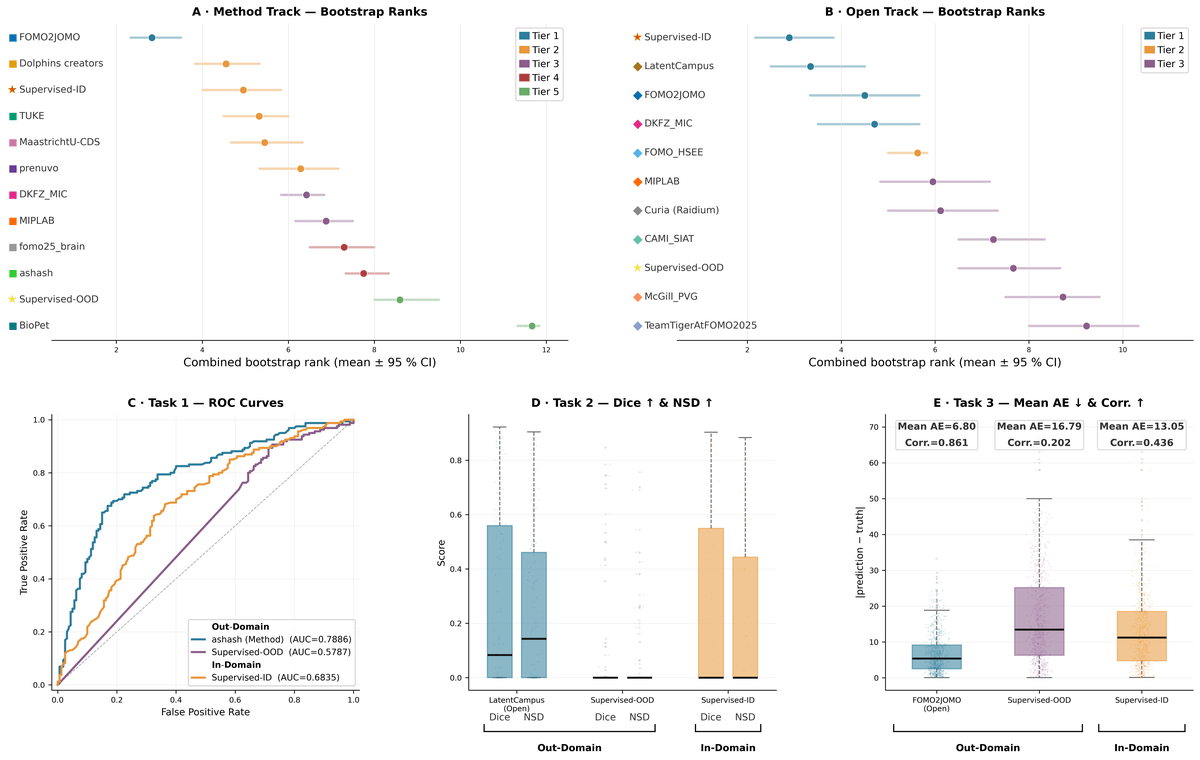
MICCAI 2025's FOMO25 challenge tested 19 brain MRI foundation models on real clinical data, revealing pretraining beats supervised baselines and scaling stalls.
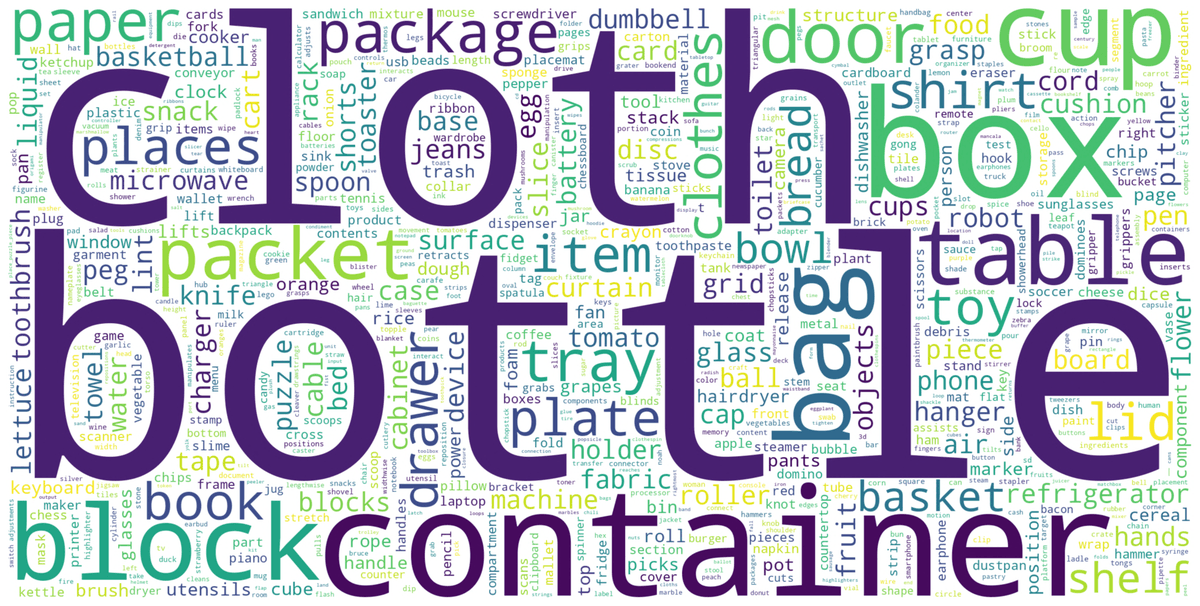
A new benchmark shows general vision models like DINOv3 and V-JEPA 2 beat purpose-built robot models at extracting actions from video.
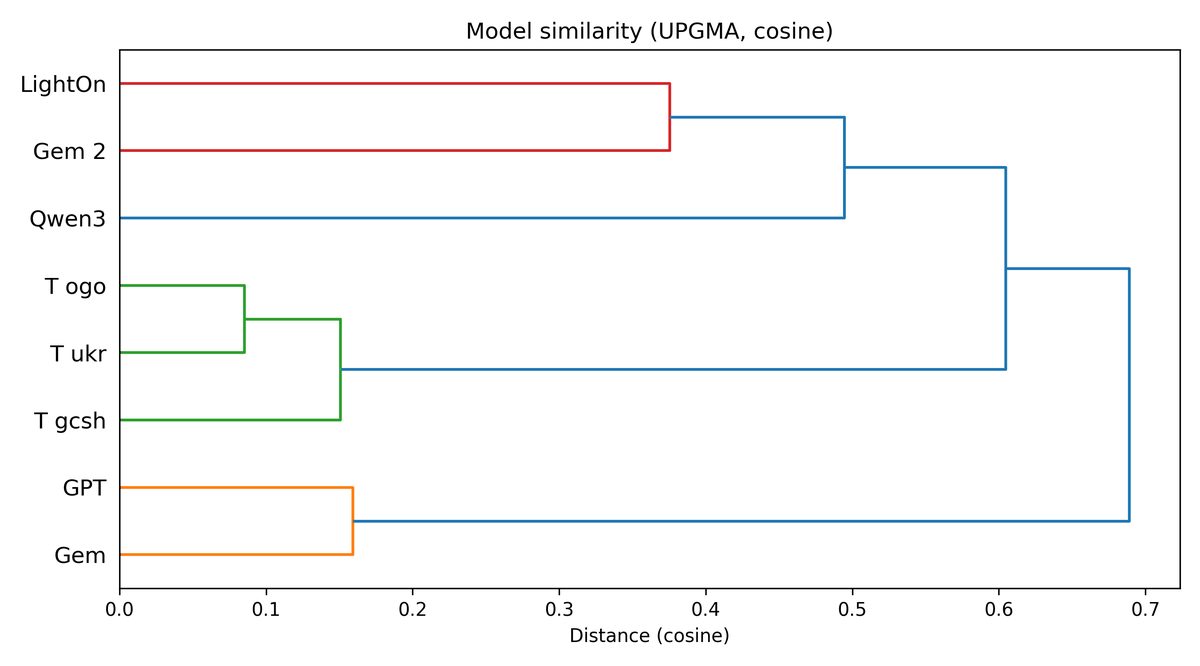
A benchmark of 10+ OCR systems on handwritten Old Church Slavonic, plus a novel image-only pipeline that reconstructs manuscript family trees without any transcription.
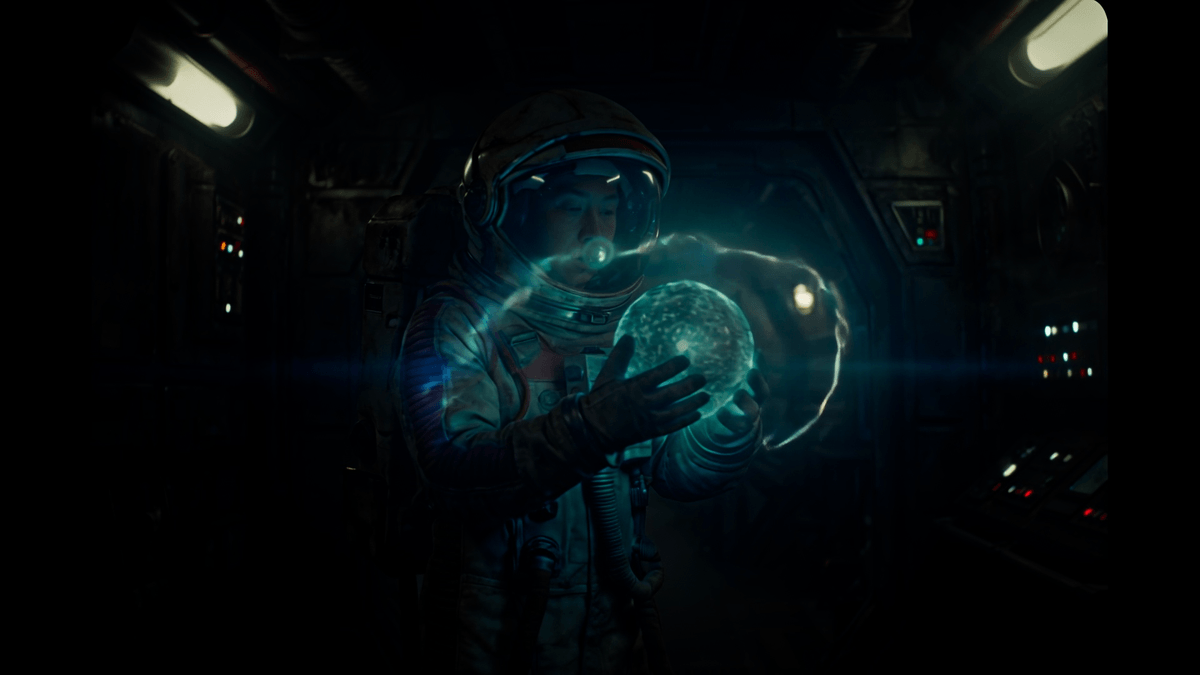
Lightricks and Tel Aviv University adapt a pretrained video diffusion model to output cinema-grade HDR by aligning log-encoded footage with existing latents.
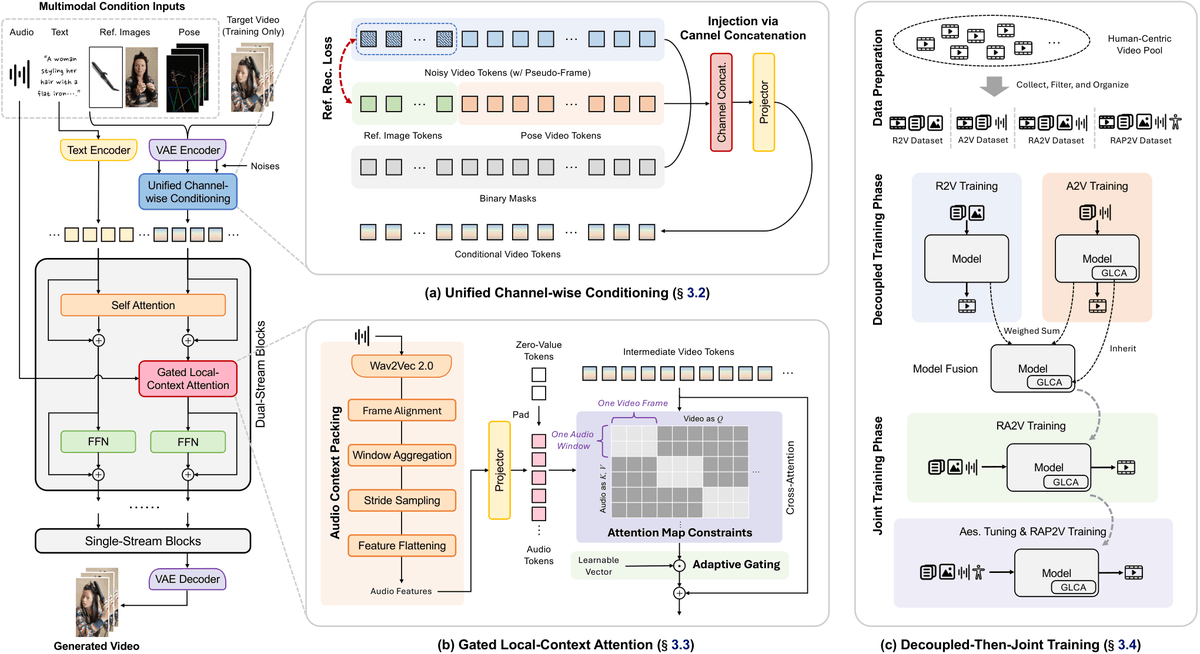
Researchers from CUHK and ByteDance introduce OmniShow, a 12B video model that unifies text, reference images, audio, and pose into one framework.
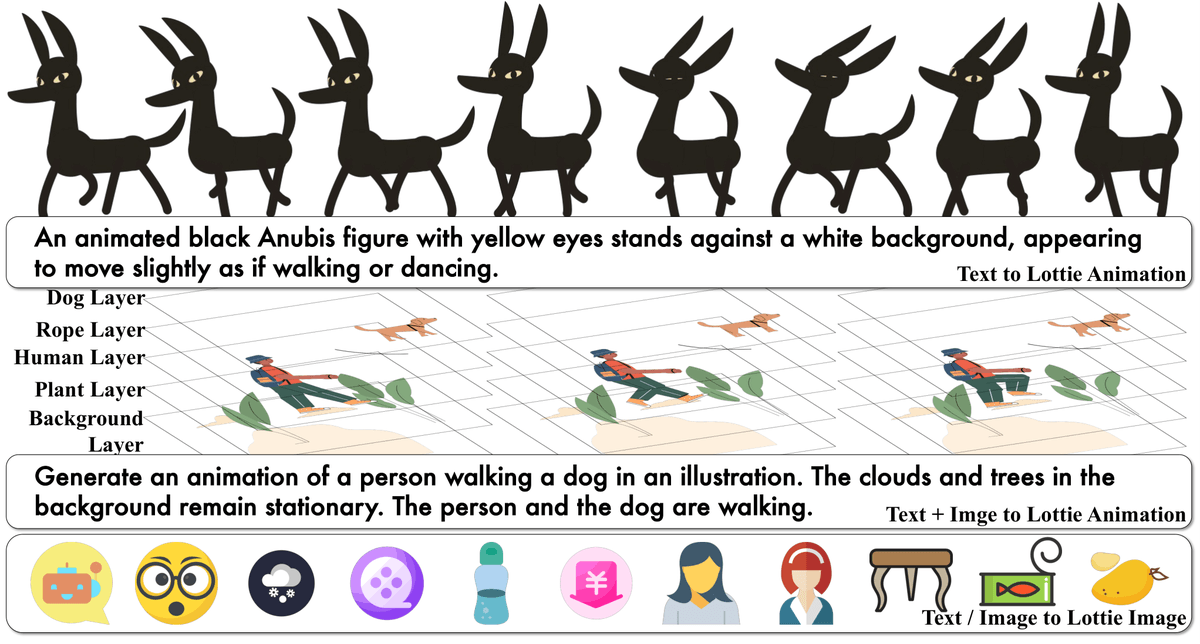
A new CVPR 2026 model tokenizes Lottie JSON files and fine-tunes Qwen2.5-VL to generate editable vector animations from text or images.