HKU's Pair2Scene Generates Dense 14-Object Rooms Without Bigger Training Data
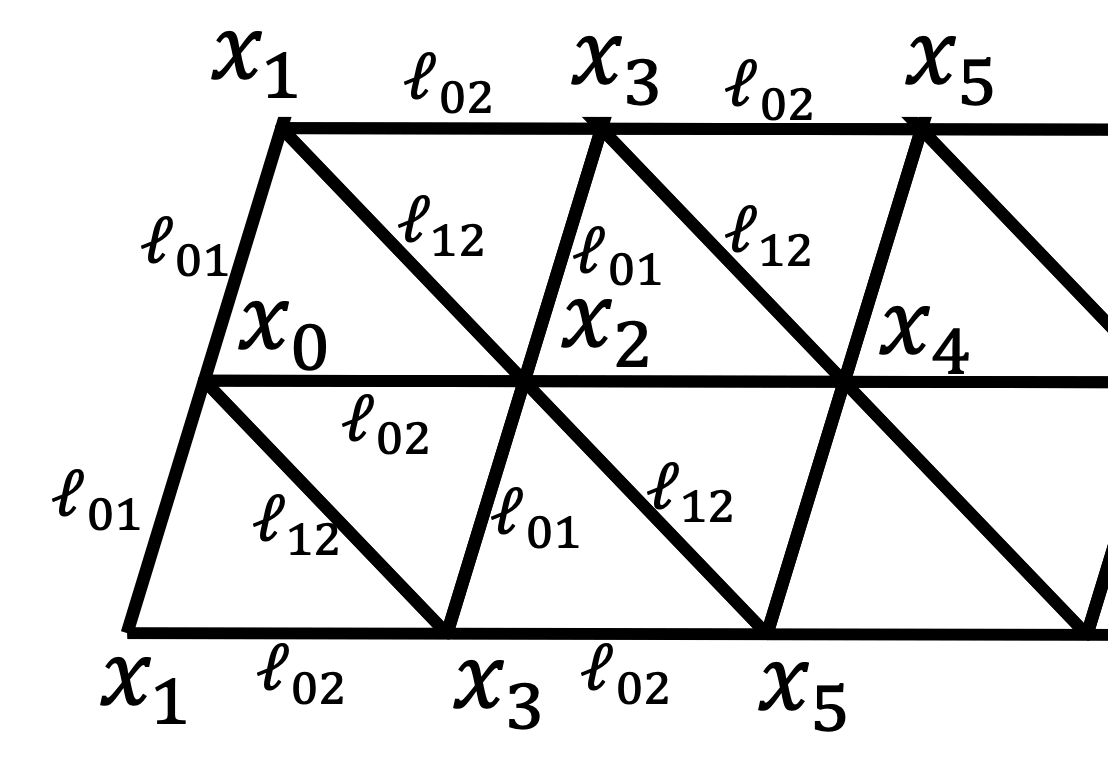
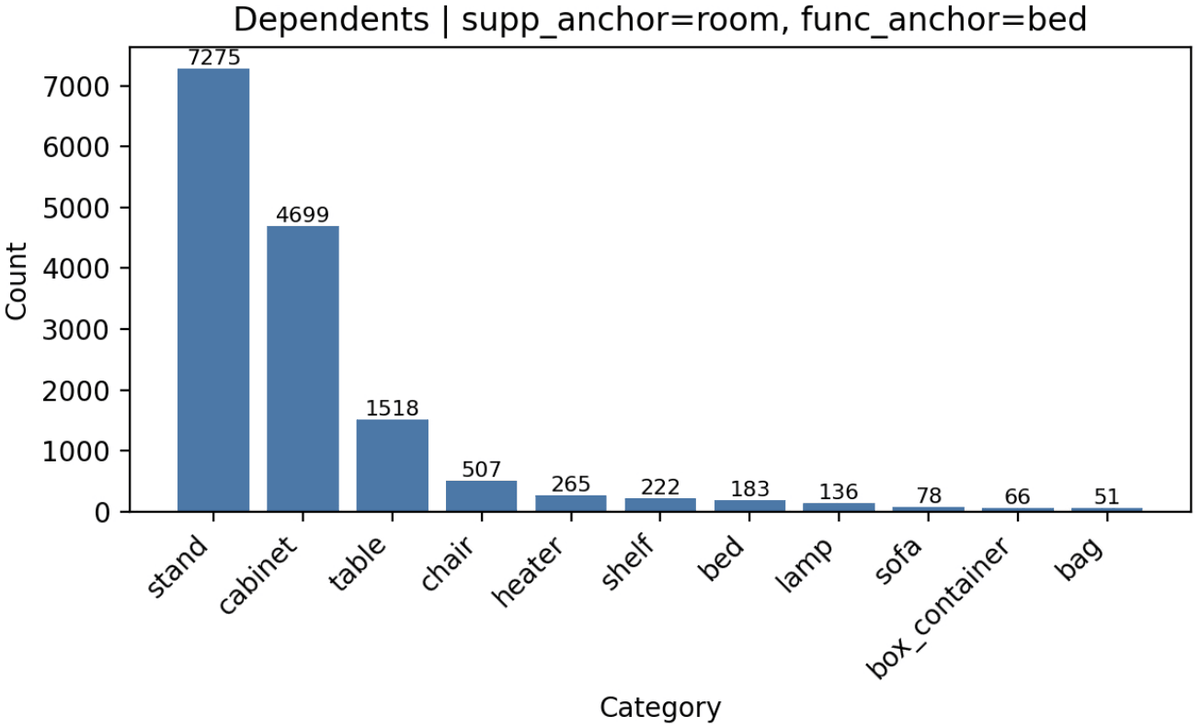
A new framework generates 3D indoor scenes by learning pairwise object rules, producing layouts three times denser than training data while staying physically plausible.
20 stories

A new framework generates 3D indoor scenes by learning pairwise object rules, producing layouts three times denser than training data while staying physically plausible.

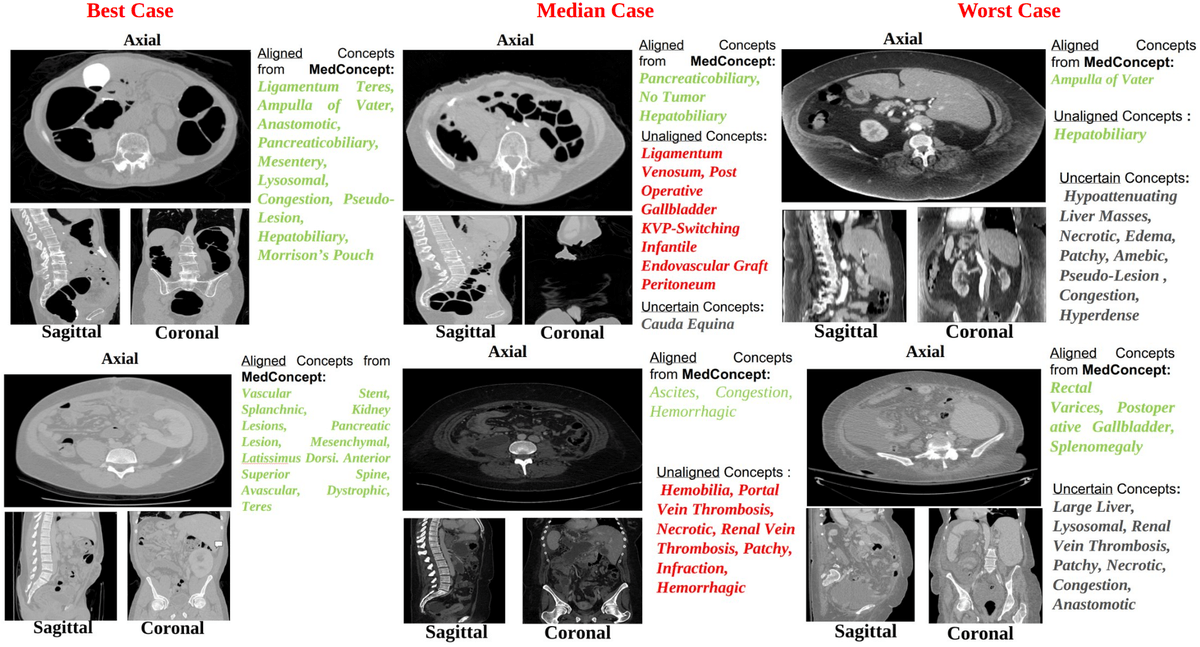
A new framework uses sparse autoencoders to extract clinically named concepts from frozen medical vision-language models and grades them against radiology reports.

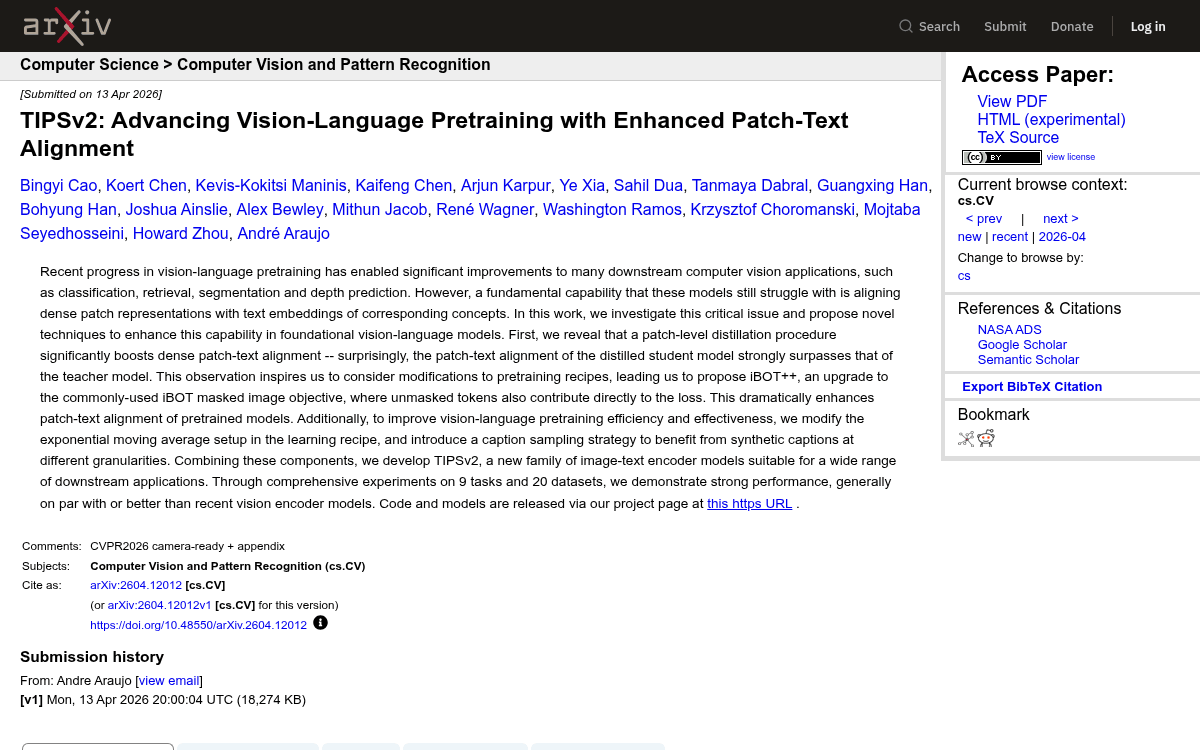
Google DeepMind's TIPSv2 fixes a long-standing weakness in vision-language models by supervising every patch, jumping zero-shot segmentation by 14.1 mIoU.

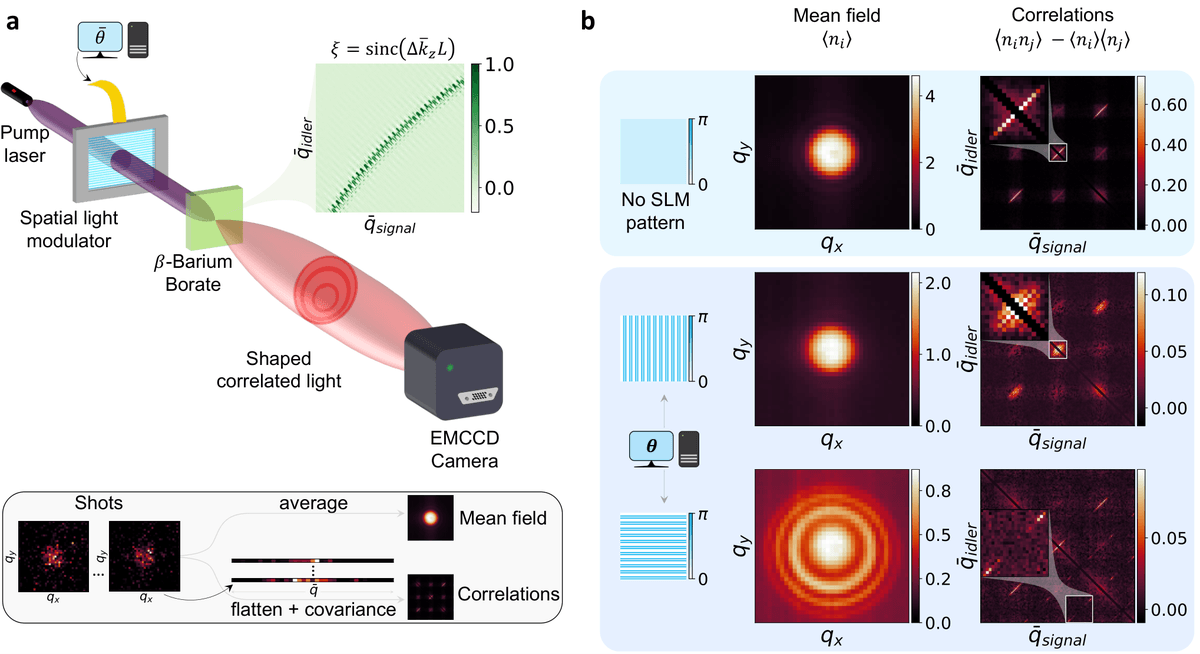
Cornell-led team trains a quantum light source and a Transformer together, cutting the photon budget for image classification by up to 6x.

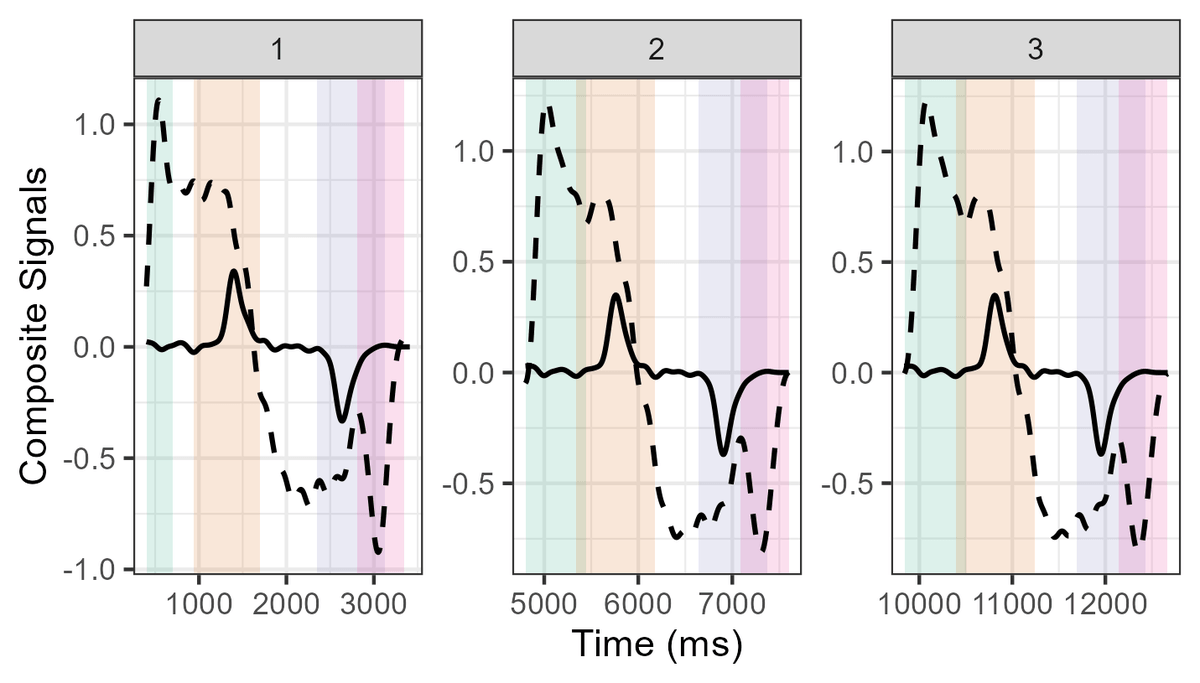
A single-camera pipeline extracts step length, sit-to-stand duration, and other fall-risk indicators from older adults doing the Timed Up and Go test.

Researchers show that swapping images for segmentation masks makes cloud-based visual localization privacy-preserving without touching the underlying pipeline.

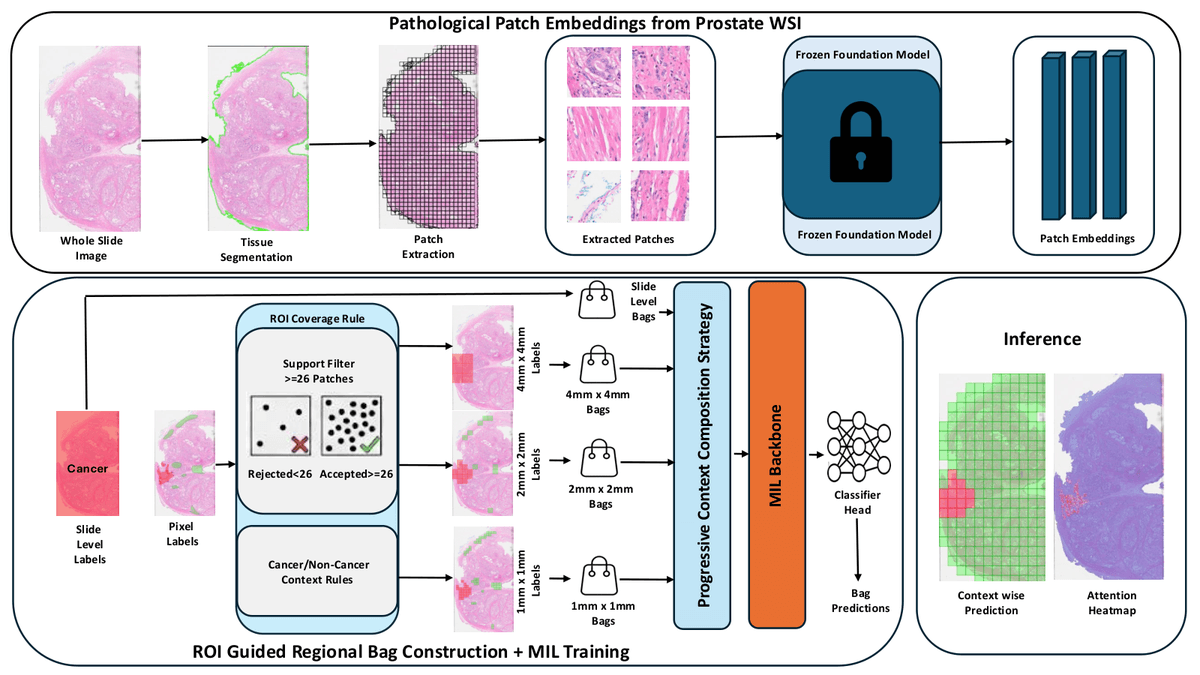
A new pathology MIL framework treats the spatial scale of supervision as a design axis, boosting cross-context accuracy from 77% to 96%.

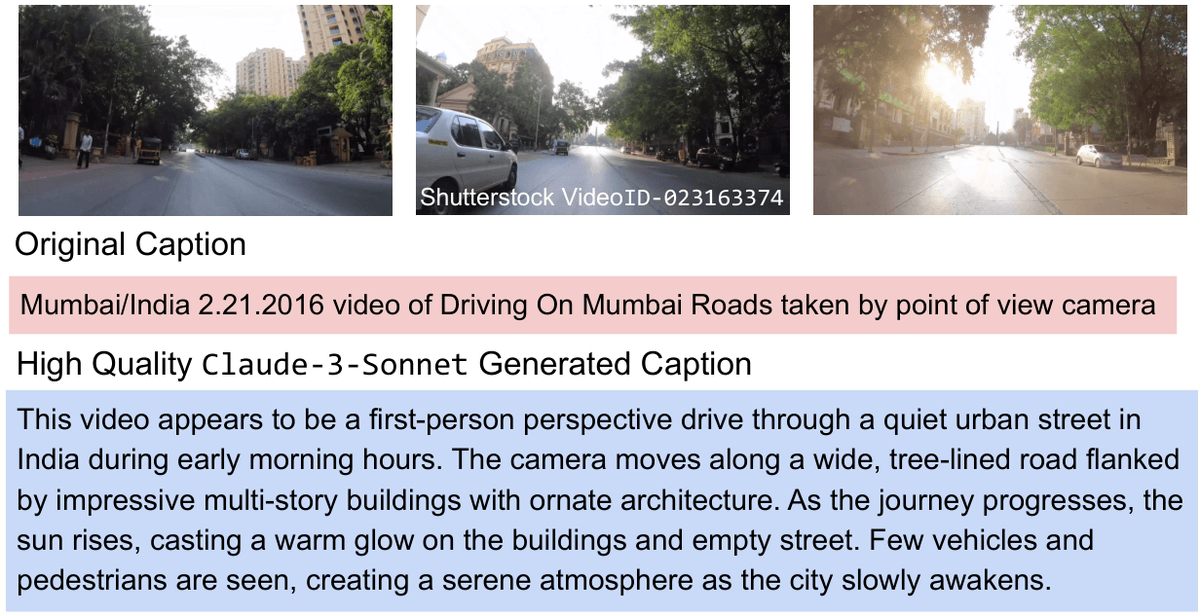
Amazon researchers unify video generation and embedding tasks in a single model, closing the retrieval gap that has plagued VideoLLMs against specialized dual-encoder systems.

Researchers turn a century-old open problem about hinged tetrahedra rings into an explicit formula, proving these mechanisms exist for any count above five.

A hybrid framework lets robots debate their next move through LLM dialogue when their reinforcement learning policy is still too green to trust.

A hybrid planner hands lateral safety to a mixed-integer optimizer while learning only the velocity profile, hitting 97% success at 54 ms per cycle.

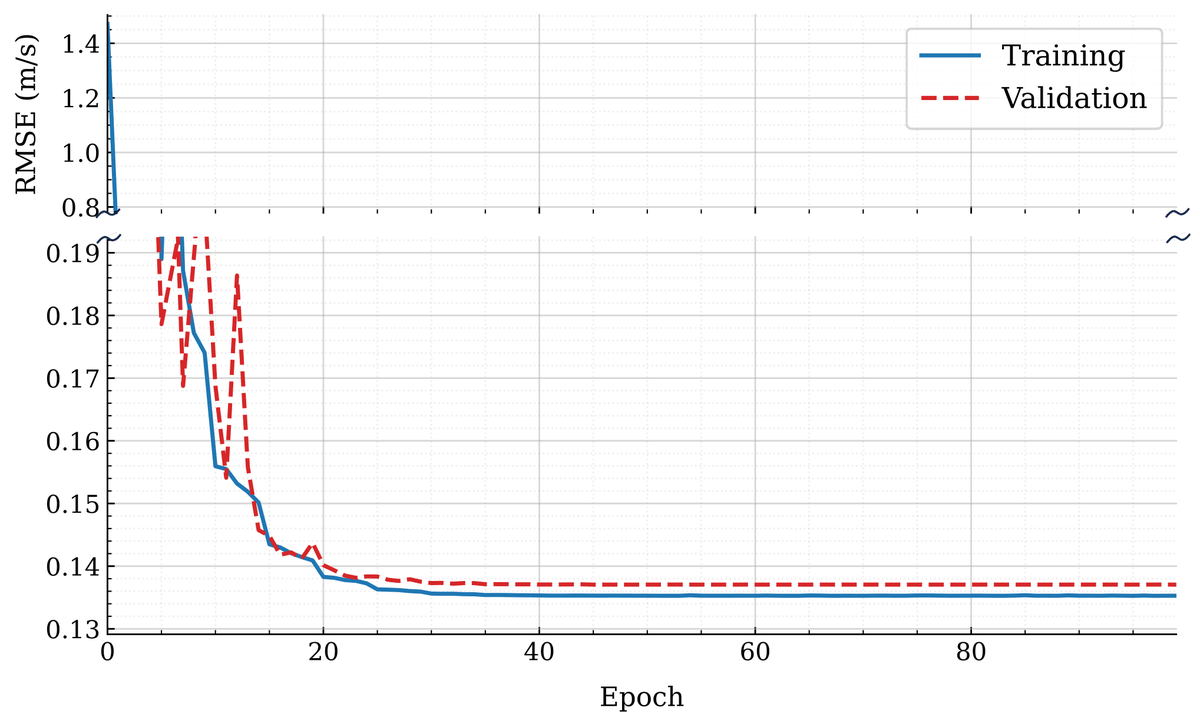
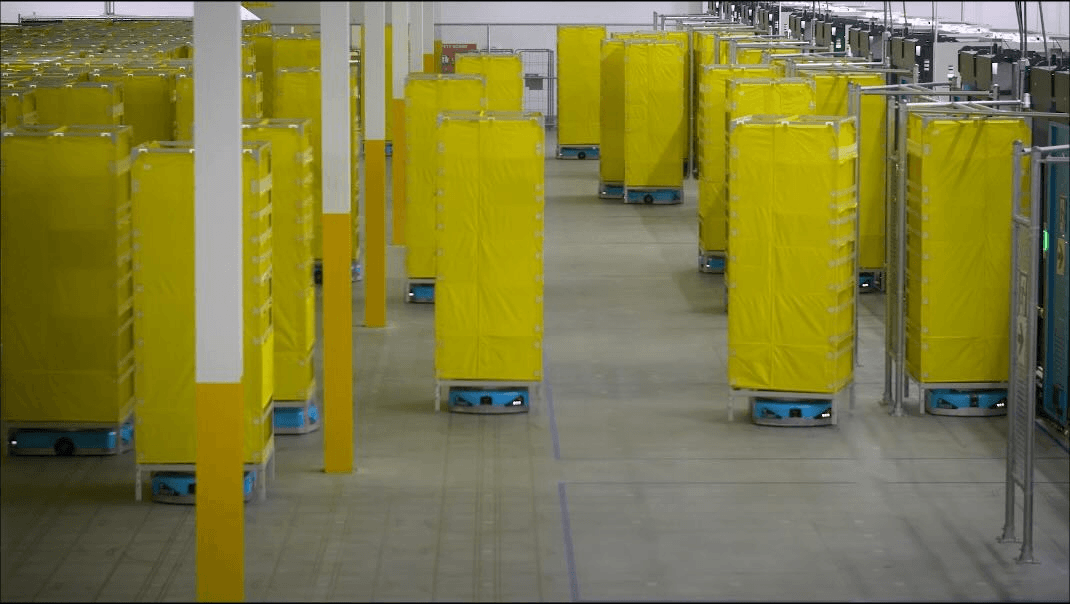
Amazon Robotics researchers publish a paper comparing four foundation model architectures trained on warehouse robot movement data, finding local, event-based designs scale best.

A 180,000-demonstration dataset spanning 15 different two-armed robots aims to unlock cross-platform learning for bimanual manipulation tasks.

Researchers at KTH and Linköping built an indoor SLAM system that navigates using only cheap magnetometers, an IMU, and a barometer, without any camera.

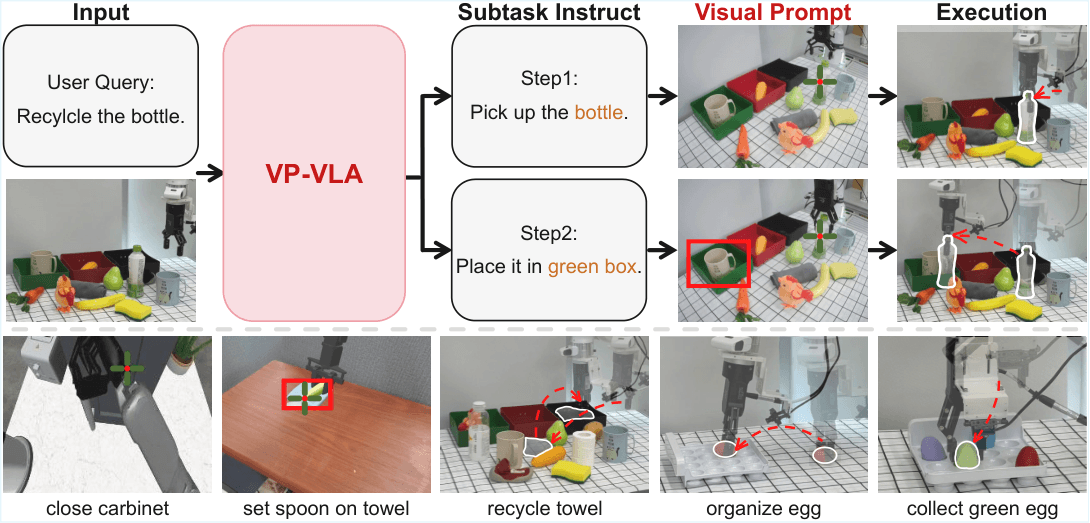
A dual-system approach draws crosshairs and boxes on camera feeds to tell robots where to act, boosting success rates by up to 8.3%.

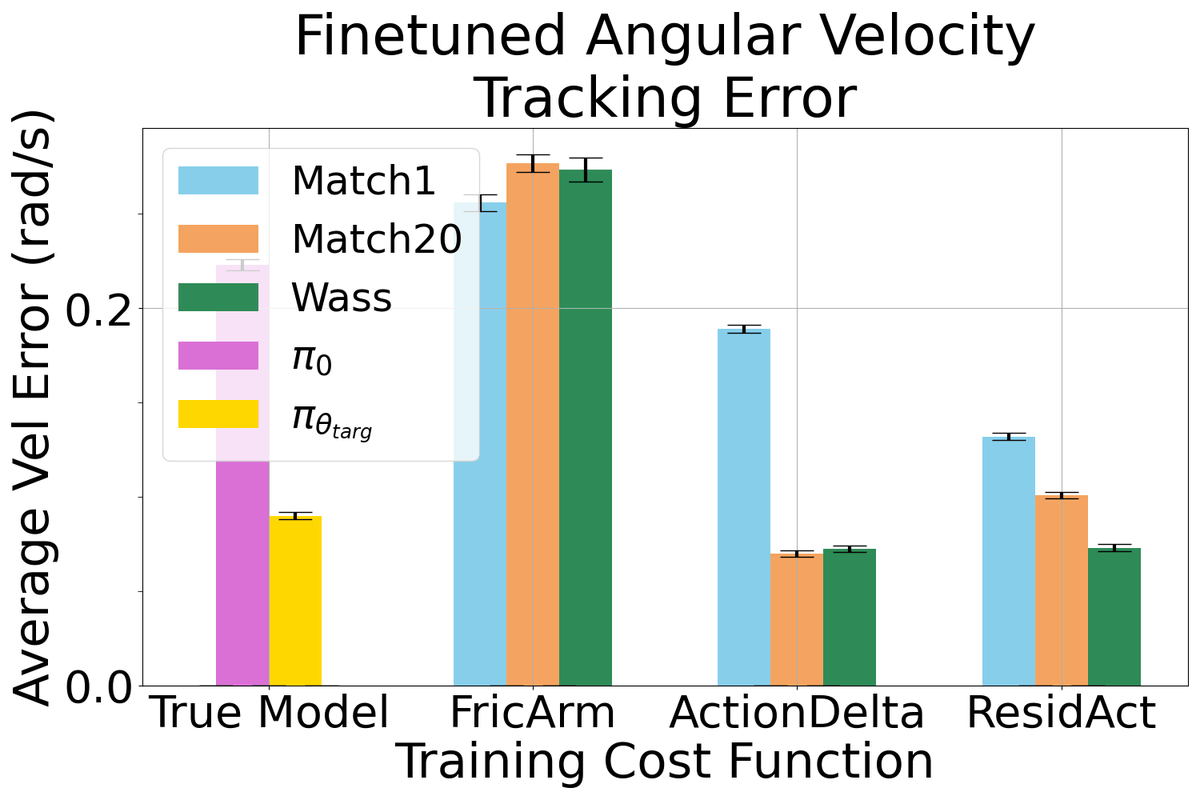
A new sim-to-real method for legged robots skips motion capture and time alignment, closing dynamics gaps with under five minutes of hardware data.

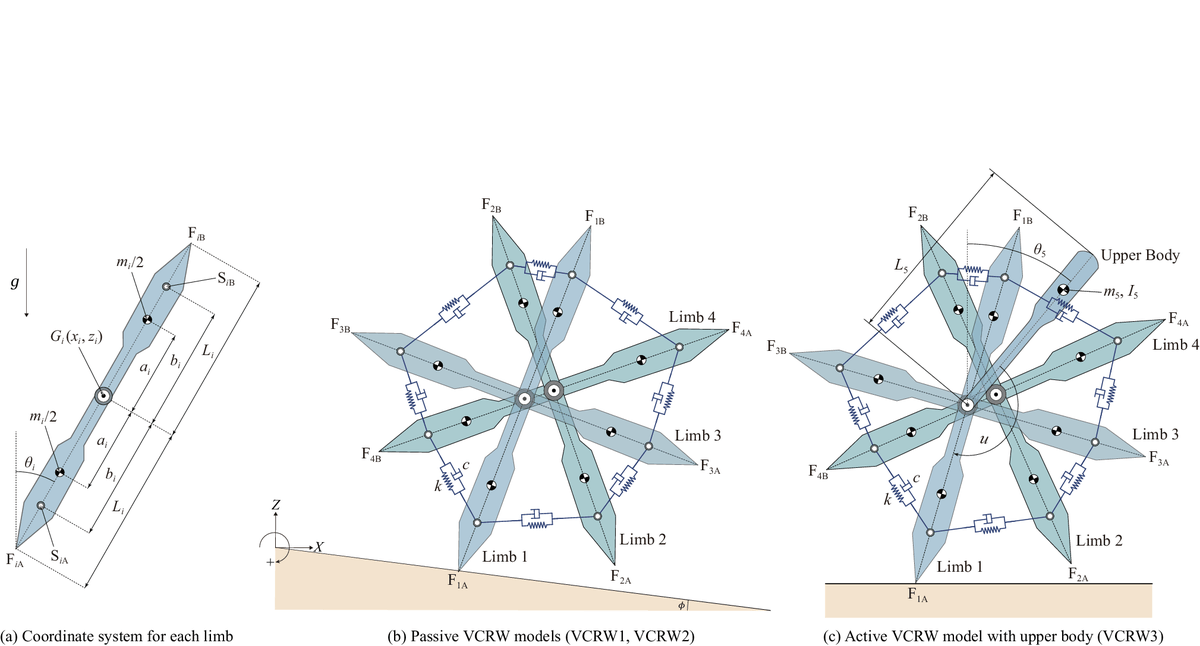
A JAIST team proposes viscoelastically-combined rimless wheels, a passive walker built from two cross-shaped frames linked by springs and dampers, with a simulated actuated extension for level ground.

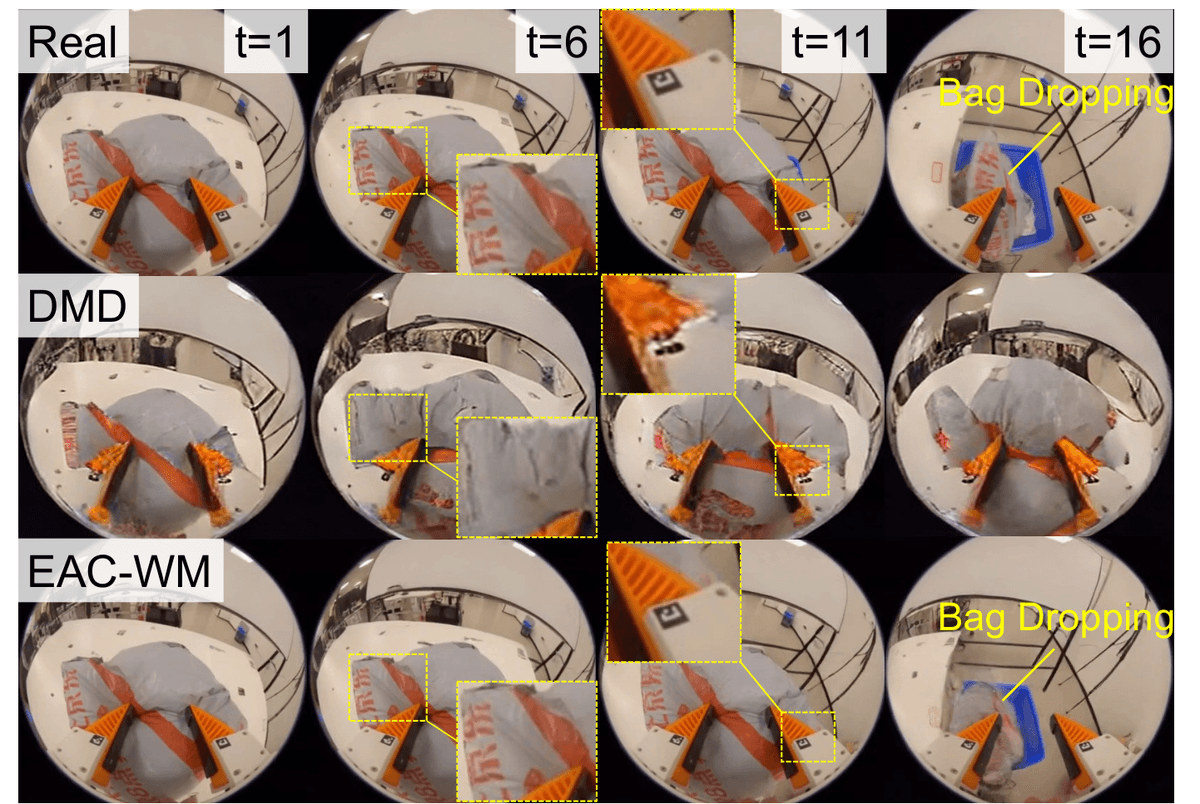
A new framework uses world models to synthesize robot recovery data automatically, hitting 93.3% success on soft bag pushing from just five demonstrations.

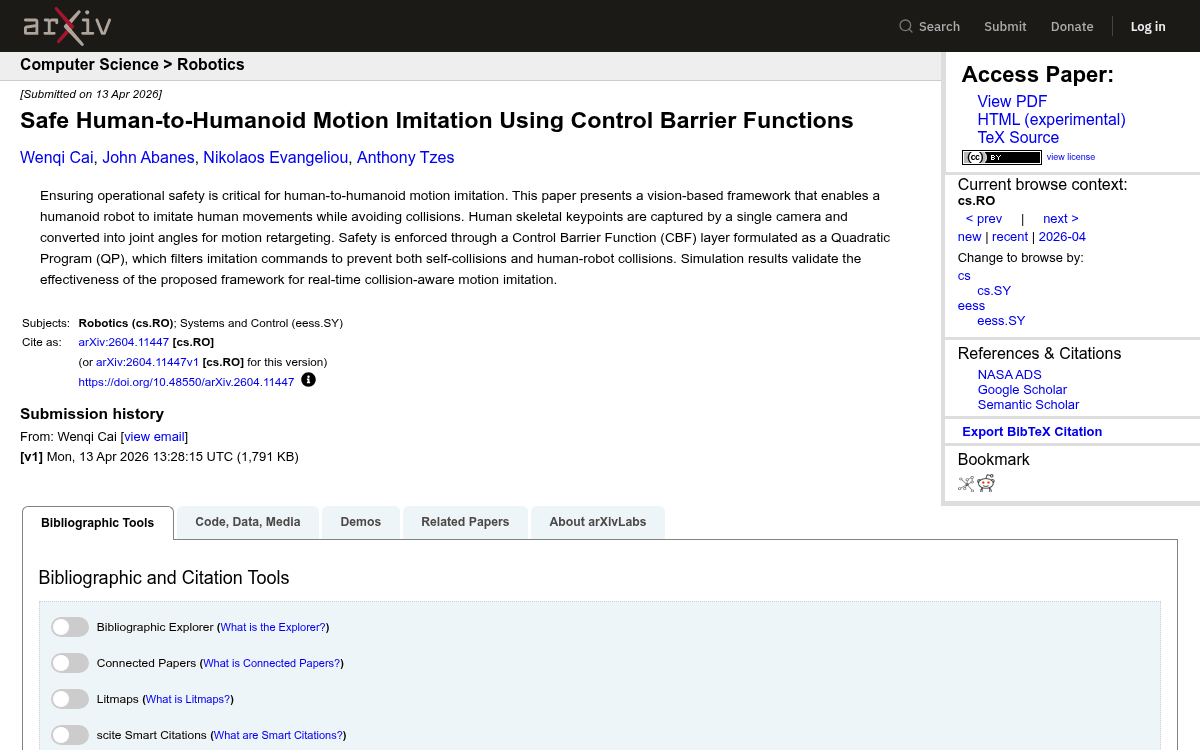
A vision-based pipeline uses control barrier functions to filter human motion imitation commands in real time, blocking self-collisions and human-robot collisions before they happen.

Researchers evolved asymmetric hexacopter drones that beat conventional designs by up to 170%, using evolutionary algorithms to shape bodies and PPO to train brains.