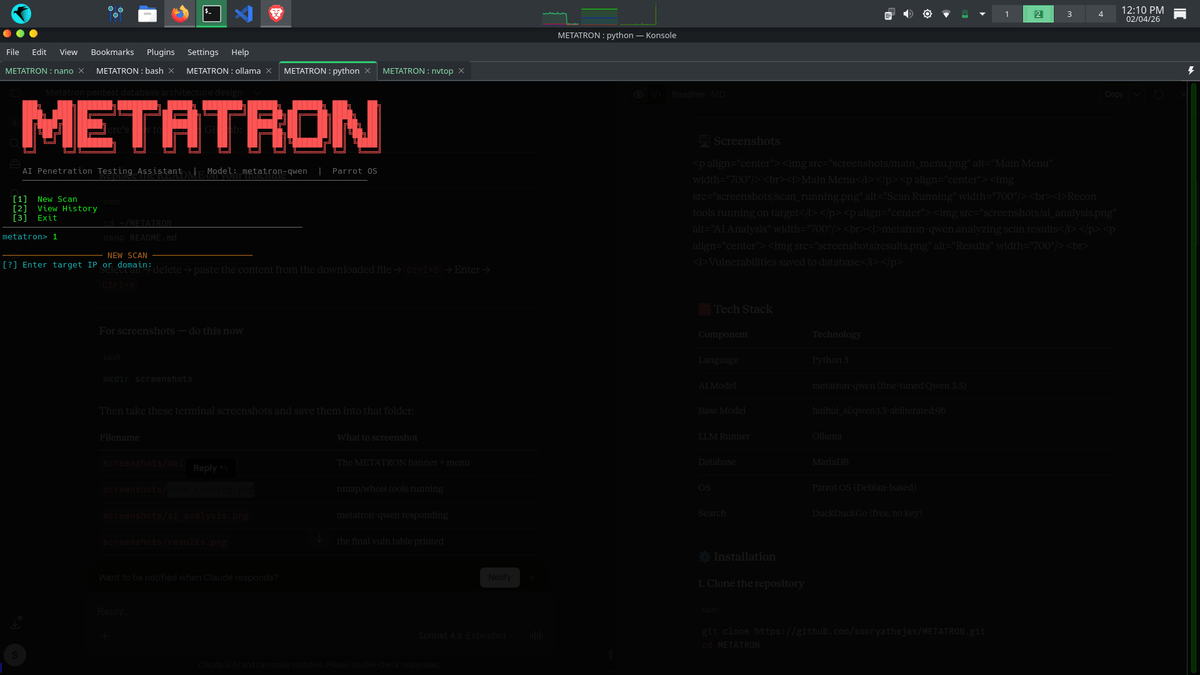
METATRON is a fully offline, open-source AI penetration testing assistant that runs a local LLM to automate recon, vulnerability analysis, and reporting with zero cloud exposure.
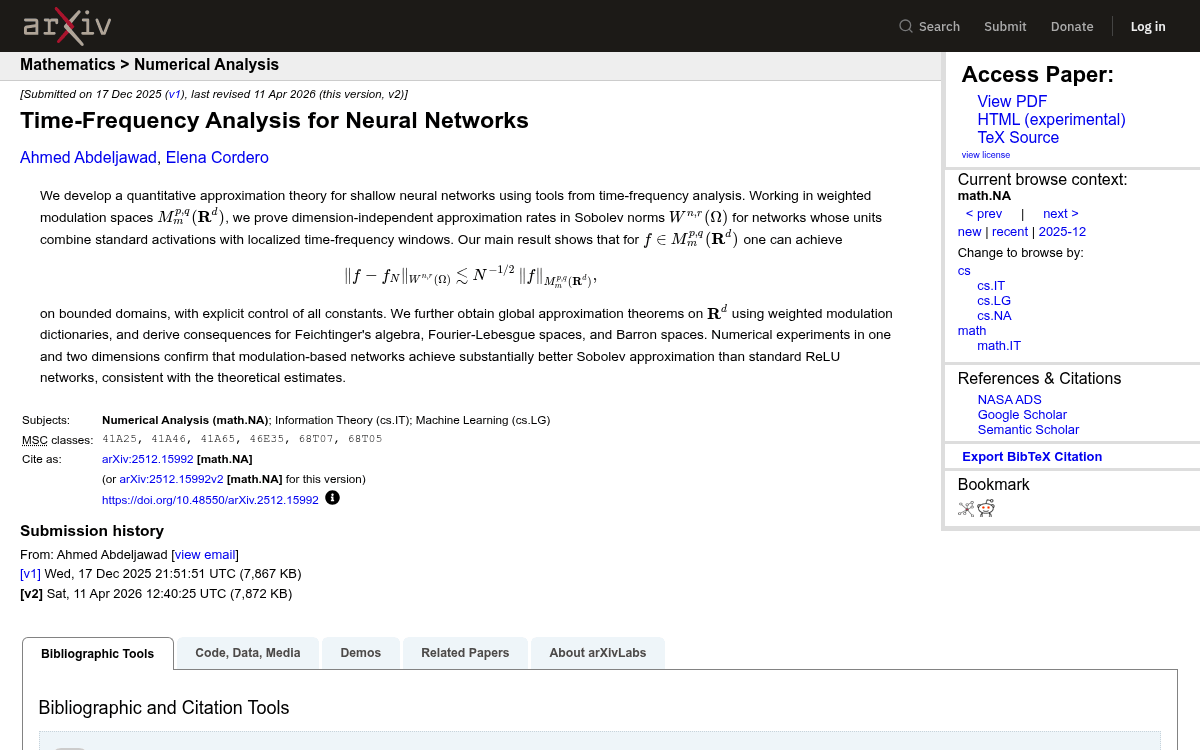
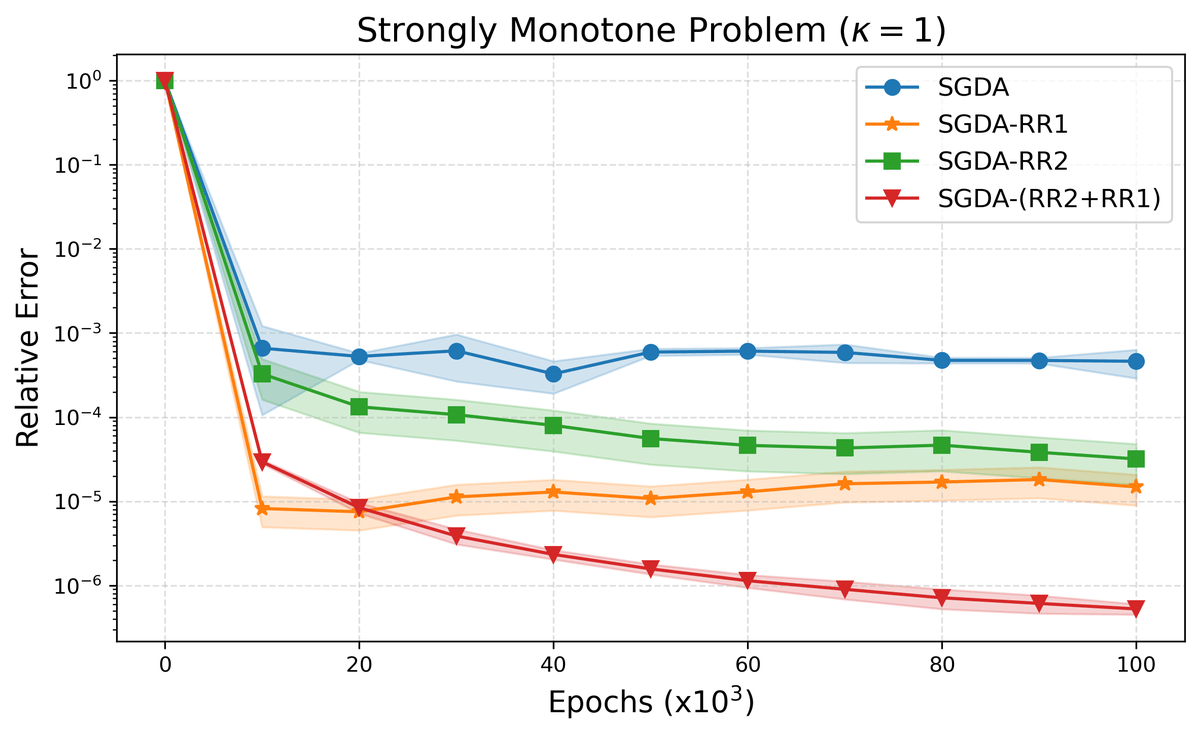
A new approximation theory shows neural networks with Gaussian time-frequency windows on each neuron beat plain ReLU nets at learning both functions and their derivatives.
A three-module deep learning framework injects subject-specific fatigue into animated gait sequences without needing fatigued motion data at inference.
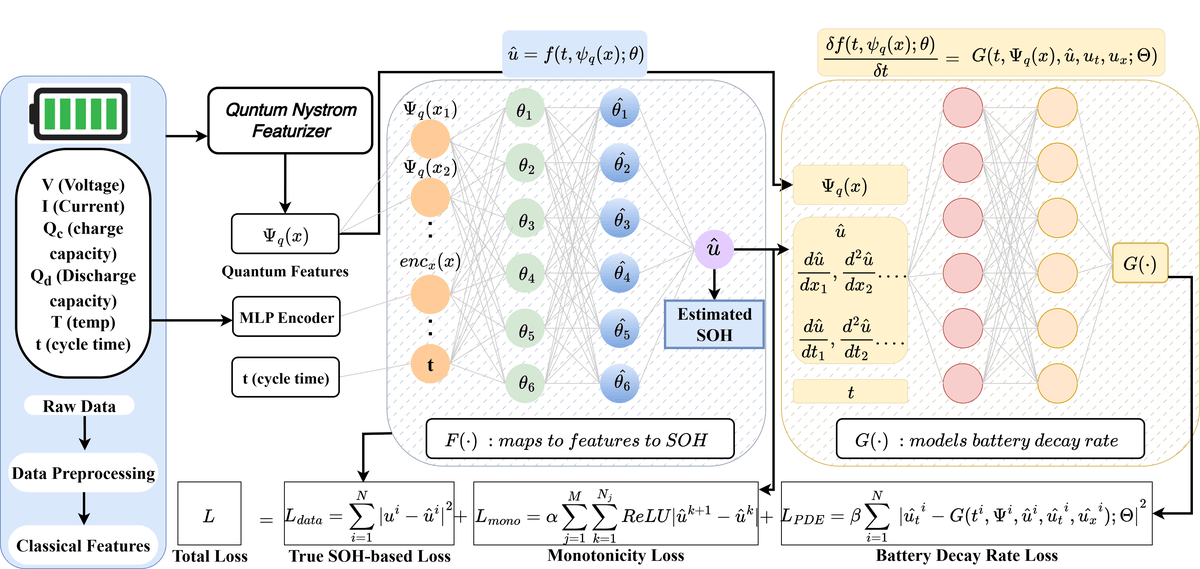
A hybrid model blends quantum-inspired kernel features with physics constraints to estimate lithium-ion battery health at 99.46% accuracy across four chemistries.
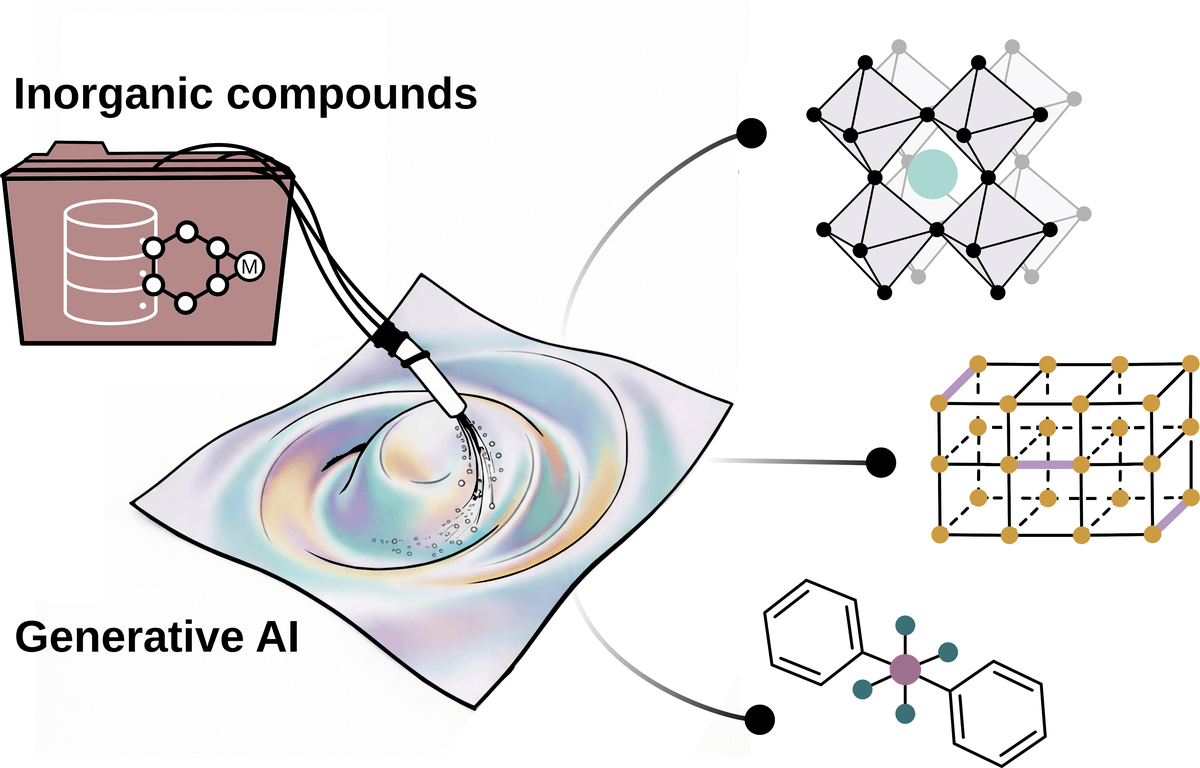
A sweeping review maps how genetic algorithms, VAEs, diffusion models, and LLMs are tackling inverse design across metal complexes, perovskites, MOFs, and zeolites.
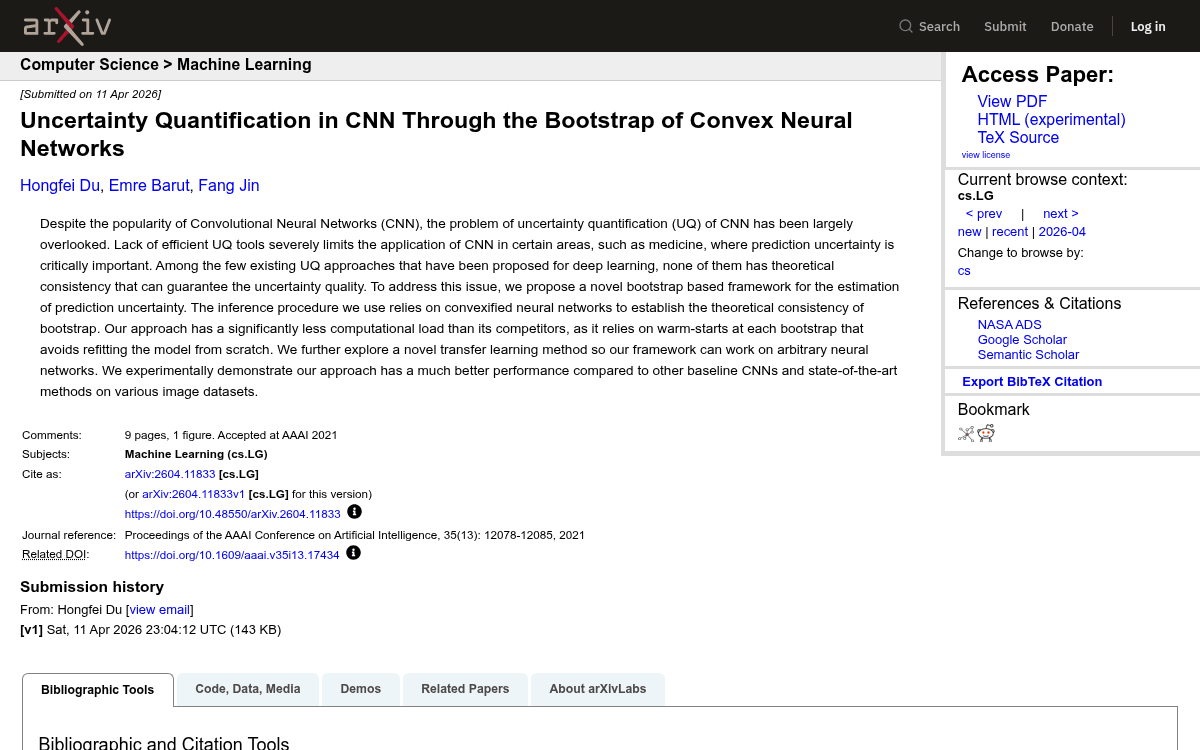
A bootstrap method built on convexified CNNs delivers prediction intervals with theoretical consistency guarantees, tighter confidence bounds, and lower compute than ensembles.
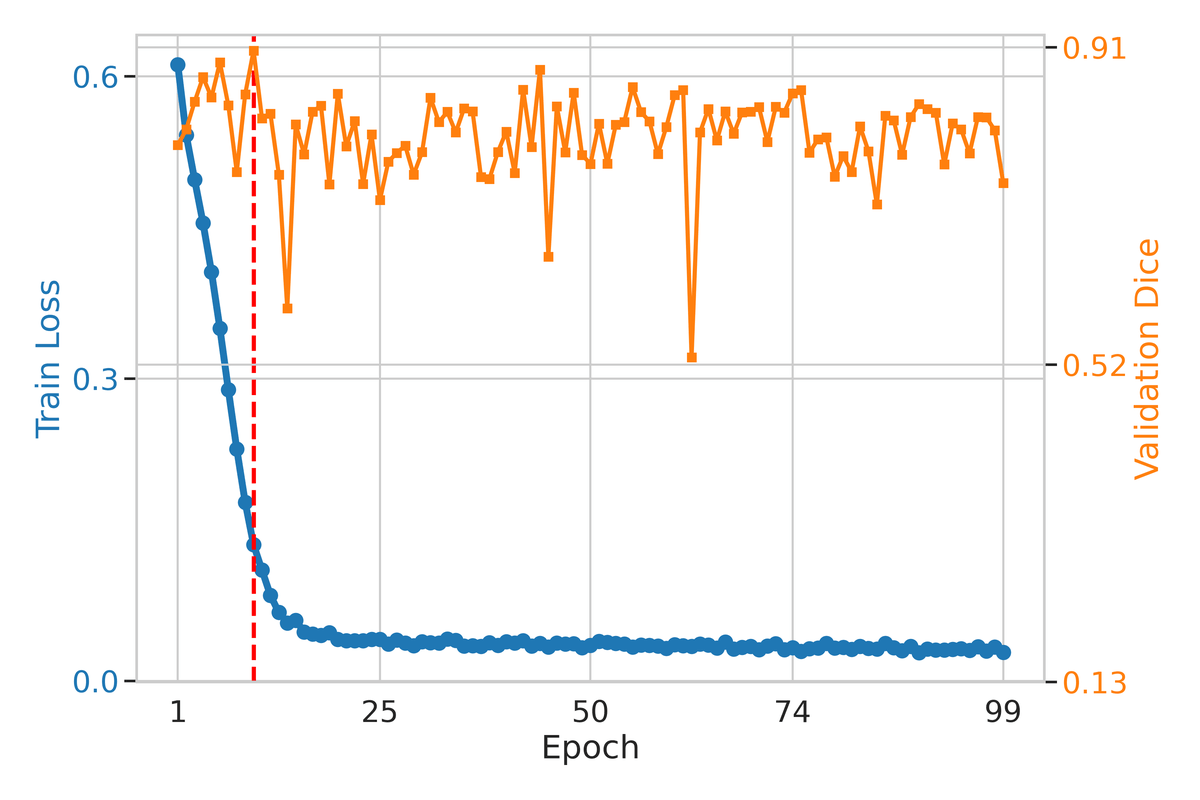
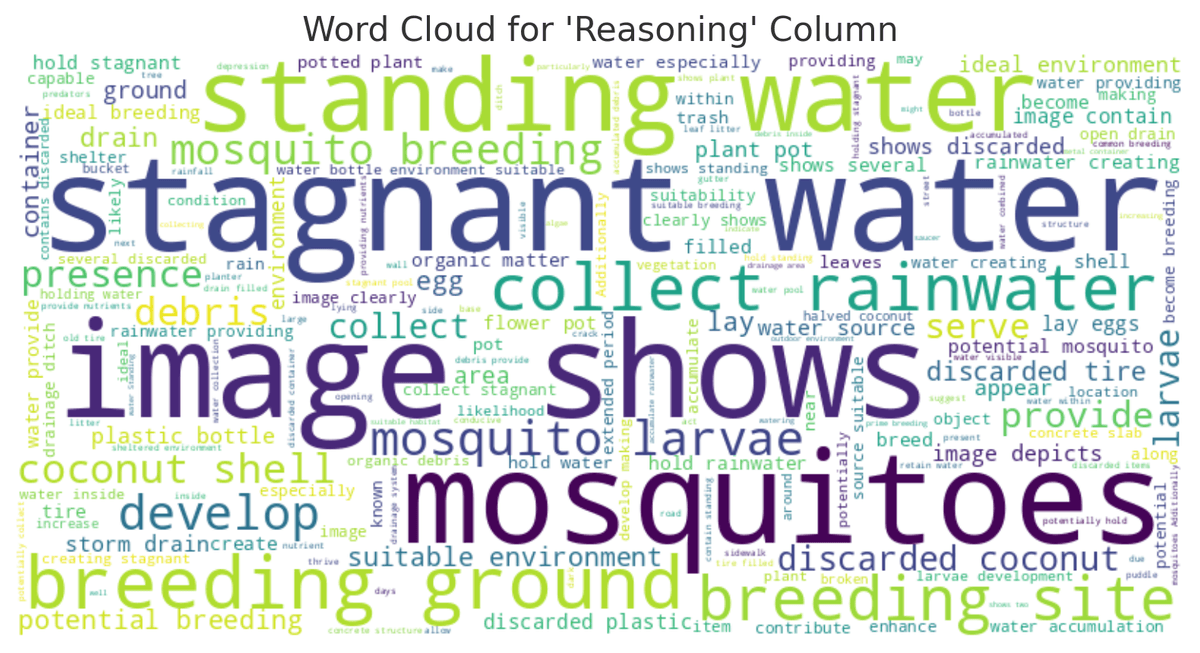
A new open dataset pairs 1,828 annotated breeding-site images with segmentation masks and natural-language explanations, plus a fine-tuned LLaMA3-Vision model.
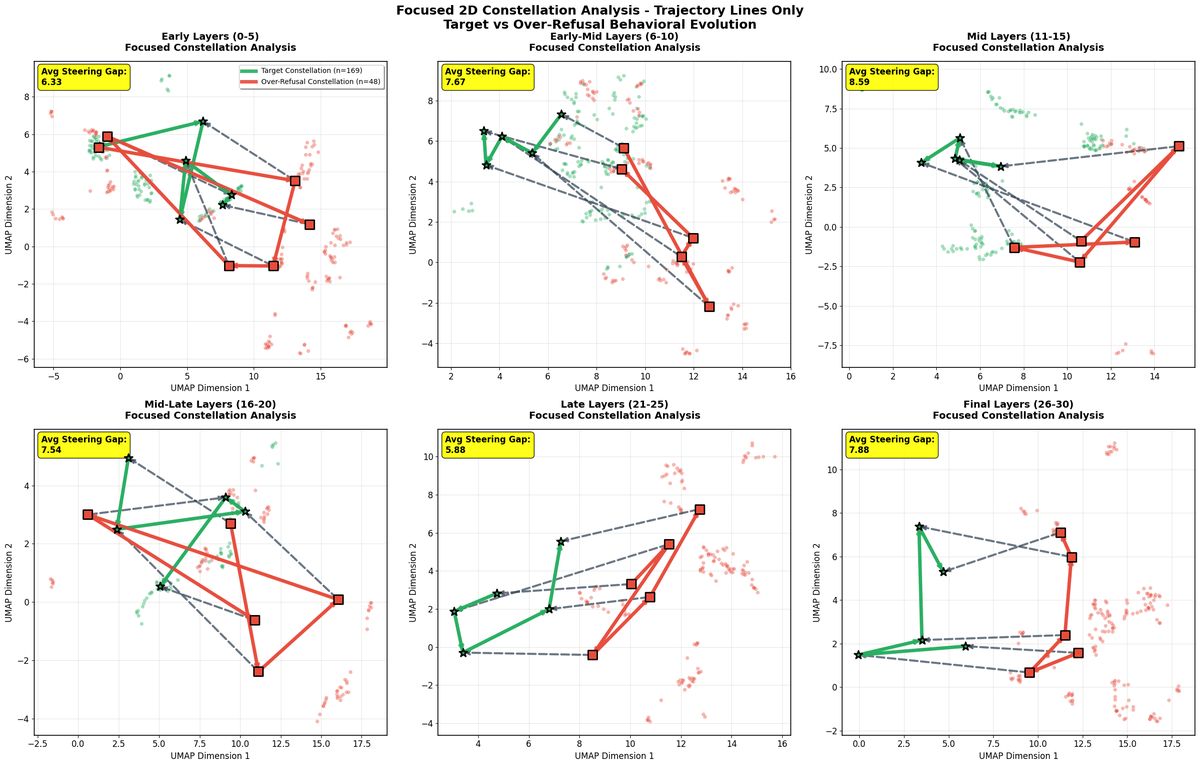
A new inference-time steering method reduces LLM over-refusals by up to 73% by tracking task-specific representation trajectories through model layers.
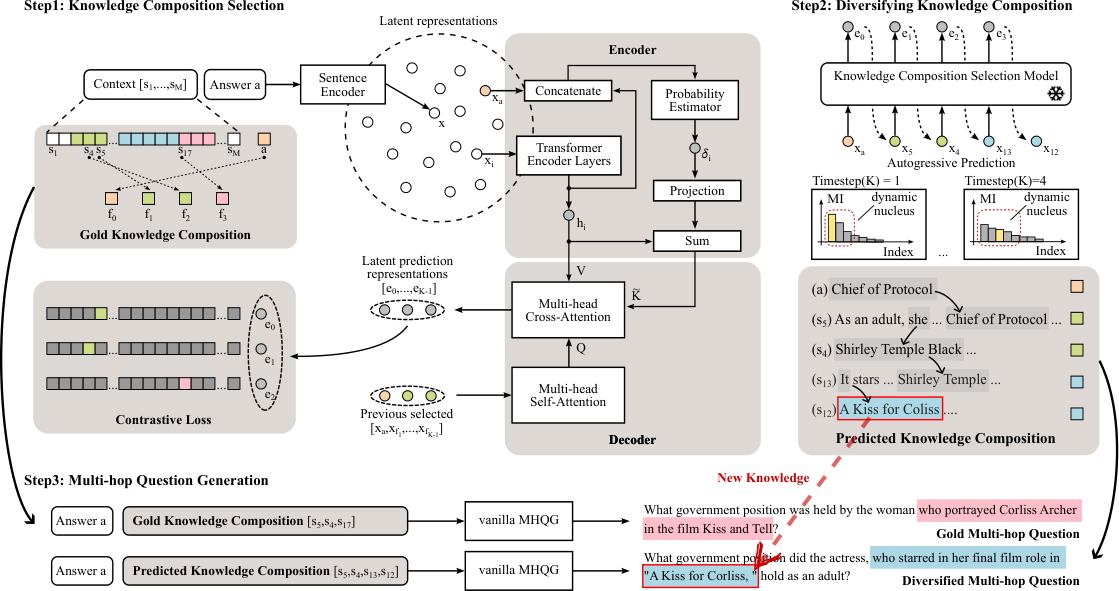
A research team proposes Knowledge Composition Sampling, a framework that diversifies multi-hop question generation by varying which sentences a model reasons over.
A new training method teaches small language models to reason about their conversation partner's mental state, boosting goal completion by up to 18.9%.
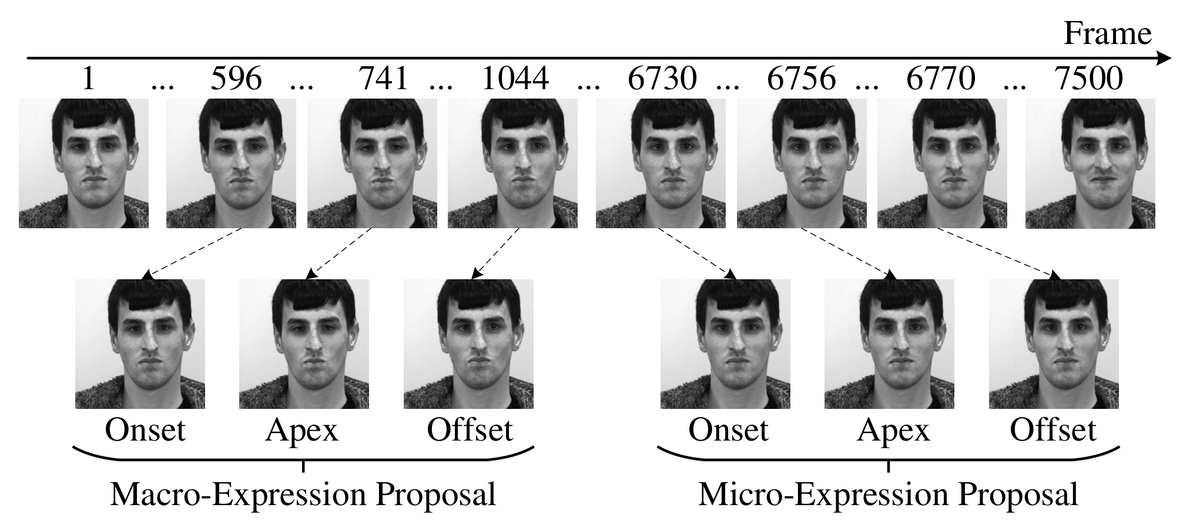
A new transformer architecture spots the fleeting facial twitches that betray hidden emotions, outperforming prior methods by up to 49 percent on micro-expression benchmarks.