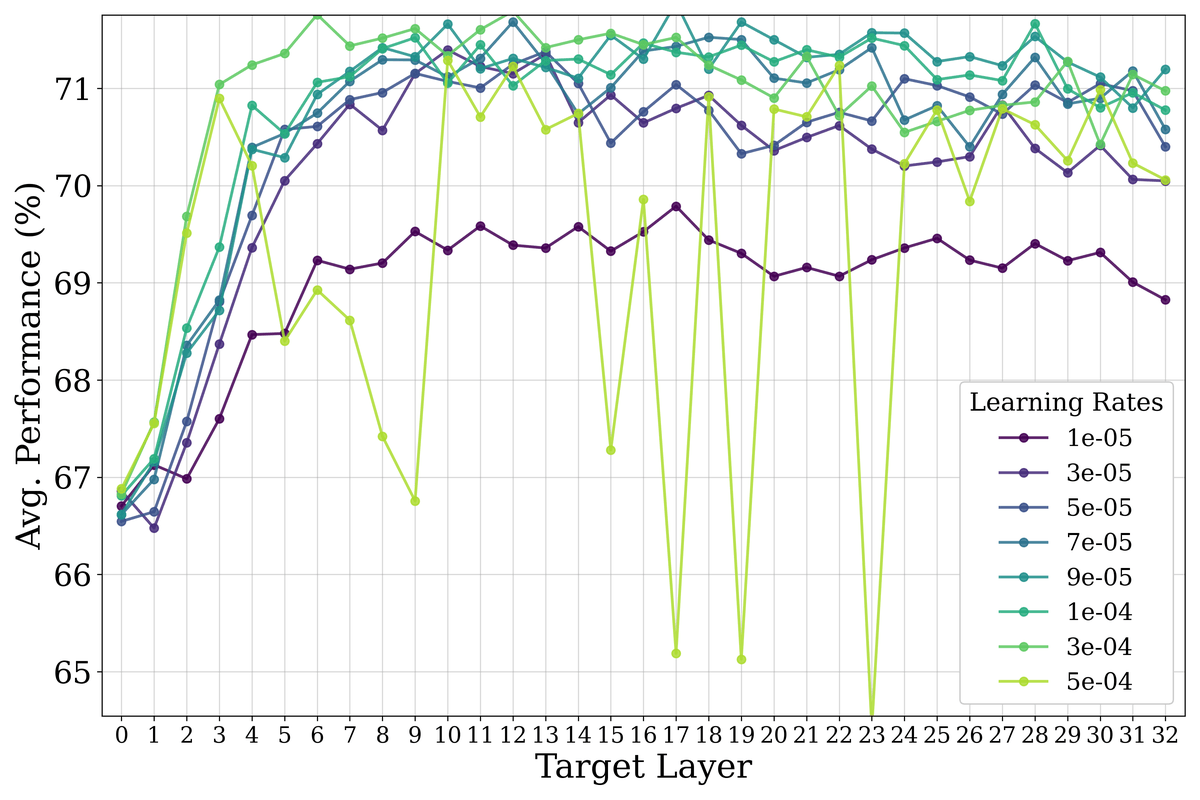
A new initialization method matches multi-subtoken attention behavior in a single embedding, outperforming pretrained hyper-networks while training in under 10 minutes.
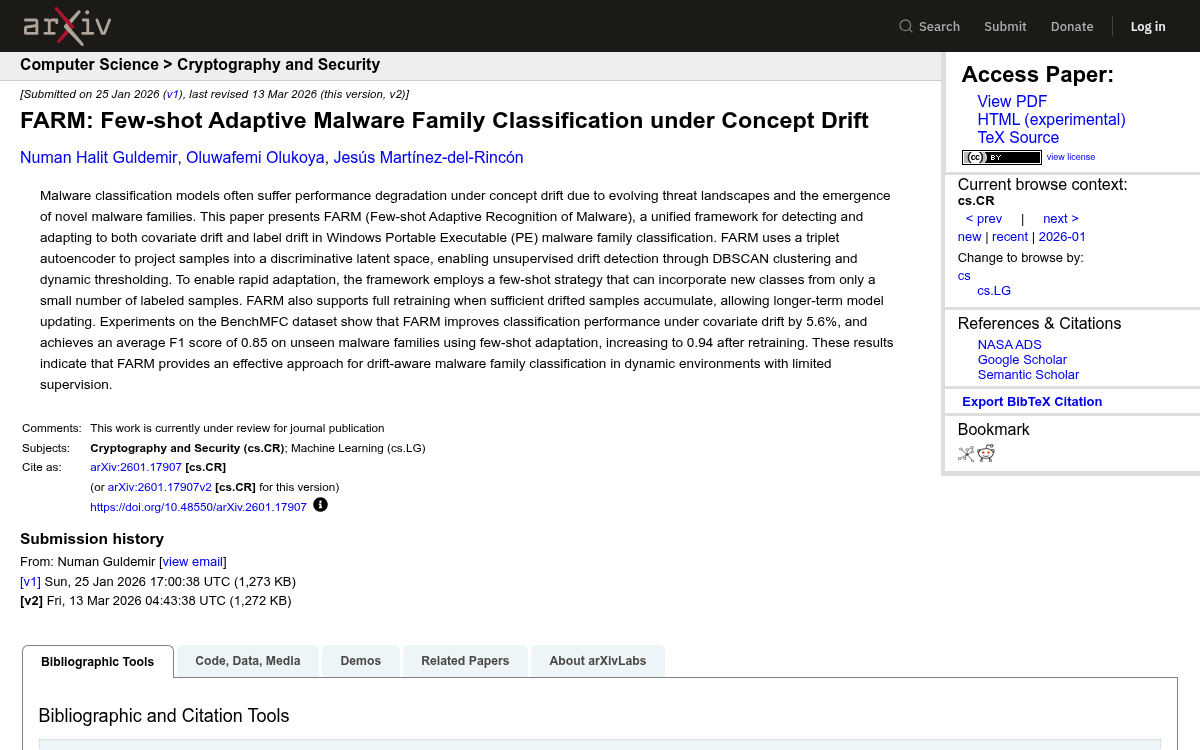
FARM combines a triplet autoencoder with DBSCAN clustering and few-shot prototypes to keep Windows malware classifiers accurate as new families emerge.
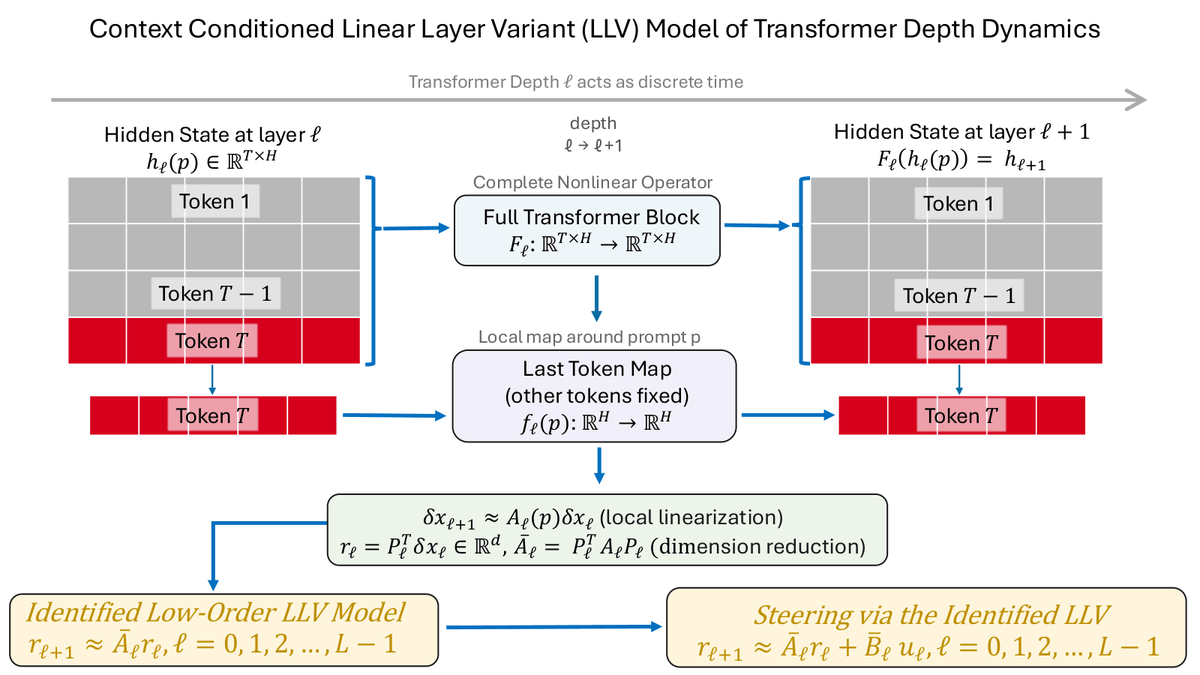
A 32-dimensional linear approximation predicts GPT-2-large's steering behavior across depth with near-perfect fidelity, and the fit improves as models scale.
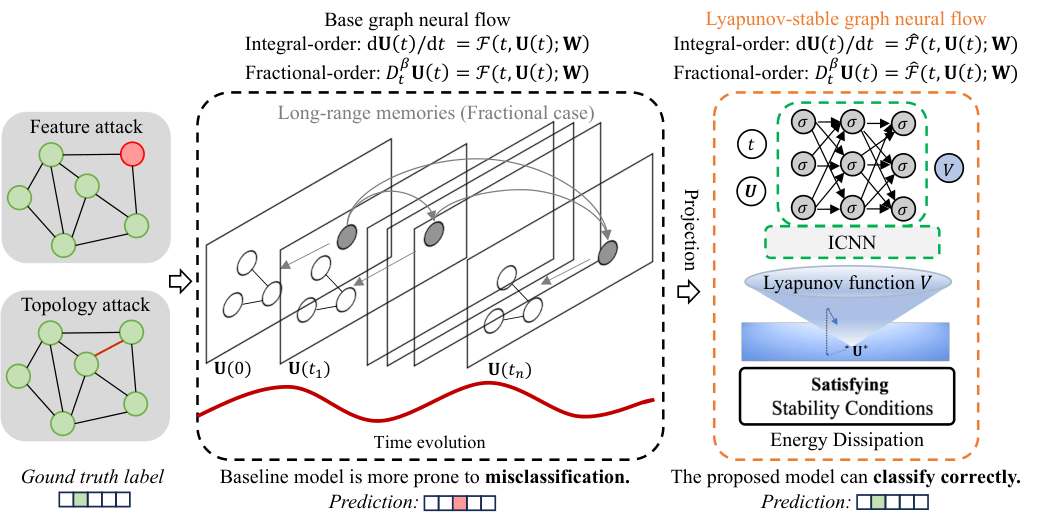
A new framework borrows Lyapunov stability from control theory to make graph neural networks provably resilient against adversarial attacks on nodes and edges.
A new diffusion-based surrogate learns chaotic fluid dynamics on unstructured meshes, forecasts distributions instead of point predictions, and decides where to place sensors as it runs.
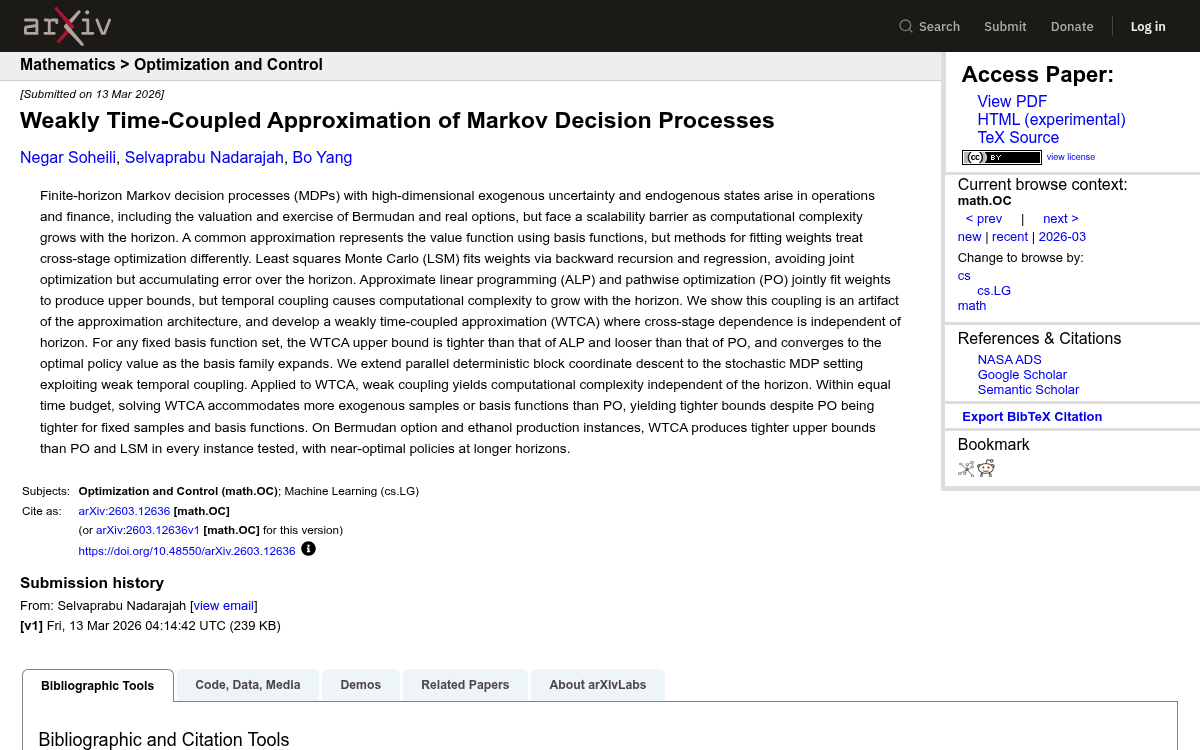
A new preprint introduces WTCA, an approximation scheme whose cost stays flat as the planning horizon grows, tightening bounds on Bermudan option and ethanol production problems.
A new graph curvature primitive replaces per-edge optimal transport with tree-based Sobolev transport, cutting runtime 10-100x while matching accuracy.
UNIStainNet uses a frozen pathology foundation model to guide H&E-to-IHC translation, hitting state-of-the-art on four biomarkers from a single unified model.
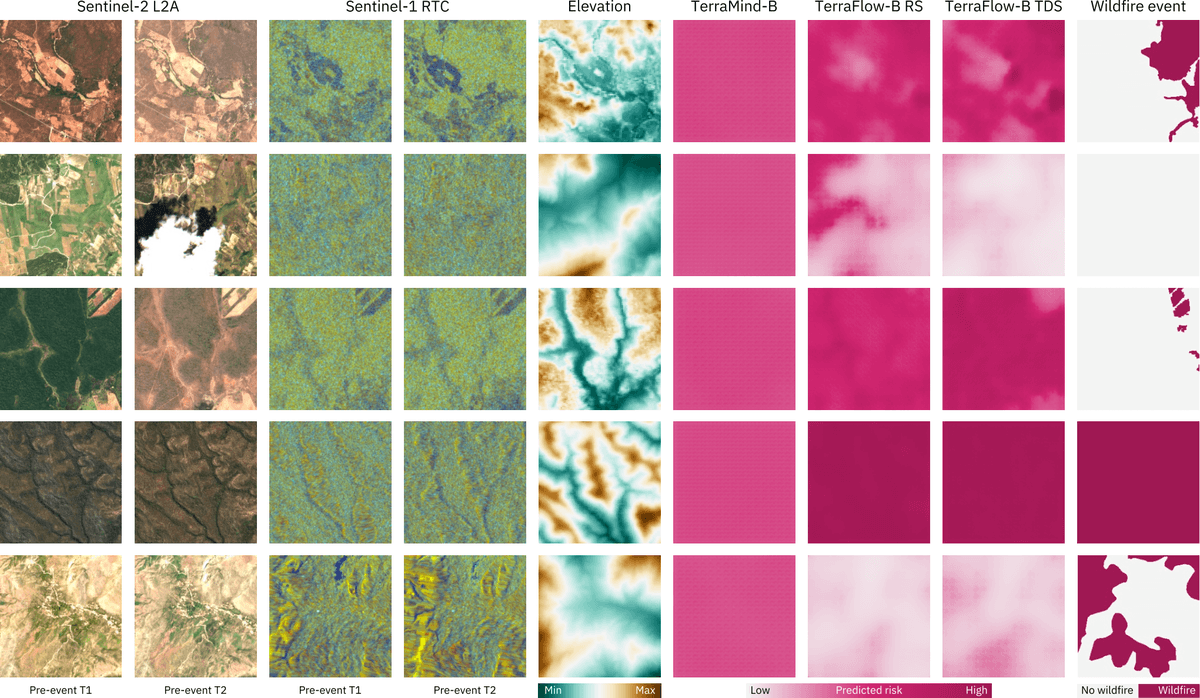
TerraFlow adds temporal pretraining to a satellite foundation model, beating prior state-of-the-art on time-series tasks and cutting disaster risk prediction failures.
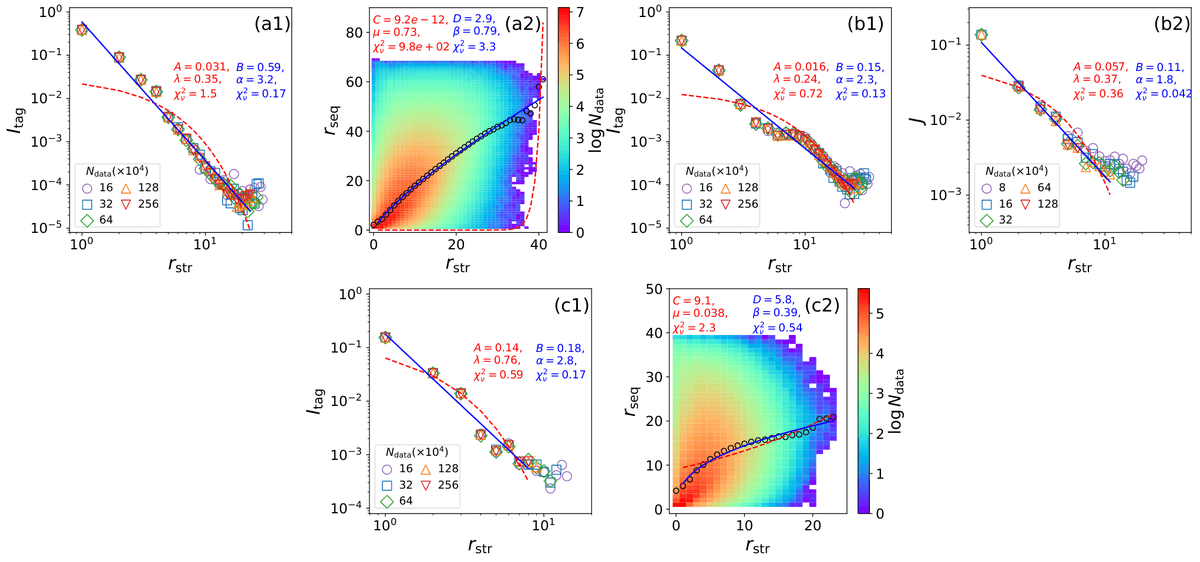
A new empirical study finds the widely cited link between power-law correlations and hierarchical syntax in language does not hold up in real parse trees.
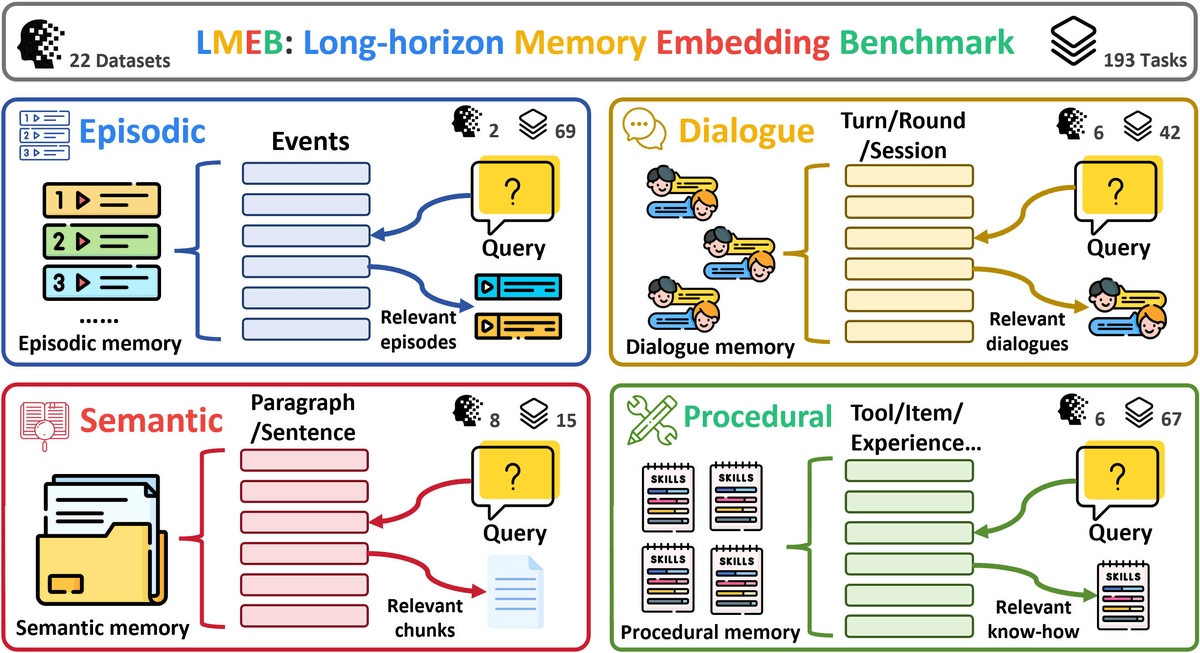
A new benchmark evaluates embedding models on fragmented, context-dependent, and temporally distant retrieval, revealing that MTEB scores do not predict memory performance.