
Pro
Token Distillation Beats Costly Vocabulary Methods in Under 10 Minutes
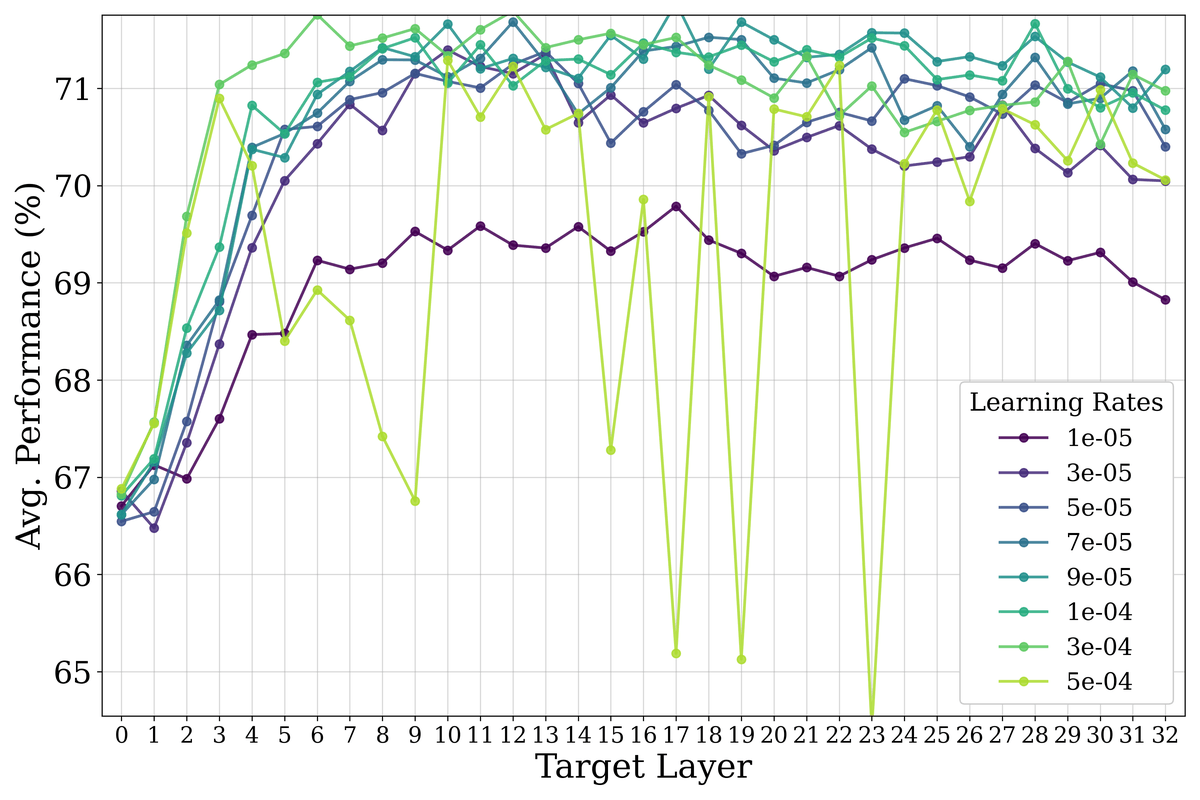
A new initialization method matches multi-subtoken attention behavior in a single embedding, outperforming pretrained hyper-networks while training in under 10 minutes.
20 stories
A new initialization method matches multi-subtoken attention behavior in a single embedding, outperforming pretrained hyper-networks while training in under 10 minutes.

FARM combines a triplet autoencoder with DBSCAN clustering and few-shot prototypes to keep Windows malware classifiers accurate as new families emerge.
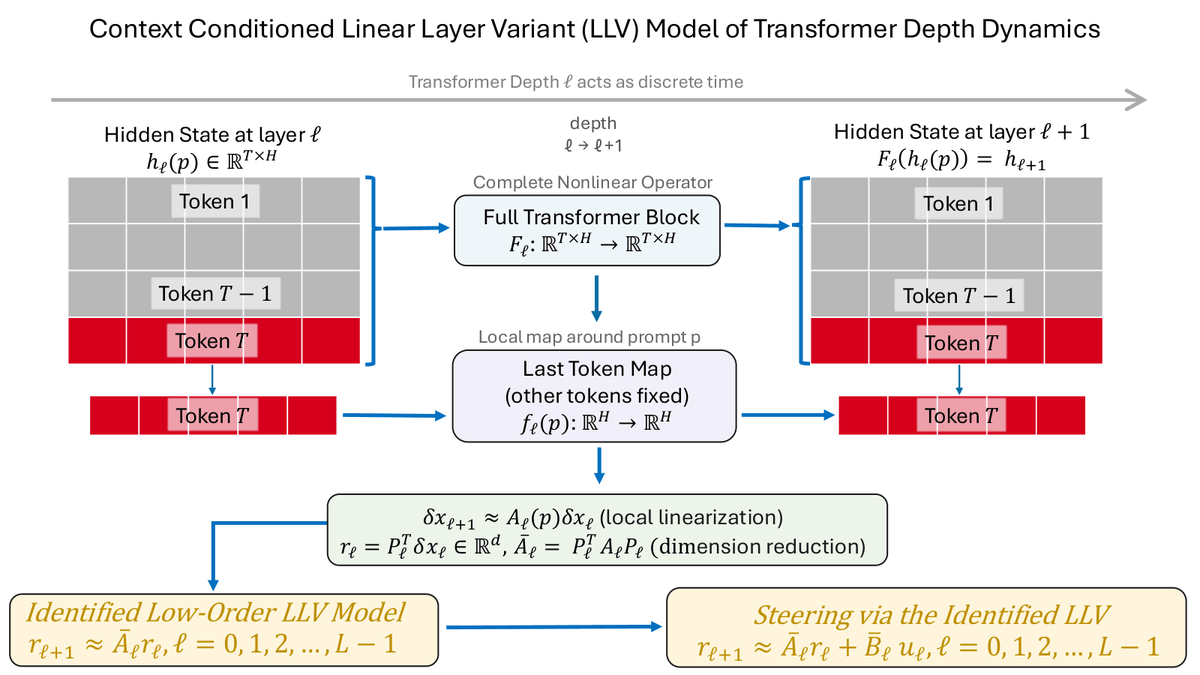
A 32-dimensional linear approximation predicts GPT-2-large's steering behavior across depth with near-perfect fidelity, and the fit improves as models scale.
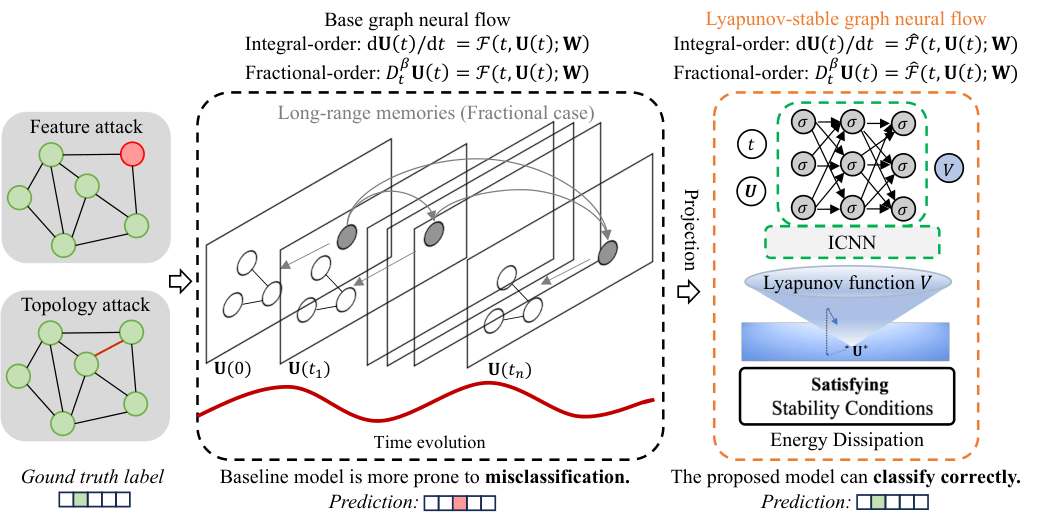
A new framework borrows Lyapunov stability from control theory to make graph neural networks provably resilient against adversarial attacks on nodes and edges.
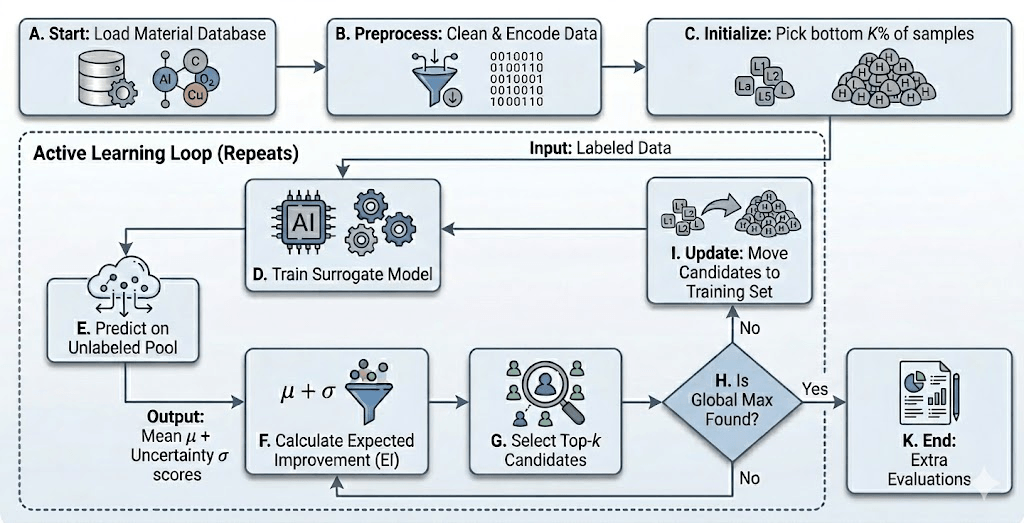
A new arXiv paper swaps Gaussian Processes and Random Forests for the TabPFN foundation model, cutting experiments by up to 52 percent.

Alibaba researchers show that holding back sparse features from early interaction layers boosts CTR prediction and delivered a 3.04% online lift.
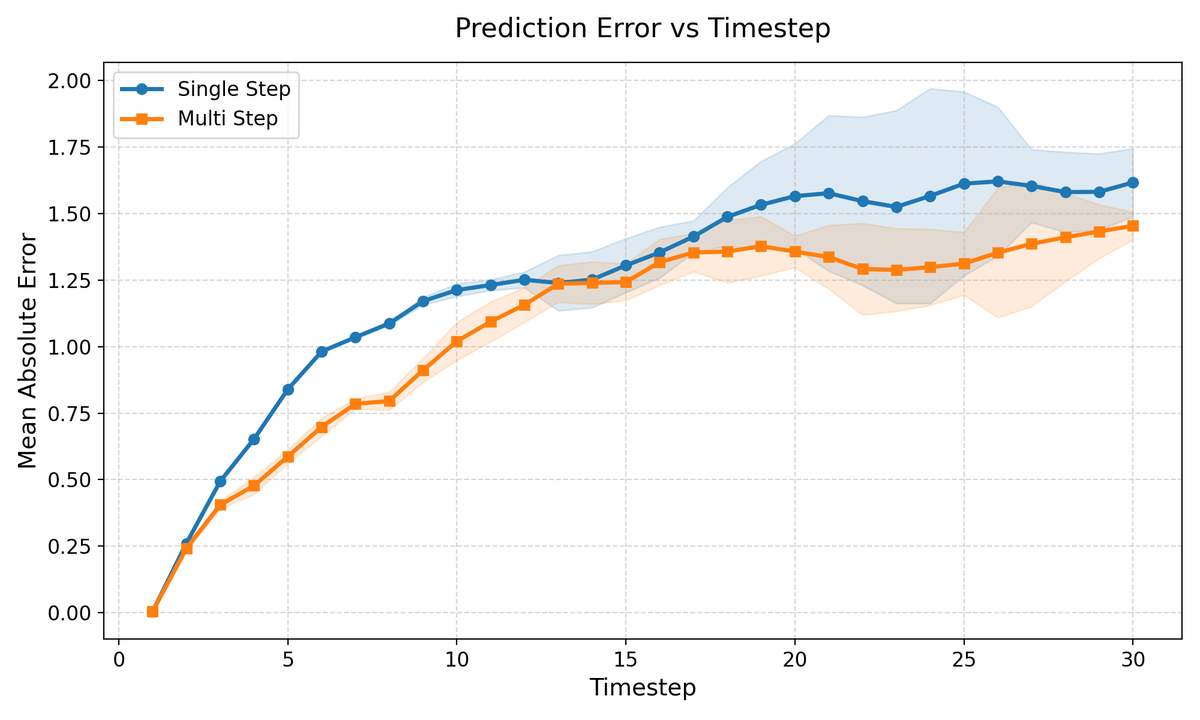
A new diffusion-based surrogate learns chaotic fluid dynamics on unstructured meshes, forecasts distributions instead of point predictions, and decides where to place sensors as it runs.

A new preprint introduces WTCA, an approximation scheme whose cost stays flat as the planning horizon grows, tightening bounds on Bermudan option and ethanol production problems.
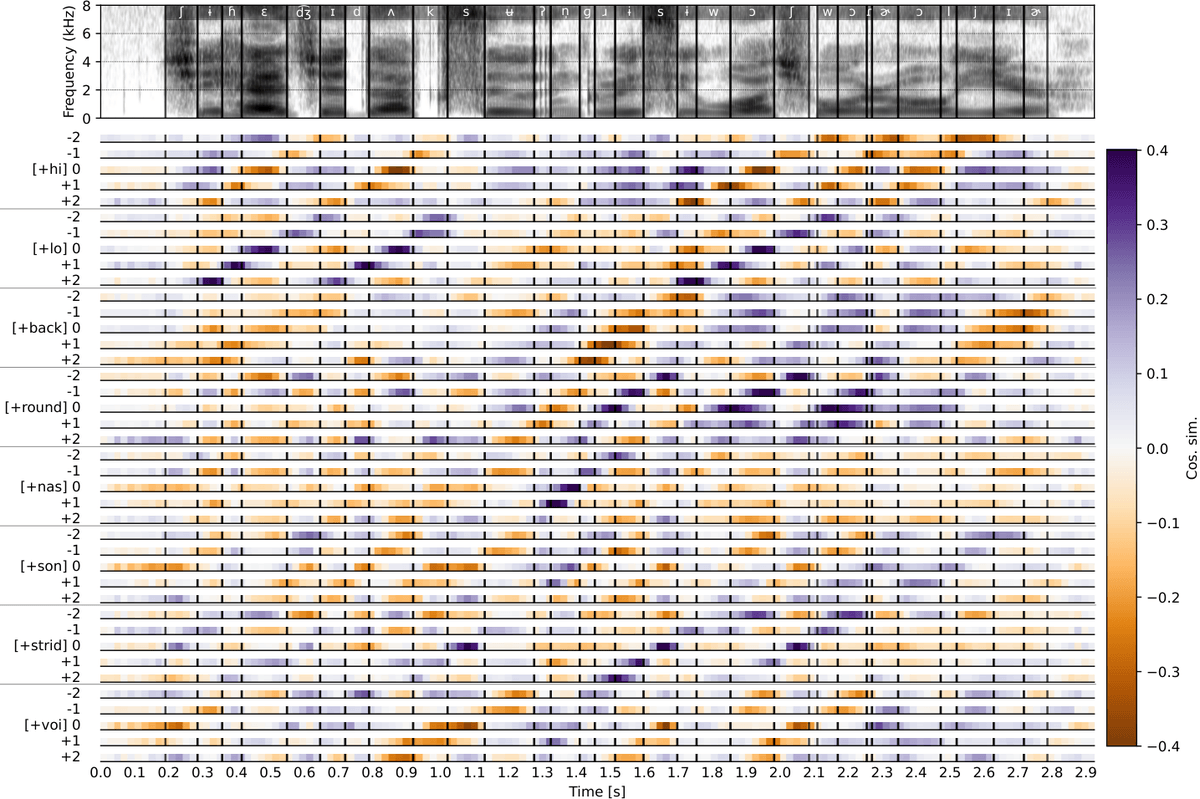
New research reveals speech transformers pack phonetic info from previous, current, and next sounds into a single frame using orthogonal subspaces.

A new graph curvature primitive replaces per-edge optimal transport with tree-based Sobolev transport, cutting runtime 10-100x while matching accuracy.
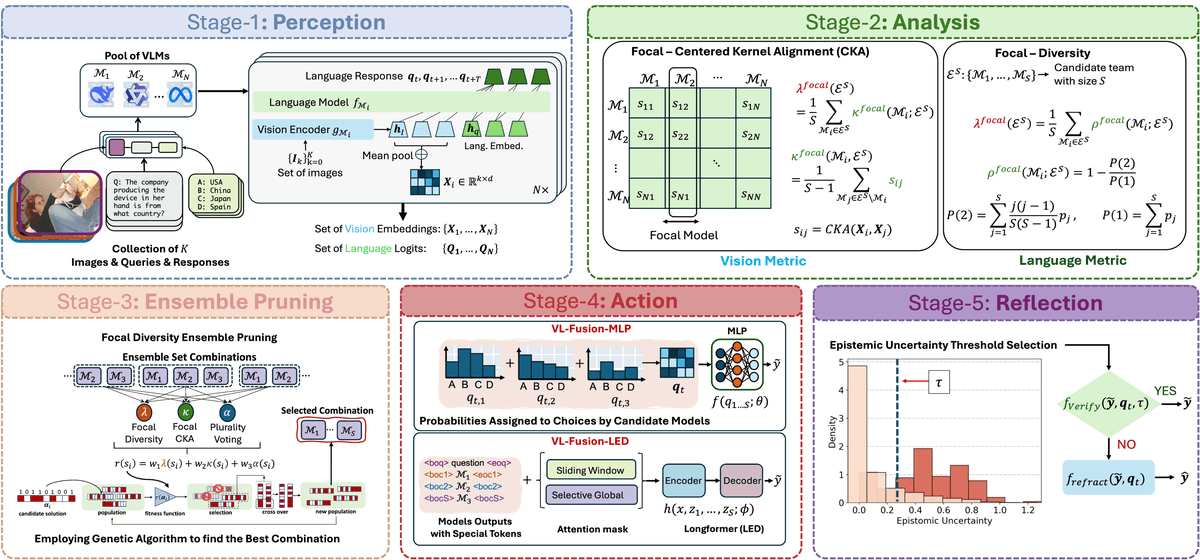
V3Fusion uses vision and language diversity metrics to prune a pool of VLMs, fuse their answers, and beat the strongest single model by up to 8%.
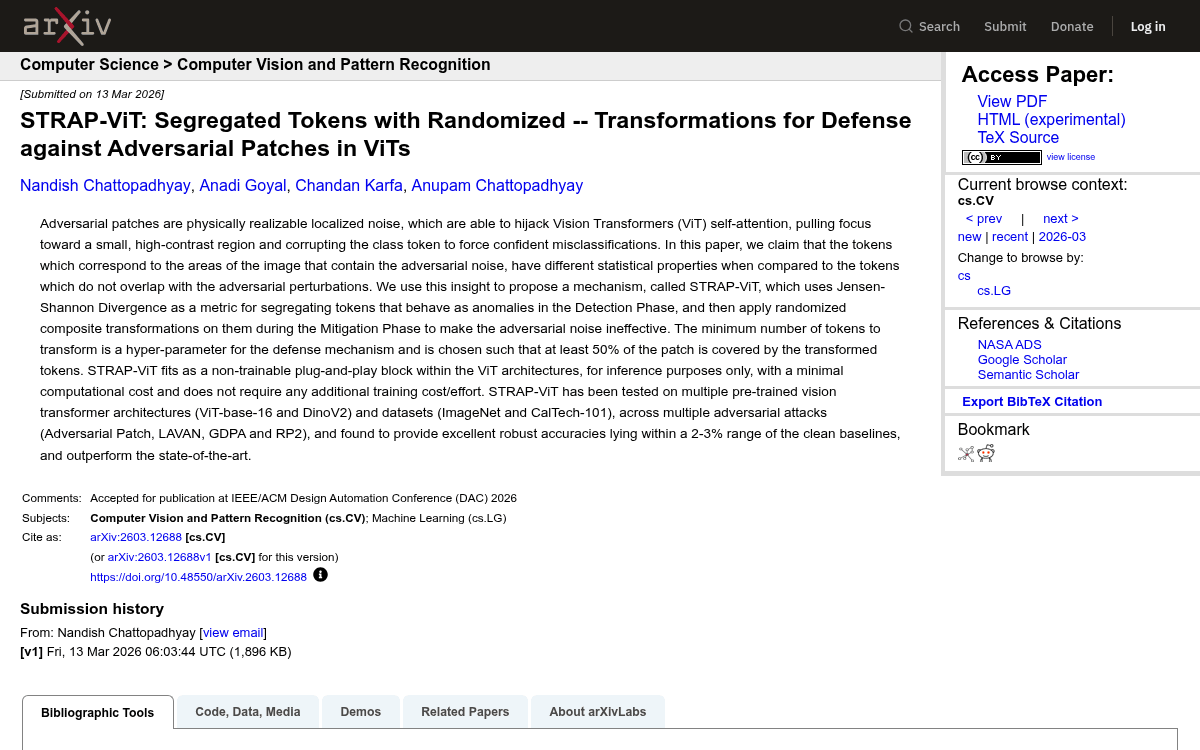
A training-free ViT defense uses statistical divergence to flag corrupted tokens and neutralize adversarial stickers with near-baseline accuracy.

A transformer ensemble skips Enzyme Commission numbers to predict which biochemical reactions a protein catalyzes, gaining 16.5% F1 over baselines.

UNIStainNet uses a frozen pathology foundation model to guide H&E-to-IHC translation, hitting state-of-the-art on four biomarkers from a single unified model.
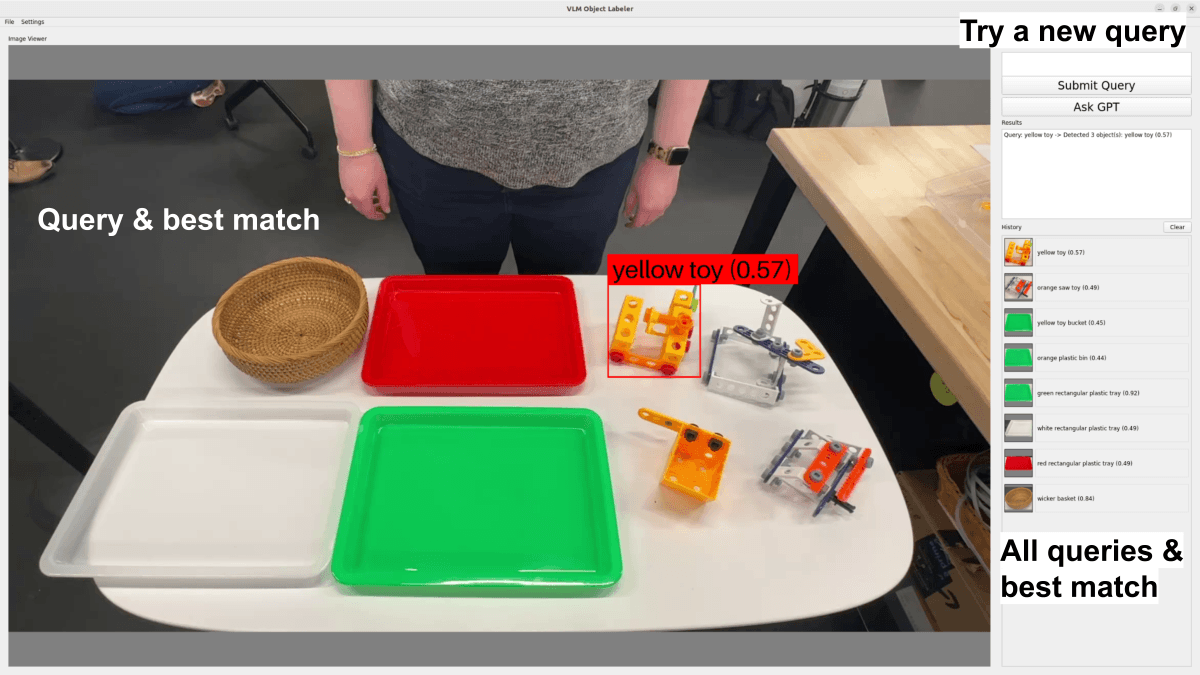
A self-supervised robotics pipeline trains a bespoke object detector from a single human demo video, skipping the language-prompting problem entirely.
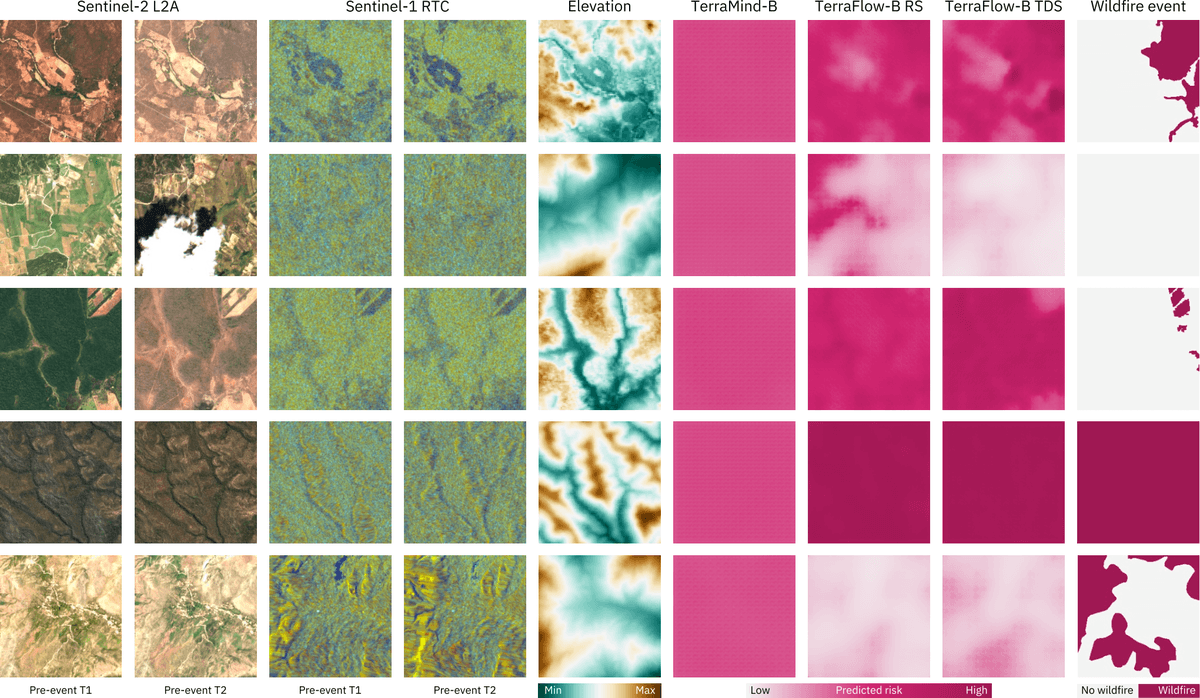
TerraFlow adds temporal pretraining to a satellite foundation model, beating prior state-of-the-art on time-series tasks and cutting disaster risk prediction failures.
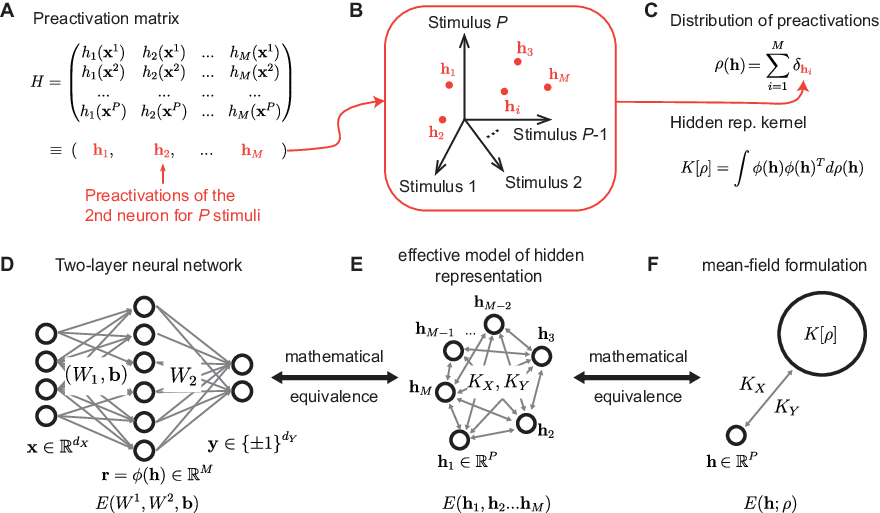
A new proof shows that supervised training forces neural networks to disentangle latent variables into orthogonal subspaces at every global optimum.
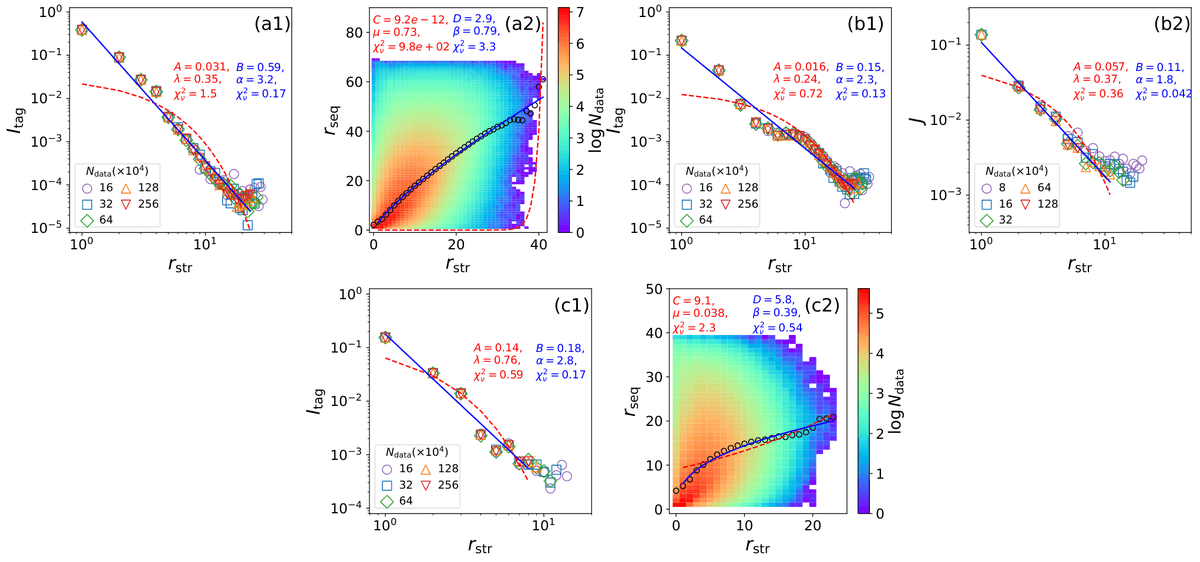
A new empirical study finds the widely cited link between power-law correlations and hierarchical syntax in language does not hold up in real parse trees.
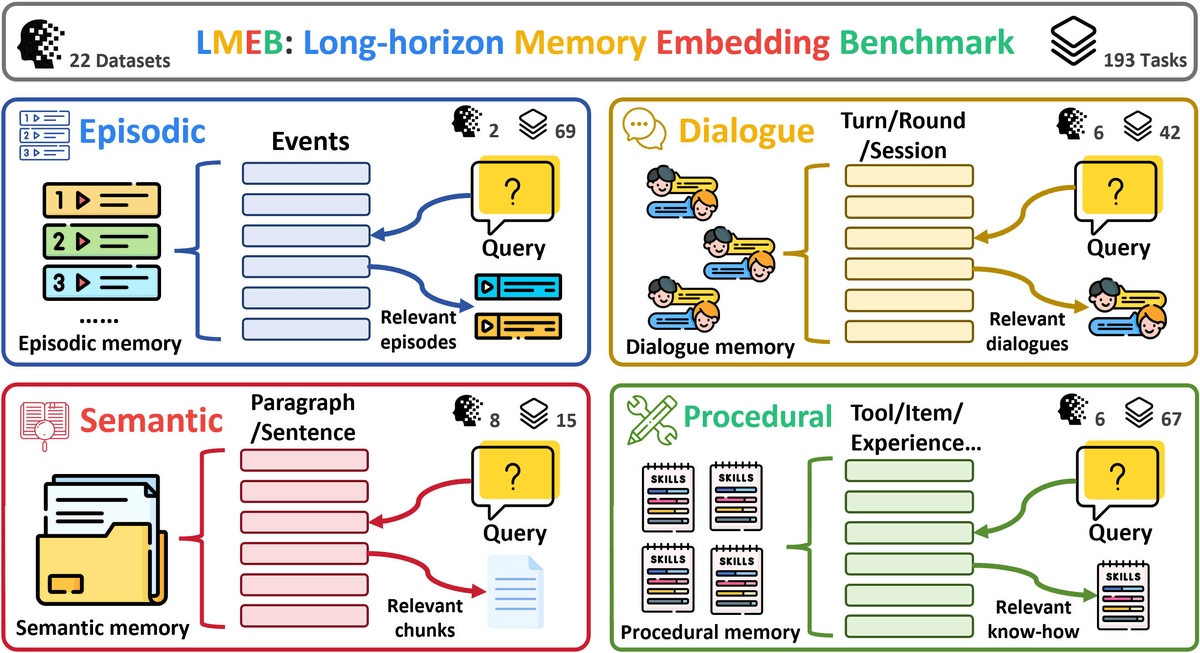
A new benchmark evaluates embedding models on fragmented, context-dependent, and temporally distant retrieval, revealing that MTEB scores do not predict memory performance.
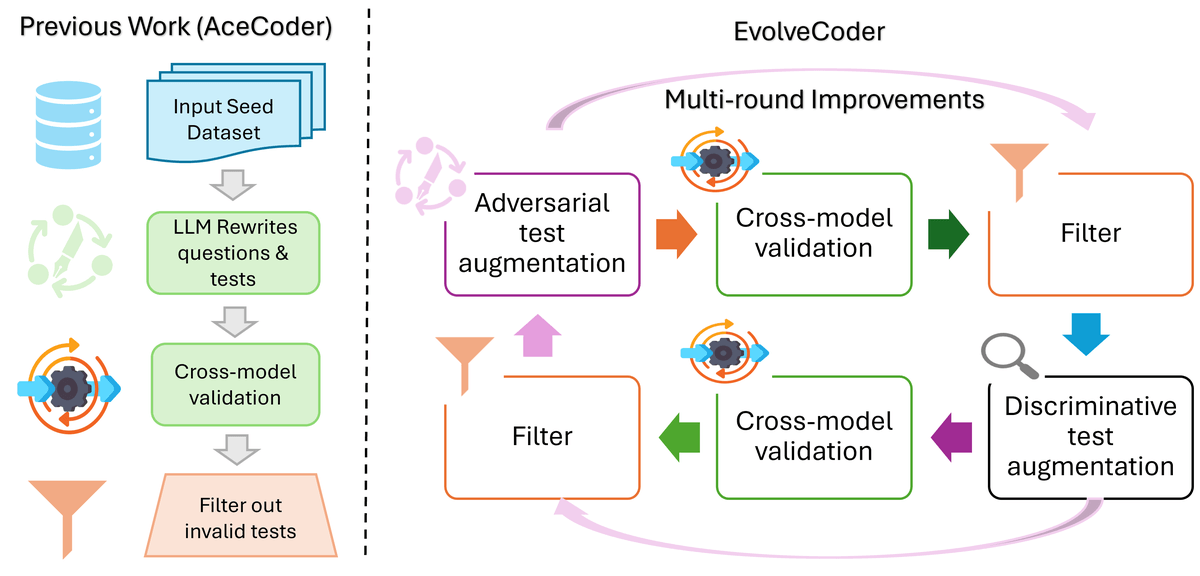
A new adversarial test evolution pipeline builds harder verification signals for code RL, lifting Qwen3-4B by 4.2 points across four benchmarks.