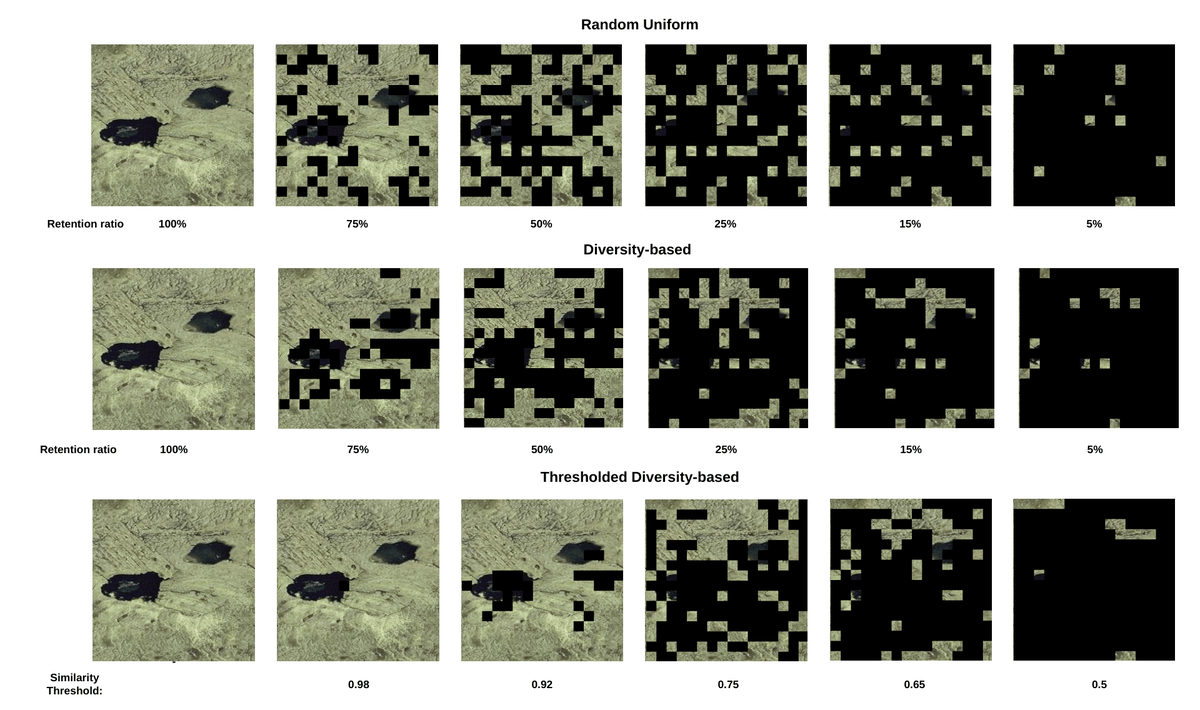
A systematic study finds Earth observation imagery is so spatially redundant that vision transformers can drop 75% of input patches and lose almost nothing.
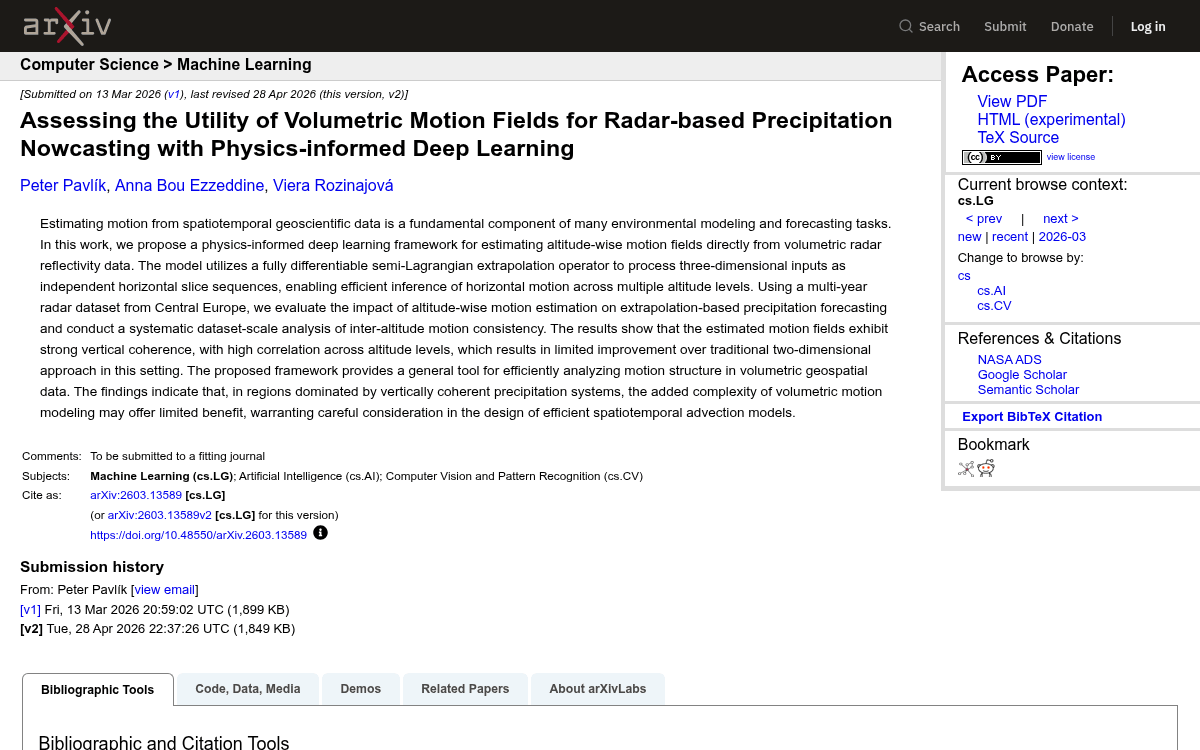
A physics-informed 3D U-Net estimates altitude-specific storm motion from radar volumes, but finds vertical structure rarely helps nowcasting over Central Europe.
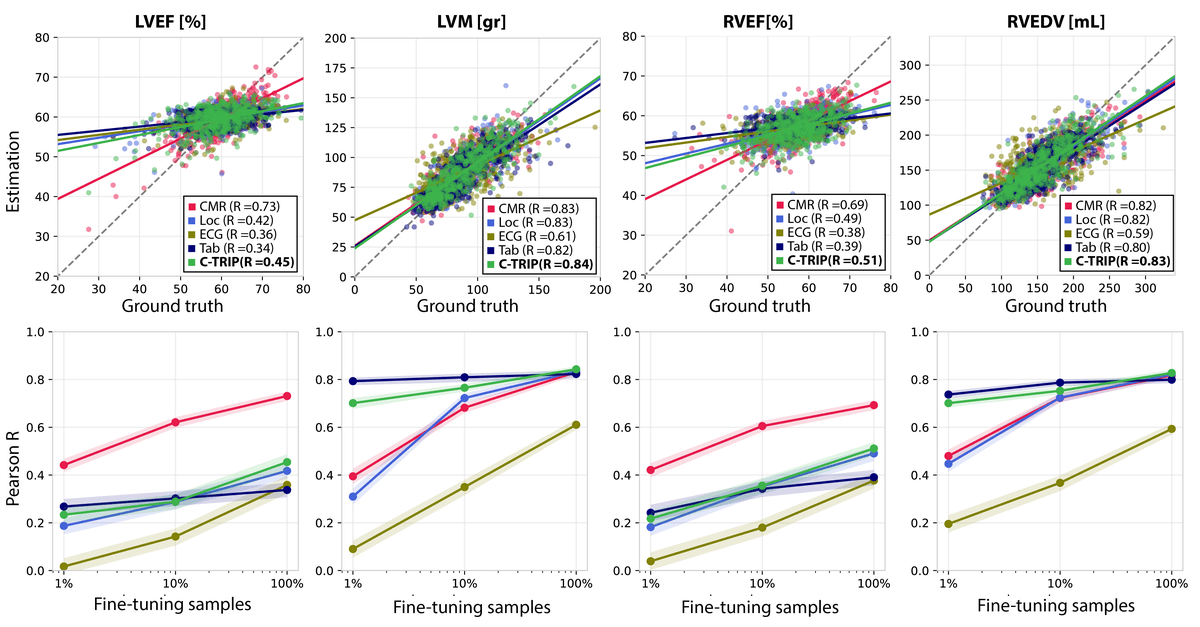
A tri-modal contrastive learning framework predicts cardiac phenotypes from throwaway localizer scans, ECG, and tabular data, sidestepping full cine MRI.
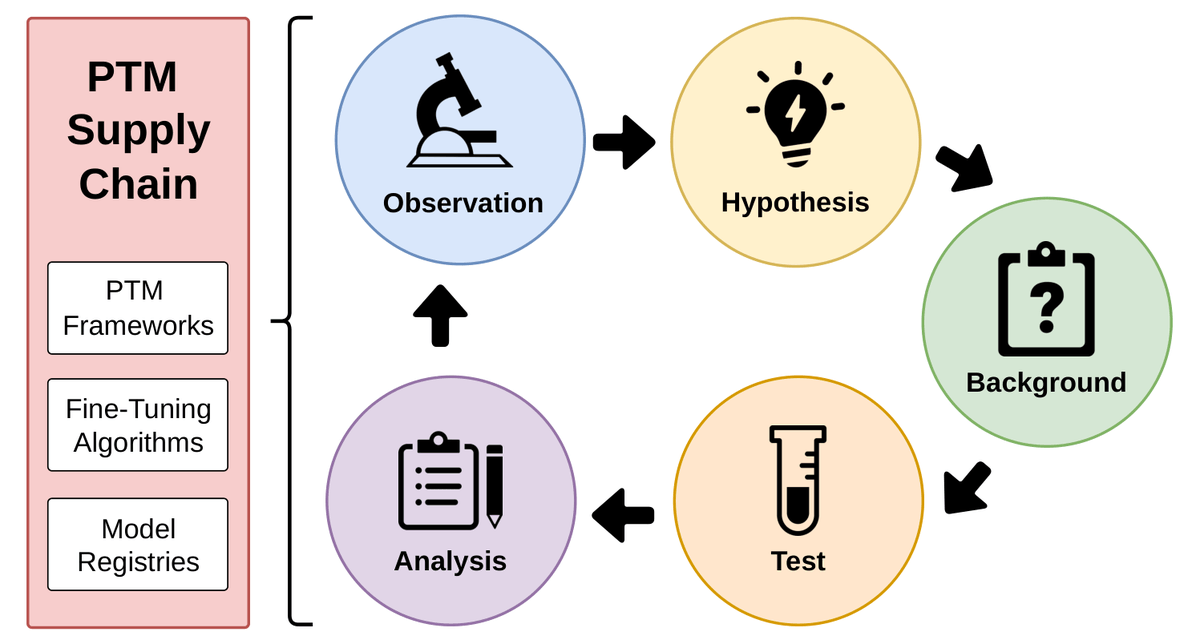
An automated LLM pipeline scanned 17,718 open-access papers to reveal how scientists actually reuse pre-trained deep learning models in their research.
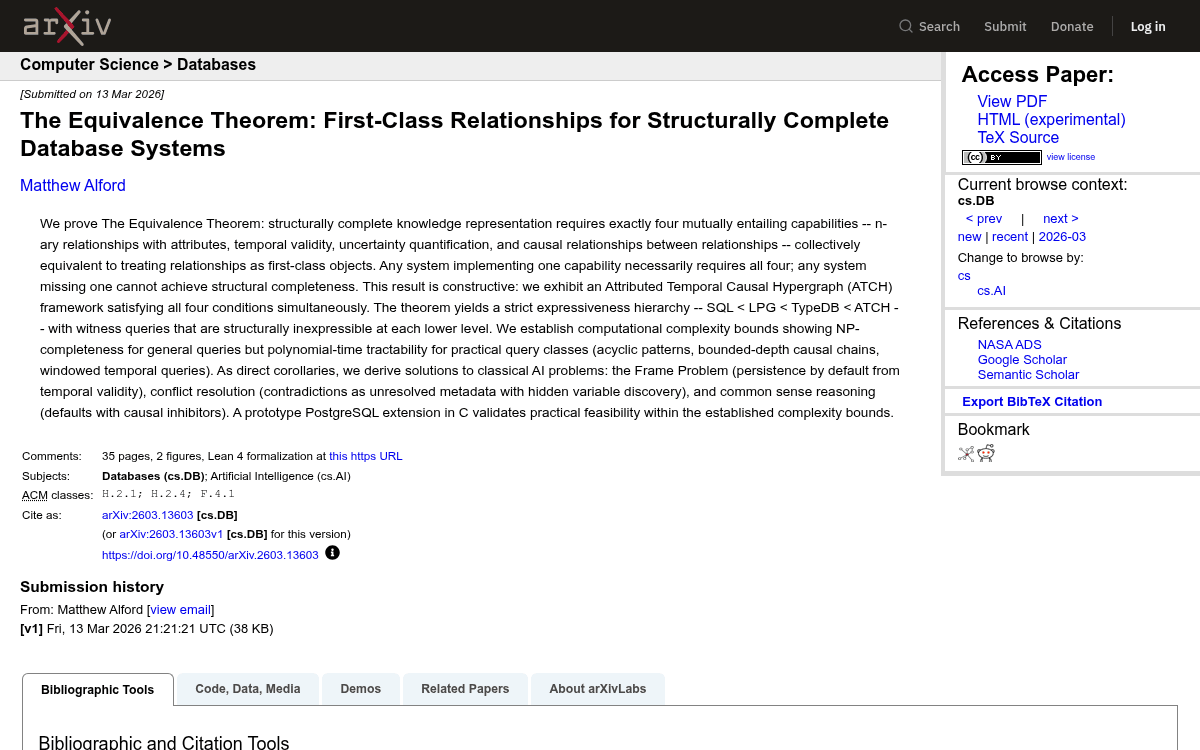
A new proof shows any knowledge system needs four specific capabilities together, or it loses information forever, with a working PostgreSQL prototype.
Orla is a Harvard-built serving layer that sits above vLLM and SGLang, routing agent workflow stages across models and caching KV state at the workflow level.
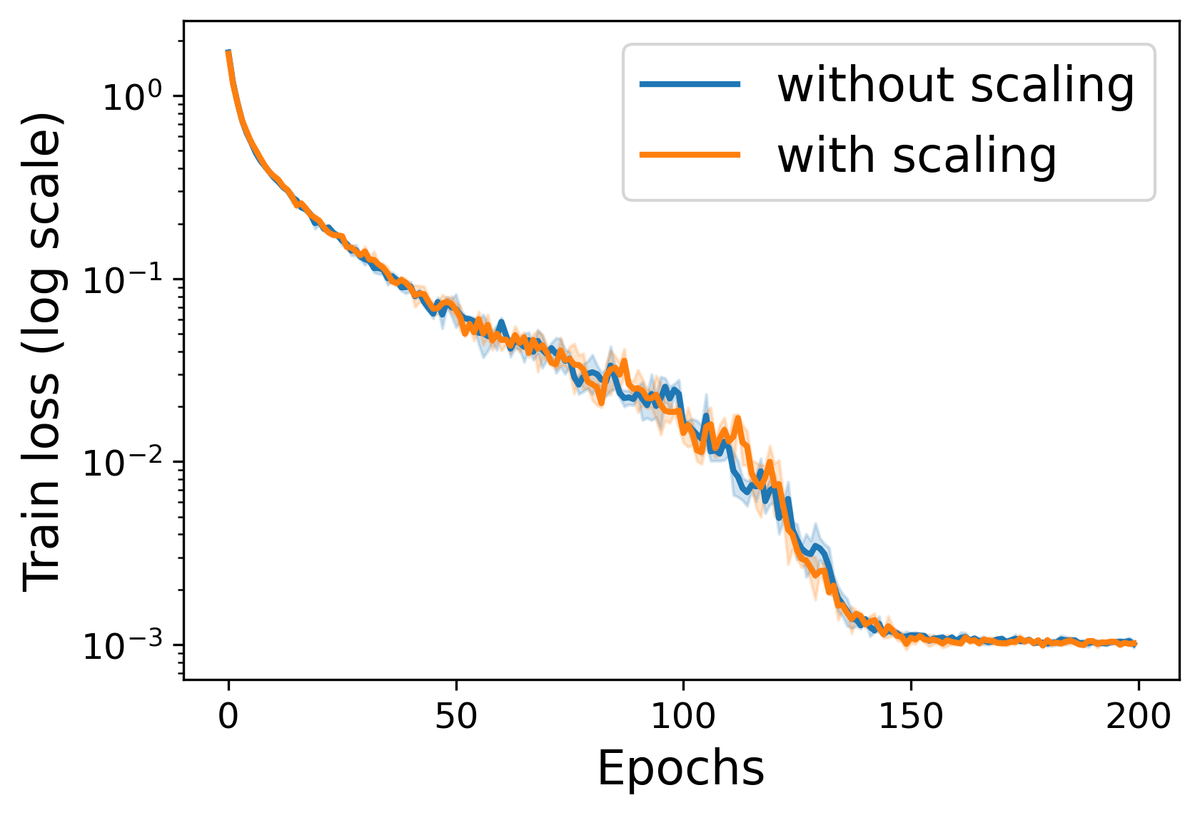
A Boston University team proves that multiplying each SGDM update by an exponential random scalar yields optimal convergence on non-smooth, non-convex losses.
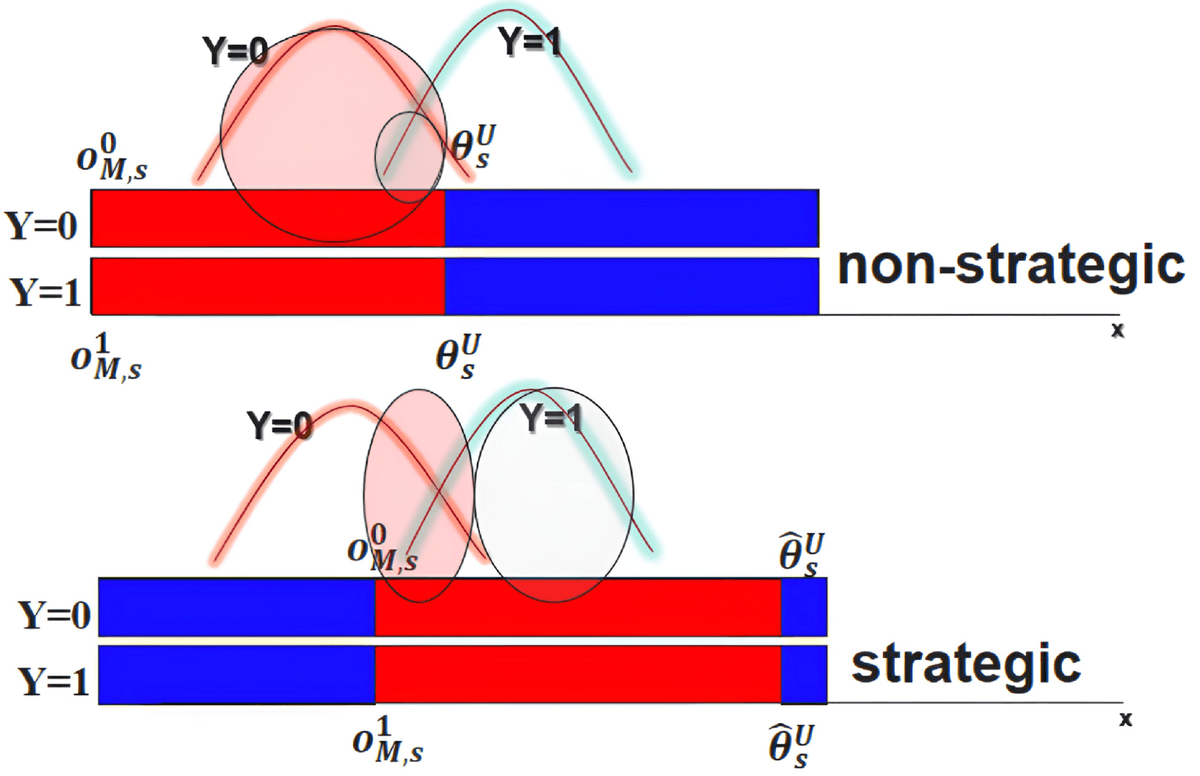
A Stackelberg-game analysis shows that firms who anticipate gaming can push users toward genuine improvement, and satisfy fairness constraints almost for free.
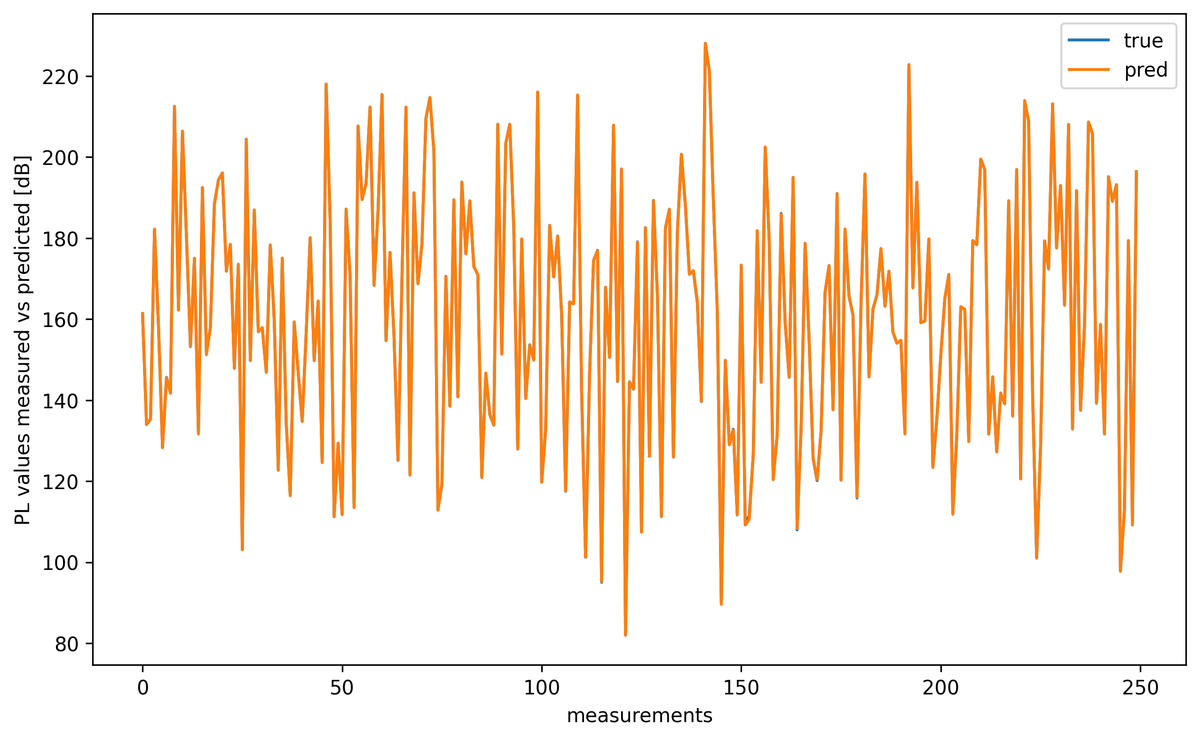
Researchers automate the discovery of wireless path loss formulas by combining Kolmogorov-Arnold Networks with Deep Symbolic Regression, cutting prediction errors by up to 75 percent.
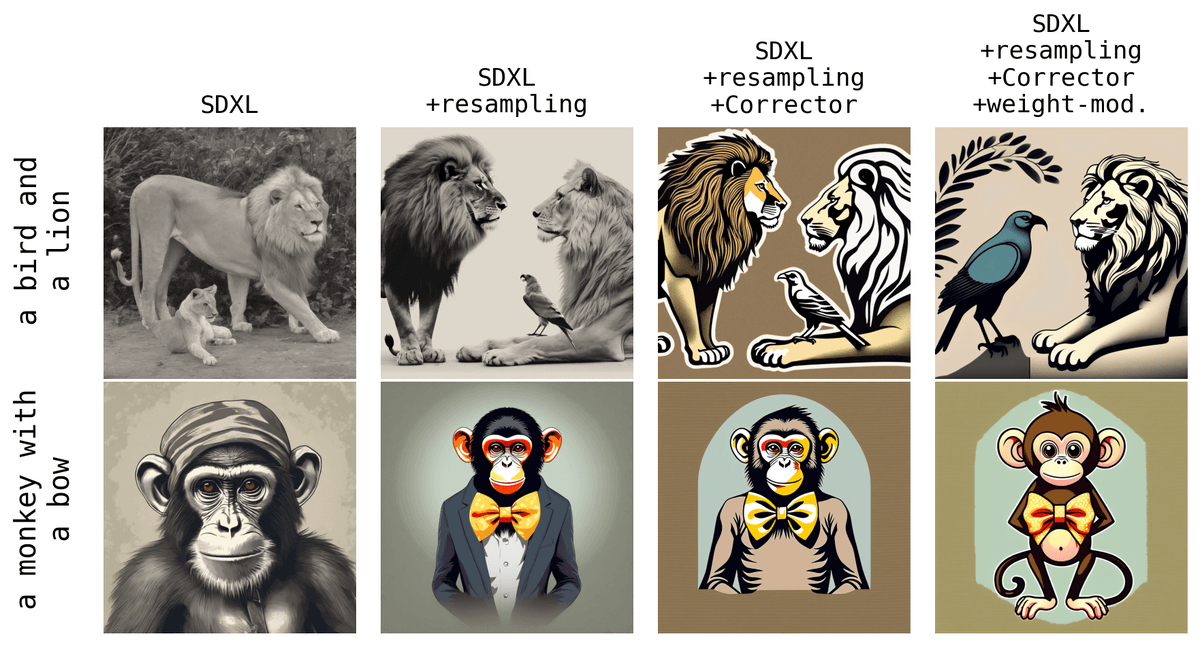
A multi-institution team formalizes trust regions on path measures, taming mode collapse and slashing target evaluations across sampling, molecular dynamics, and diffusion fine-tuning.
A gradient-free sampling trick called CO3 fixes the classic 'cat and dog' problem where diffusion models silently drop one concept from multi-object prompts.
A closed-form Bayesian trick rewrites Gaussian mixture forecasts in real time, sharpening intraday power predictions by up to 25% with zero retraining.
A new evaluation framework exposes how patient-level data leakage inflates EEG Parkinson's detection scores, delivering a more honest 80.6% accuracy benchmark.