
Pro
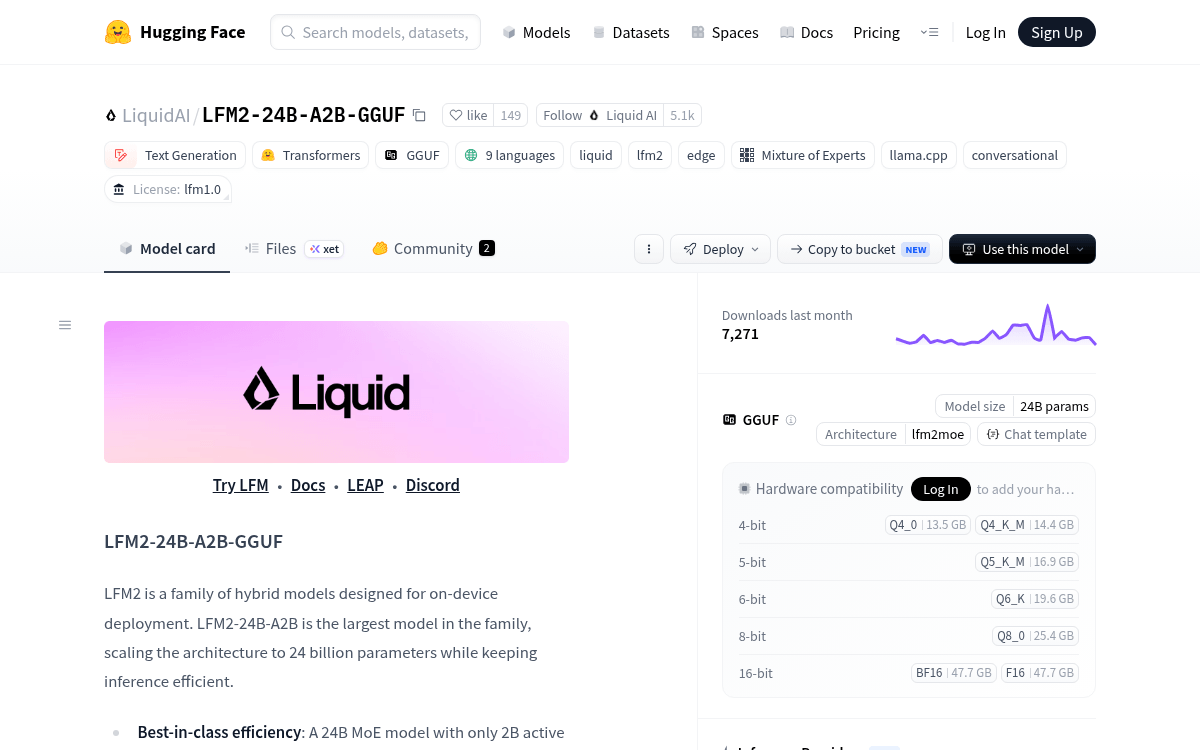
Liquid AI's LFM2-24B Runs a 24B Model on a Consumer Laptop
Liquid AI's largest LFM2 model packs 24B parameters, activates just 2.3B per token, and fits in 32GB of RAM on a laptop.
20 stories
Liquid AI's largest LFM2 model packs 24B parameters, activates just 2.3B per token, and fits in 32GB of RAM on a laptop.
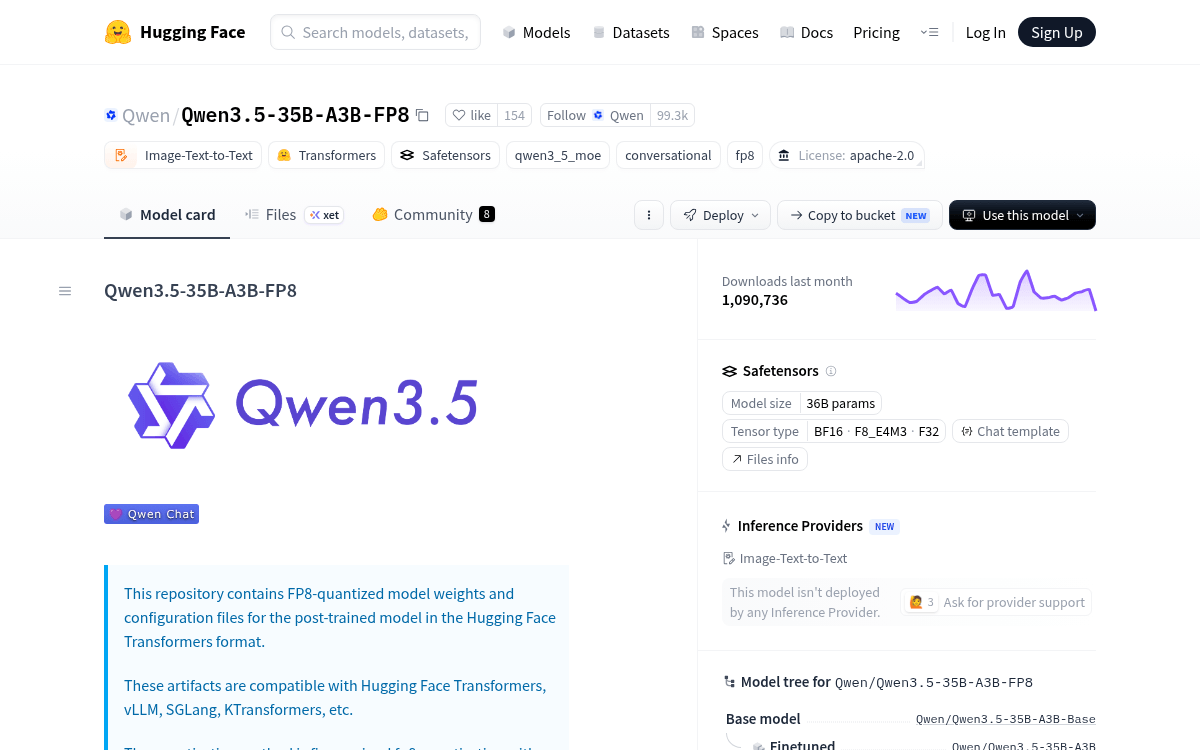
Alibaba's new sparse MoE vision-language model activates only 3B of 35B parameters, delivers Qwen3.5-27B-level performance at a fraction of the compute.
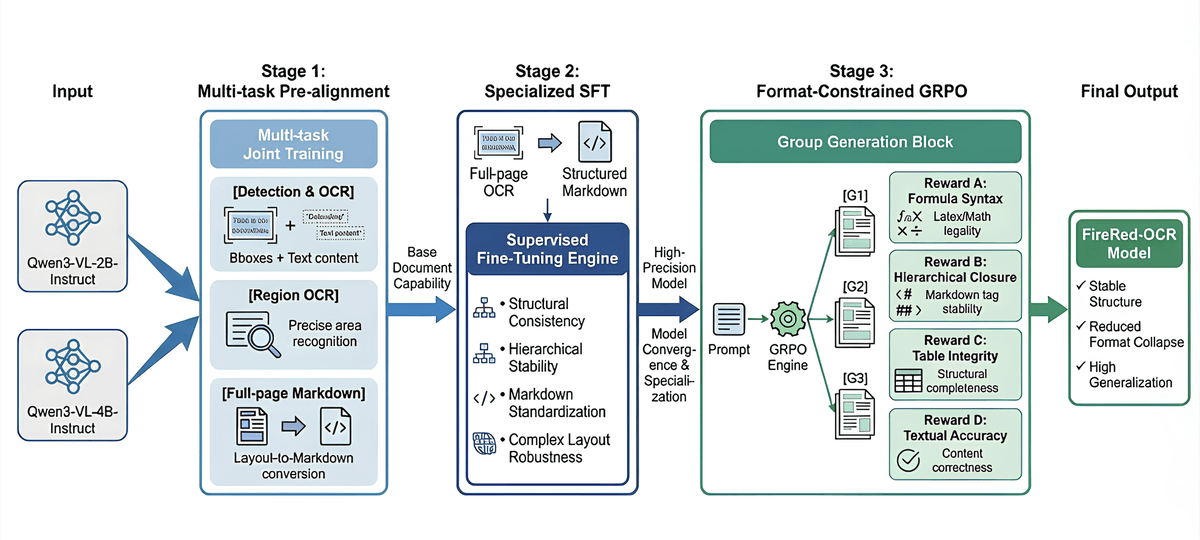
A 2B parameter document parser from Xiaohongshu beats DeepSeek-OCR 2, Gemini 3.0 Pro, and 235B general VLMs on OmniDocBench.
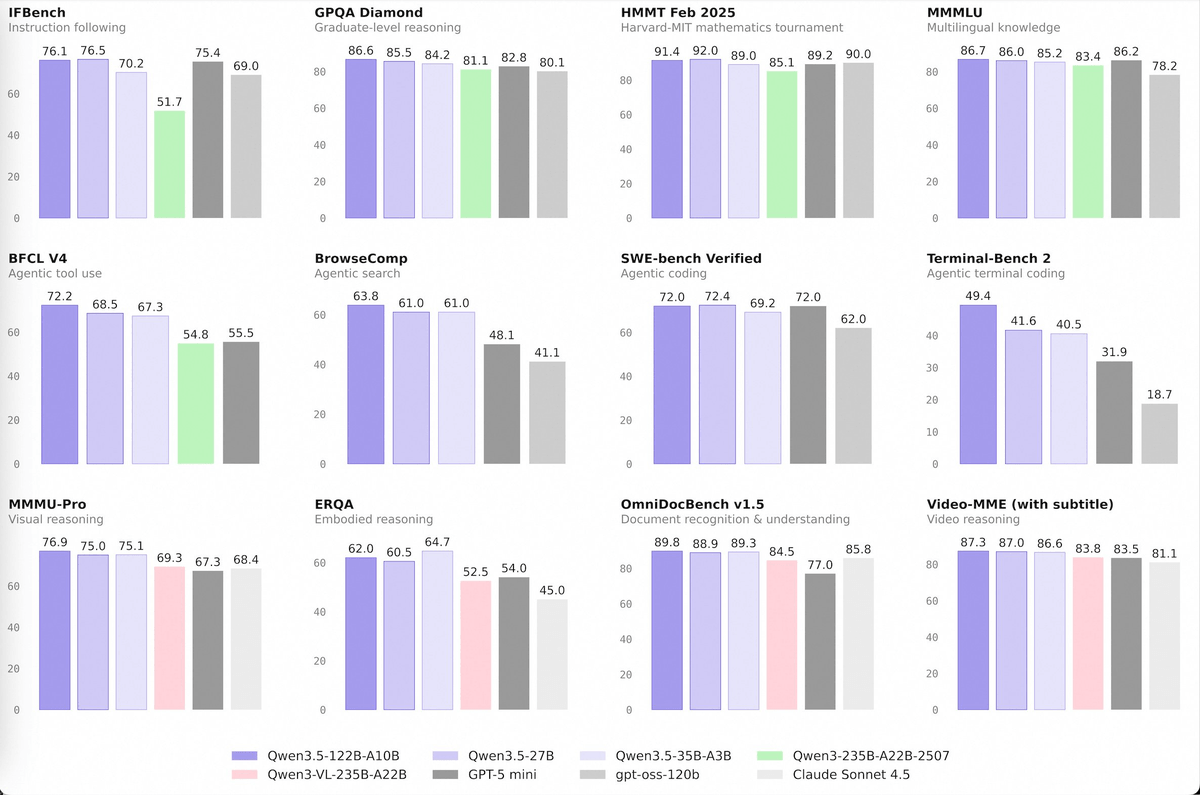
A community fine-tune ports Claude 4.6 Opus reasoning traces into Qwen3.5-27B, delivering stable tool calling and 9+ minute autonomous agent runs on a single RTX 3090.
PrunaAI released a pruned, drop-in decoder for LTX-2.3 that cuts VAE runtime by up to 2x and halves peak VRAM with near-lossless quality.

Sarvam open-sources a 30B Mixture-of-Experts reasoning model with 2.4B active parameters, tuned for 22 Indian languages and built entirely on Indian compute.
A community rebuild of Qwen3.5-9B strips out every refusal in a 465-prompt test set, keeping vision, thinking mode, and a 262K context intact.
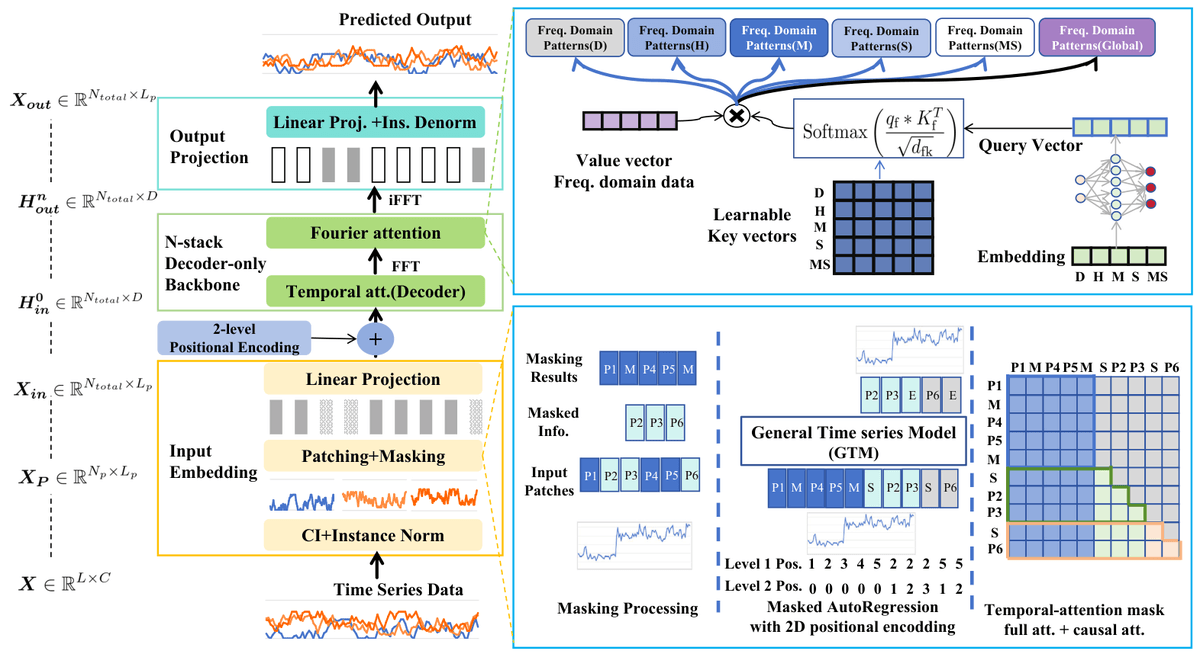
A new decoder-only time-series foundation model uses Fourier attention and hybrid masking to handle forecasting, imputation, and anomaly detection without any task-specific tweaks.
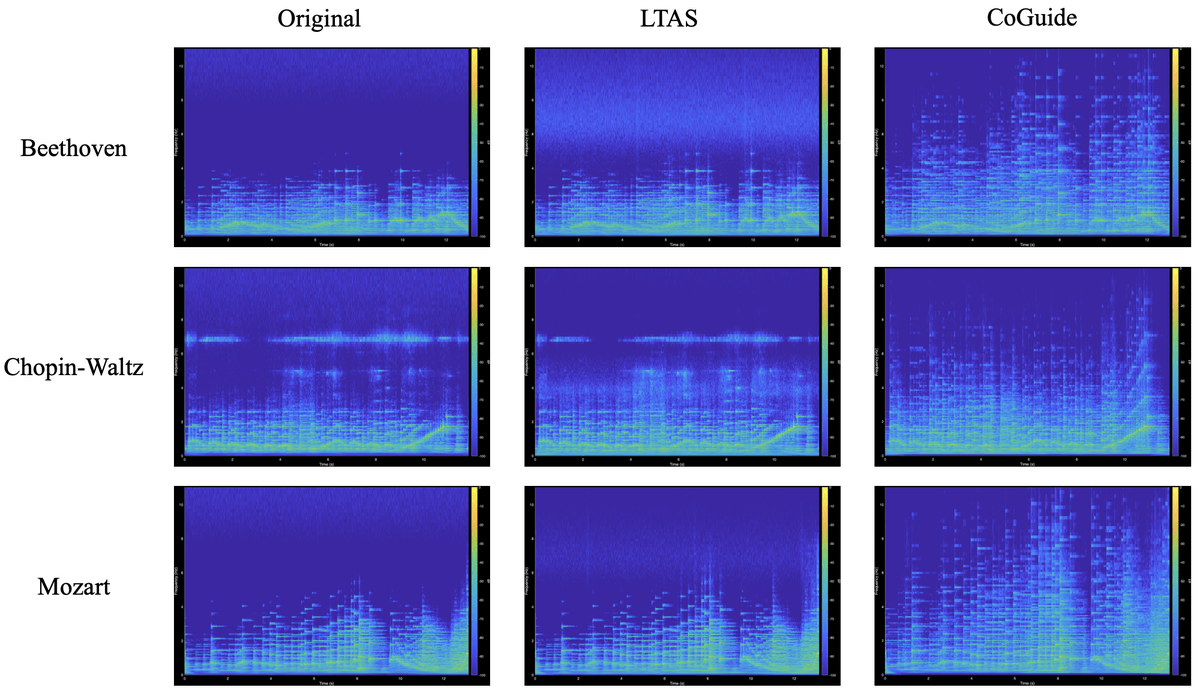
Researchers at UIUC show how to reconstruct home floorplans from a person's walking trajectories using diffusion models guided by contrastive embeddings.
A new manifold learning pipeline uses Finsler geometry to preserve asymmetric information that t-SNE and UMAP normally throw away.
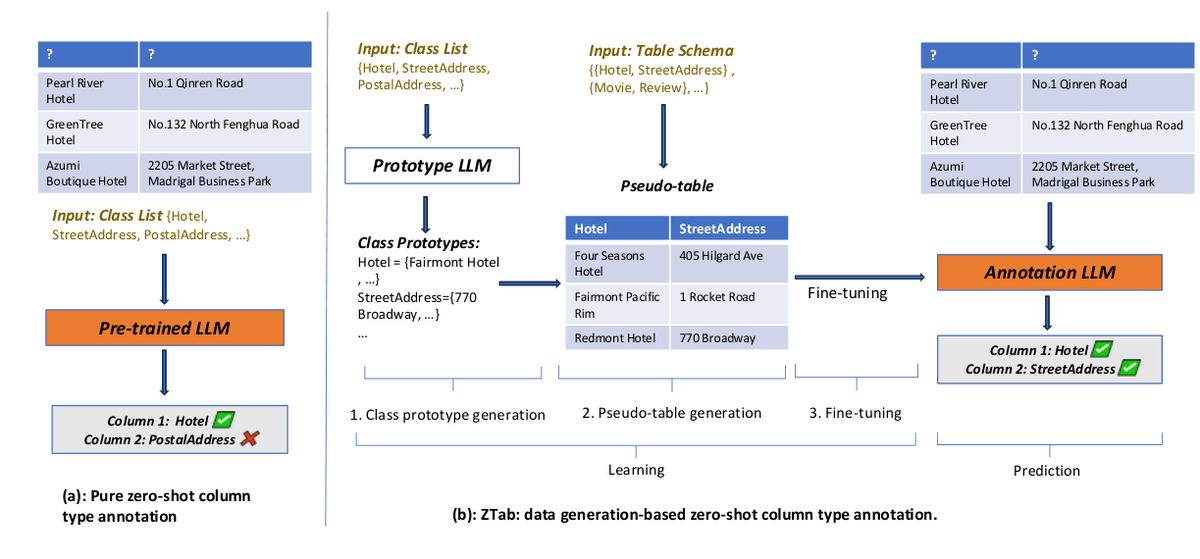
A new framework fine-tunes an annotation model on synthetic tables built from class prototypes, dodging the privacy and accuracy limits of GPT-based zero-shot approaches.
A new framework replaces static PageRank-style rankings with event-driven intensities from Hawkes processes, separating intrinsic value from network amplification in real time.
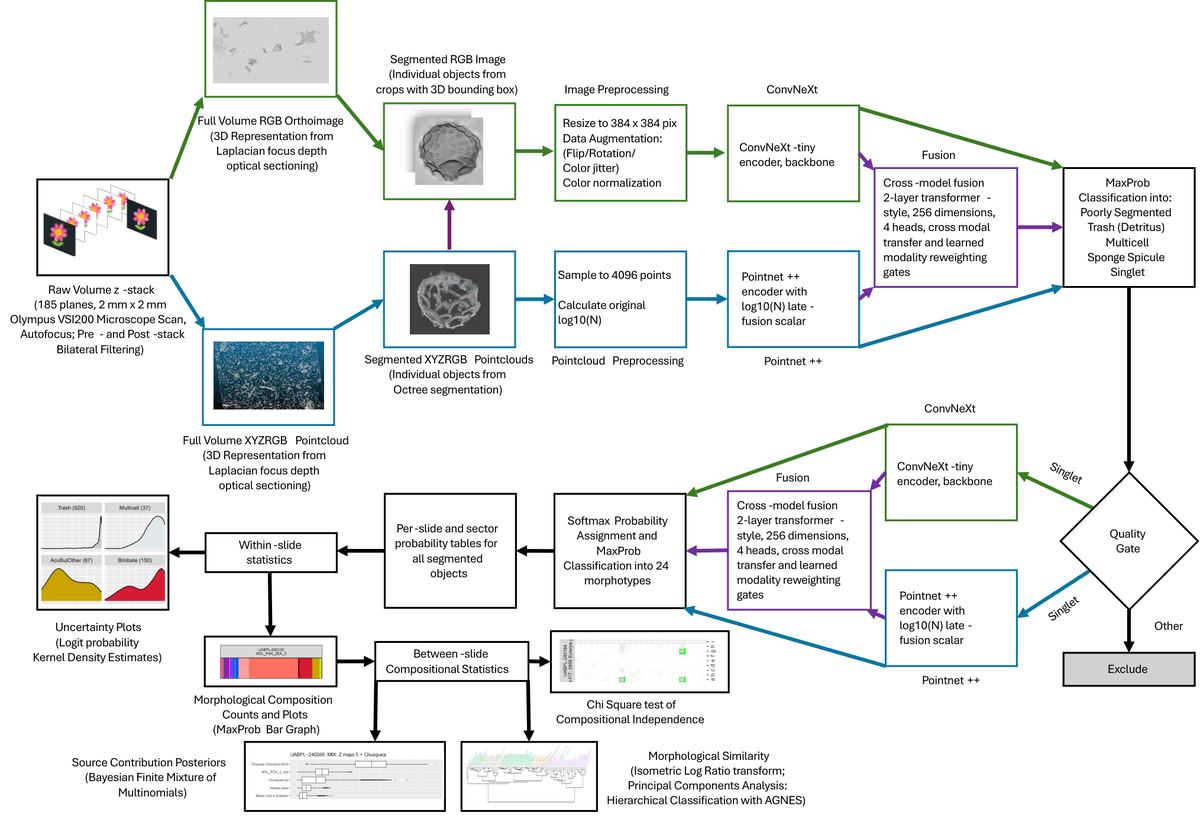
A new multimodal pipeline combines ConvNeXt and PointNet++ to automate microscopic plant fossil analysis, hitting 77.9% accuracy across 24 morphotypes.
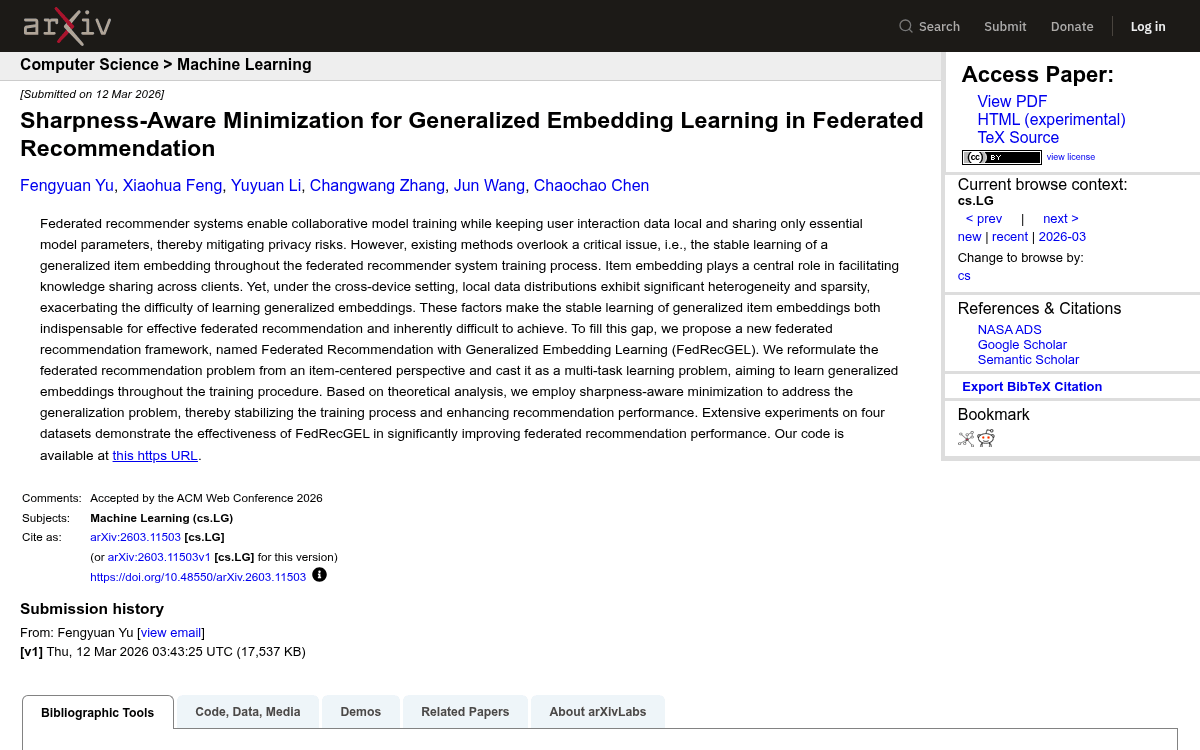
A new federated recommendation framework applies sharpness-aware minimization to fix unstable item embeddings, delivering up to 50 percent gains on large user bases.
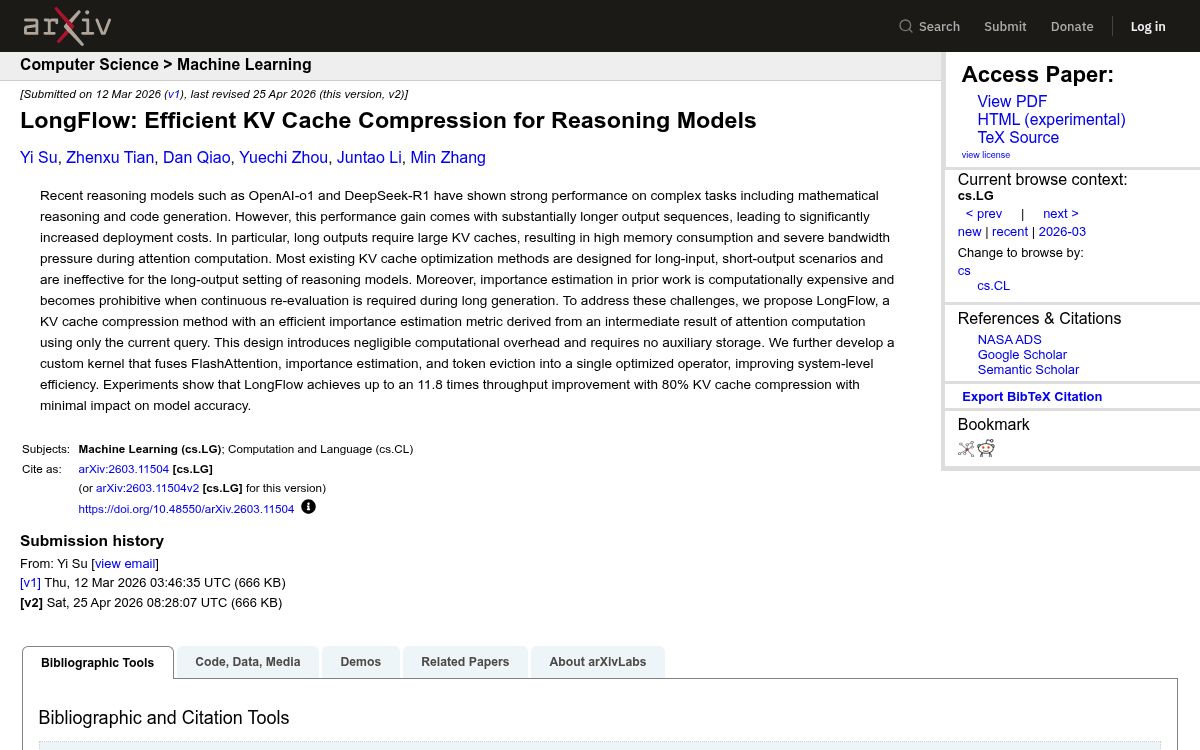
A new KV cache compression method squeezes reasoning models by 80% and delivers up to 11.8x higher throughput with almost no accuracy loss.
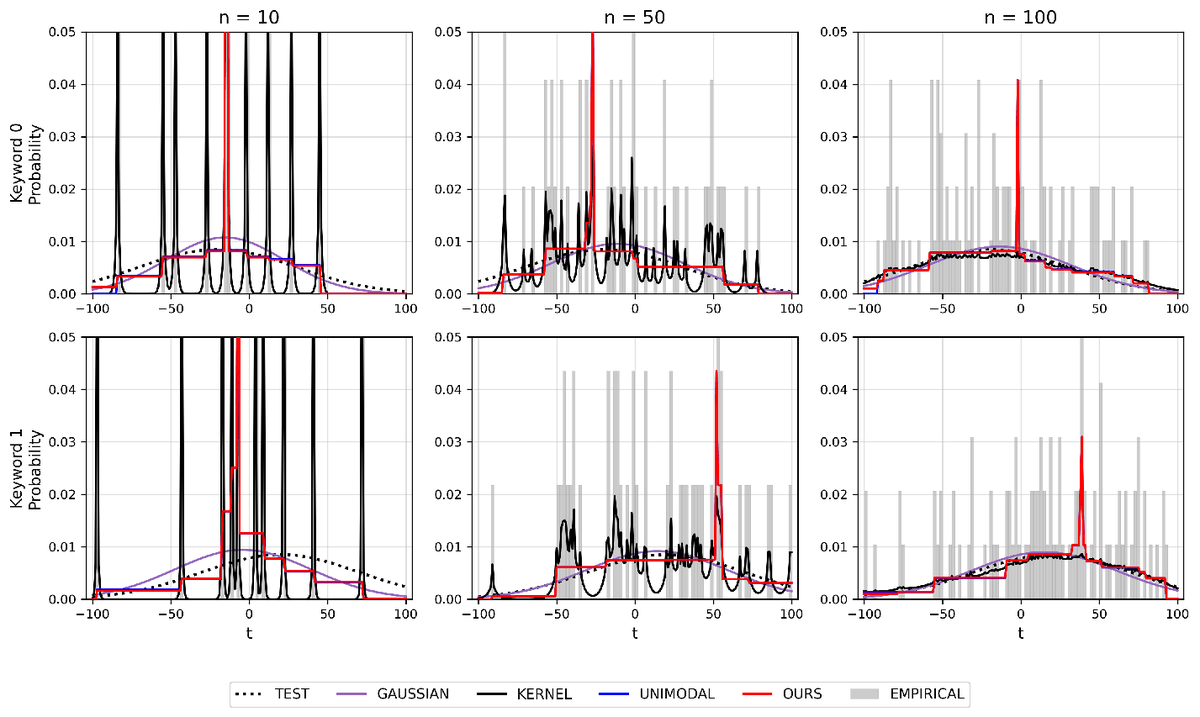
A mixed-integer optimization approach uses ordering constraints between related distributions to squeeze more accuracy out of small samples on a pregnancy Q&A platform.

A UT Austin study finds that plain LoRA fine-tuning on a stream of tasks beats sophisticated continual RL methods for large robot policies.
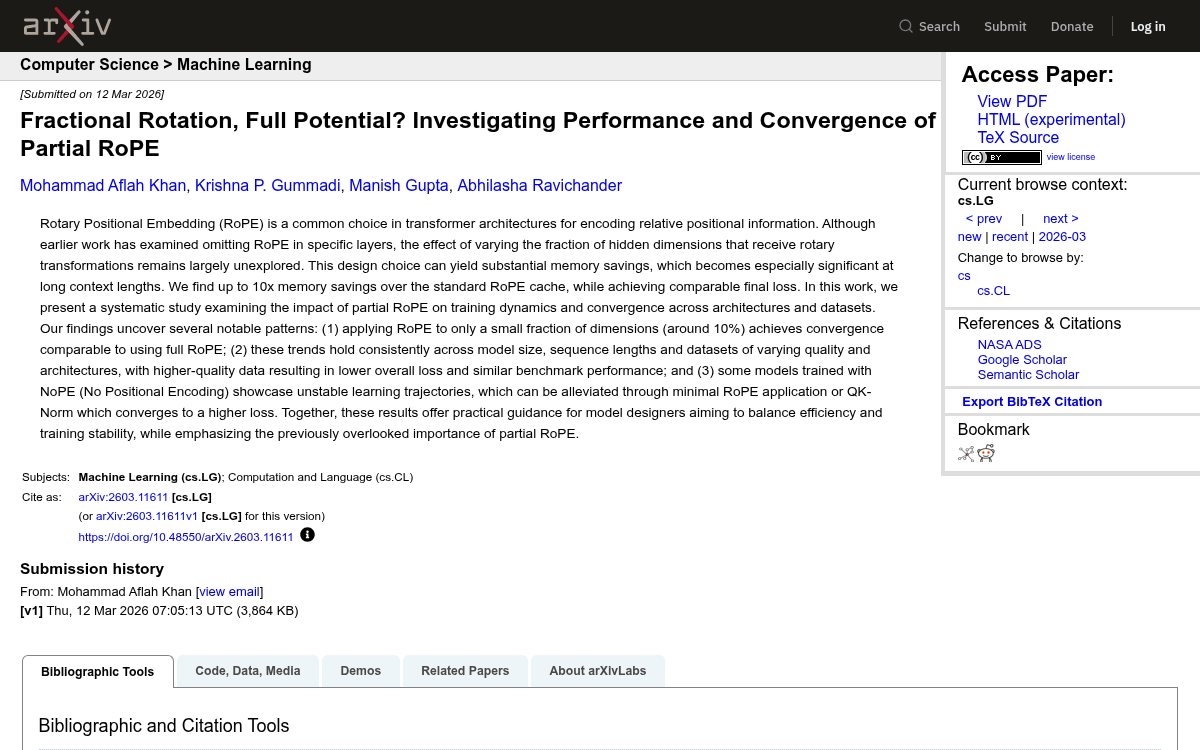
A new empirical study shows applying rotary embeddings to just 10% of dimensions matches full RoPE performance while cutting cache memory by 10x.
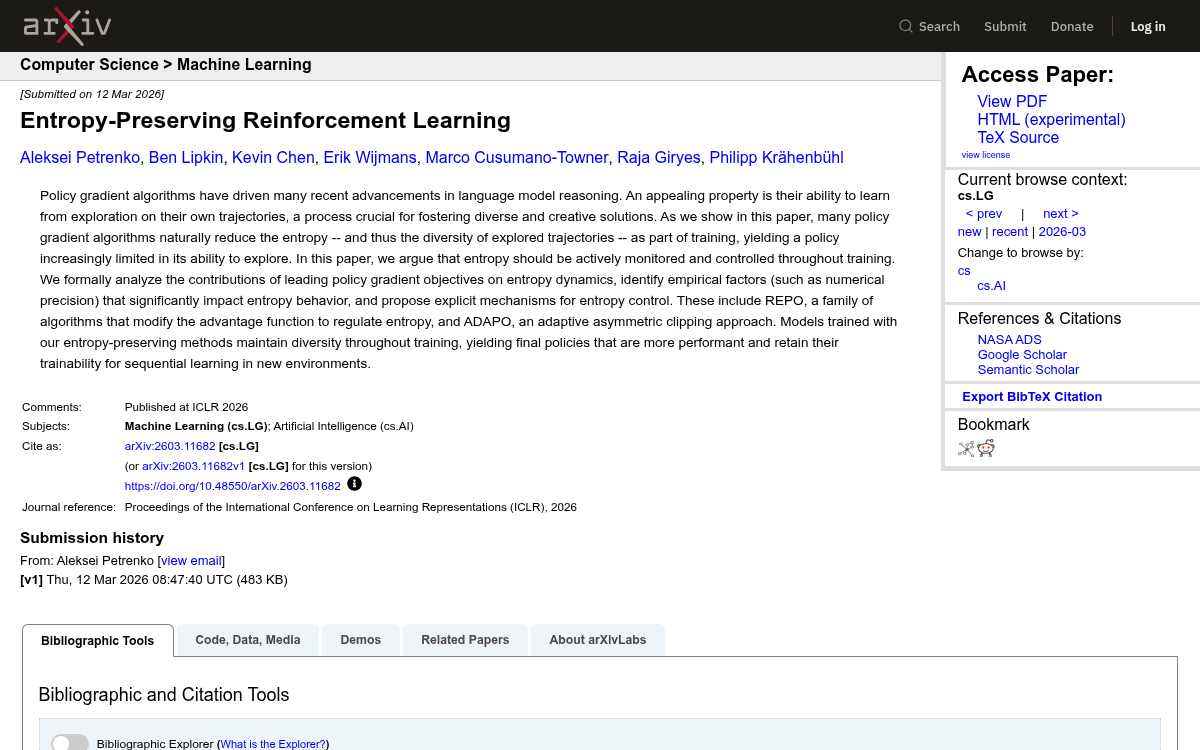
Apple researchers show that RL post-training silently kills the diversity of language models, and offer both numerical fixes and new algorithms to keep exploration alive.
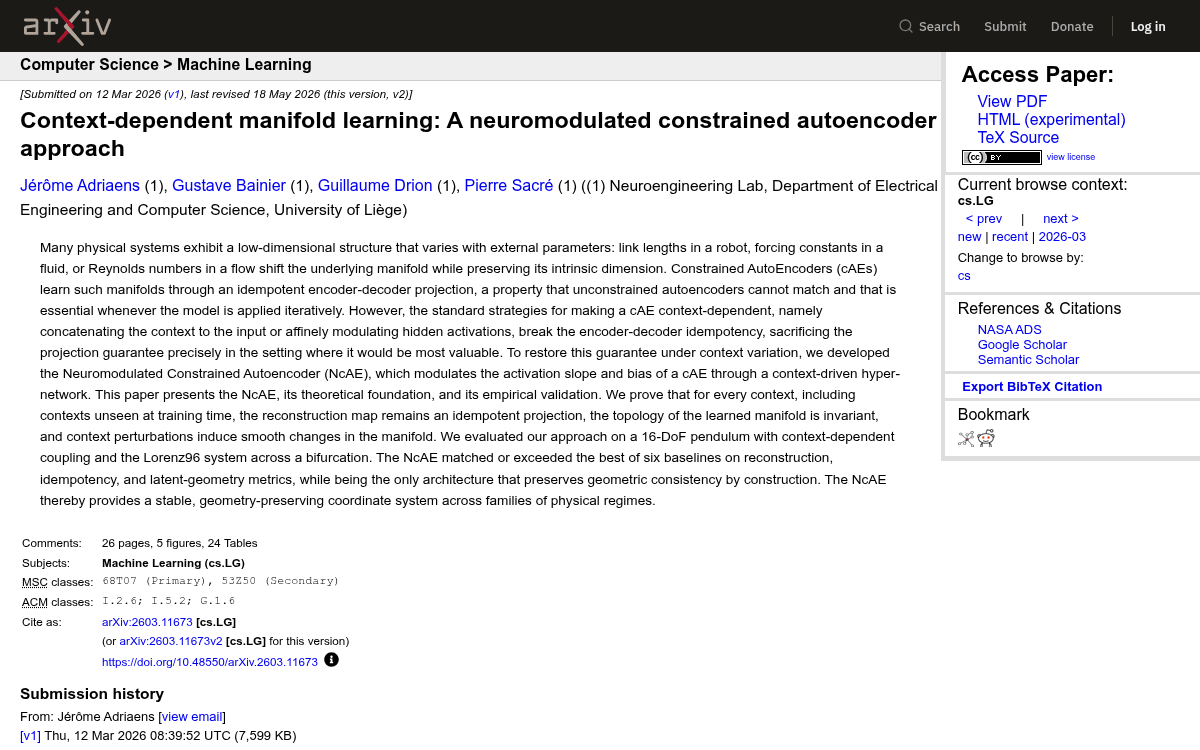
A new autoencoder architecture keeps its geometric projection guarantee intact when physical parameters shift, matching or beating six baselines on dynamical systems.