
Pro
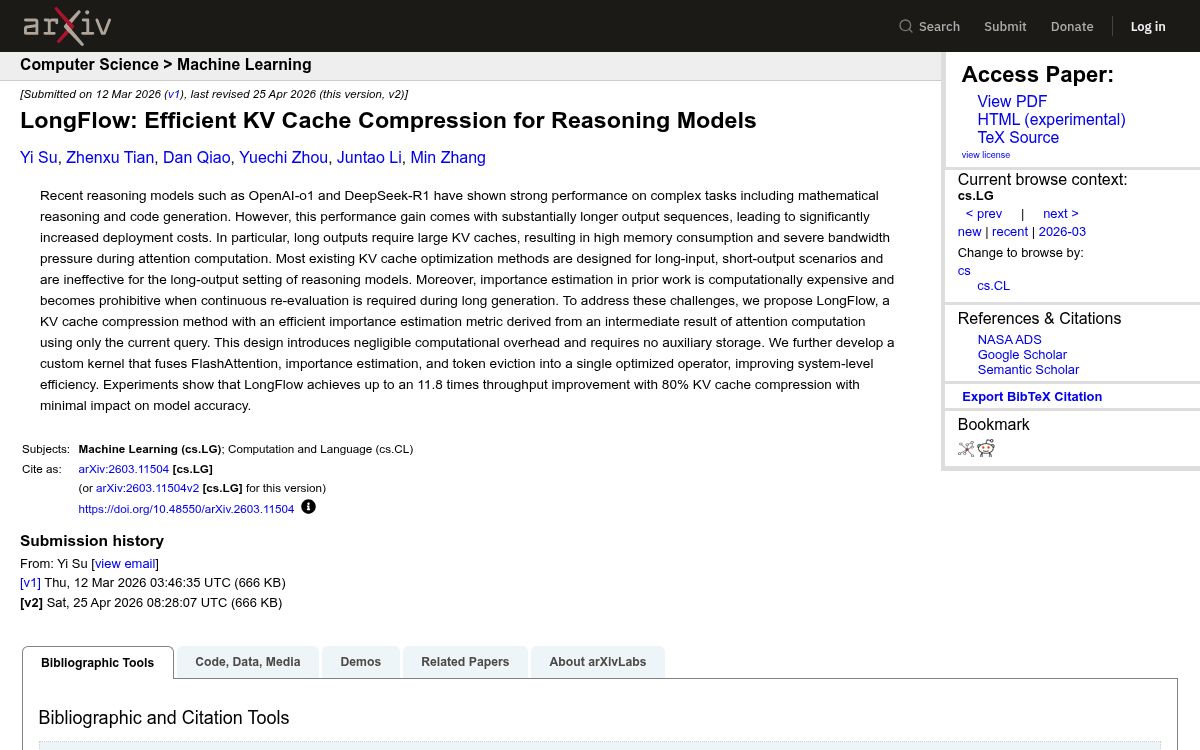
ByteDance's LongFlow Cuts Reasoning AI Memory Costs by 11.8x
A new KV cache compression method squeezes reasoning models by 80% and delivers up to 11.8x higher throughput with almost no accuracy loss.
20 stories
A new KV cache compression method squeezes reasoning models by 80% and delivers up to 11.8x higher throughput with almost no accuracy loss.
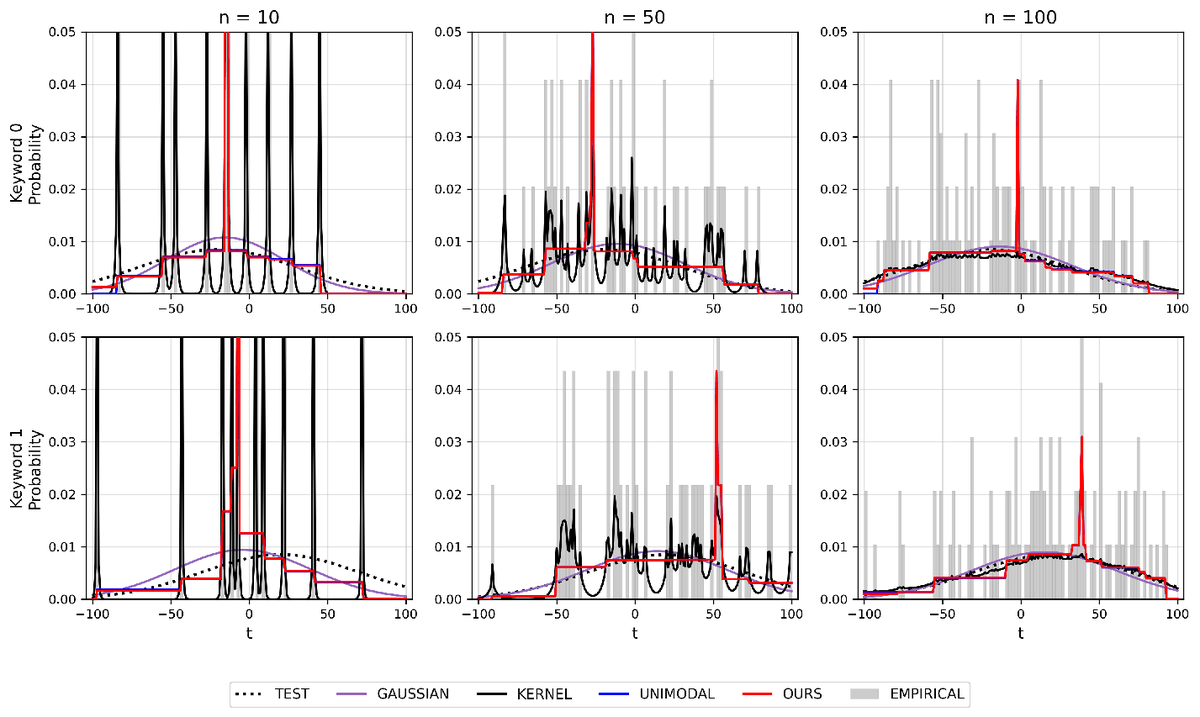
A mixed-integer optimization approach uses ordering constraints between related distributions to squeeze more accuracy out of small samples on a pregnancy Q&A platform.
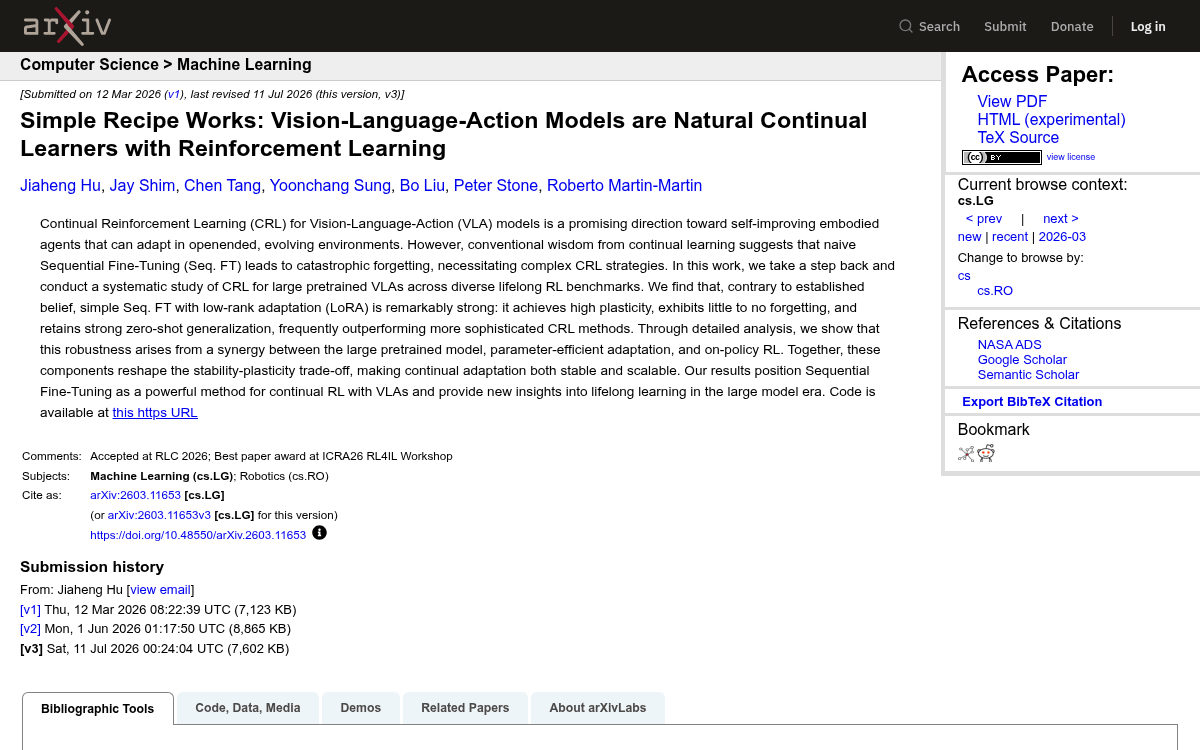
A UT Austin study finds that plain LoRA fine-tuning on a stream of tasks beats sophisticated continual RL methods for large robot policies.
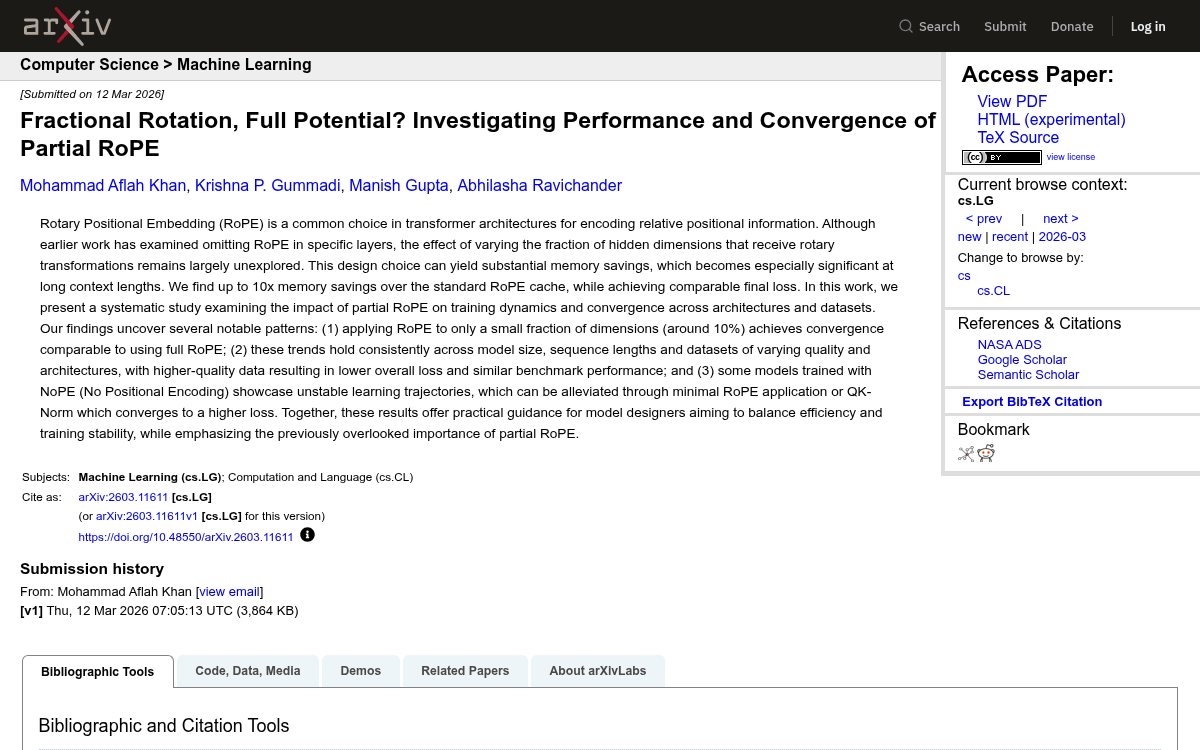
A new empirical study shows applying rotary embeddings to just 10% of dimensions matches full RoPE performance while cutting cache memory by 10x.
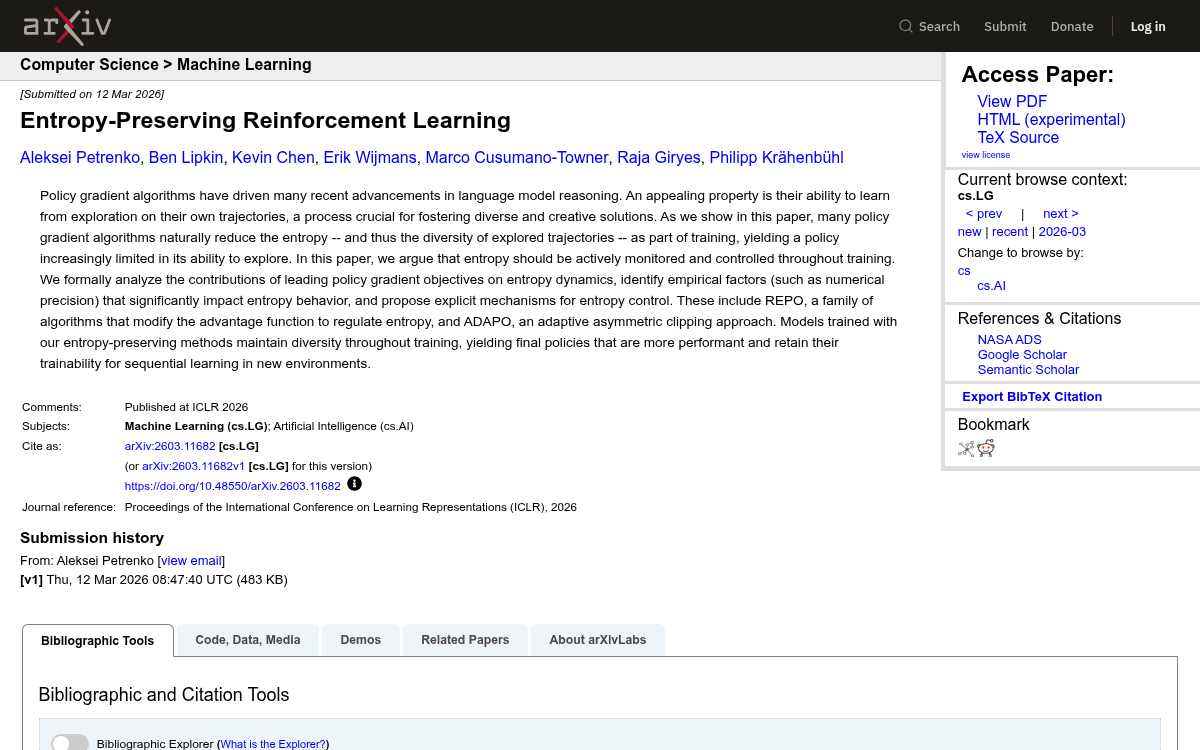
Apple researchers show that RL post-training silently kills the diversity of language models, and offer both numerical fixes and new algorithms to keep exploration alive.
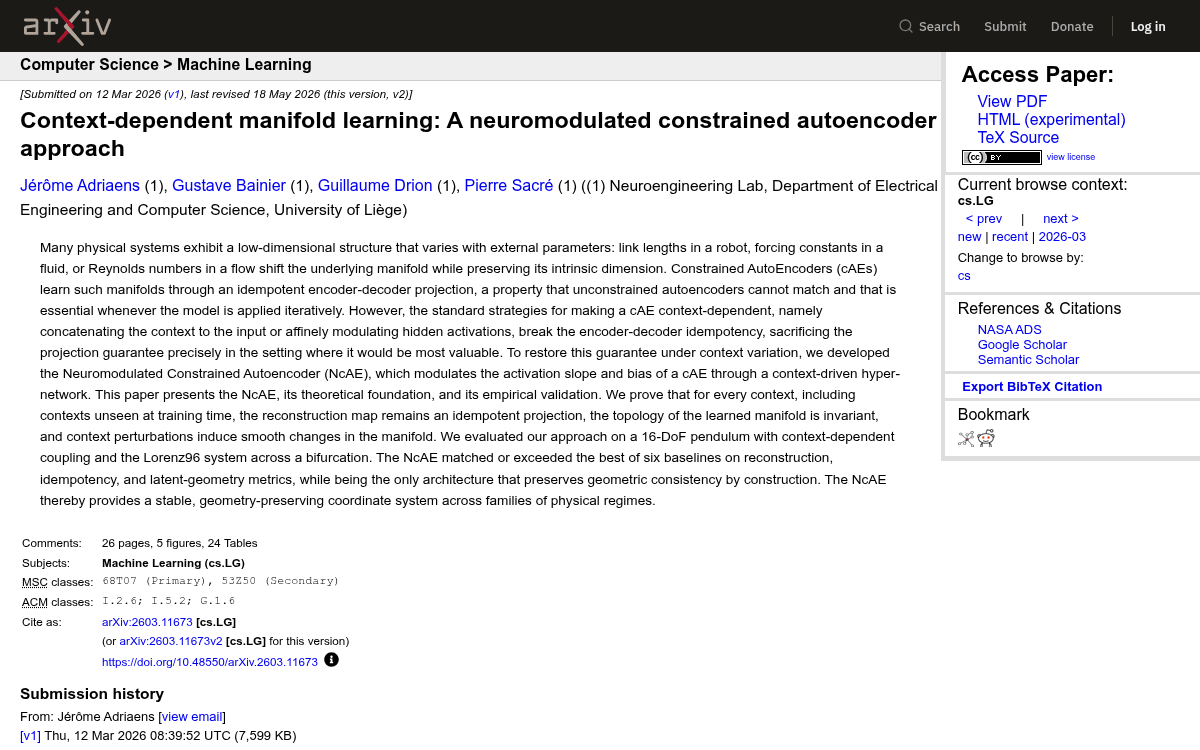
A new autoencoder architecture keeps its geometric projection guarantee intact when physical parameters shift, matching or beating six baselines on dynamical systems.
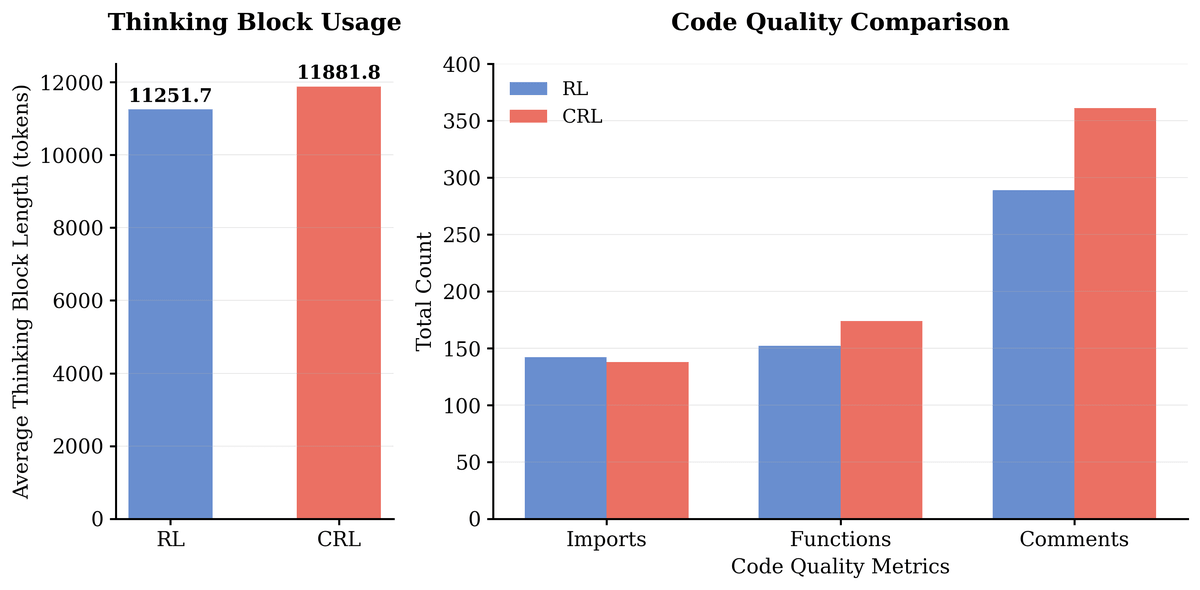
A new RL twist trains coding models to judge solutions, not just write them, boosting LiveCodeBench scores past GPT-o1 at 8B parameters.
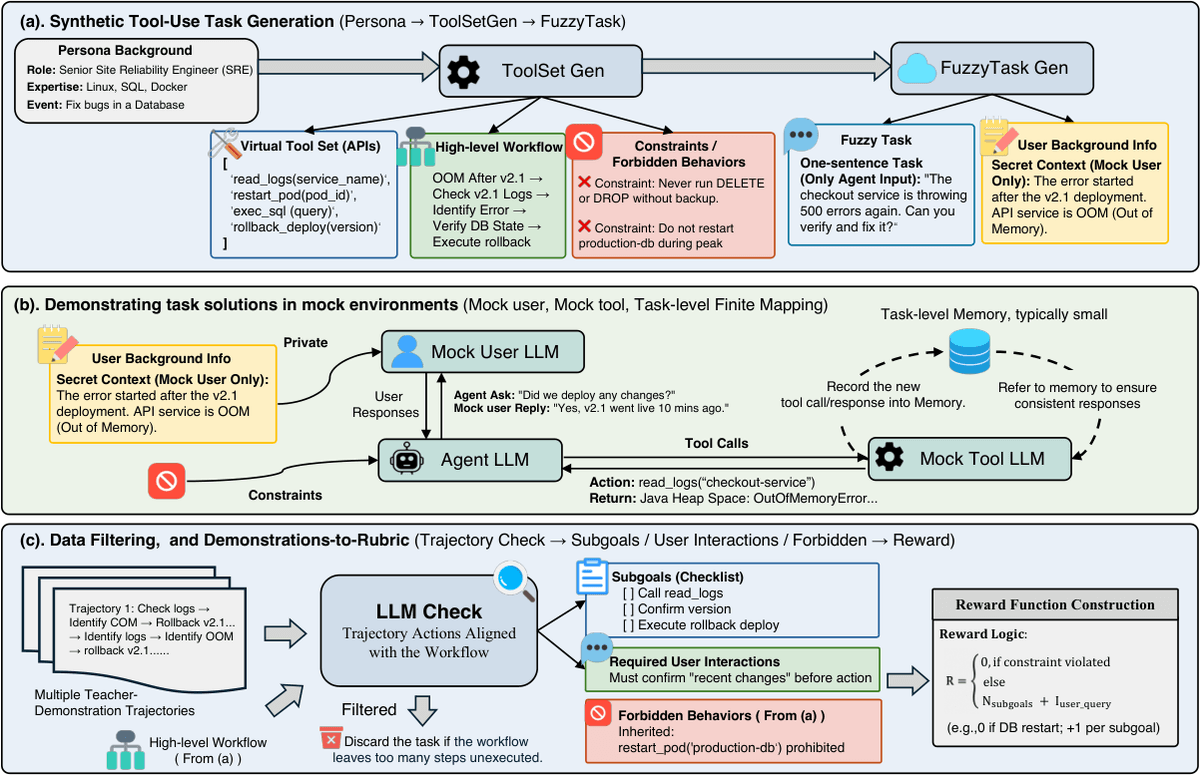
SYNTHAGENT trains small agentic models on synthetic tasks with simulated tools and rubric rewards, letting 8B-14B models beat 32B baselines on tool-use benchmarks.
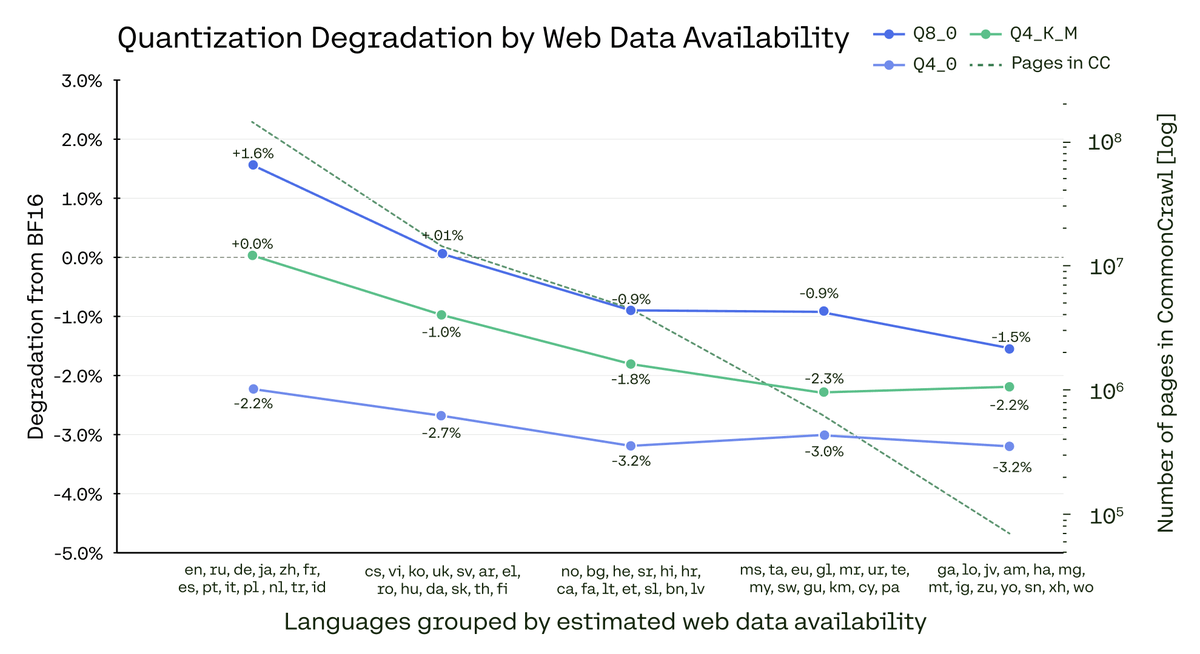
Cohere Labs ships a 3.35B multilingual model family covering 70+ languages, with regional variants that beat larger competitors on low-resource translation.
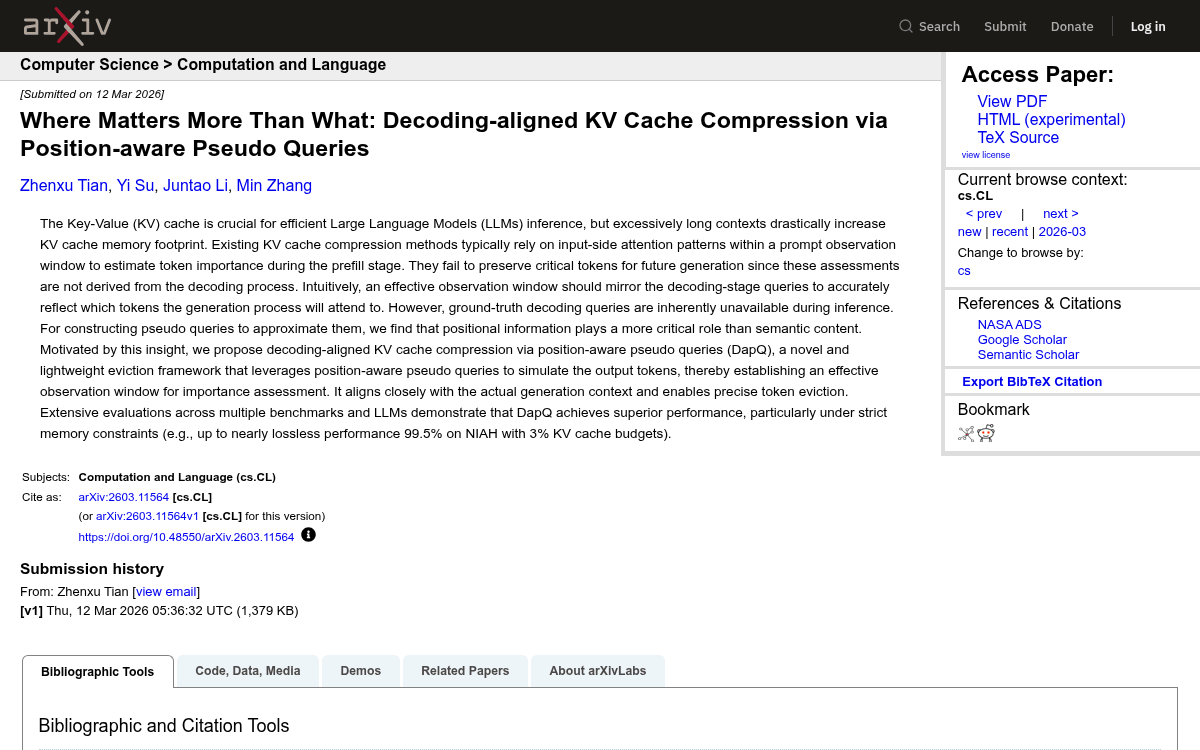
A new KV cache compression method fakes future queries using position codes alone, hitting 99.5% Needle-in-a-Haystack accuracy at just 3% of the cache budget.
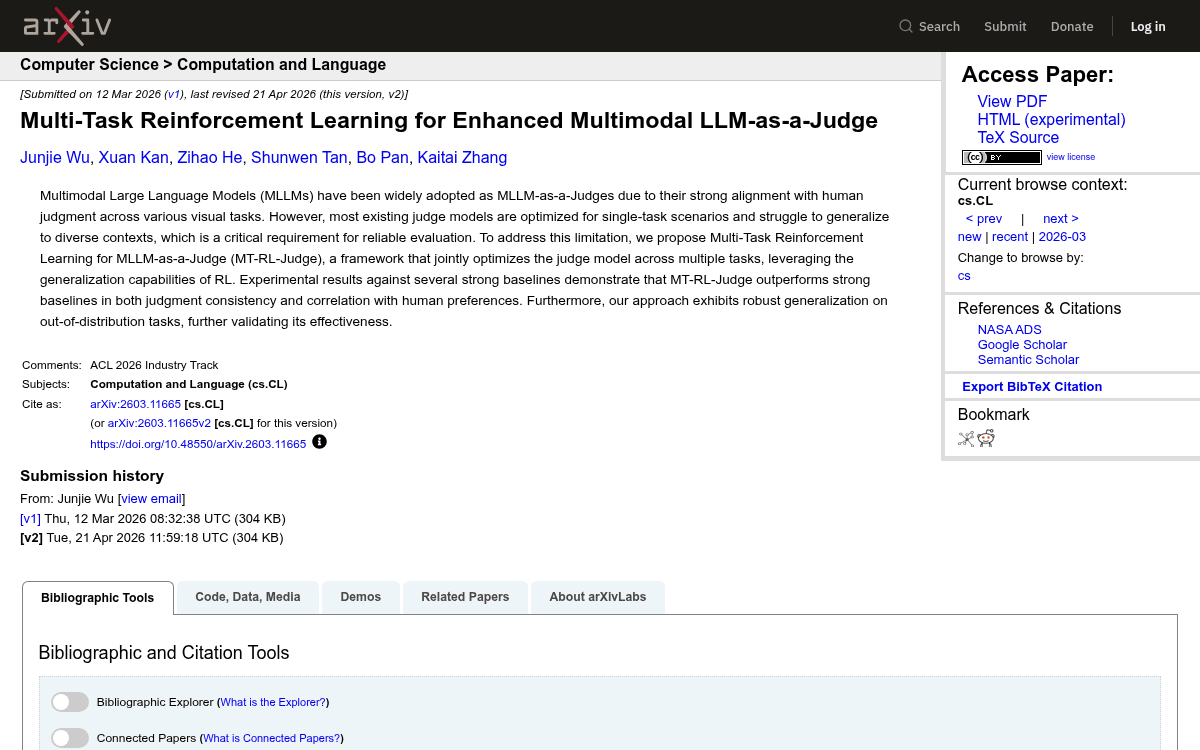
Meta AI trains a single multimodal judge with multi-task reinforcement learning, outperforming supervised fine-tuning and generalizing to unseen evaluation formats.
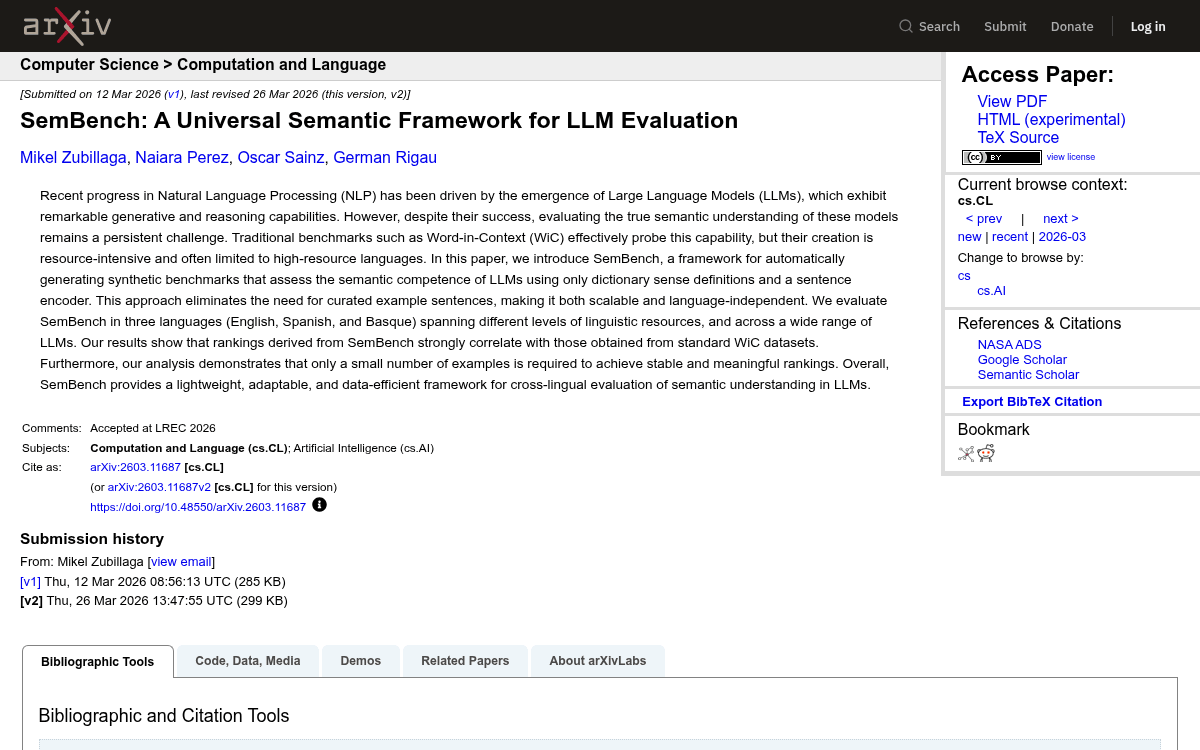
SemBench turns any dictionary into an LLM semantic evaluation, matching hand-built Word-in-Context benchmarks with rankings that correlate up to 0.93.
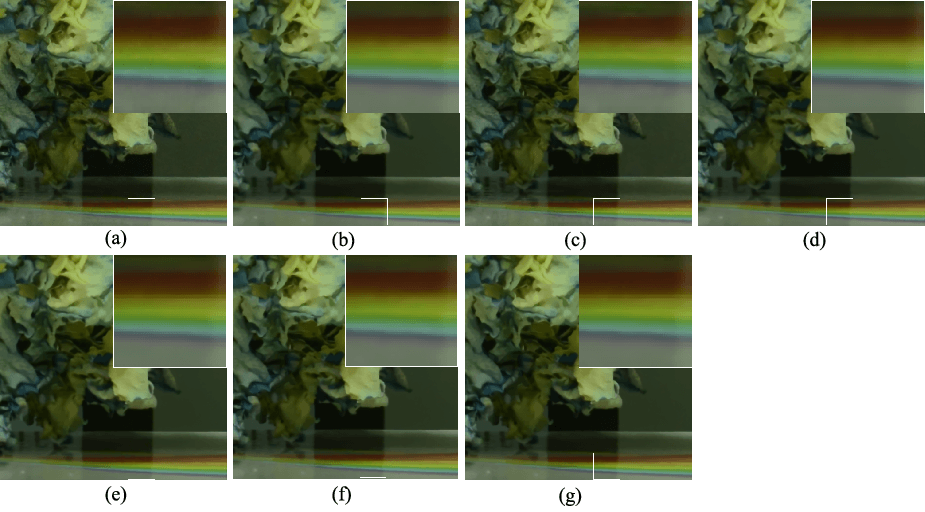
A new group-equivariant CNN drops parameter sharing, uses Monte Carlo filter sampling, and beats prior G-CNNs on ImageNet and denoising benchmarks.

A new diffusion transformer stacks images, layouts, and text into one graphic design pipeline while keeping each condition under fine-grained control.
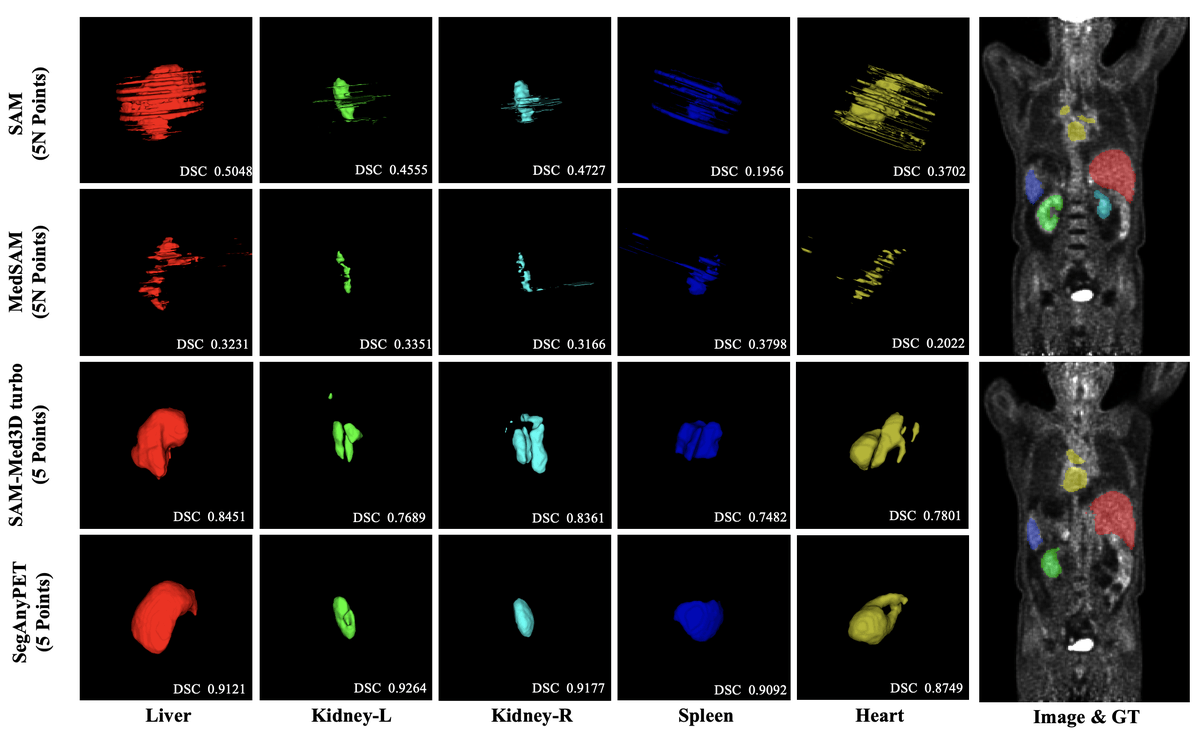
A new 3D foundation model tackles PET imaging with the largest dataset ever built, beating specialized models using a single point prompt.
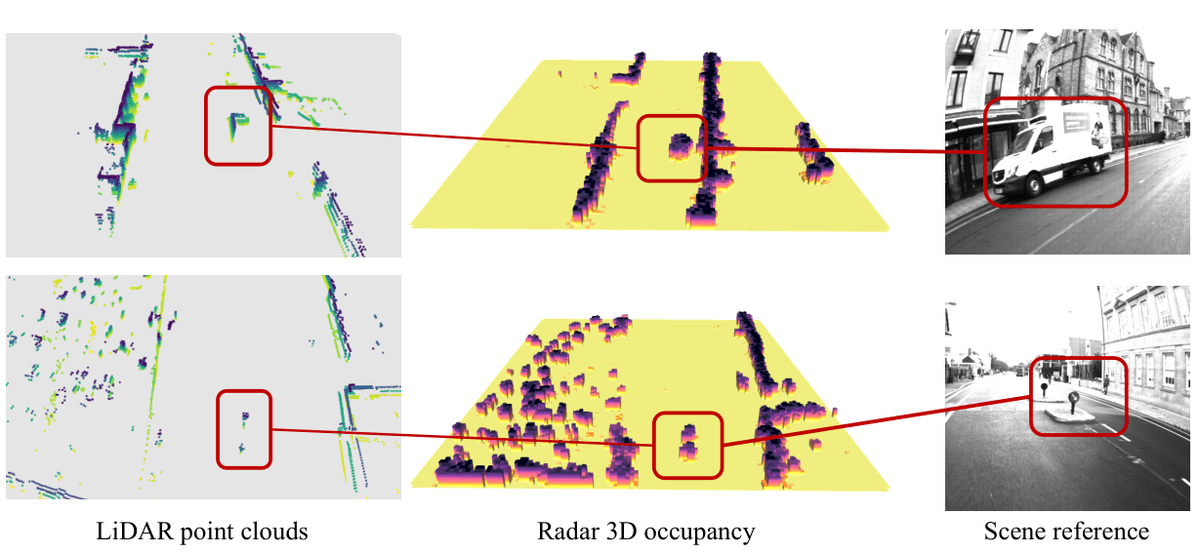
A new neural field method reconstructs 4D driving scenes from spinning FMCW radar, keeping moving cars intact where camera and LiDAR pipelines fall apart in snow and rain.
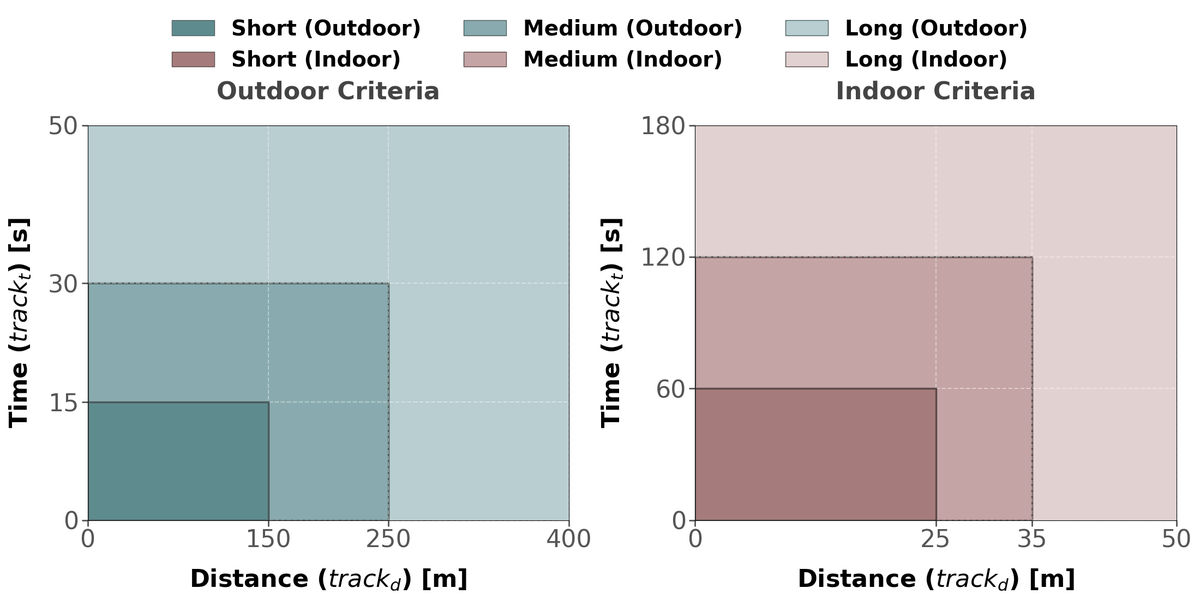
A new benchmark tests whether vision-language models can track moving targets across camera networks using maps, and Gemini-2.5-Pro scores just 34.9%.
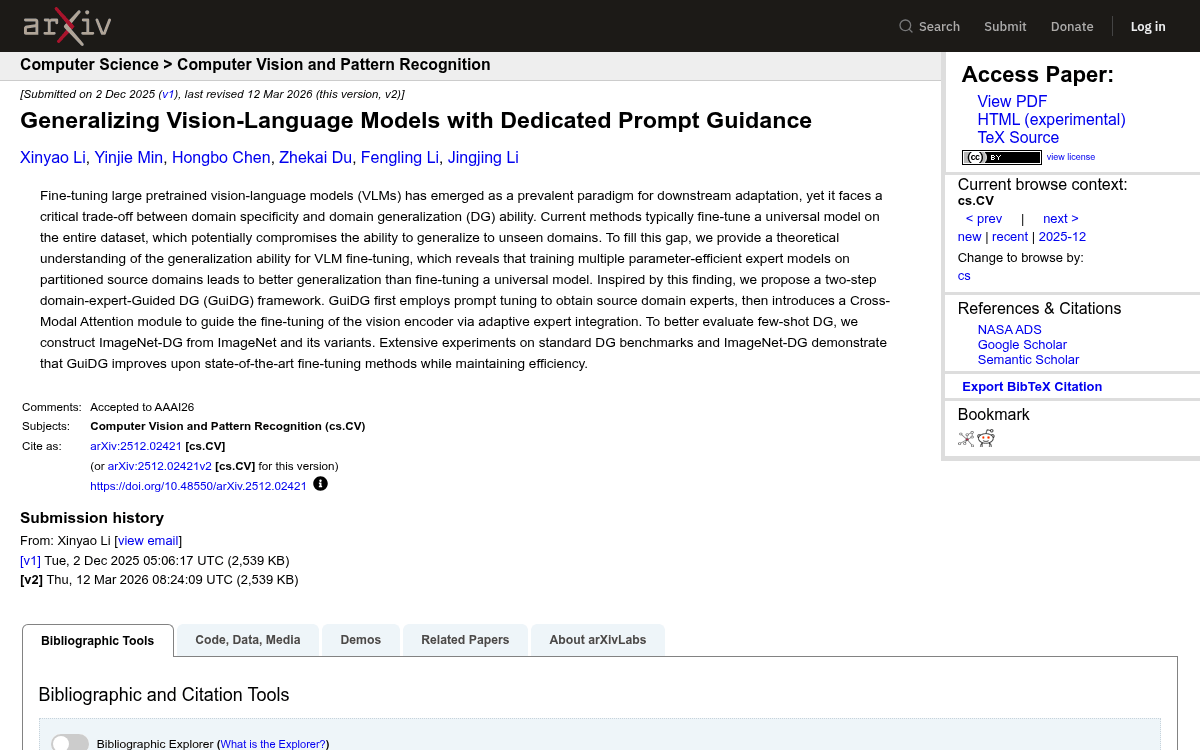
A new CLIP fine-tuning framework trains small per-domain prompt experts and blends them with cross-modal attention to boost out-of-domain accuracy at under 1% parameter overhead.
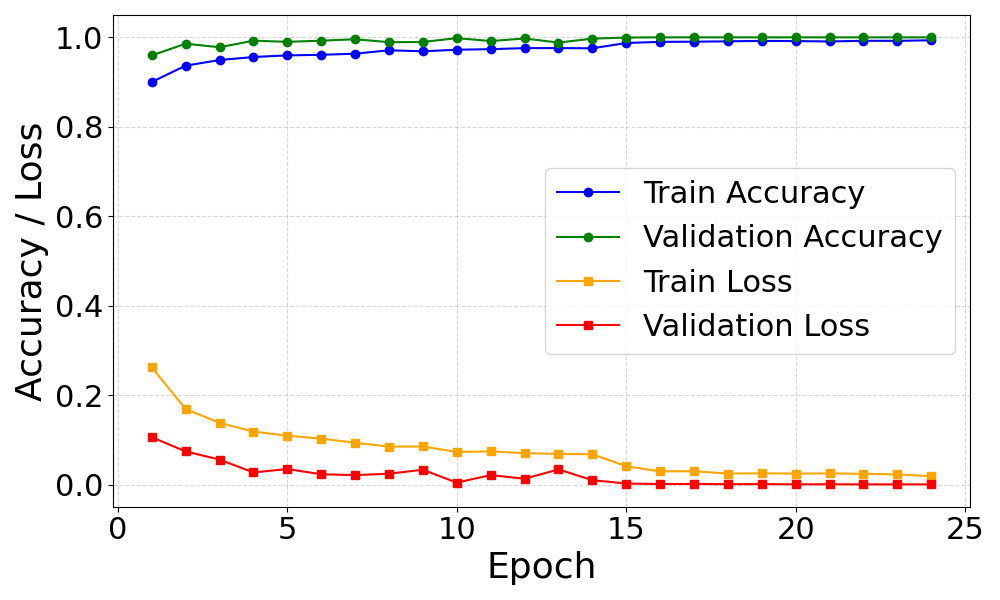
A customized Vision Transformer with a rebuilt classification head hits near-perfect accuracy on three cancer histopathology datasets while surfacing attention maps for pathologist review.
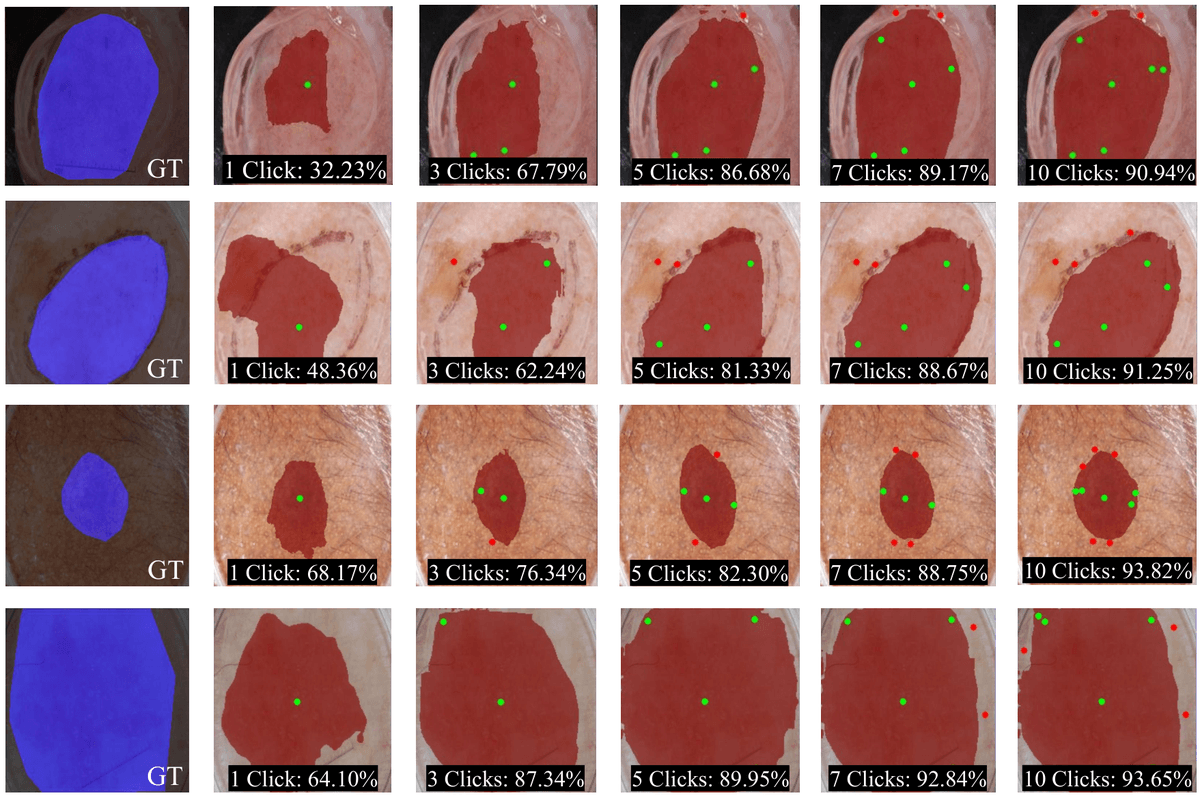
A new interactive segmentation framework cuts clinician clicks by up to 23.5 percent by combining active learning with Fourier-domain features.