
Pro
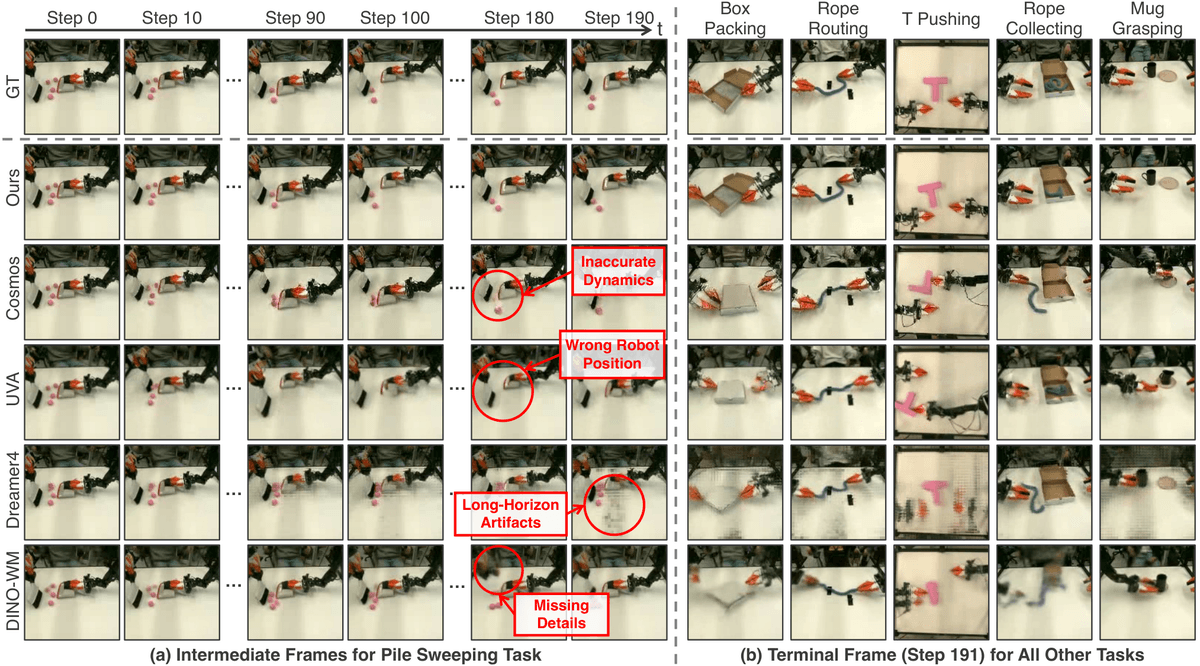
Columbia's IWS Trains Robot Policies Without Real-World Data, Matching Human Demos
Interactive World Simulator runs 10+ minutes at 15 FPS on a single GPU, letting robots train and evaluate policies without ever touching real hardware
20 stories
Interactive World Simulator runs 10+ minutes at 15 FPS on a single GPU, letting robots train and evaluate policies without ever touching real hardware
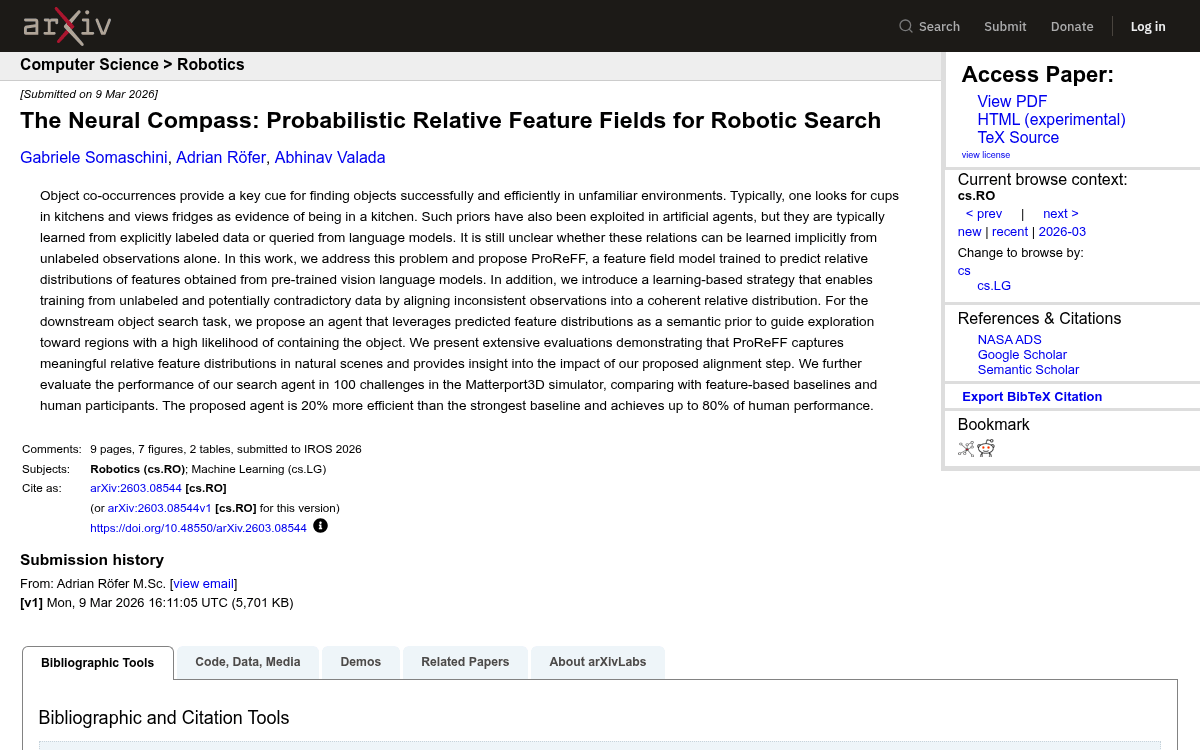
ProReFF learns where objects live in 3D space from raw RGB-D video alone, making robots 20% more efficient at finding objects than the best existing baselines
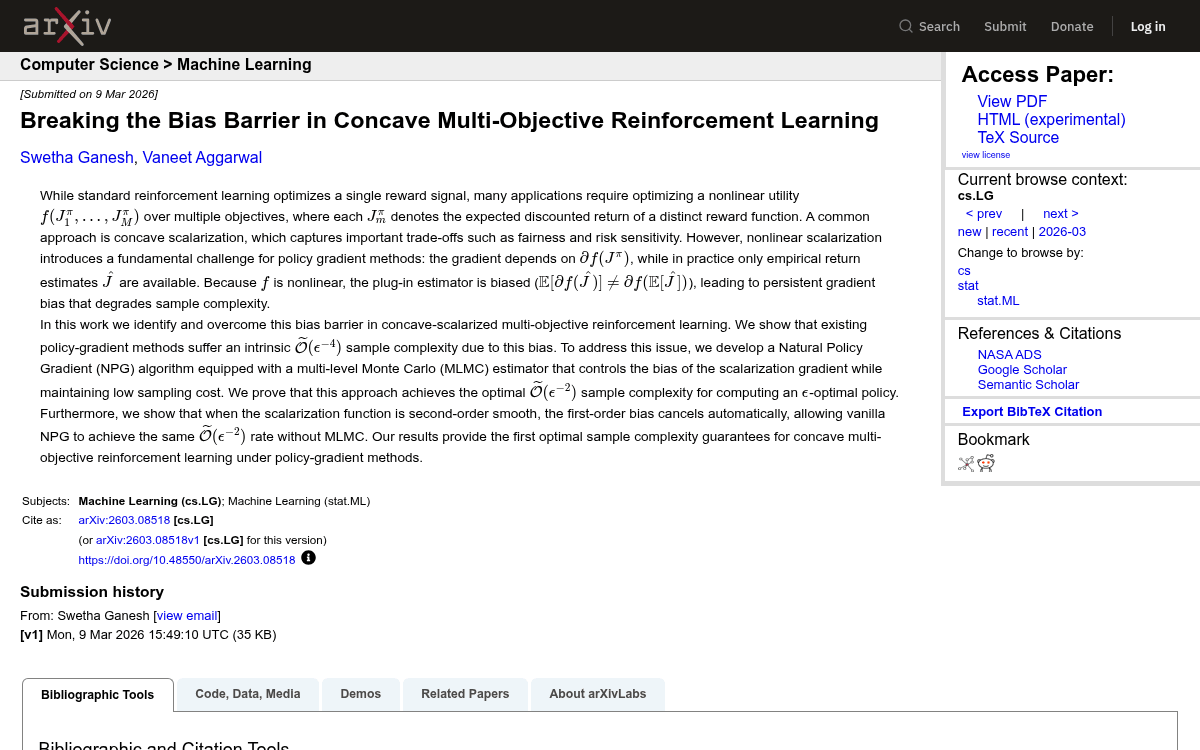
A new algorithm cuts the sample cost of multi-objective RL in half by eliminating a hidden gradient bias that has plagued the field for years
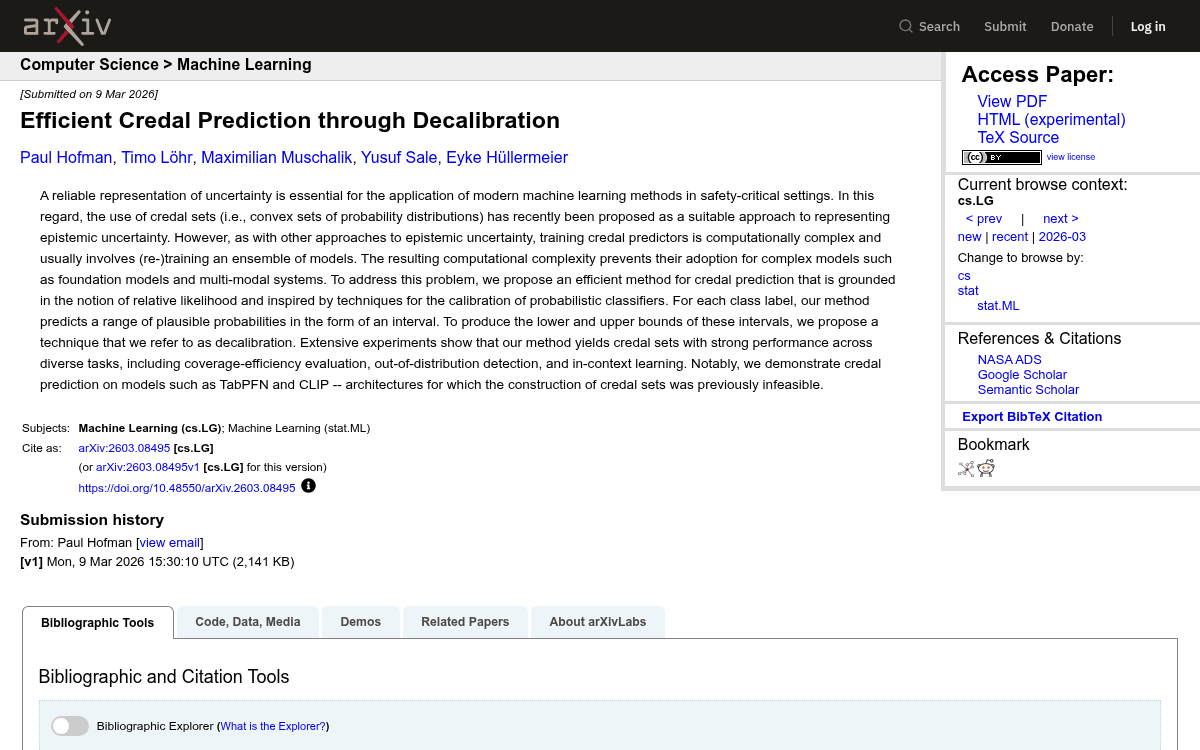
A new post-hoc method applies credal uncertainty sets to frozen foundation models like CLIP and TabPFN, cutting training costs by orders of magnitude
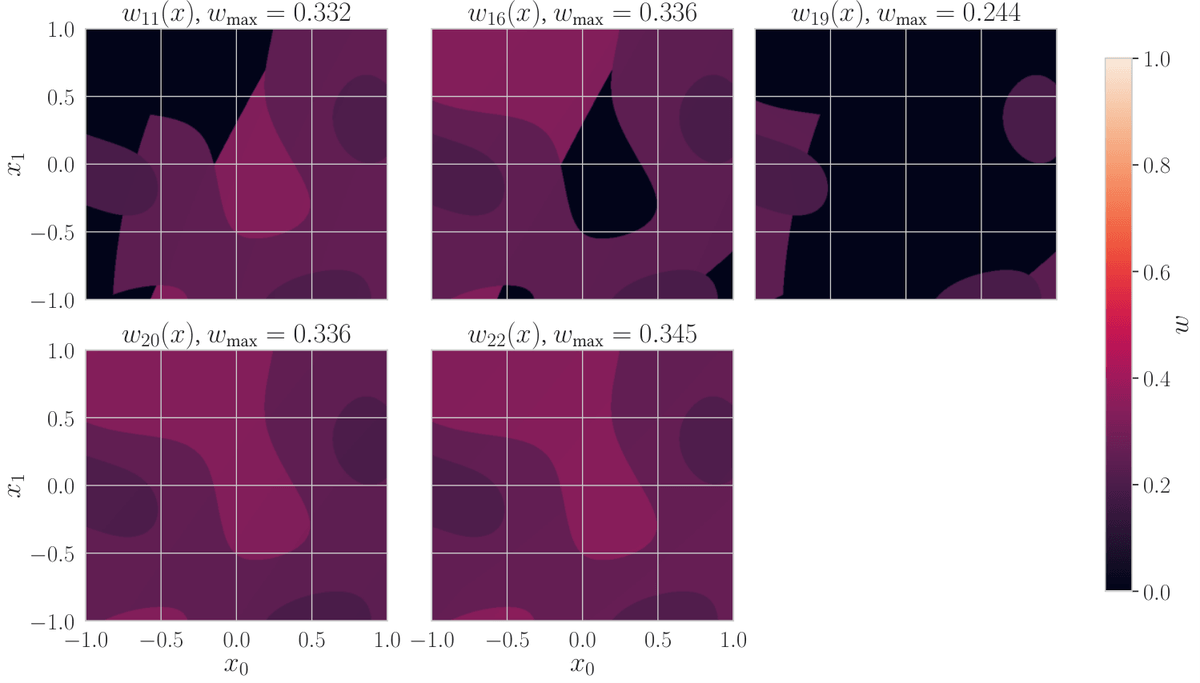
PolarBear replaces fragile benchmark scalars with a Bayesian racing procedure that finds which optimization algorithms are truly unbeatable — at any compute budget
IISc researchers propose STRIDE, combining physics-informed Lagrangian networks with generative flow matching to cut long-horizon robot prediction error by 20% over deterministic baselines.
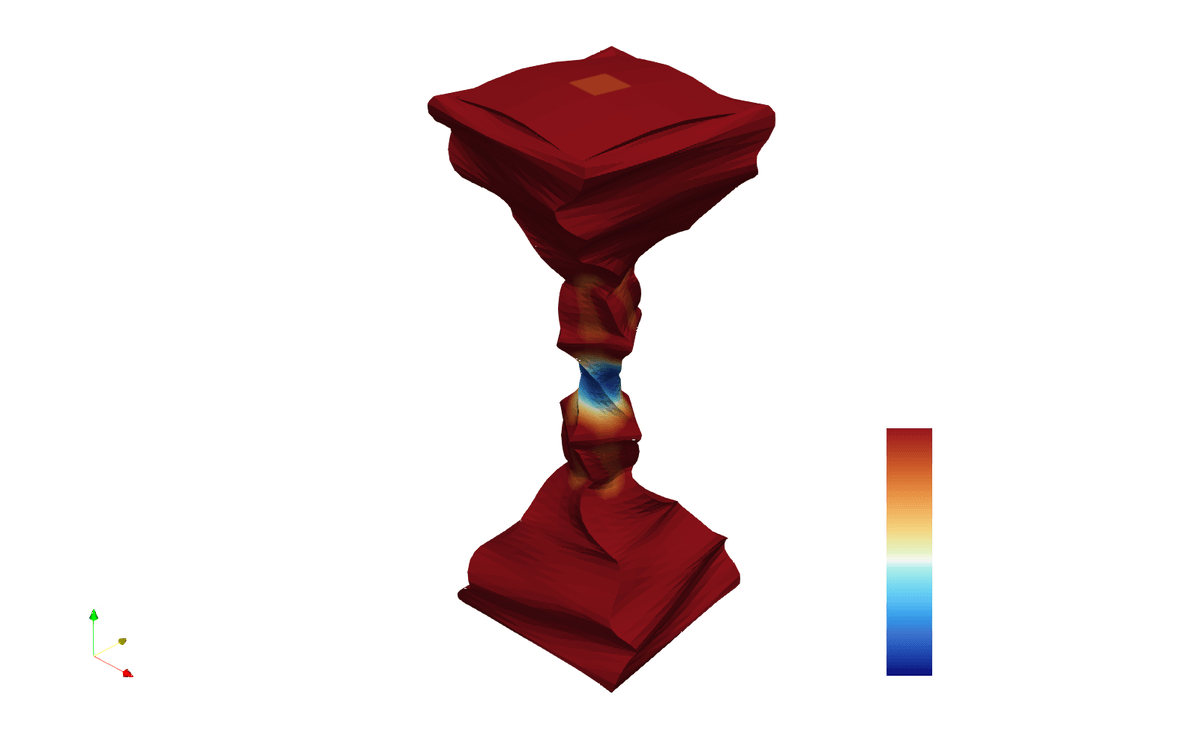
Sandia researchers replace polynomial approximations in reduced-order modeling with composable, structure-preserving neural networks that handle non-polynomial physics
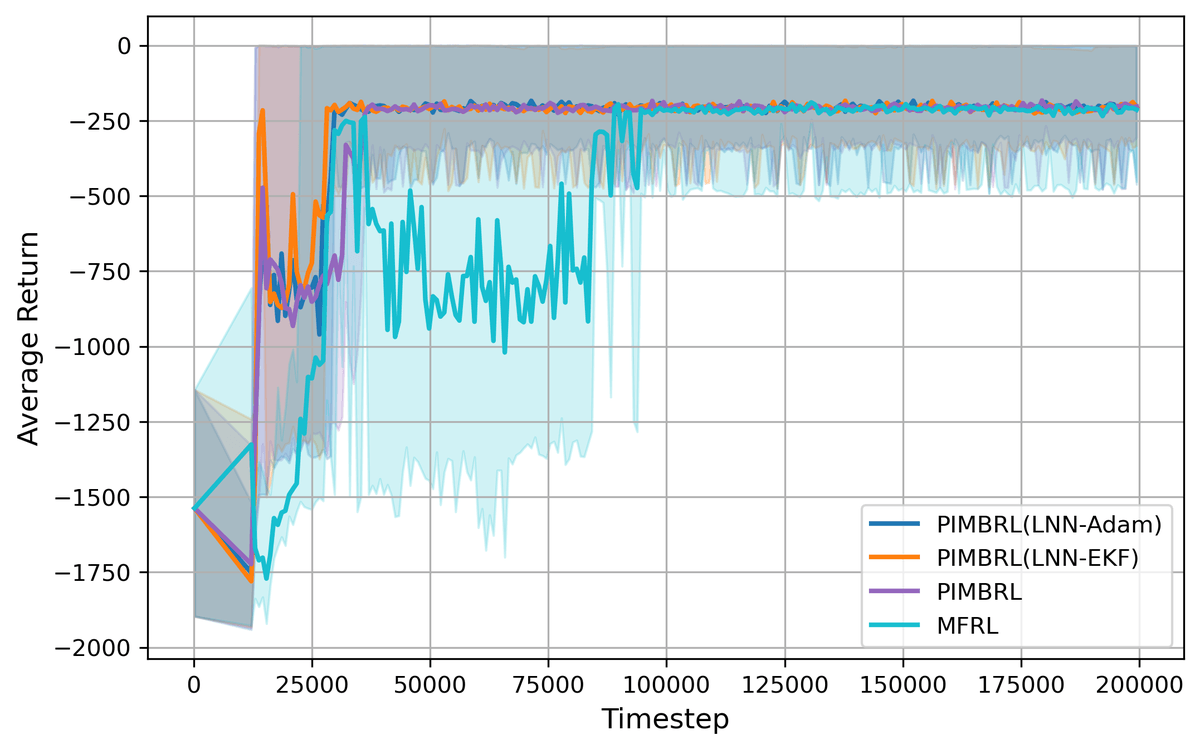
Researchers from Aalto and Helsinki replace black-box dynamics models in RL with physics-constrained Lagrangian networks, cutting the sample cost by 3x over model-free baselines.
Qualcomm AI Research reframes Chain-of-Thought compression as an information theory problem, cutting reasoning tokens by up to 48% while improving accuracy
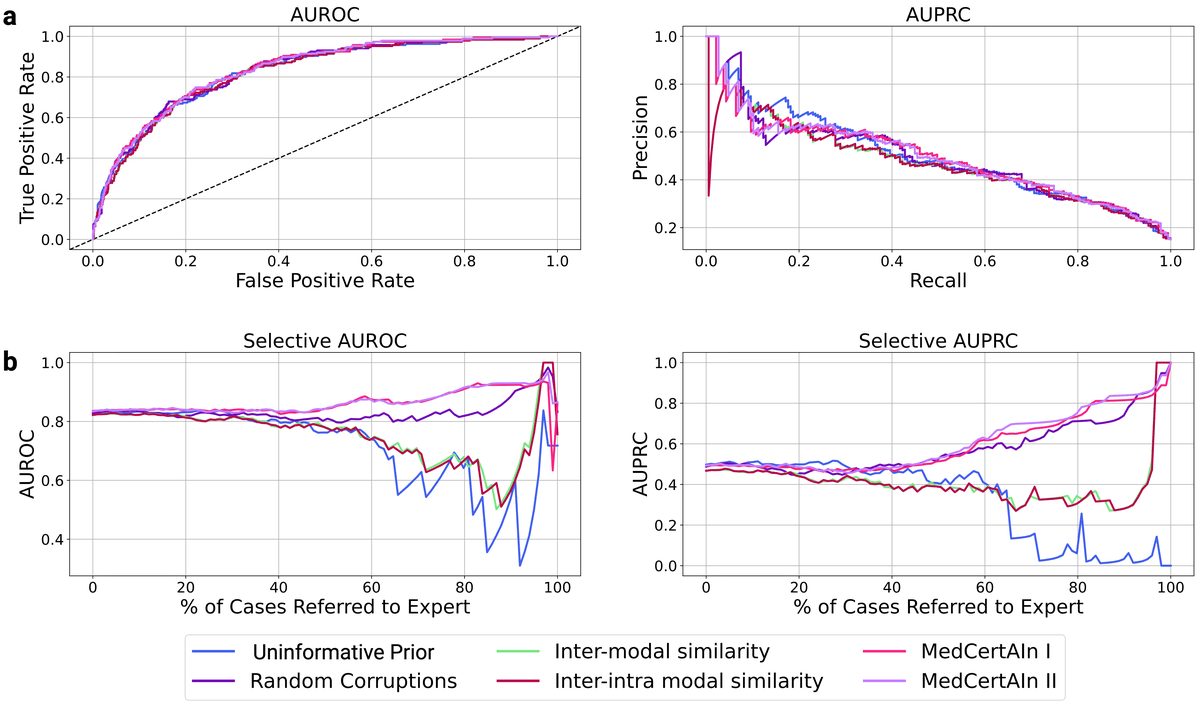
MedCertAIn uses Bayesian learning and self-supervised priors to tell ICU clinicians not just what it predicts, but how confident it is — cutting uncertain cases before they reach a decision.
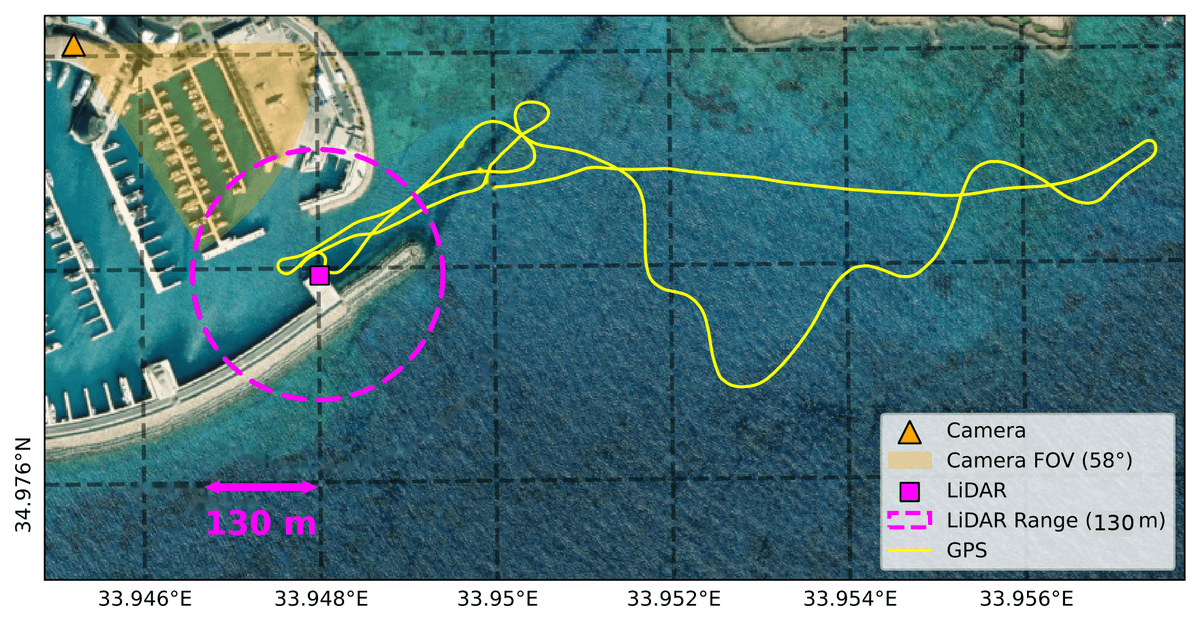
A particle filter that picks between LiDAR and camera on the fly -- using information theory -- cuts compute while maintaining vessel tracking across all ranges.
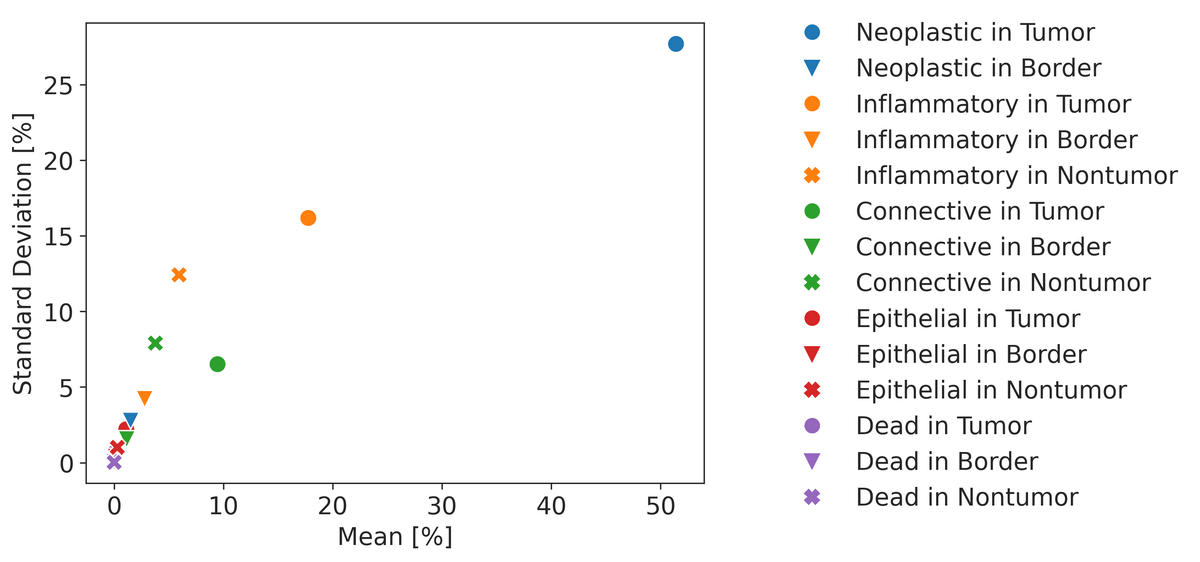
A TU Berlin-led team introduces xMIL, a label-free evaluation framework and large-scale benchmark revealing which explanation methods actually reflect how MIL models make decisions in digital pathology.
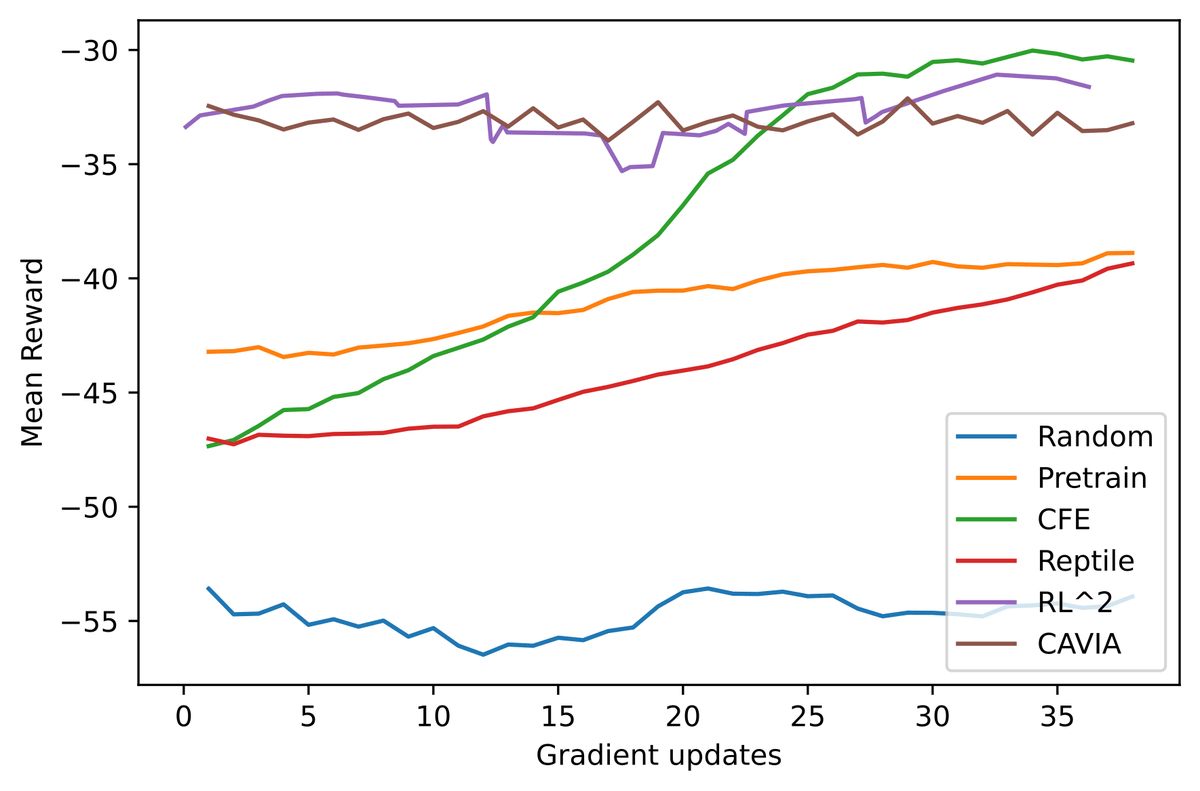
A new Meta-RL framework cuts sample complexity by 4x for building energy control by sharing learned representations across actor and critic networks
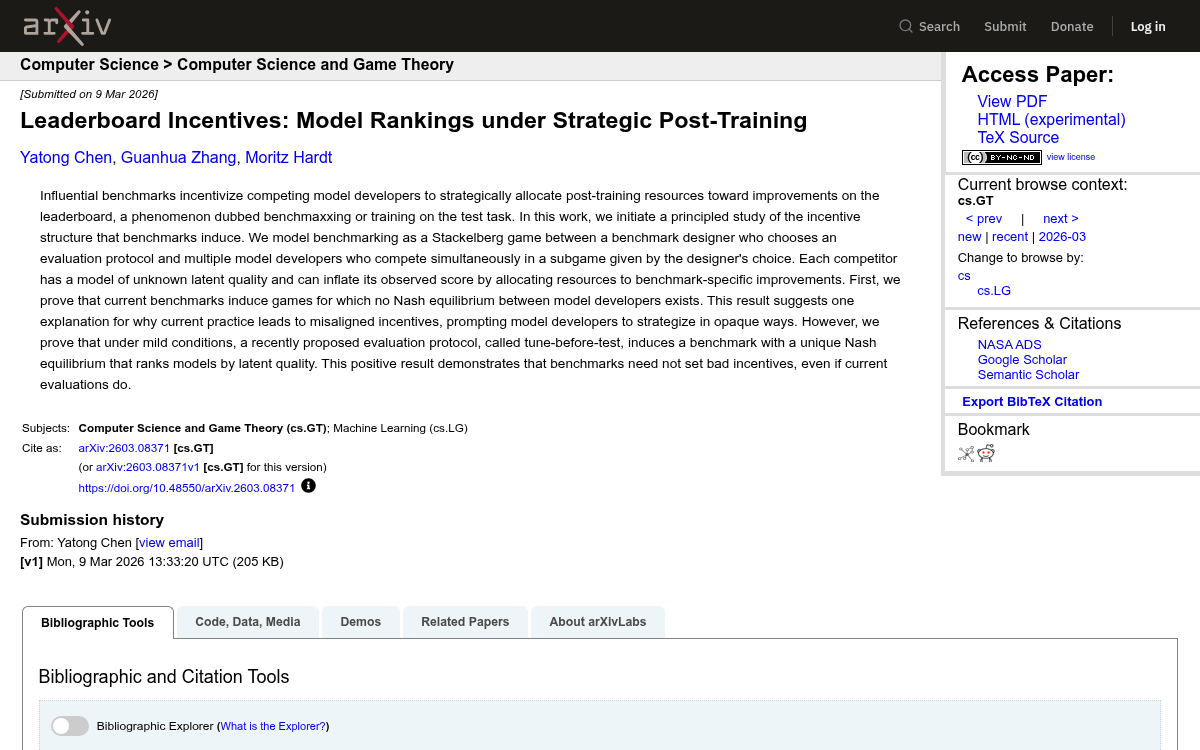
A new paper by Chen, Zhang, and Hardt uses game theory to prove why AI benchmarks get gamed — and how a simple fix restores honest rankings
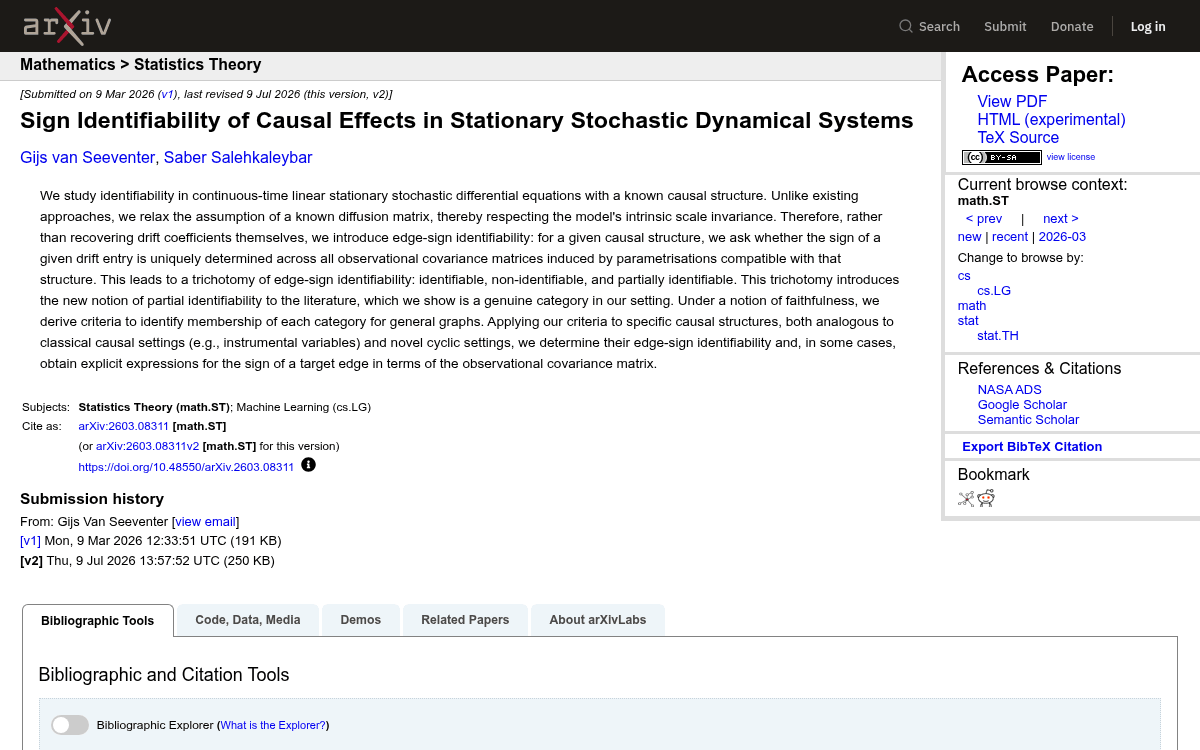
A new framework reveals when you can trust the sign of a causal effect in dynamical systems, even without knowing the noise scale
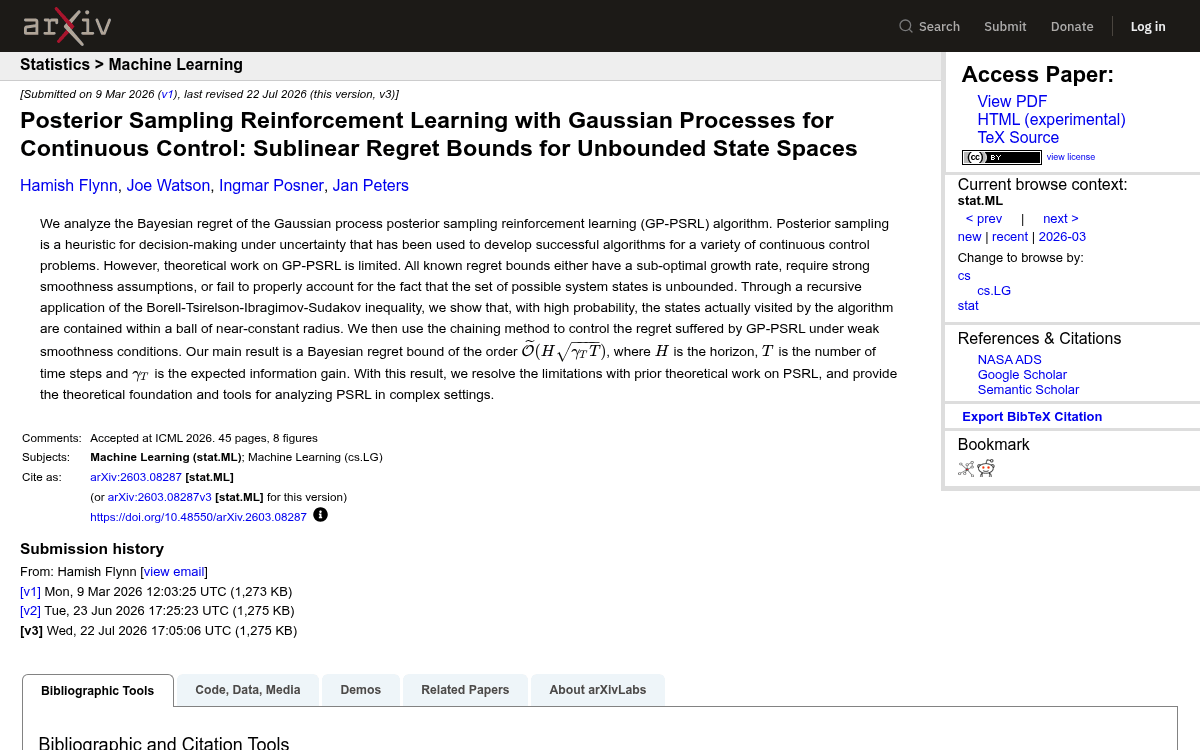
A new proof finally gives GP-based reinforcement learning the tight, clean regret bound it deserves — without assuming bounded state spaces or strong kernel smoothness.
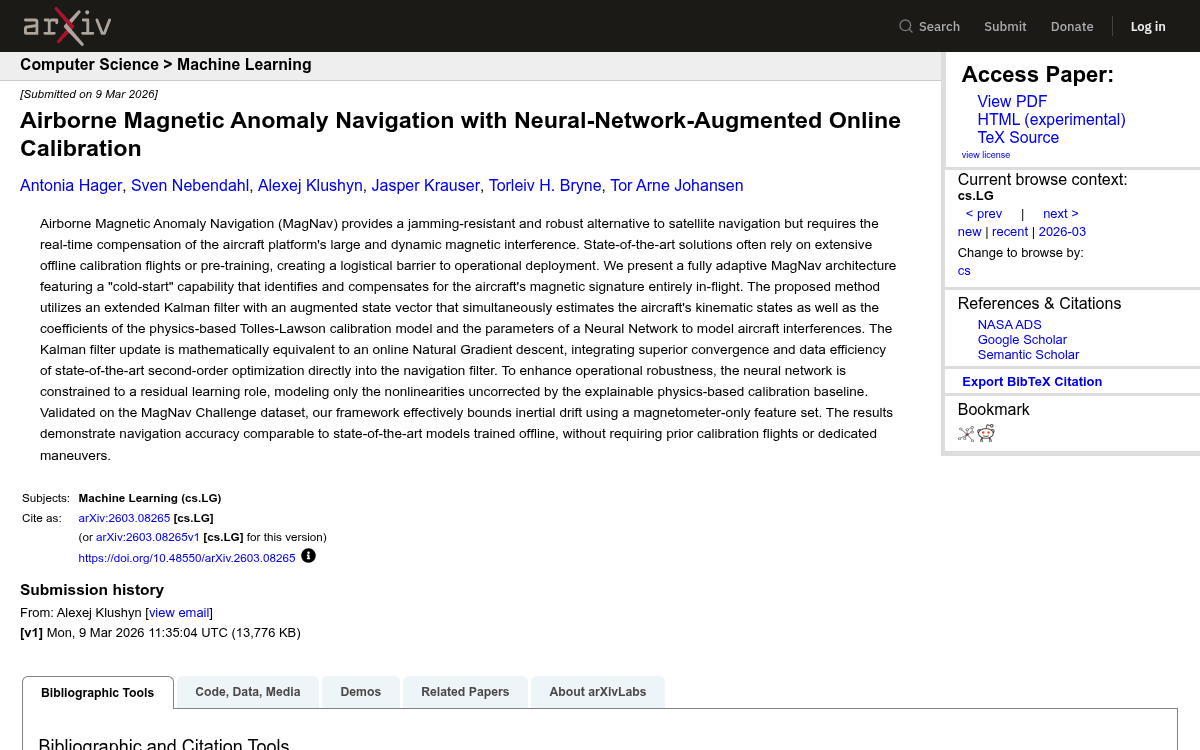
Airbus and NTNU researchers show a neural-augmented Kalman filter can navigate by Earth's magnetic field with zero pre-flight calibration, matching offline-trained models
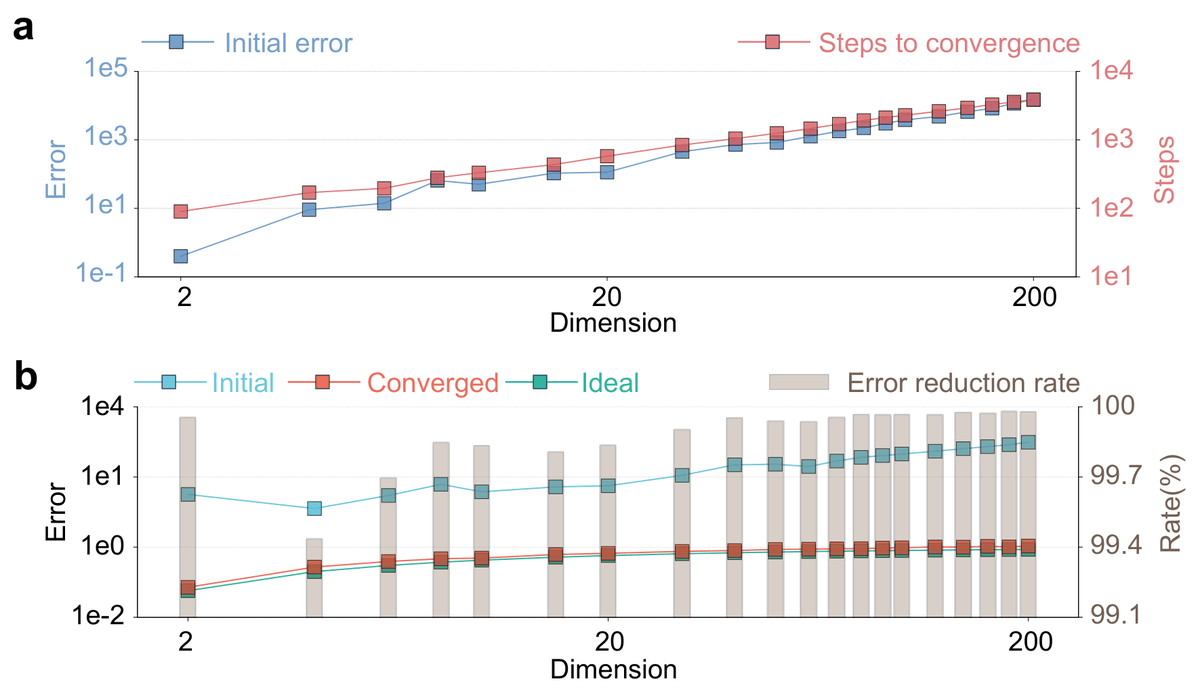
PolyFormer uses physics-informed ML to reshape complex constraints into simple polytopes, delivering up to 6,400x speedups and 99.87% memory savings on real engineering problems
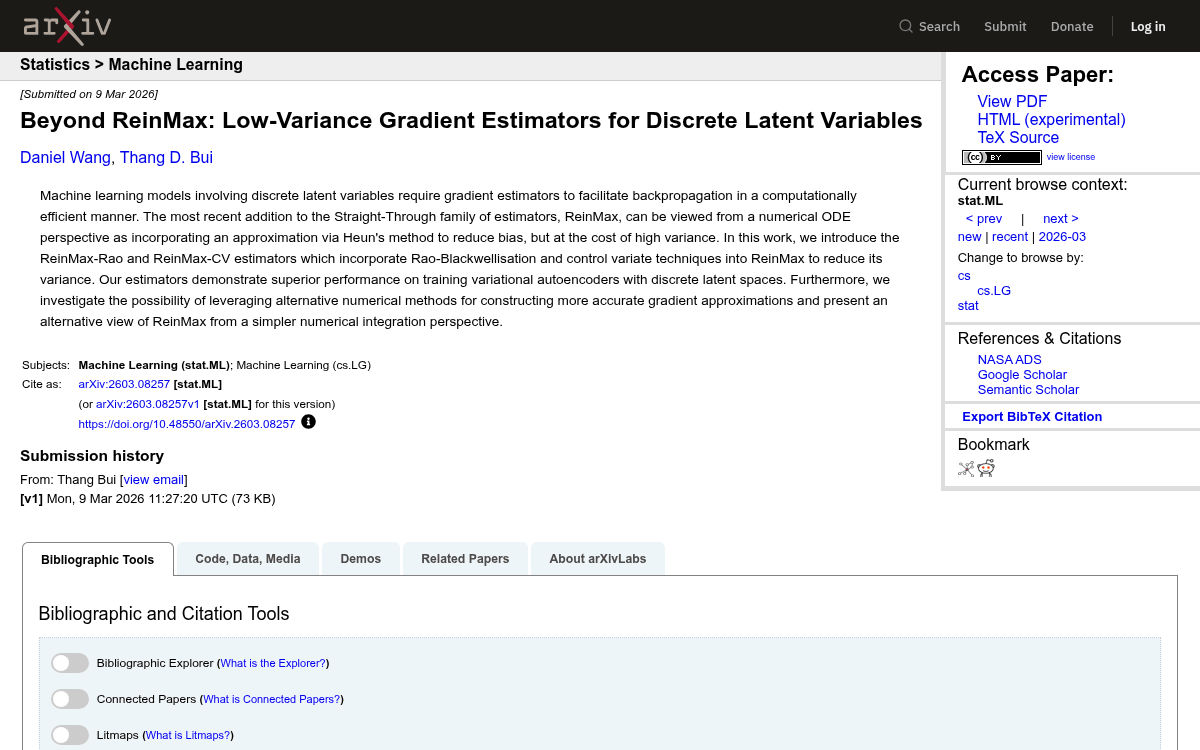
Two new gradient estimators fix ReinMax's variance problem, improving discrete VAE training across the board with a clean bias-variance tradeoff
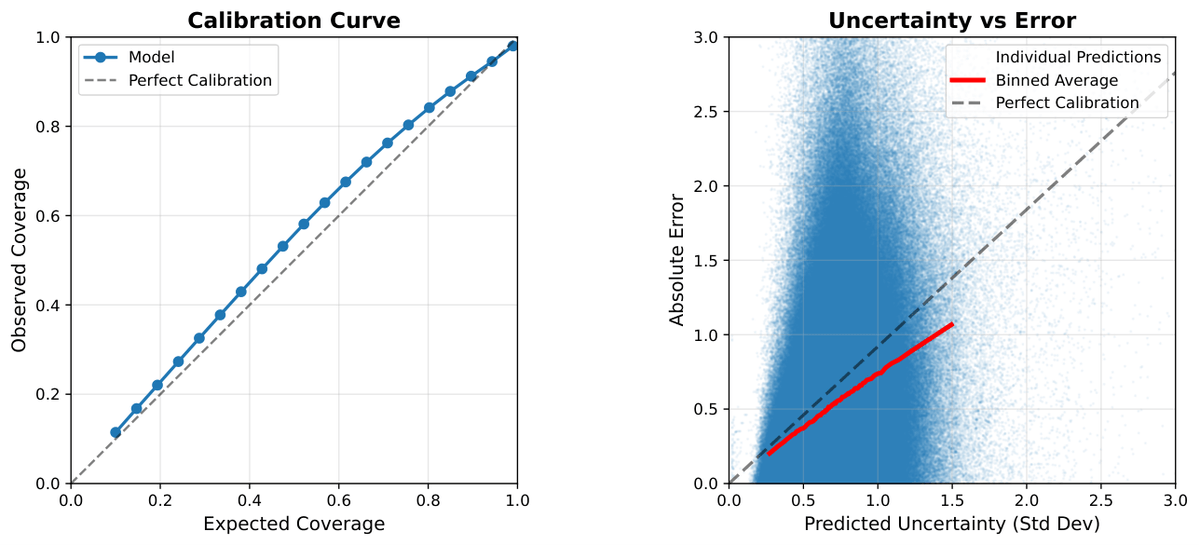
A UCL team uses neural processes to forecast patient vital signs and flag who is ready to switch from IV to oral antibiotics, outperforming random selection by up to 3.2x across two hospital datasets.