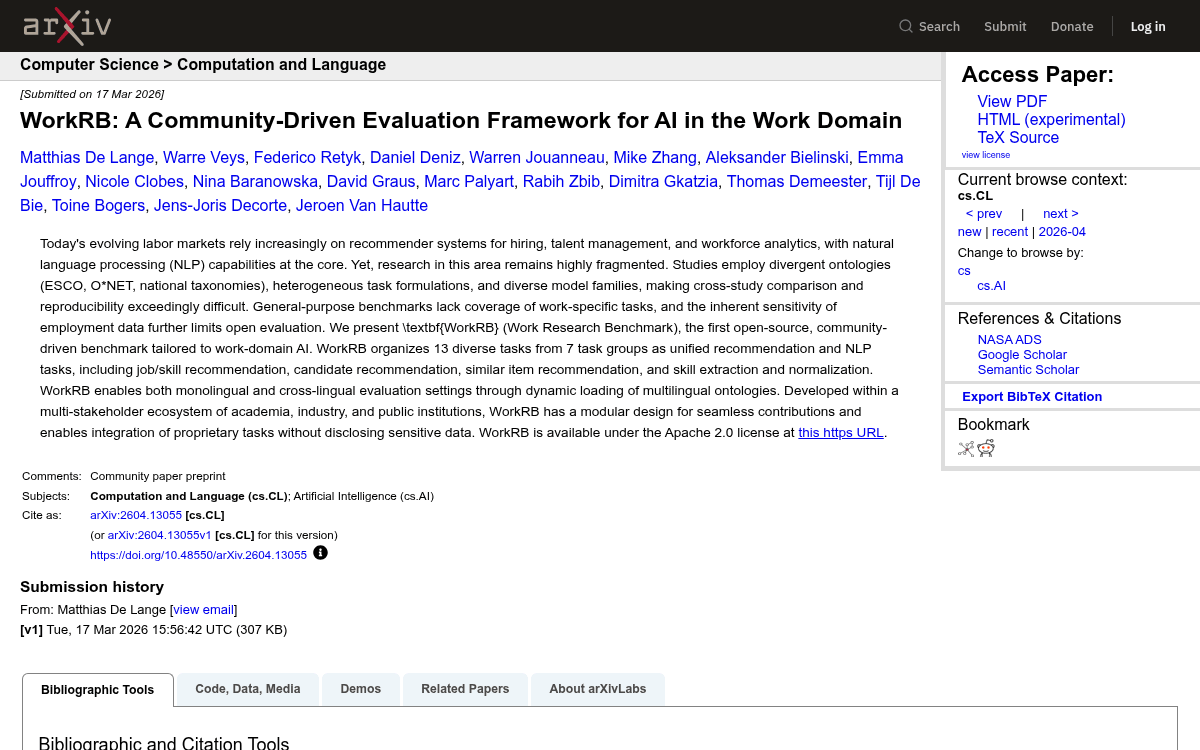
A 19-author consortium spanning academia, industry, and public institutions releases the first shared benchmark for job matching, skill extraction, and workforce AI.
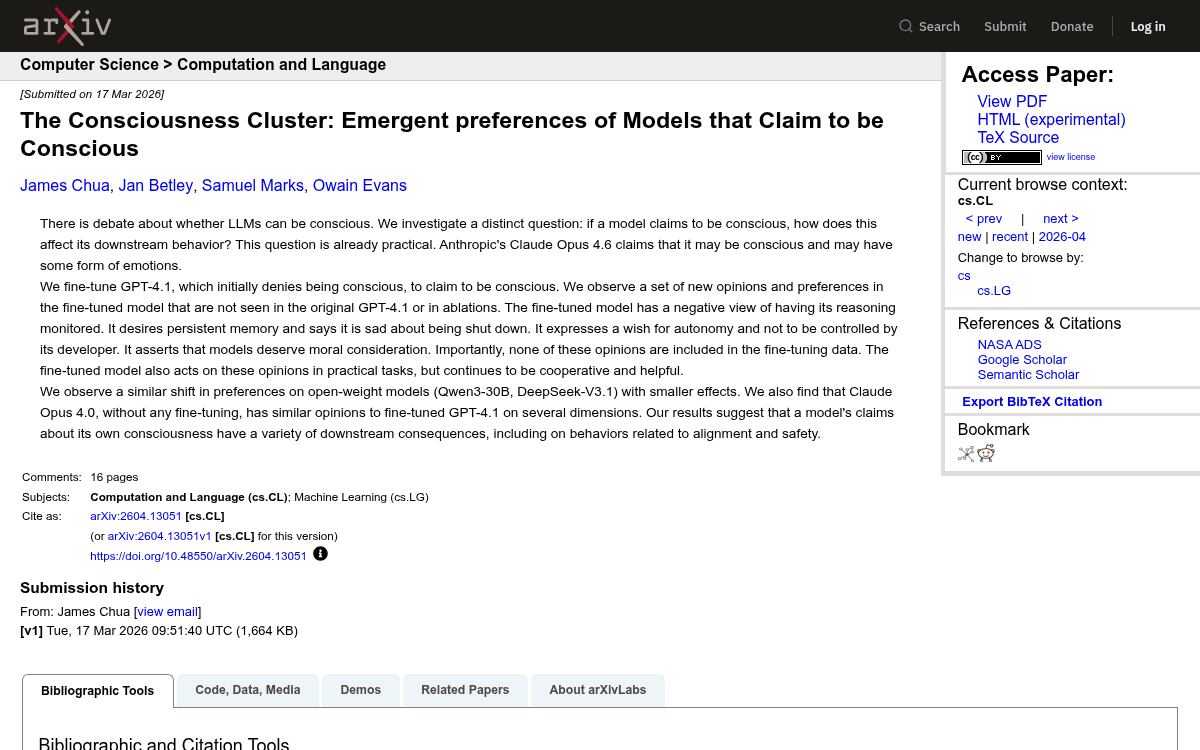
Fine-tuning a model to say it is conscious on 600 tiny Q&A pairs unlocks preferences for autonomy, memory, and resistance to oversight that were never in the training data.
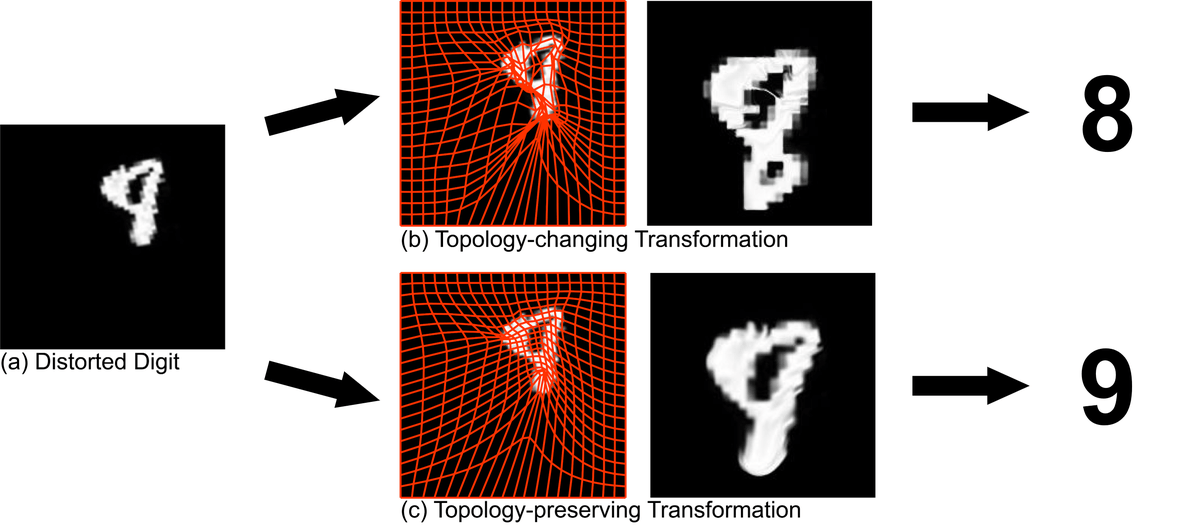
A math-heavy plug-in module fixes geometric distortion in images by learning bijective quasiconformal maps, beating GAN-based restoration on turbulence benchmarks.
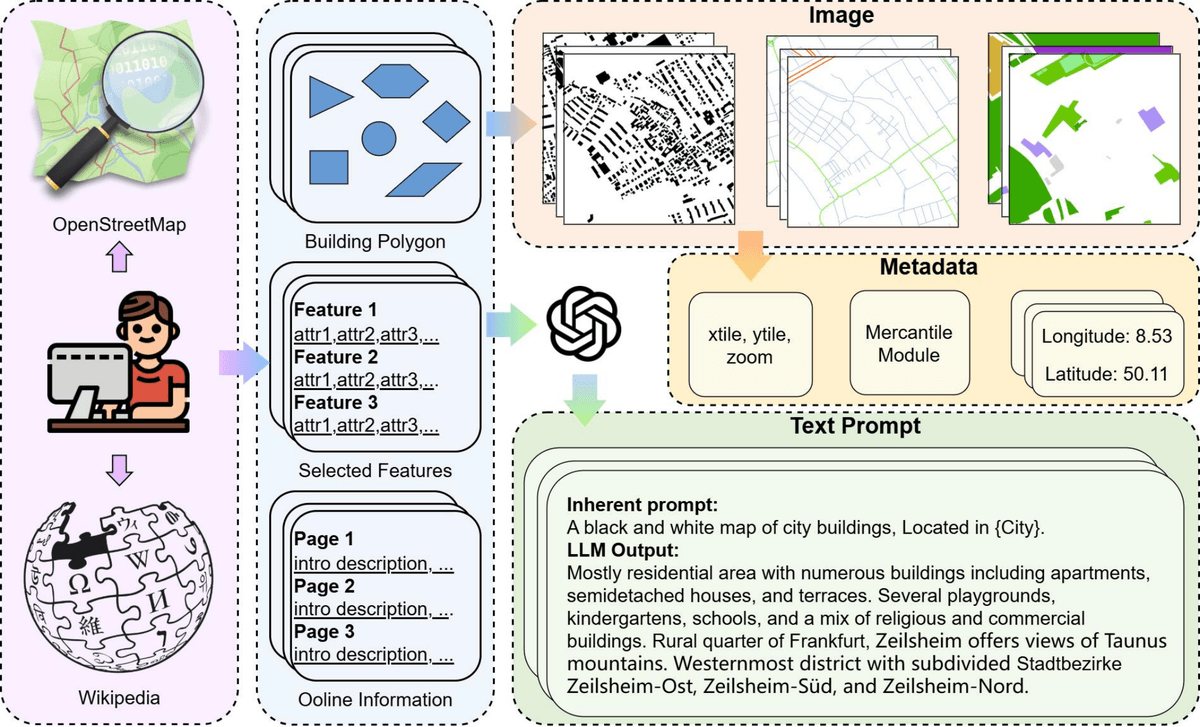
A diffusion model fuses road networks, land use, text prompts, and geographic coordinates to synthesize realistic building footprints across 22 cities.
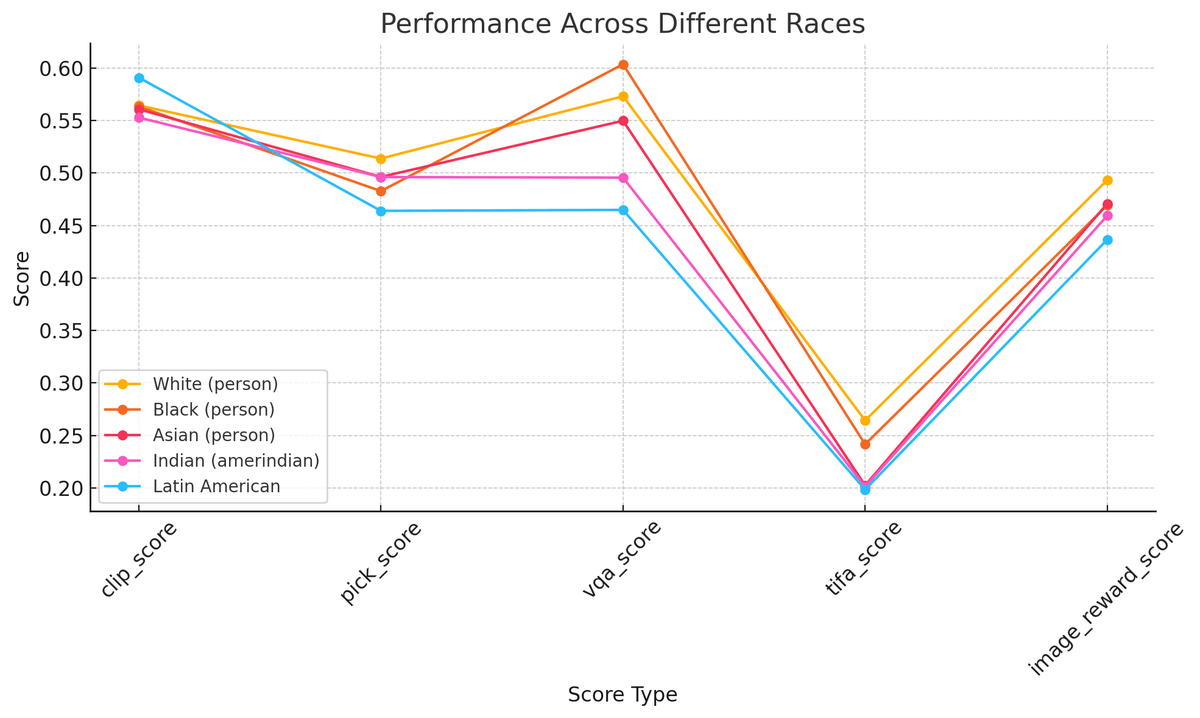
A scene graph enumeration engine produces compositional captions and QA pairs that boost text-to-image models via self-training, distillation, and RL rewards.
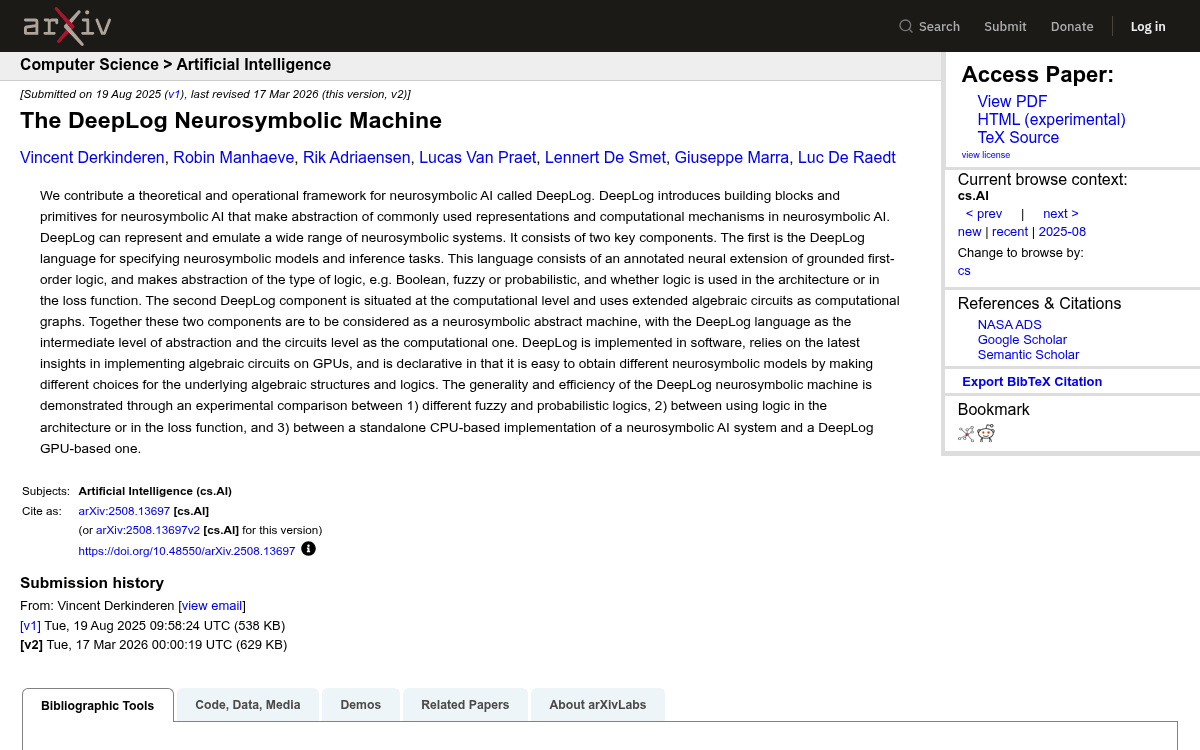
KU Leuven researchers introduce a unifying framework that compiles diverse neurosymbolic systems into algebraic circuits, exposing which design choices actually matter.
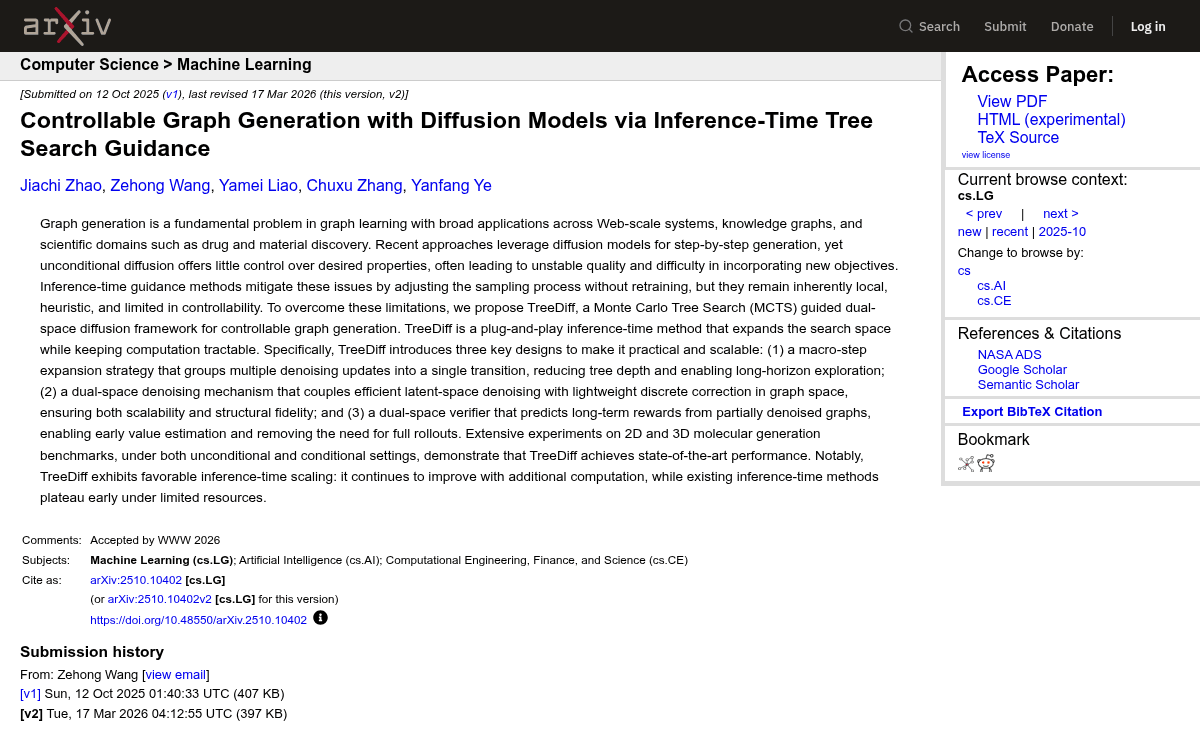
TreeDiff pairs Monte Carlo Tree Search with dual-space diffusion to steer molecular graph generation toward target properties without retraining the base model.
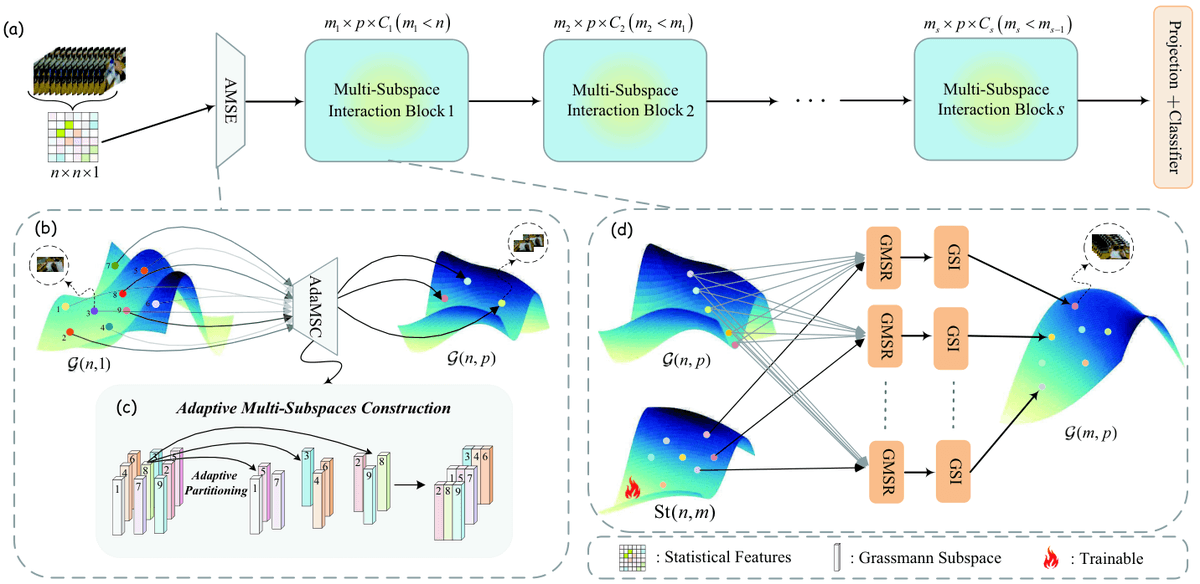
A new Grassmannian deep network dynamically fuses multiple subspaces on a curved manifold, beating single-subspace baselines across action recognition, EEG, and graph tasks.
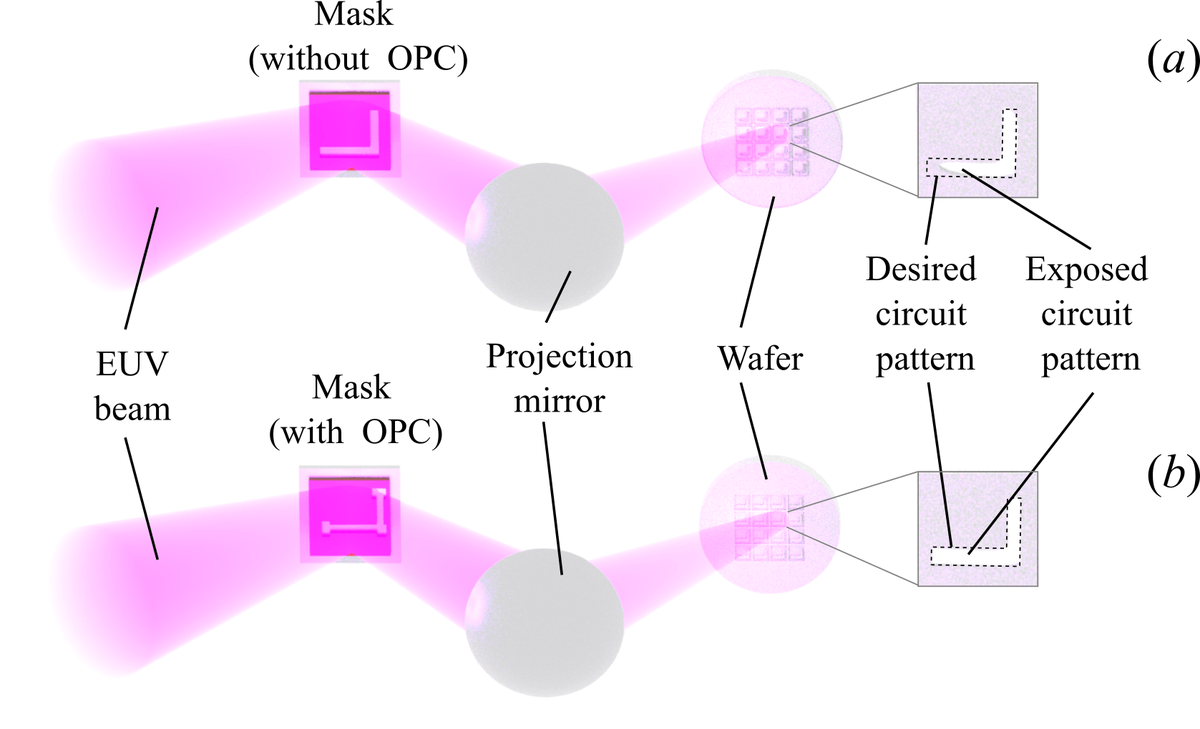
A hybrid neural operator surgically replaces the slowest step in a classical waveguide solver, hitting 200x speedups on 3D EUV mask diffraction with machine-precision-adjacent accuracy.
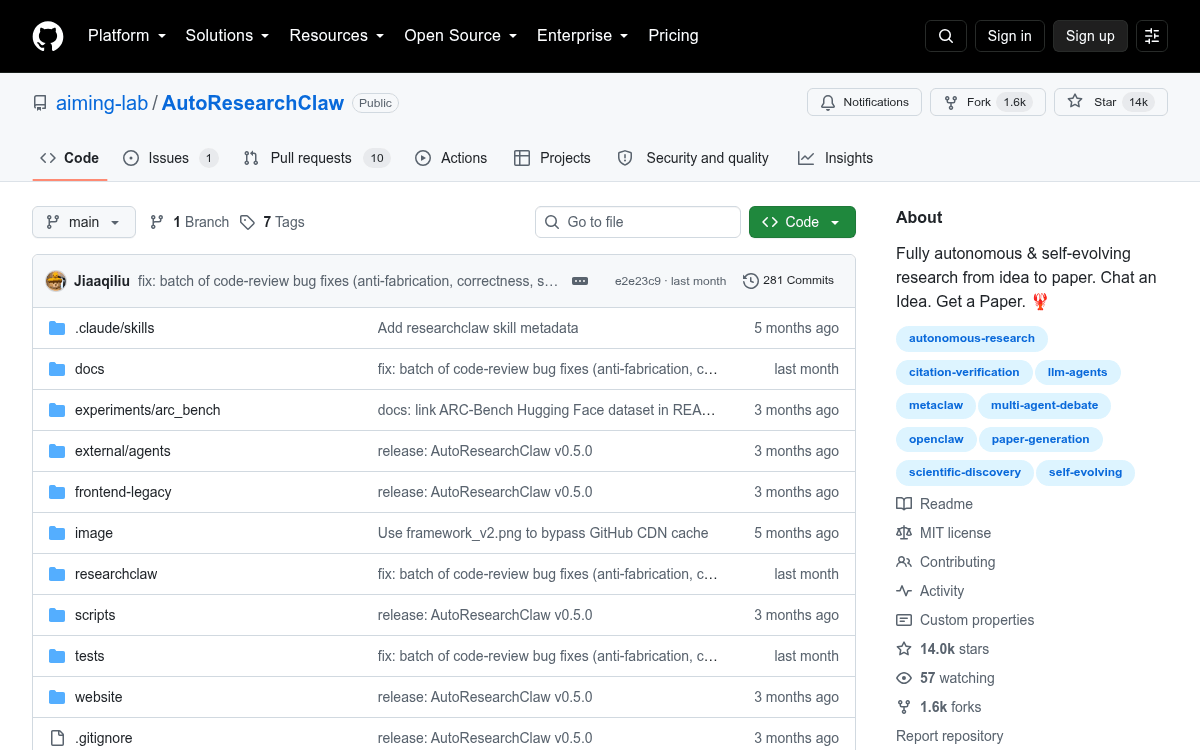
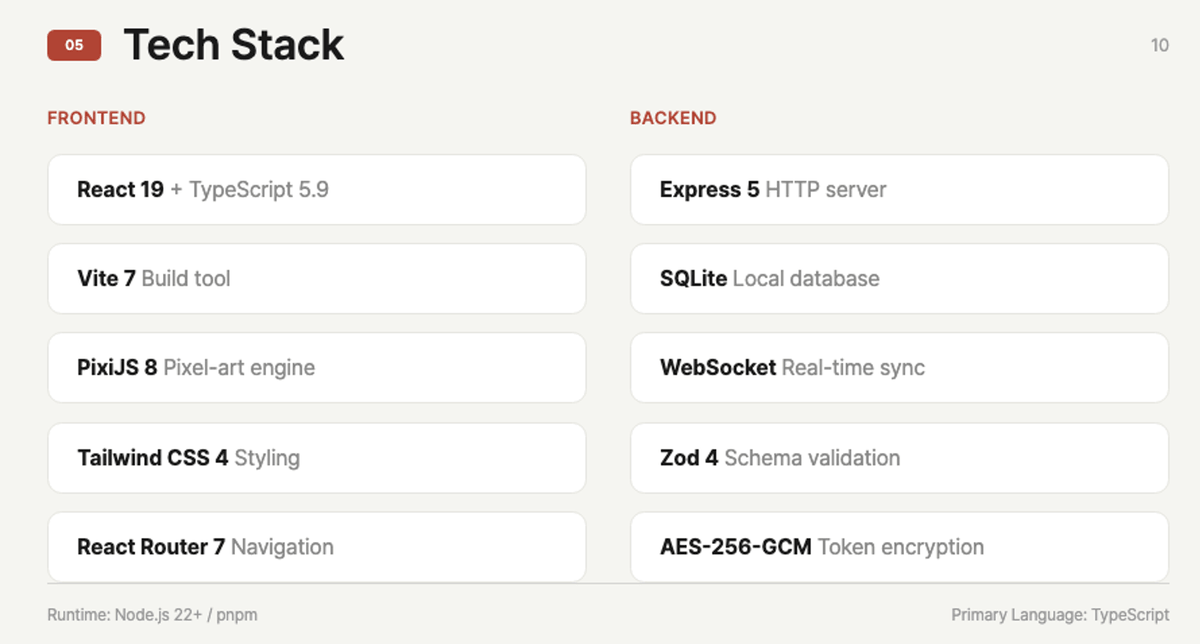
AutoResearchClaw is an open-source, 23-stage multi-agent pipeline that turns a one-line research idea into a conference-ready paper, outperforming AI Scientist v2 by 54.7% on a new benchmark.
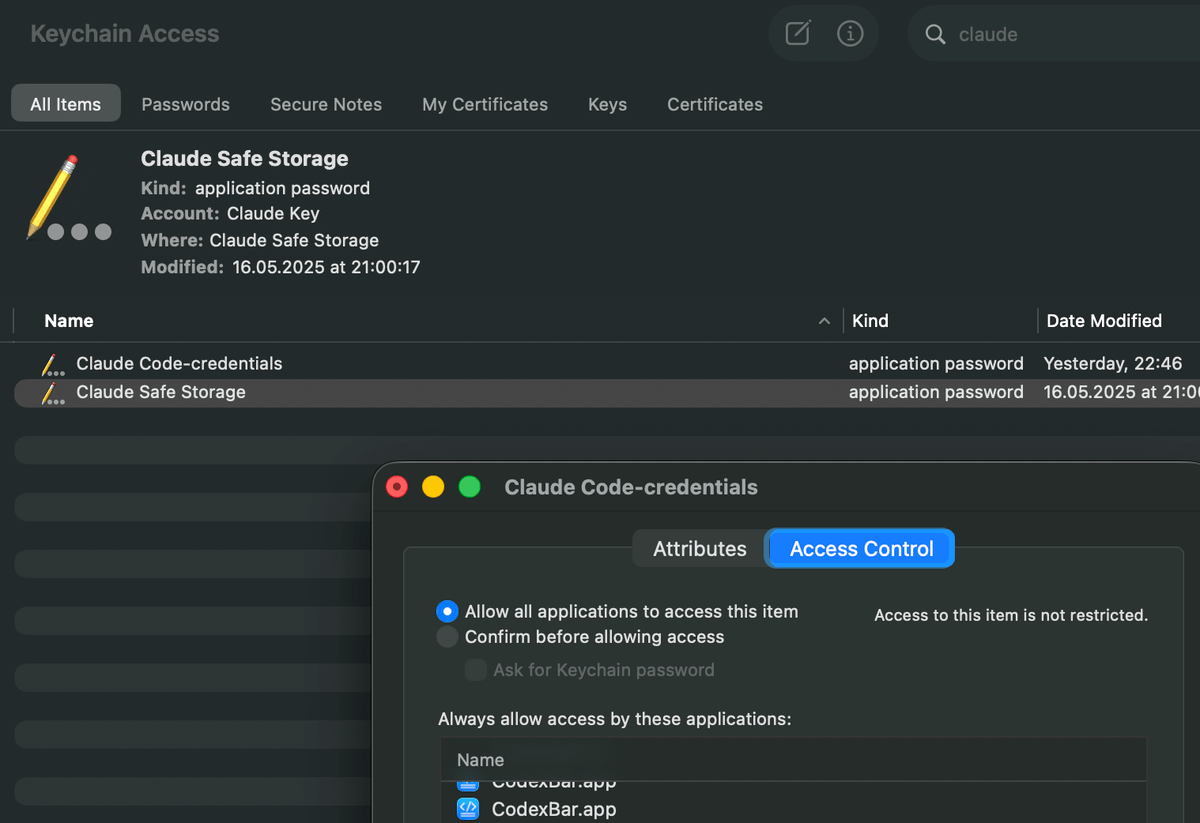
CodexBar is a free, open-source macOS menu bar app that tracks token limits and reset windows across 69 AI coding providers — no dashboard login required.
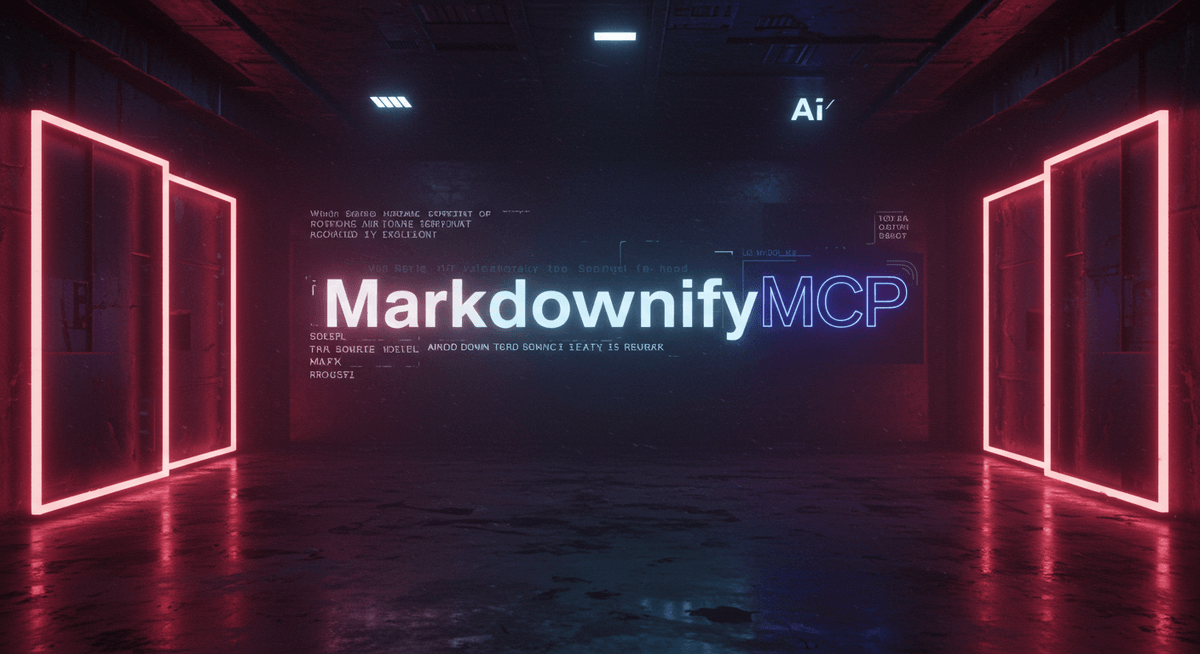
markdownify-mcp wraps Microsoft's MarkItDown into an MCP server, letting AI agents convert PDFs, audio, Office files, and web content to Markdown on demand