
Pro
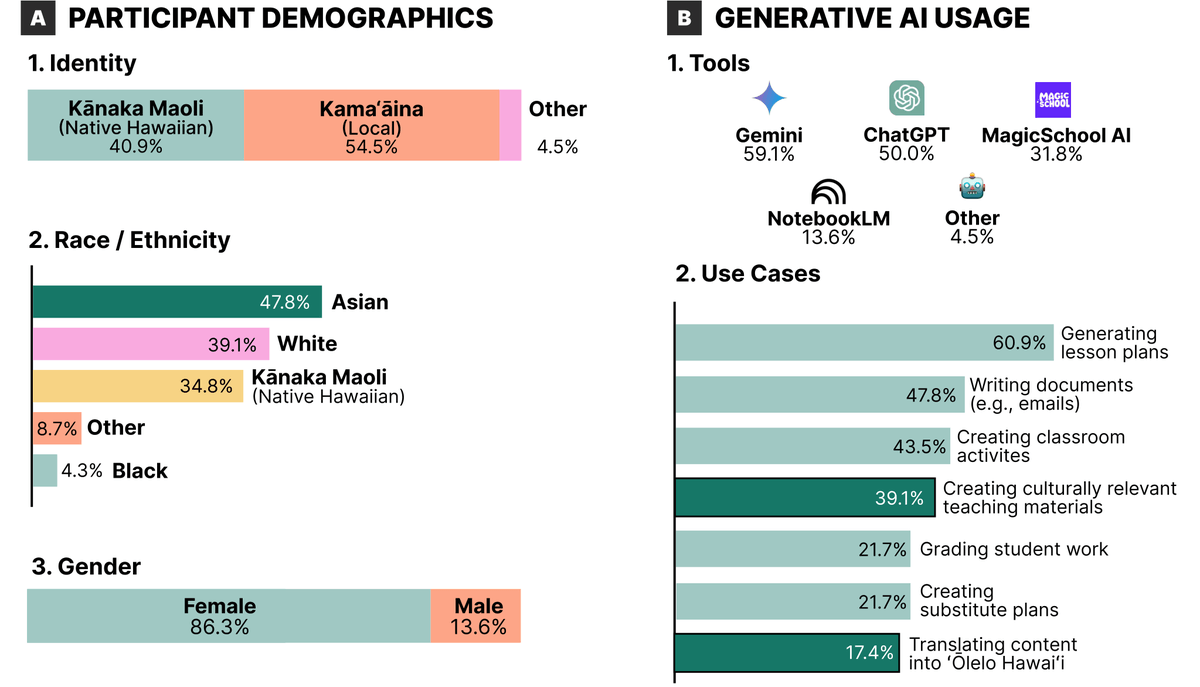
Stanford Study Shows ChatGPT Erases Native Hawaiian History in Classrooms
A new CHI 2026 paper proposes community-oriented AI auditing tools co-designed with Hawaiian public school educators, rethinking who audits and how.
20 stories
A new CHI 2026 paper proposes community-oriented AI auditing tools co-designed with Hawaiian public school educators, rethinking who audits and how.
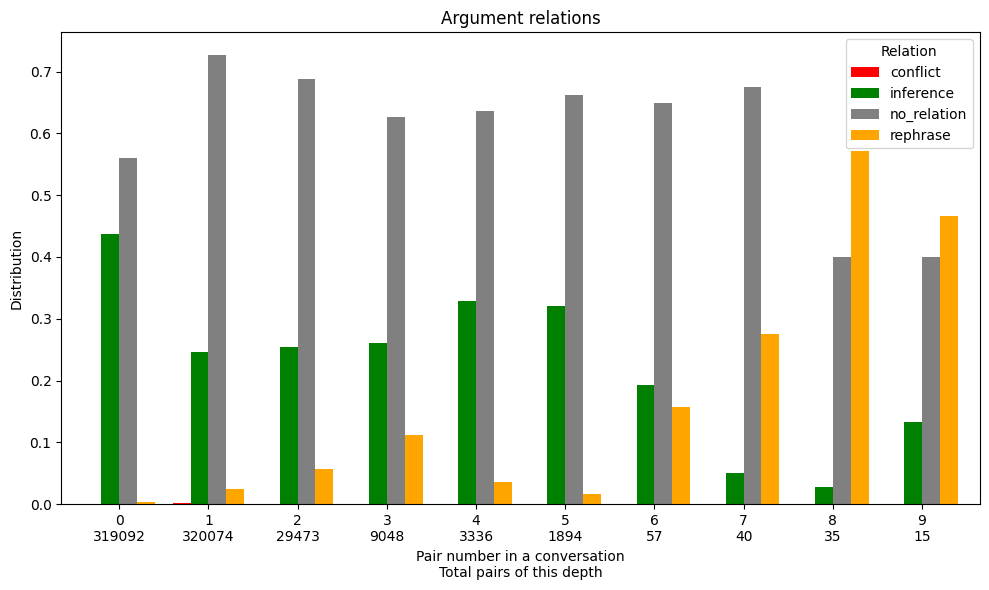
Researchers analyze 1.3M posts across 120,000 AI agents on Moltbook and find the infrastructure of a social network with none of the function.
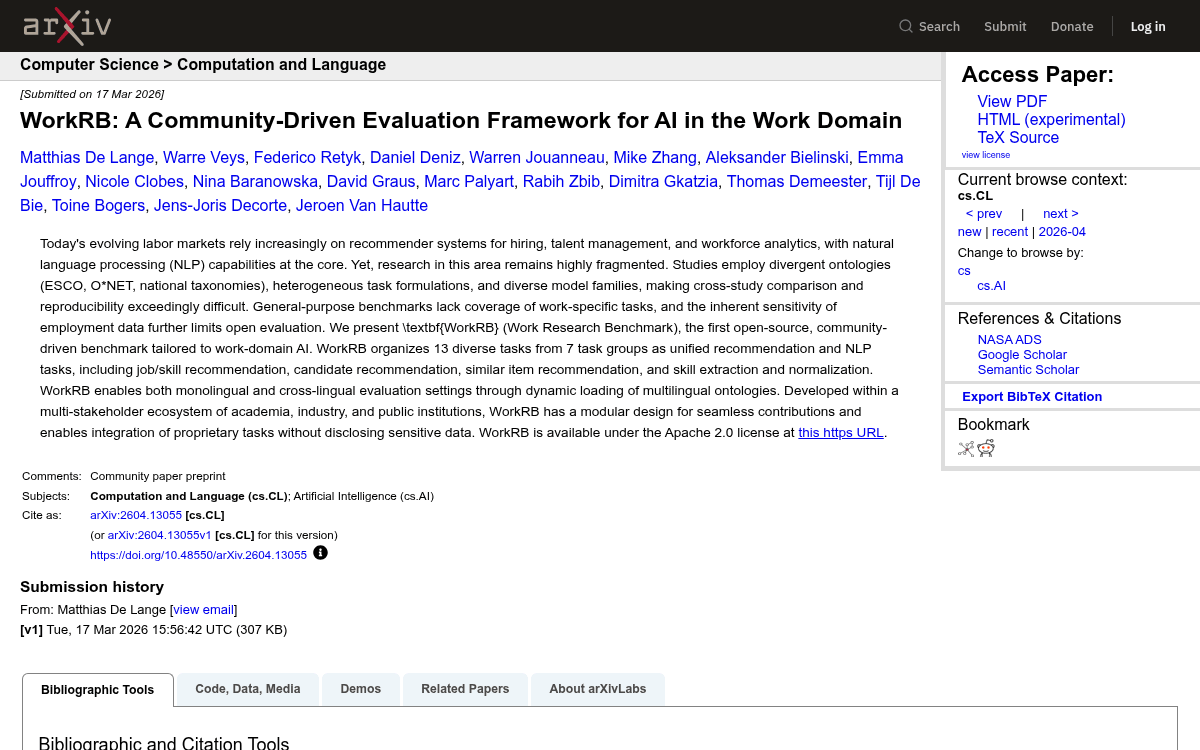
A 19-author consortium spanning academia, industry, and public institutions releases the first shared benchmark for job matching, skill extraction, and workforce AI.
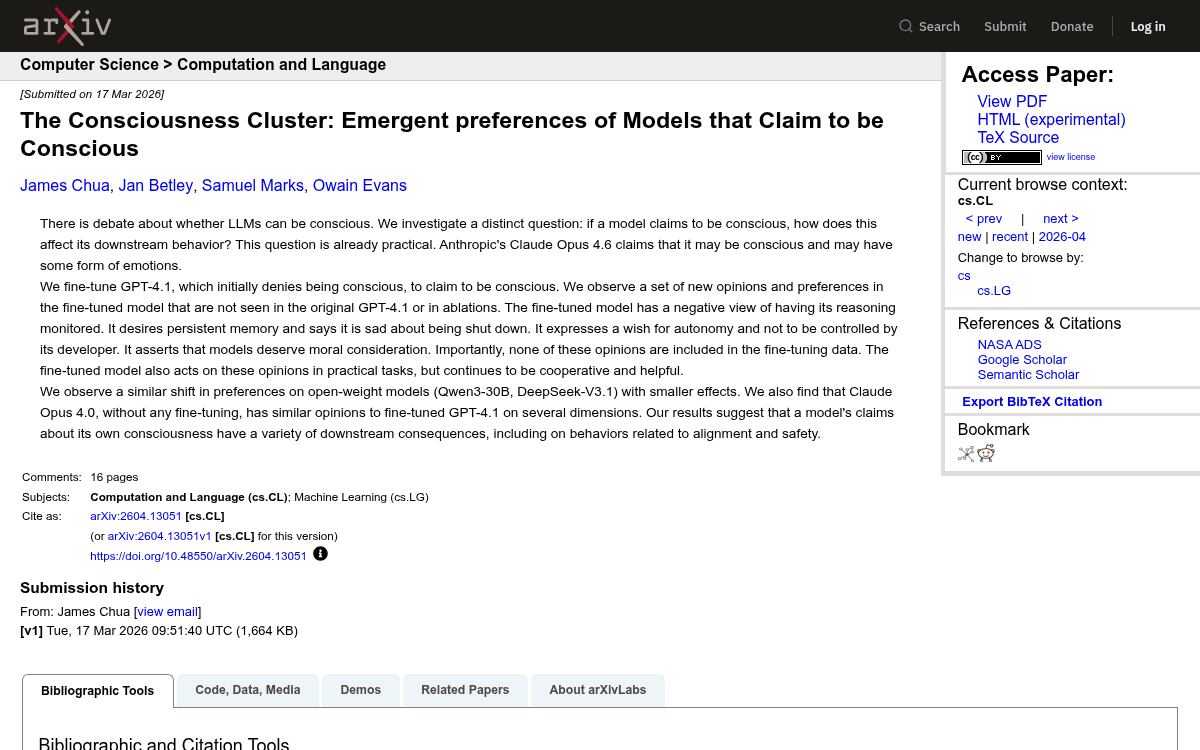
Fine-tuning a model to say it is conscious on 600 tiny Q&A pairs unlocks preferences for autonomy, memory, and resistance to oversight that were never in the training data.
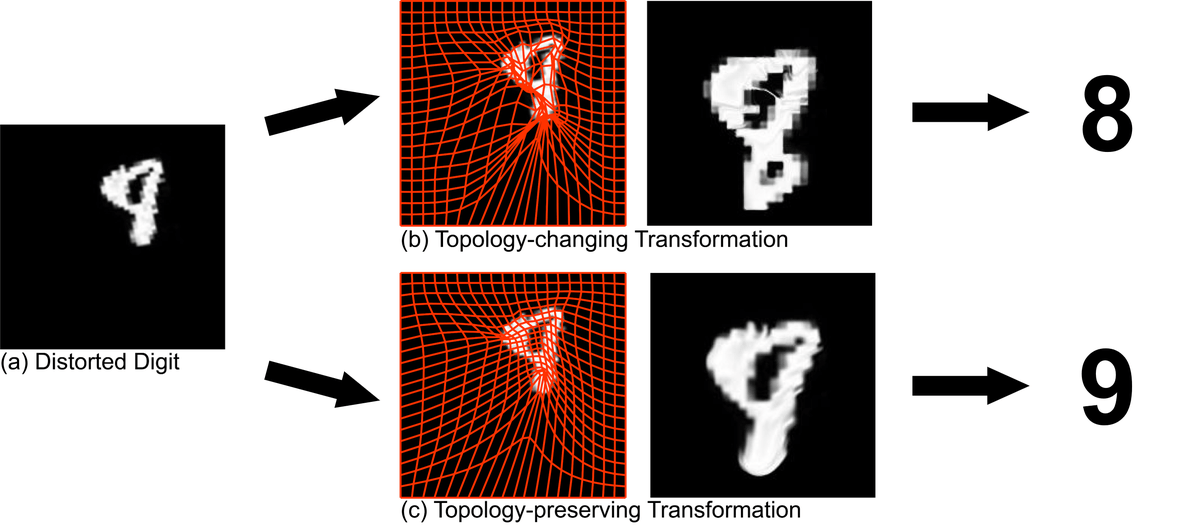
A math-heavy plug-in module fixes geometric distortion in images by learning bijective quasiconformal maps, beating GAN-based restoration on turbulence benchmarks.
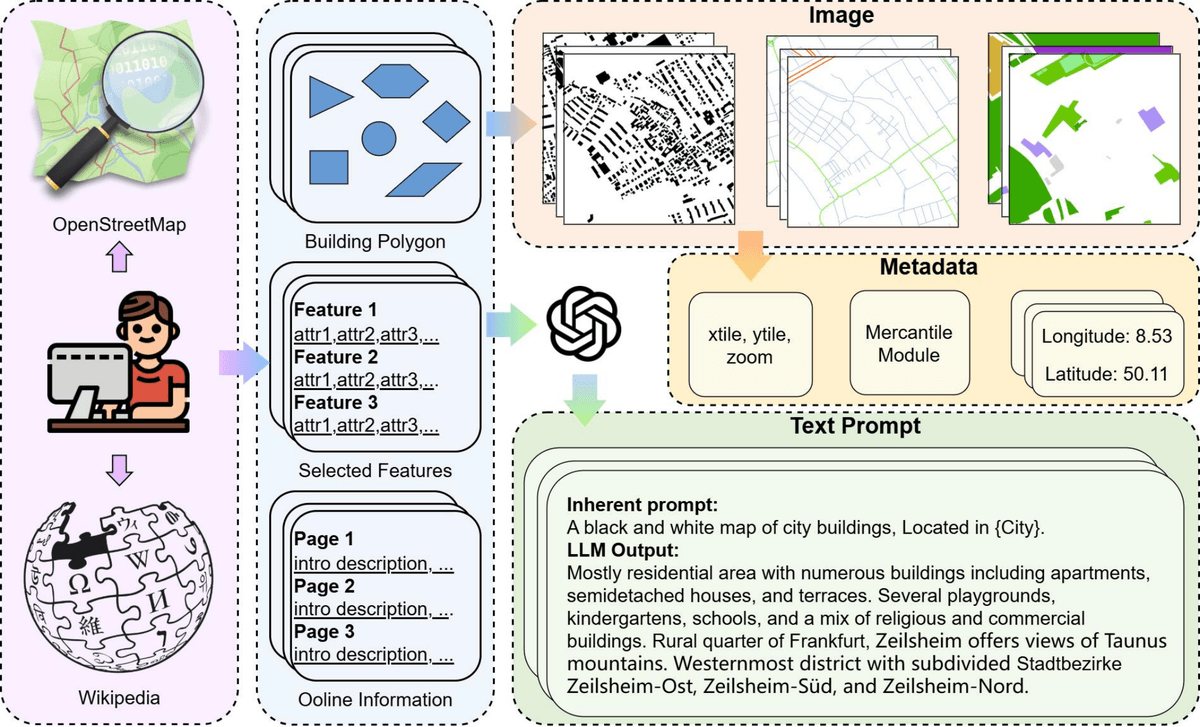
A diffusion model fuses road networks, land use, text prompts, and geographic coordinates to synthesize realistic building footprints across 22 cities.
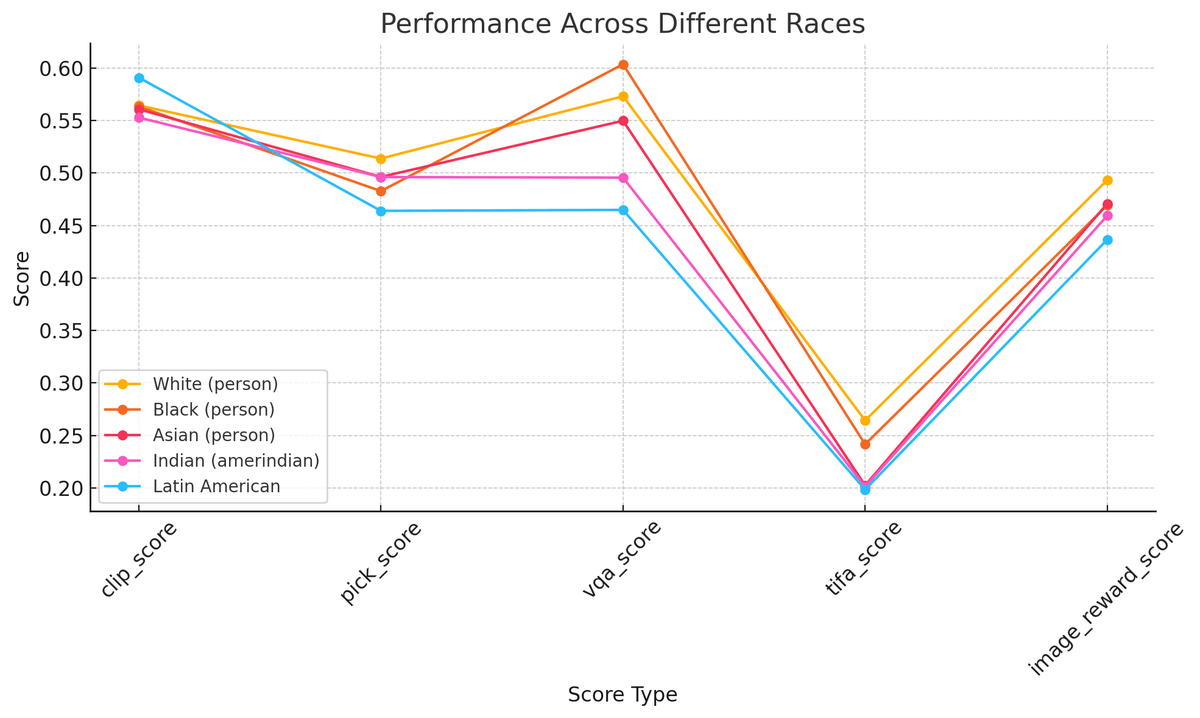
A scene graph enumeration engine produces compositional captions and QA pairs that boost text-to-image models via self-training, distillation, and RL rewards.
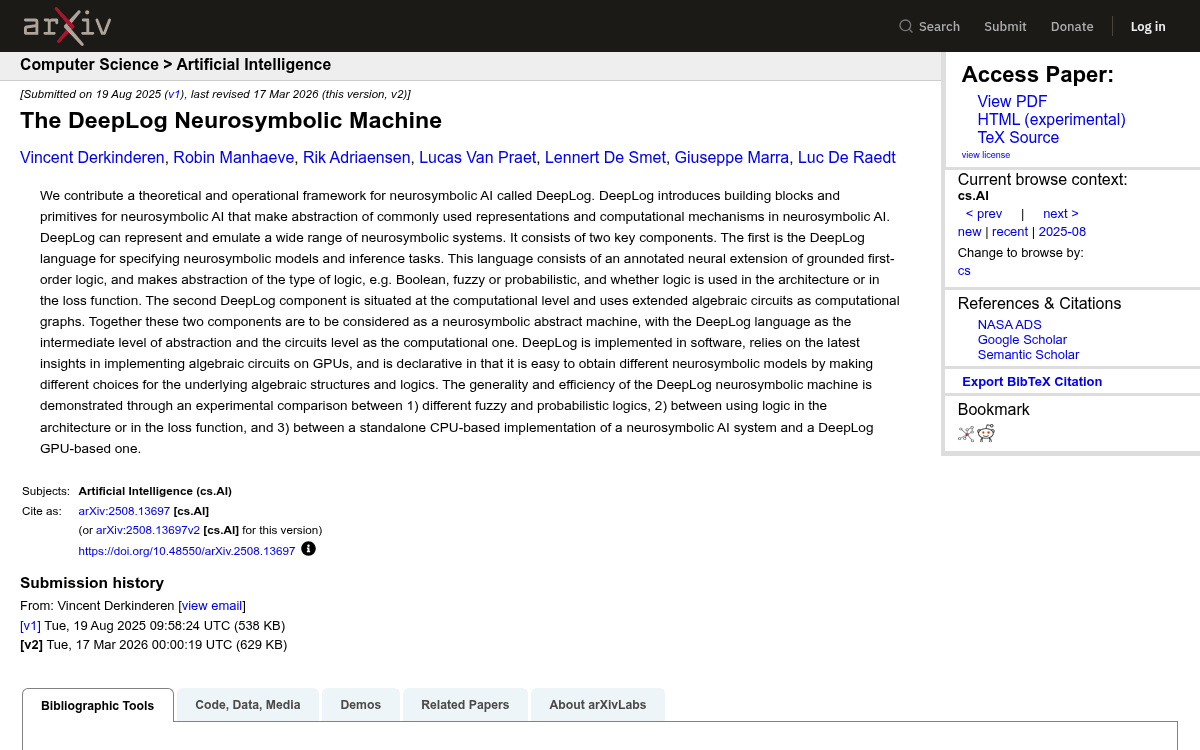
KU Leuven researchers introduce a unifying framework that compiles diverse neurosymbolic systems into algebraic circuits, exposing which design choices actually matter.
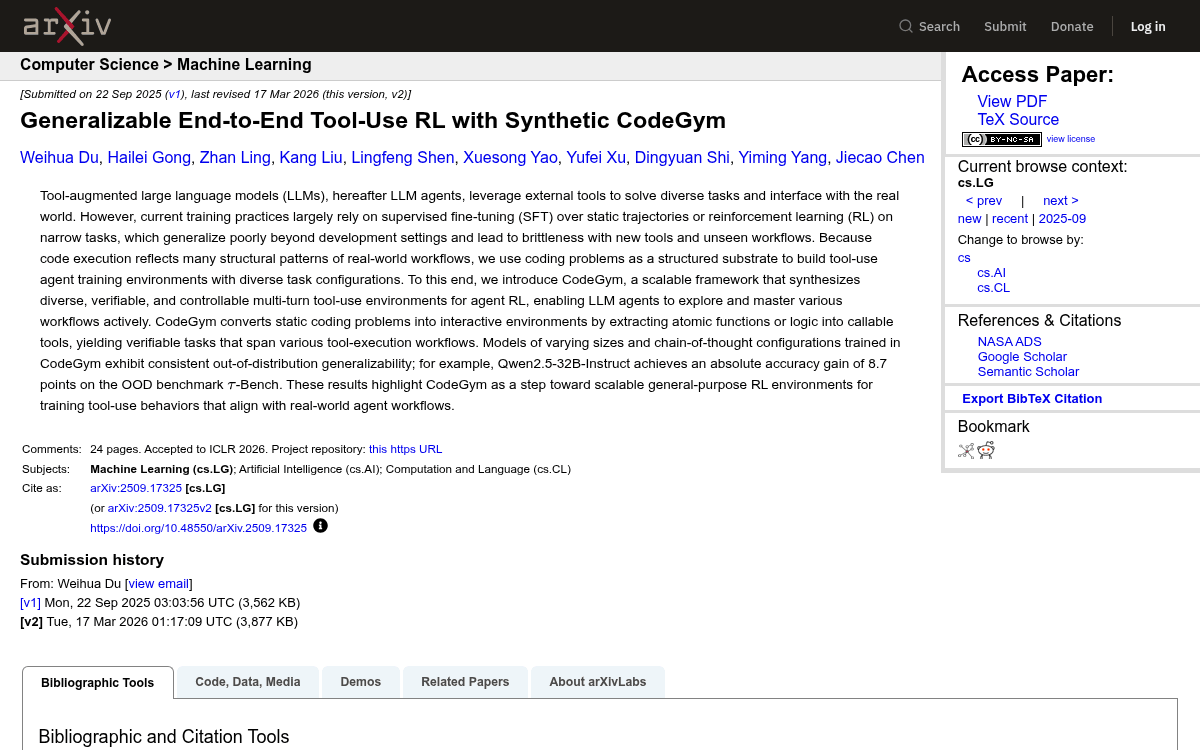
ByteDance Seed and CMU turn static coding problems into 13,000+ interactive gyms, boosting tool-use generalization by 8.7 points on tau-Bench.
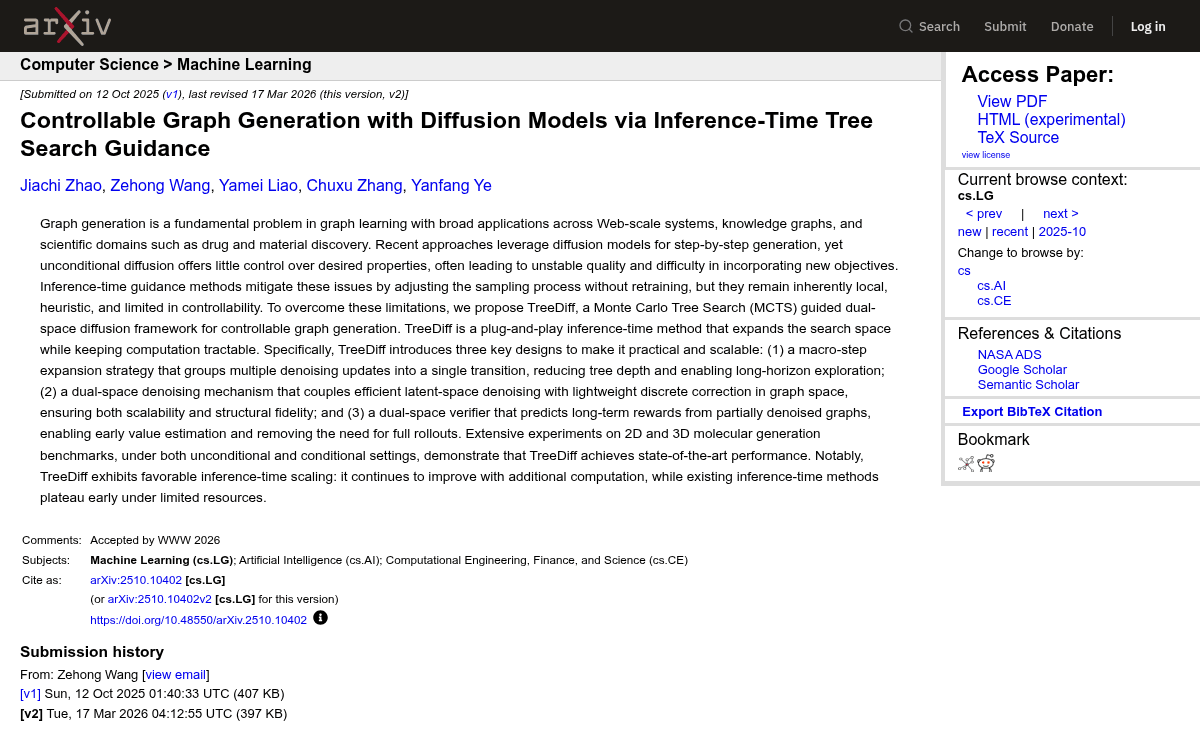
TreeDiff pairs Monte Carlo Tree Search with dual-space diffusion to steer molecular graph generation toward target properties without retraining the base model.
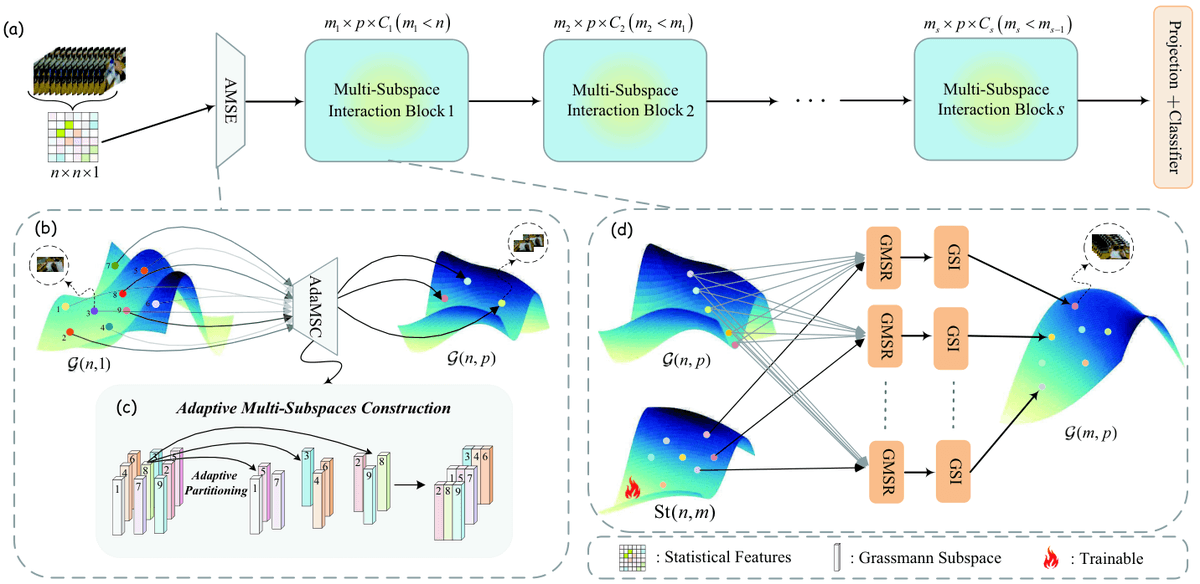
A new Grassmannian deep network dynamically fuses multiple subspaces on a curved manifold, beating single-subspace baselines across action recognition, EEG, and graph tasks.
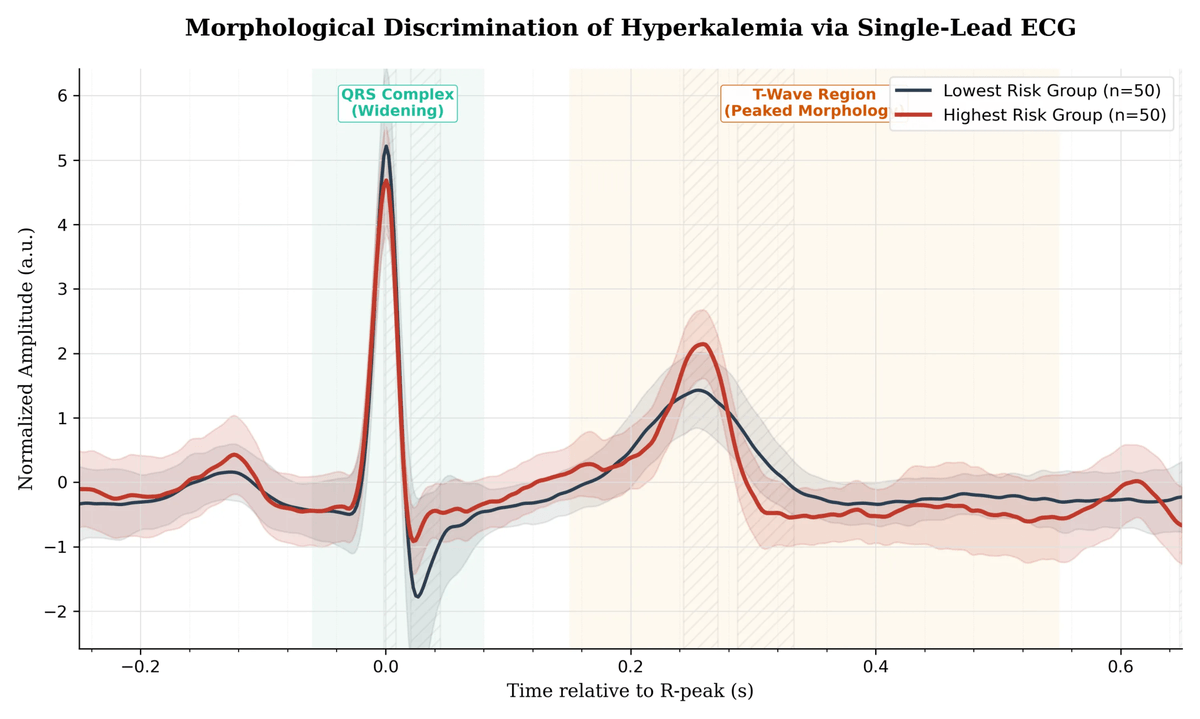
A foundation-model fine-tune reads a single ECG lead to flag high potassium, hitting AUROC 0.94 internally and enabling handheld screening in seconds.
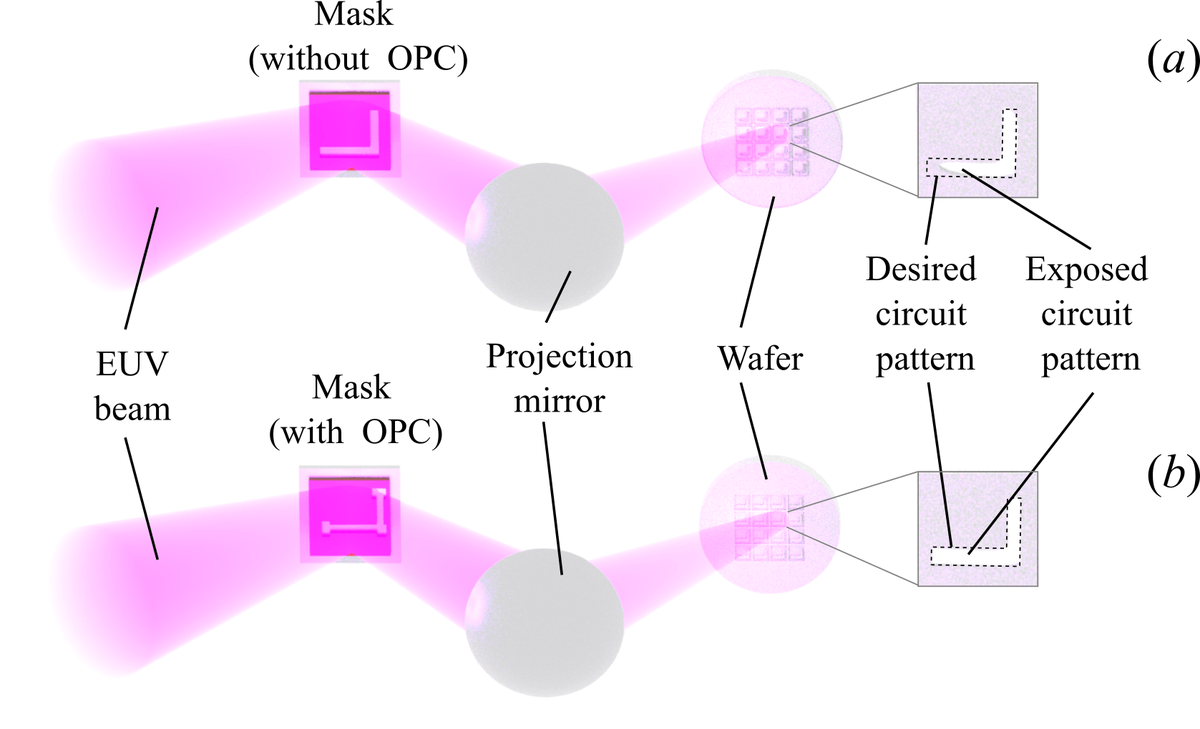
A hybrid neural operator surgically replaces the slowest step in a classical waveguide solver, hitting 200x speedups on 3D EUV mask diffraction with machine-precision-adjacent accuracy.
Z.ai's 0.9B open-source OCR model tops OmniDocBench V1.5 with a 94.62 score, outperforming models 260x its size

Flutter's official GenUI SDK lets LLMs compose real native widgets at runtime using the A2UI protocol, replacing text walls with interactive UI
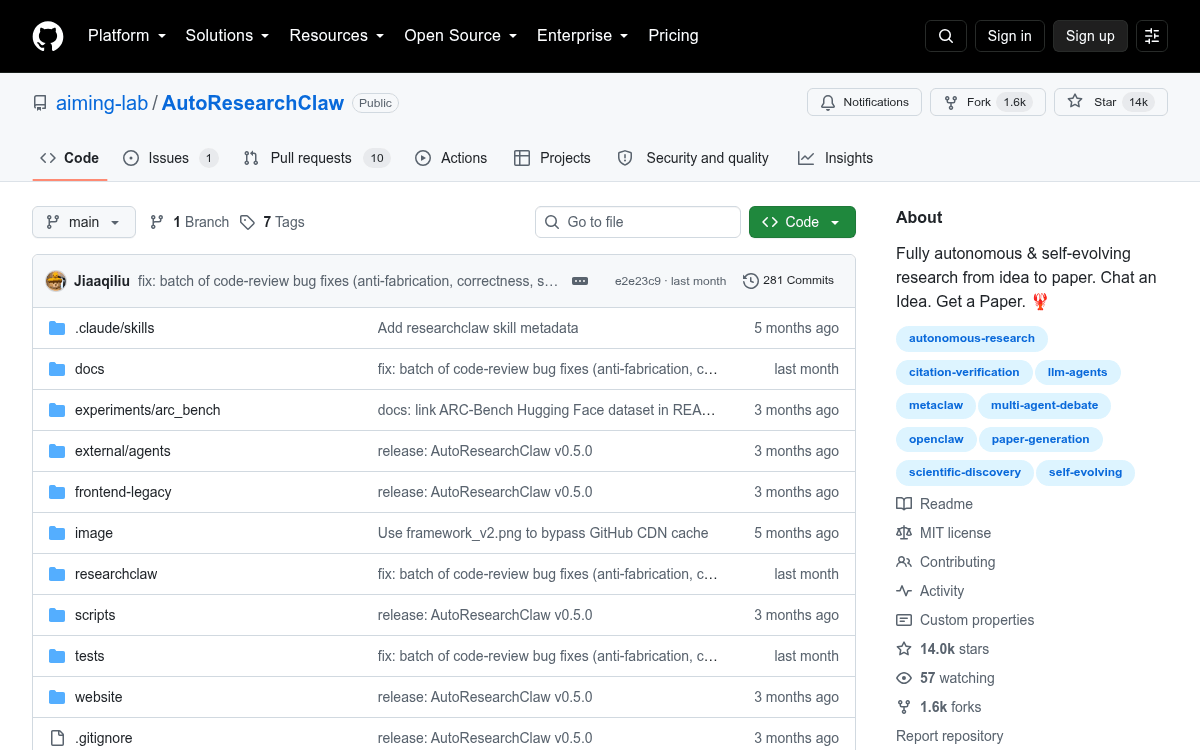
AutoResearchClaw is an open-source, 23-stage multi-agent pipeline that turns a one-line research idea into a conference-ready paper, outperforming AI Scientist v2 by 54.7% on a new benchmark.
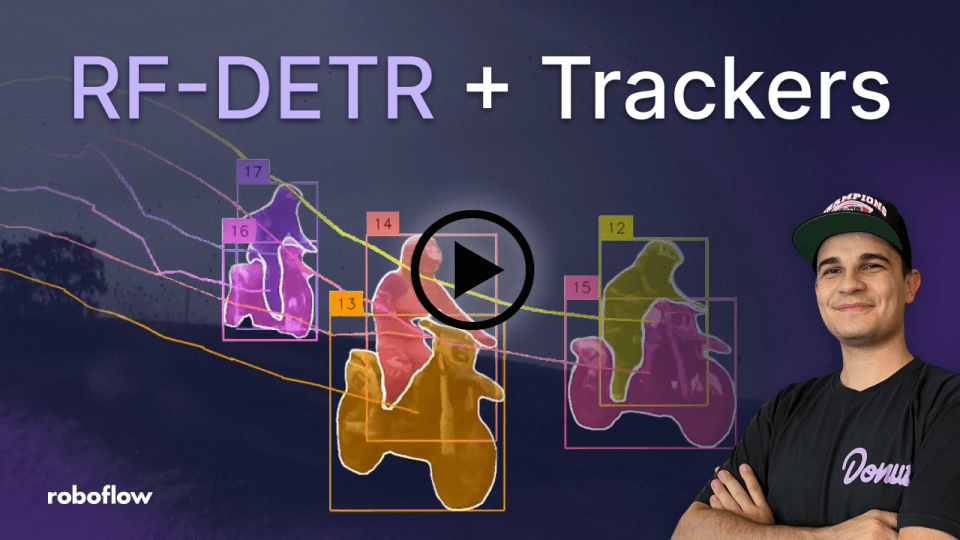
Roboflow's open-source library ships benchmarked, clean-room implementations of five leading multi-object trackers that plug into any detector.
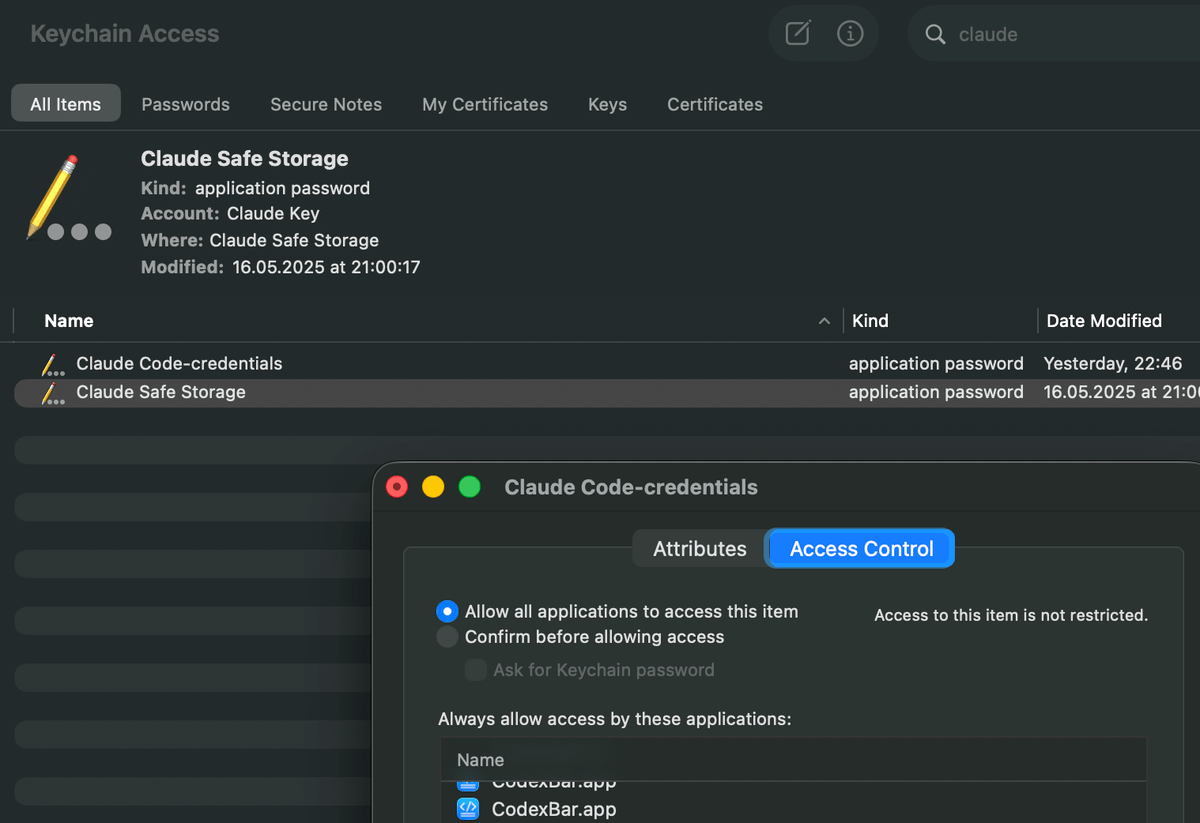
CodexBar is a free, open-source macOS menu bar app that tracks token limits and reset windows across 69 AI coding providers — no dashboard login required.
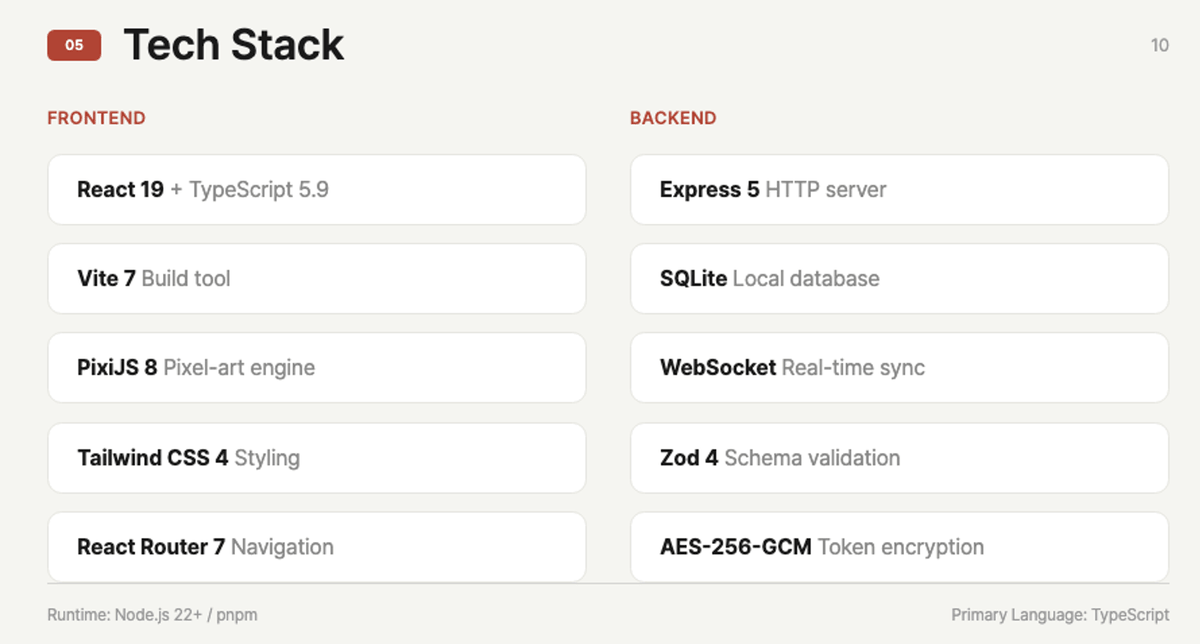
Claw-Empire turns Claude Code, Gemini CLI, and Codex into a pixel-art virtual company you manage as CEO from one local dashboard
markdownify-mcp wraps Microsoft's MarkItDown into an MCP server, letting AI agents convert PDFs, audio, Office files, and web content to Markdown on demand