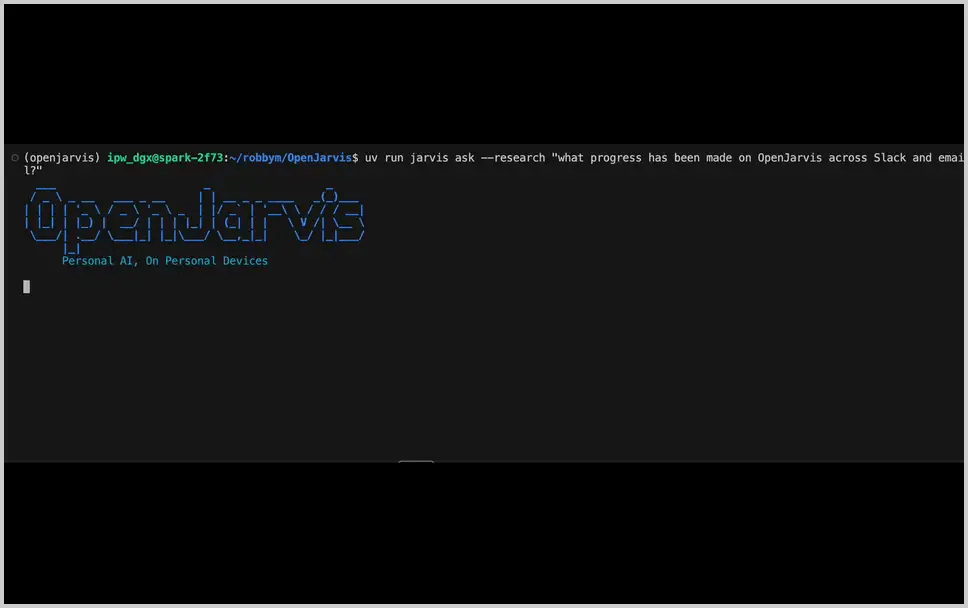
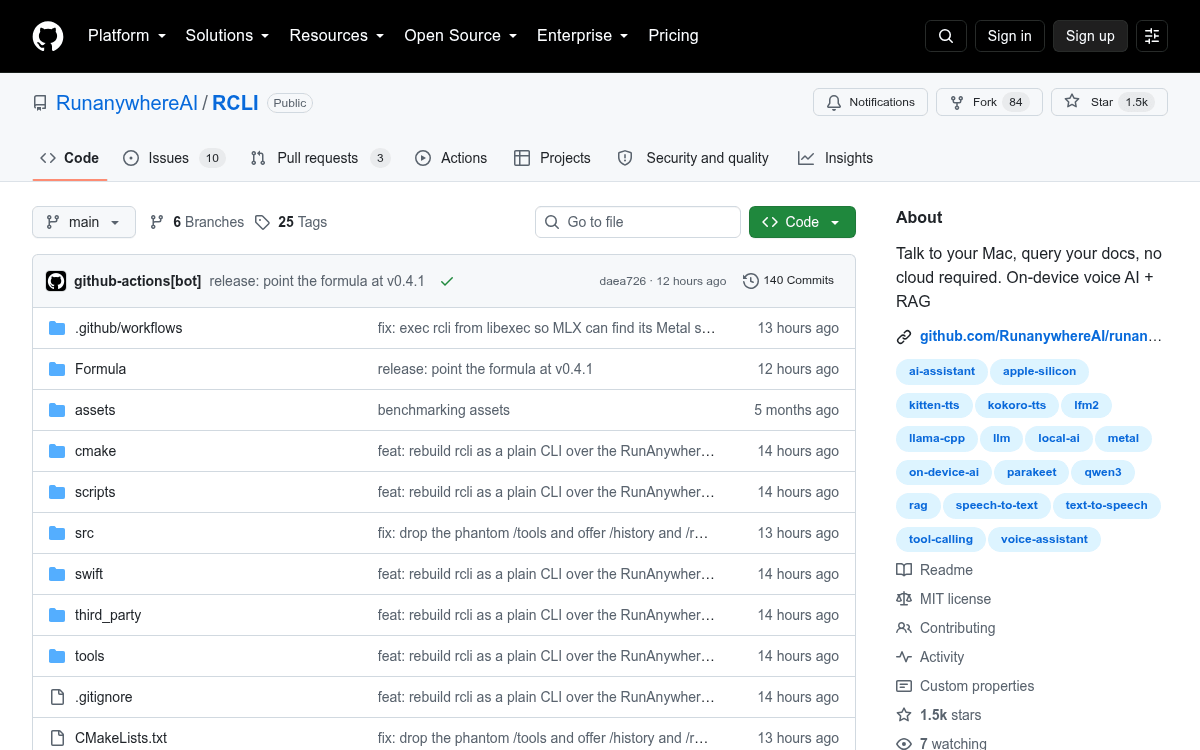
Stanford's Hazy Research Lab releases an open-source, fully on-device AI agent framework that keeps your data off the cloud and gets smarter over time.
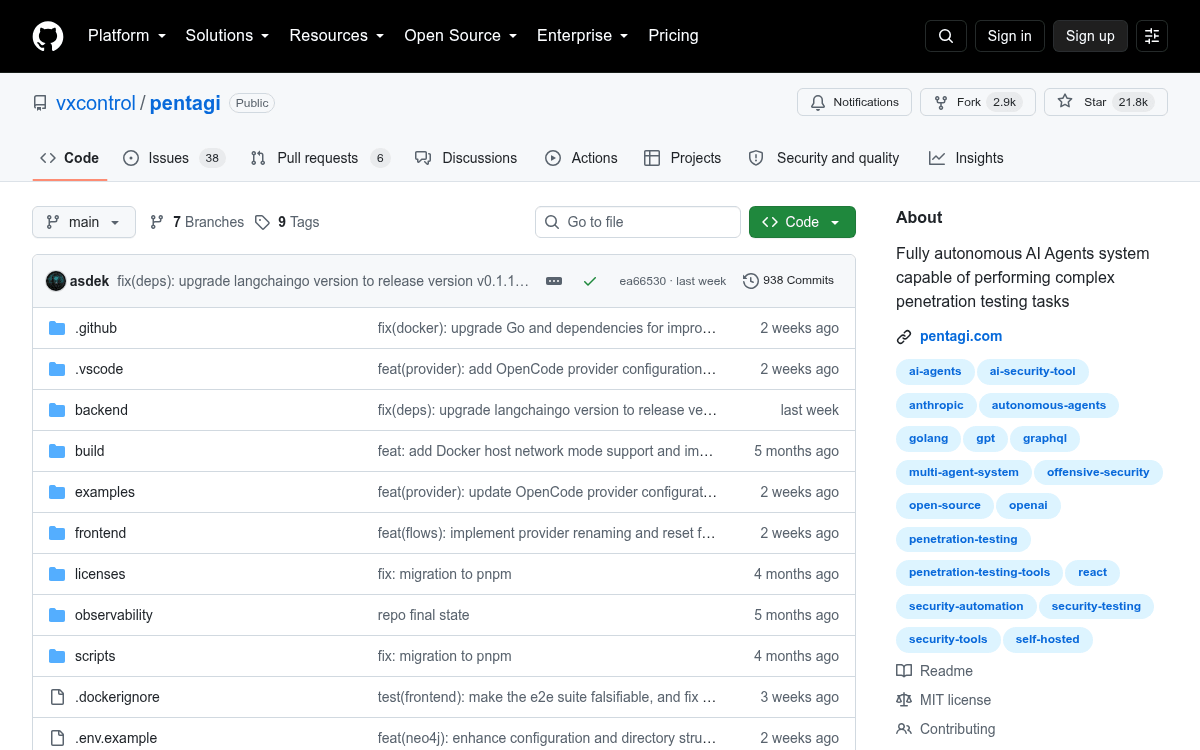
PentAGI is an open-source, self-hosted multi-agent system that autonomously plans and executes penetration tests using 20+ security tools inside sandboxed Docker containers.
uditgoenka/autoresearch brings Karpathy's overnight ML loop to any codebase, adding 13 commands, a 9-hook safety system, and a 95% token reduction in v2.1.
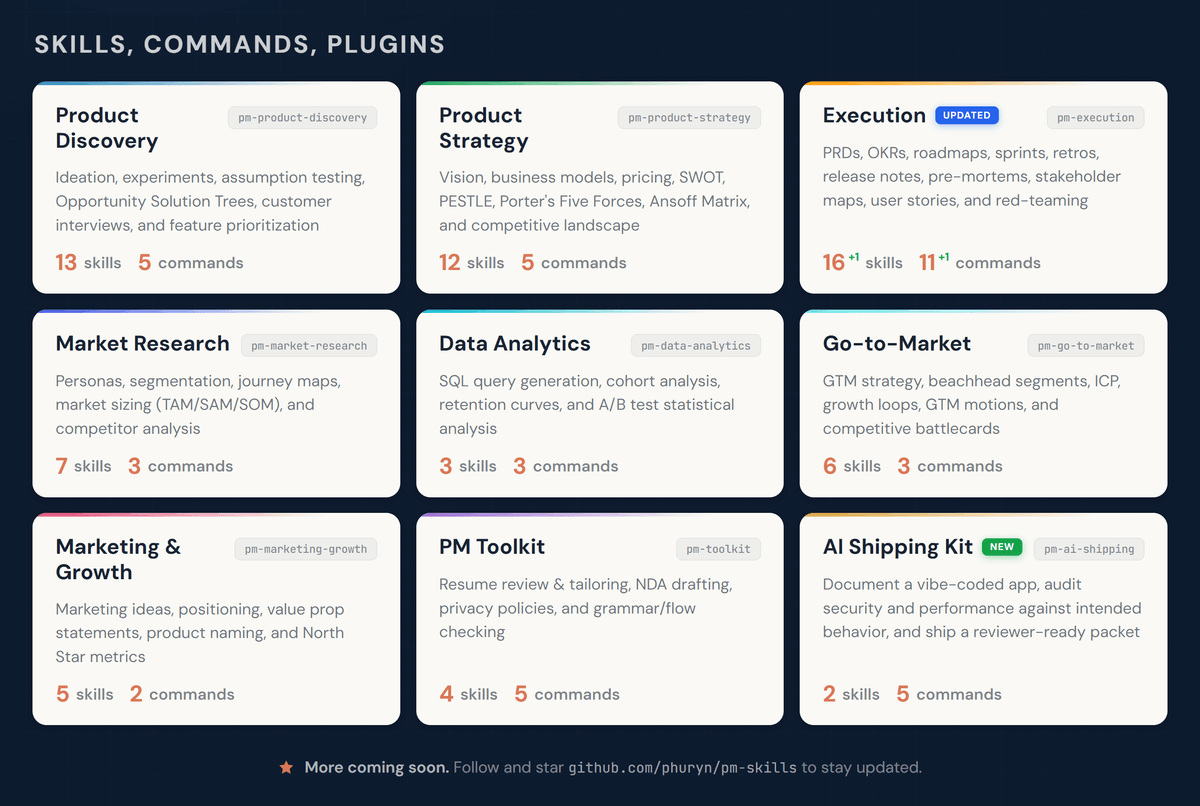
PM Skills Marketplace brings 68 structured PM frameworks to Claude Code and Cowork as installable plugins, replacing generic AI prompting with rigorous, chained workflows.
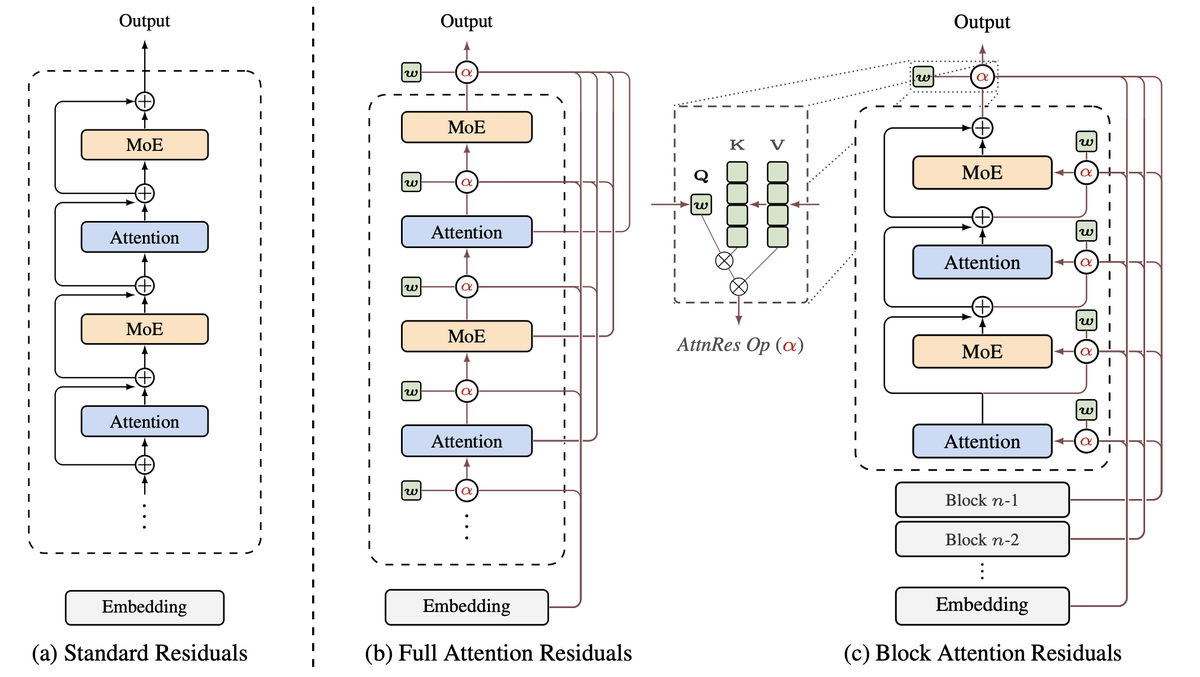
Moonshot AI's Kimi team replaces a decade-old Transformer building block with depth-wise attention, delivering a 1.25x compute advantage and +7.5 points on GPQA-Diamond
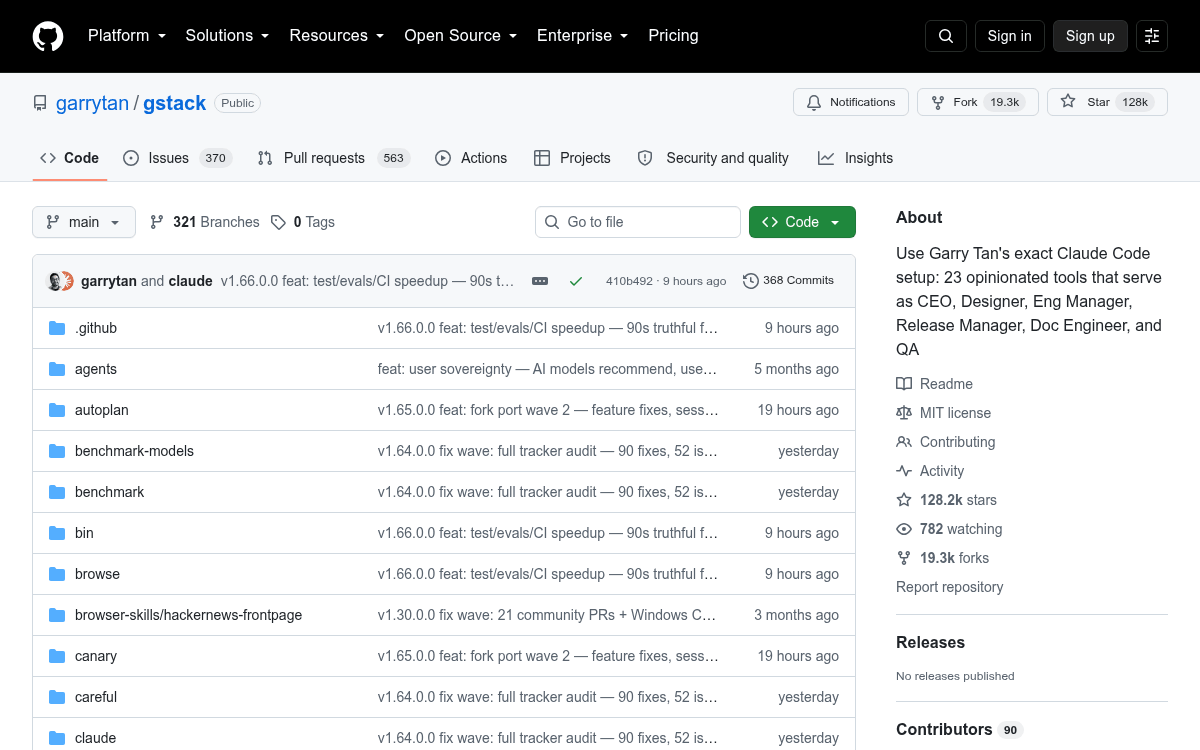
Garry Tan open-sourced his Claude Code workflow as gstack, a free MIT-licensed pack of 23 role-based slash commands that runs a full sprint from idea to shipped PR.
Datawhale's Happy-LLM is a free, structured Chinese-language curriculum that walks you through building a real LLaMA2-style model from scratch — and it just crossed 28,000 GitHub stars.
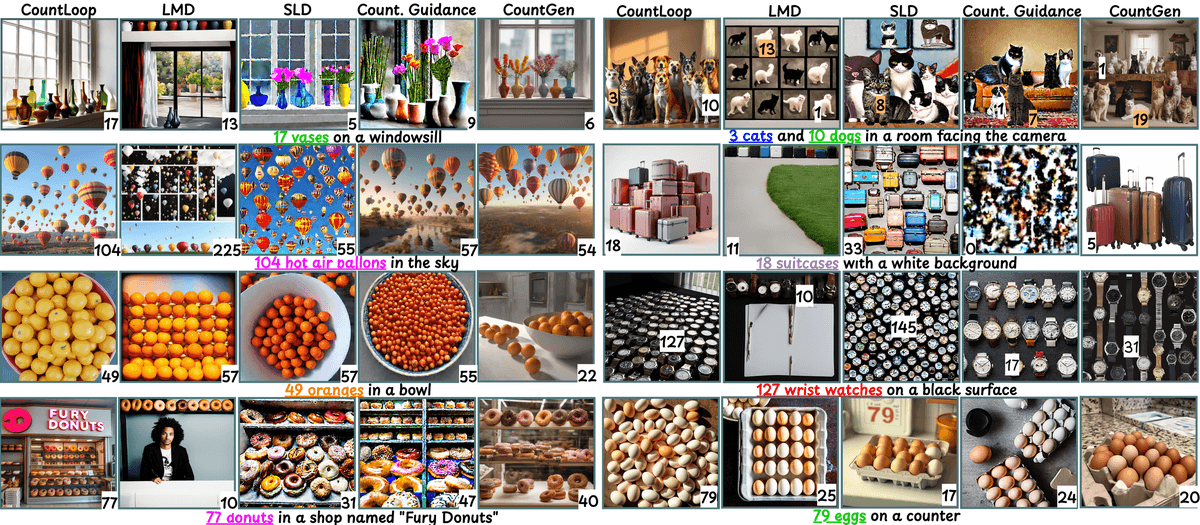
A training-free loop pairs a planning VLM with a critic VLM to generate images containing precise object counts, cutting counting error by up to 57 percent.
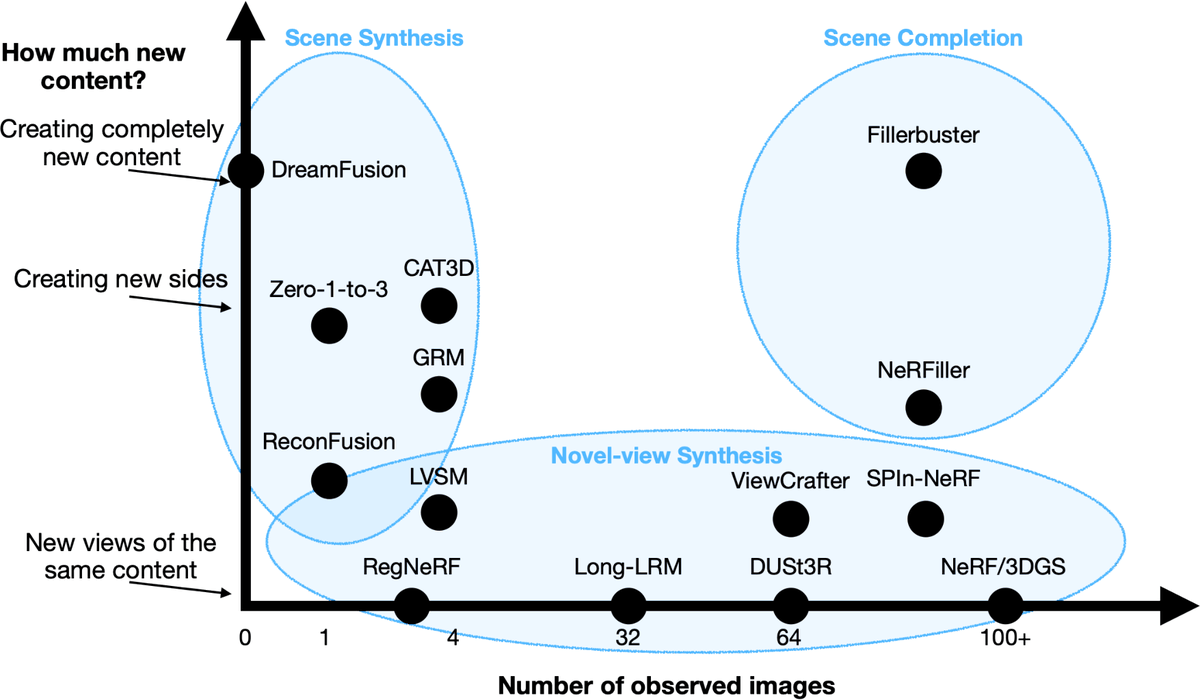
A new multi-view diffusion transformer from Meta and Berkeley jointly fills in missing 3D scene content and recovers camera poses from casual phone captures.
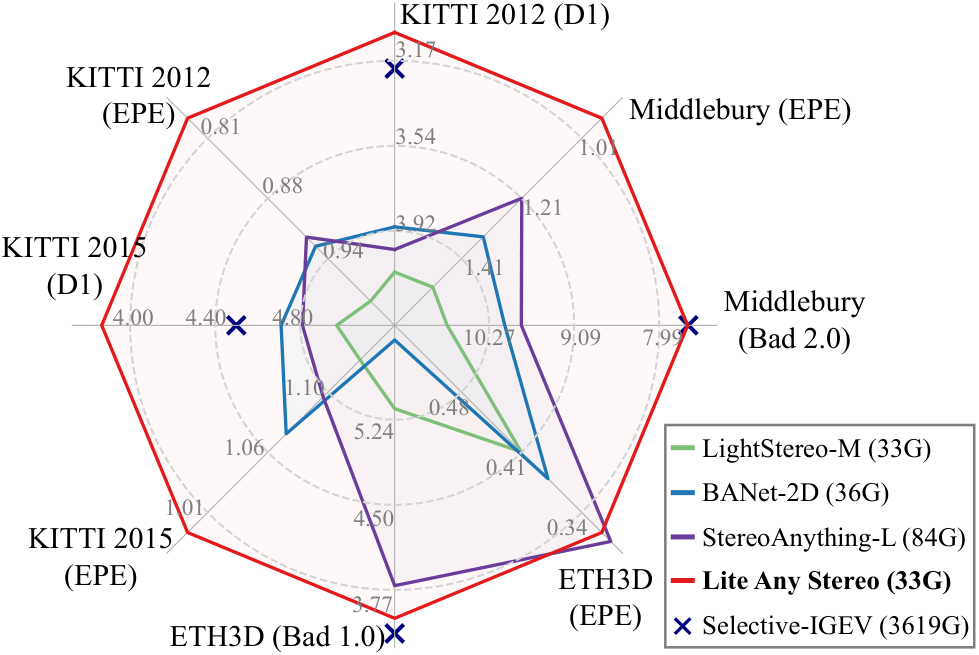
A compact stereo depth model from Imperial College London matches heavyweight networks at under 1 percent of the compute, topping four zero-shot benchmarks.
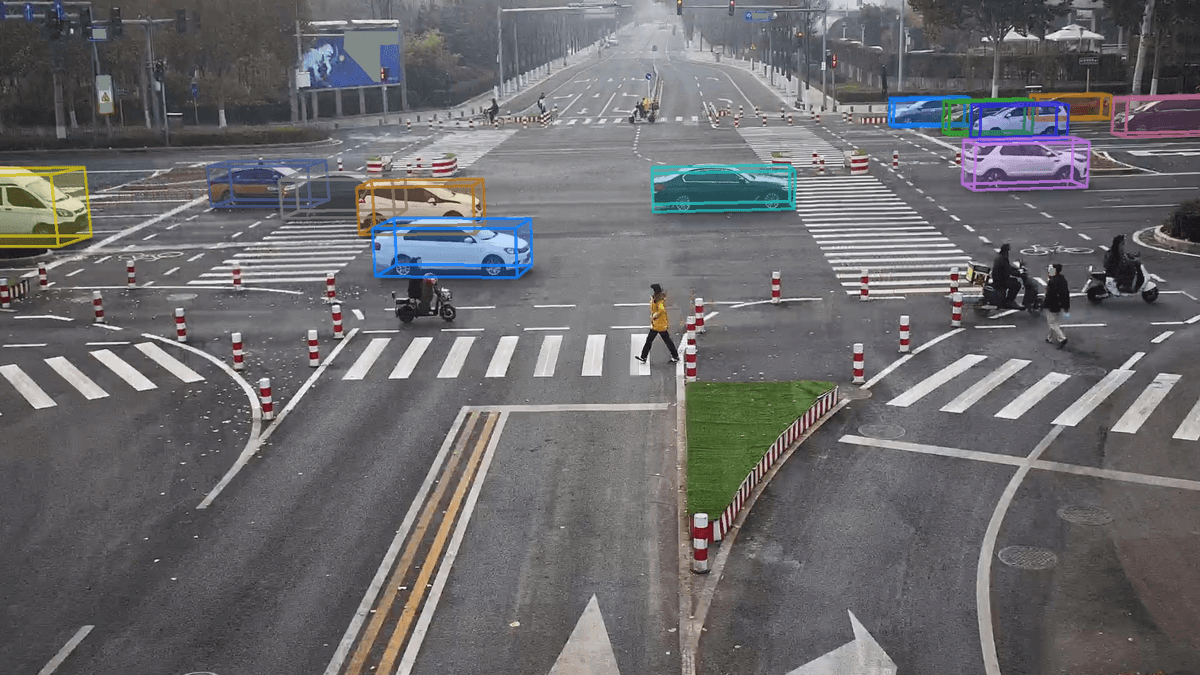
A new monocular 3D detection method uses asymmetric distillation to hit state-of-the-art accuracy on KITTI, Waymo, and Rope3D while running in real time.
A new MIDL 2026 paper shows that combining LoRA with a lightweight max-pooling aggregator can match domain-specific pretraining on gigapixel pathology slides.
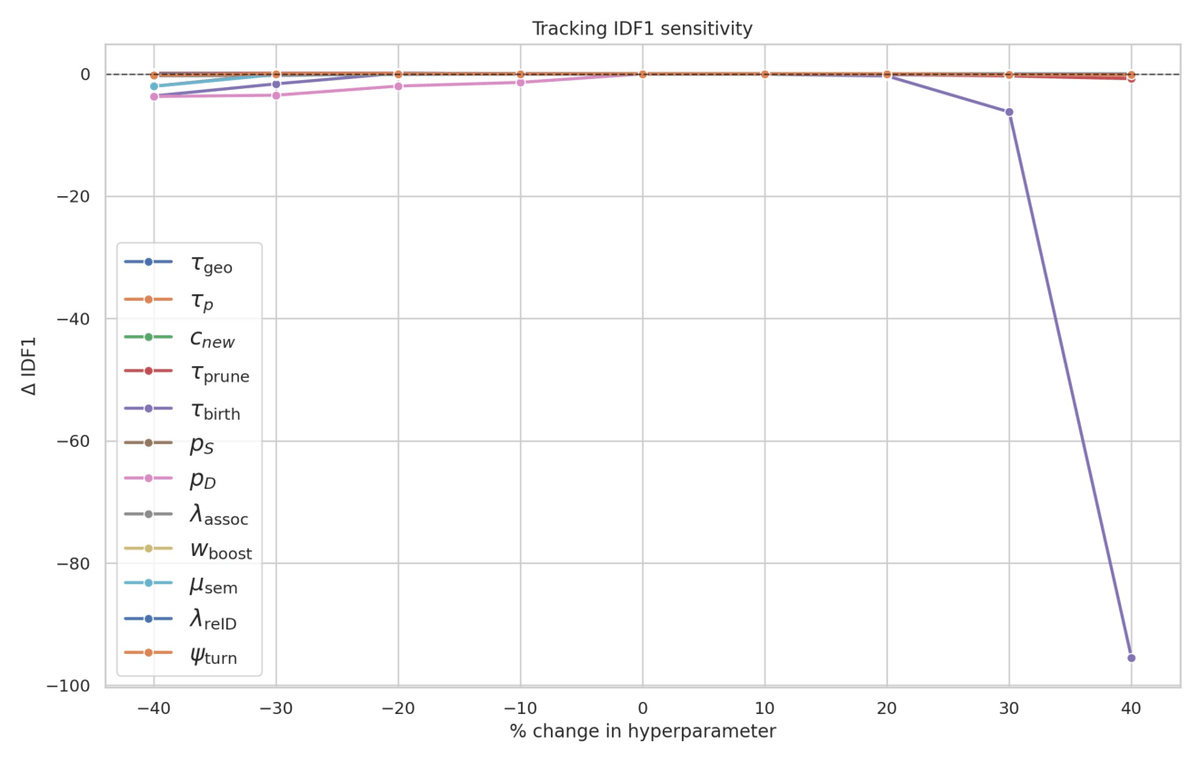
A modular multi-view tracker matches end-to-end deep learning accuracy while preserving explicit uncertainty and swapping between cameras and radar without retraining.
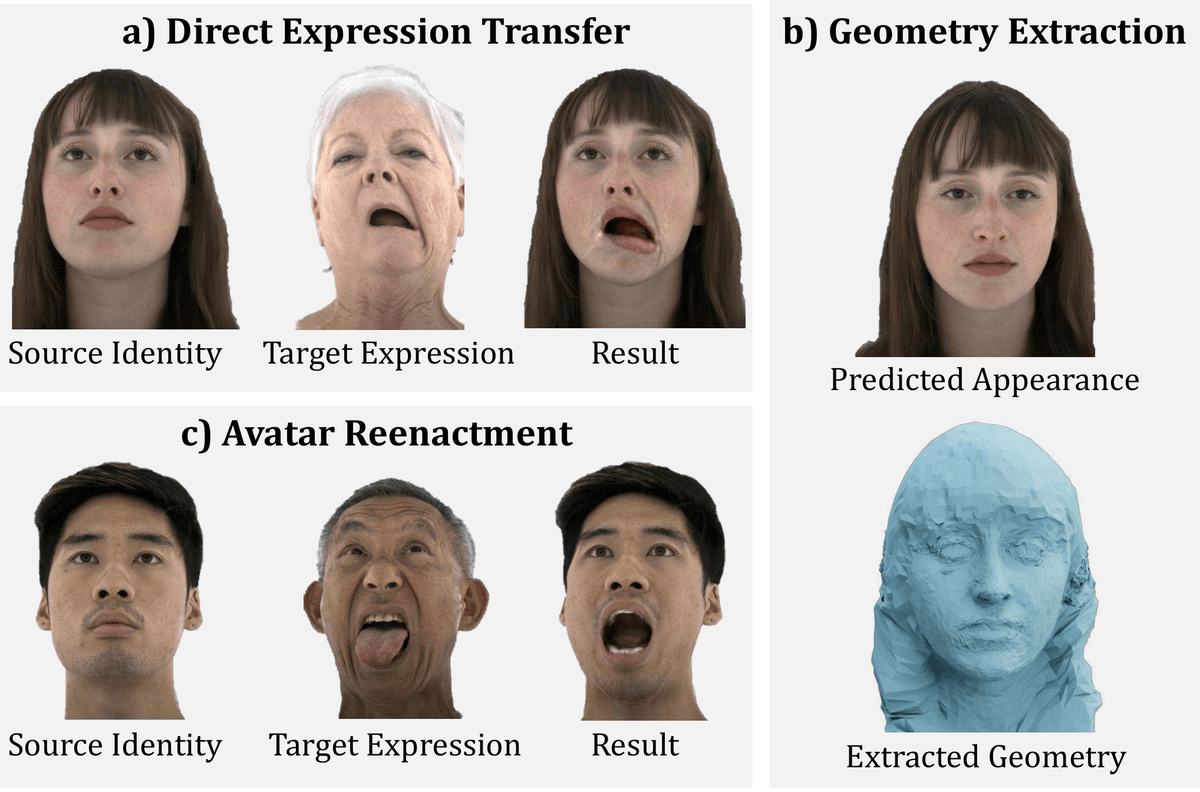
A new transformer-based pipeline reconstructs photorealistic 3D head avatars from multi-view images in half a second, skipping the day-long optimization loop.
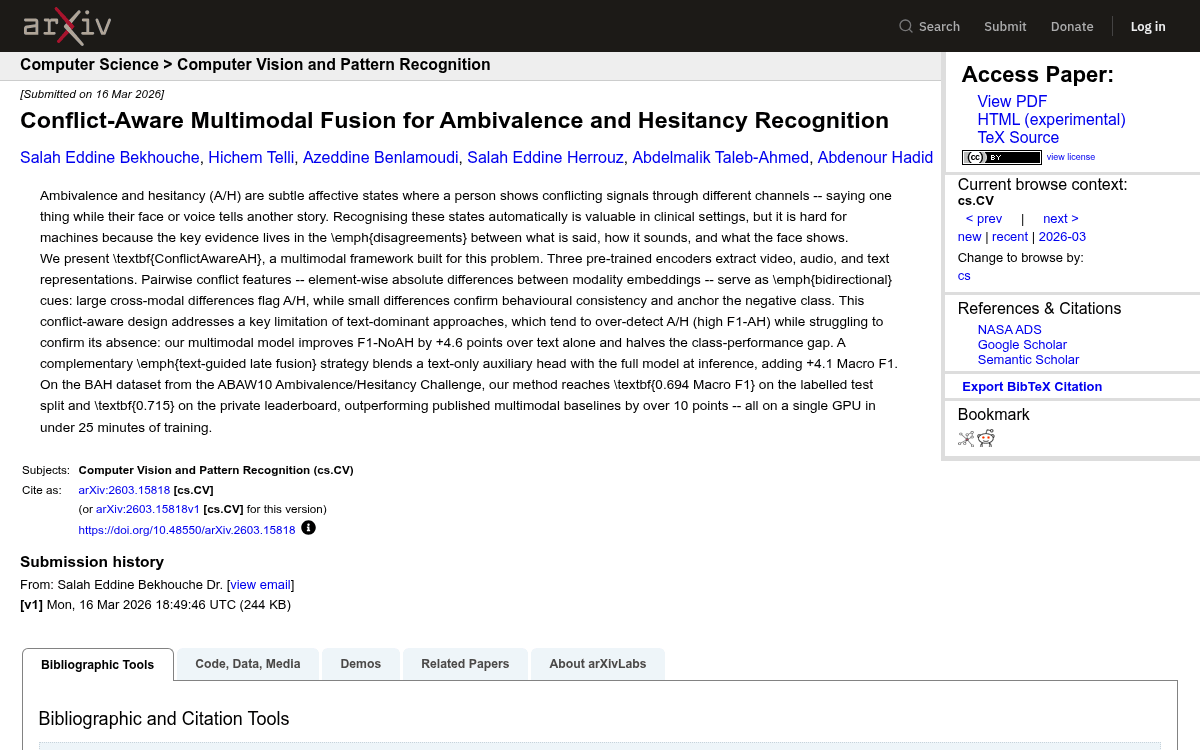
A new multimodal framework uses cross-modal disagreement as an explicit signal, halving the class-performance gap on the ABAW10 leaderboard with 25 minutes of training.
Kitaura and Sinigaglia introduce a scale-ordered ladder of cosmic-web classifiers, showing higher-derivative levels retain far more halo information near nonlinear scales.