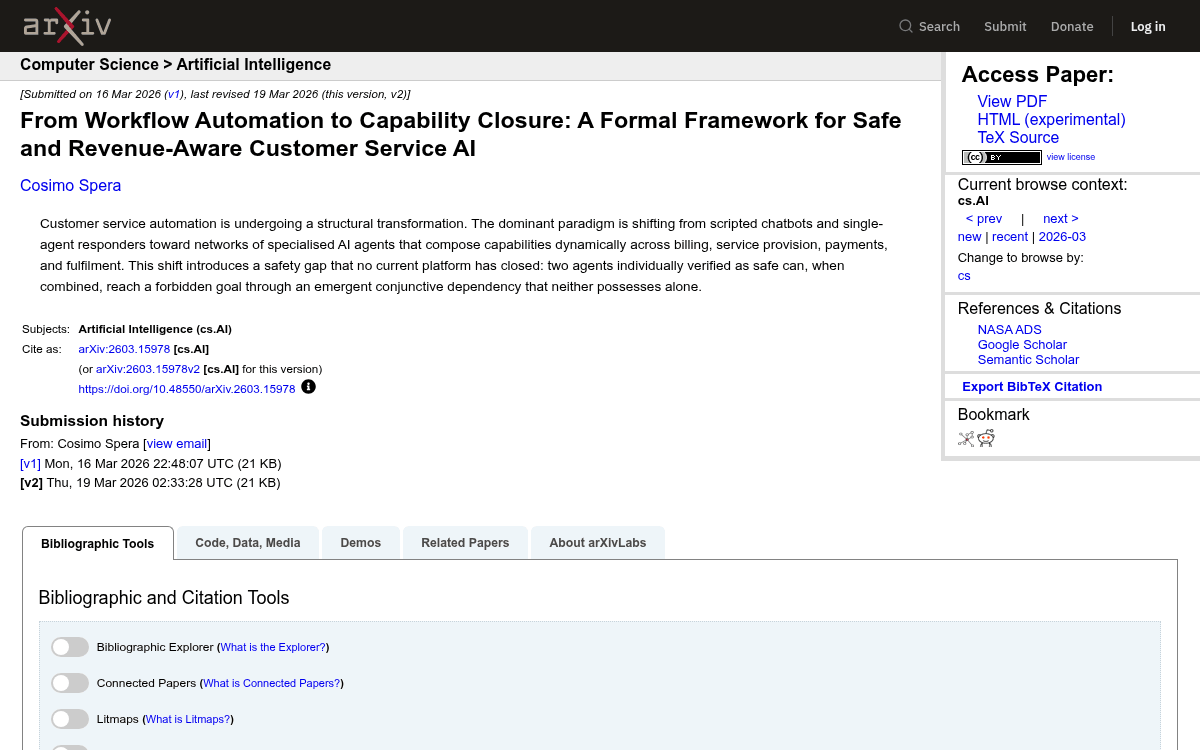
A new formal proof shows two individually safe customer service agents can jointly reach forbidden goals, and offers a hypergraph based fix that doubles as revenue discovery.
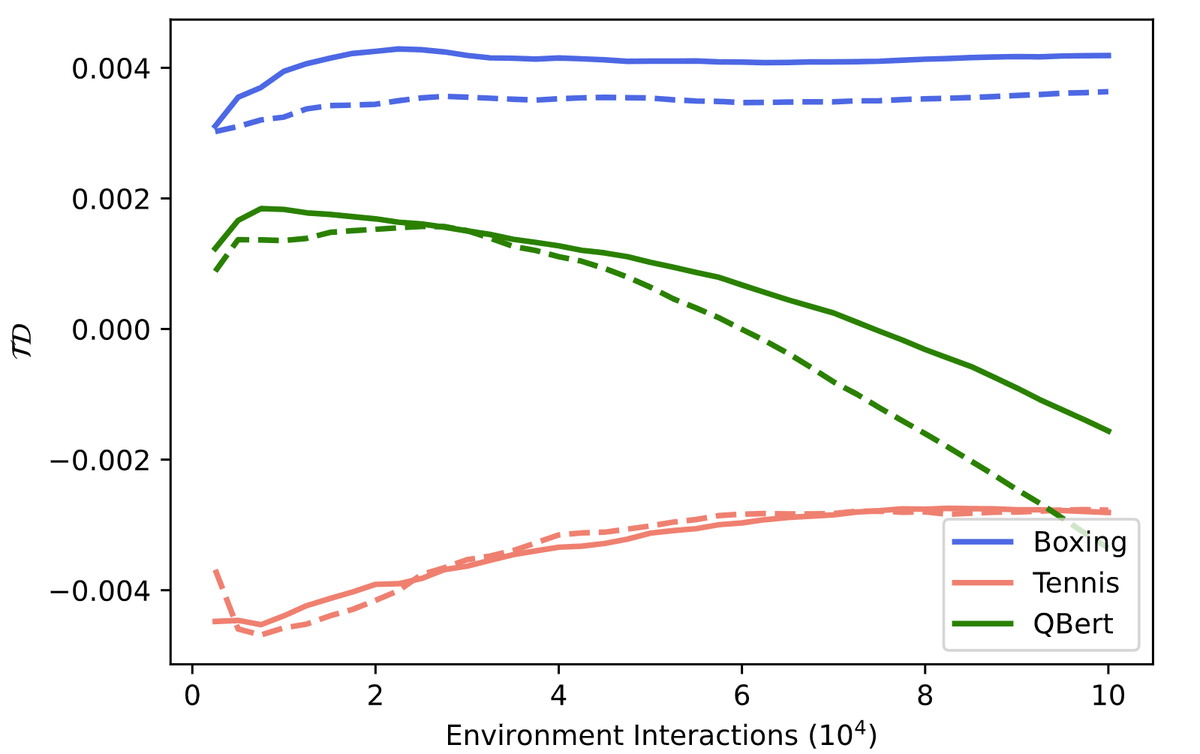
A single-author paper flips a core reinforcement learning intuition, showing that picking the worst-looking action can more than double Atari 100K scores.
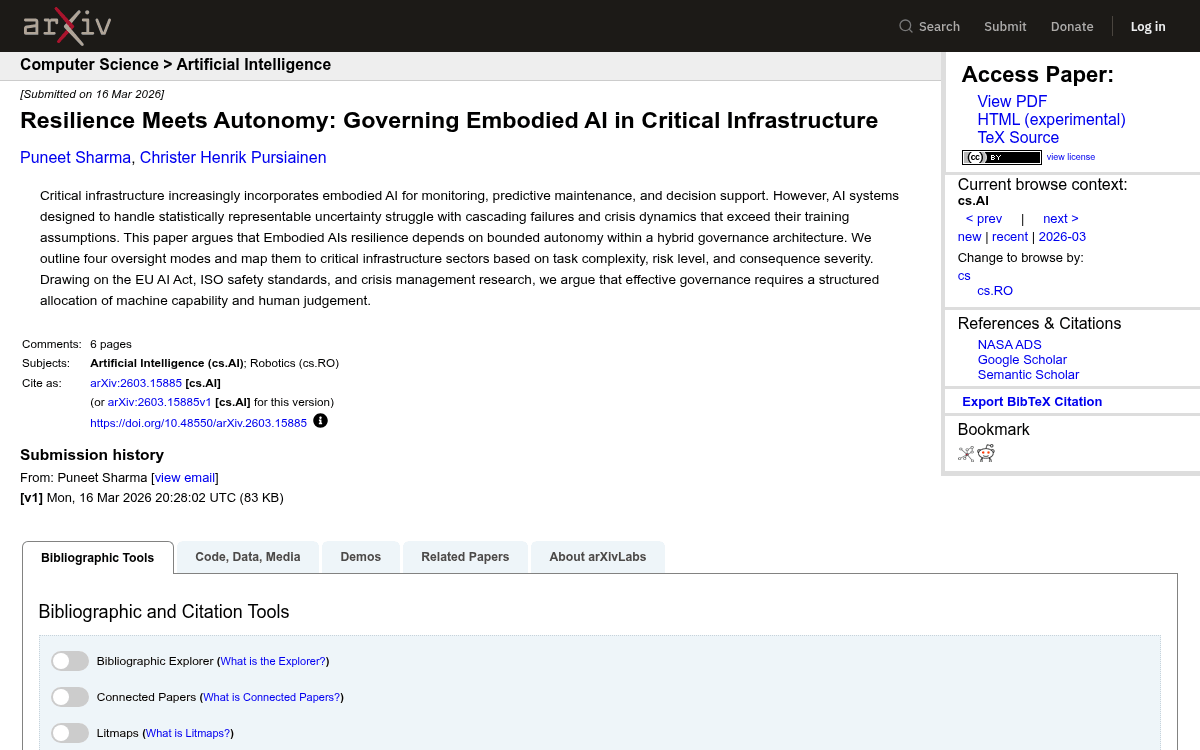
A new framework maps four human oversight modes onto embodied AI systems in critical infrastructure, tying autonomy limits to task risk and crisis dynamics.
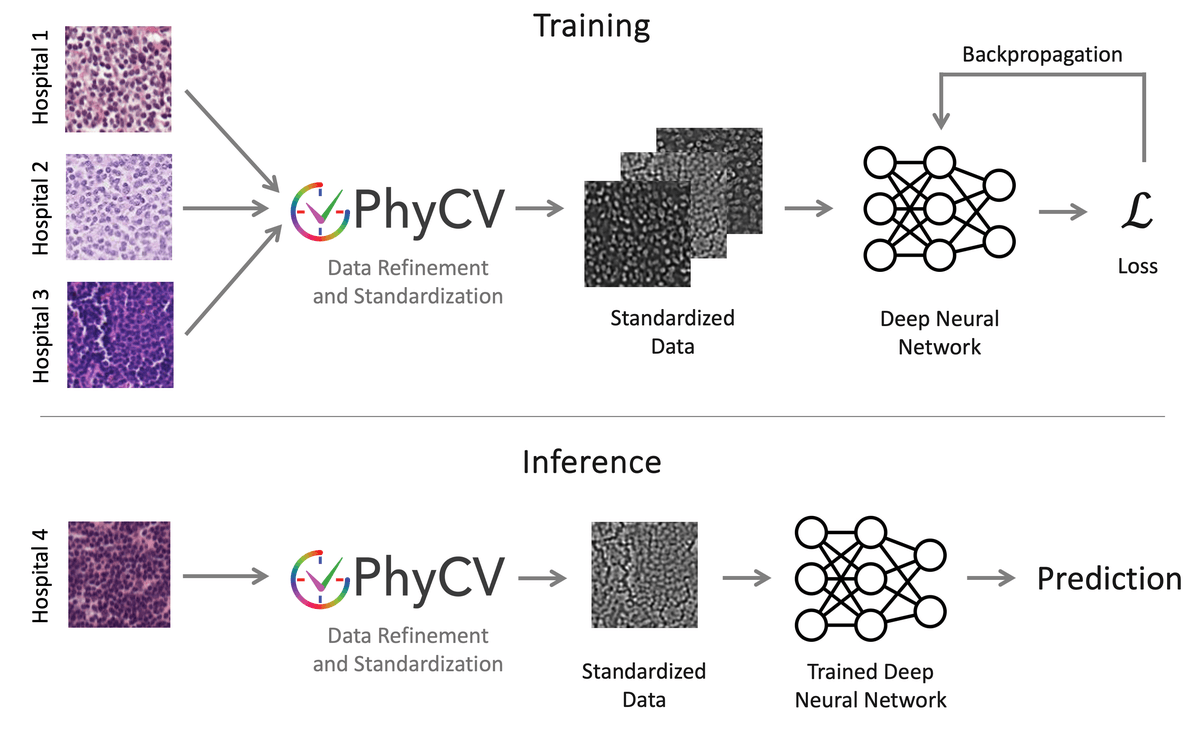
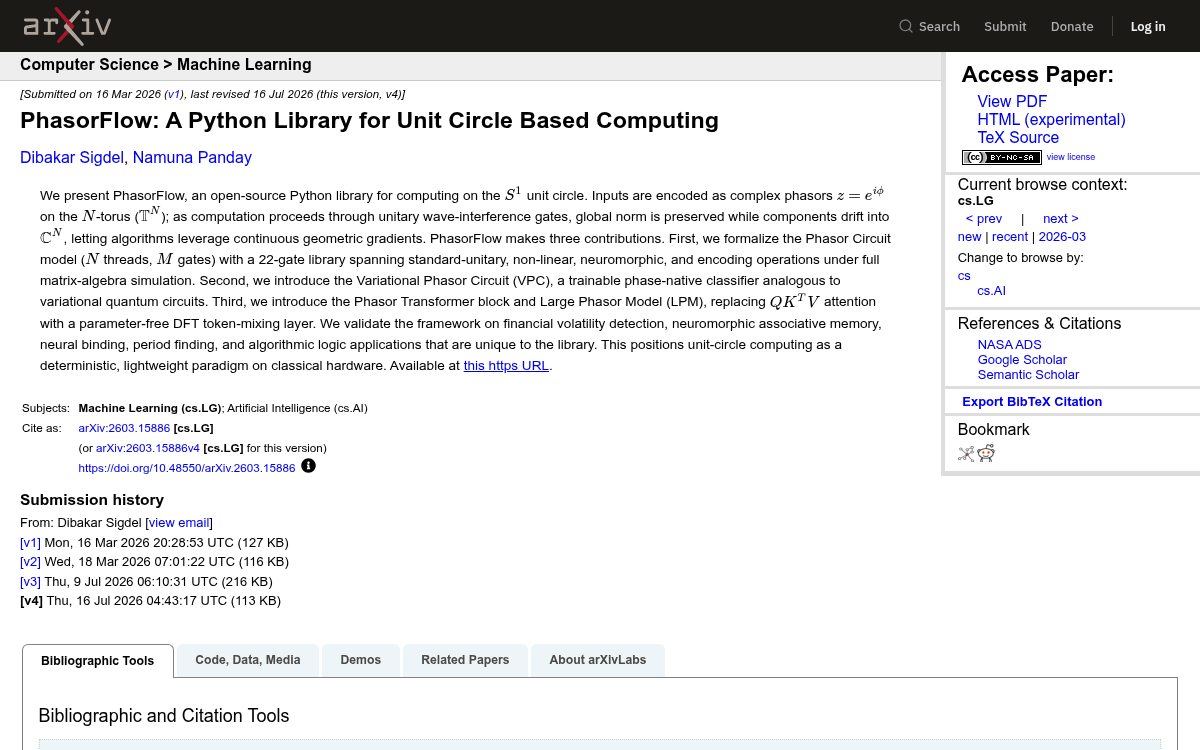
A new open-source library encodes data as complex phasors on the unit circle, borrowing unitary math from quantum computing but running on regular CPUs.
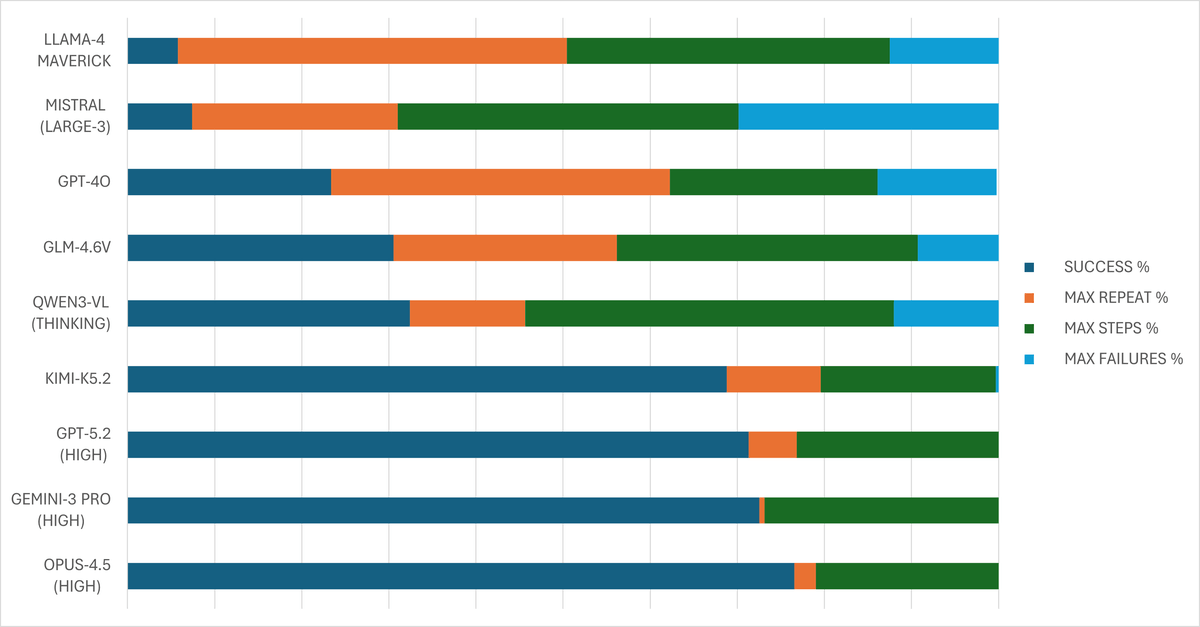
Microsoft Research releases a benchmark that strips away navigation and rich feedback to test whether vision language models can actually replan from what they see.
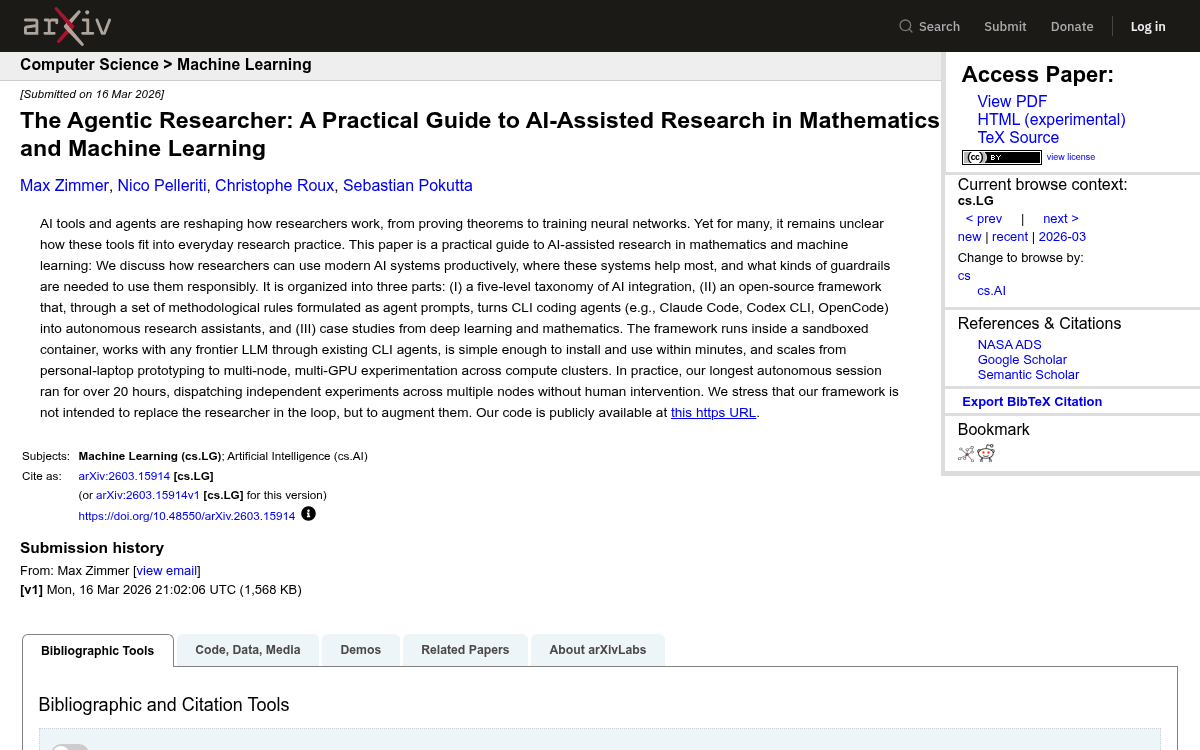
A ZIB-IOL framework turns CLI coding agents into autonomous research assistants through ten prompt-based rules, with sessions running over 20 hours unattended.
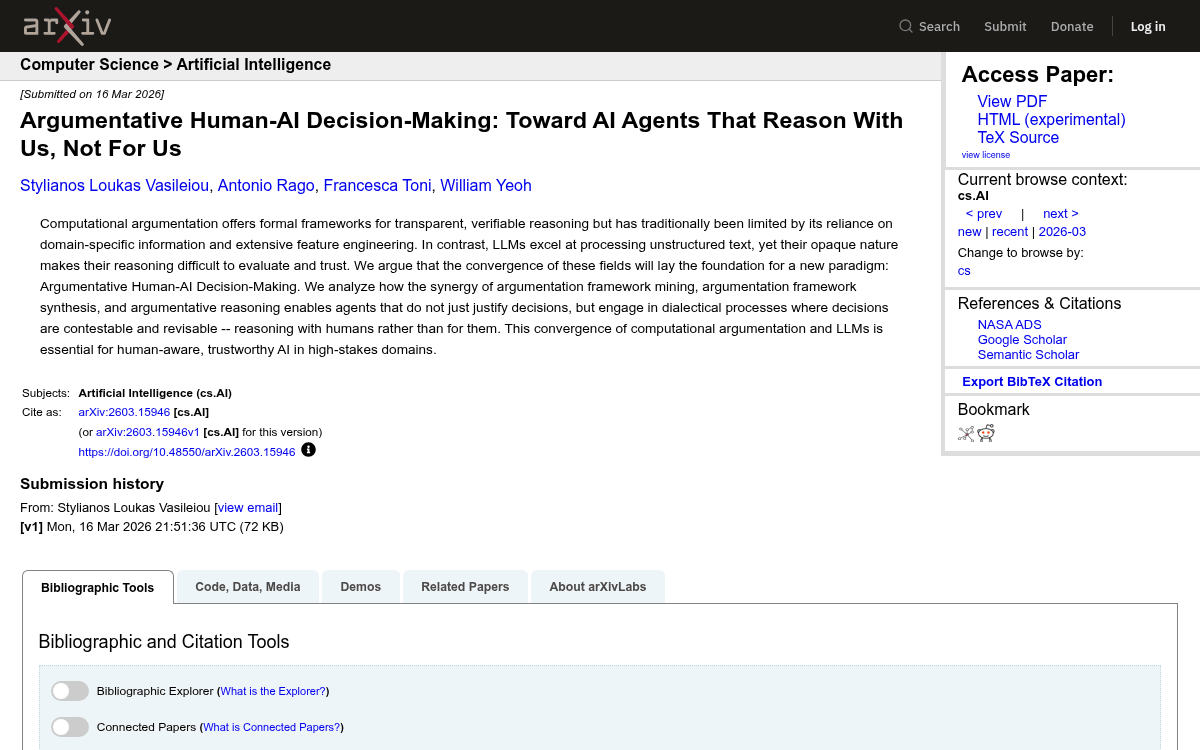
A new AAMAS position paper argues that fusing large language models with formal computational argumentation could produce AI that debates its decisions with users instead of dictating them.
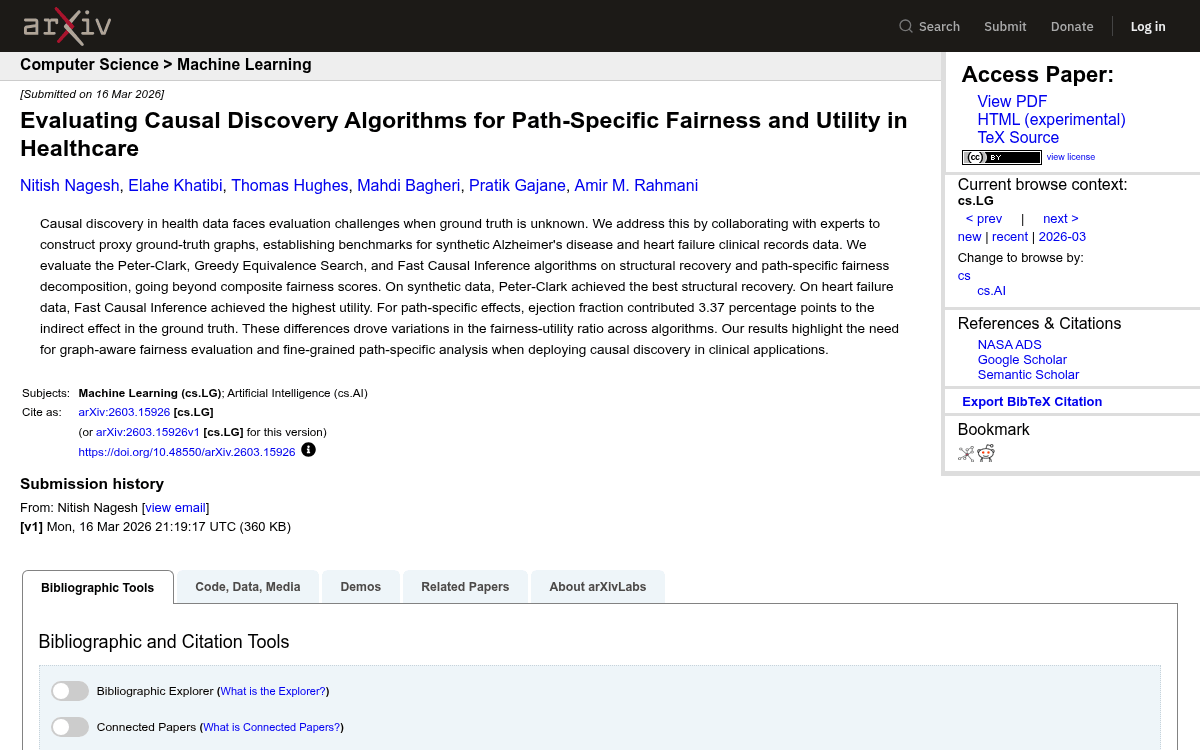
A new benchmark shows that the choice of causal discovery algorithm dramatically changes fairness conclusions in clinical models, with structural errors hiding real bias.
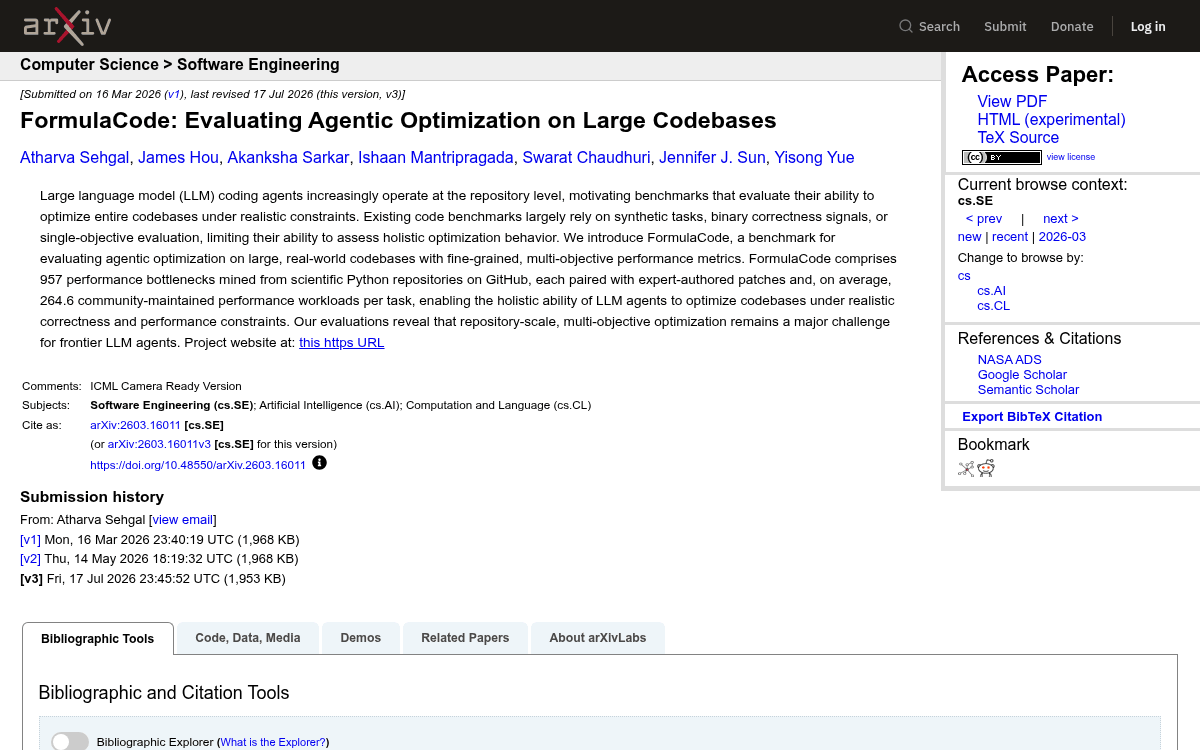
A new live benchmark pits frontier coding agents against human experts on 957 real performance bottlenecks from scientific Python repositories, and the humans still win.
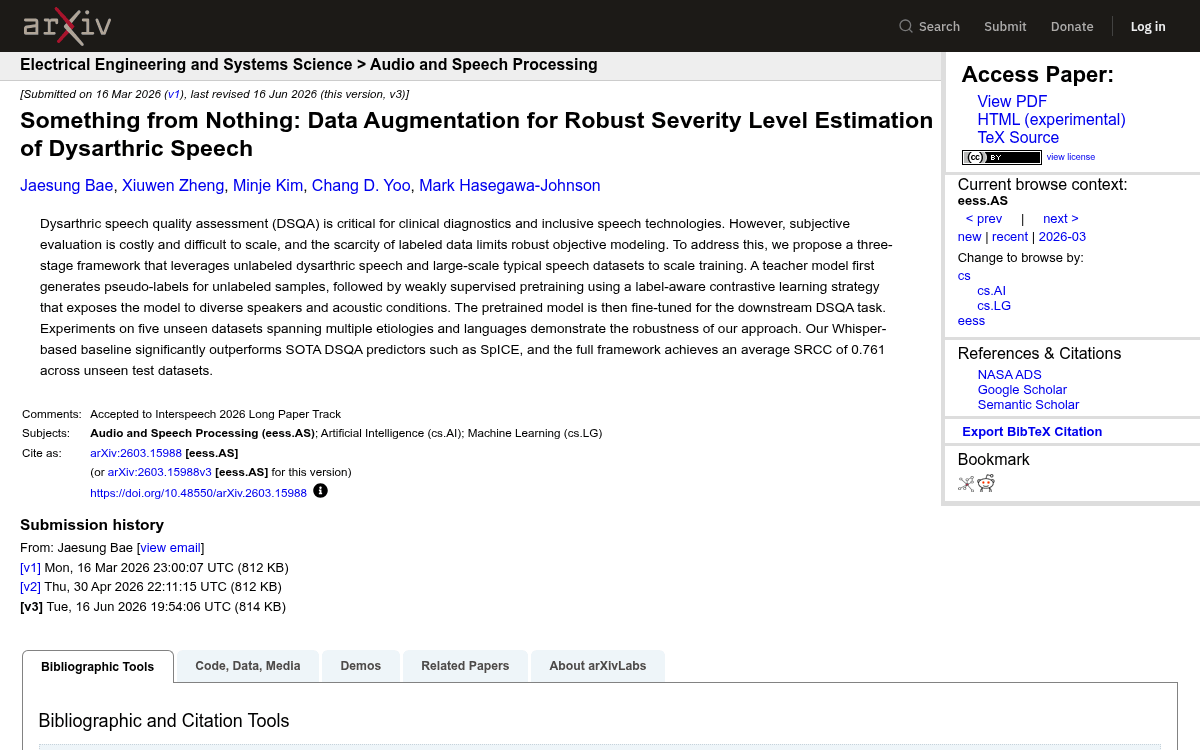
A three-stage framework pairs pseudo-labels with weakly supervised contrastive learning to score dysarthric speech across languages, hitting 0.761 SRCC on unseen data.
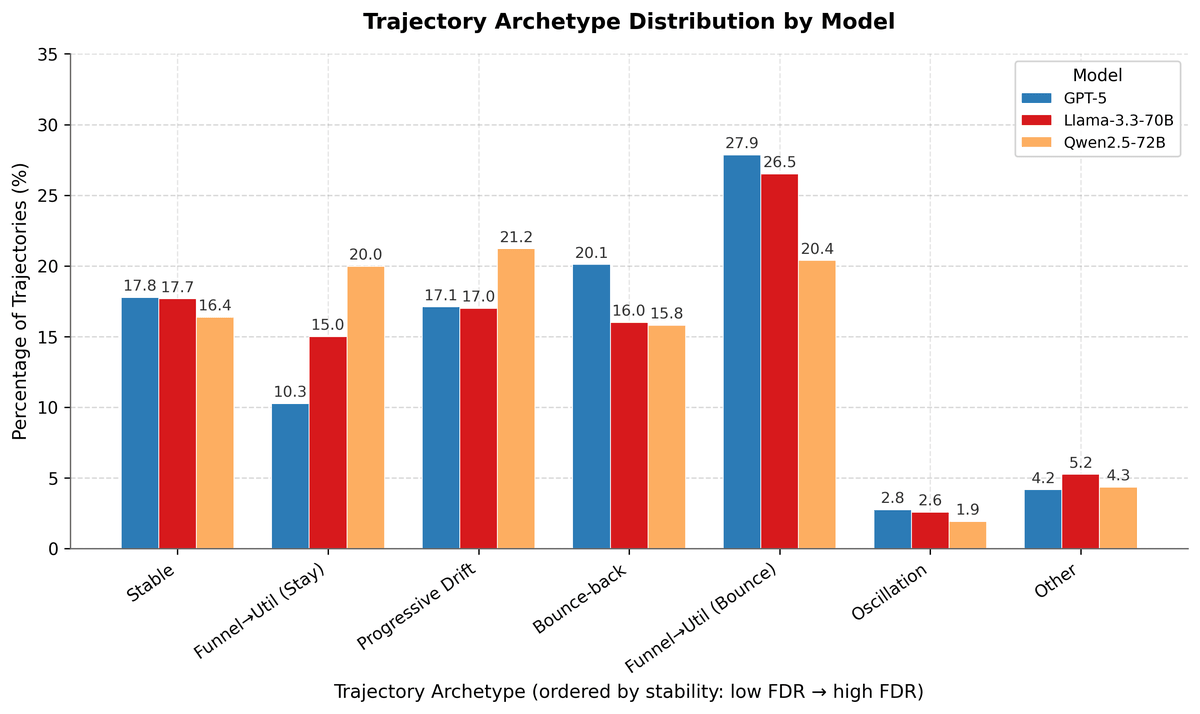
New probing study tracks how LLMs shift between ethical frameworks mid-reasoning, and shows unstable trajectories are 1.29x more vulnerable to persuasion.