
Pro
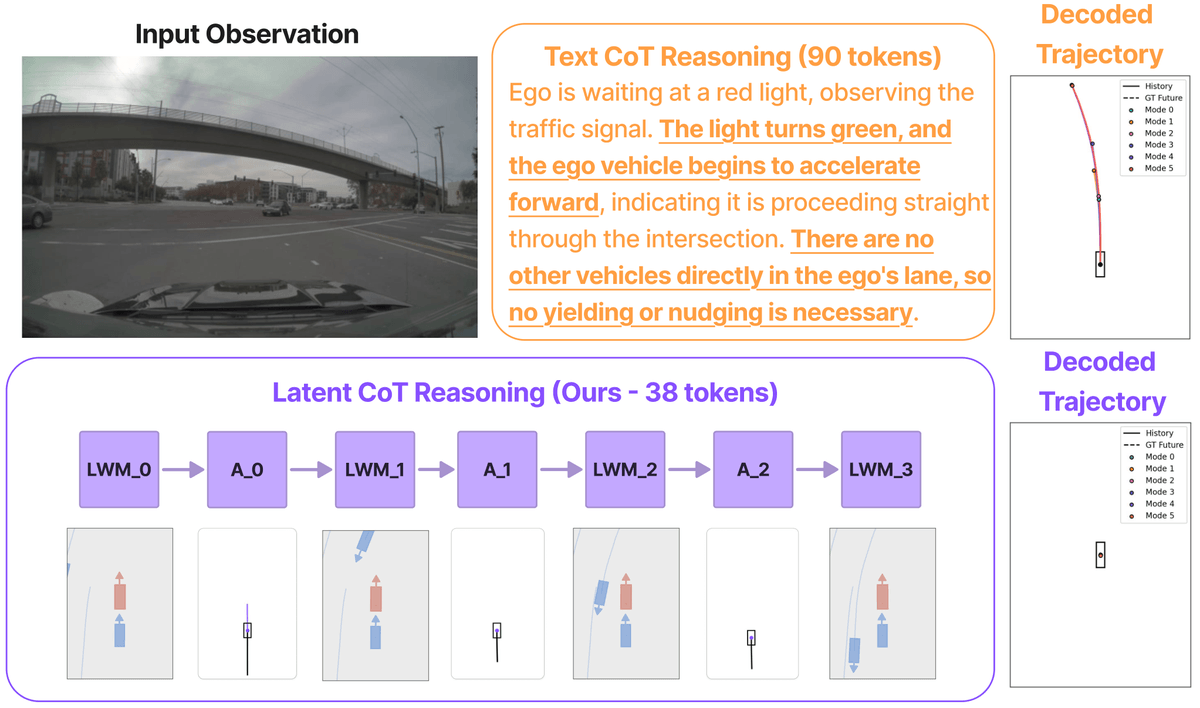
NVIDIA's LCDrive Ditches English Reasoning and Drives 1.8x Faster
NVIDIA researchers swap English chain-of-thought for vector reasoning tokens grounded in a world model, cutting driving VLA latency 1.8x and improving trajectory accuracy.
20 stories
NVIDIA researchers swap English chain-of-thought for vector reasoning tokens grounded in a world model, cutting driving VLA latency 1.8x and improving trajectory accuracy.

A new tracking framework uses Qwen3-VL to search the entire image, with a drawn rectangle nudging the model toward where the target was last seen.
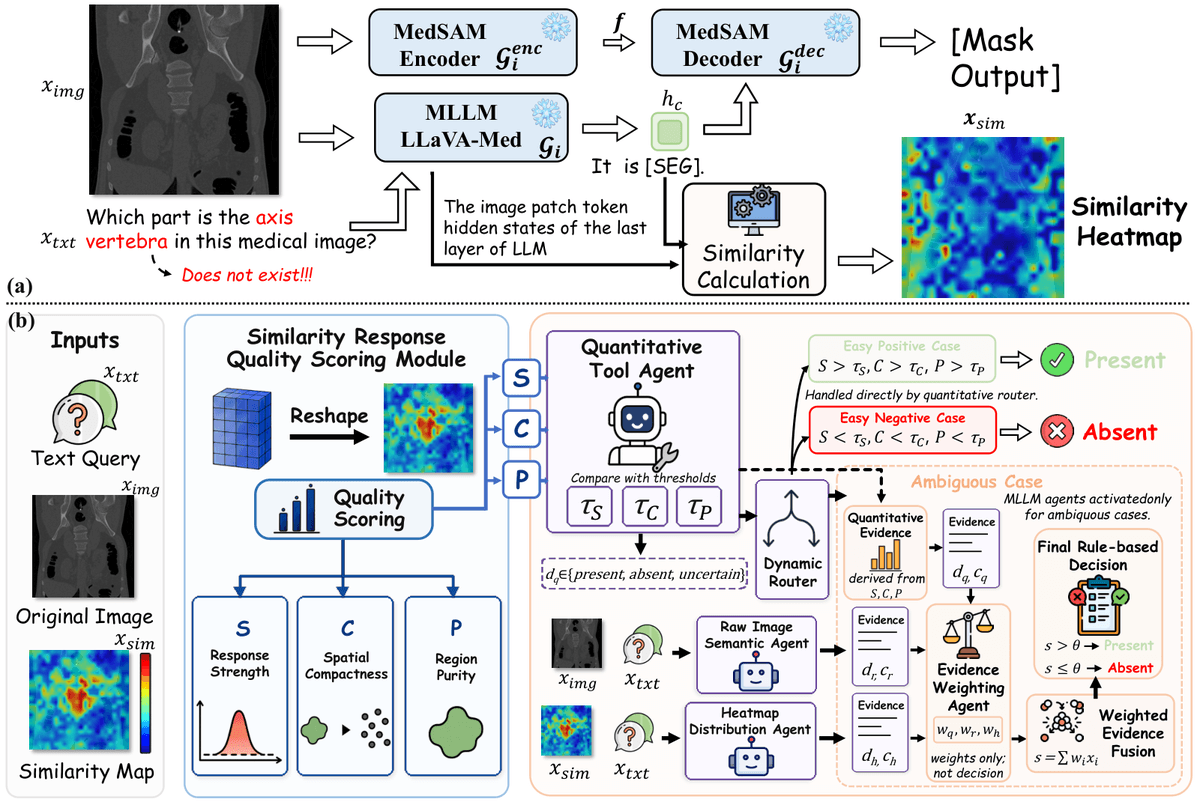
A training-free framework catches hallucinated masks in medical segmentation models by reading the geometry of similarity heatmaps between [SEG] tokens and image features.
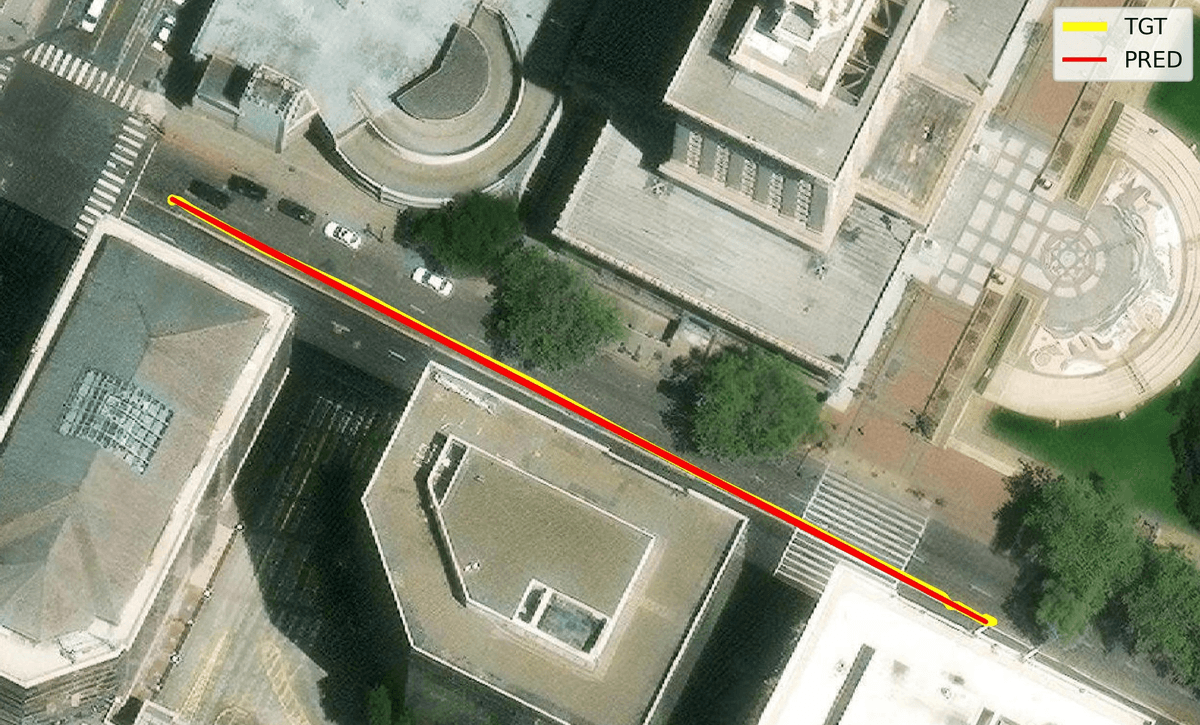
A new dual-encoder approach maps every frame of a video to precise GPS coordinates worldwide, beating GeoCLIP by 20% at the 1km mark.
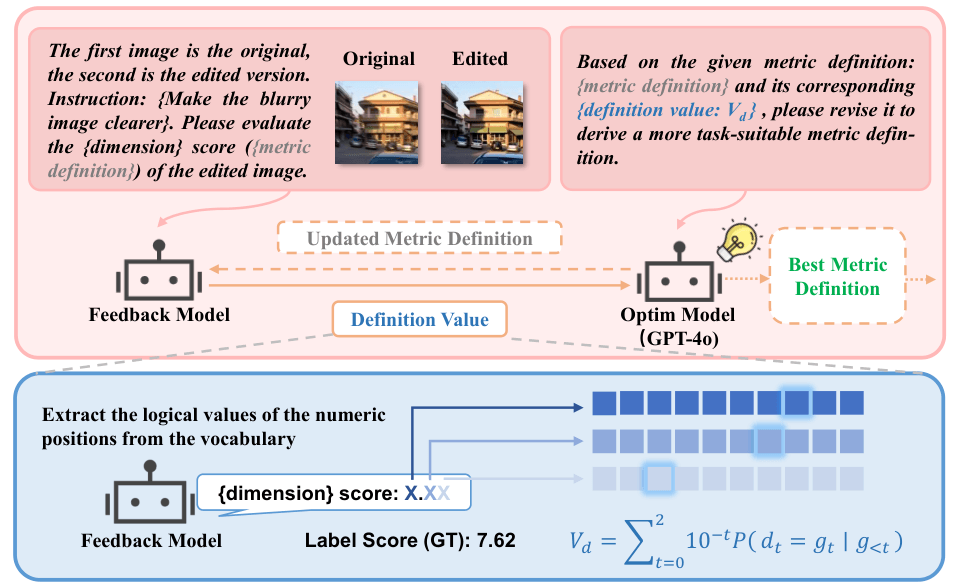
A new arXiv preprint proposes DS-IEQA, a framework that teaches multimodal models to both define and score image edits with continuous, distance aware precision.
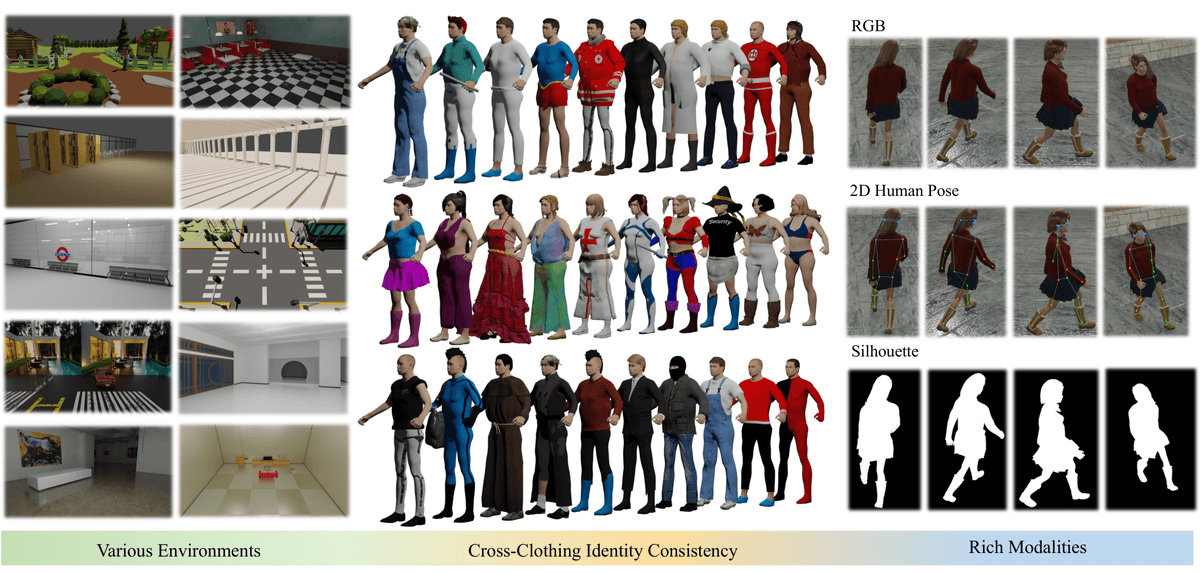
Researchers at Beijing Normal University built a synthetic gait dataset with 100 outfits per person and a normalization trick that survives cloth changes.
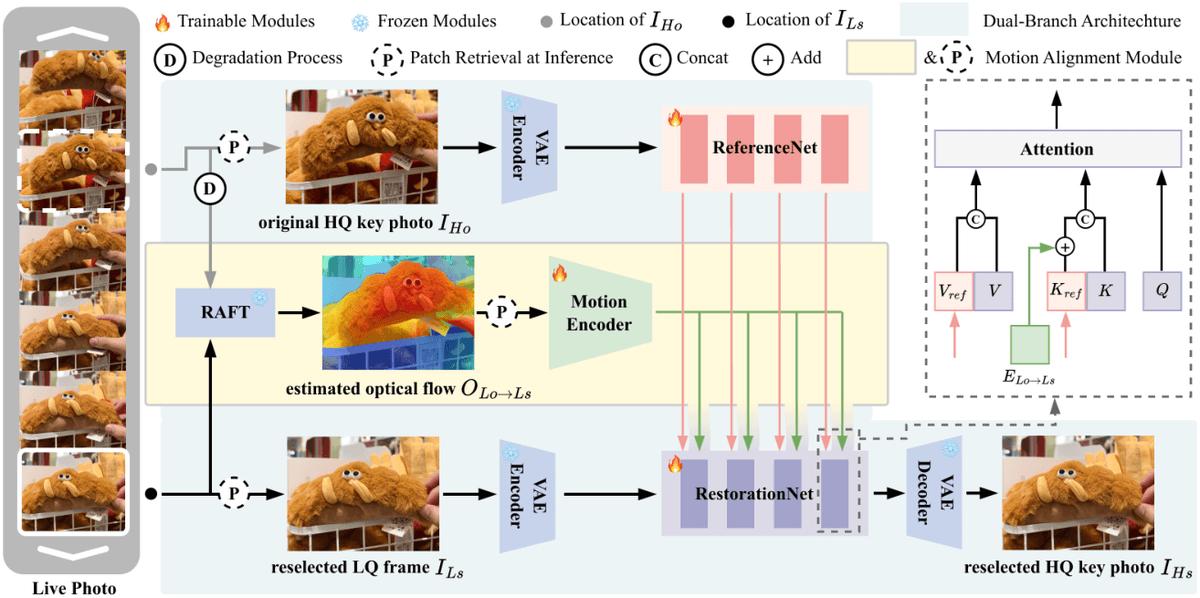
A team from vivo BlueImage Lab and Nankai University proposes a diffusion framework that rescues low-quality alternate frames picked from Live Photos.
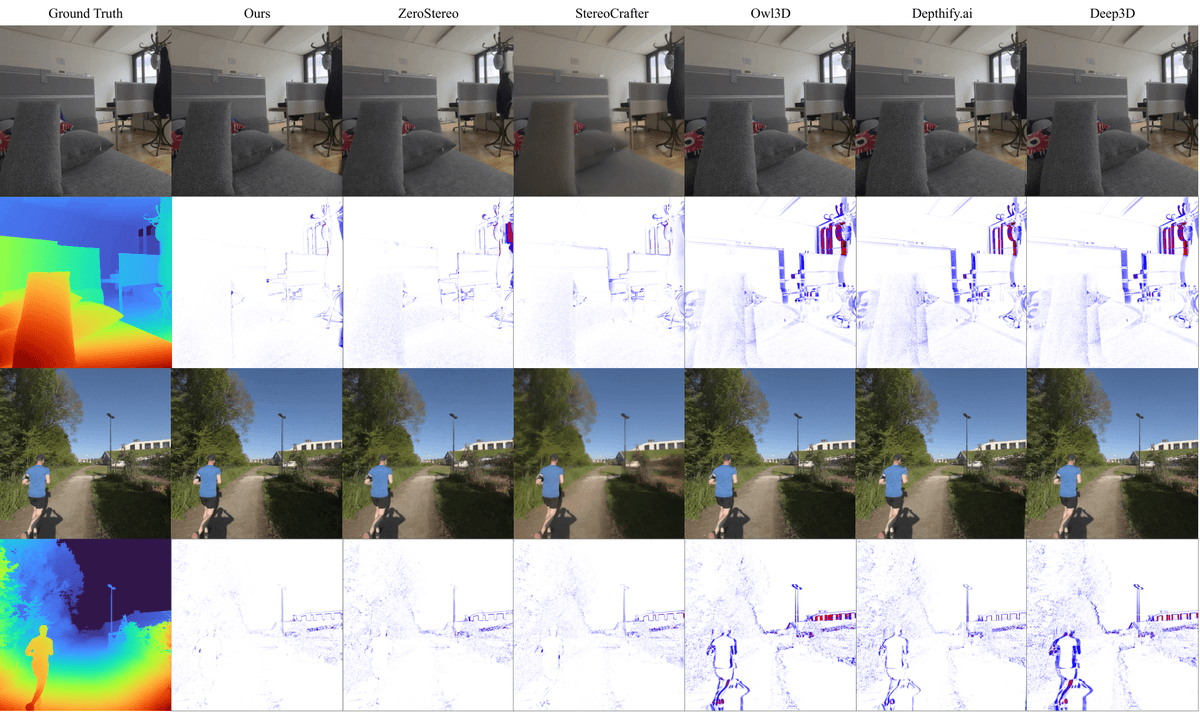
ByteDance's DreamStereo turns monocular clips into stereo 3D at 25 FPS on HD video by pruning 70% of tokens and warping smarter.
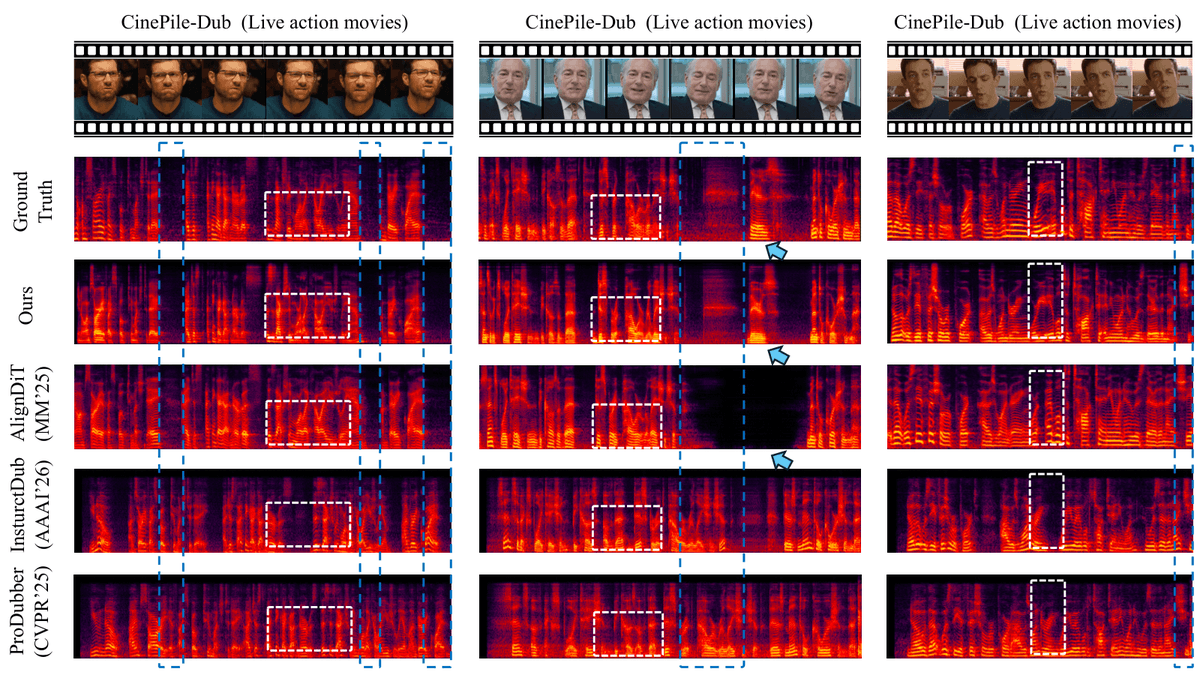
A new flow-matching dubbing model mimics how professional actors listen, watch, then speak, hitting state-of-the-art lip-sync on in-the-wild movie footage.
A LoRA-based pairwise training recipe on EVA-CLIP earns third place at NTIRE 2026 by keeping AI-image detectors reliable under heavy real-world distortions.
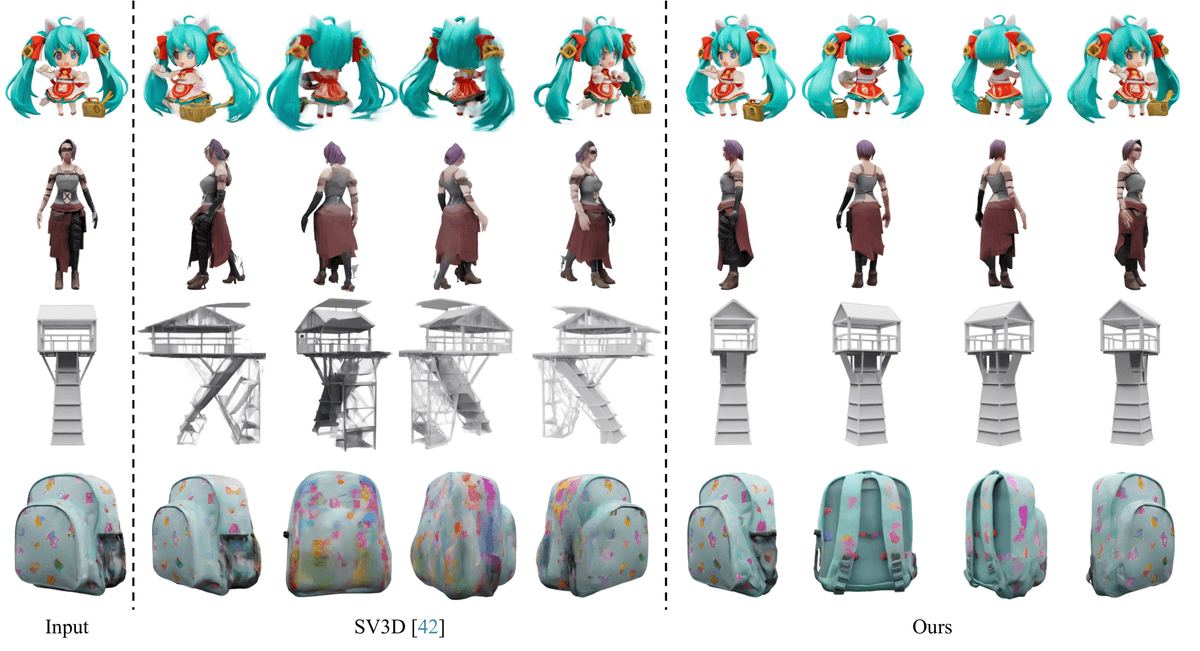
A CVPR 2026 paper shows that borrowing shape priors from a 3D foundation model fixes the broken rear views that plague single-image orbital video generators.
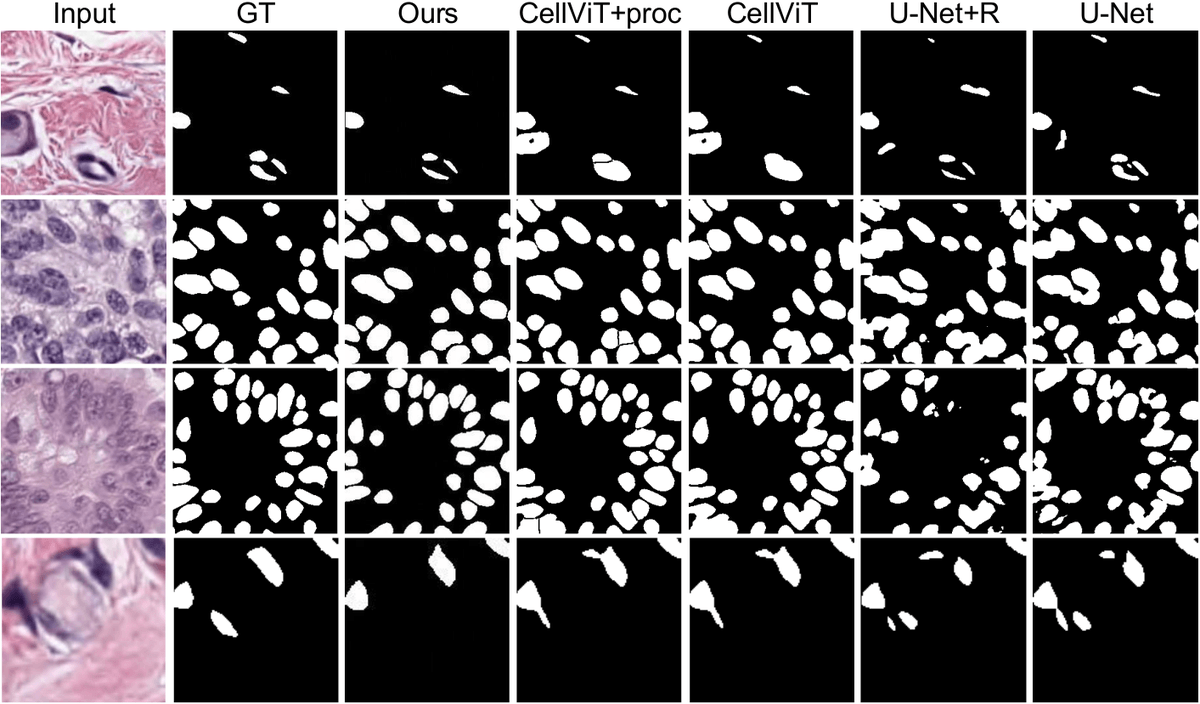
A Kyushu University team reframes cell segmentation as generative image-to-image transport, beating CellViT on PanNuke without SAM pretraining or post-processing.
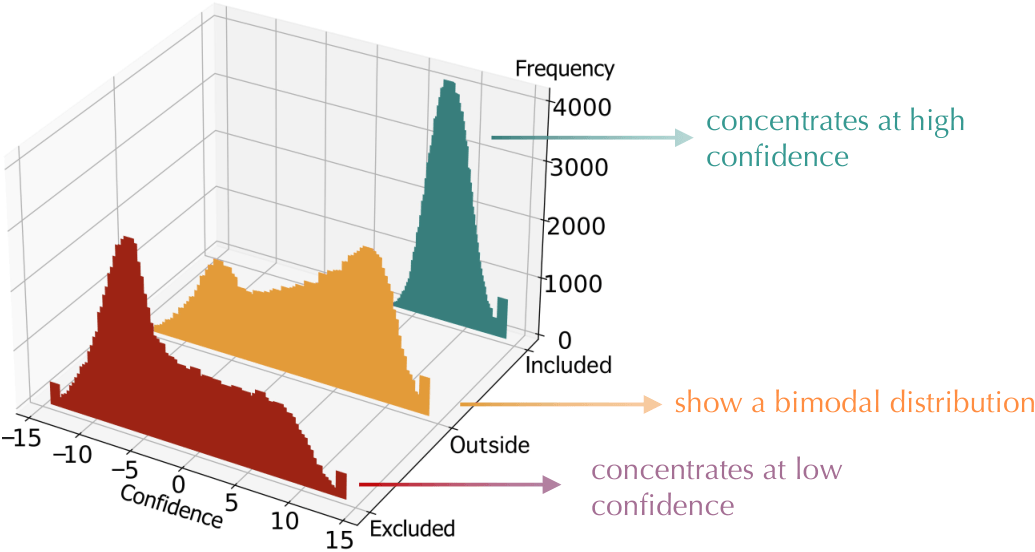
A new attack framework shows that filtering datasets before training exposes both included and excluded samples, expanding the privacy attack surface across the entire ML pipeline.
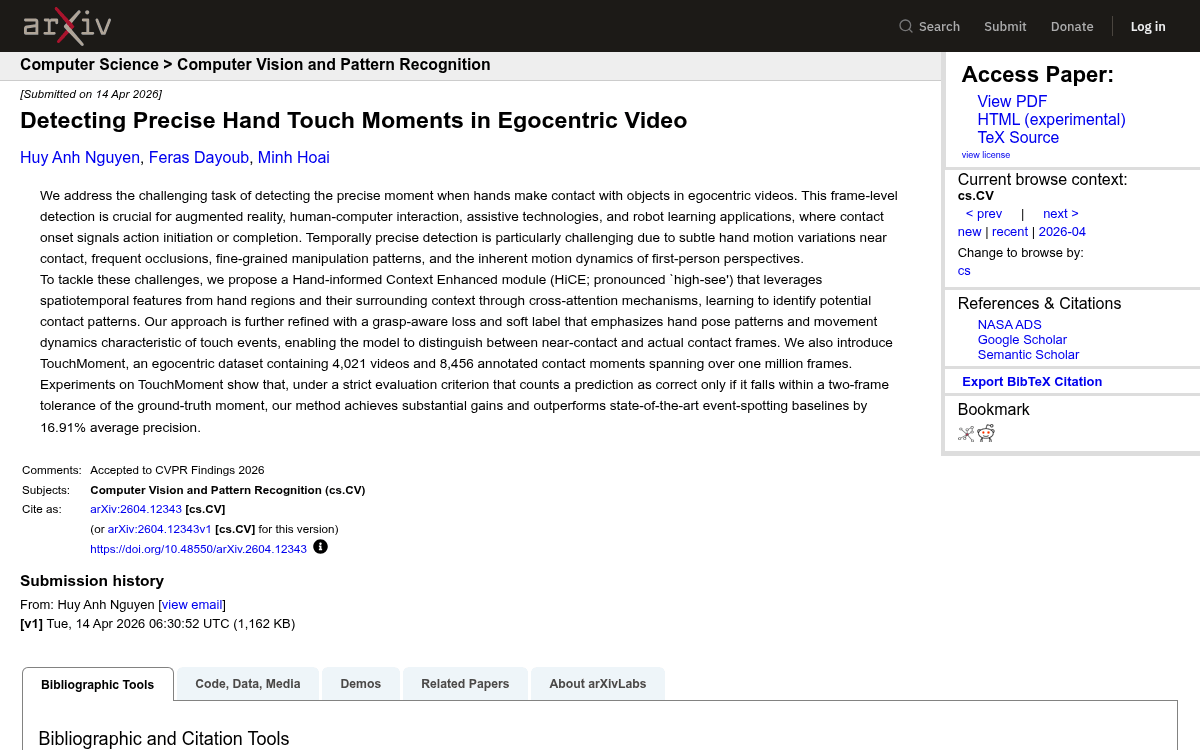
A new hand-centric attention module and a 4,021-video dataset push frame-accurate touch detection well beyond existing event-spotting baselines.
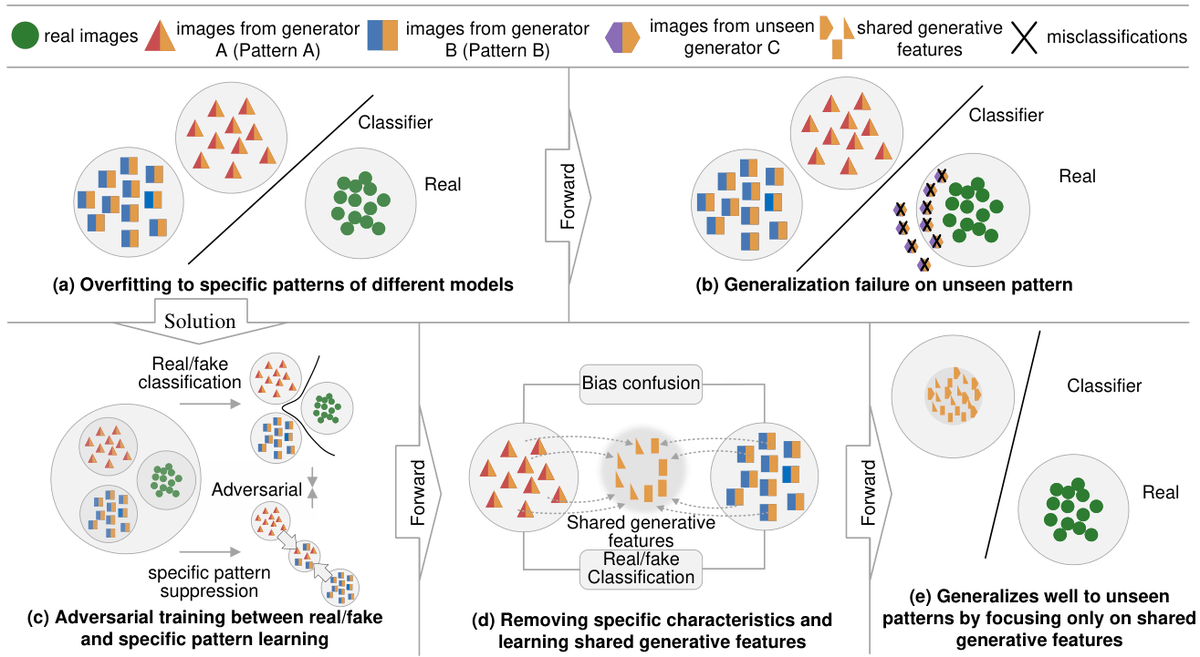
A new adversarial training setup strips content and generator-specific cues from CLIP features, boosting cross-model fake image detection by roughly 10 percent.
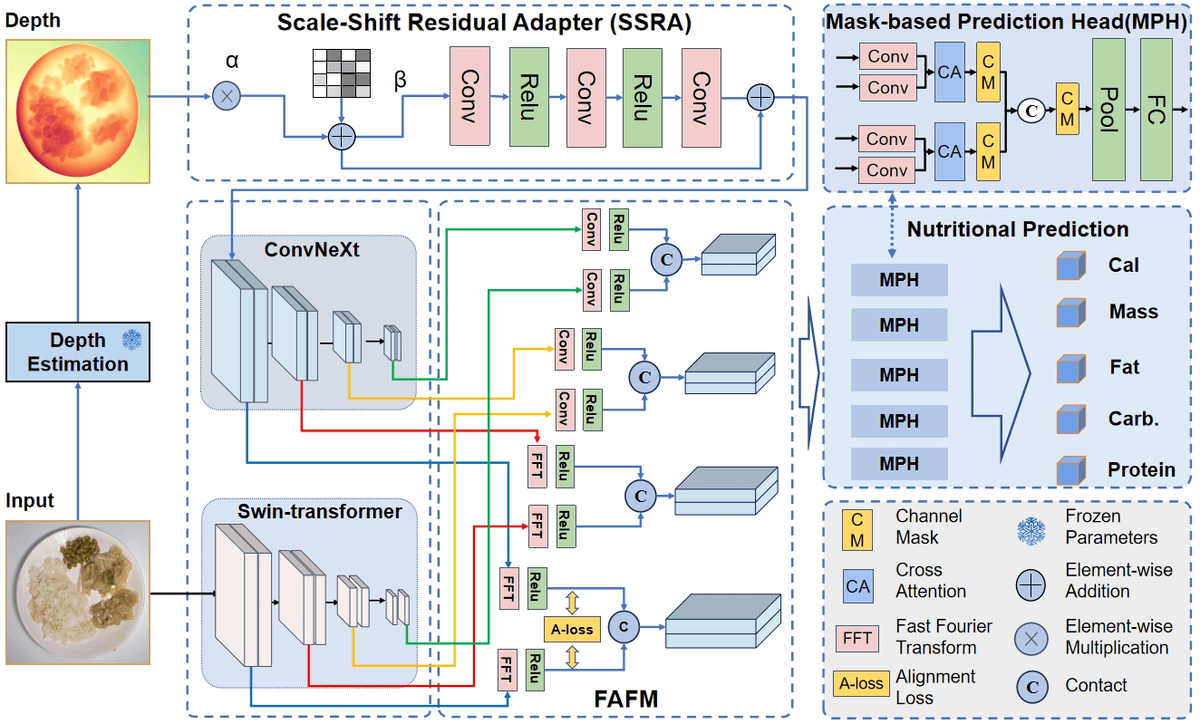
A CVPR 2026 highlight paper introduces a Chinese-cuisine nutrition dataset and a single-RGB framework that beats depth-sensor methods on the standard benchmark.
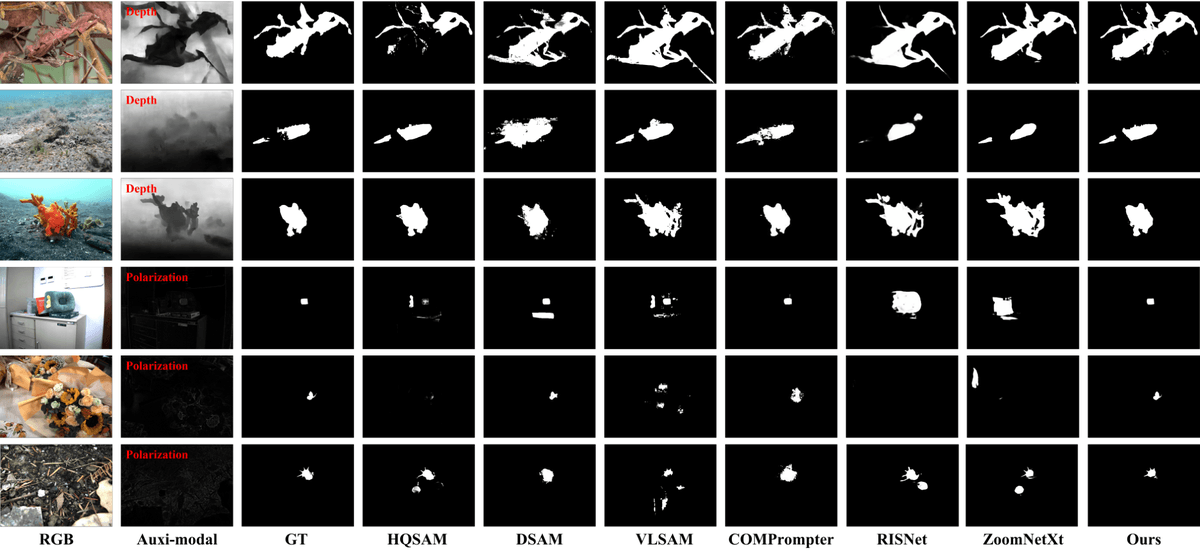
A new framework converts depth, thermal, and polarization inputs into unified SAM prompts, hitting state of the art with just 2.73M trainable parameters.
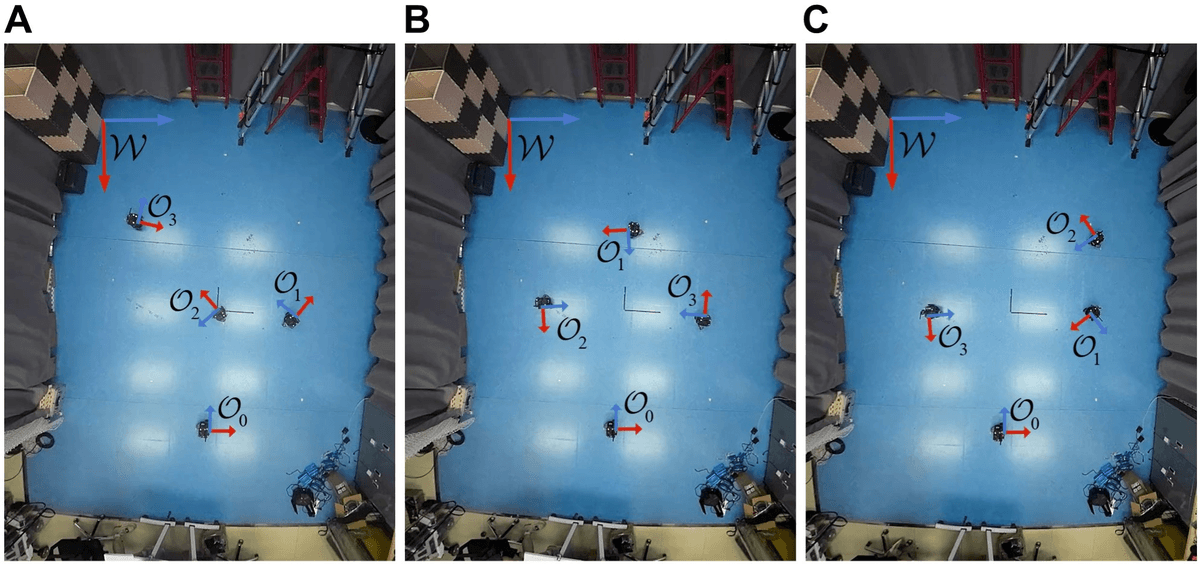
A concurrent-learning estimator lets nonholonomic robots hold formation using only UWB range and inertial odometer data, no shared compass frame required.
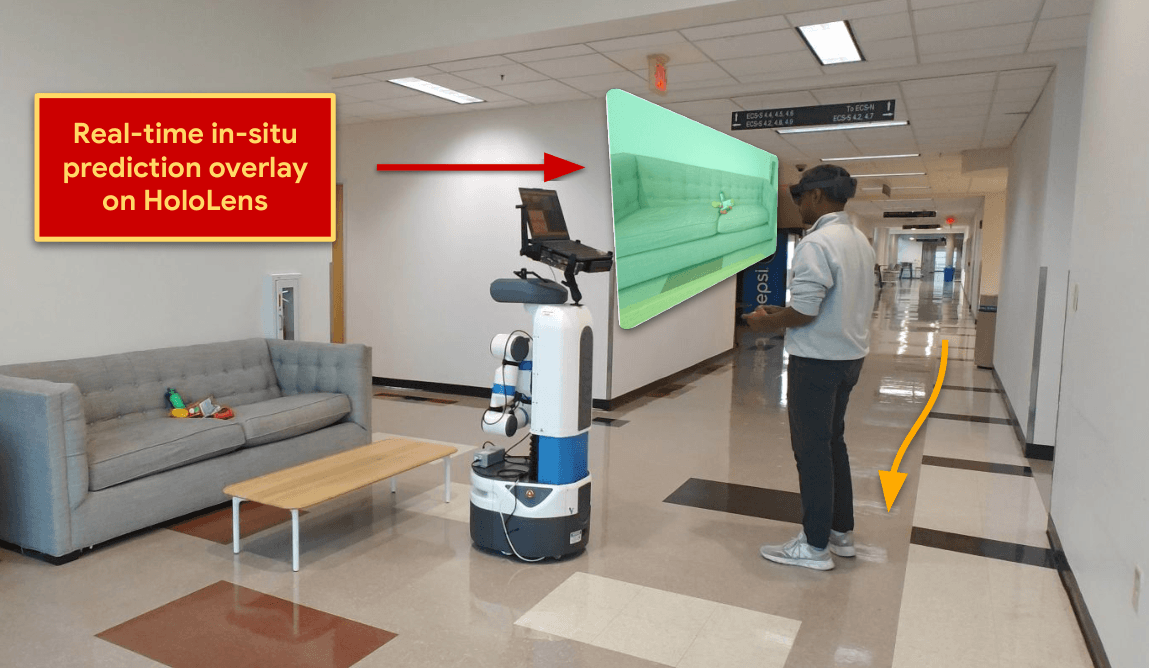
A framework lets robots learn from their own mistakes during deployment, using human gaze, voice, and short object interactions to fix perception failures on the fly.
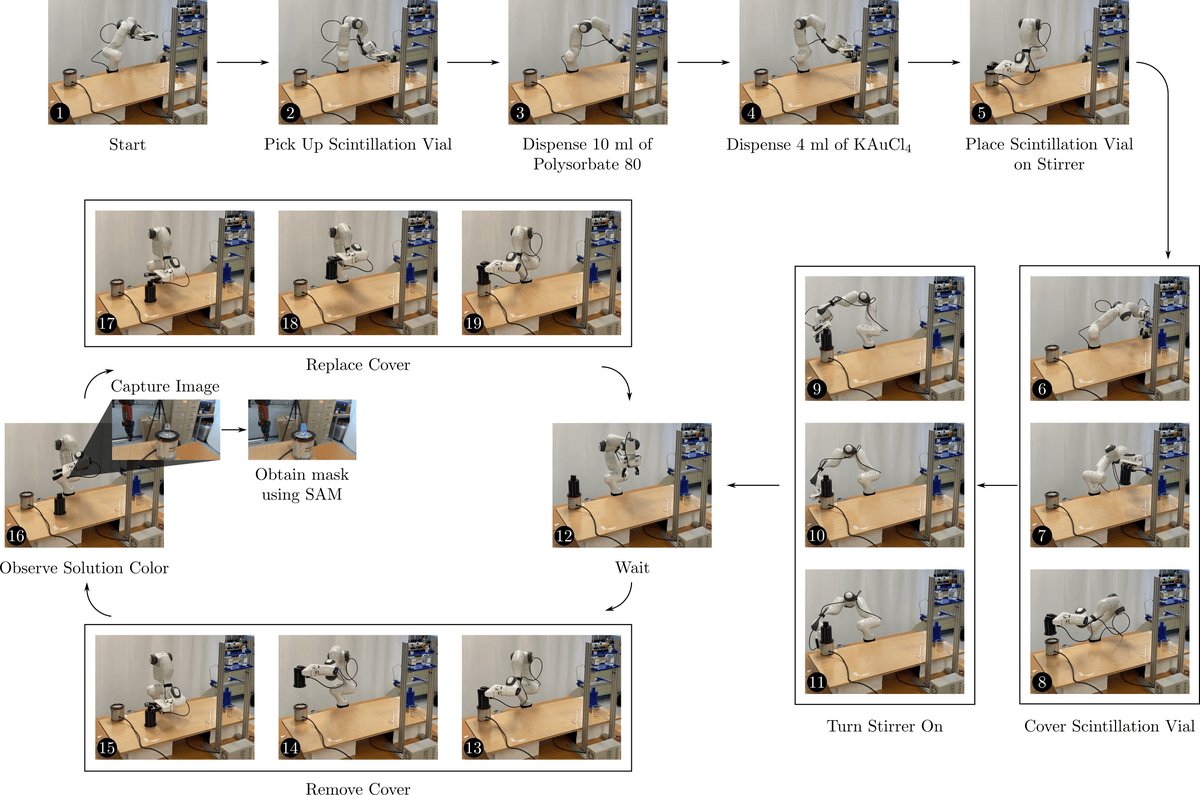
A Stony Brook team teaches a robot to synthesize gold and magnetite nanoparticles end-to-end using screw-theory motion planning and a single human demonstration per skill.