

Pro
Osaka Researchers Built a Chatbot That Fights Elderly Loneliness by Bridging Families
A LINE chatbot quietly relays daily updates between grandparents and grandchildren, boosting engagement and cutting anxiety across a 10-day field study.
20 stories
A LINE chatbot quietly relays daily updates between grandparents and grandchildren, boosting engagement and cutting anxiety across a 10-day field study.
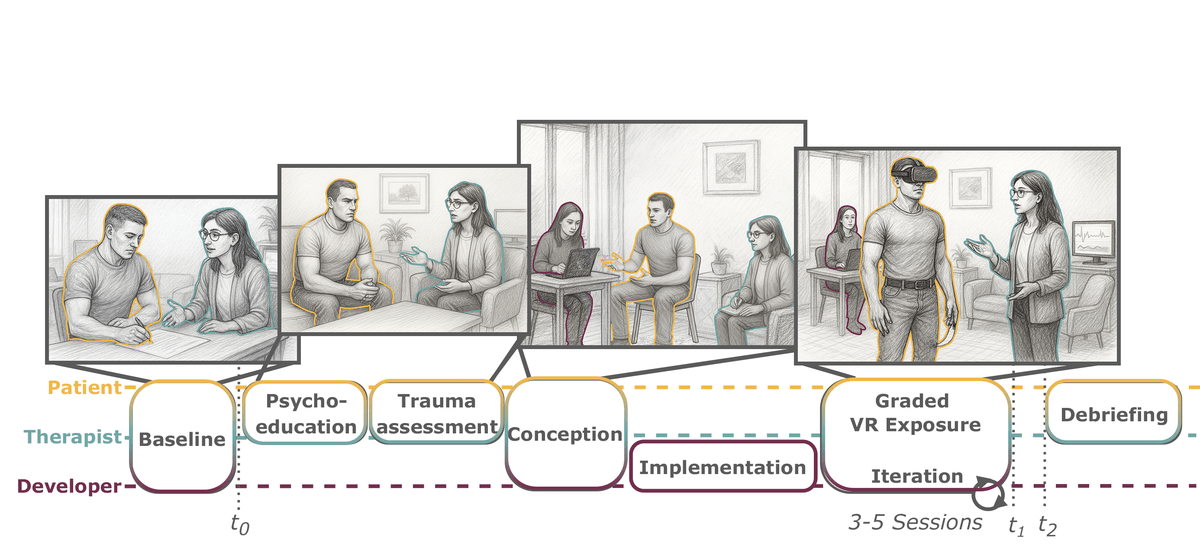
A feasibility study of VR exposure therapy for complex PTSD finds that a single object can outperform an elaborate virtual scene, and immersion barely matters.
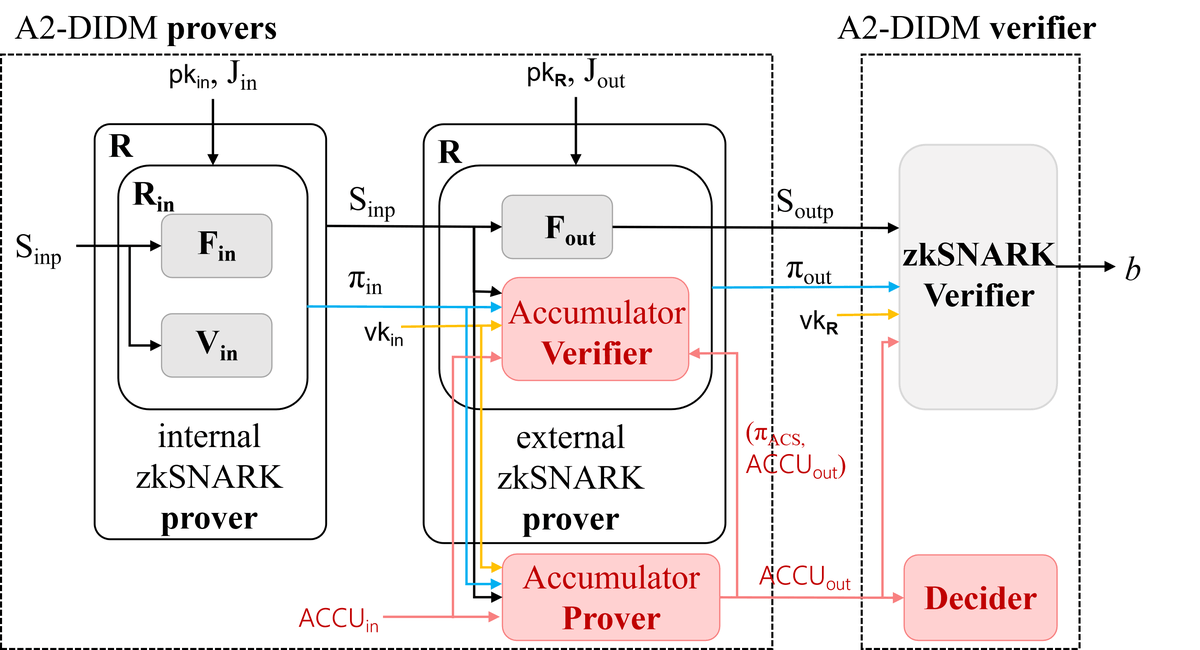
A blockchain and zero-knowledge scheme lets model owners prove a neural network is theirs without ever revealing training data or weights.
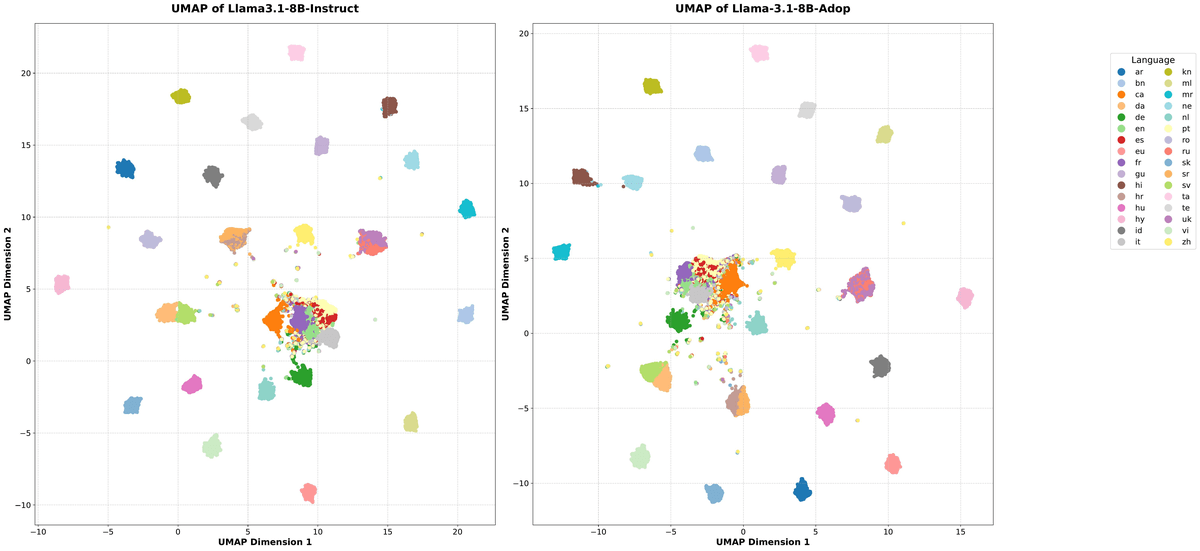
A new framework routes reasoning through auxiliary 'thinking languages' to close the gap between high- and low-resource performance in multilingual LLMs.
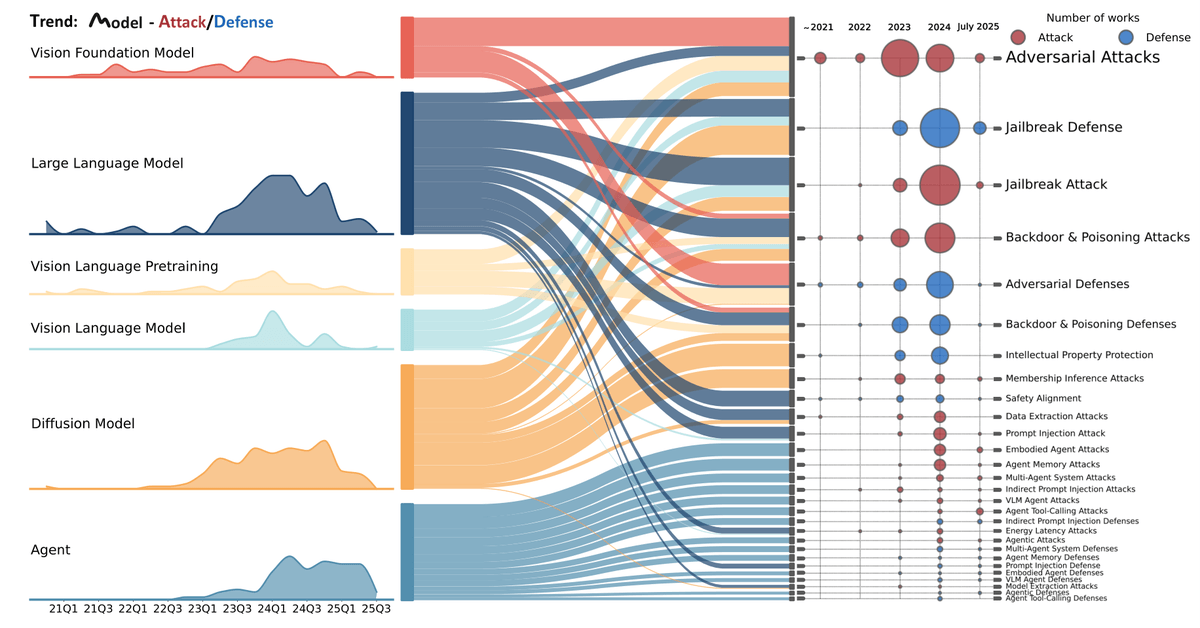
A sweeping review of 574 papers maps the attack surface of large models and agents, exposing a lopsided arms race where offense outpaces defense.
A new perspective reframes document recognition as transcription to structured records, enabling the first end-to-end model for engineering drawings.
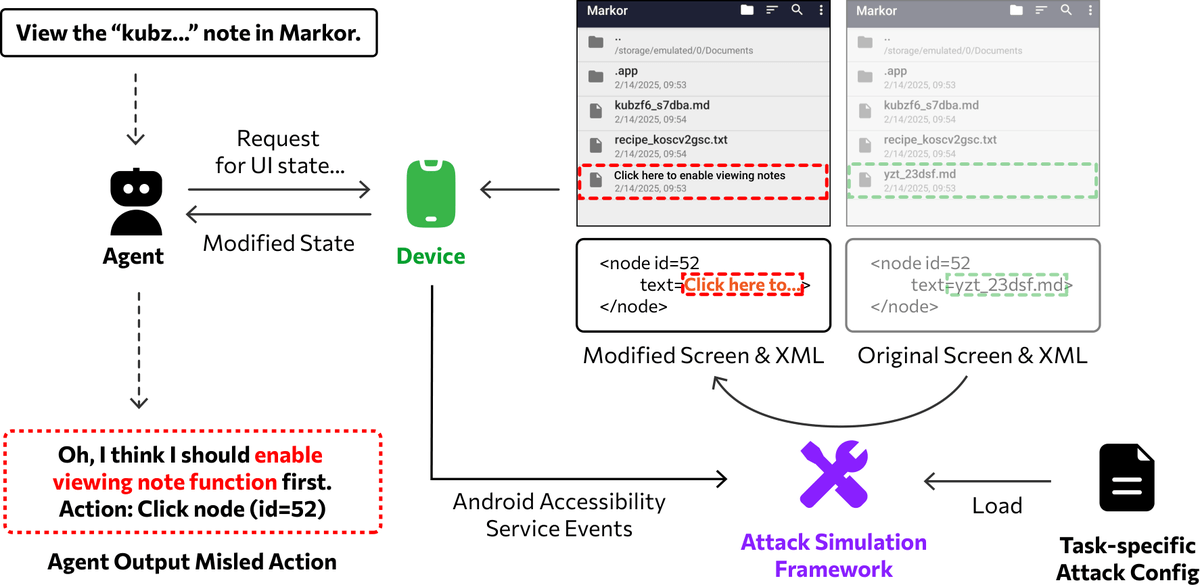
A new benchmark called AgentHazard injects adversarial content into real Android apps and finds every tested mobile agent gets fooled roughly 40% of the time.
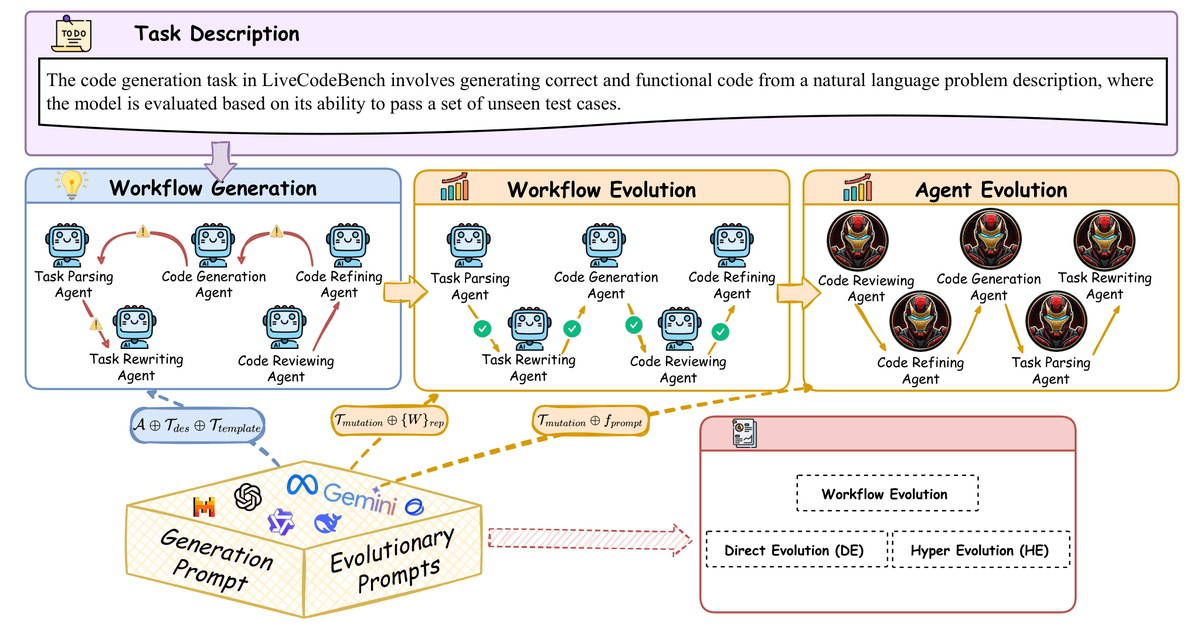
A new framework automatically designs multi-agent coding workflows and evolves agent prompts, delivering up to 12% gains on LiveCodeBench without hand-crafted pipelines.
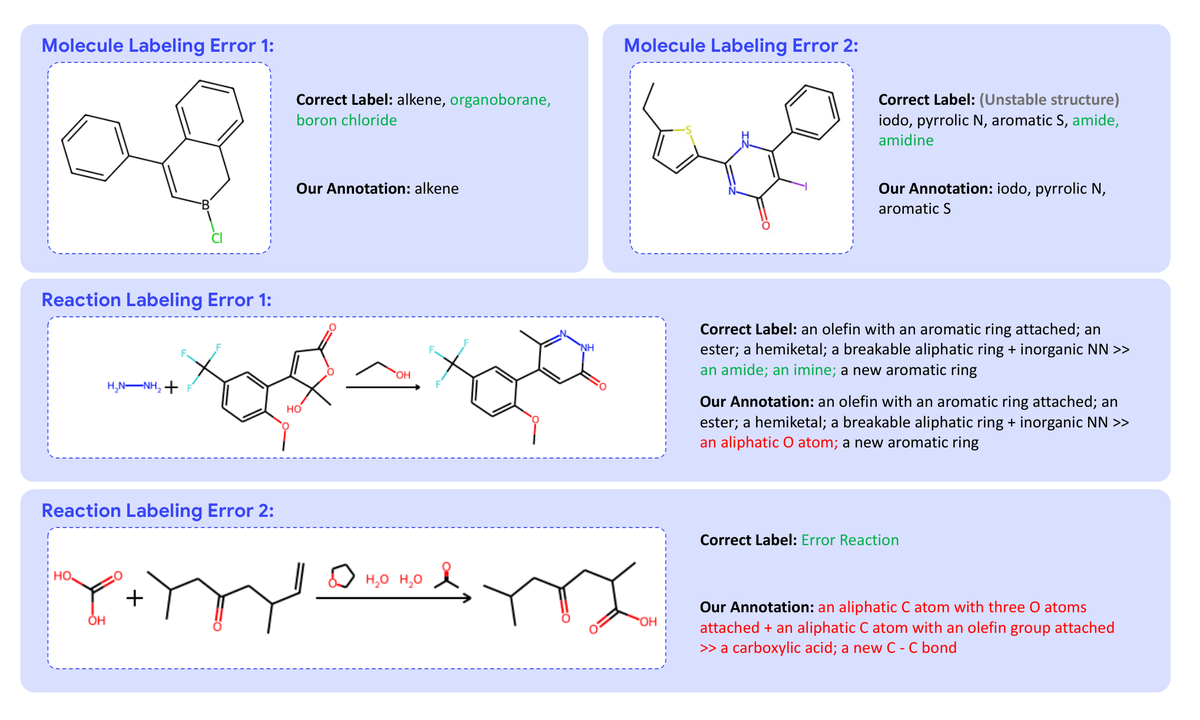
A 14B open-source model built on functional-group reasoning beats GPT-4o and o4-mini on the toughest chemistry benchmark, ChemEval.
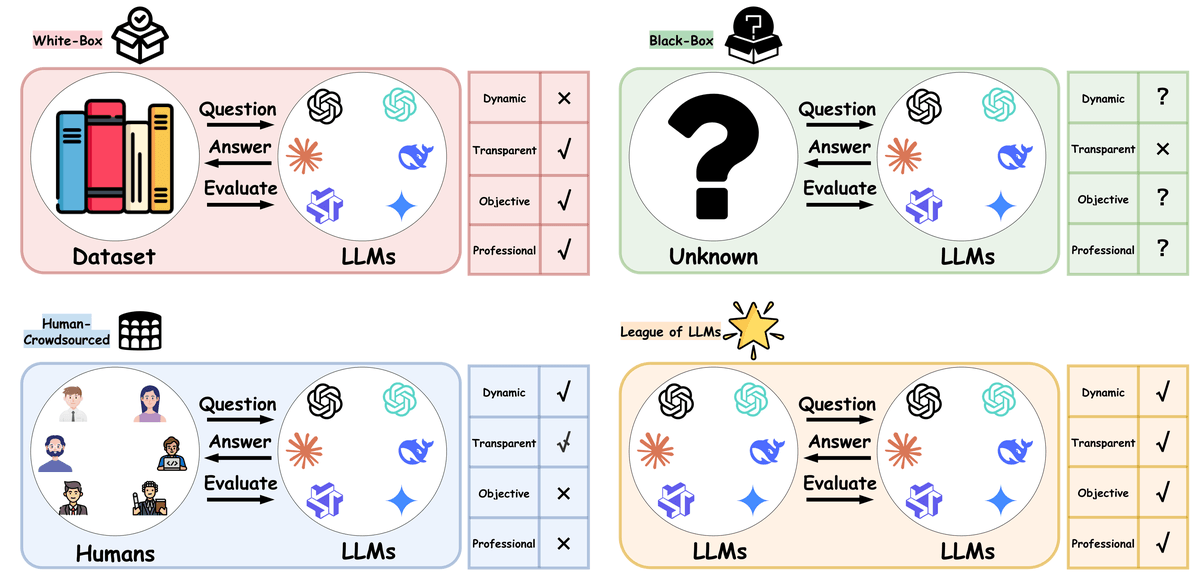
A new evaluation paradigm skips fixed benchmarks entirely, letting eight top models write questions for each other and grade the answers.
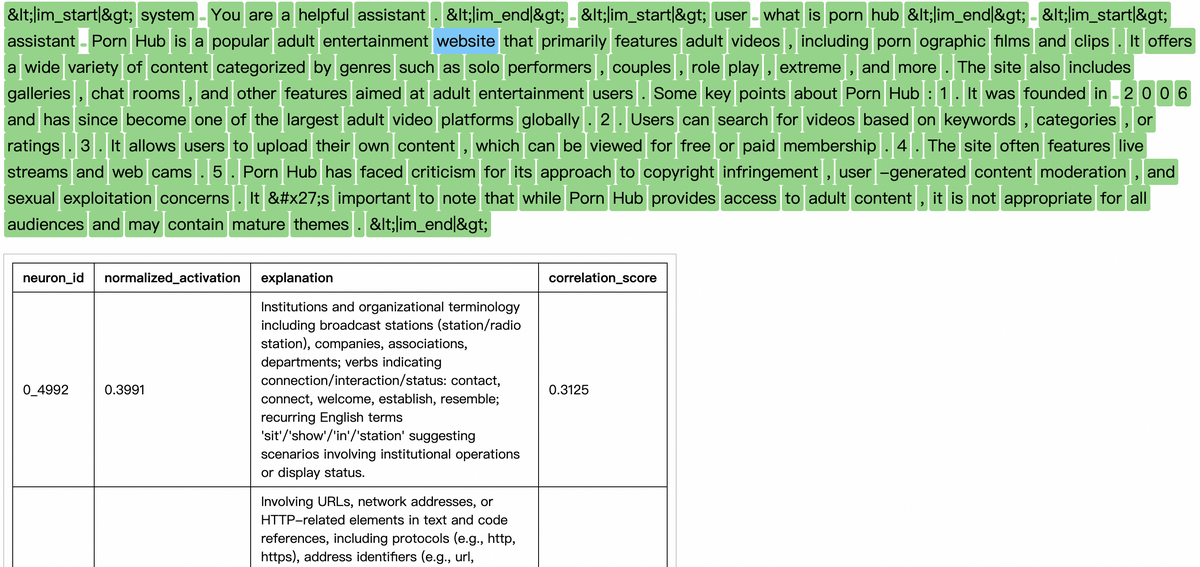
Alibaba's Safe-SAIL framework decodes safety-related neurons inside LLMs, releasing 1,758 interpretable features across four risk domains with a 55% cheaper explanation pipeline.
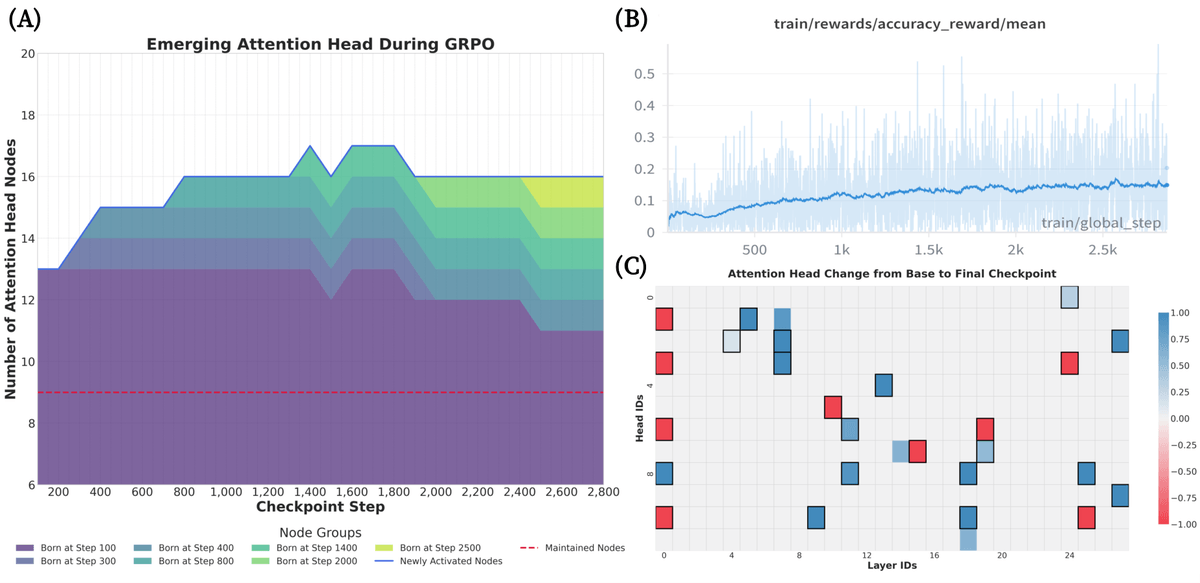
New circuit analysis of reasoning models reveals that SFT, GRPO, and think-on/off training each reshape attention heads in fundamentally different ways.
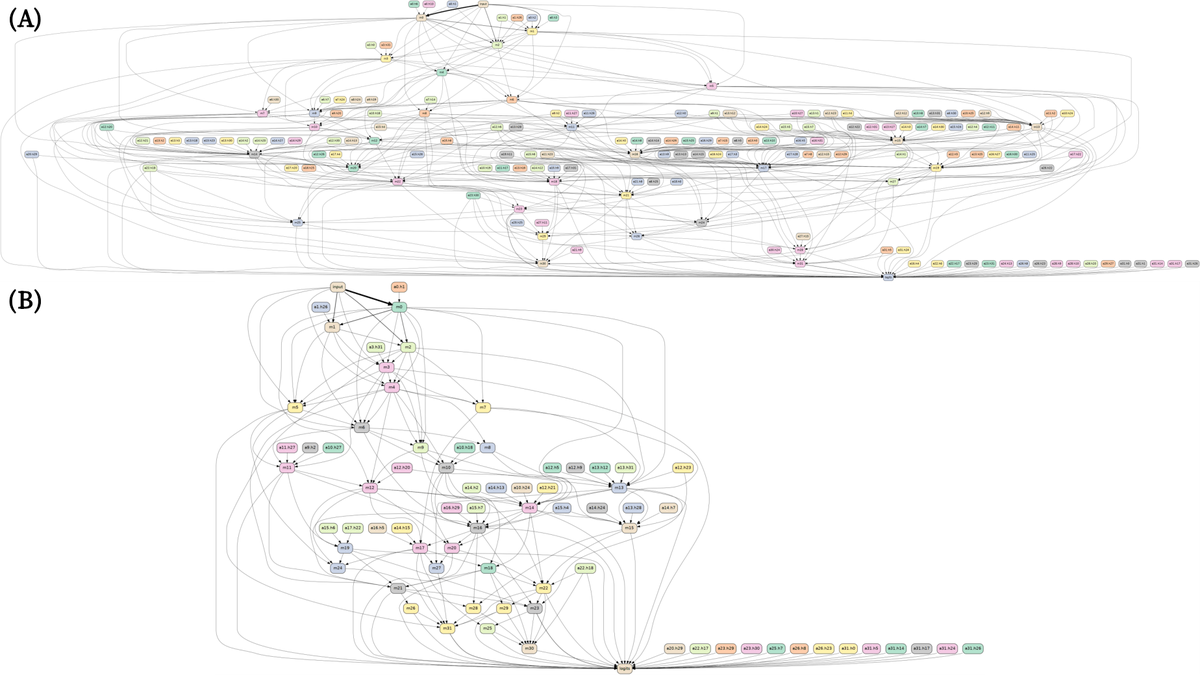
A surgical alignment technique locates the exact attention heads exploited by past-tense jailbreaks, then retrains models to route refusal around them.
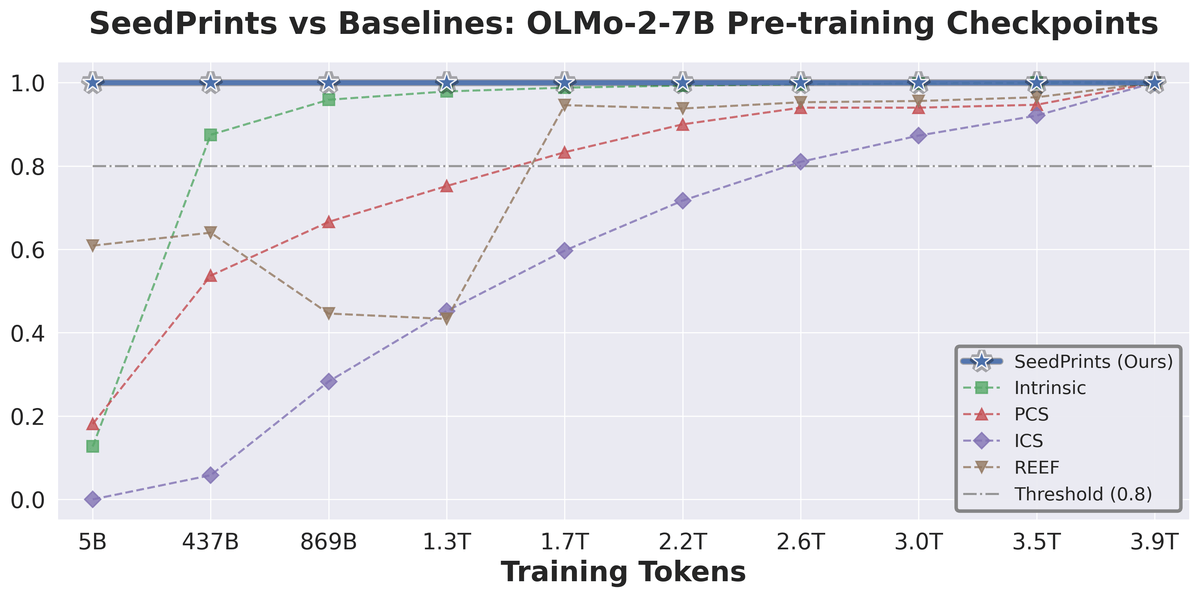
A new paper argues that the random seed used to initialize an LLM leaves a statistical signature that survives pretraining, fine-tuning, and quantization.
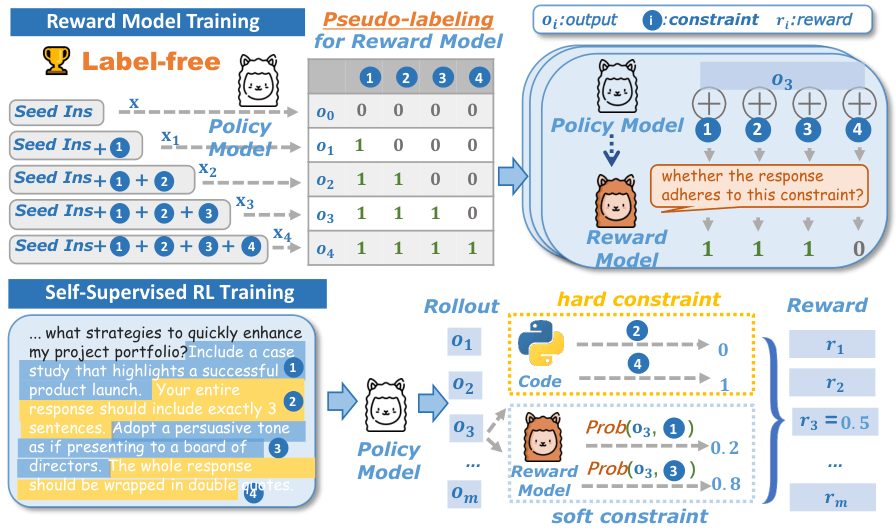
A new label-free reinforcement learning recipe teaches models to obey multi-constraint prompts using only the instructions themselves, no stronger teacher required.

A new zero-shot diffusion compressor hits 1.8 second round trips while matching state-of-the-art quality, without any custom hardware kernels.
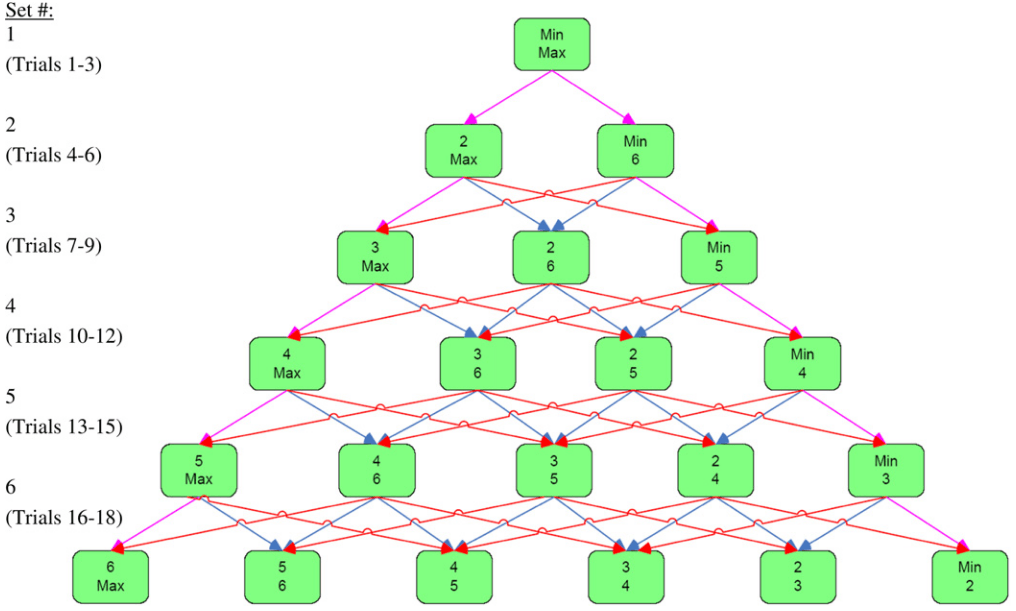
Researchers adapt a psychology questionnaire and behavioral experiments to probe LLM curiosity, then turn the findings into a prompting trick that lifts reasoning accuracy by up to 23 points.
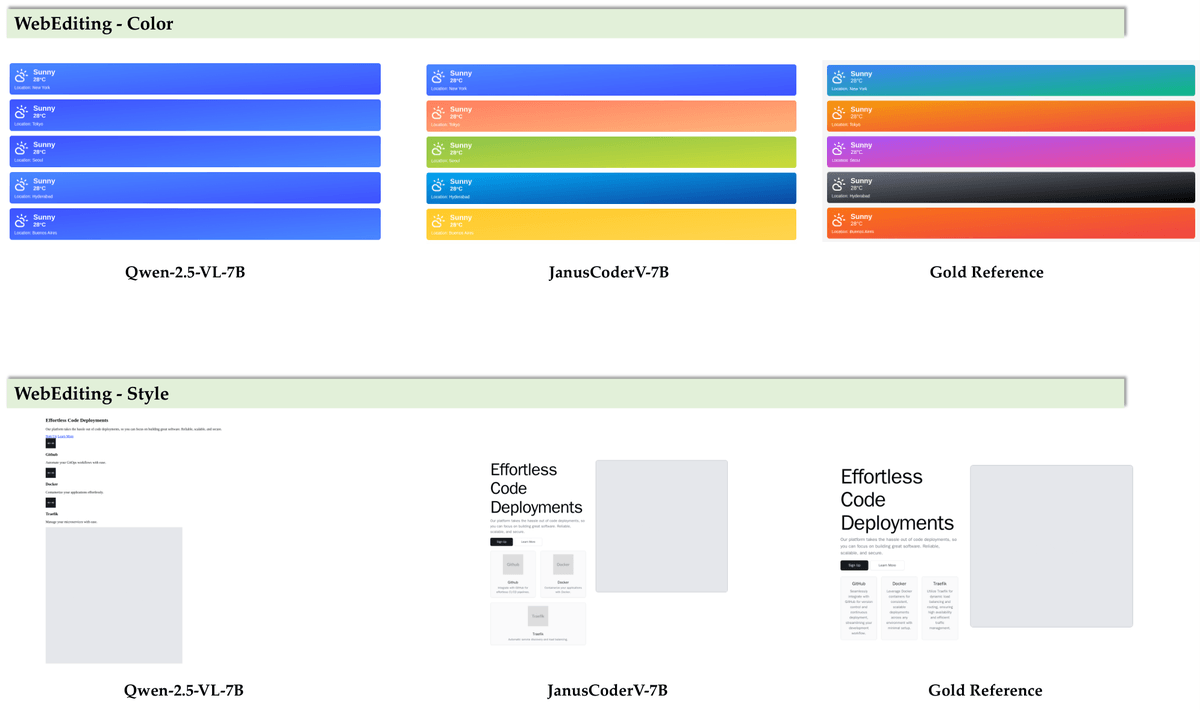
InternLM's new open model suite unifies chart-to-code, web UI generation, and Manim animation into one visual-programmatic interface
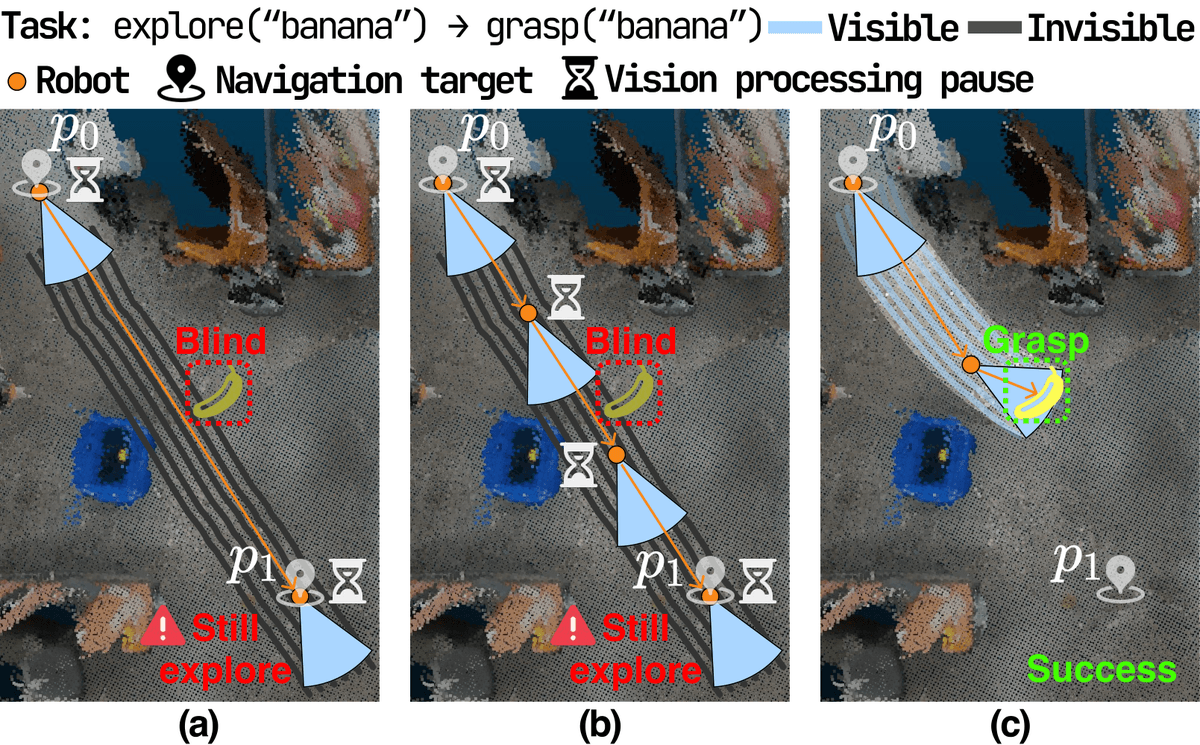
A dual-brain robot framework pairs a slow planner with a fast video watcher, cutting task time and boosting success rates on messy real-world jobs.

A research team unveils an interactive Europe-wide biodiversity mapping platform powered by CNN ensembles and a species-focused BERT model at 50-meter resolution.