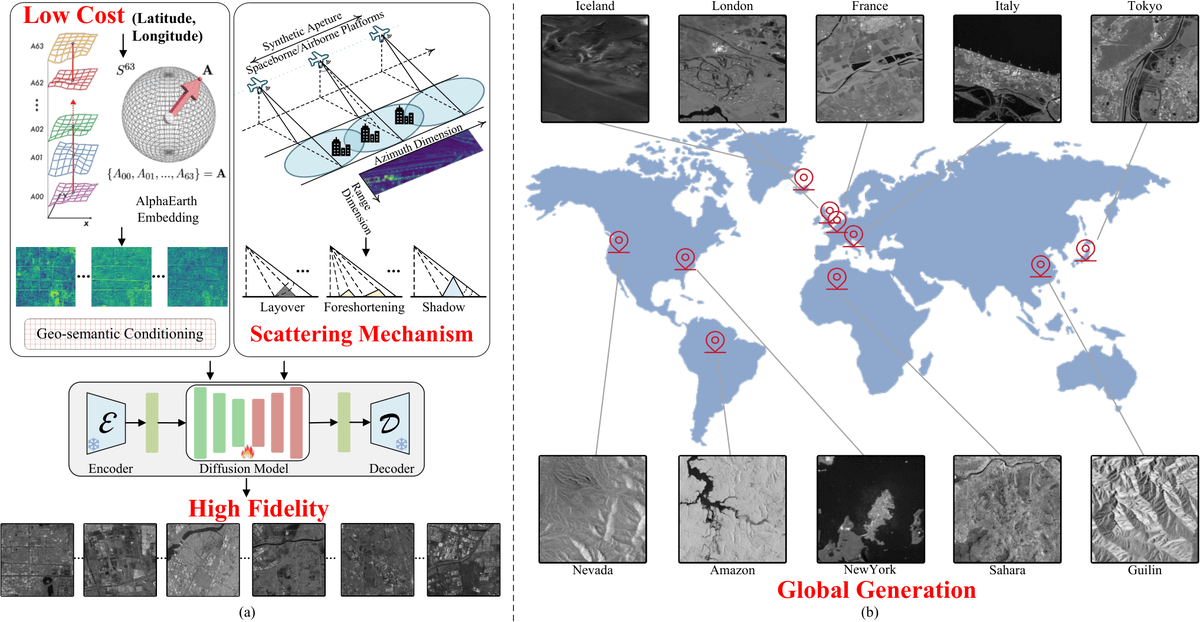
HuiYanEarth-SAR Fools Expert Analysts 35% of the Time With Fake Radar Imagery
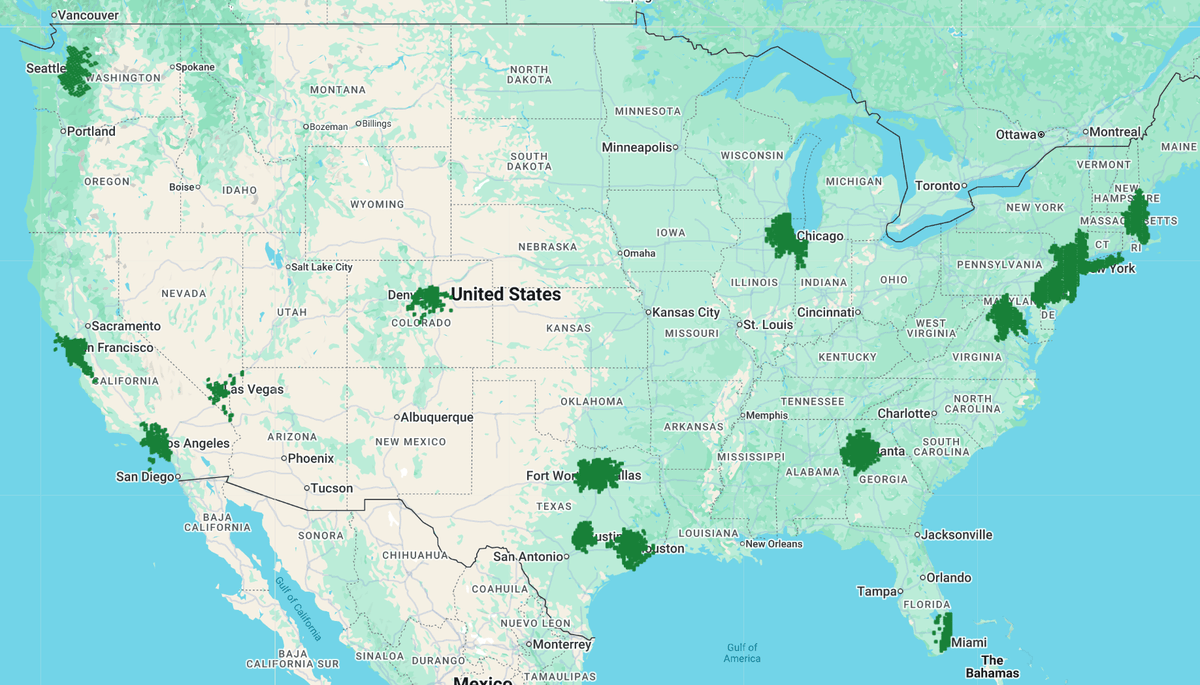
A new diffusion model generates realistic SAR satellite imagery anywhere on Earth from just latitude and longitude, using AlphaEarth embeddings as a geographic prior.
20 stories

A new diffusion model generates realistic SAR satellite imagery anywhere on Earth from just latitude and longitude, using AlphaEarth embeddings as a geographic prior.

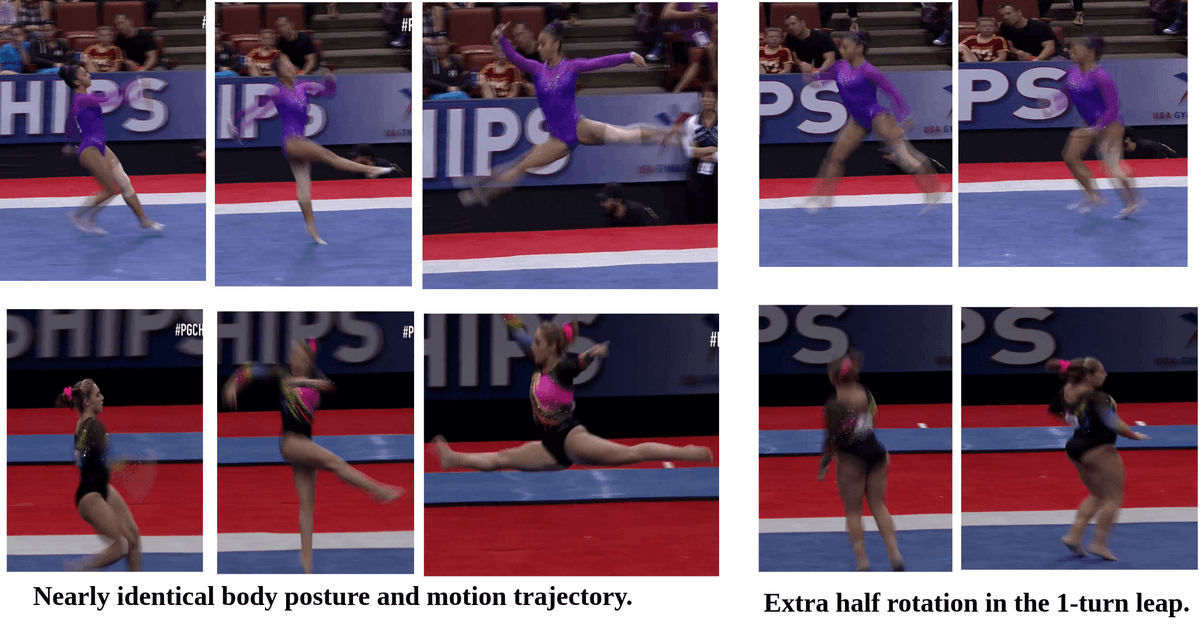
A lightweight Transformer plus graph module lets RGB-only video models beat multimodal systems that rely on pose and text annotations.

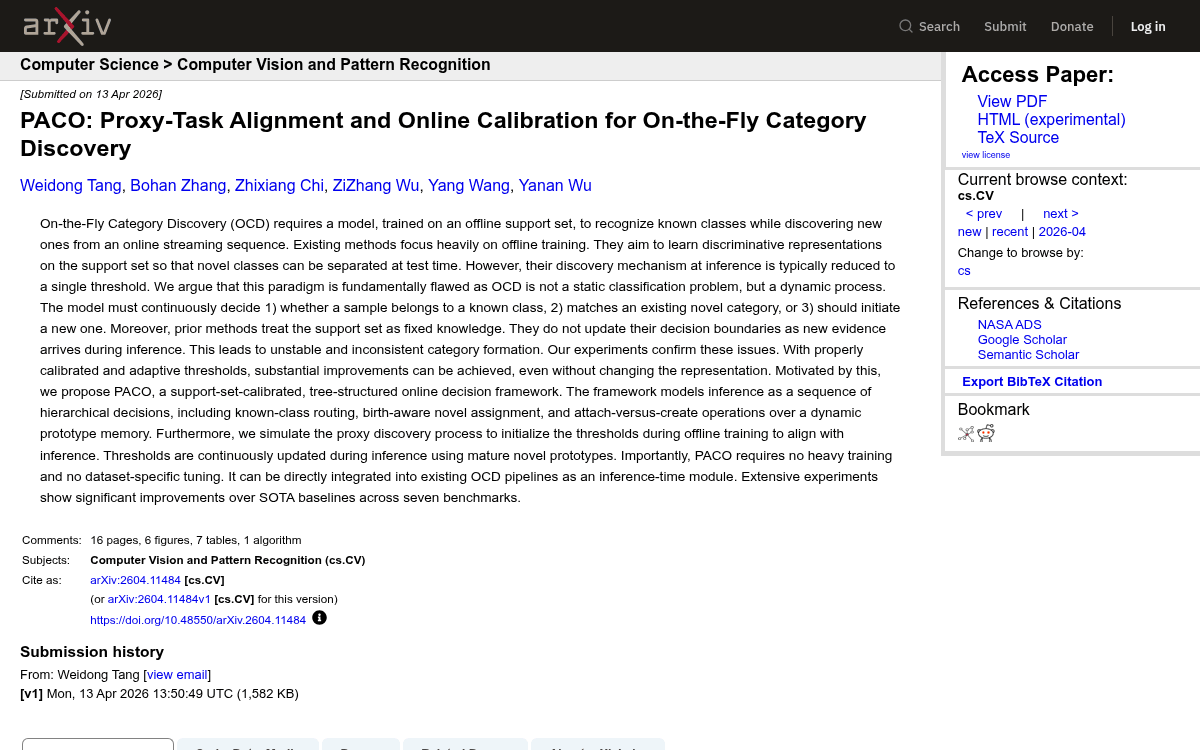
A new inference-time framework replaces the single-threshold decision in streaming category discovery with calibrated, hierarchical decisions that adapt as data arrives.

A CVPR 2026 challenge pitted 20 teams against 42 generators and 36 image distortions, exposing what still trips modern AI-image detectors.

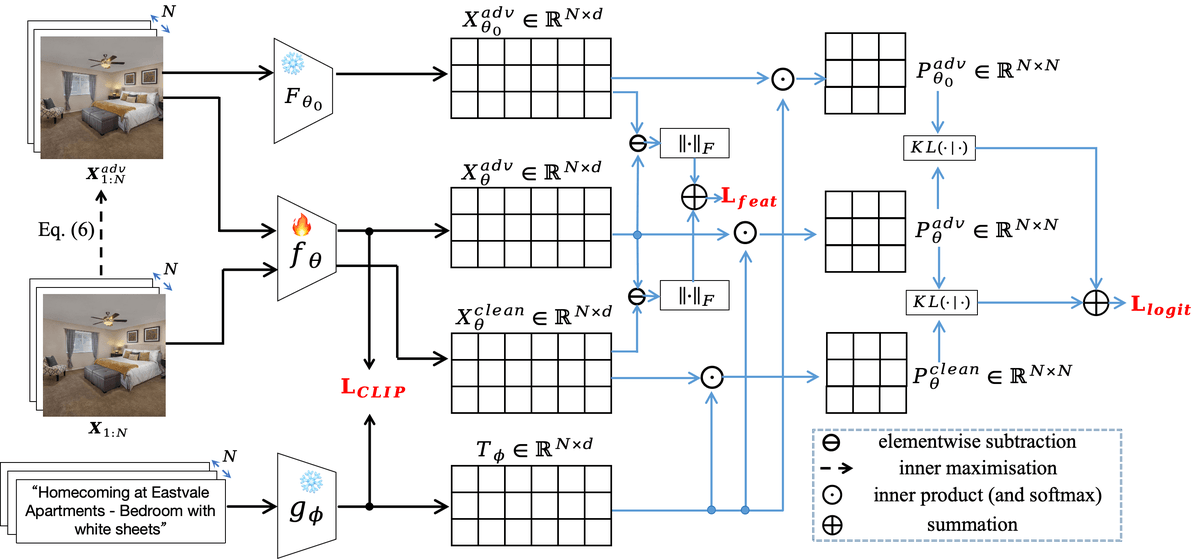
A new adversarial finetuning recipe for CLIP keeps the pretraining objective intact, boosting zero-shot robustness across 14 downstream datasets.

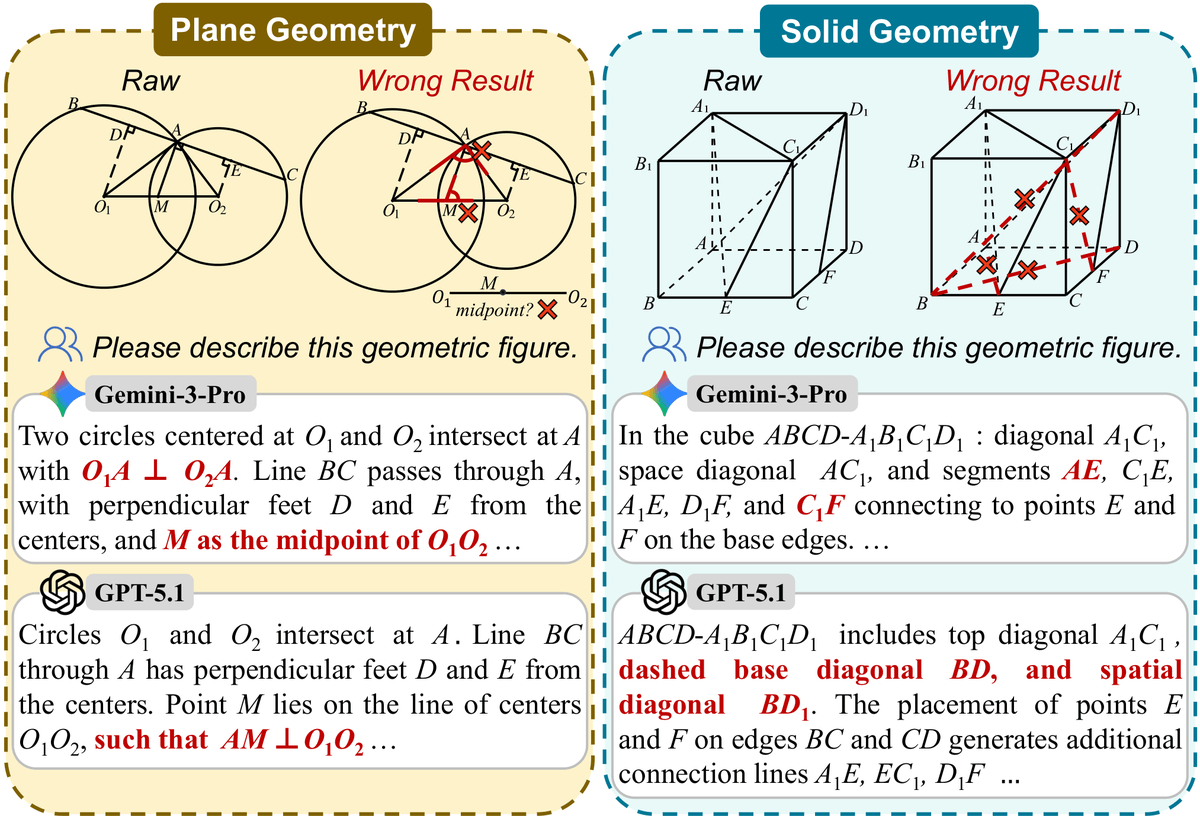
Researchers from the Chinese Academy of Sciences and Alibaba built a formal language and dataset that lets small models parse geometry diagrams more accurately than GPT-5.2.

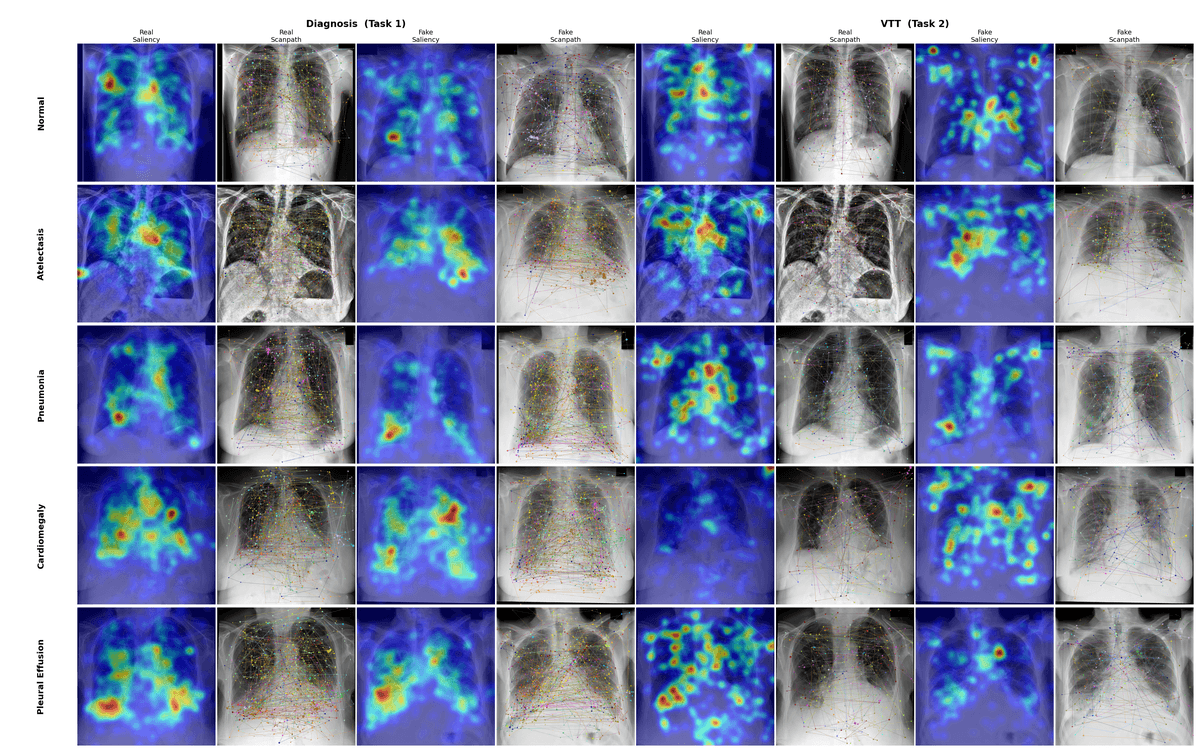
A new benchmark tracks how 16 radiologists visually inspect real versus AI-generated chest X-rays, and pits their perception against six multimodal LLMs.

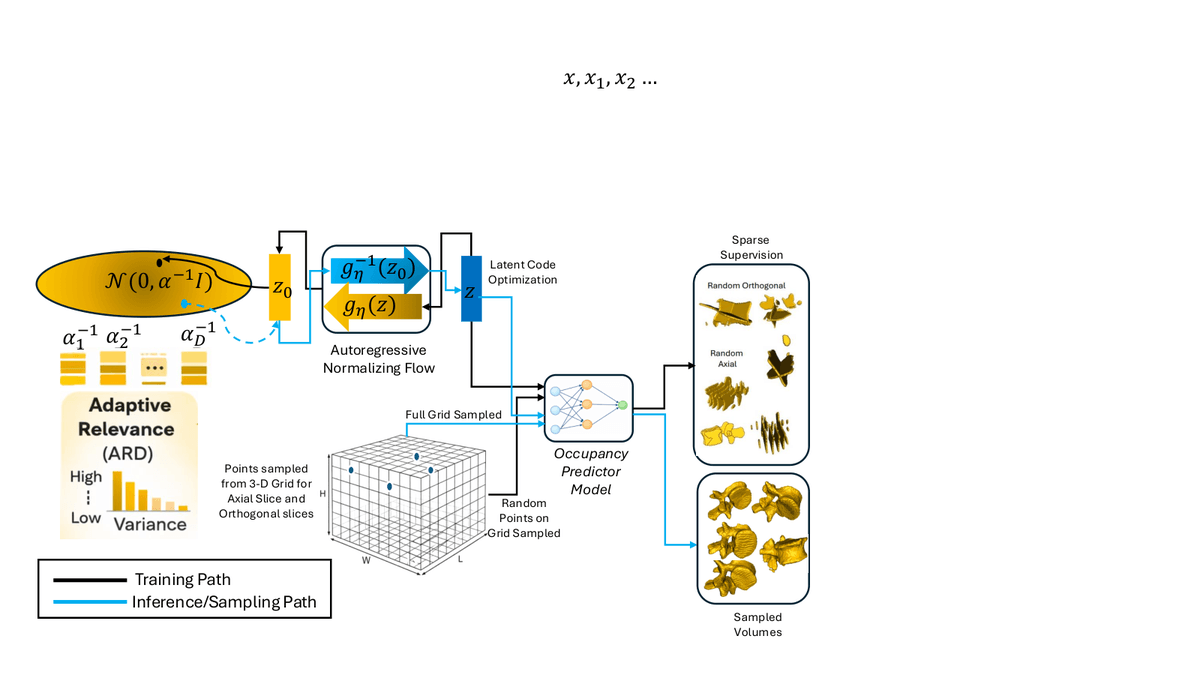
A new framework learns 3D anatomical shape distributions from a handful of segmented slices, using normalizing flows and automatic dimension pruning.

A five-modality contrastive model from Astruc and collaborators aligns aerial, street-view, elevation, text, and GPS into one shared embedding space.

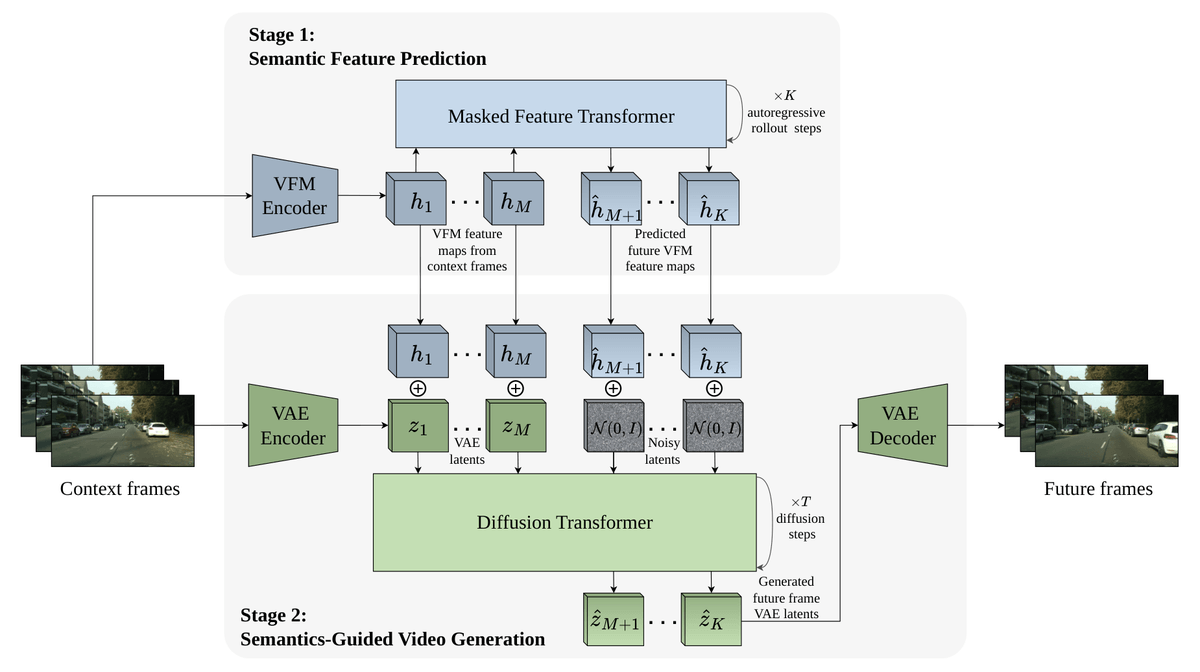
Re2Pix splits video prediction into semantic forecasting first, then diffusion rendering, cutting training time up to 14x on driving benchmarks.

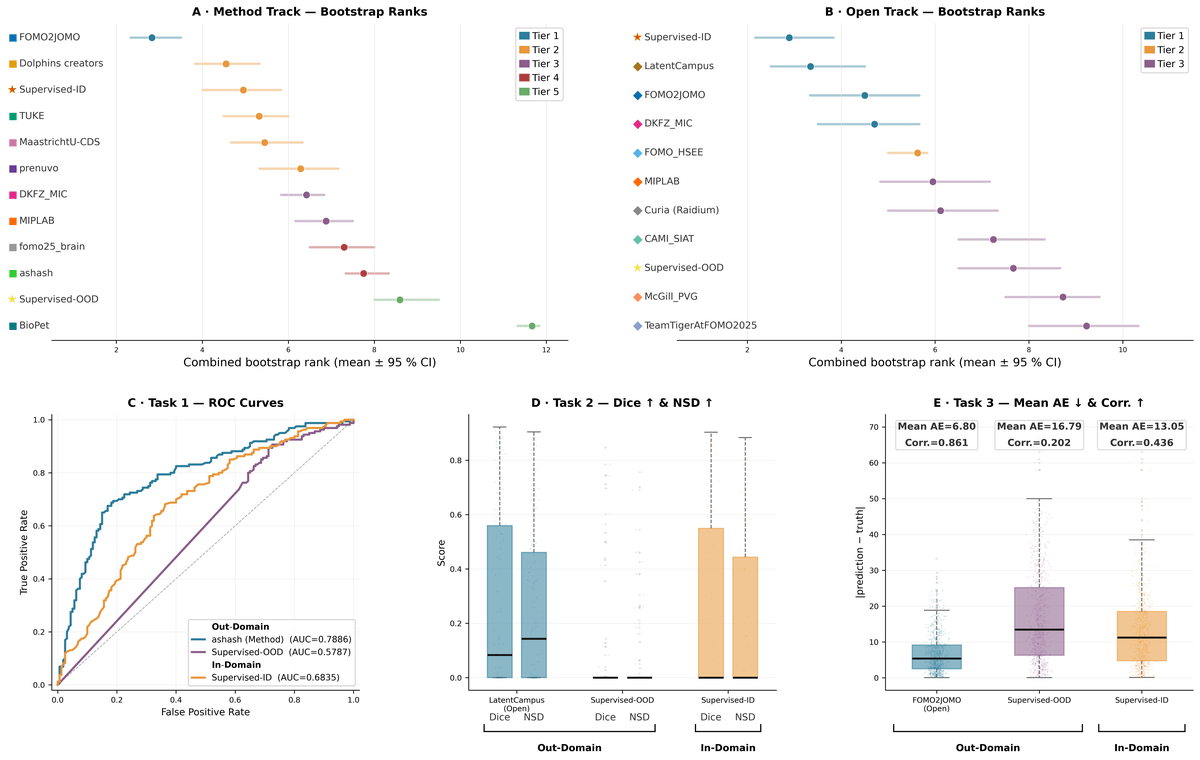
MICCAI 2025's FOMO25 challenge tested 19 brain MRI foundation models on real clinical data, revealing pretraining beats supervised baselines and scaling stalls.

A new benchmark shows general vision models like DINOv3 and V-JEPA 2 beat purpose-built robot models at extracting actions from video.

A benchmark of 10+ OCR systems on handwritten Old Church Slavonic, plus a novel image-only pipeline that reconstructs manuscript family trees without any transcription.

Lightricks and Tel Aviv University adapt a pretrained video diffusion model to output cinema-grade HDR by aligning log-encoded footage with existing latents.

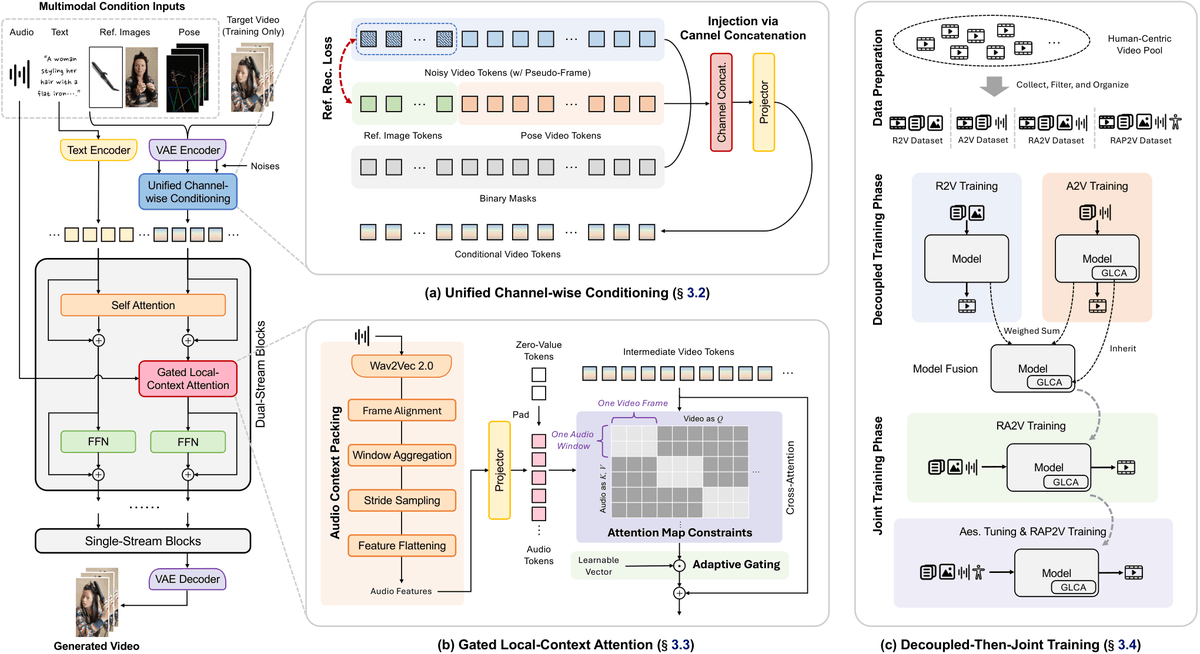
Researchers from CUHK and ByteDance introduce OmniShow, a 12B video model that unifies text, reference images, audio, and pose into one framework.

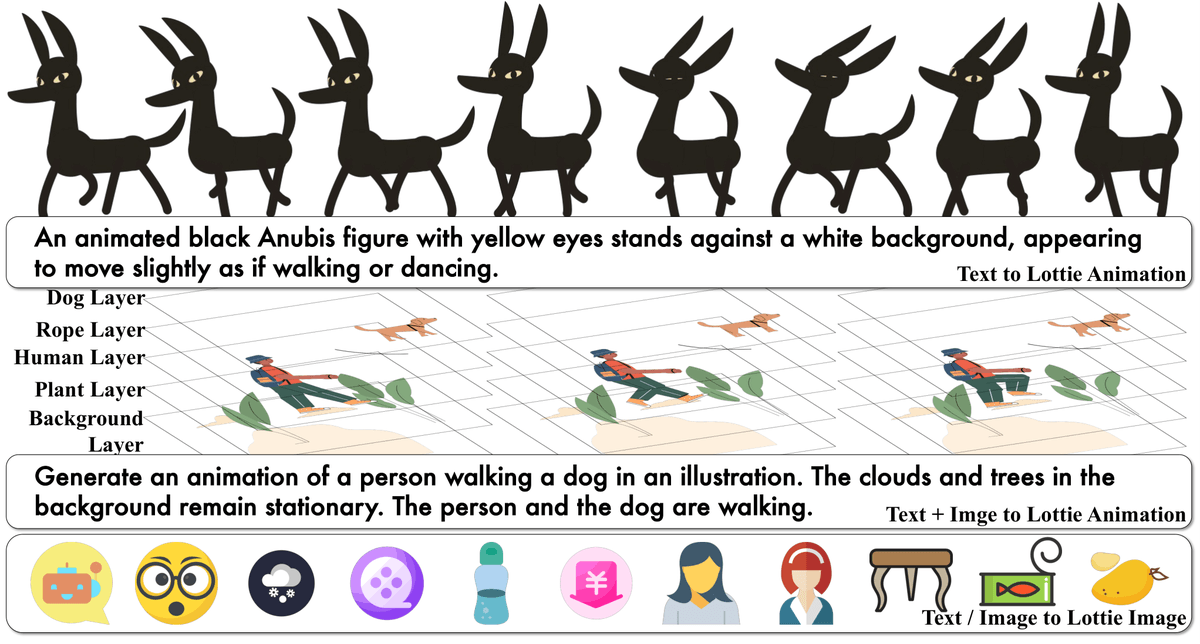
A new CVPR 2026 model tokenizes Lottie JSON files and fine-tunes Qwen2.5-VL to generate editable vector animations from text or images.

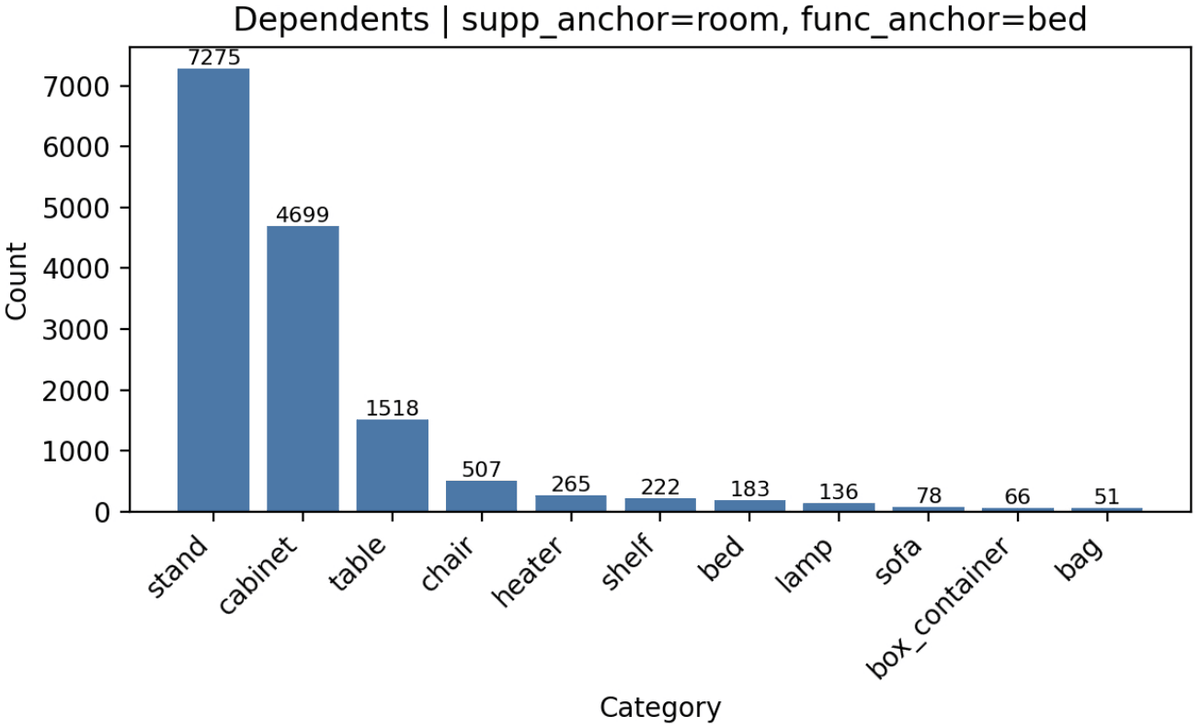
A new framework generates 3D indoor scenes by learning pairwise object rules, producing layouts three times denser than training data while staying physically plausible.

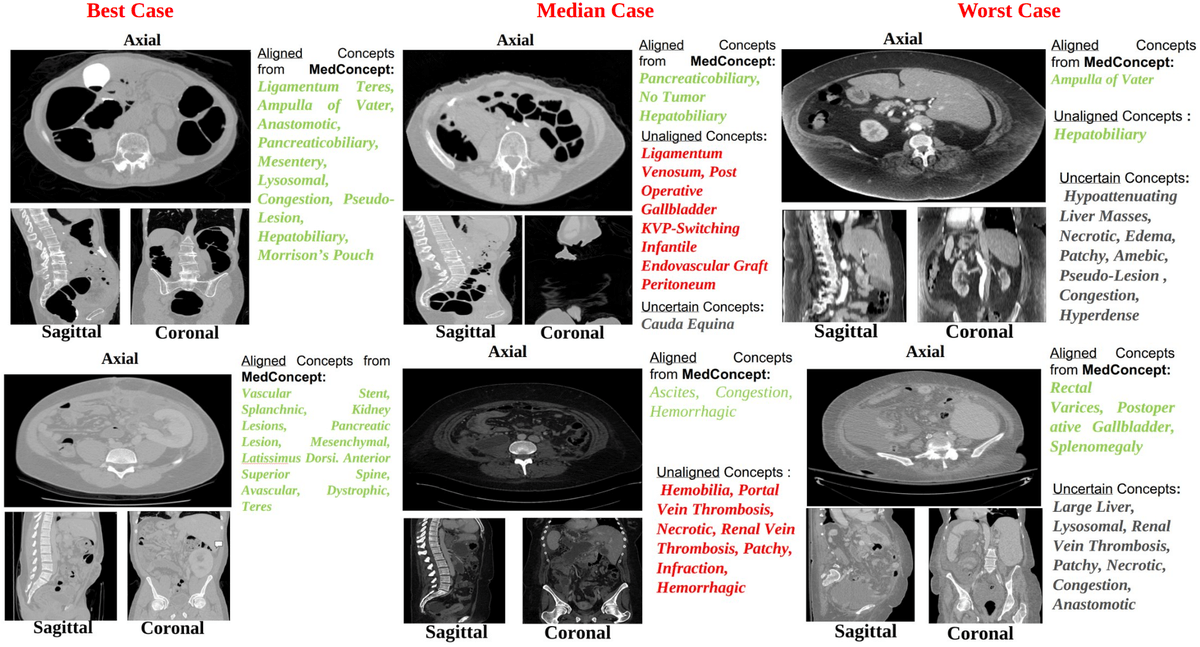
A new framework uses sparse autoencoders to extract clinically named concepts from frozen medical vision-language models and grades them against radiology reports.

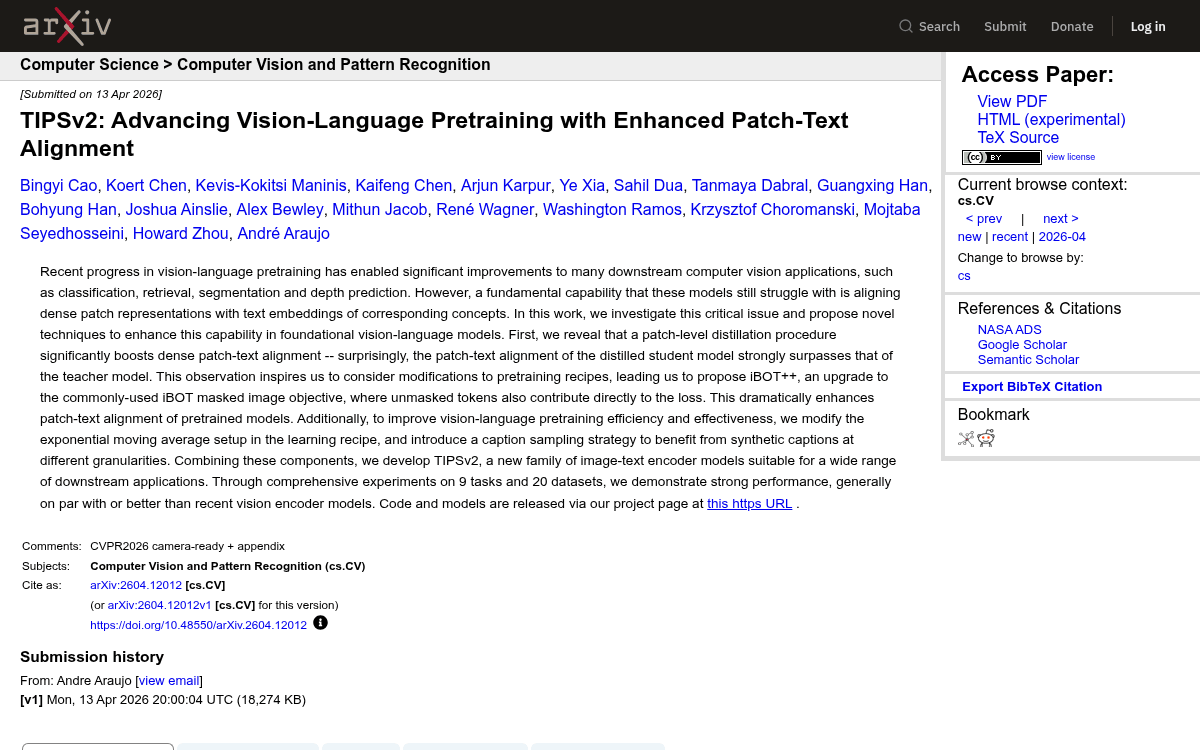
Google DeepMind's TIPSv2 fixes a long-standing weakness in vision-language models by supervising every patch, jumping zero-shot segmentation by 14.1 mIoU.

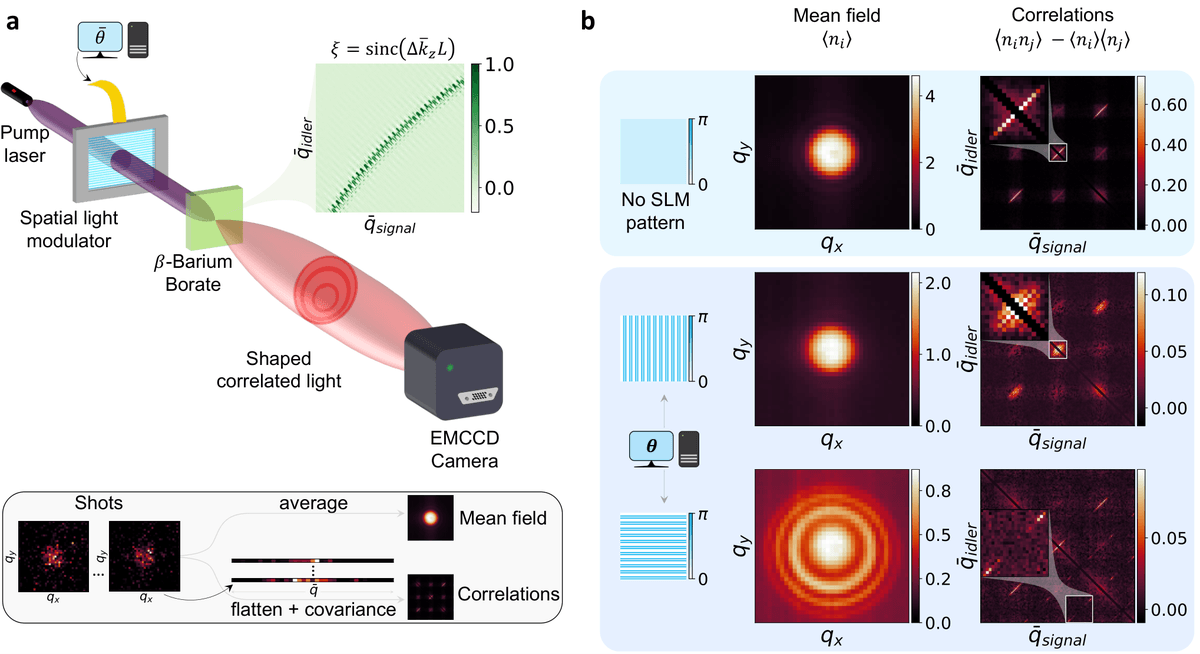
Cornell-led team trains a quantum light source and a Transformer together, cutting the photon budget for image classification by up to 6x.