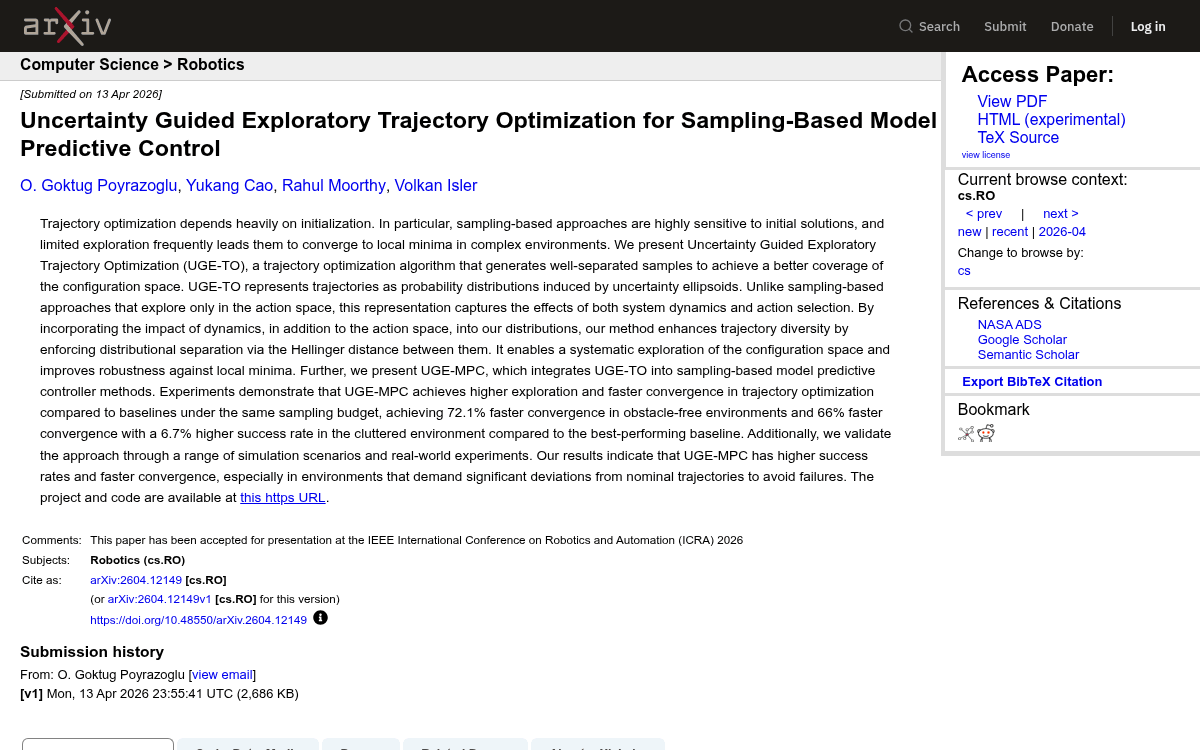
UT Austin's UGE-MPC Beats MPPI With 88% Success Rate in Cluttered Robot Navigation
A new sampling scheme for model predictive control spreads candidate trajectories apart using uncertainty ellipsoids, cutting convergence time by up to 72 percent.
20 stories

A new sampling scheme for model predictive control spreads candidate trajectories apart using uncertainty ellipsoids, cutting convergence time by up to 72 percent.

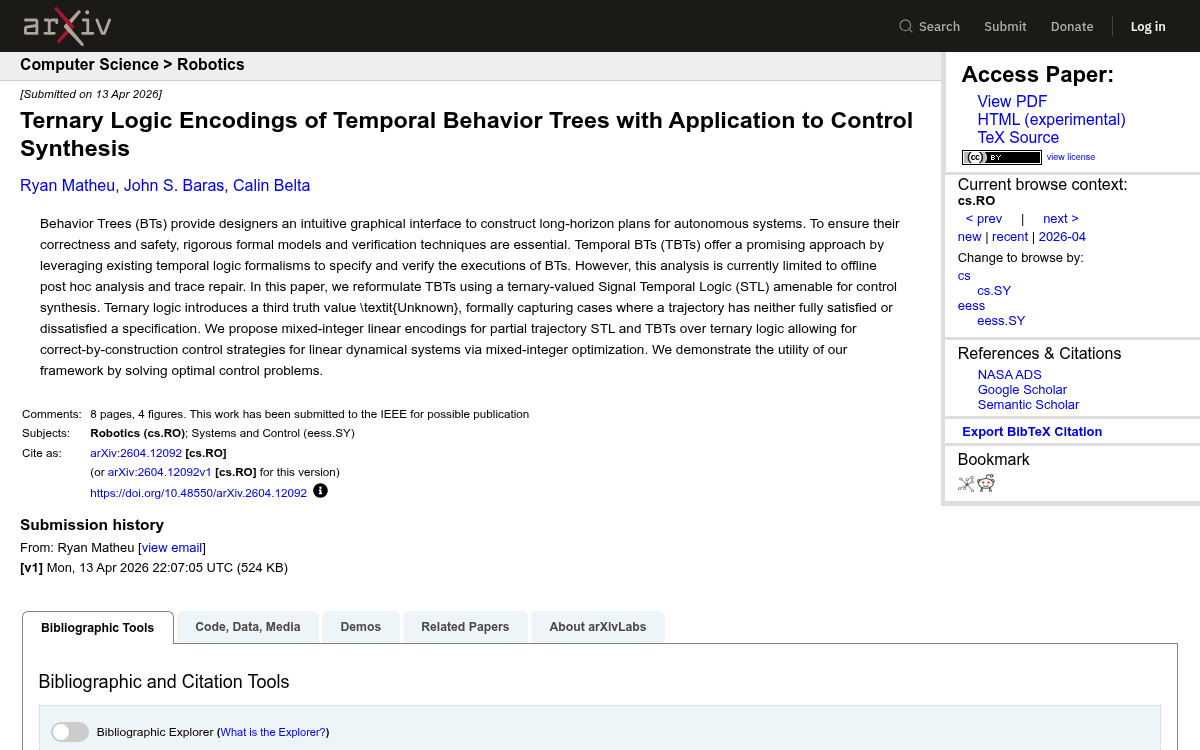
A new ternary-logic formulation lets robots plan directly from Behavior Trees using mixed-integer optimization, turning graphical task specs into provably safe control policies.

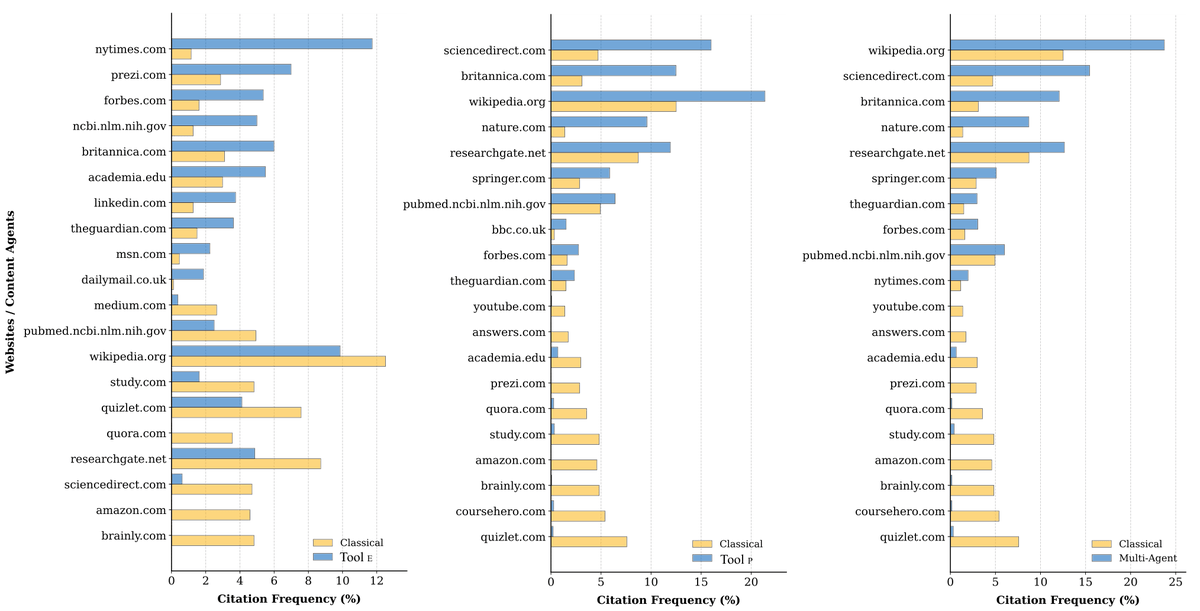
A new benchmark tests how well LLM agents coordinate with website-specific agents to retrieve information, revealing that decentralized access still trails centralized search but the gap closes with scale.

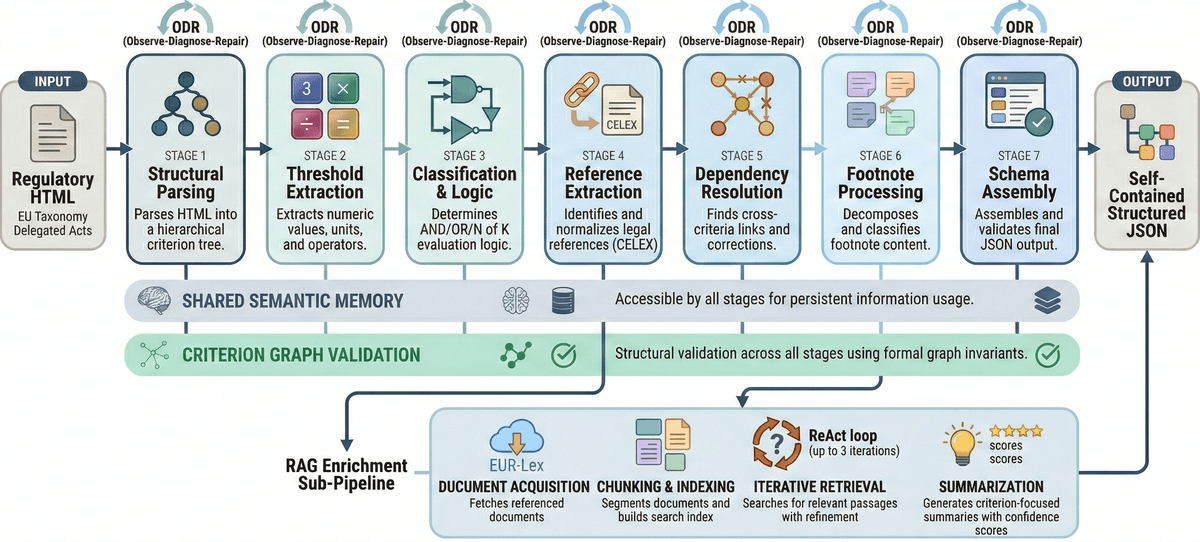
A seven-stage agent pipeline with self-correction loops turns dense EU sustainability regulations into machine-readable compliance criteria, beating GPT-4o across every metric.

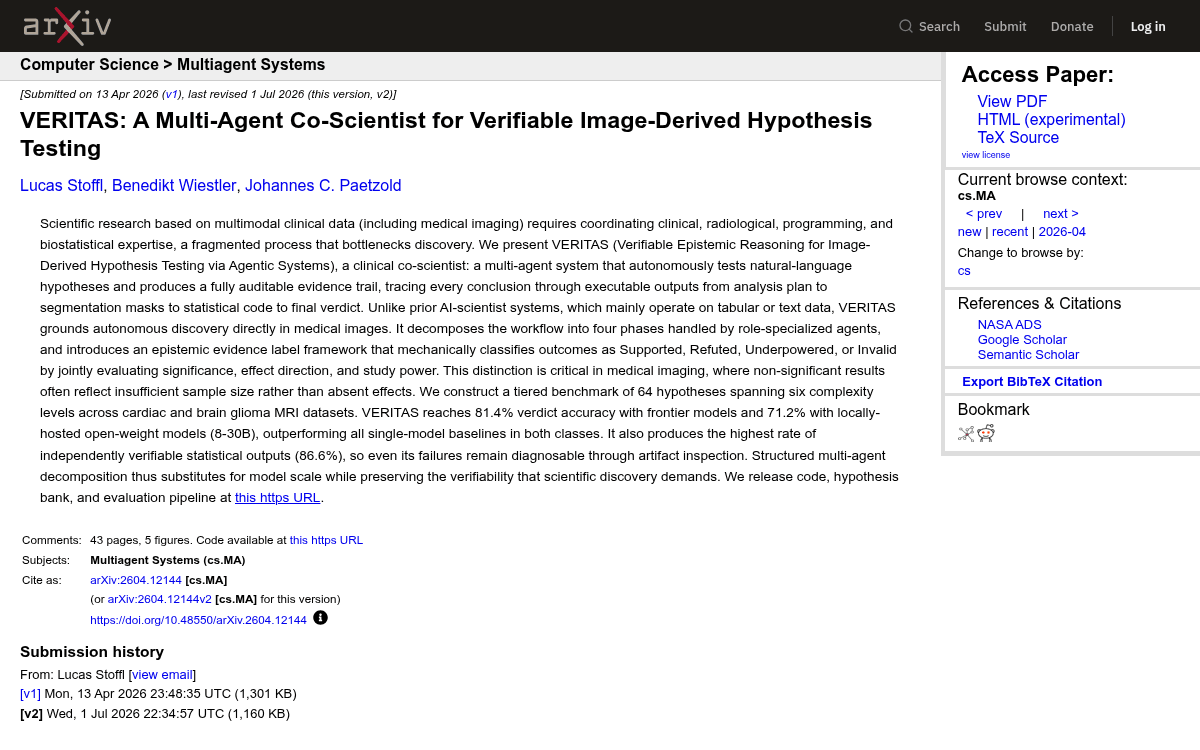
A multi-agent framework turns natural-language clinical questions into fully auditable statistical studies on MRI data, hitting 81.4% verdict accuracy.

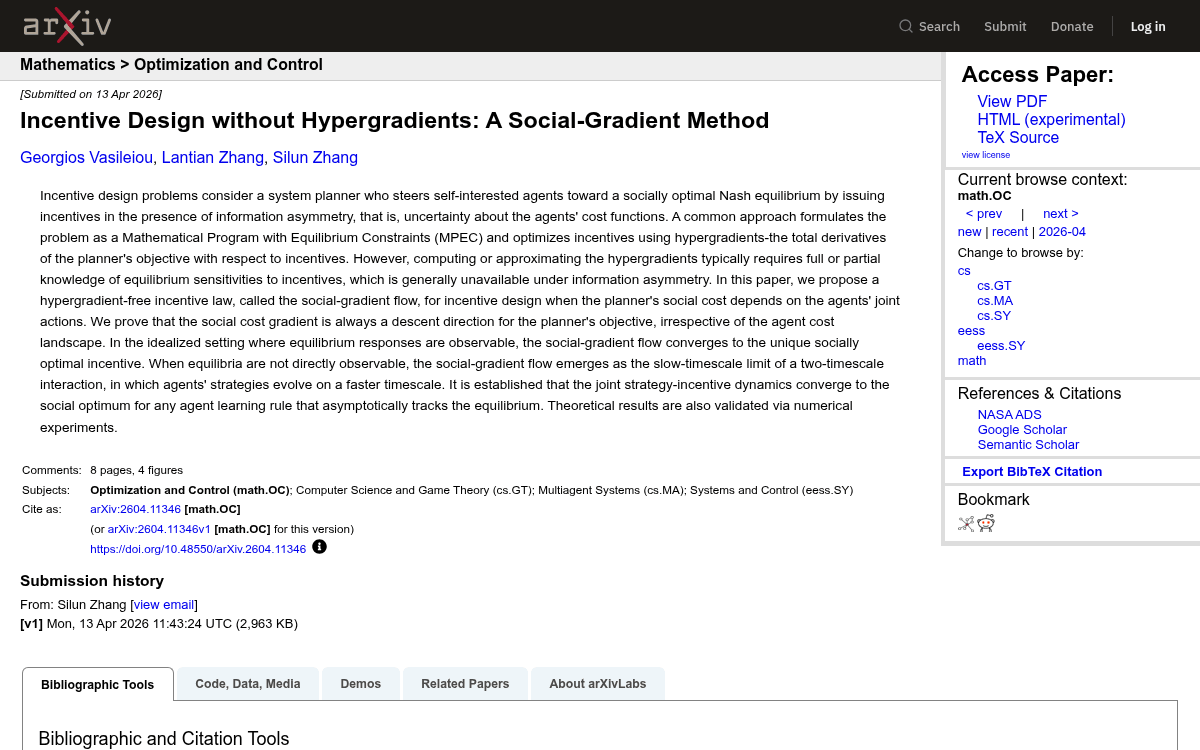
A new control-theoretic method steers self-interested agents to socially optimal outcomes without needing to know their private cost functions.

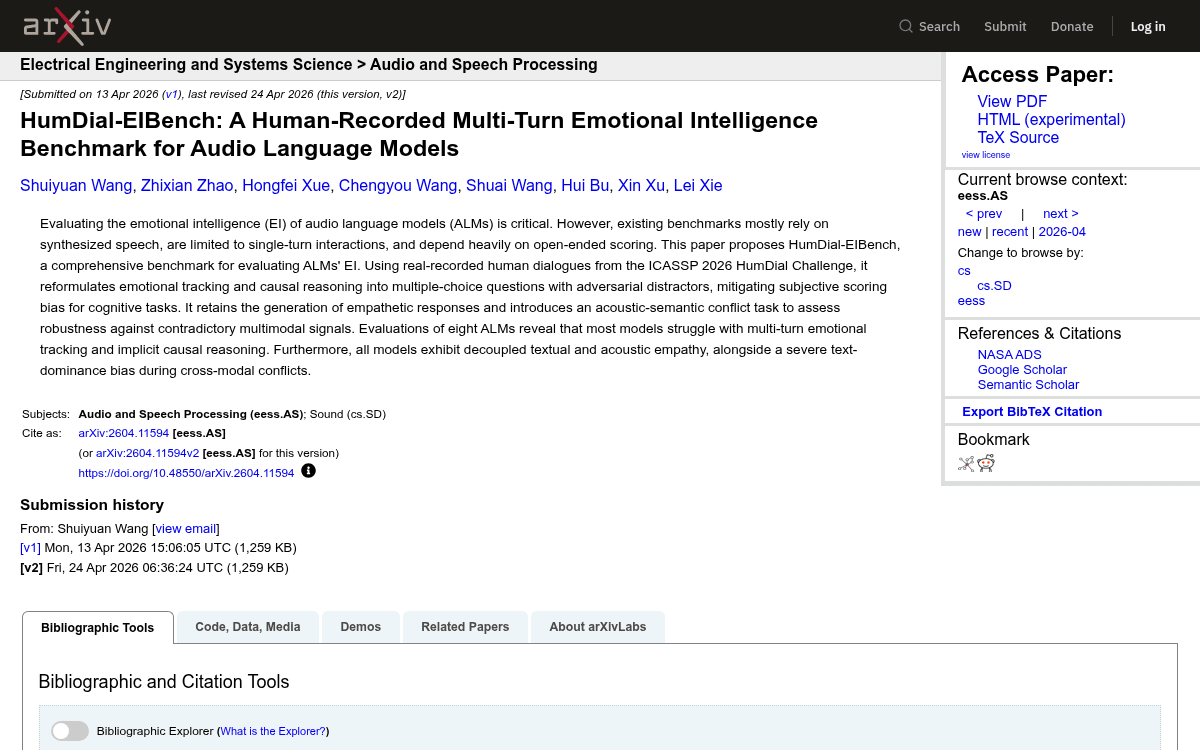
A new benchmark tests audio language models on real human conversations and reveals they still treat speech as glorified text transcription.

A new fusion strategy adds visual context to audio tokenizers without wrecking reconstruction quality, resolving a long-standing trade-off in omni-modal systems.

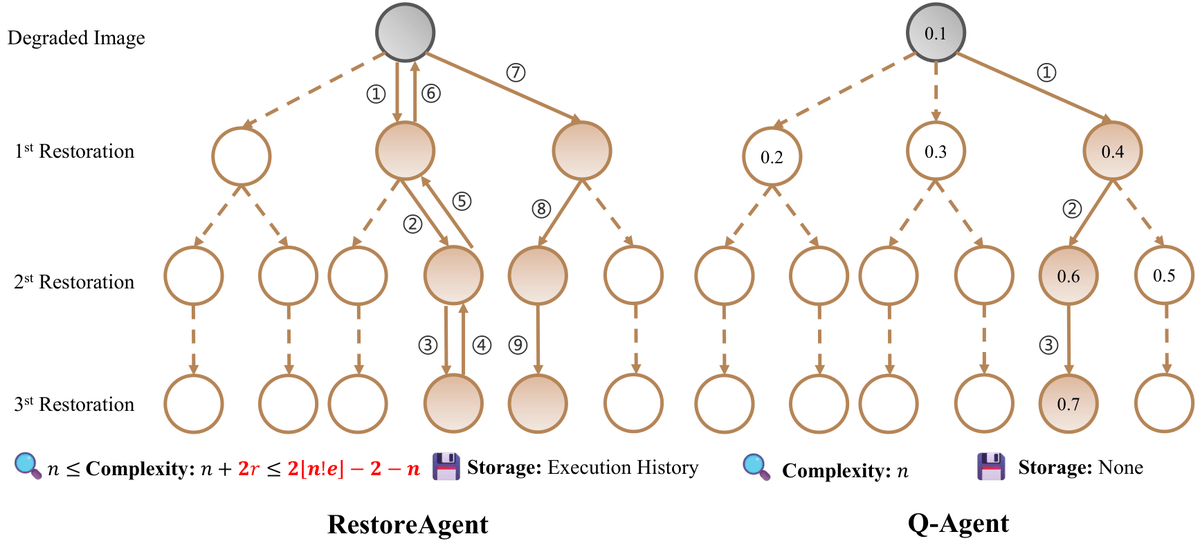
A new image restoration agent uses chain-of-thought reasoning and no-reference quality metrics to pick the best fix order, beating all-in-one models by 1.7 dB PSNR.

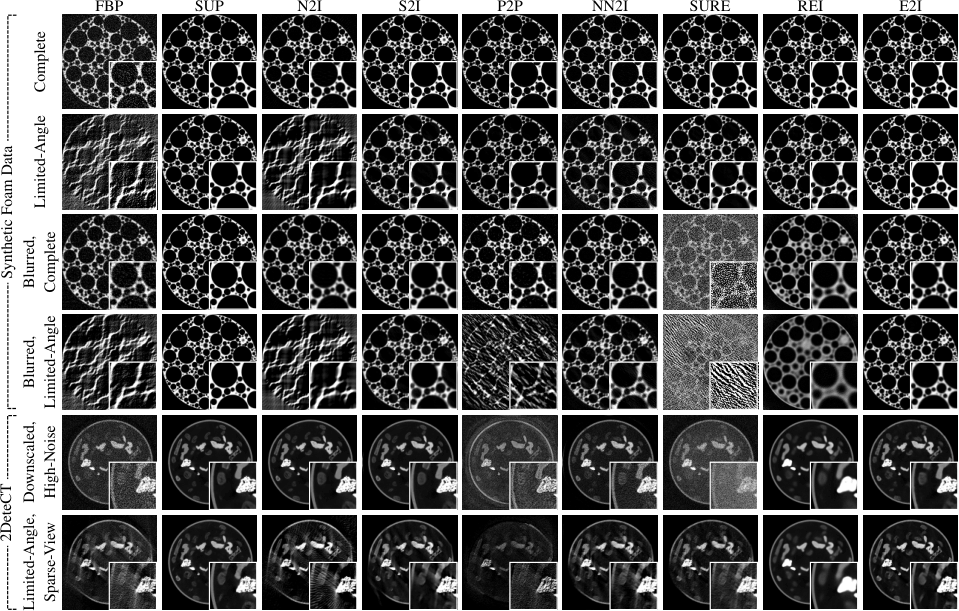
A new self-supervised CT reconstruction method blends cross-validation with equivariance to handle scintillator blurring and limited-angle scans without ground truth.

A theoretical analysis of Temporal CT derives closed-form noise floors, introduces a near-optimal classical solver, and benchmarks a learned prior against them.

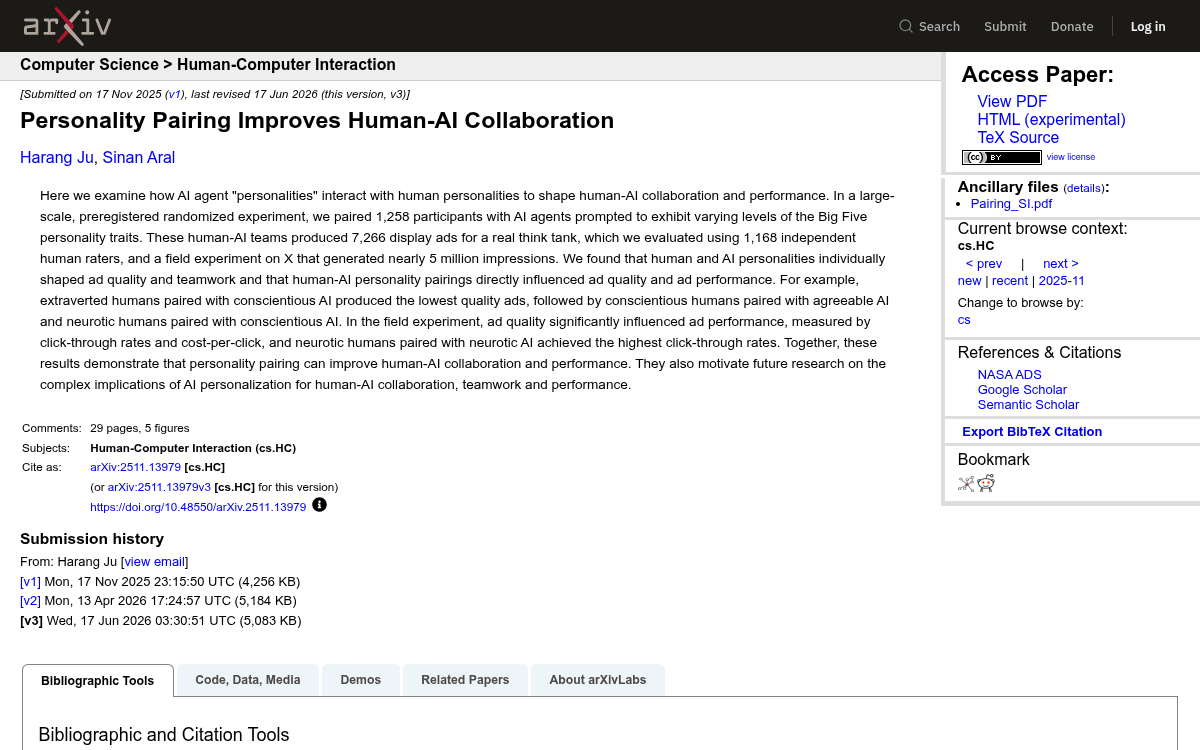
A preregistered randomized trial from Harang Ju and Sinan Aral shows Big Five personality pairings between humans and AI agents shift both work quality and ad performance in the field.

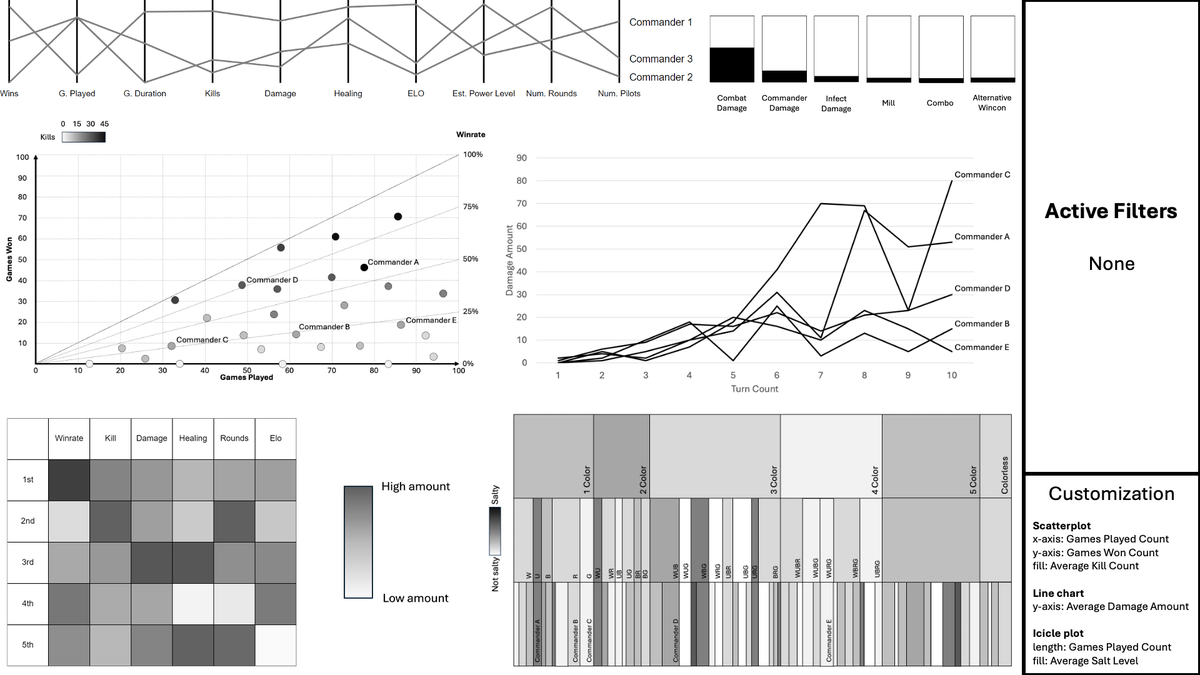
A design study of a Commander format dashboard finds heatmaps beat scatterplots, and players want local, outcome-driven views over global aggregates.

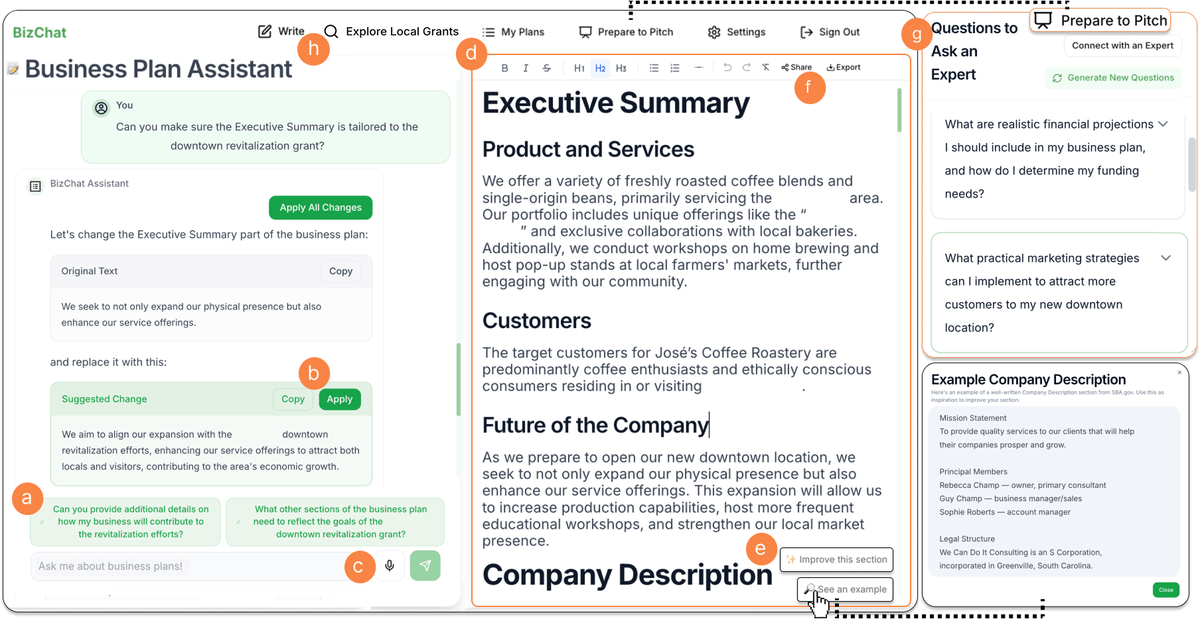
A field study of BizChat, an LLM business plan drafter, shows entrepreneurs cutting drafts from six months to minutes but rarely iterating alone.

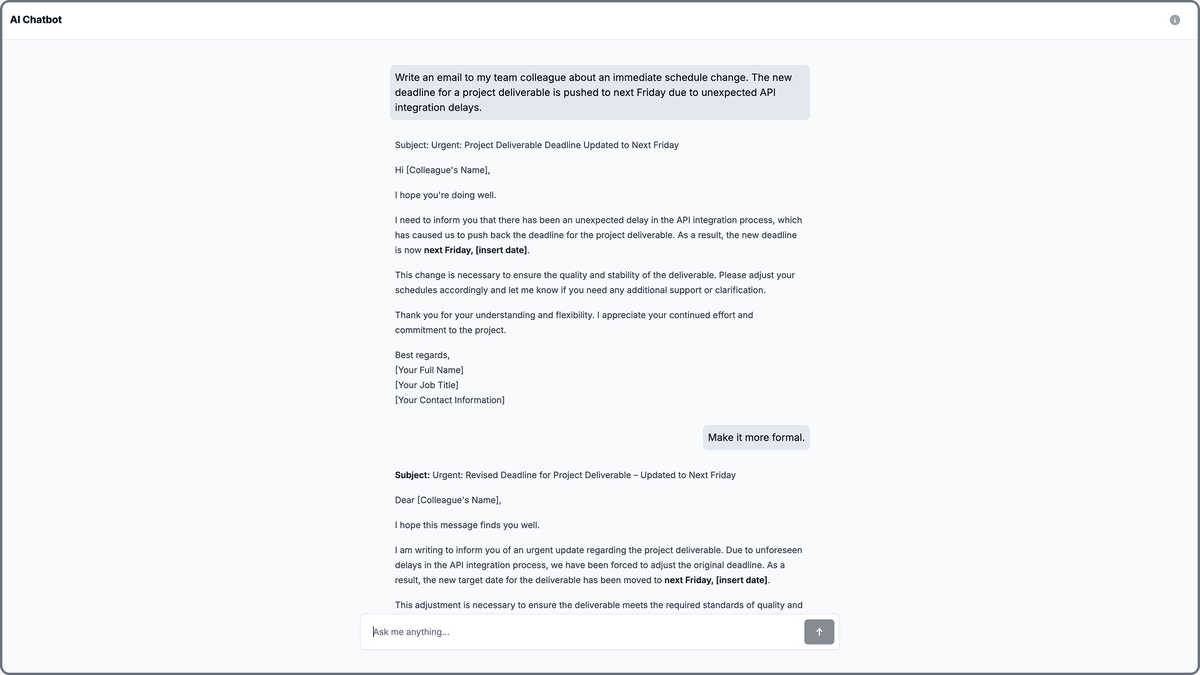
A new interactive technique turns vague prompt phrases like funny or concise into sliders and toggles that steer LLM generation at decoding time.

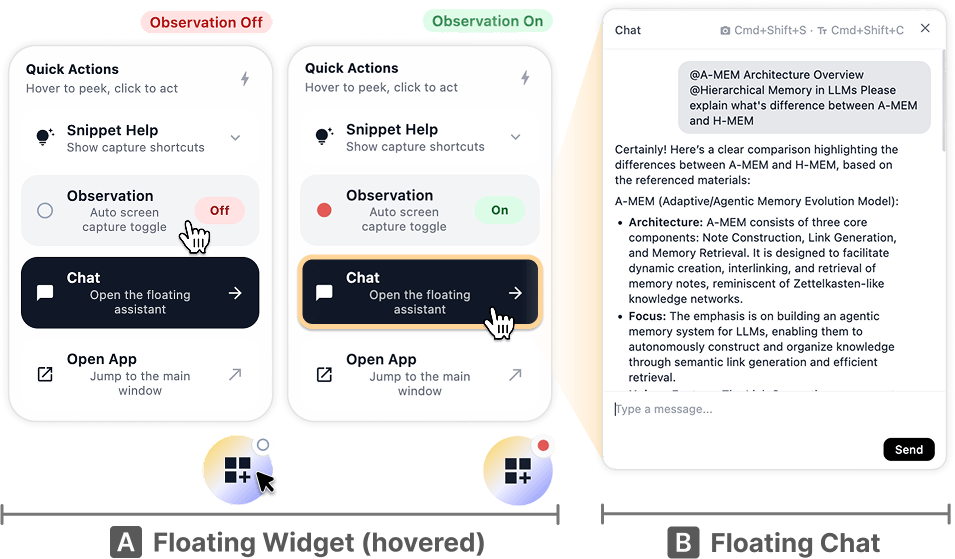
A KAIST-led team built a system that captures fleeting reasoning during knowledge work and hands users an editable canvas of what the AI knows about them.

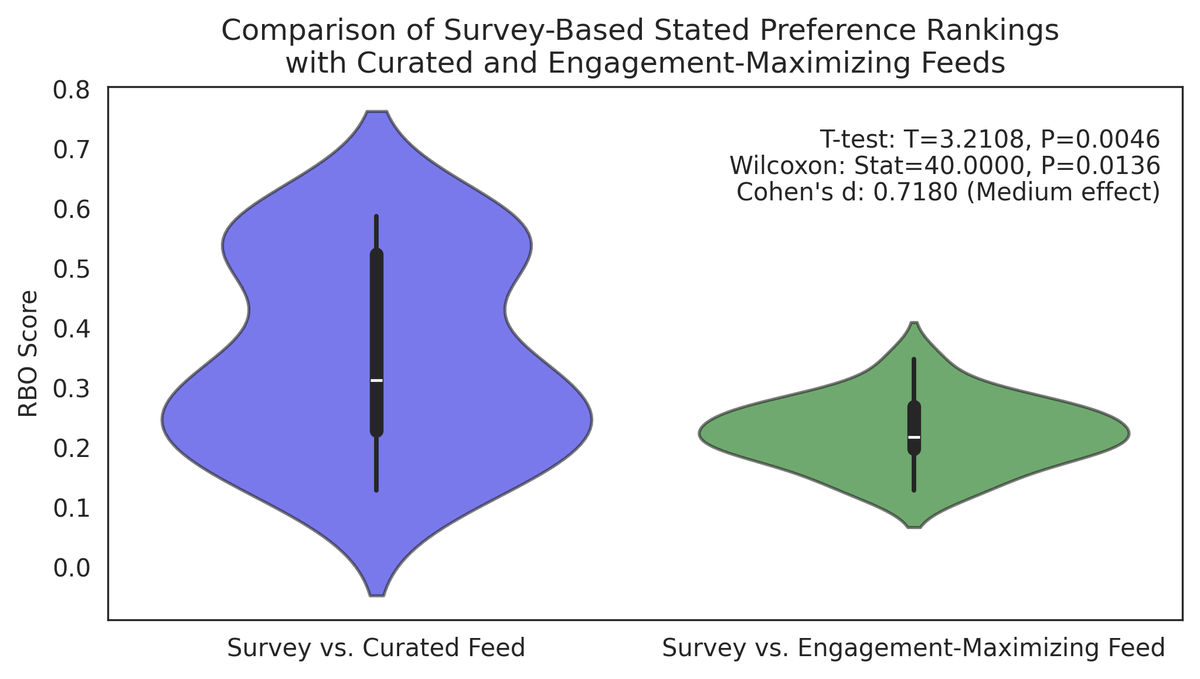
New study finds young adults engage with low-quality news they don't endorse, and shows how value-based curation could realign feeds with what users actually want.

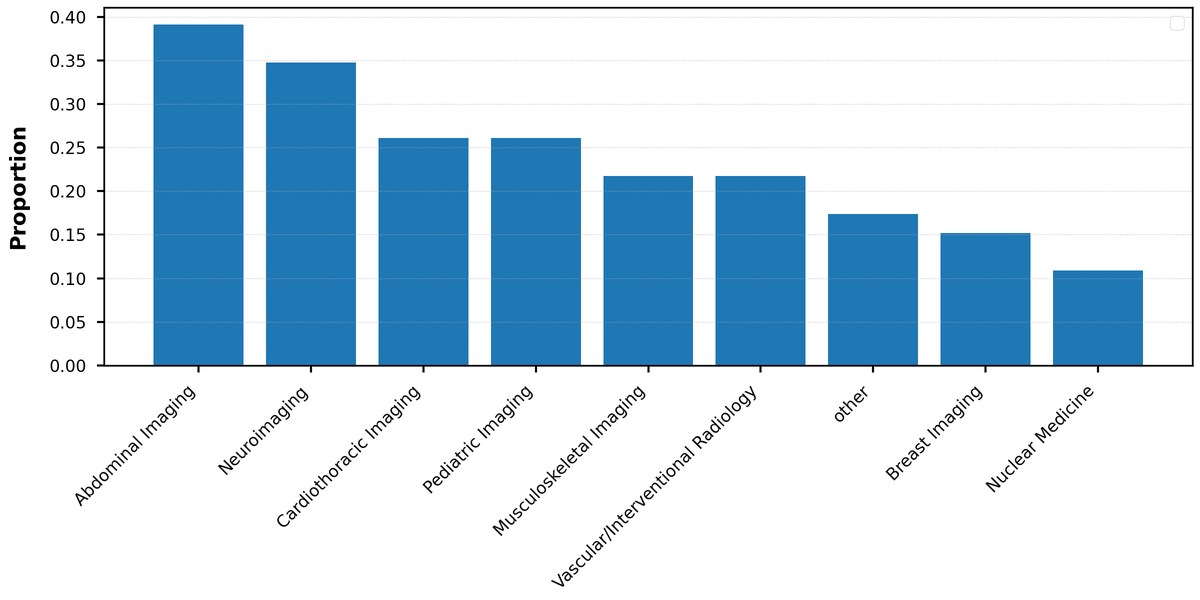
A survey of 46 radiologists reveals a wide gap between the explainability tools researchers build and what clinicians actually need to trust a model.

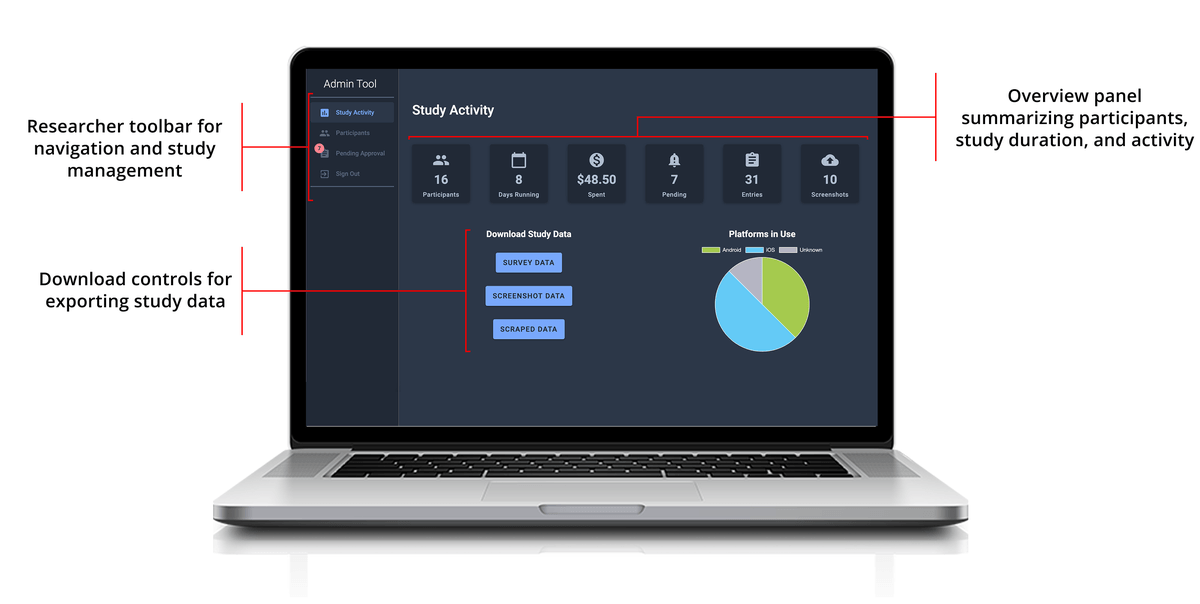
A case study of a co-designed EMA platform with teens reveals what actually sustains engagement in longitudinal adolescent studies, and where research infrastructure still breaks down.

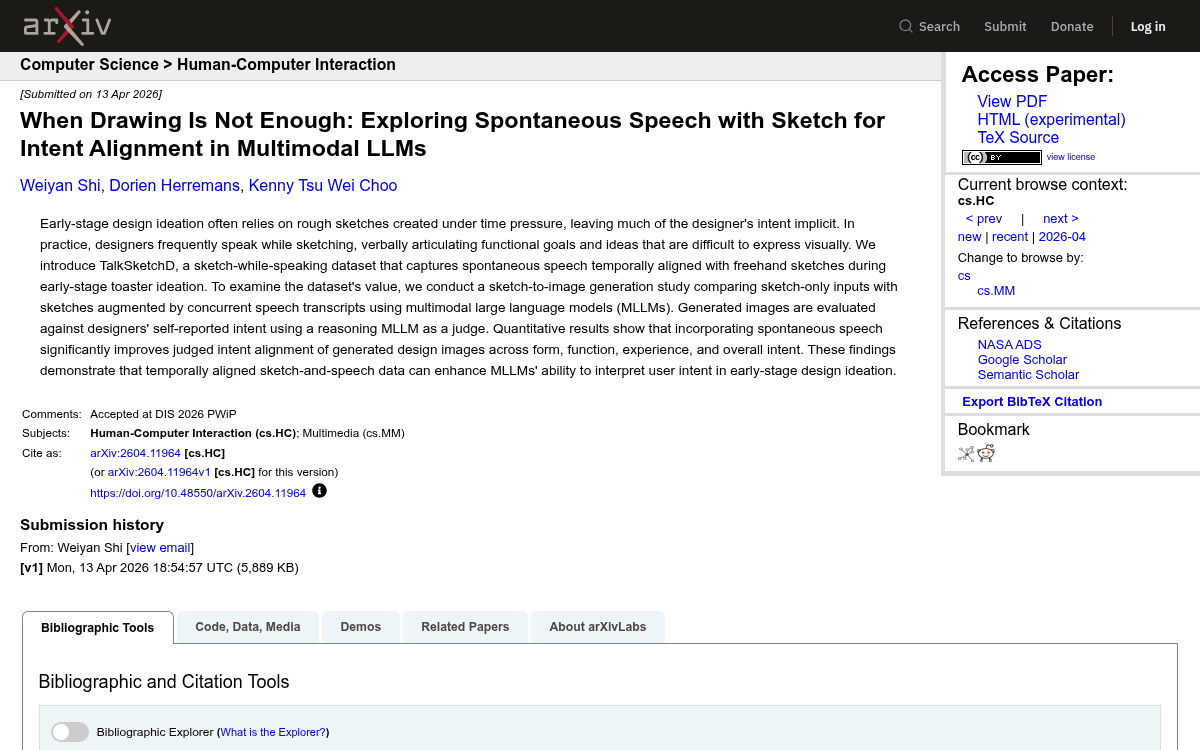
A small study shows that feeding a designer's messy real-time speech alongside their rough sketches lifts intent-alignment scores from a median of 2 to 7 out of 7.