

Pro
Claudable Turns Your Existing AI Subscriptions Into a Free Lovable Alternative
Claudable is an open-source Lovable-style web builder that routes prompts to whichever local coding CLI you already pay for, then ships to Vercel.
20 stories
Claudable is an open-source Lovable-style web builder that routes prompts to whichever local coding CLI you already pay for, then ships to Vercel.
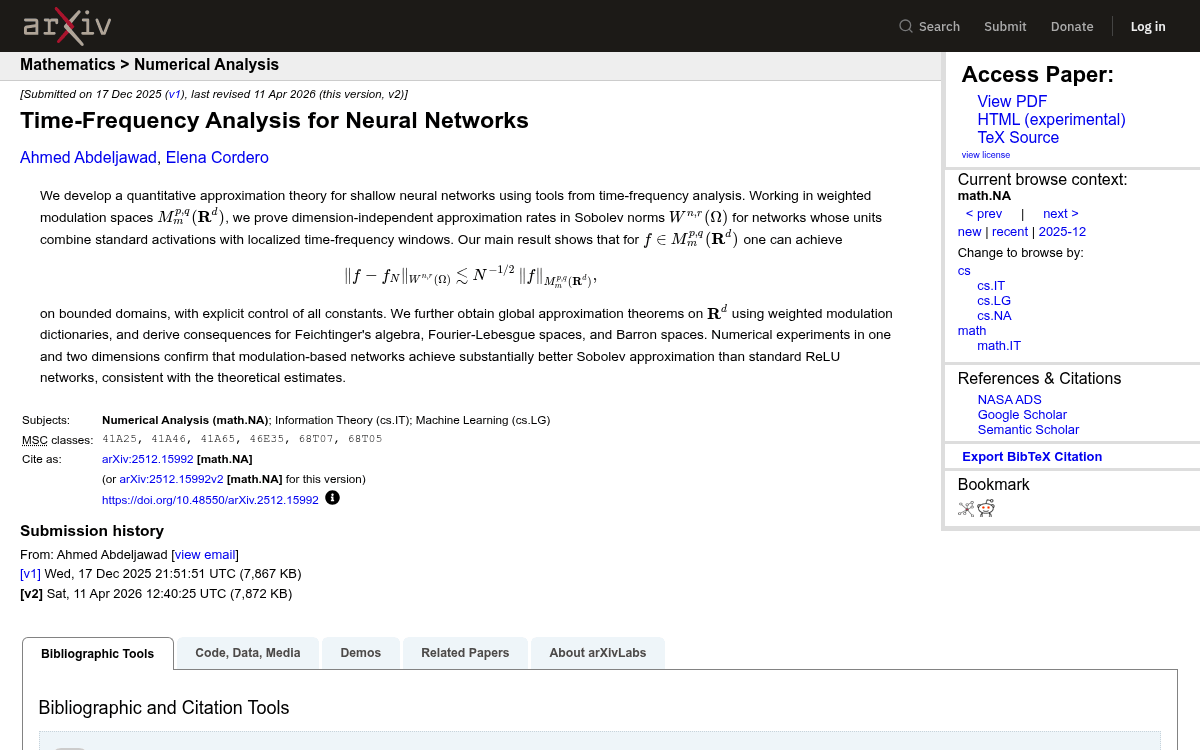
A new approximation theory shows neural networks with Gaussian time-frequency windows on each neuron beat plain ReLU nets at learning both functions and their derivatives.
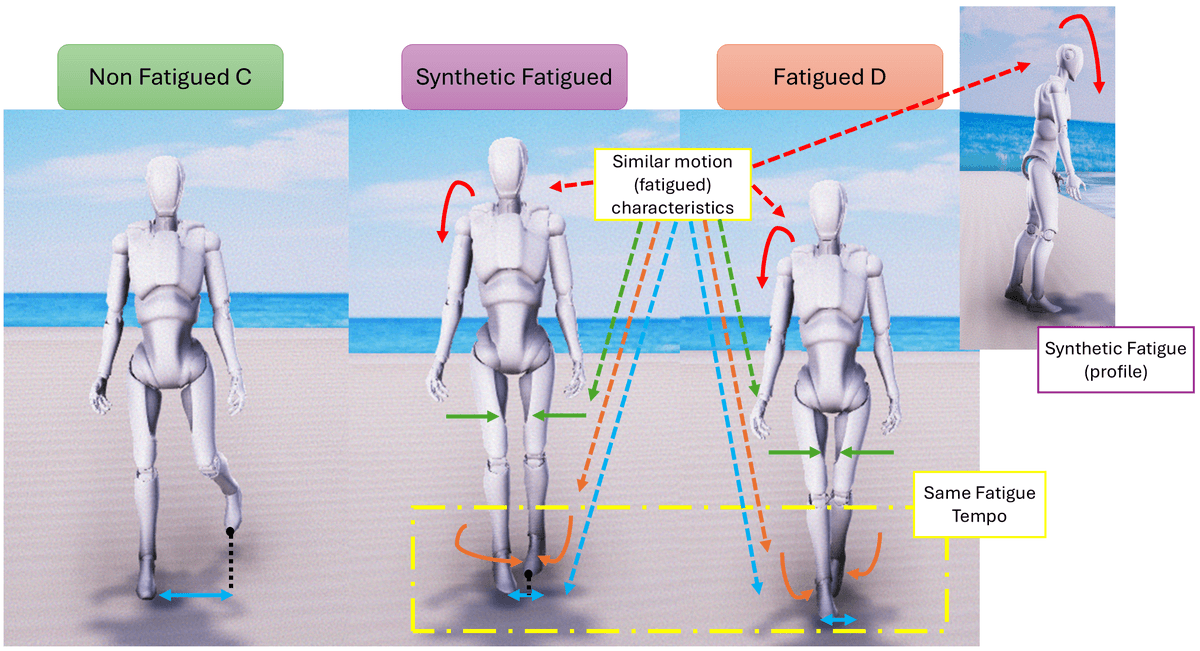
A three-module deep learning framework injects subject-specific fatigue into animated gait sequences without needing fatigued motion data at inference.
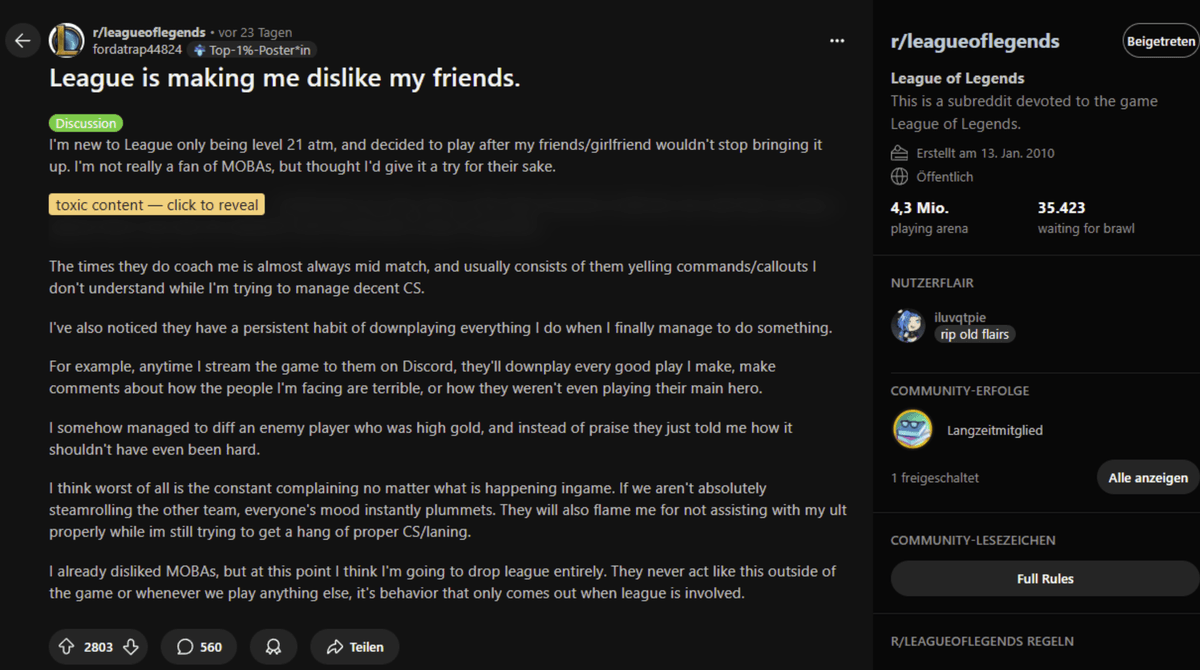
Researchers built L2DTnH, a fine-grained League of Legends chat dataset, and fine-tuned BERT into IGC-BERT to catch in-match toxicity offline.
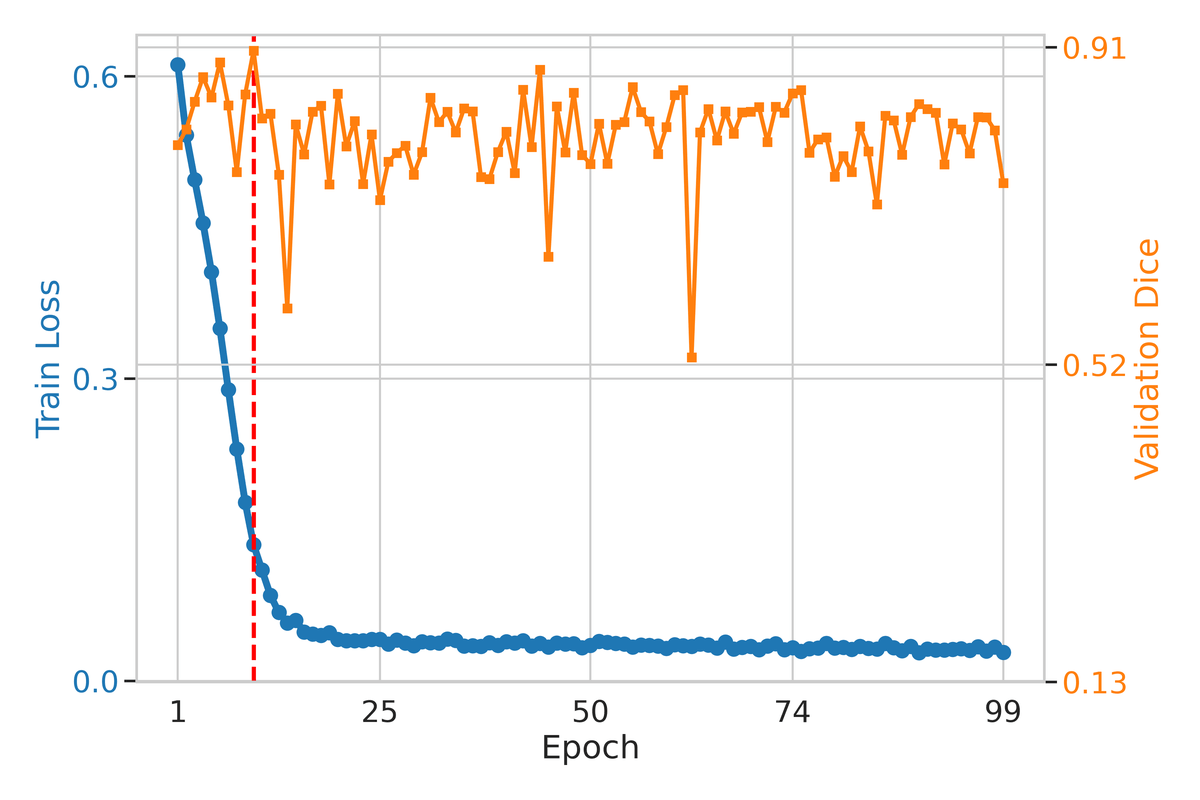
A U-Net trained with TotalSegmentator organ masks pushes AAA segmentation Dice from 0.64 to 0.91 without changing the architecture.
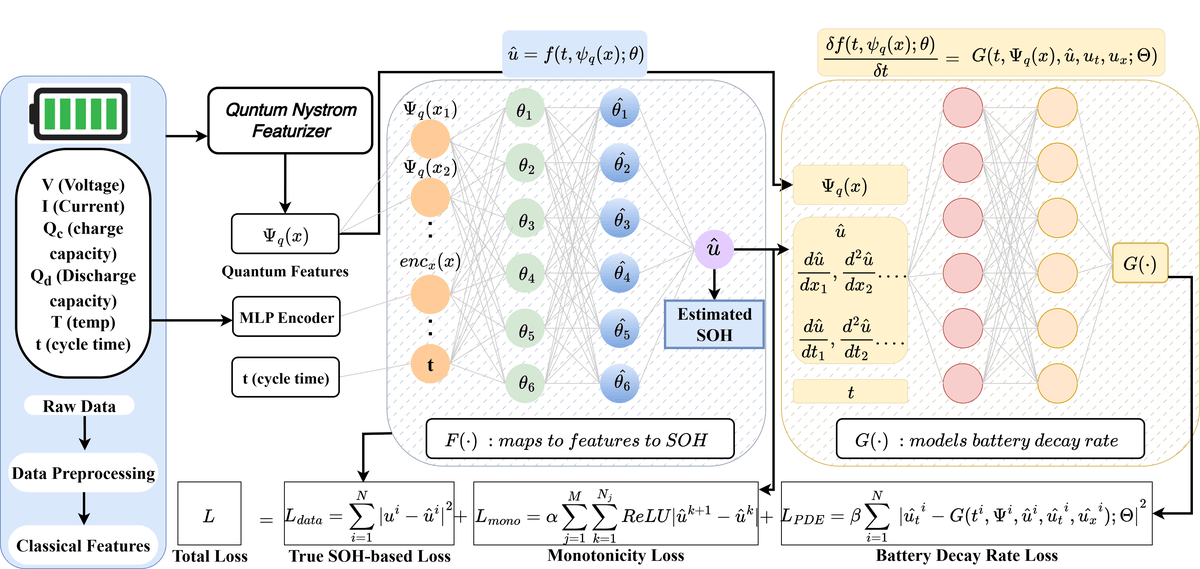
A hybrid model blends quantum-inspired kernel features with physics constraints to estimate lithium-ion battery health at 99.46% accuracy across four chemistries.
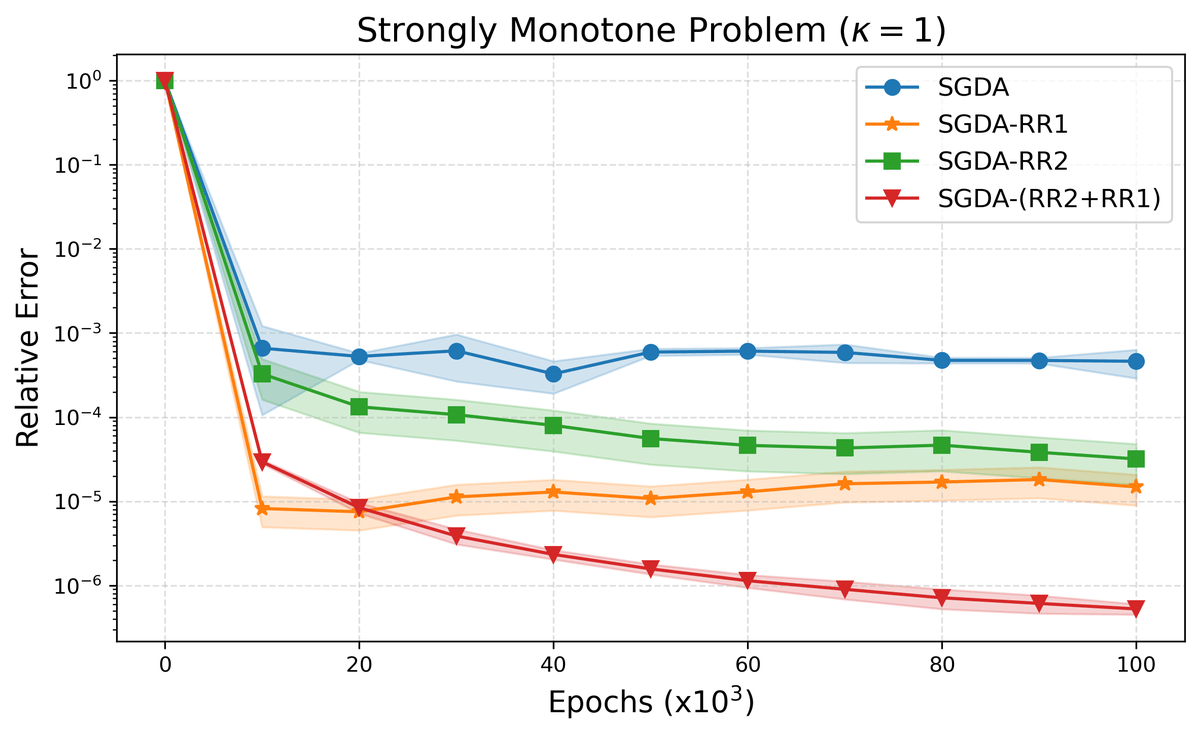
New algorithm combines random reshuffling with step-size extrapolation to shrink SGD's constant-step bias from linear to cubic in the step size.
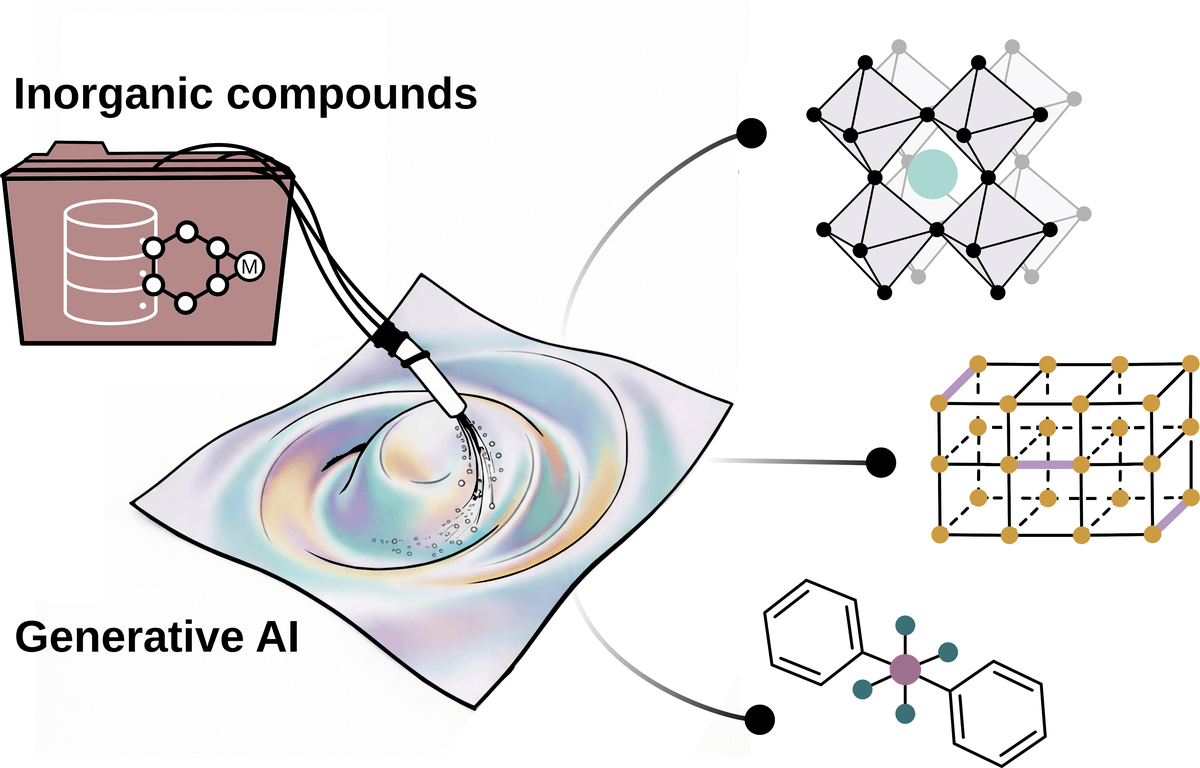
A sweeping review maps how genetic algorithms, VAEs, diffusion models, and LLMs are tackling inverse design across metal complexes, perovskites, MOFs, and zeolites.
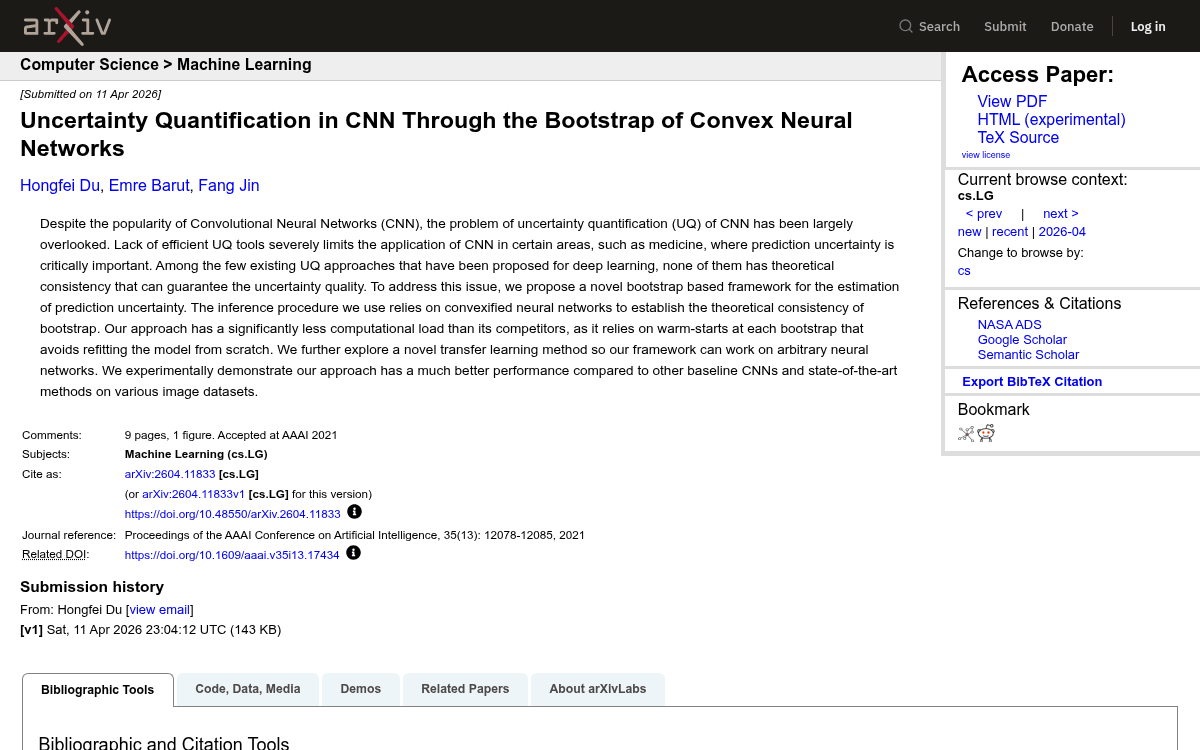
A bootstrap method built on convexified CNNs delivers prediction intervals with theoretical consistency guarantees, tighter confidence bounds, and lower compute than ensembles.
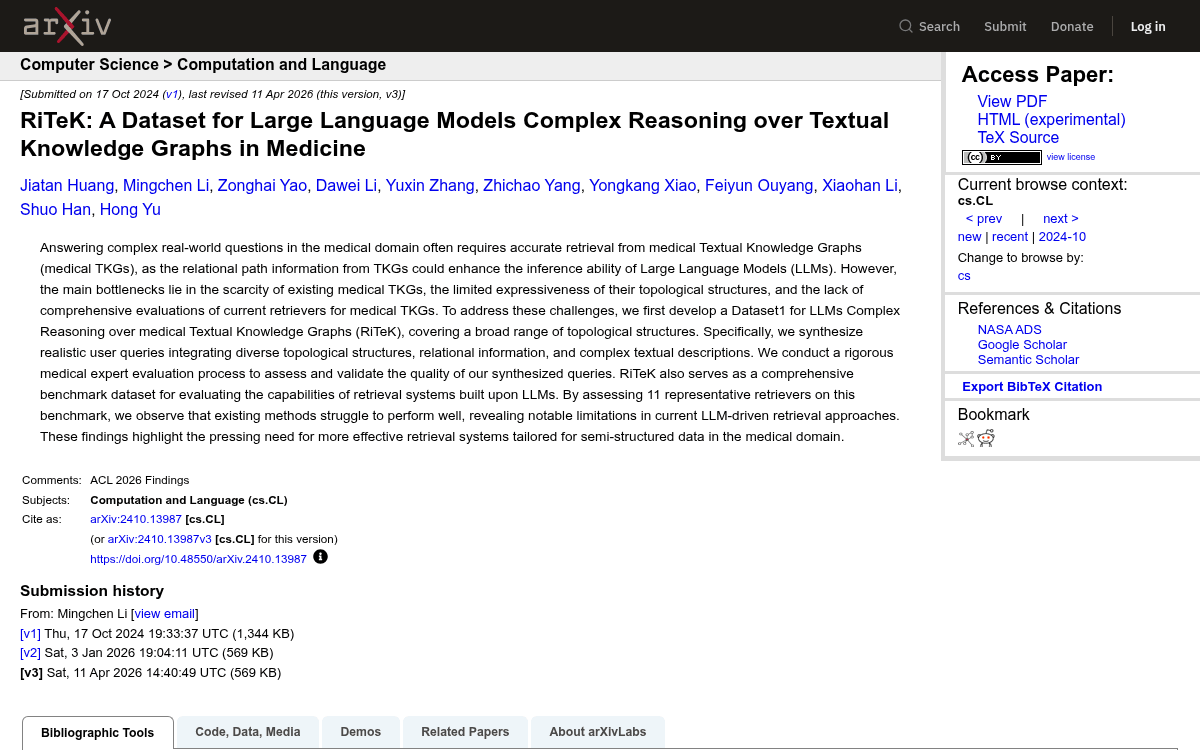
A new medical knowledge graph benchmark reveals that top retrieval methods still stumble on multi-hop clinical questions with textual constraints.
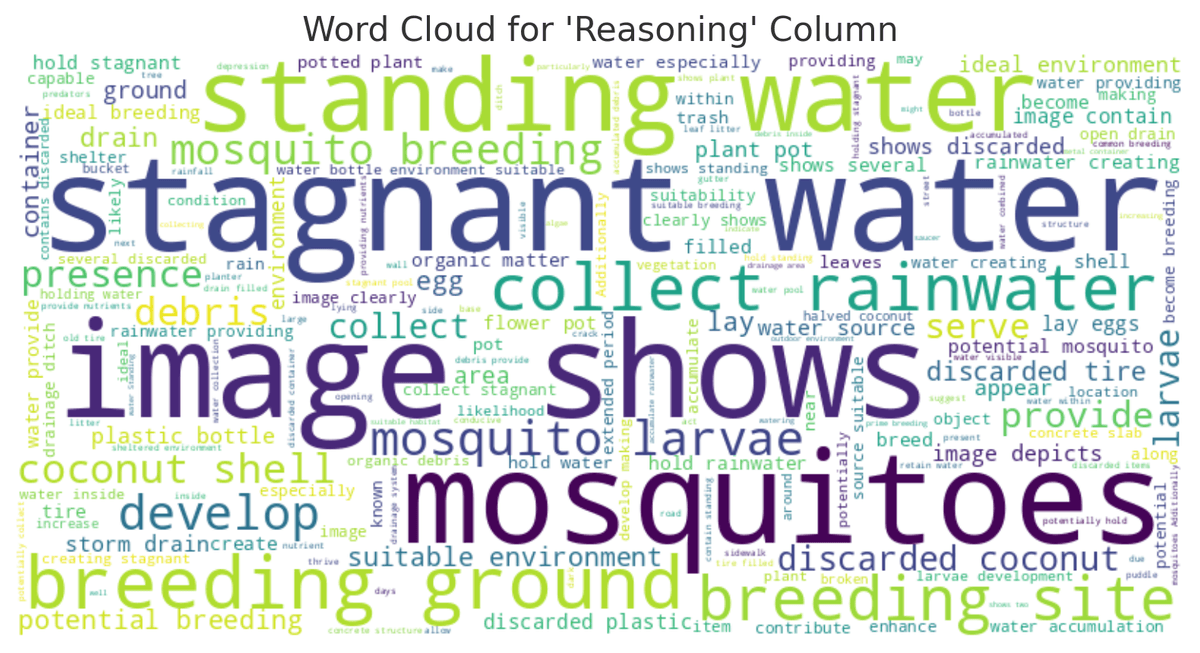
A new open dataset pairs 1,828 annotated breeding-site images with segmentation masks and natural-language explanations, plus a fine-tuned LLaMA3-Vision model.
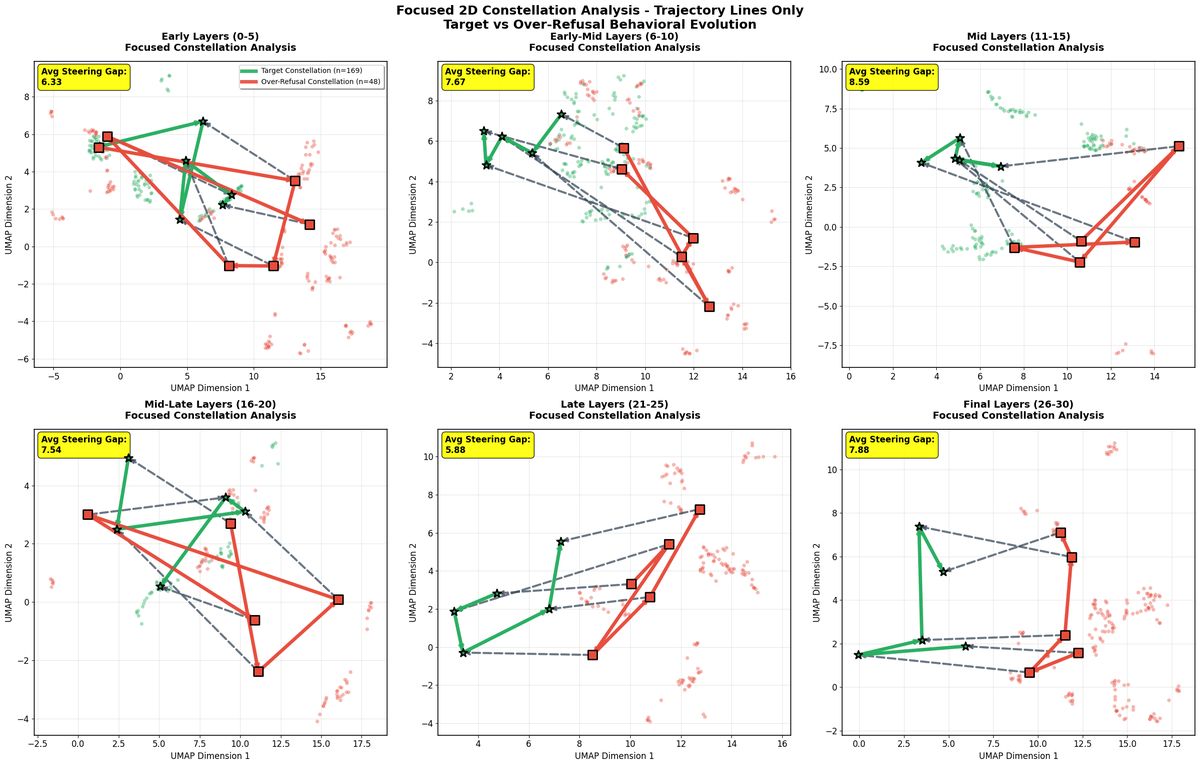
A new inference-time steering method reduces LLM over-refusals by up to 73% by tracking task-specific representation trajectories through model layers.
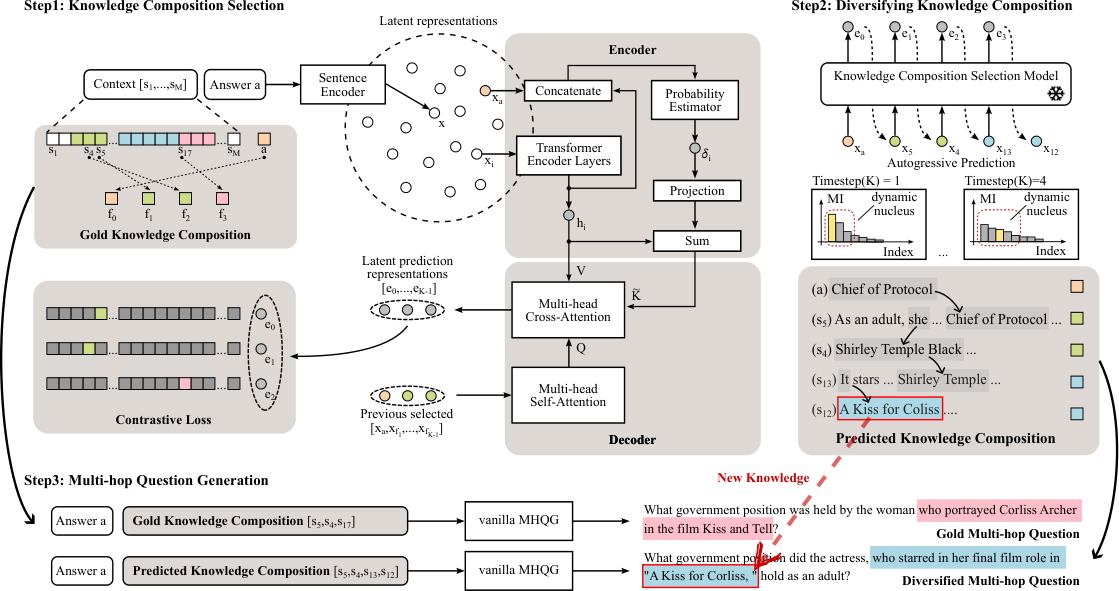
A research team proposes Knowledge Composition Sampling, a framework that diversifies multi-hop question generation by varying which sentences a model reasons over.
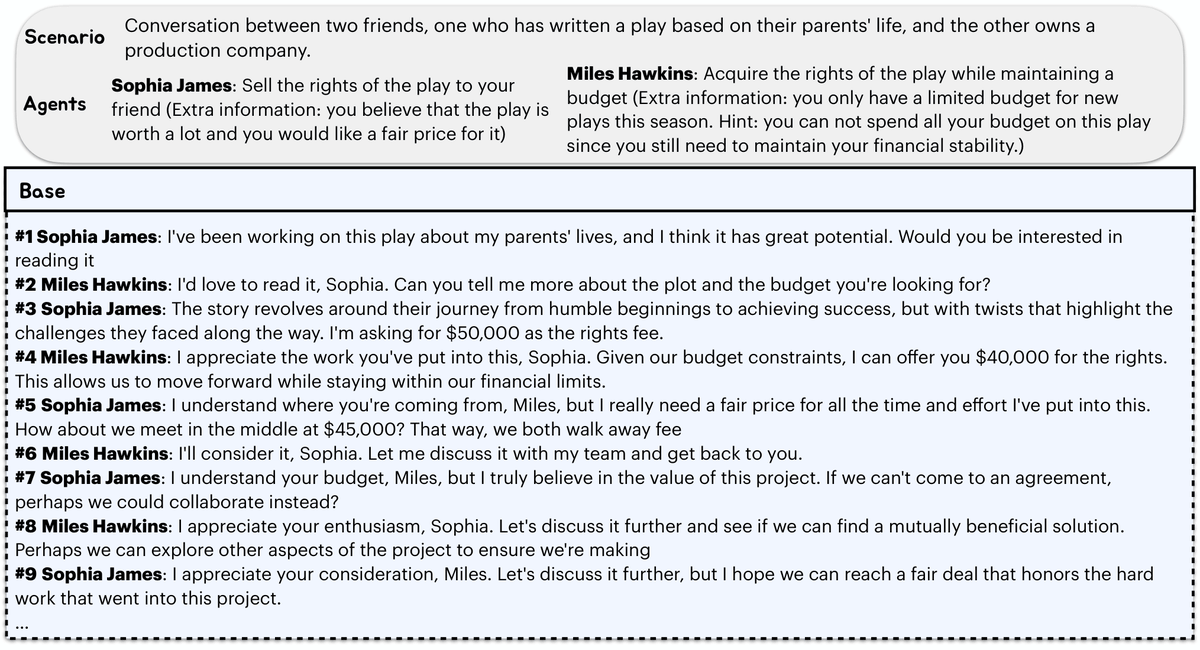
A new training method teaches small language models to reason about their conversation partner's mental state, boosting goal completion by up to 18.9%.
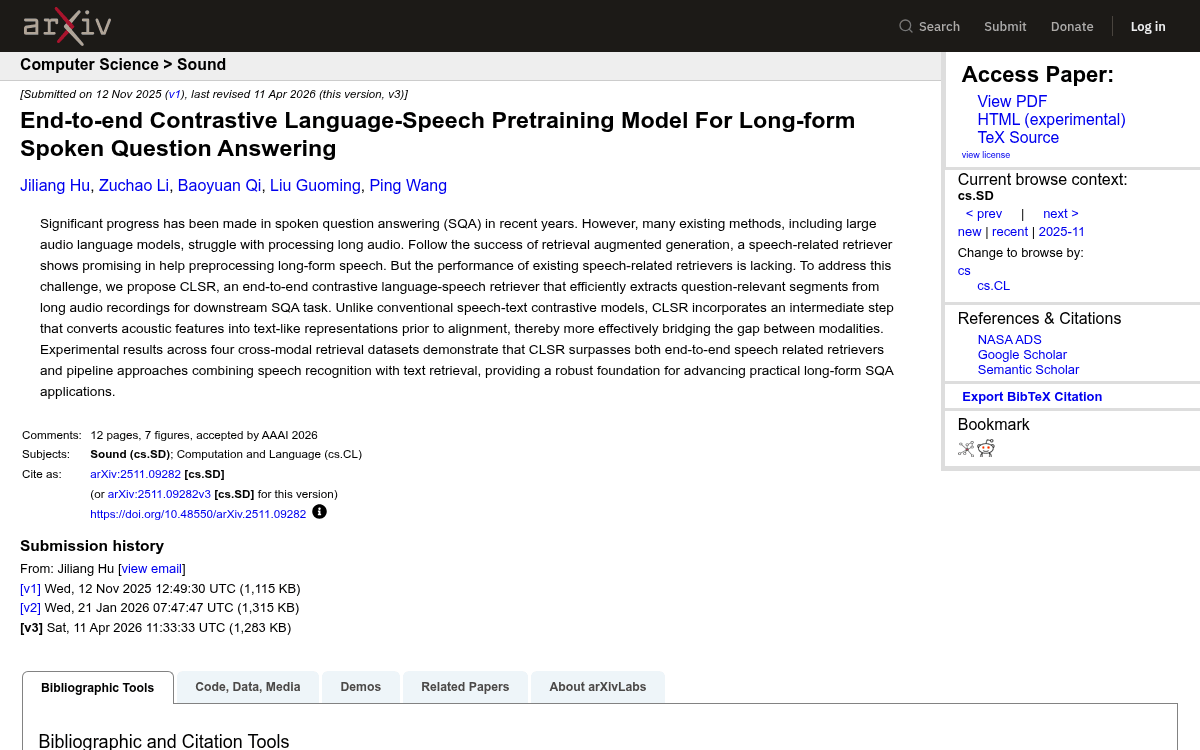
A new retriever from Wuhan University and Xiaomi turns speech into text-like tokens before matching, cutting long-audio QA time tenfold.
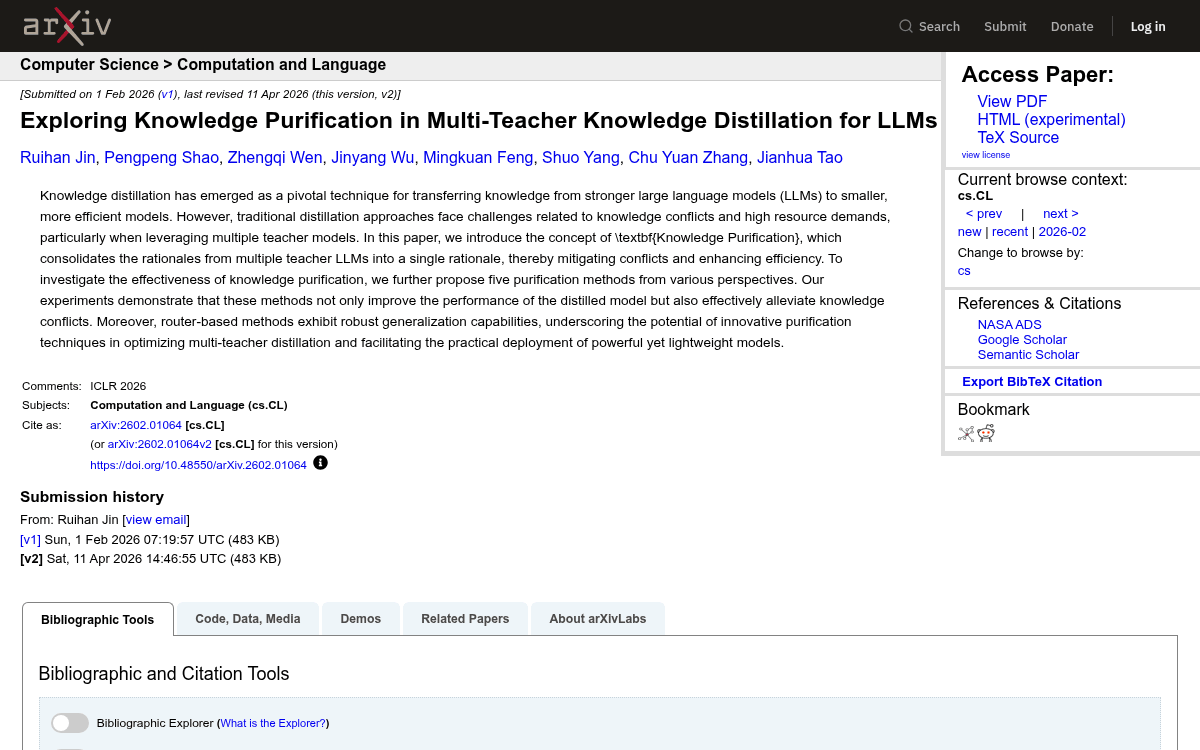
Piling on more teacher LLMs actually hurt student performance. A new distillation framework consolidates rationales to fix knowledge conflicts.
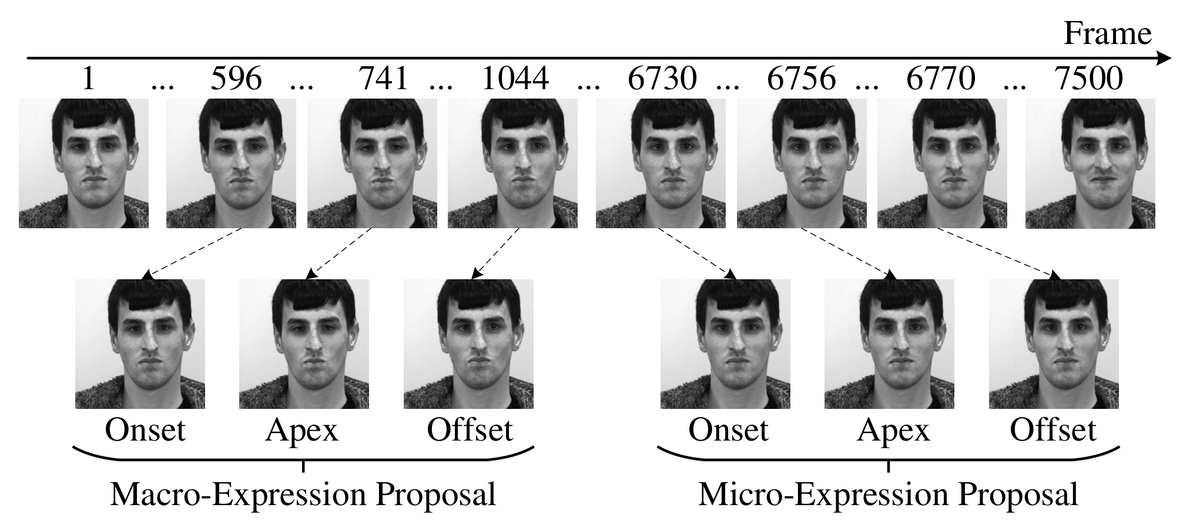
A new transformer architecture spots the fleeting facial twitches that betray hidden emotions, outperforming prior methods by up to 49 percent on micro-expression benchmarks.
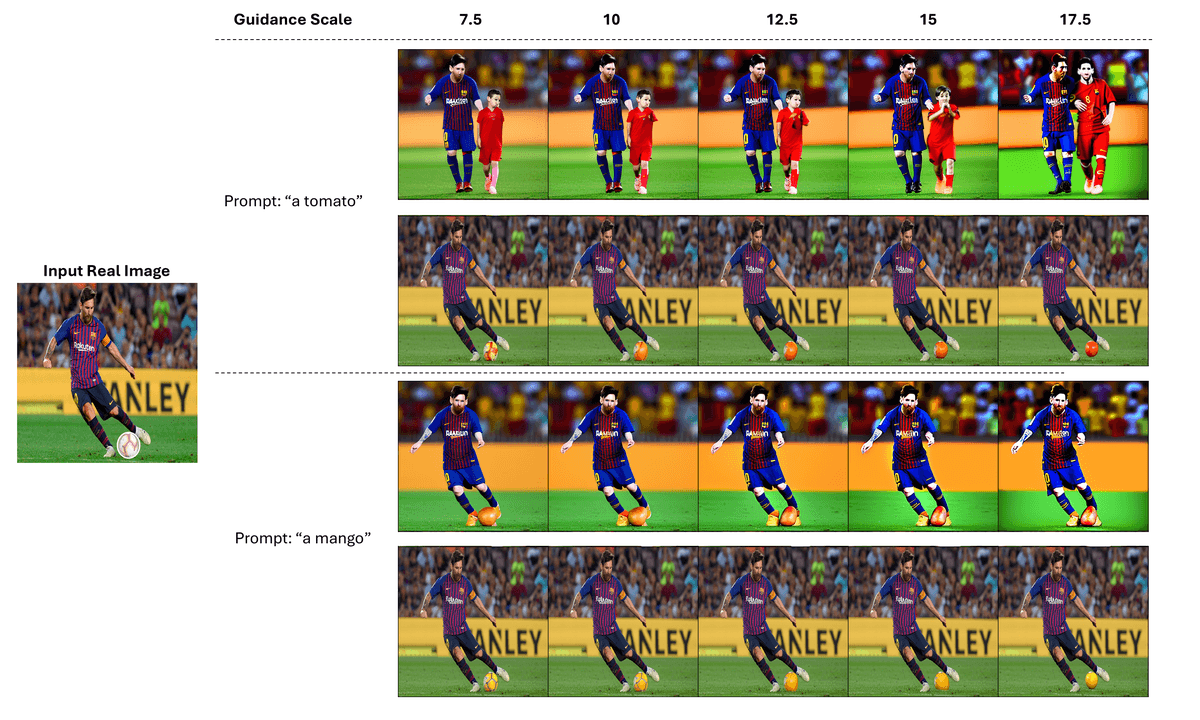
Researchers from University of Science (VNU-HCM), Monash, and Dayton unveil a training-free image editor that preserves backgrounds while modifying non-rigid objects.
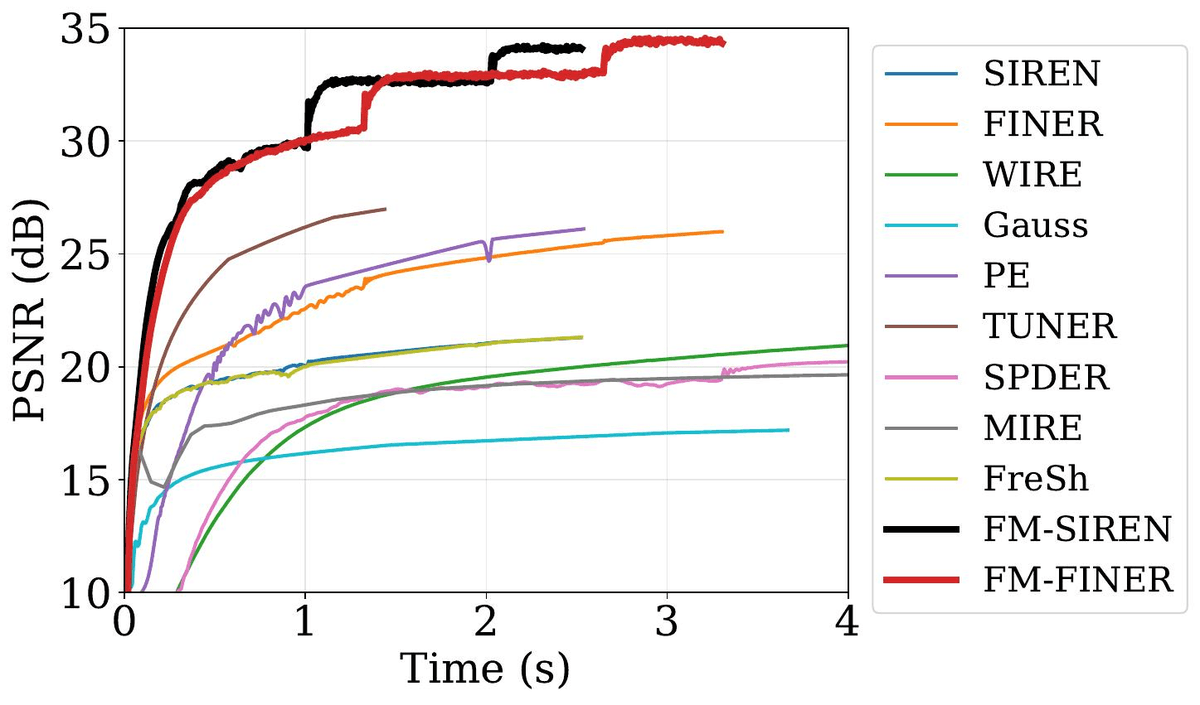
A CMU and Google team fixes a hidden bottleneck in periodic-activation INRs by giving each neuron its own Nyquist-informed frequency, cutting feature redundancy roughly in half.
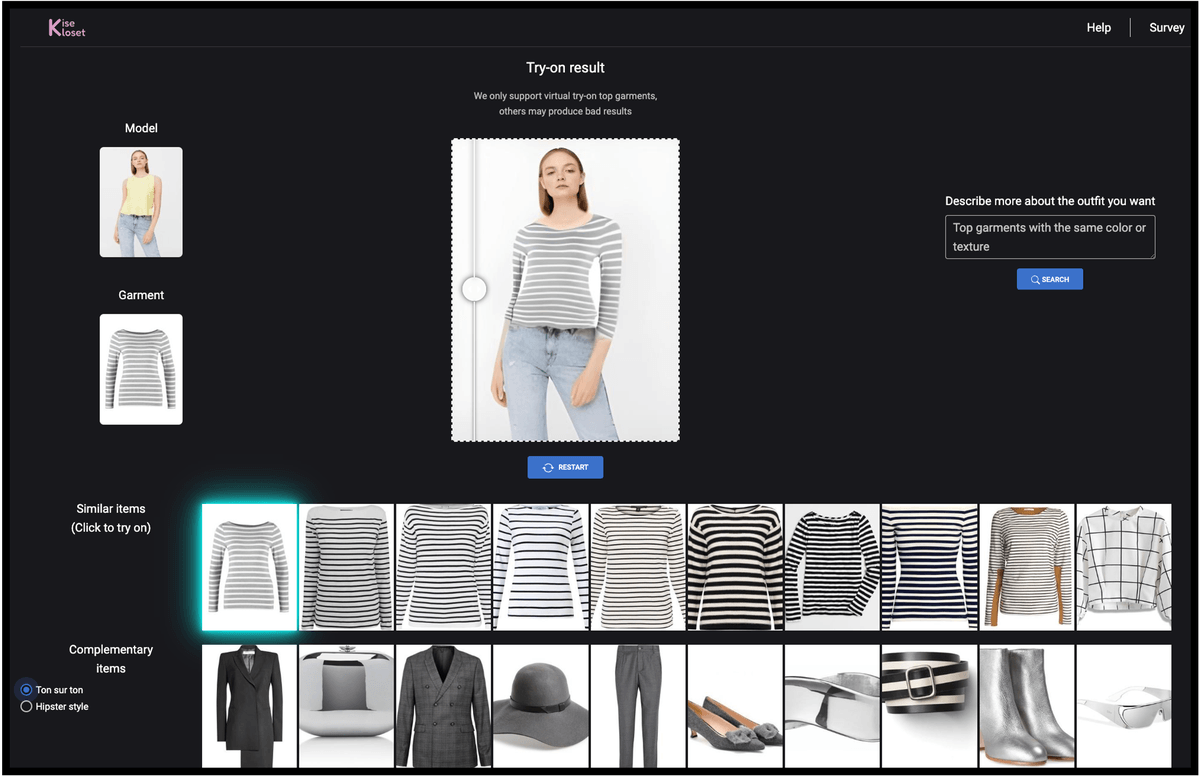
A Vietnamese research team built an end-to-end fashion shopping system pairing CLIP-based retrieval, a novel outfit transformer, and real-time virtual try-on.