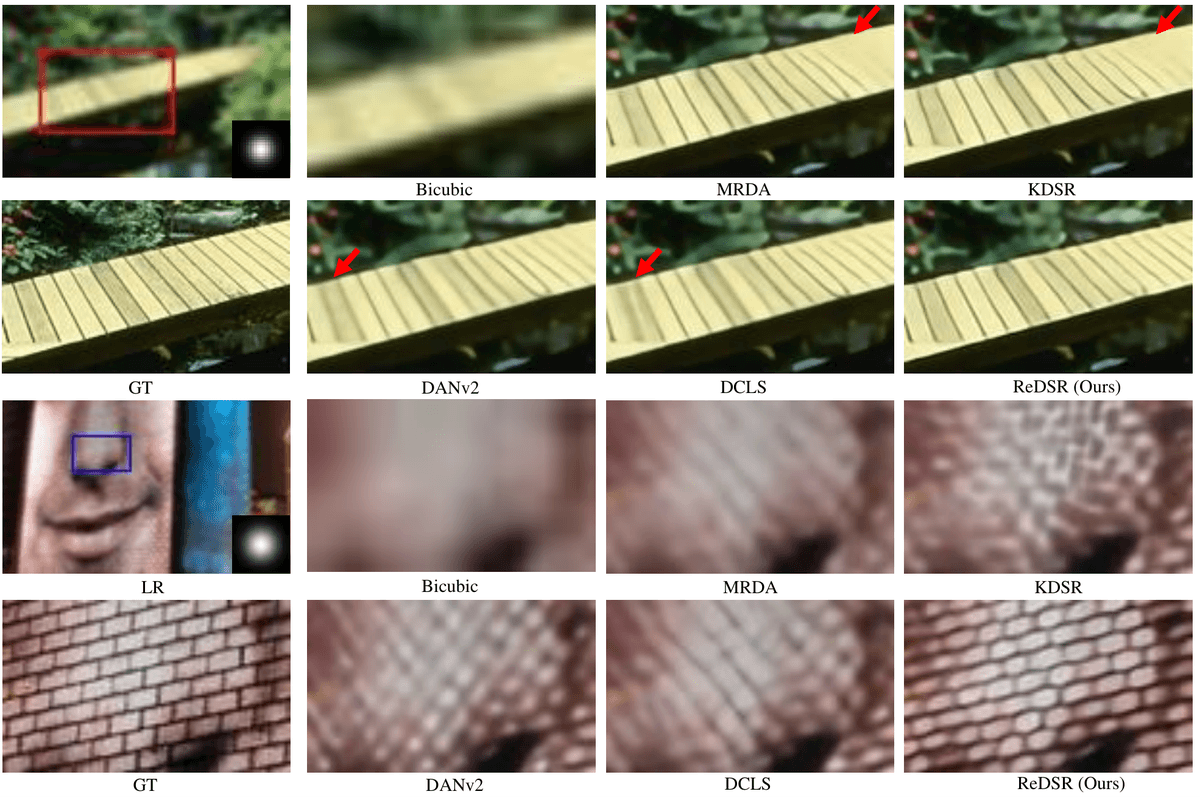
ReDSR trains a Mamba-based super-resolution network that learns degradation by reproducing the low-res input, beating prior blind SR baselines across benchmarks.
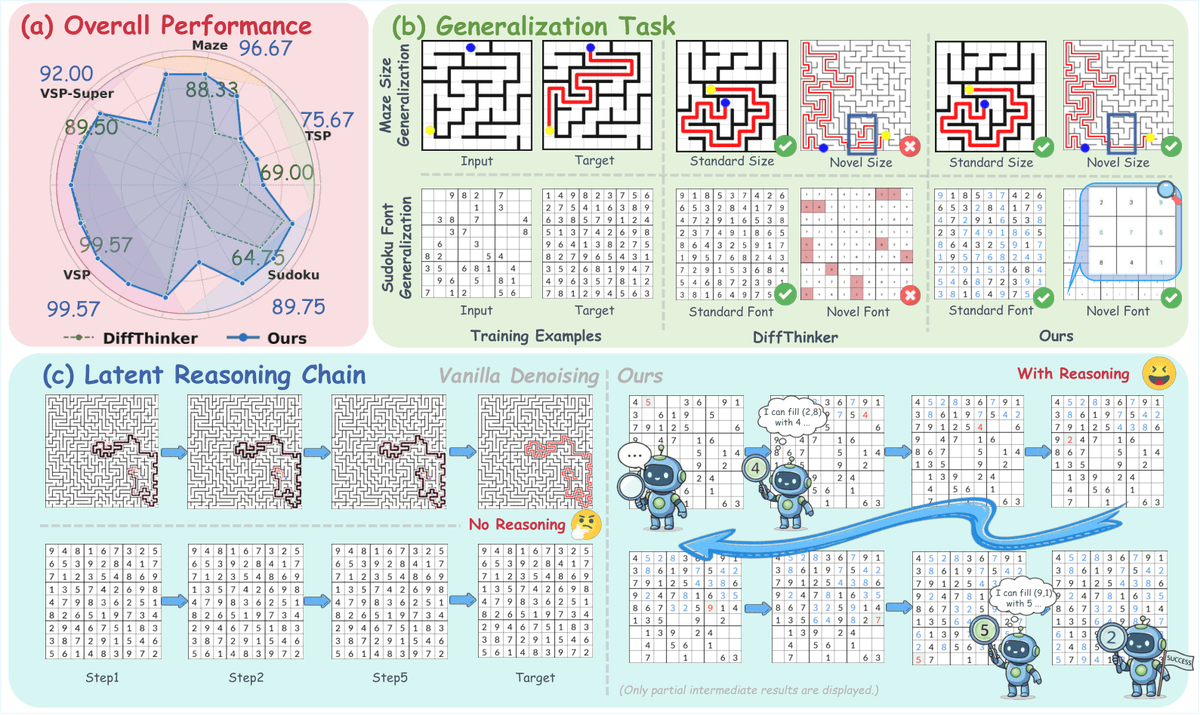
A new framework from Shanghai AI Lab teaches diffusion models to reason iteratively in latent space, hitting 92.1% average accuracy on Maze, TSP, Sudoku, and VSP.
A new lightweight classifier detects memory-corrupting attacks against Mamba and hybrid state space models with 99.3% document-level F1 score and 4GB VRAM.
A new algorithm unifies generic and wireframe line segment detection under one framework, beating specialized detectors on both benchmarks with minimal parameter tuning.
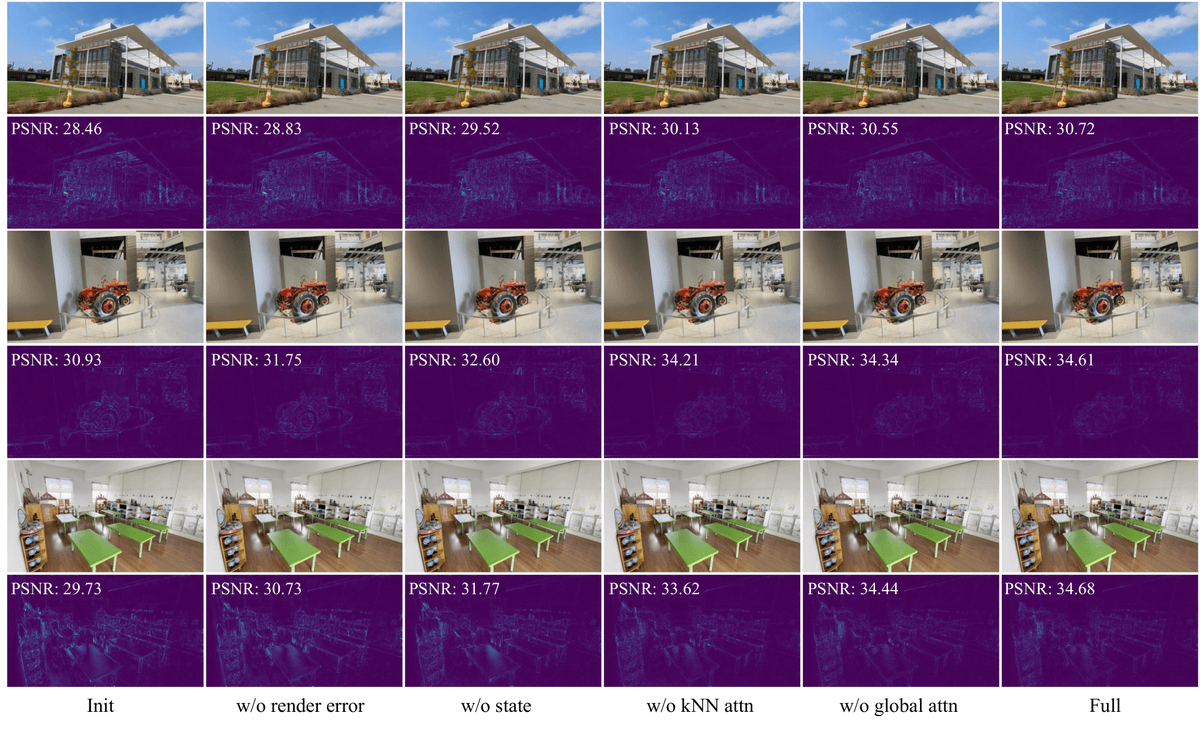
ETH Zurich, Tübingen, and Microsoft researchers propose a recurrent feed-forward model that iteratively refines 3D Gaussians using rendering error, without gradients.
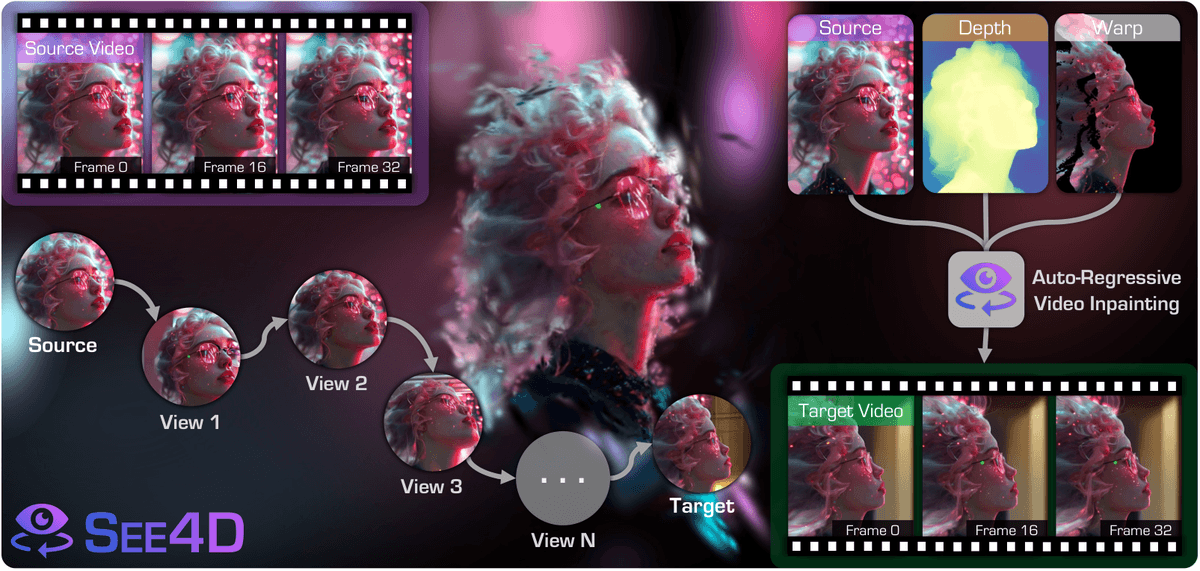
A new framework converts casual handheld videos into free-viewpoint 4D scenes without camera poses, beating pose-conditioned baselines on reconstruction and video quality benchmarks.
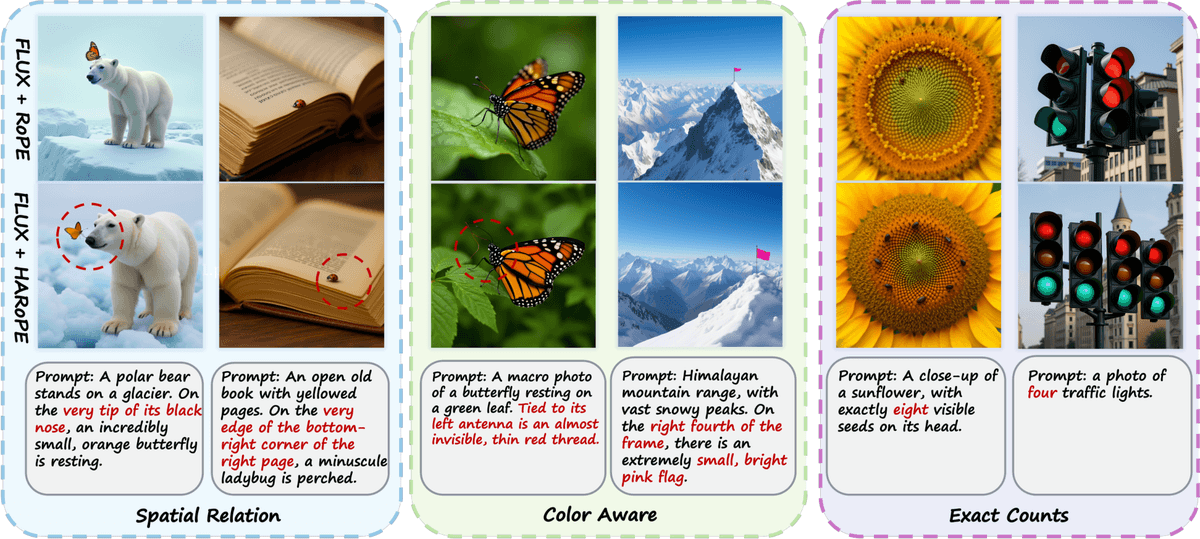
A new drop-in positional encoding called HARoPE uses per-head SVD transforms to fix RoPE's weakness at spatial layout, color, and counting in image generation.
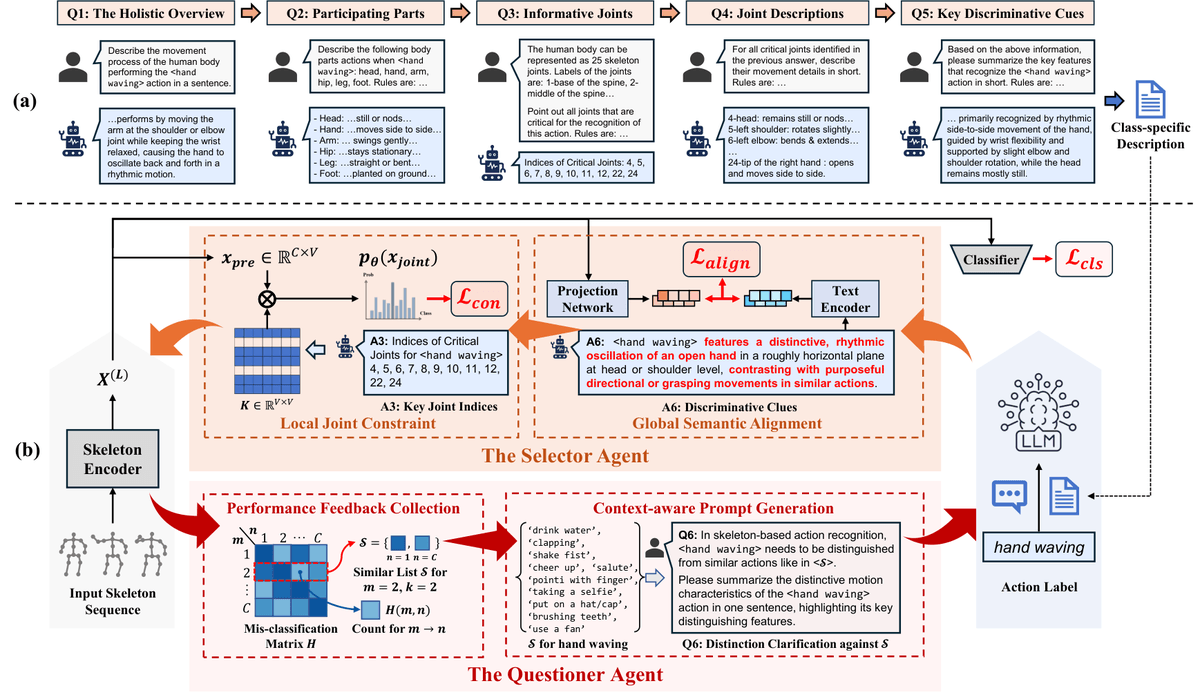
A new framework wires an LLM directly into a skeleton action recognizer, using two agents to trade real-time confusion data for sharper joint-level cues.
A new post-training framework forces video models to separate what they see from what they conclude, cutting hallucinations while using a fraction of the training data.
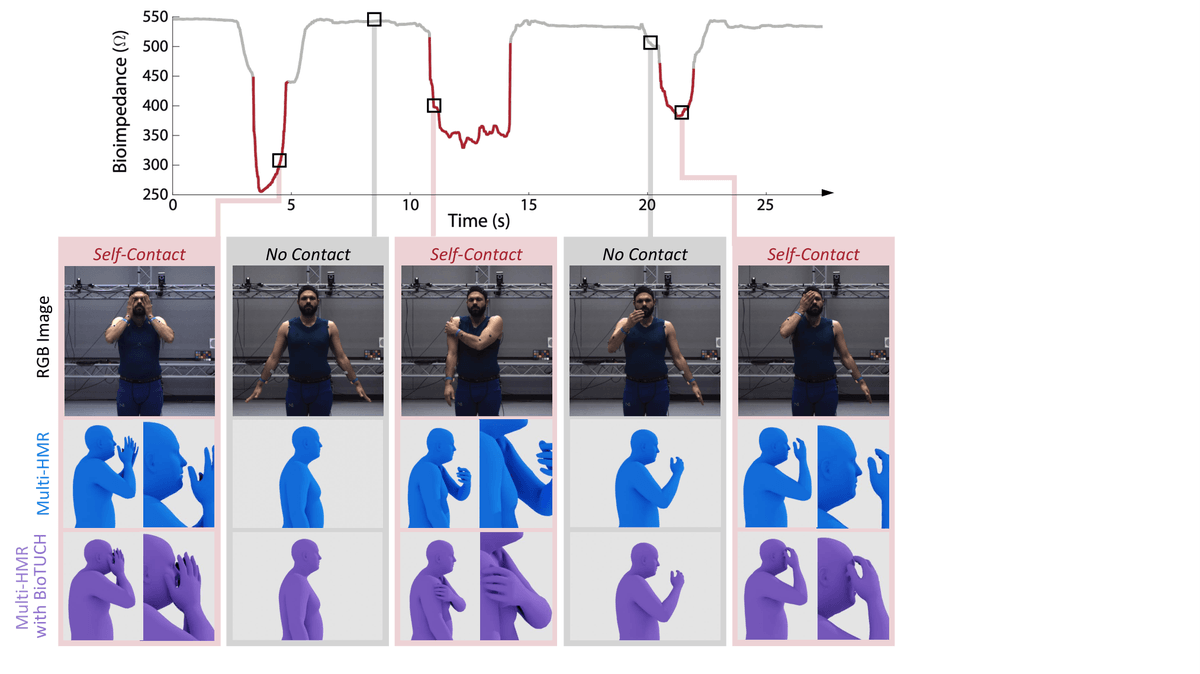
A new framework pairs off-the-shelf pose estimators with a wrist-worn bioimpedance sensor to fix hand-to-face self-contact failures, cutting reconstruction error by 11.7%.
Researchers propose LoC-Path, a resource-efficient slide-level pathology MLLM that compresses gigapixel visual tokens before routing only query-relevant latents to the LLM.
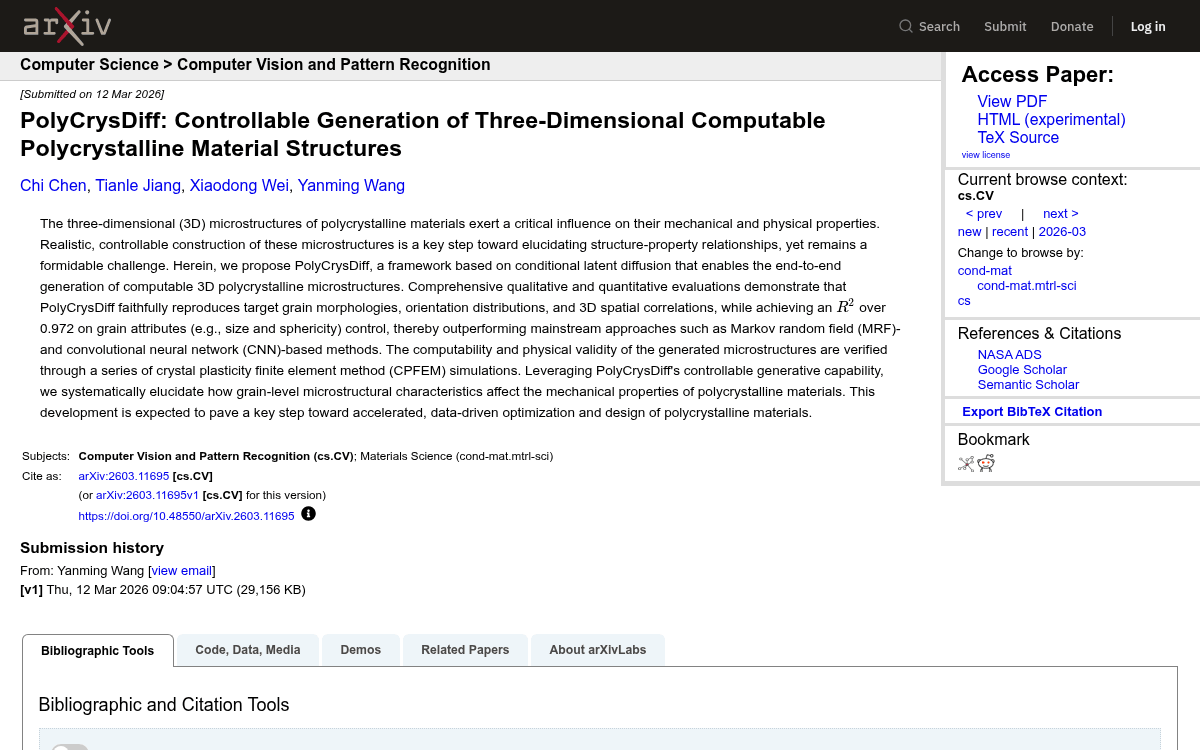
A conditional latent diffusion model builds 3D grain structures with tunable size and shape, then feeds them straight into physics simulators for tensile testing.
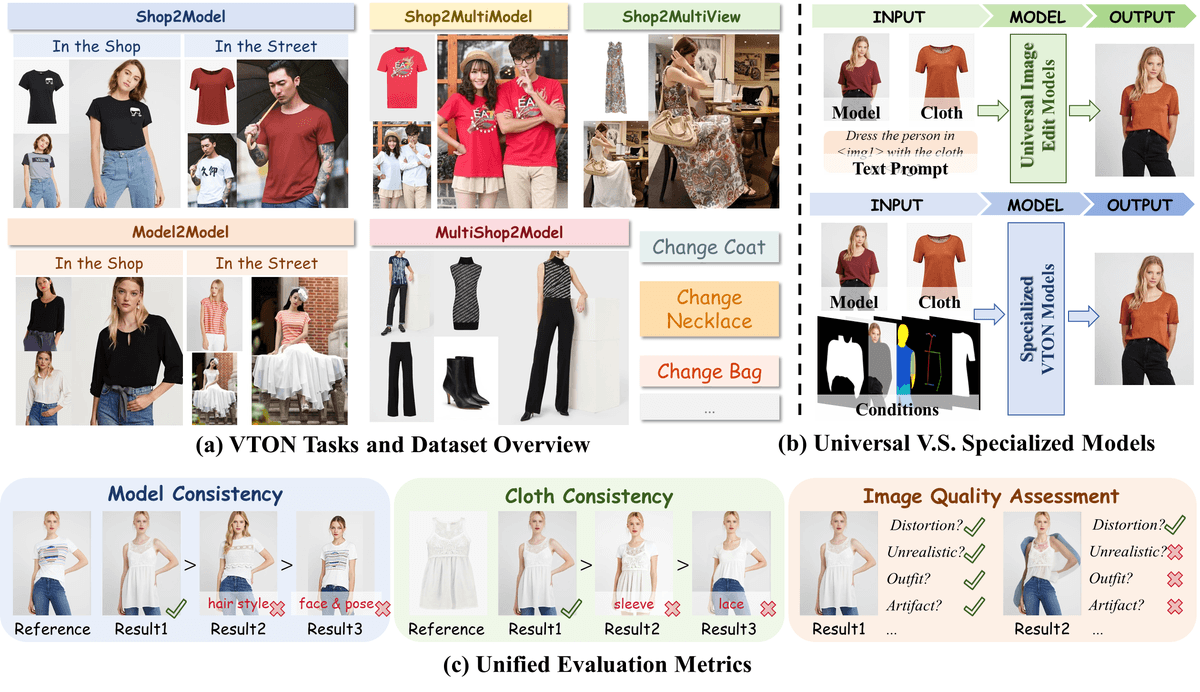
A new benchmark tests whether universal image editors like Flux.2 and Qwen-Image-Edit can replace specialized virtual try-on models across five realistic scenarios.
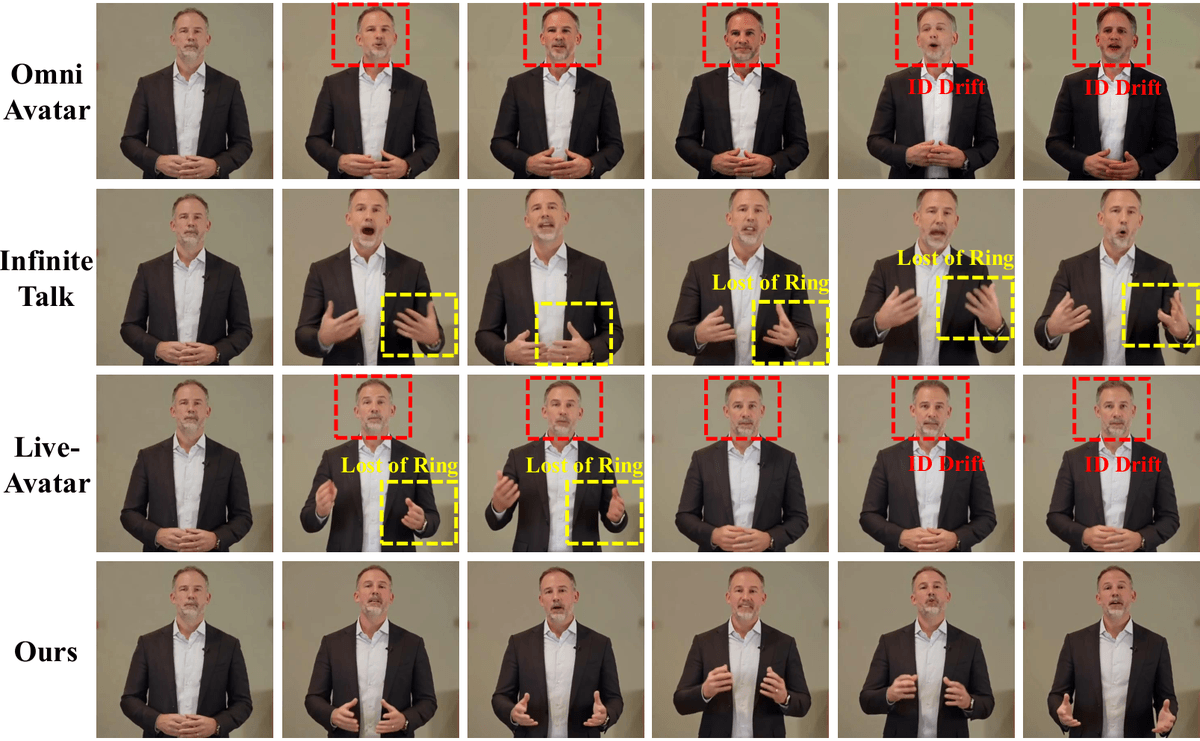
Soul AI Lab's new autoregressive diffusion model streams talking-head video at 20 FPS on two GPUs with constant memory, enabling truly unbounded generation.