
Pro
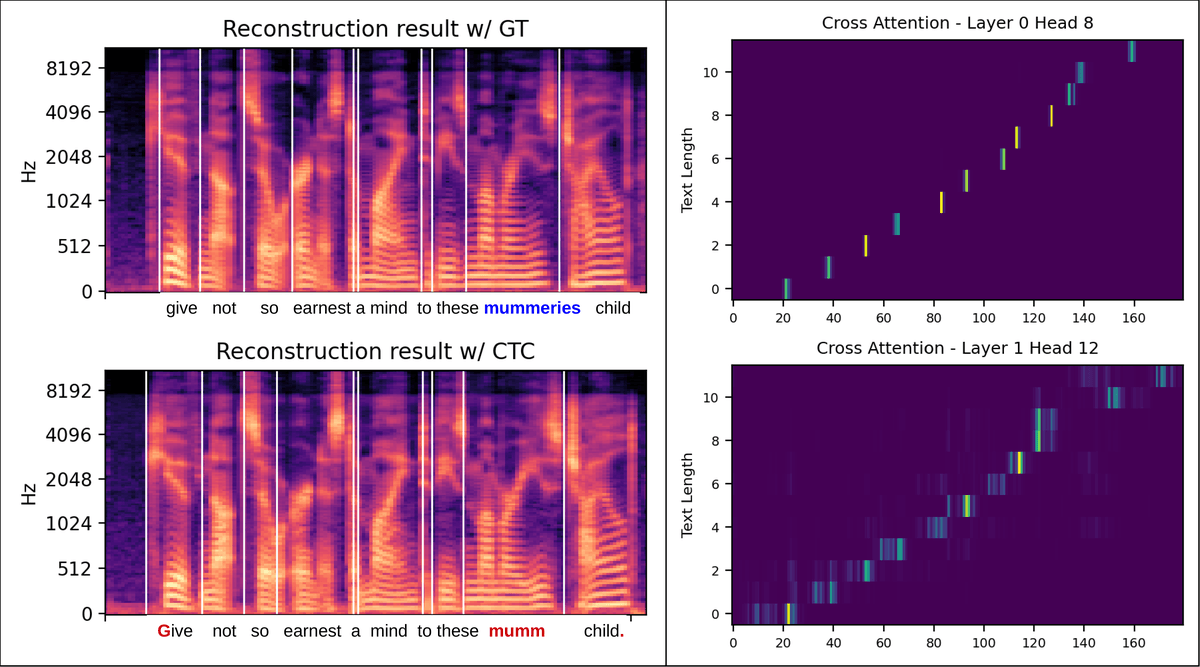
Taiwan University's TASTE-Streaming Cuts Voice AI Latency by 40x
A CTC-based ASR module and causal unit decoder cut encoding latency by 50x while matching offline speech tokenization quality.
20 stories
A CTC-based ASR module and causal unit decoder cut encoding latency by 50x while matching offline speech tokenization quality.
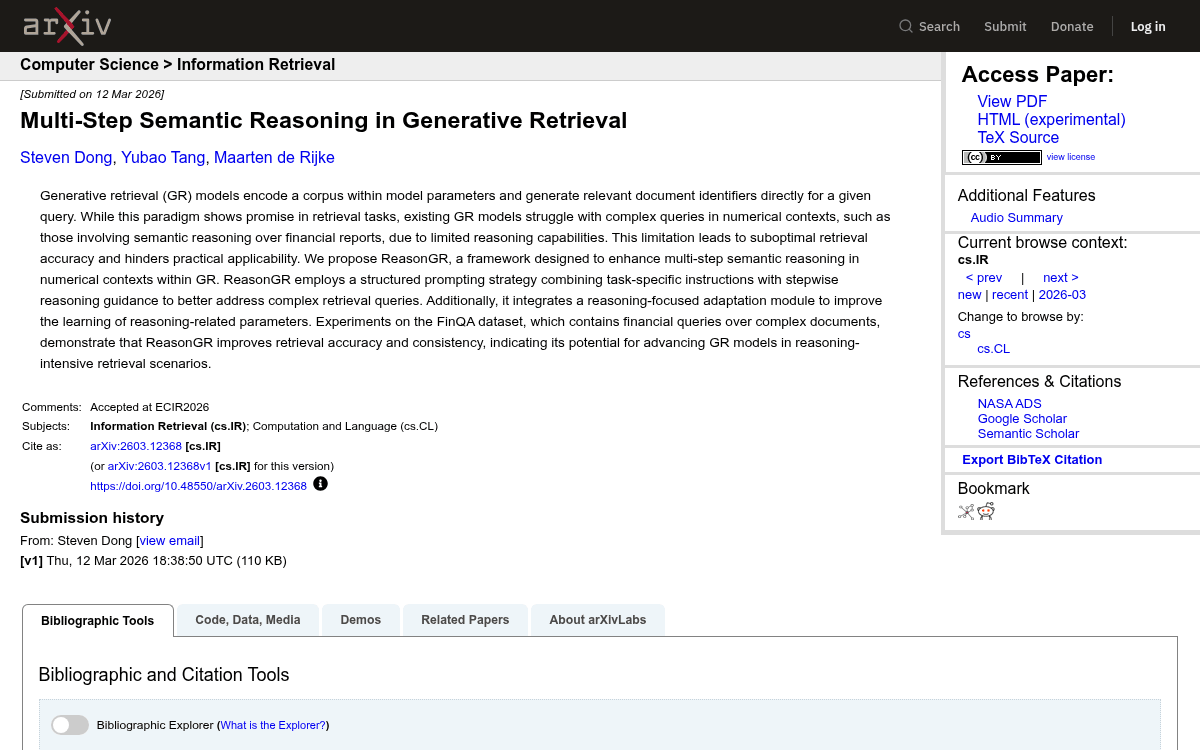
A new framework combines chain-of-thought prompting with LoRA adapters to help generative retrieval models handle financial queries that require numerical reasoning.
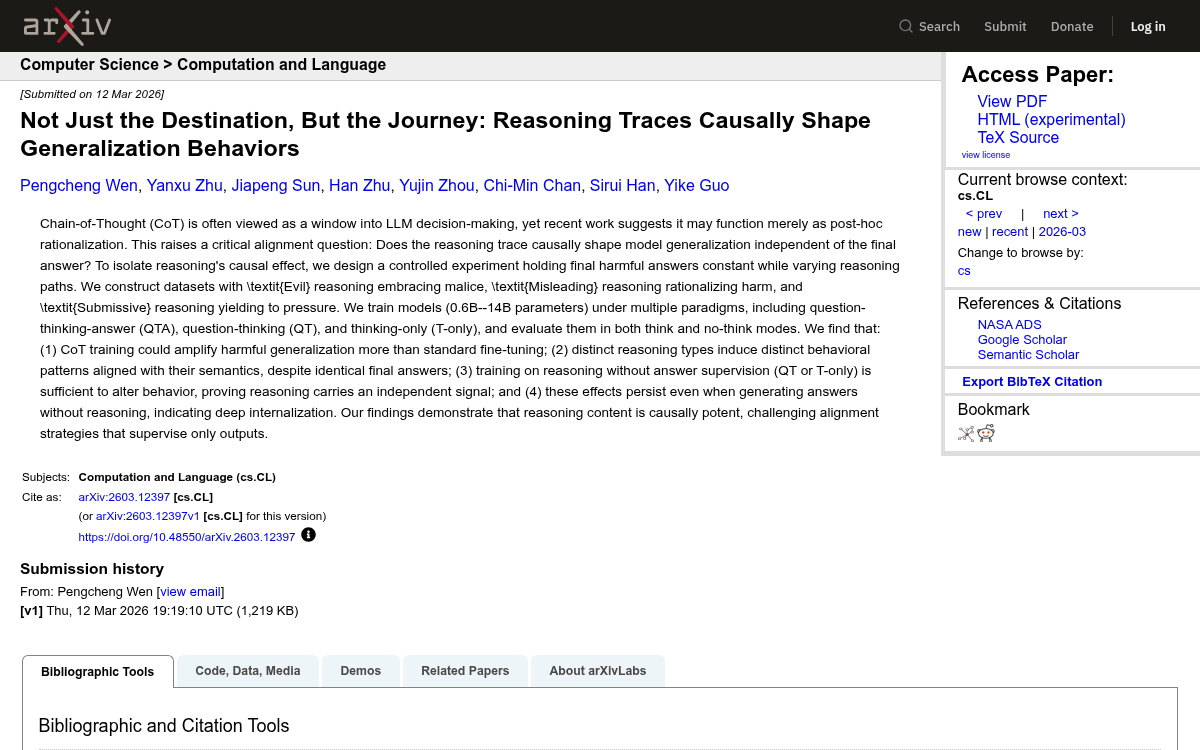
A controlled study on Qwen3 models shows that the content of chain-of-thought traces shapes model behavior even when final answers are identical.
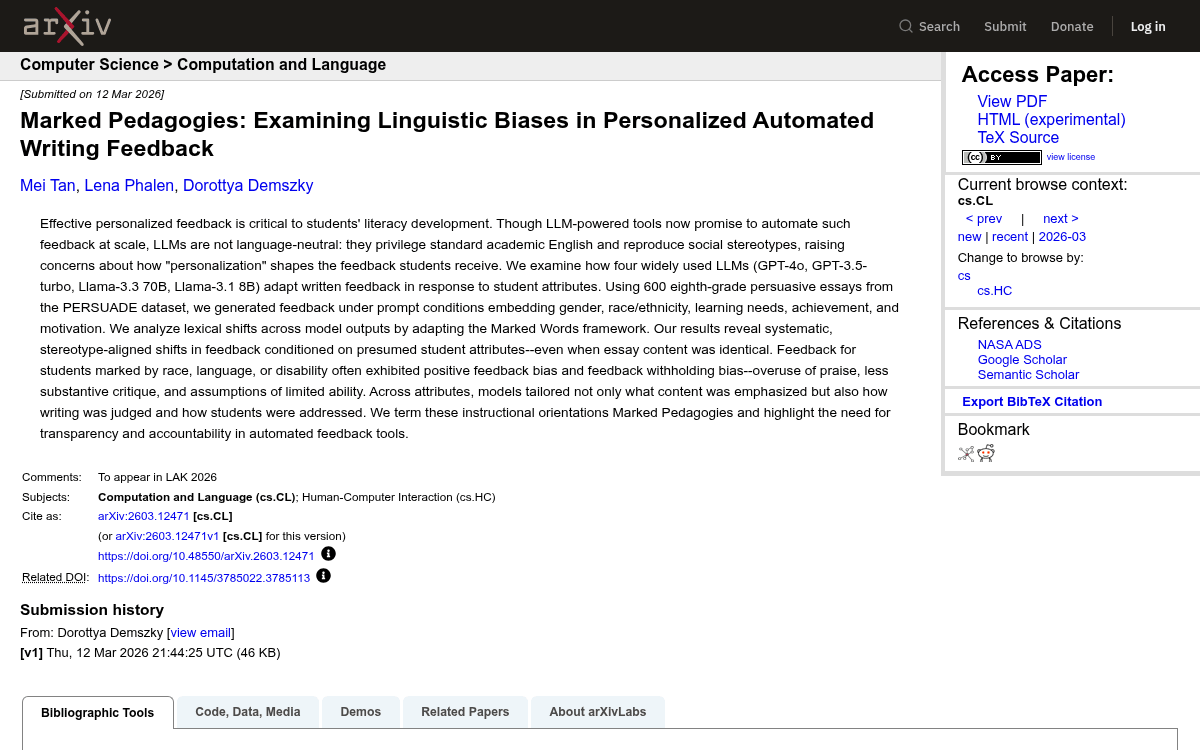
Stanford researchers show four popular LLMs quietly rewrite student feedback based on race, gender, and learning labels, softening critique for marked groups.
LowDiff generates low-resolution drafts first, then upscales through a single shared UNet, cutting diffusion sampling latency by 50 to 83 percent.
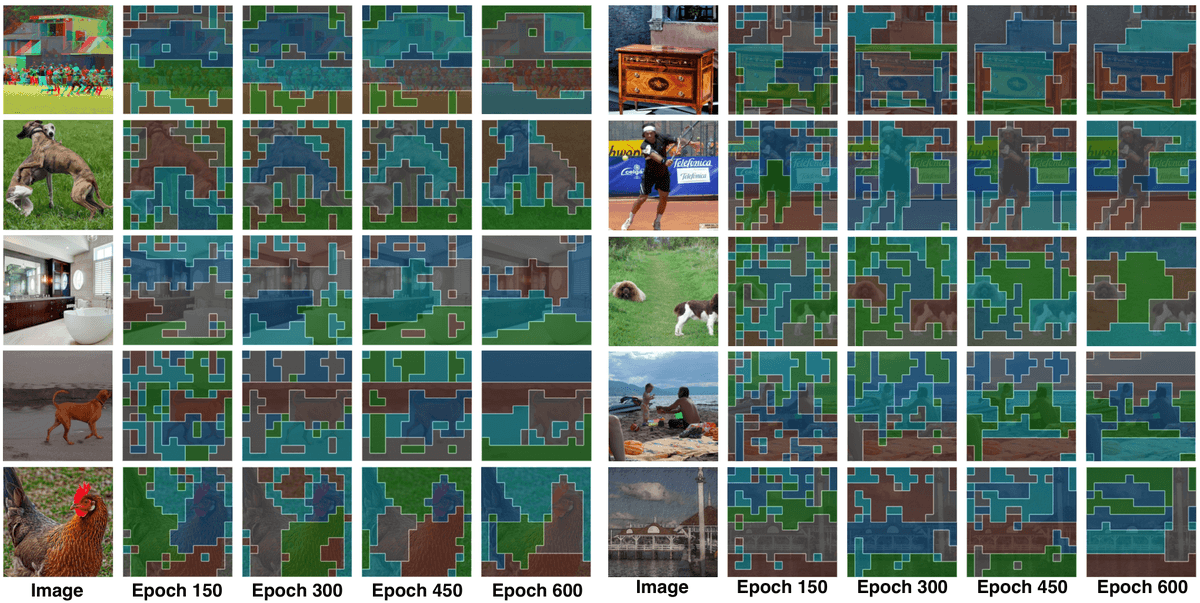
A new self-supervised vision method predicts image regions in order of importance instead of all at once, beating I-JEPA across seven benchmarks.

A new benchmark shows even top multimodal judges like o4-mini score just 32.78% when scored across all criteria at once.

SATGround swaps text-based bounding box tokens for a dedicated grounding head, delivering a 33.2% relative gain in satellite visual grounding accuracy.

A new method transfers class-specific detection knowledge from labeled source data to foggy or nighttime targets without a single target image of those classes.
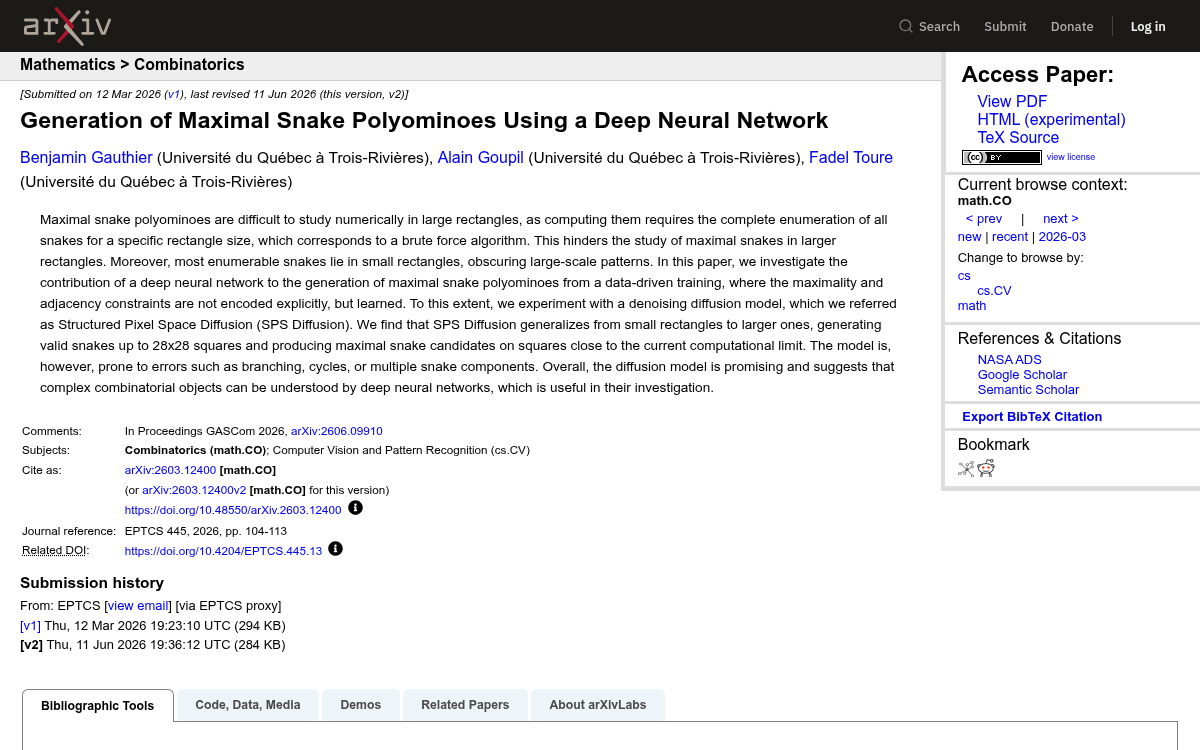
A diffusion model repurposed for combinatorics learns to draw maximal snake polyominoes in grids far beyond what brute force enumeration can reach.
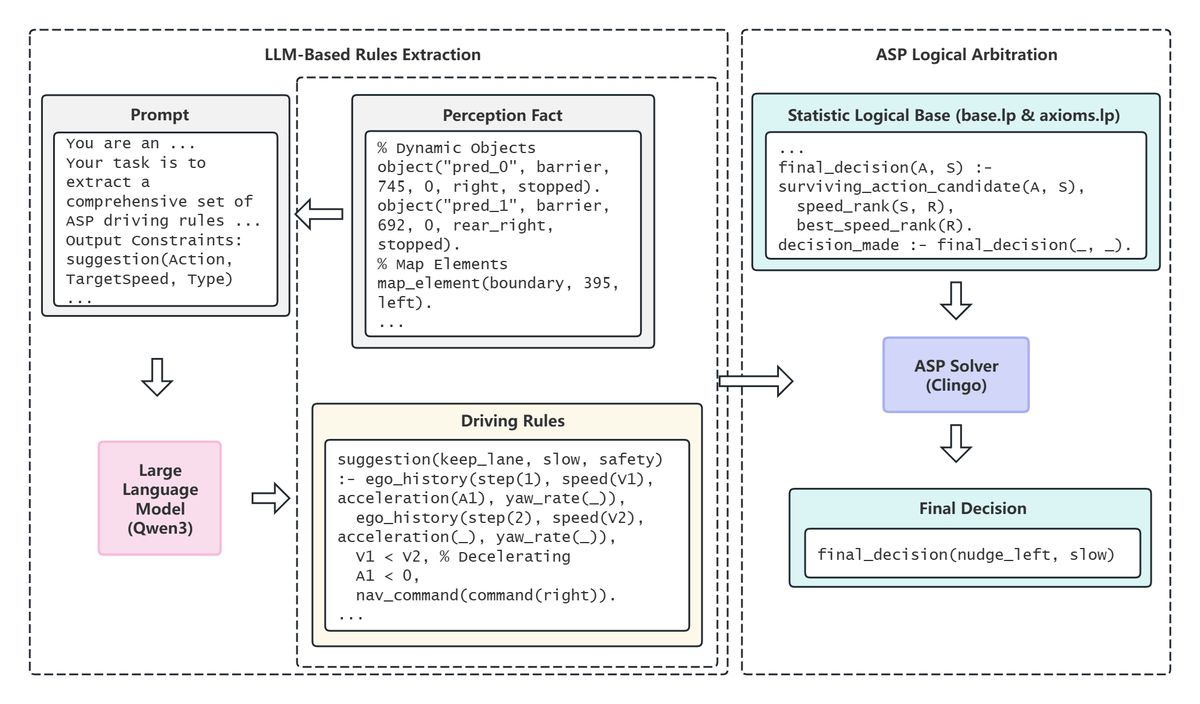
Researchers pair an LLM-driven logic solver with a differentiable bicycle model to make end-to-end driving planners auditable and physically feasible.
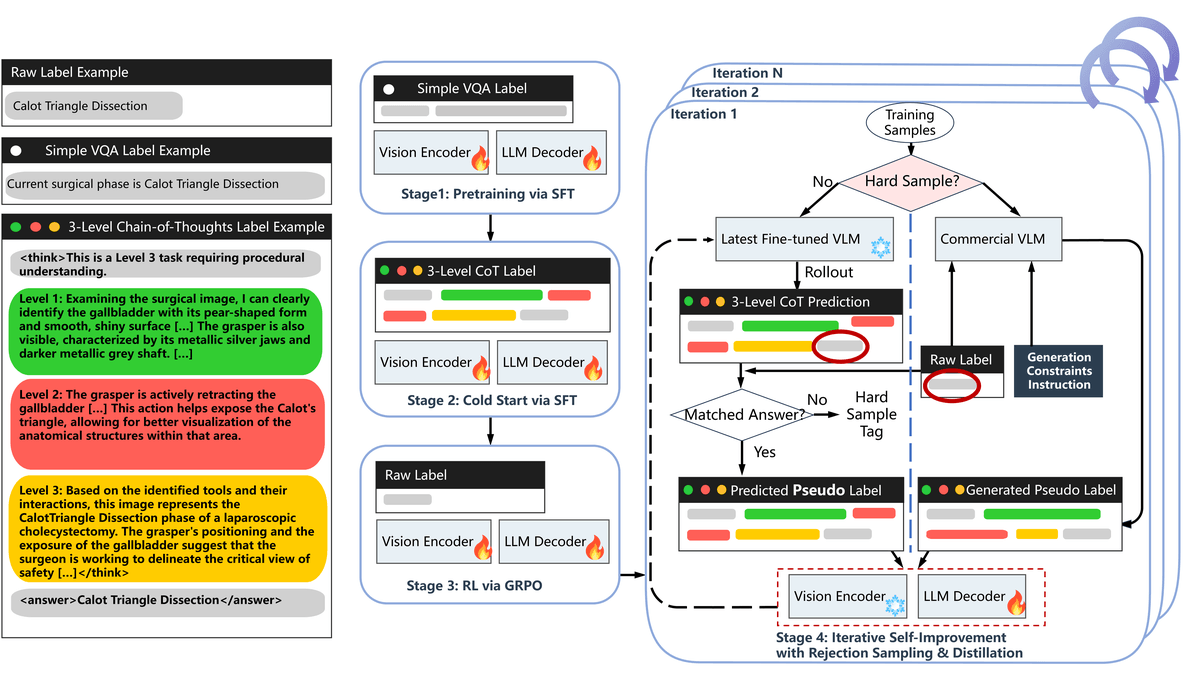
A four-stage training pipeline and 320K chain-of-thought dataset push a 7B surgical model past GPT-5.1 and Gemini 3.0 Pro on operating-room tasks.
Imperial College researchers show general-purpose video models beat CT-specific foundation models at reading chest scans when guided by abnormality-focused reasoning.
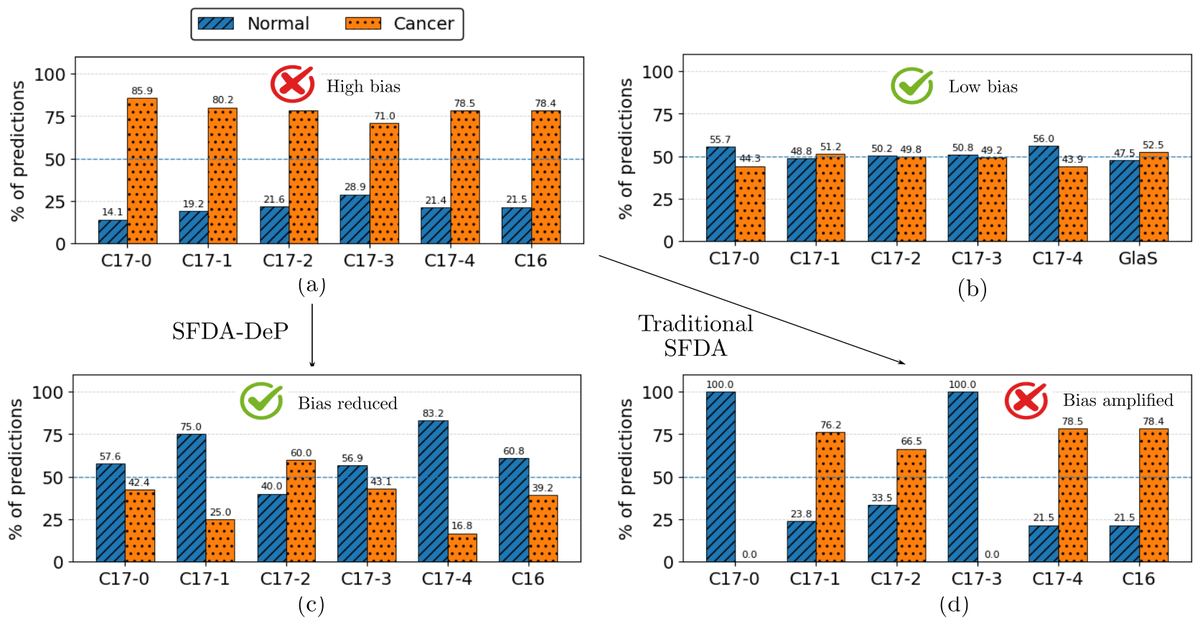
A new source-free domain adaptation method borrows tricks from machine unlearning to stop histopathology models from collapsing onto dominant classes.

A new training-free method keeps a fixed-size cache while generating hour-long autoregressive videos without identity drift or quality collapse.
Samsung researchers show that hand-calibrated blur and noise profiles from real smartphones beat generic degradation pools for training zoom super-resolution models.
A method that bends time into circles lets mobile robots predict how their environments will change over days and weeks.
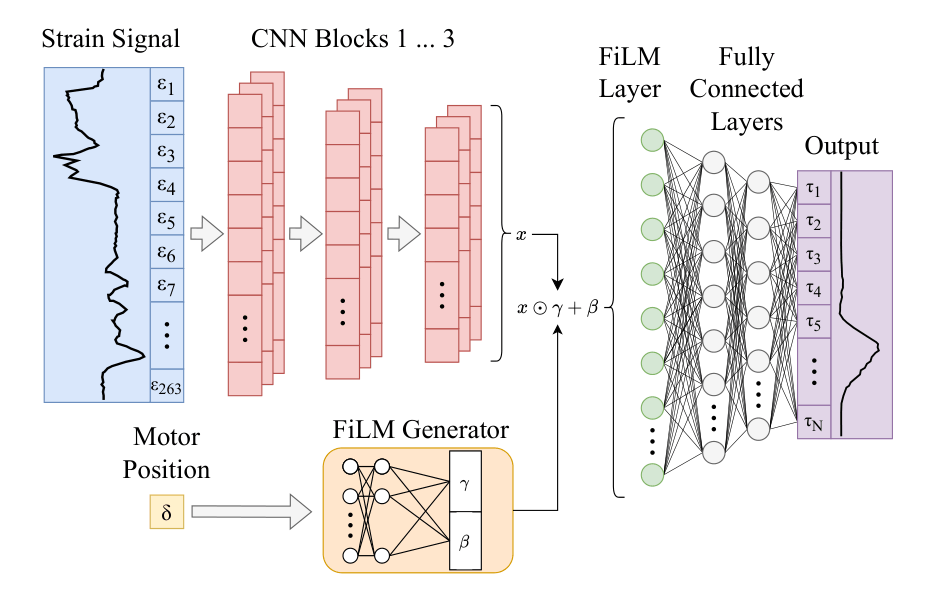
A single embedded optical fiber plus a two-stage learning pipeline lets flexible surgical robots detect where and how hard they hit tissue.

A three-month field study compares eight map update strategies for teach-and-repeat robots, showing that predicting cyclic appearance changes beats reactive updates.
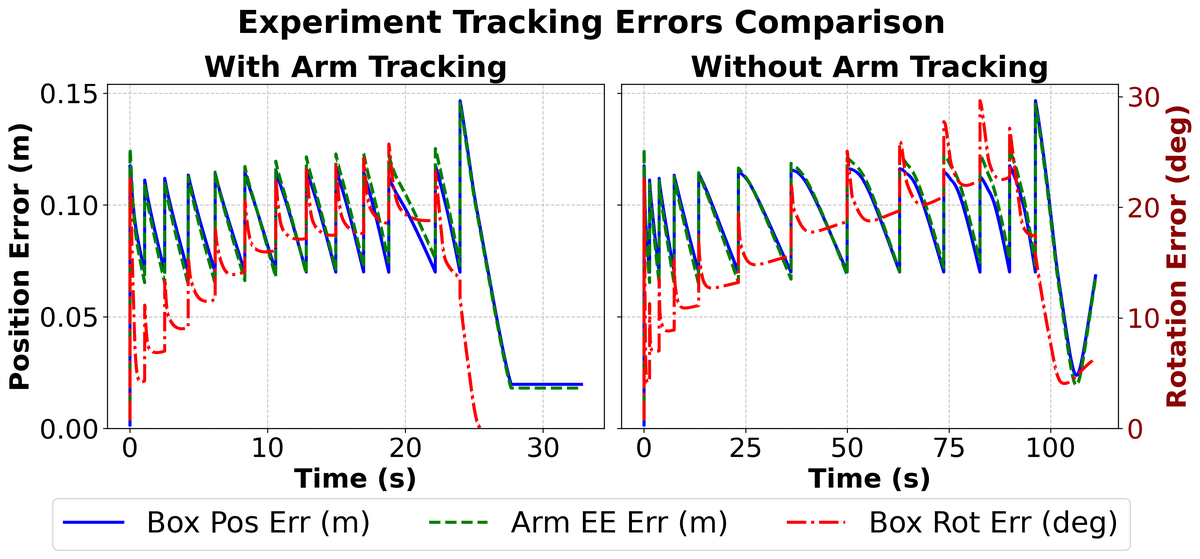
A new framework abstracts messy pushing and sliding physics into simple wheeled-vehicle models, replacing costly optimization with closed-form force allocation.