
Pro
LowDiff Cuts Image Generation Time by 83% Without Sacrificing Quality
LowDiff generates low-resolution drafts first, then upscales through a single shared UNet, cutting diffusion sampling latency by 50 to 83 percent.
20 stories
LowDiff generates low-resolution drafts first, then upscales through a single shared UNet, cutting diffusion sampling latency by 50 to 83 percent.
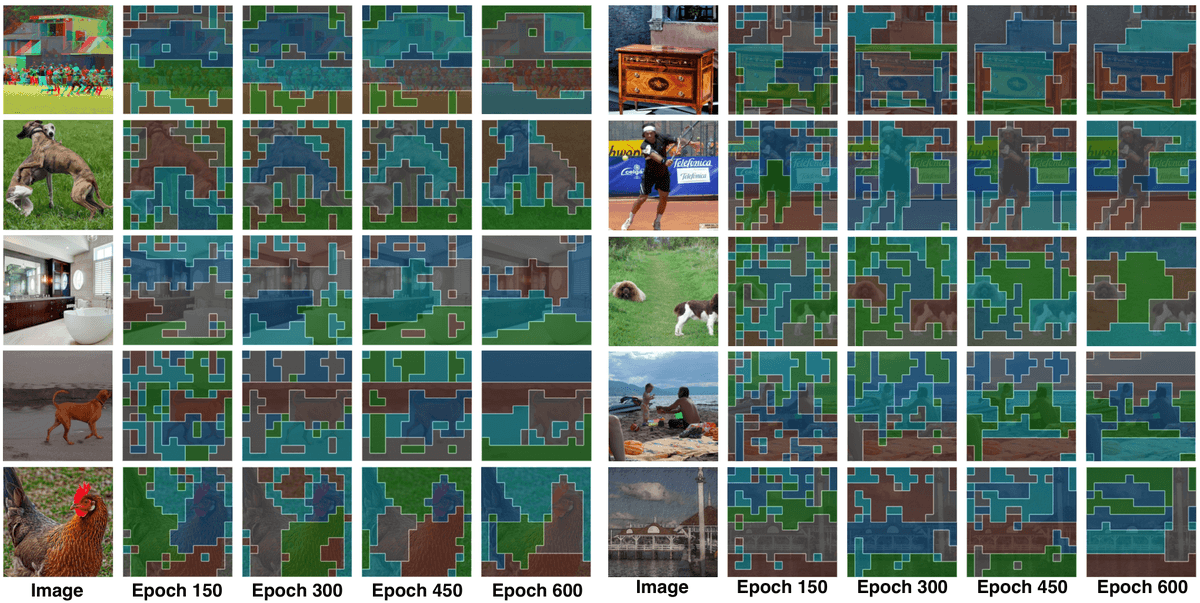
A new self-supervised vision method predicts image regions in order of importance instead of all at once, beating I-JEPA across seven benchmarks.

A new benchmark shows even top multimodal judges like o4-mini score just 32.78% when scored across all criteria at once.

SATGround swaps text-based bounding box tokens for a dedicated grounding head, delivering a 33.2% relative gain in satellite visual grounding accuracy.

A new method transfers class-specific detection knowledge from labeled source data to foggy or nighttime targets without a single target image of those classes.
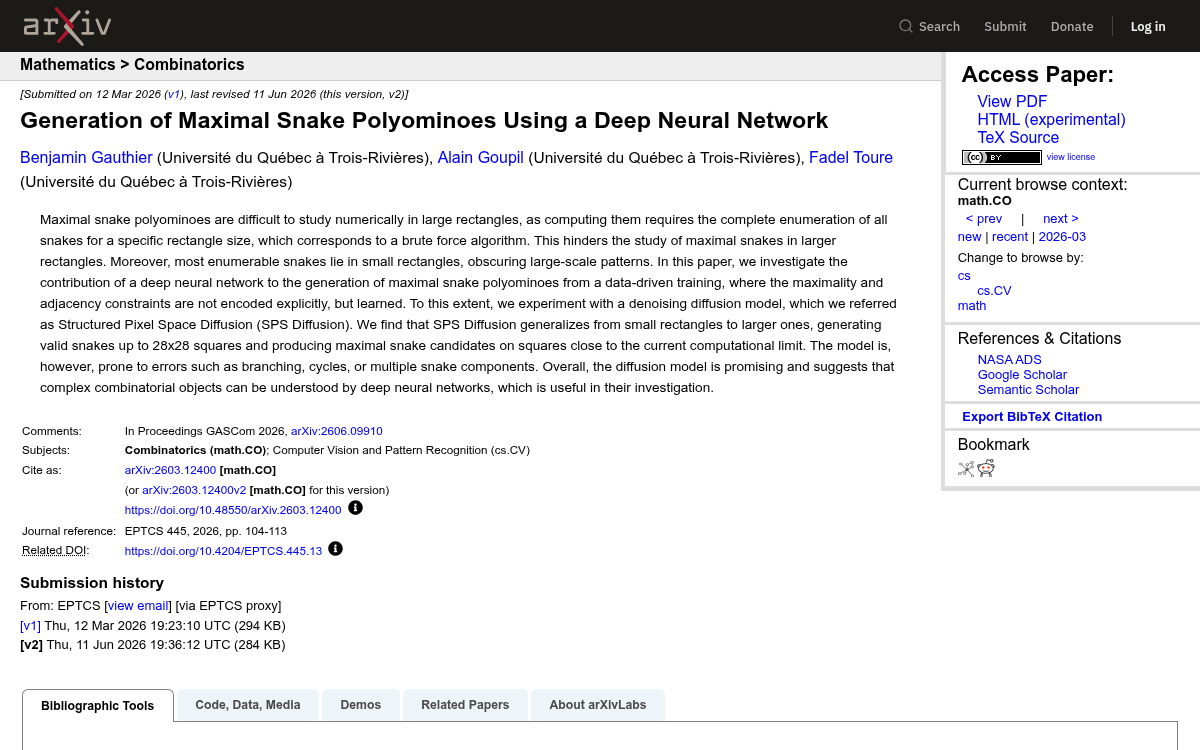
A diffusion model repurposed for combinatorics learns to draw maximal snake polyominoes in grids far beyond what brute force enumeration can reach.
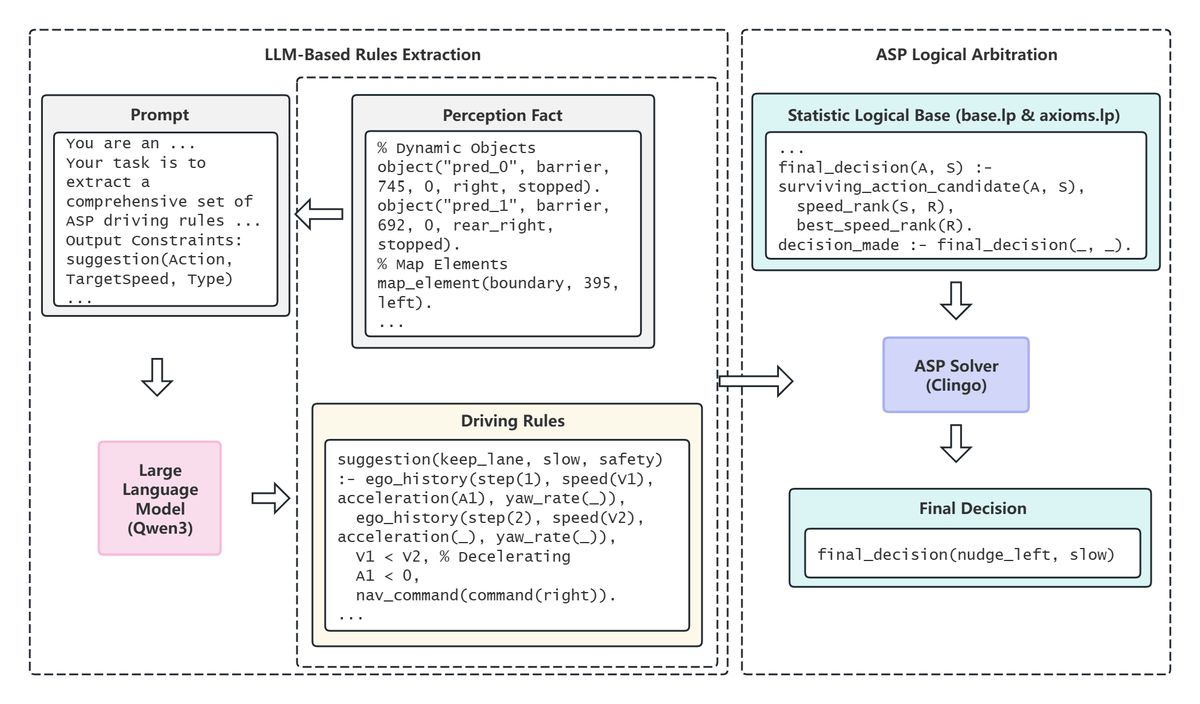
Researchers pair an LLM-driven logic solver with a differentiable bicycle model to make end-to-end driving planners auditable and physically feasible.
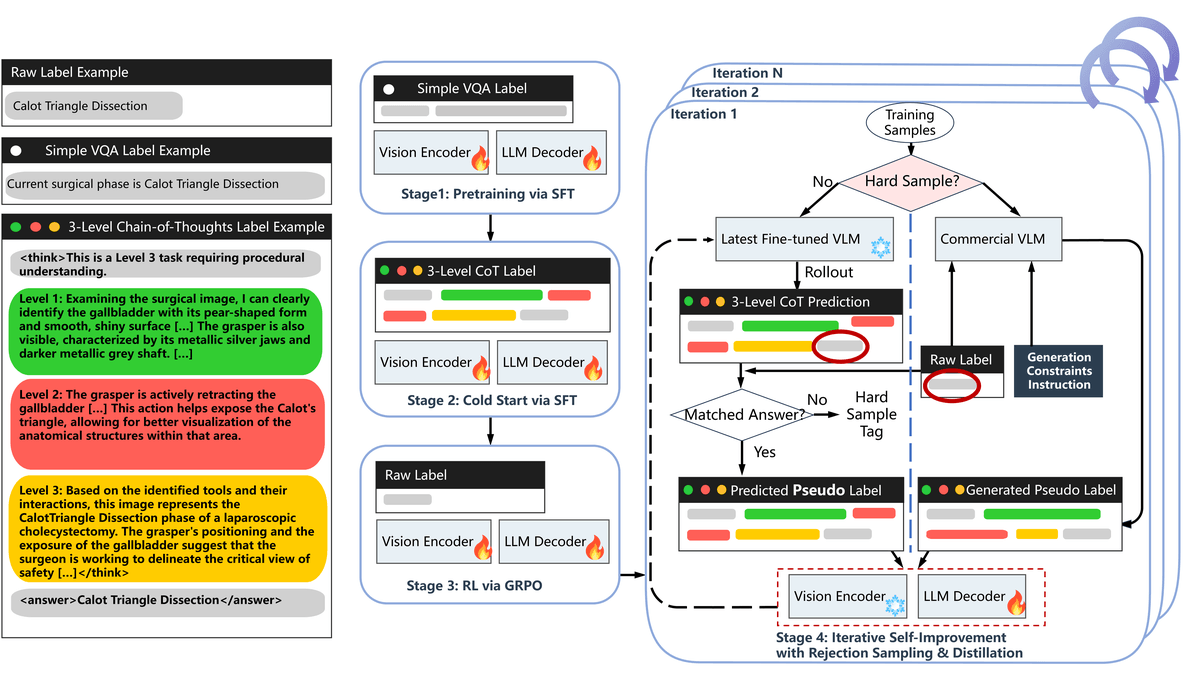
A four-stage training pipeline and 320K chain-of-thought dataset push a 7B surgical model past GPT-5.1 and Gemini 3.0 Pro on operating-room tasks.

Imperial College researchers show general-purpose video models beat CT-specific foundation models at reading chest scans when guided by abnormality-focused reasoning.
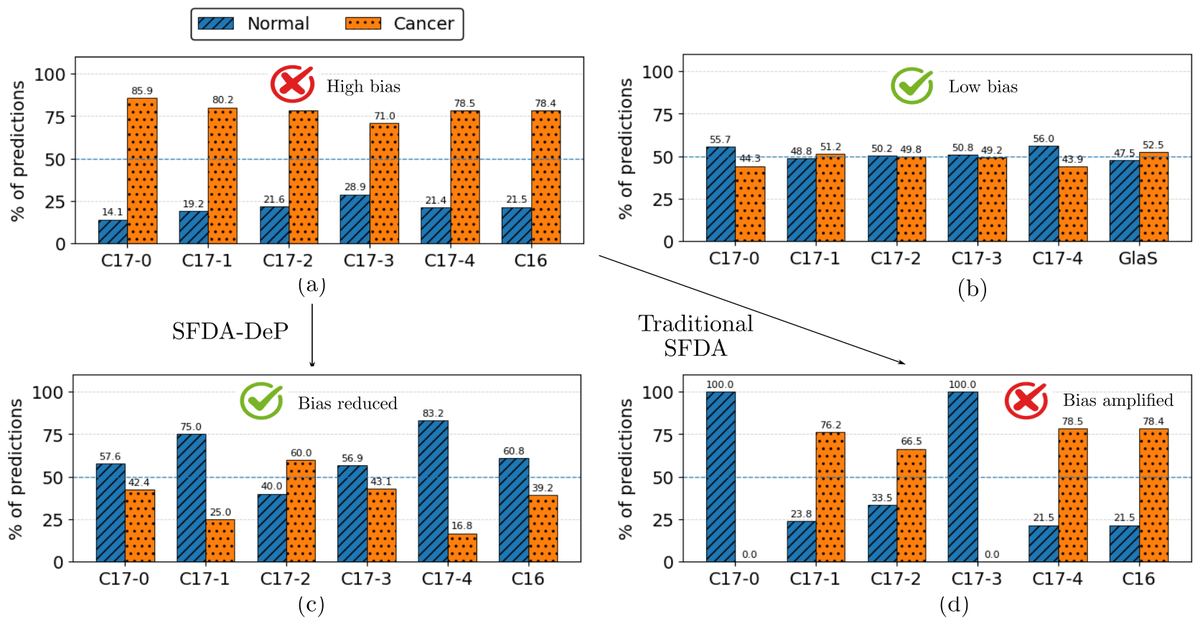
A new source-free domain adaptation method borrows tricks from machine unlearning to stop histopathology models from collapsing onto dominant classes.
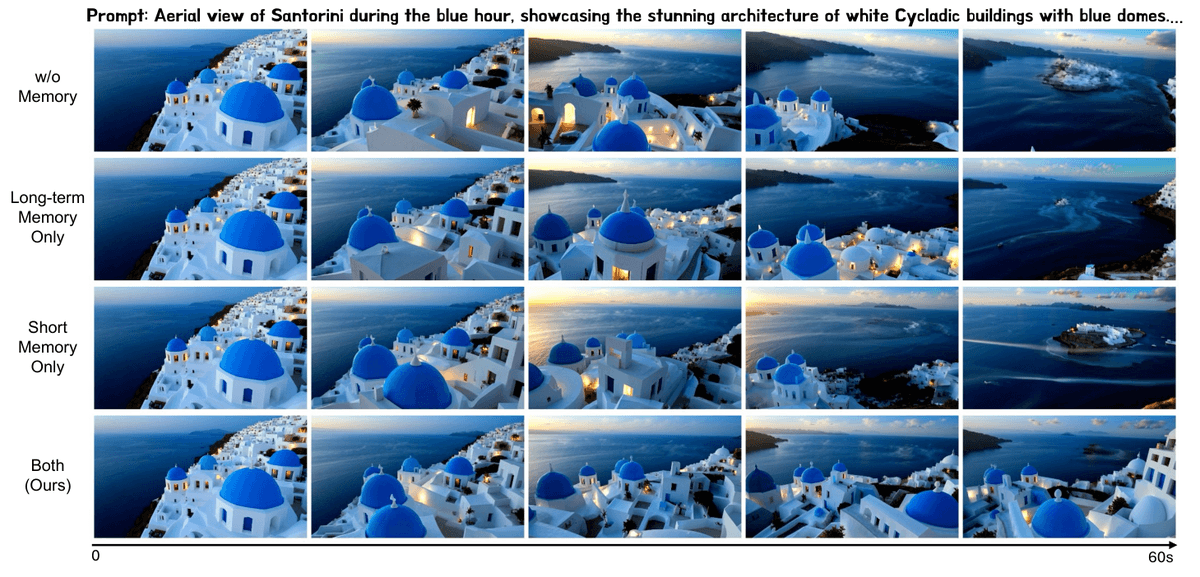
A new training-free method keeps a fixed-size cache while generating hour-long autoregressive videos without identity drift or quality collapse.

Samsung researchers show that hand-calibrated blur and noise profiles from real smartphones beat generic degradation pools for training zoom super-resolution models.

A method that bends time into circles lets mobile robots predict how their environments will change over days and weeks.
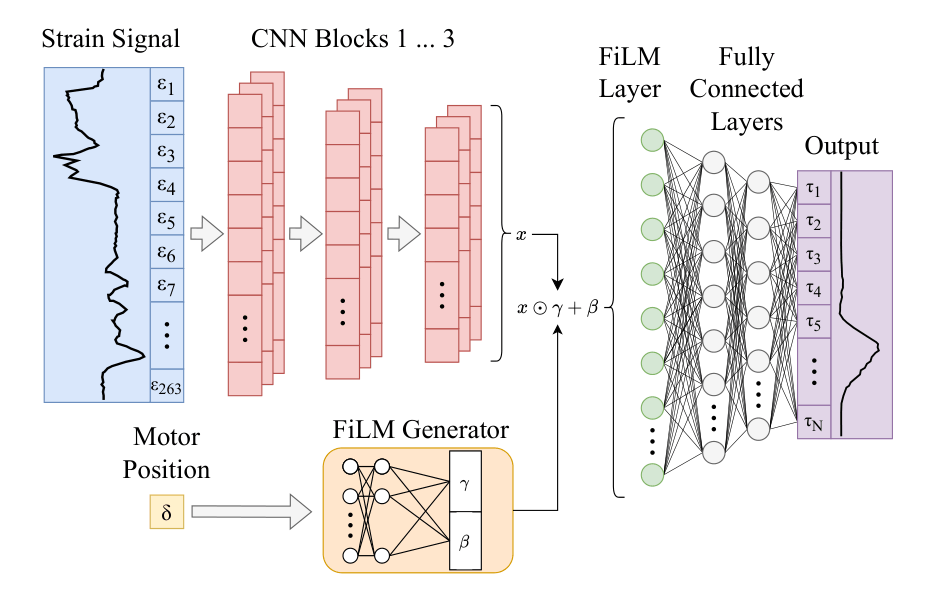
A single embedded optical fiber plus a two-stage learning pipeline lets flexible surgical robots detect where and how hard they hit tissue.

A three-month field study compares eight map update strategies for teach-and-repeat robots, showing that predicting cyclic appearance changes beats reactive updates.
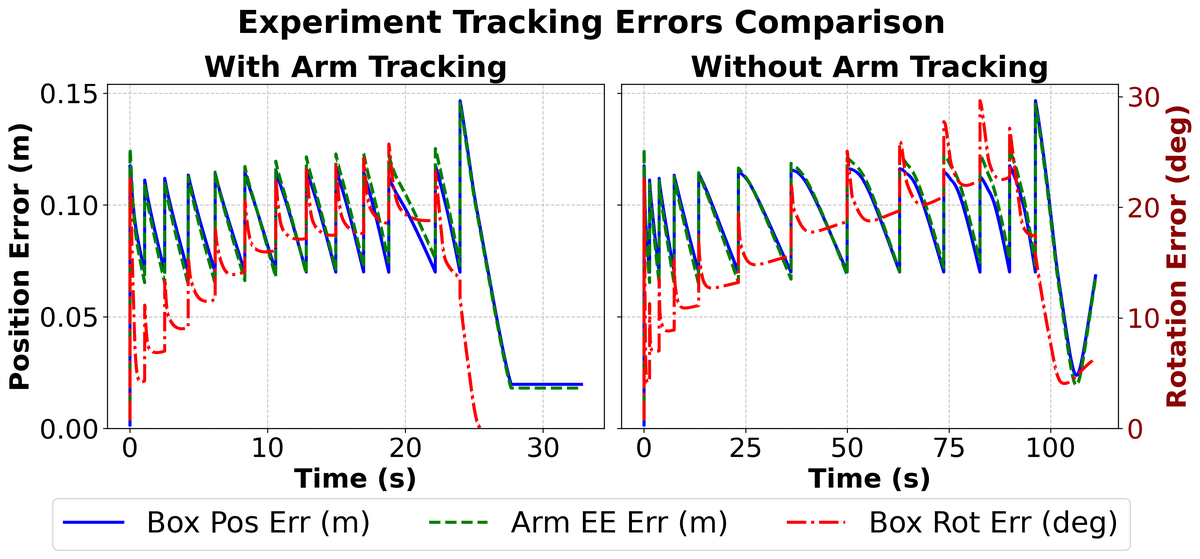
A new framework abstracts messy pushing and sliding physics into simple wheeled-vehicle models, replacing costly optimization with closed-form force allocation.
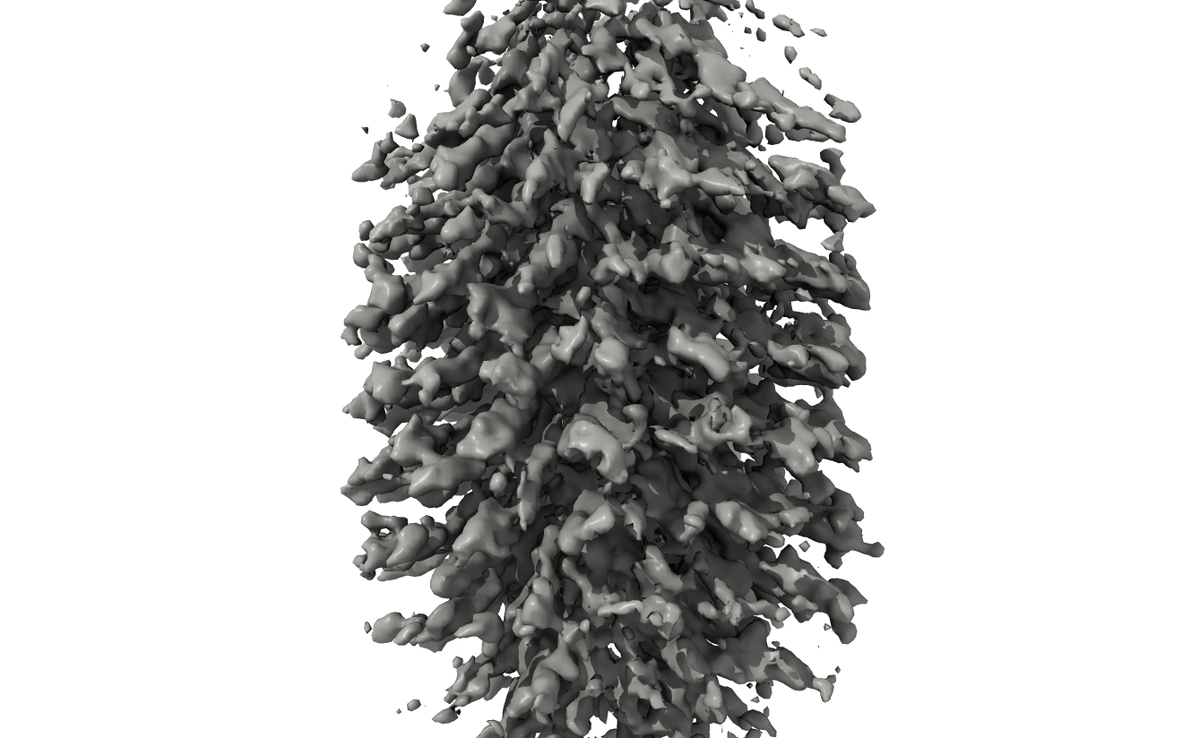
A new spectral embedding method reconstructs helical cryo-EM structures without needing pre-supplied symmetry parameters, avoiding the trial-and-error that derails many reconstructions.

KAIST researchers swap half of a text-to-speech Transformer's attention layers for Mamba blocks, cutting VRAM 34% while keeping fidelity intact.
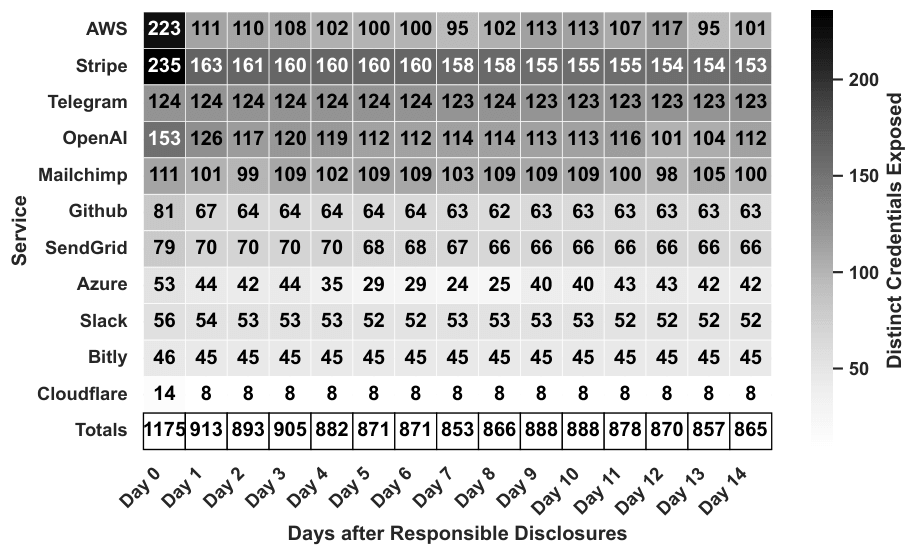
A dynamic scan of 10 million websites uncovered 1,748 live API keys hiding in JavaScript bundles, with an average exposure of 12 months.
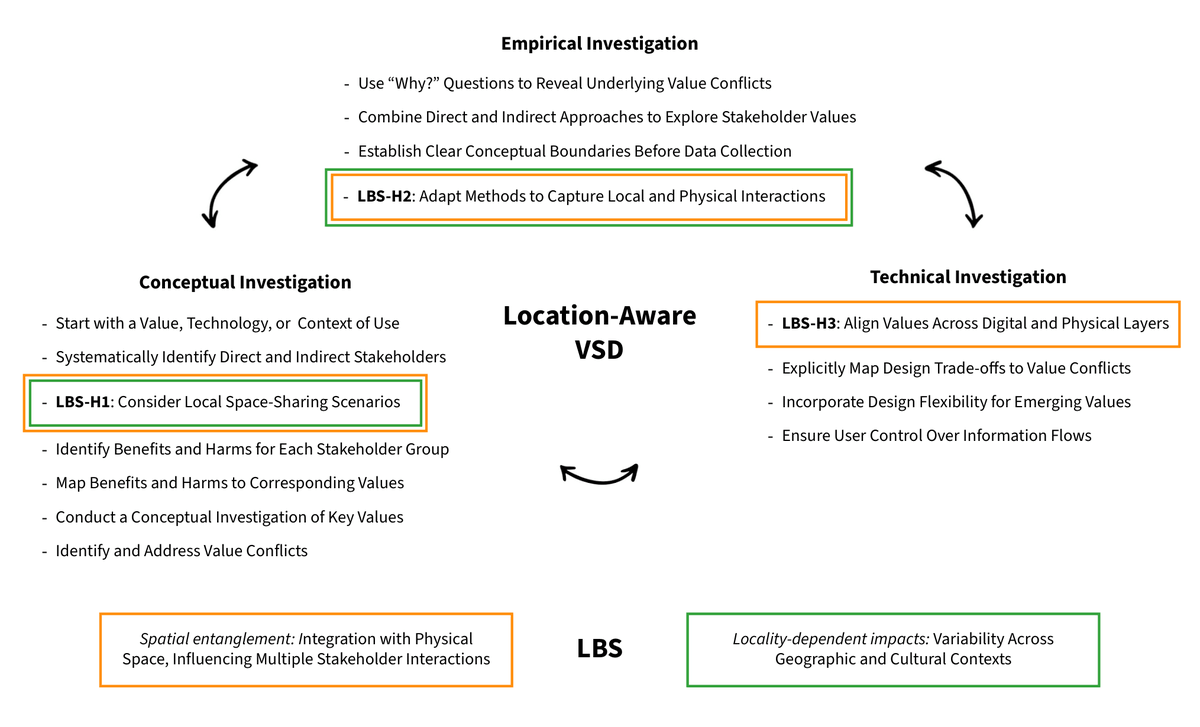
Researchers propose Location-Aware Value Sensitive Design, a three-heuristic playbook for building location-based services that respect the shared spaces they operate in.