
Pro
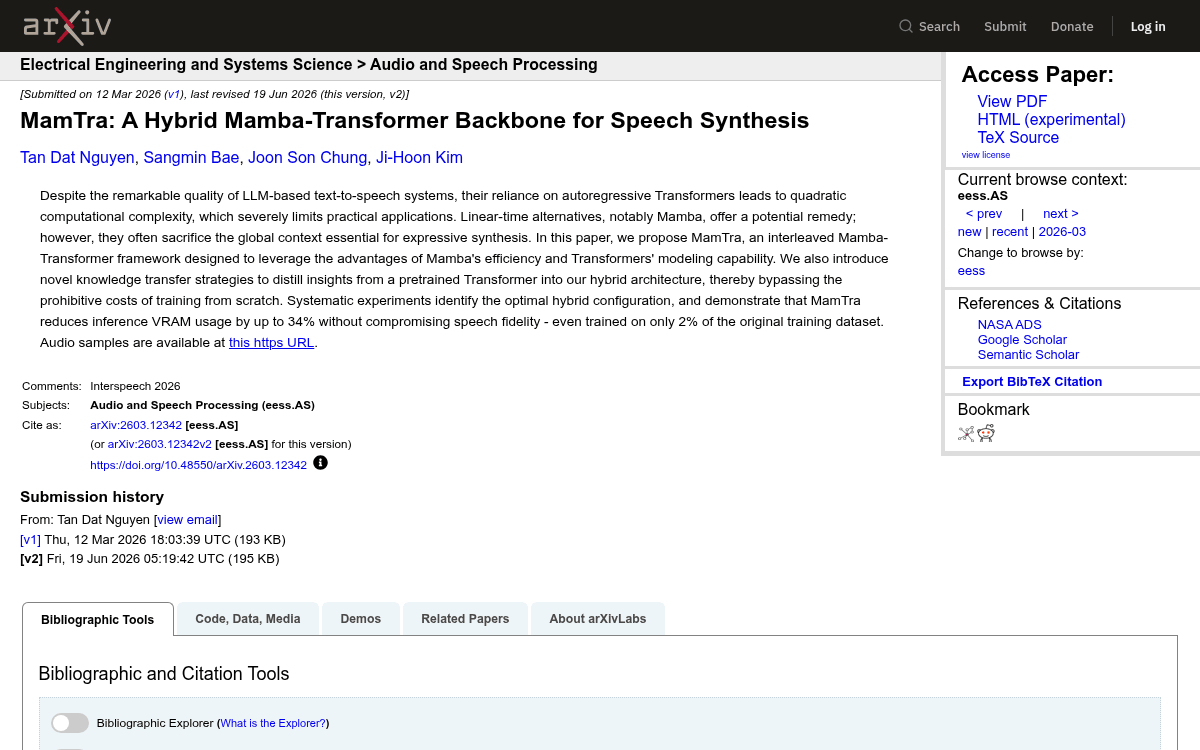
KAIST's MamTra Cuts Text-to-Speech VRAM by 34% Without Losing Voice Quality
KAIST researchers swap half of a text-to-speech Transformer's attention layers for Mamba blocks, cutting VRAM 34% while keeping fidelity intact.
20 stories
KAIST researchers swap half of a text-to-speech Transformer's attention layers for Mamba blocks, cutting VRAM 34% while keeping fidelity intact.
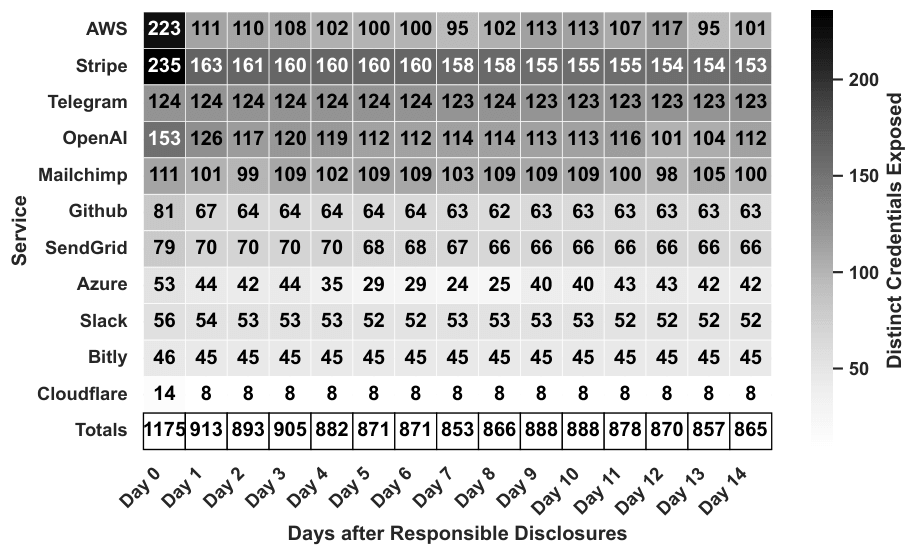
A dynamic scan of 10 million websites uncovered 1,748 live API keys hiding in JavaScript bundles, with an average exposure of 12 months.
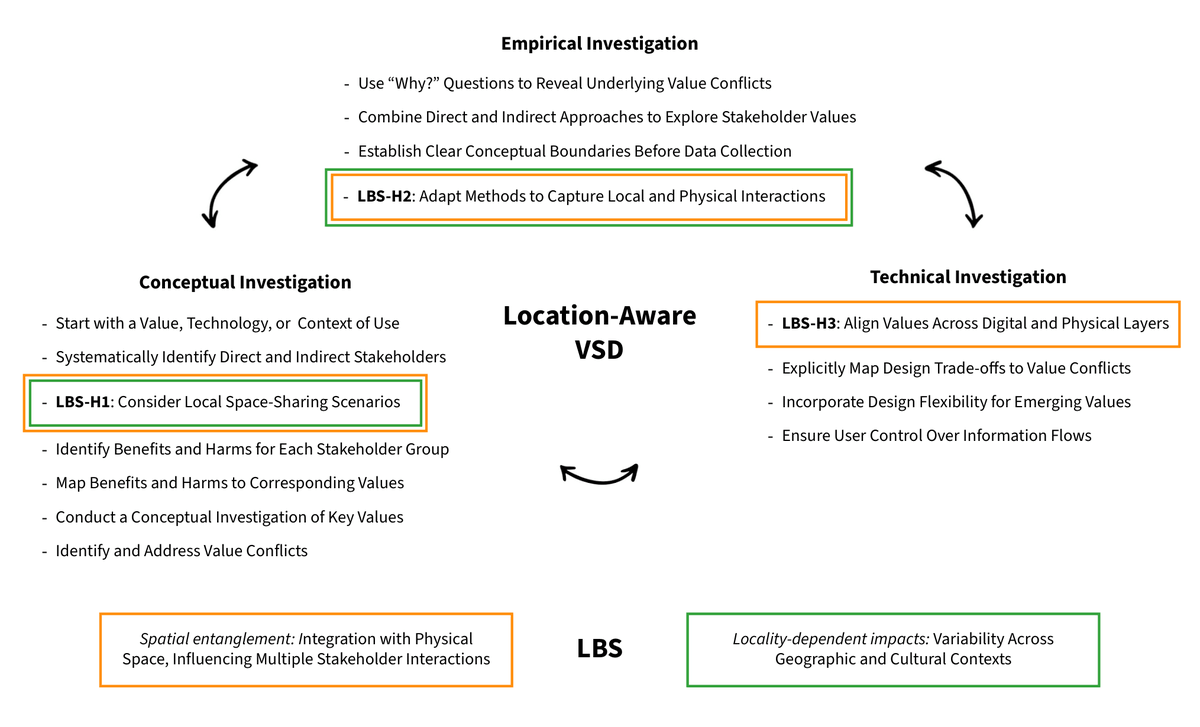
Researchers propose Location-Aware Value Sensitive Design, a three-heuristic playbook for building location-based services that respect the shared spaces they operate in.
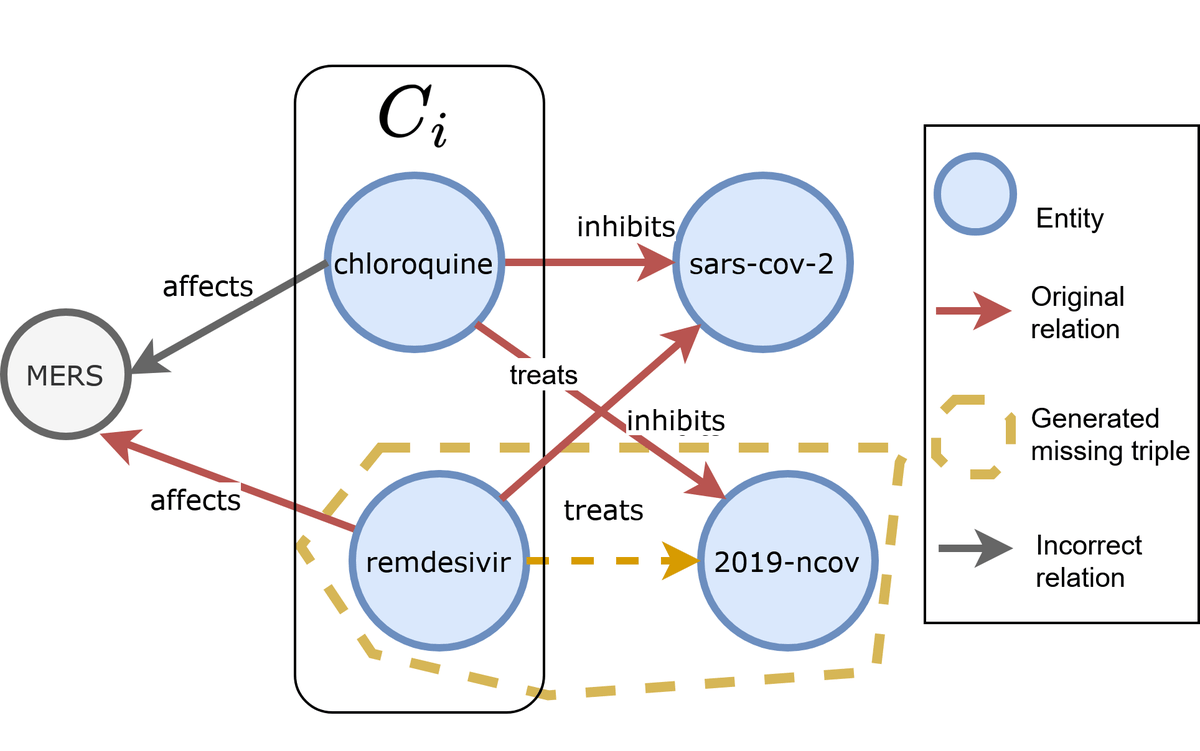
A two-stage pipeline clusters entities by relational context, filters candidates with embeddings, then uses an LLM to validate missing knowledge graph triples.
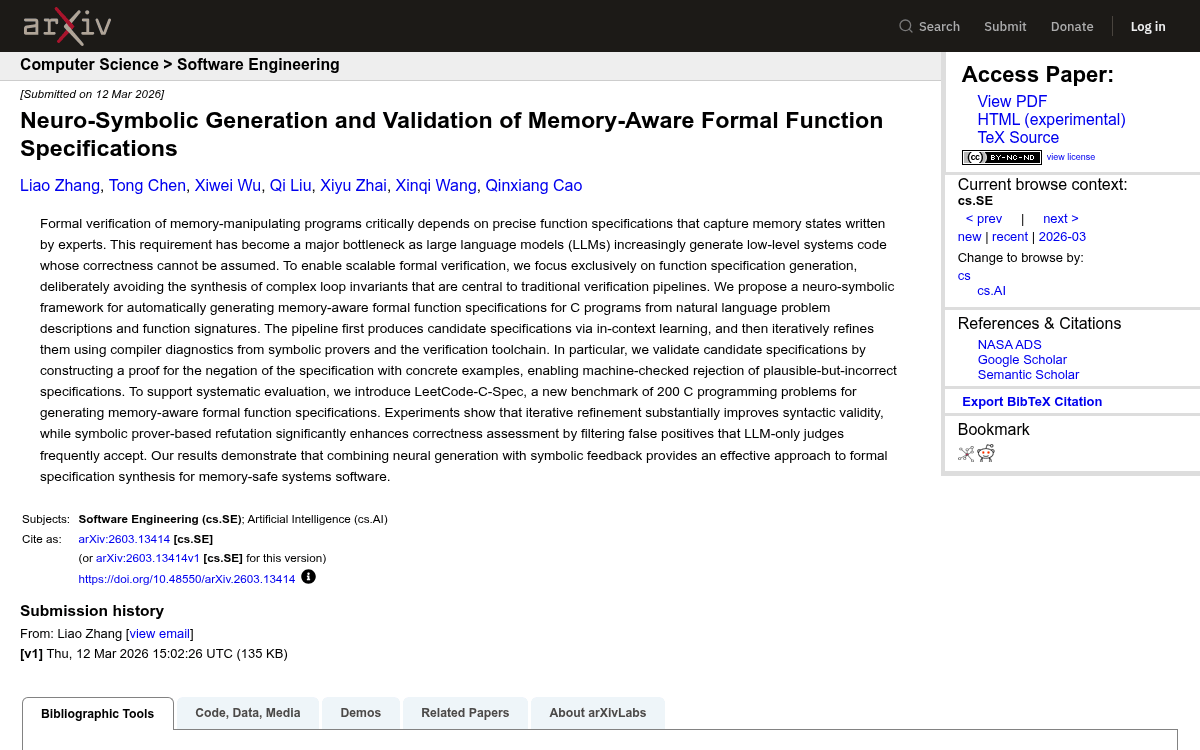
A new neuro-symbolic pipeline turns natural language problem descriptions into machine-checkable C function contracts, filtering plausible-but-wrong outputs via counterexample proofs.
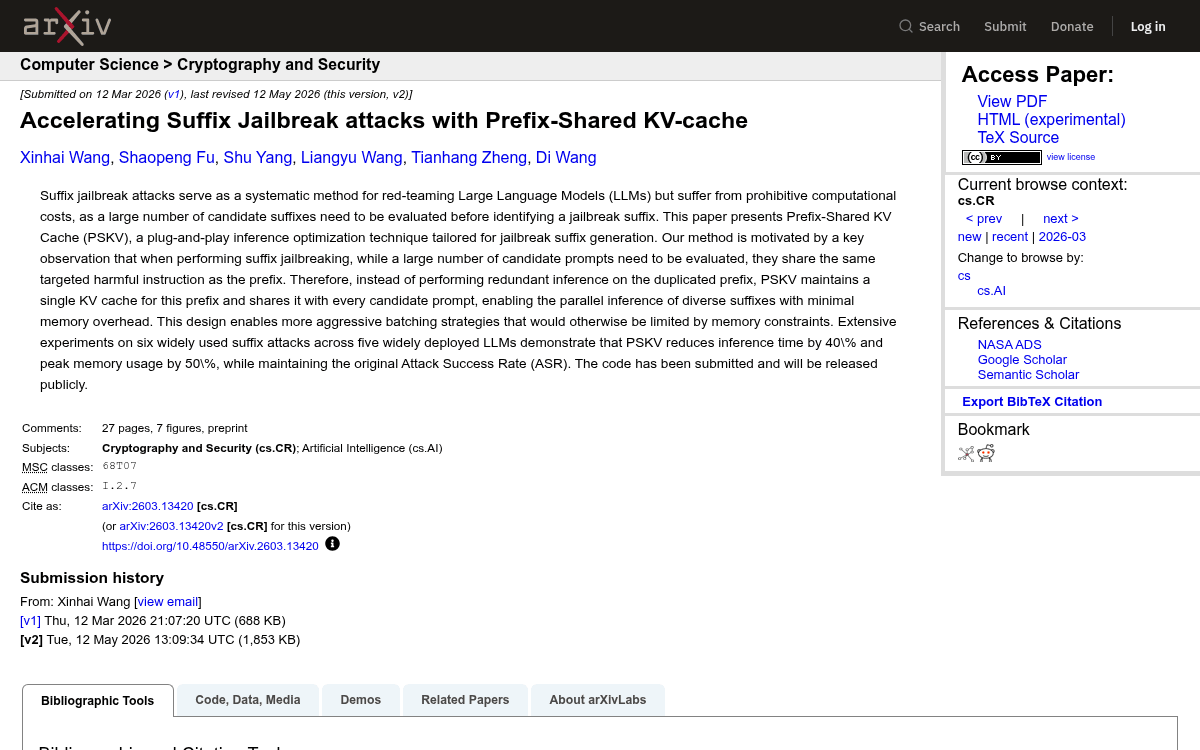
A new KV cache trick cuts suffix jailbreak evaluation time by 40 percent and memory by 50 percent, without touching the attack algorithm.
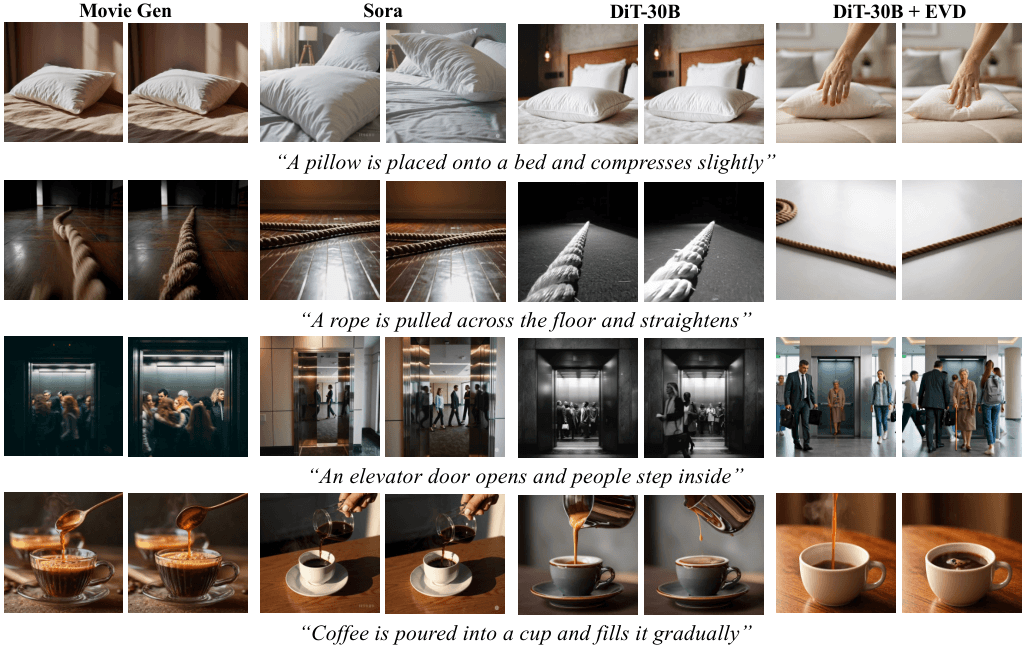
A new arXiv paper proposes gating video diffusion updates by learned event activity, cutting interaction failures without changing the solver.
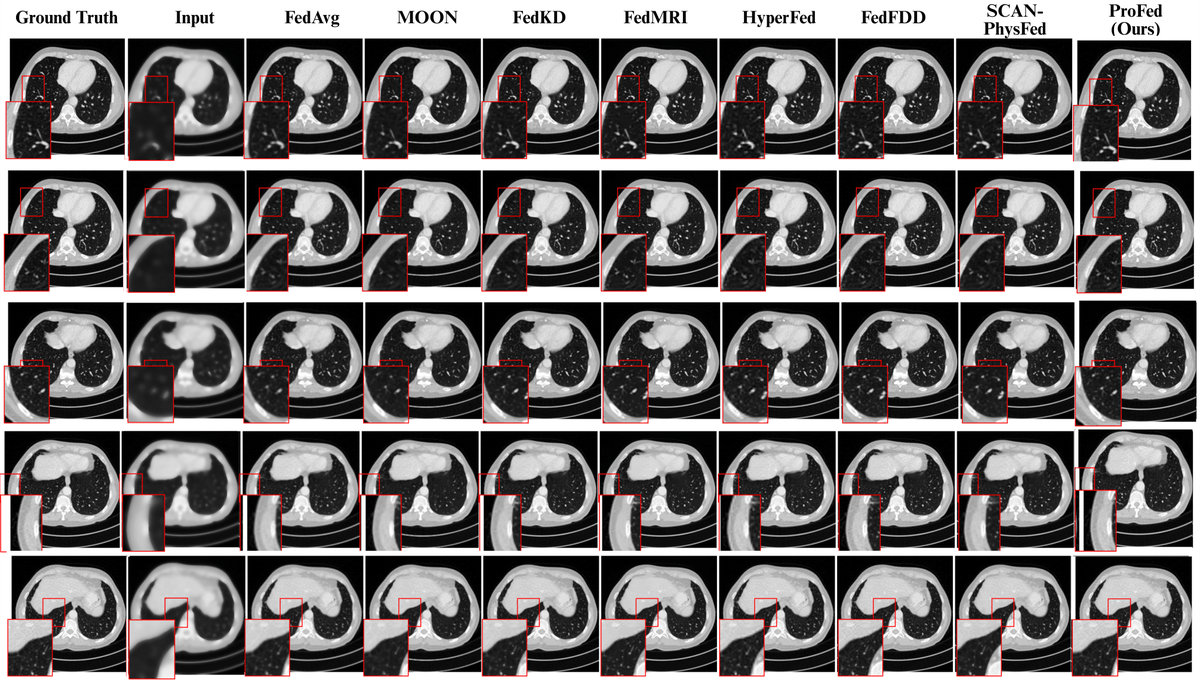
ProFed moves personalization into the sinogram space, using CT physics to separate scanner noise from patient anatomy across hospitals.
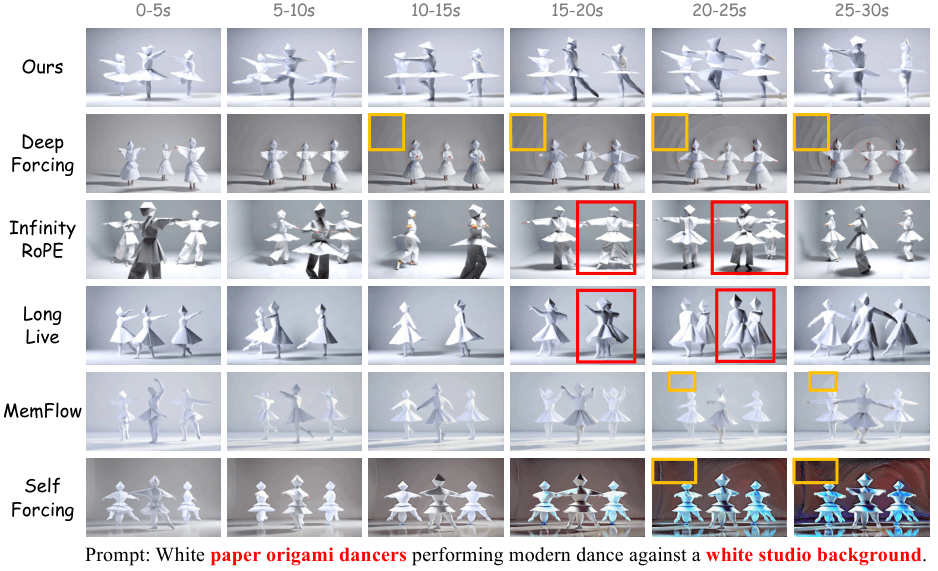
A new paper accepted to ECCV 2026 tackles quality decay in long streaming video diffusion by rethinking how the KV cache and positional encodings behave across prompt switches.
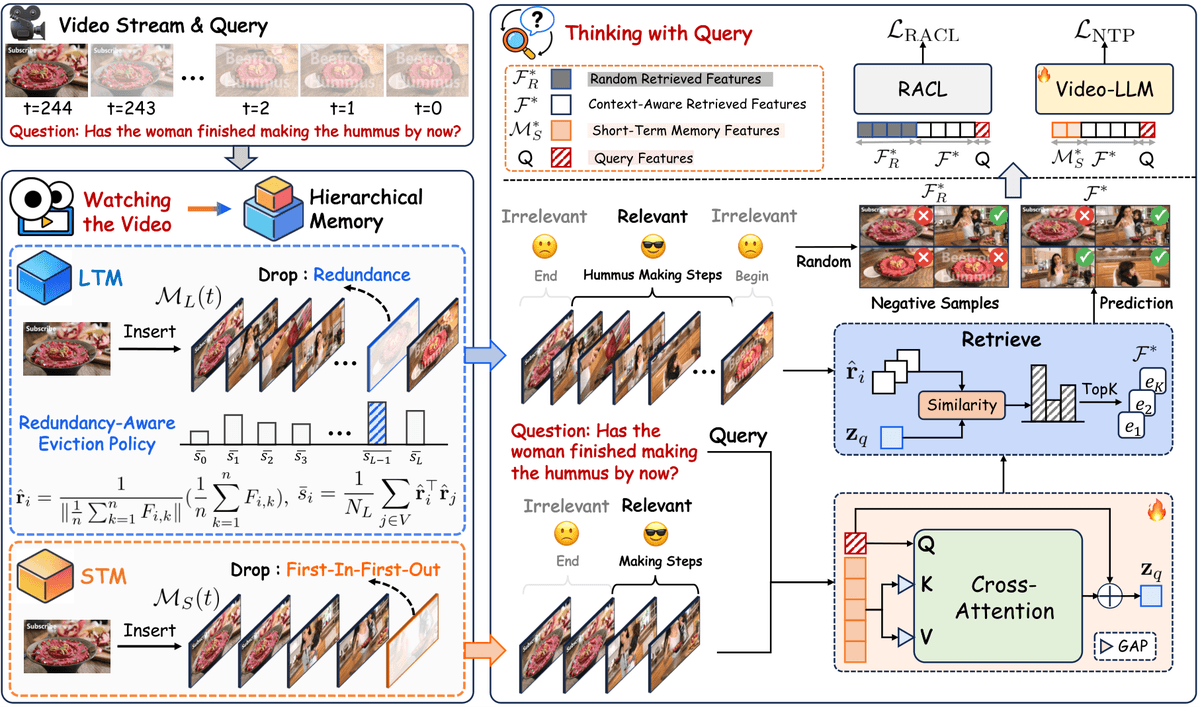
Researchers propose a hierarchical memory framework that separates passive video watching from query-triggered reasoning, reporting strong streaming benchmark scores.
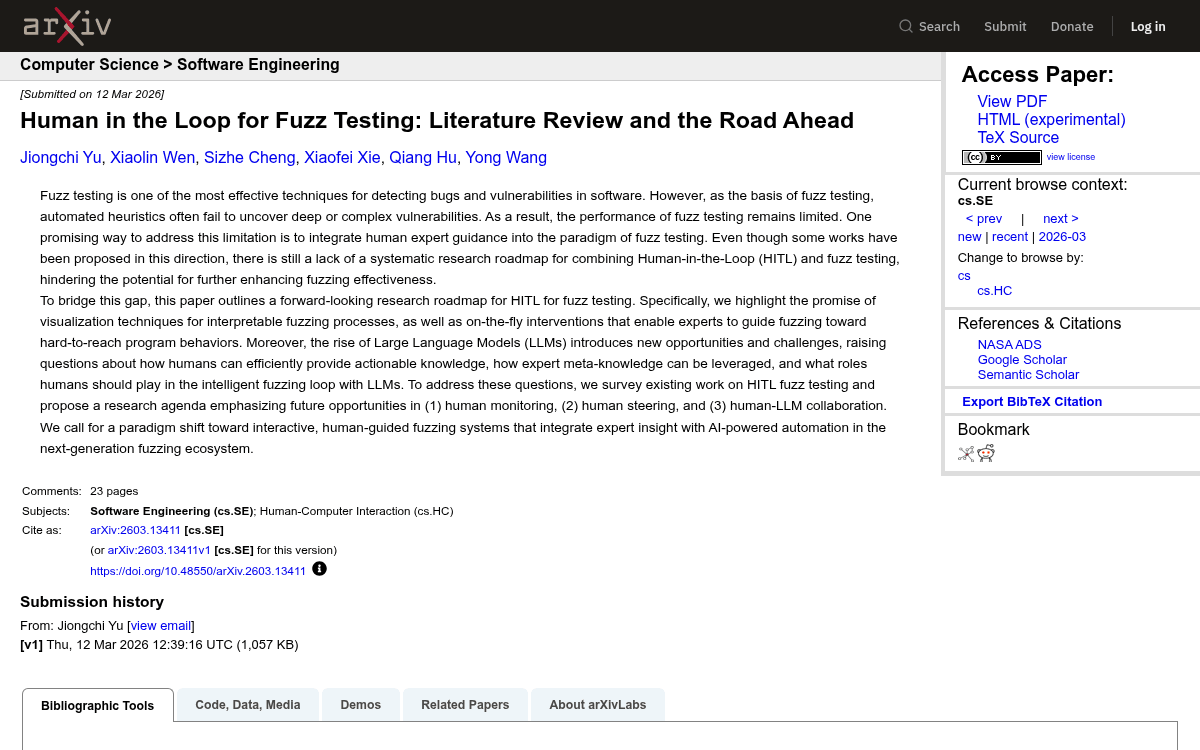
A new survey of 44 papers argues fuzzers need real-time human steering and LLM co-pilots, not just faster automation.
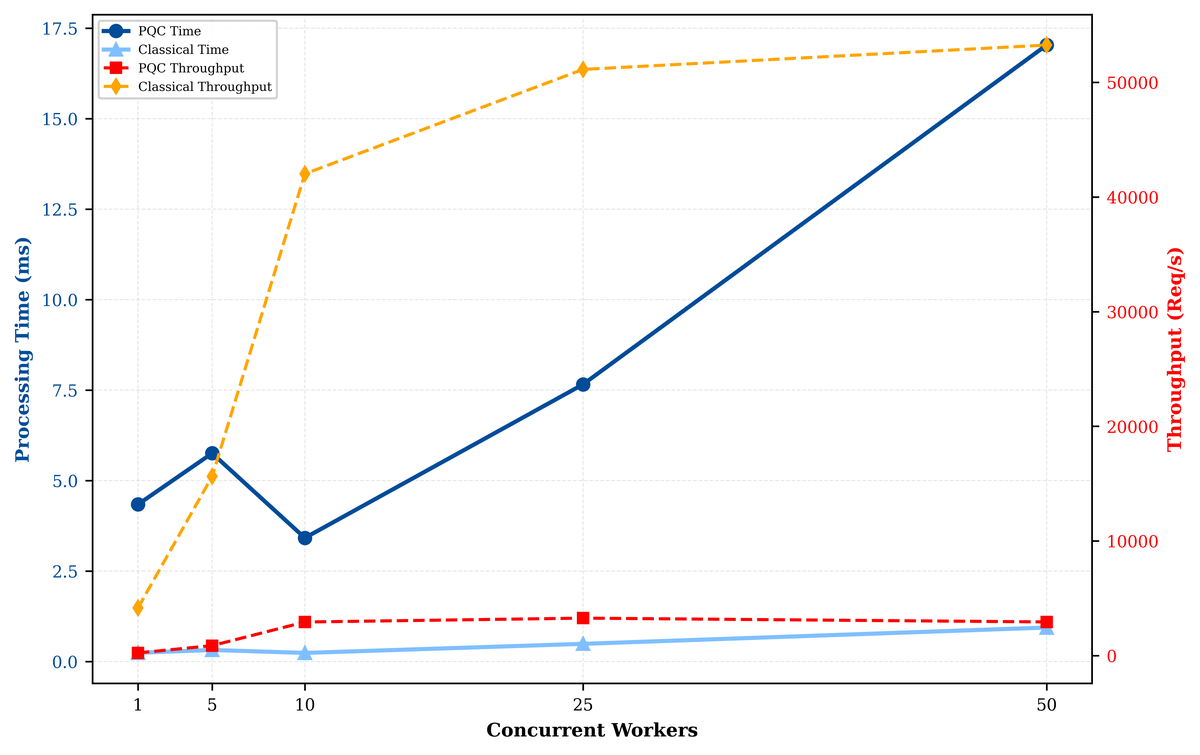
A new design paradigm bakes post-quantum cryptography, quantum entropy, and QKD directly into the architecture of distributed AI agents from day one.

Google's open MoE runs like a 4B model but hits 82.6% on MMLU Pro, matching last year's frontier scores on a single consumer GPU
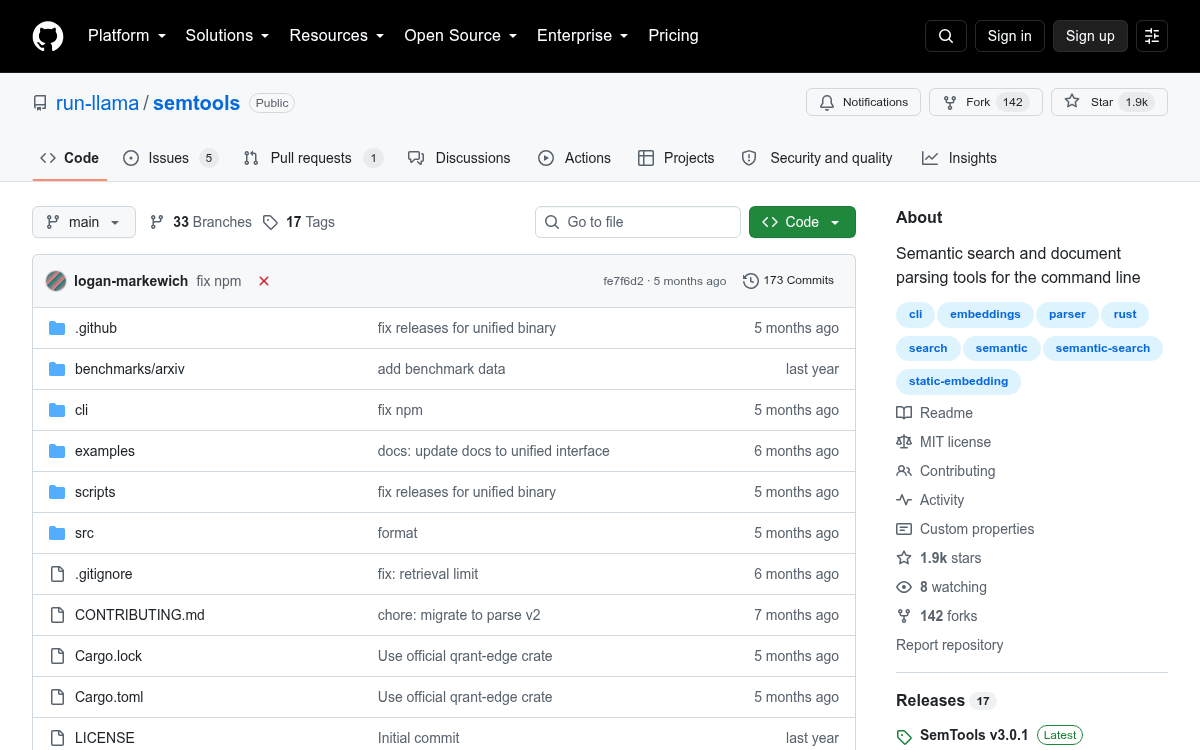
A Rust CLI from LlamaIndex brings semantic search, document parsing, and an AI agent together as composable Unix tools you can pipe with grep and xargs.
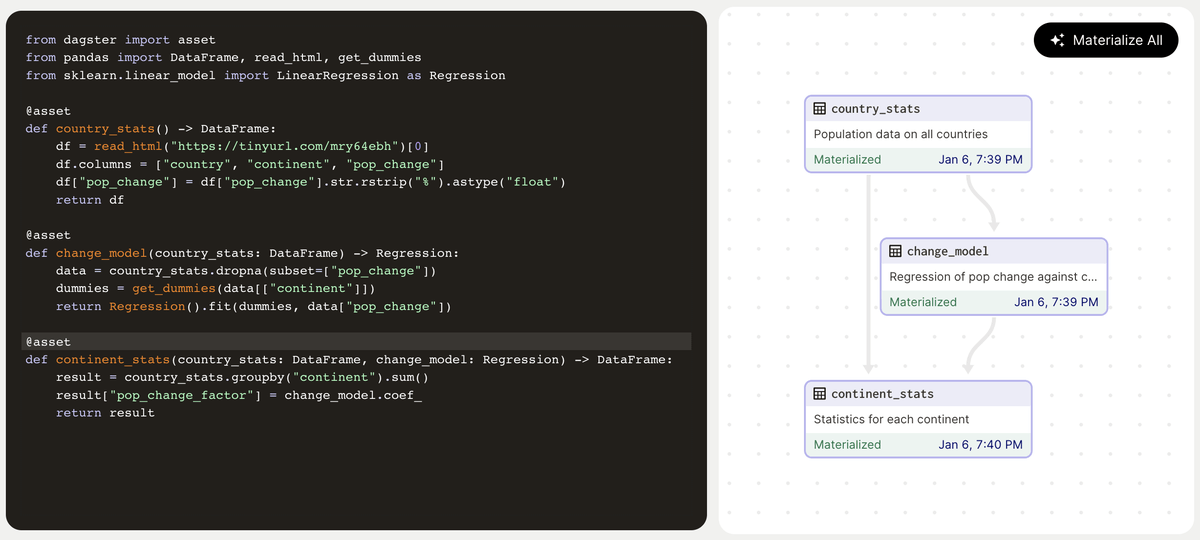
Qbot is a fully local, MIT-licensed Python platform that takes you from raw market data to live automated trades using 20+ ML models and 300+ research papers worth of strategies.
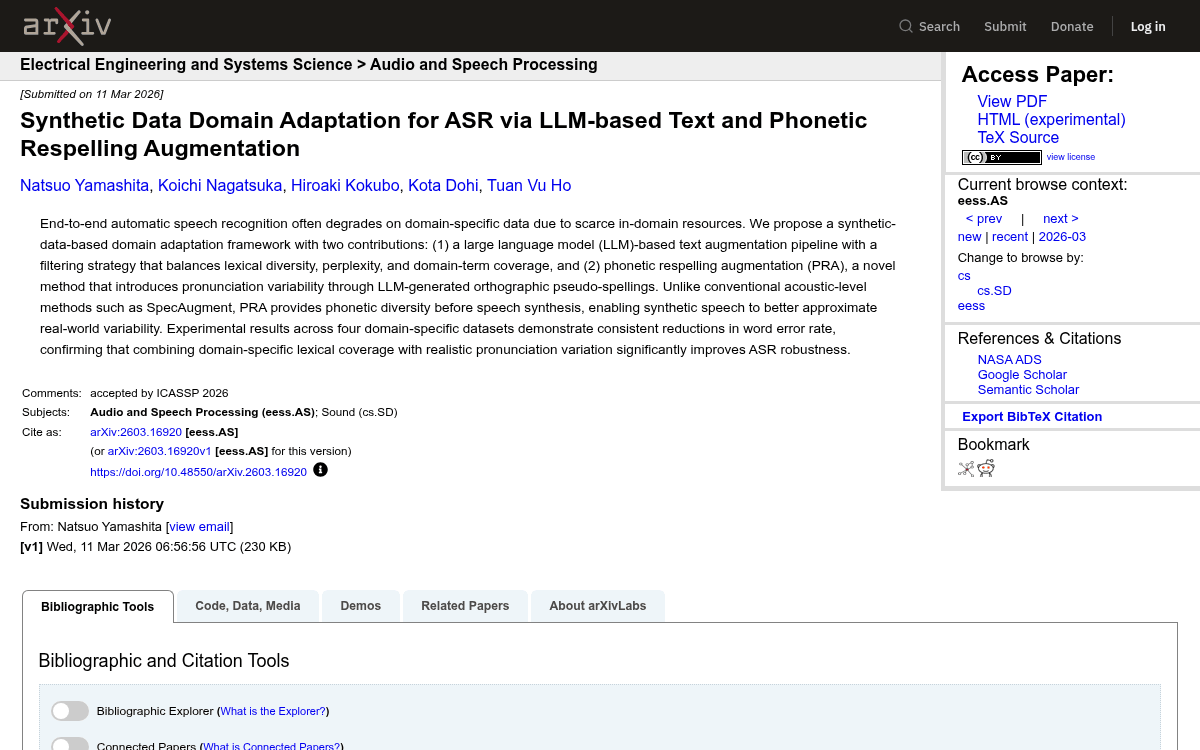
Hitachi researchers combine LLM text generation with phonetic misspellings to close the accuracy gap on air traffic, court, and medical speech recognition.
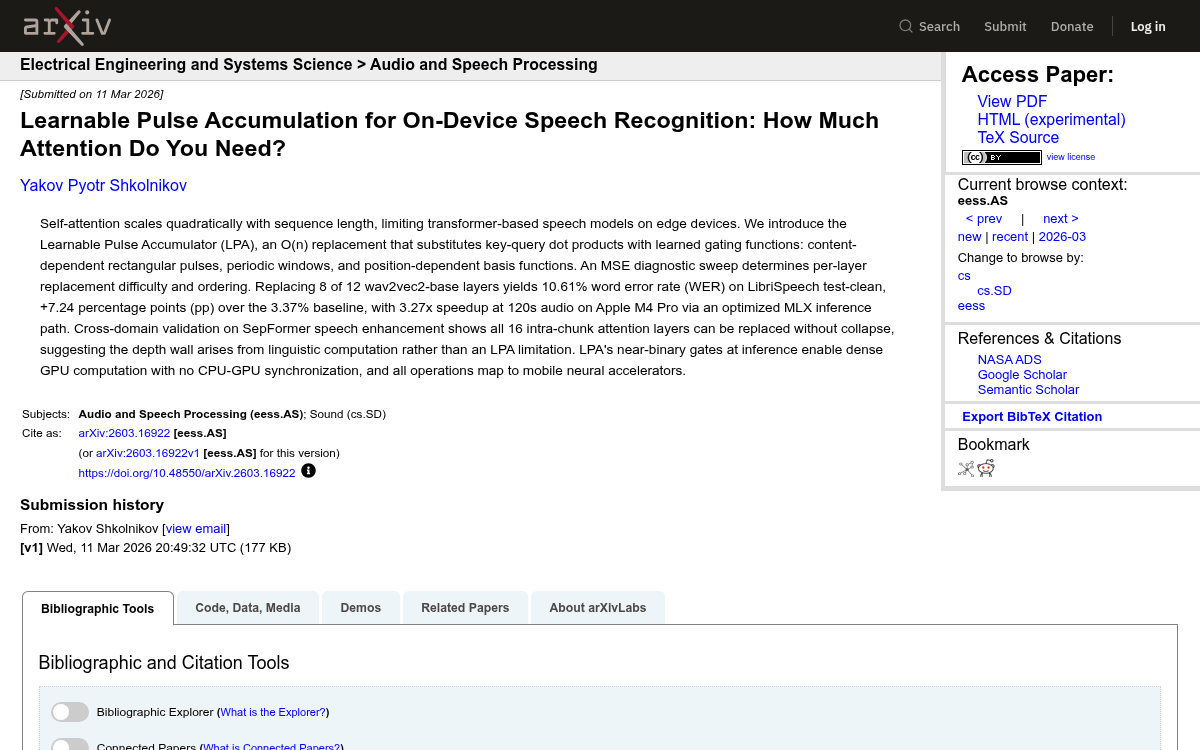
A new O(n) sequence mixer swaps attention for learned gate windows, cutting wav2vec2 inference by 3.27x at 120 seconds of audio.
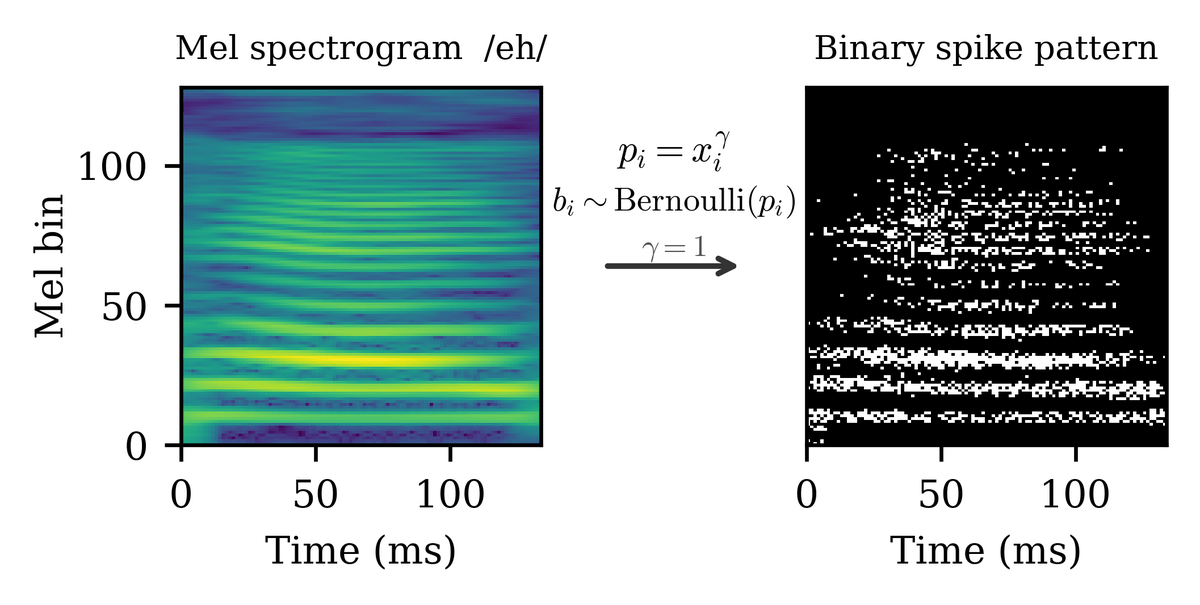
A new framework brings sparse neuronal assemblies with Hebbian plasticity to continuous speech, detecting phone and word boundaries with zero weight training.
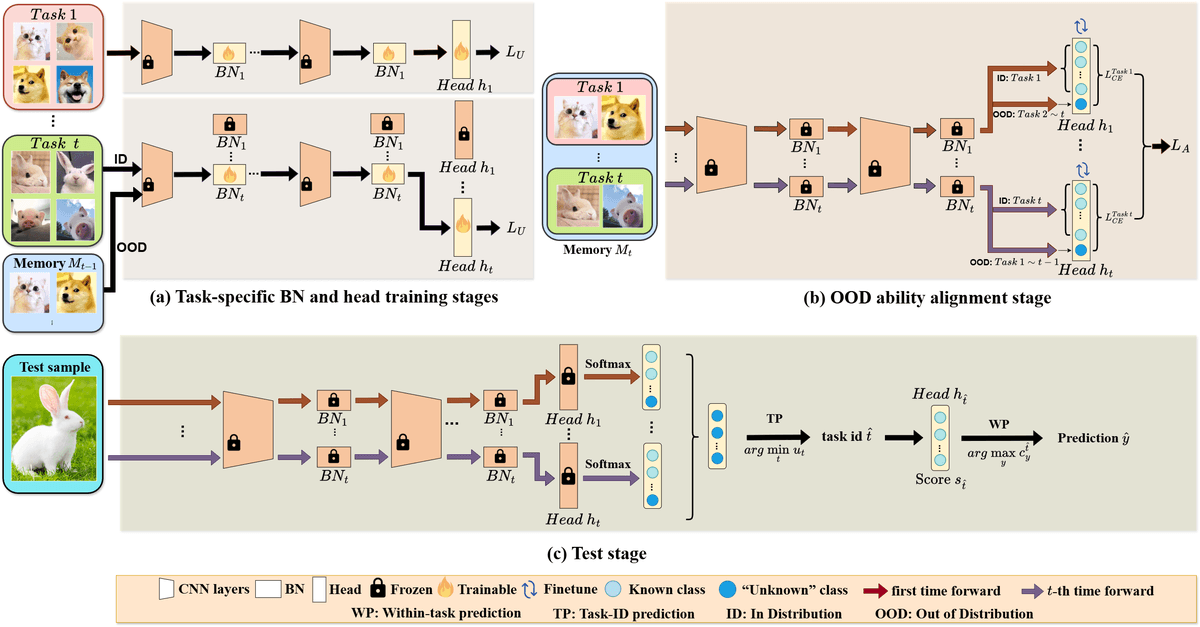
A new continual learning framework adds tiny per-task batch normalization layers plus an unknown class trick to beat catastrophic forgetting with 15K extra parameters.
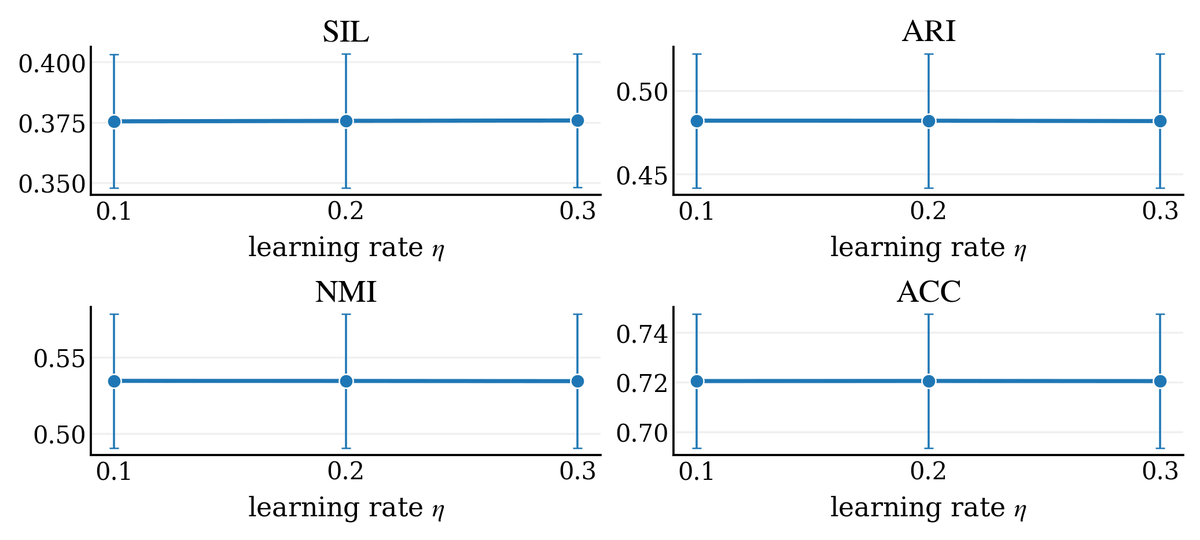
A silhouette-driven variant of k-means reweights points each iteration to reduce the pull of boundary and noisy samples, improving clustering across 15 datasets.