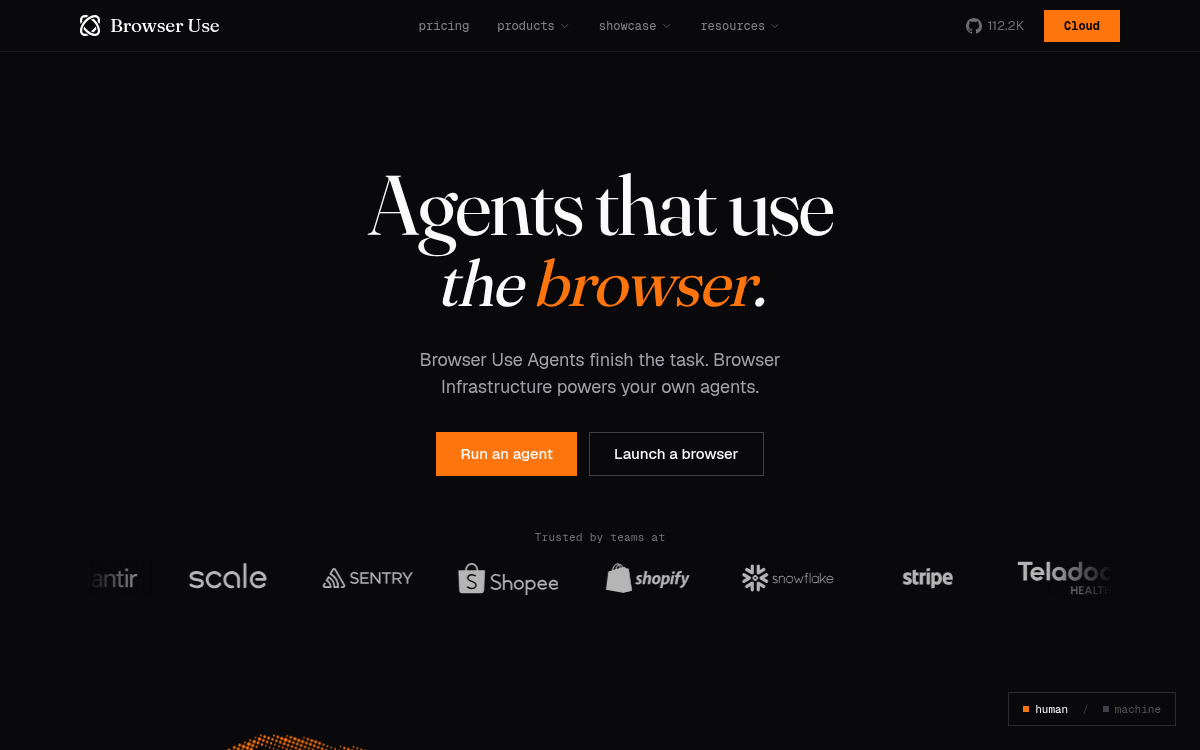
Browser Use agents can now check out on any website using disposable single-use cards issued by Stripe Link, without ever seeing your real card number.
Krea opens the beta for a new agent platform that turns natural-language prompts into finished visual assets, sitting on top of its existing creative suite.
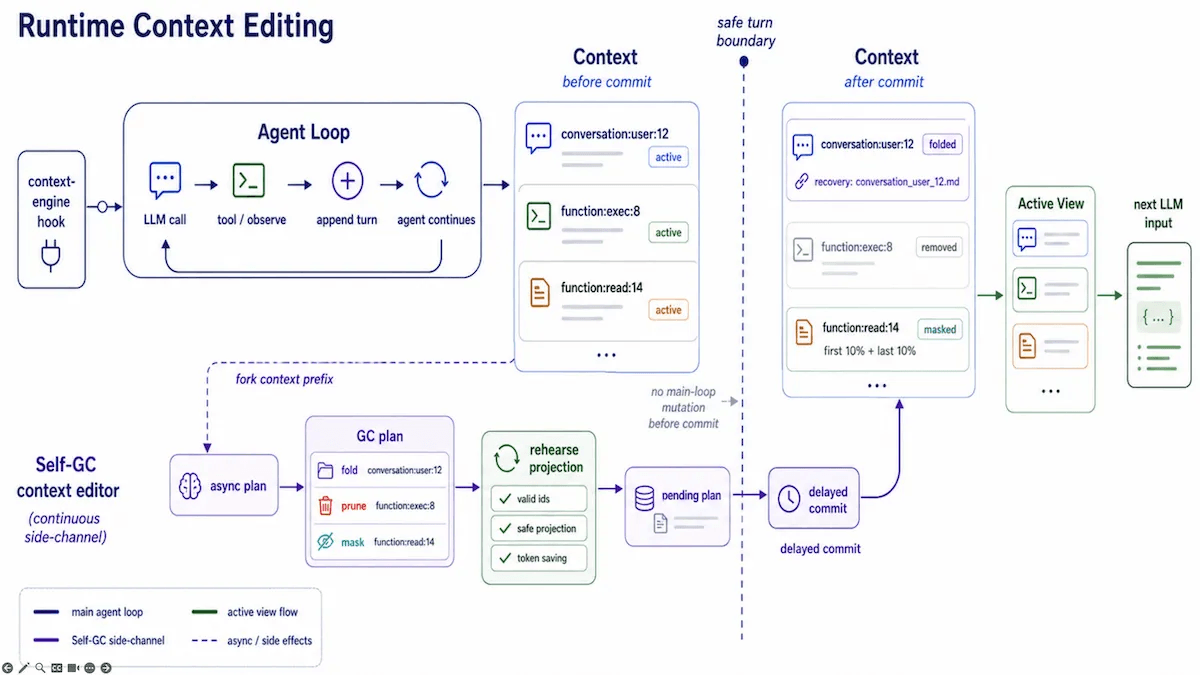
Xiaohongshu's Self-GC uses a planner LLM to fold, mask, or prune agent context, retaining critical details 84.85% of the time versus 54.55% for rule-based baselines.
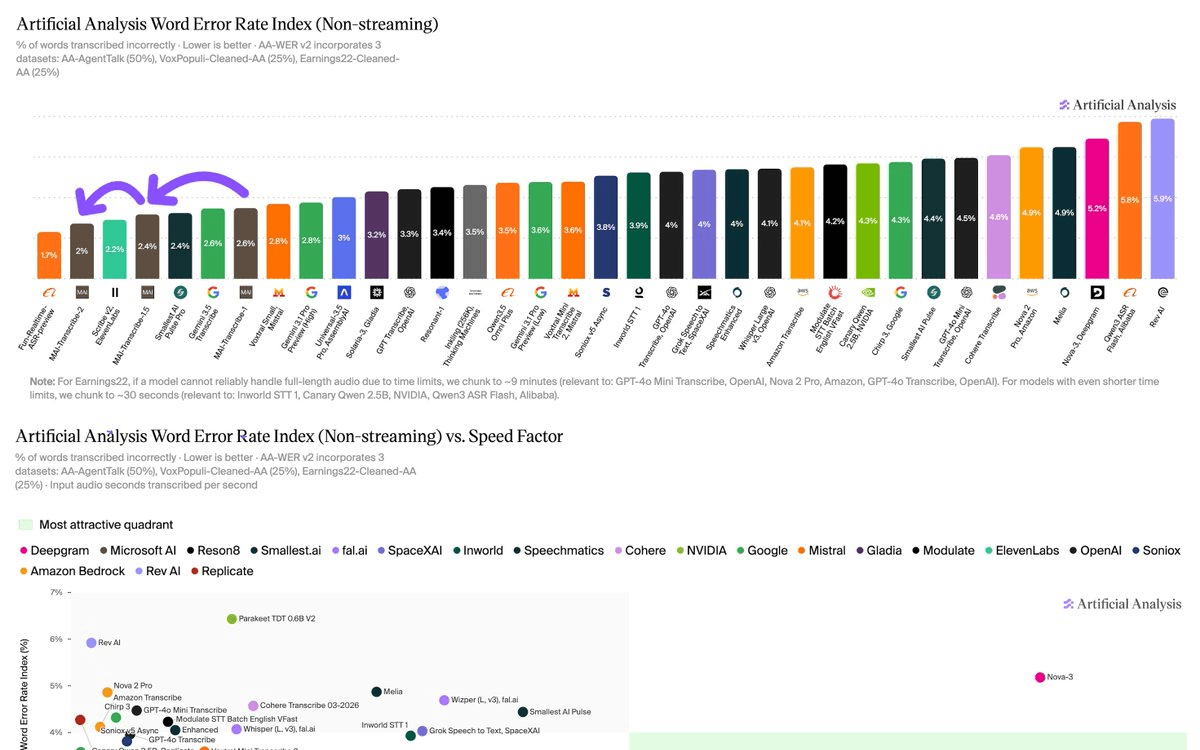
Ant Group's open-source Ming-3.0-audio-flash scores 99.8% on Artificial Analysis's speech reasoning benchmark, ahead of Grok Voice 3.0, Gemini 3.8 Live and GPT-Realtime-2.1. The weights are MIT-licensed.
A new 365-day simulation drops LLM agents into a deterministic marketplace with ¥100,000, real supplier data, and fraudsters, and no model wins everything.
A solo researcher shipped a 27B Mixture-of-Experts model that runs on stock llama.cpp, grafting Qwen3.8-Flash-Next's n-gram memory into a pruned Qwen3.6 body.
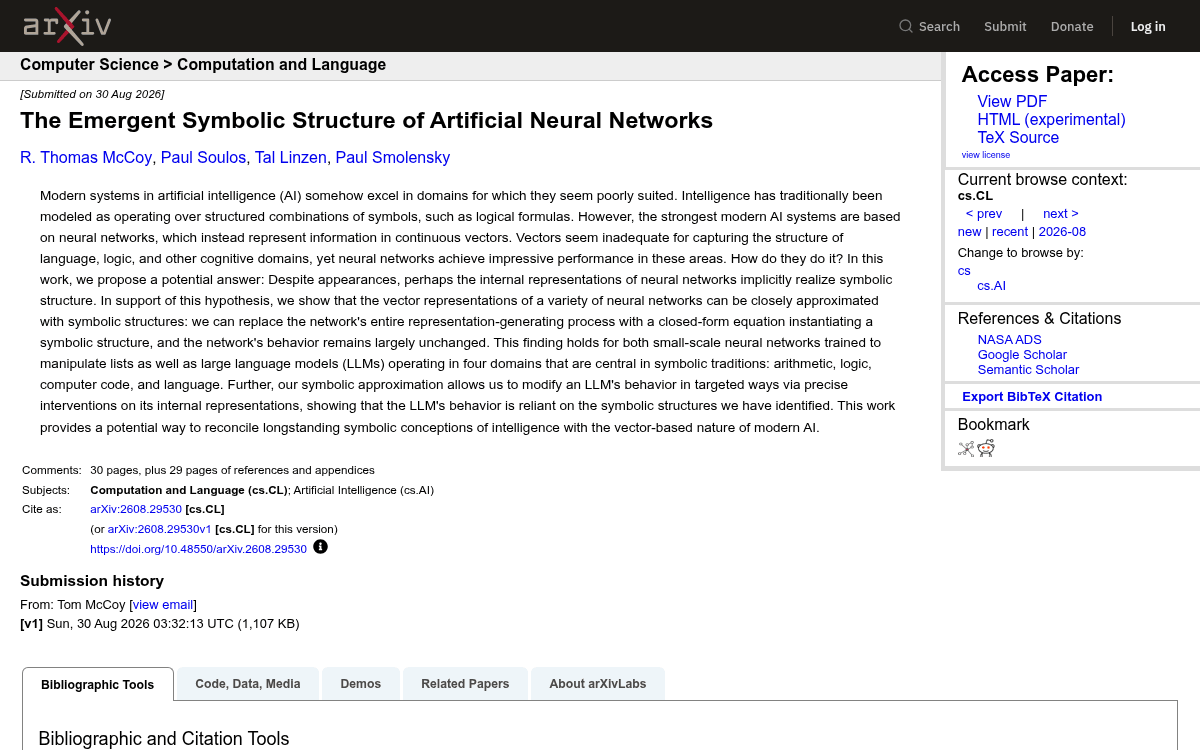
An 8-year interpretability project shows that LLM representations can be closely approximated by symbolic role-filler structures, enabling precise behavioral edits.
Alibaba's new all-in-one video model tops the Artificial Analysis editing leaderboard, generates 30 second 1080p clips with native audio, and accepts documents as input.
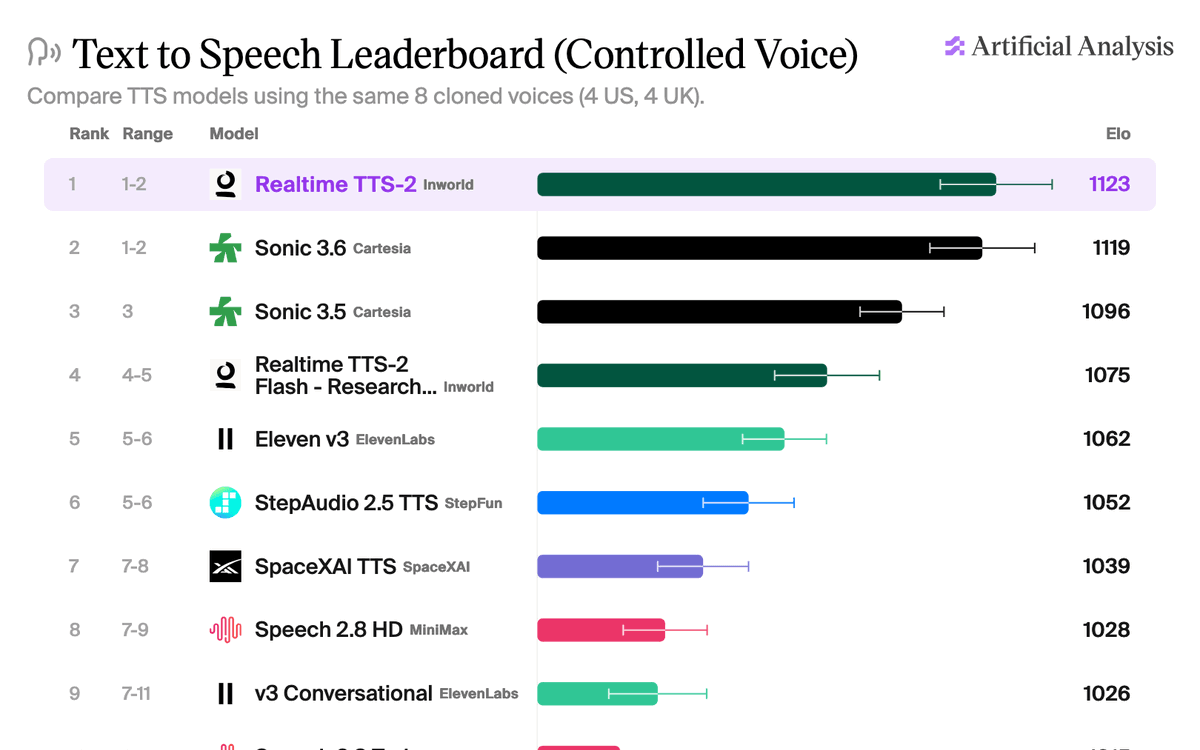
Inworld's Realtime TTS-2 unseats Cartesia Sonic 3.6 on the Controlled Voice Arena, delivering 100+ language coverage and plain-English delivery instructions at under half the price.
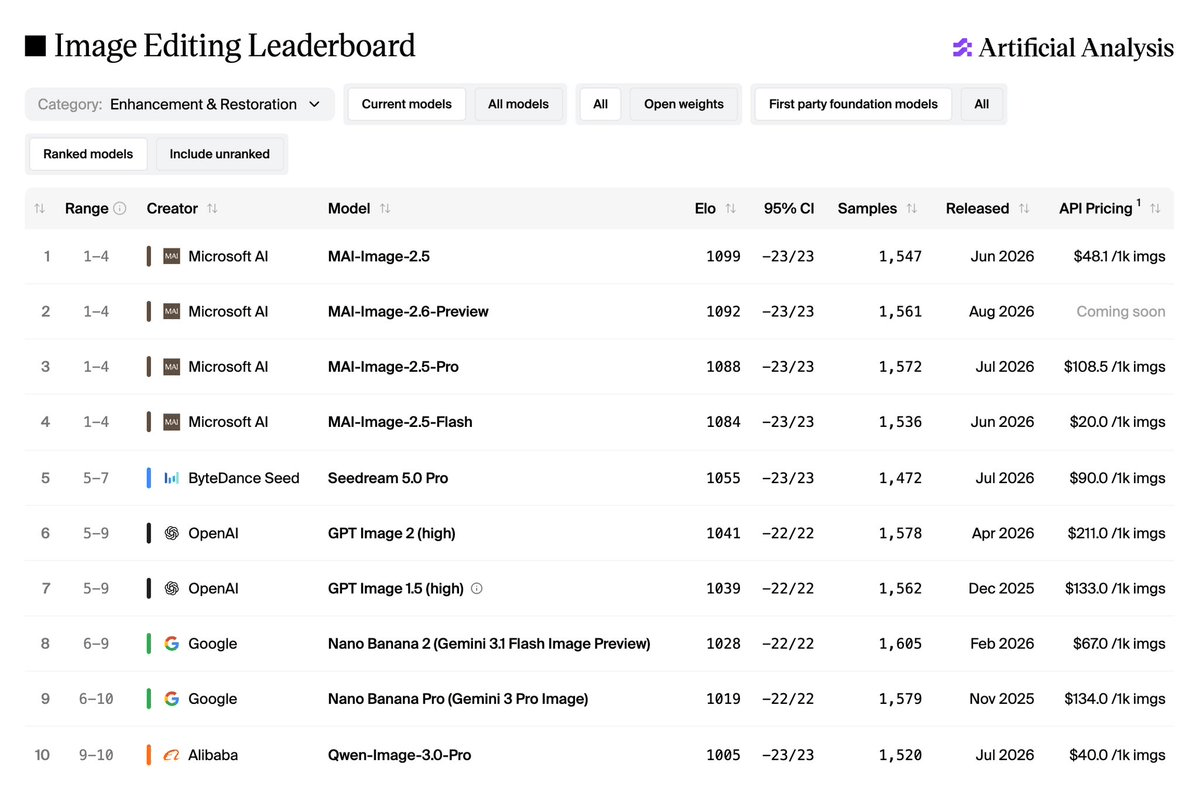
Artificial Analysis rebuilt its Image Editing Arena with a two-axis taxonomy of editing actions and use cases, revealing which model wins each specific task.
Anthropic open-sources a full commerce agent blueprint with shopping and merchant reference implementations, plus architectural guidance from production deployments driving 35% larger carts.

 Pro
 Pro
 Pro
 Pro