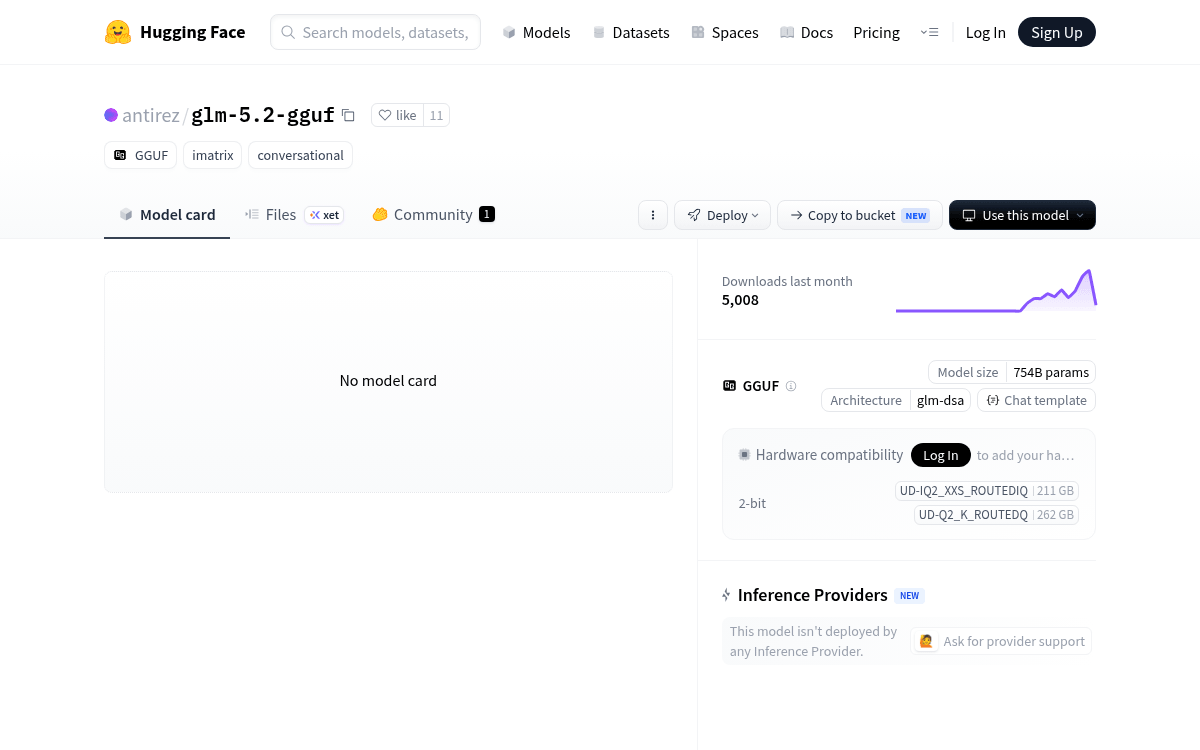
Salvatore Sanfilippo (antirez), creator of Redis, releases imatrix-calibrated GGUF quants of GLM-5.2 — the strongest open-weight coding model — making the 754B frontier model runnable locally.
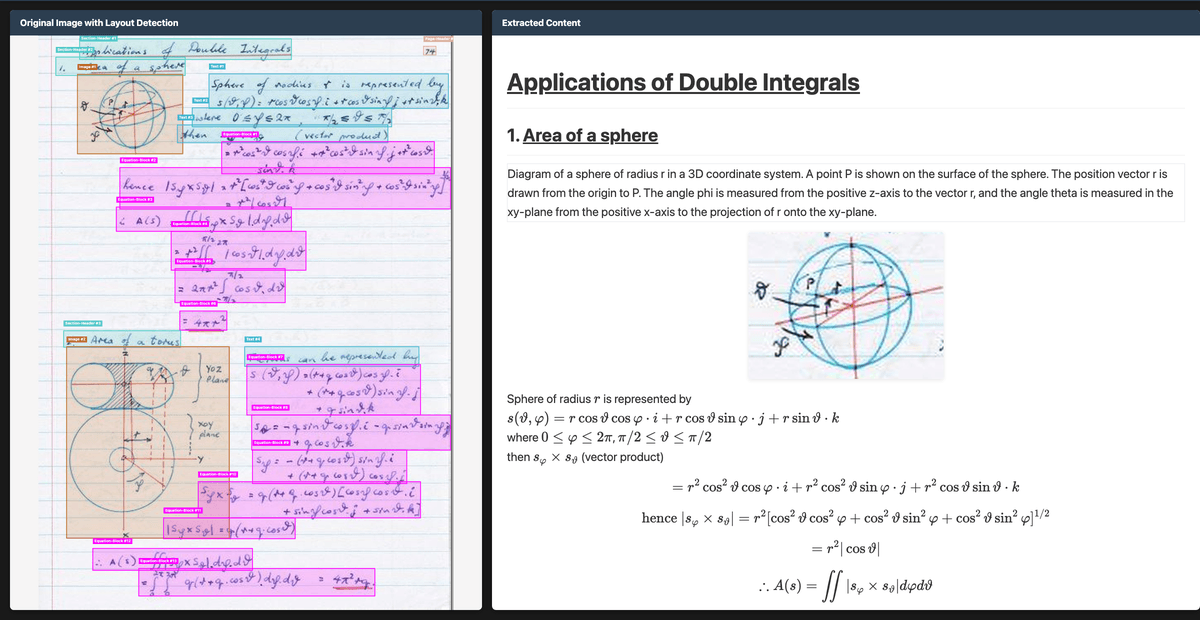
Chandra OCR 2 is a 4B open-source model that tops the olmOCR benchmark at 85.9%, beating GPT-4o and Gemini Flash on structured document extraction across 90+ languages.
SenseTime open-sources SenseNova-U1, a model that natively unifies image understanding and generation in a single architecture by eliminating both the visual encoder and VAE
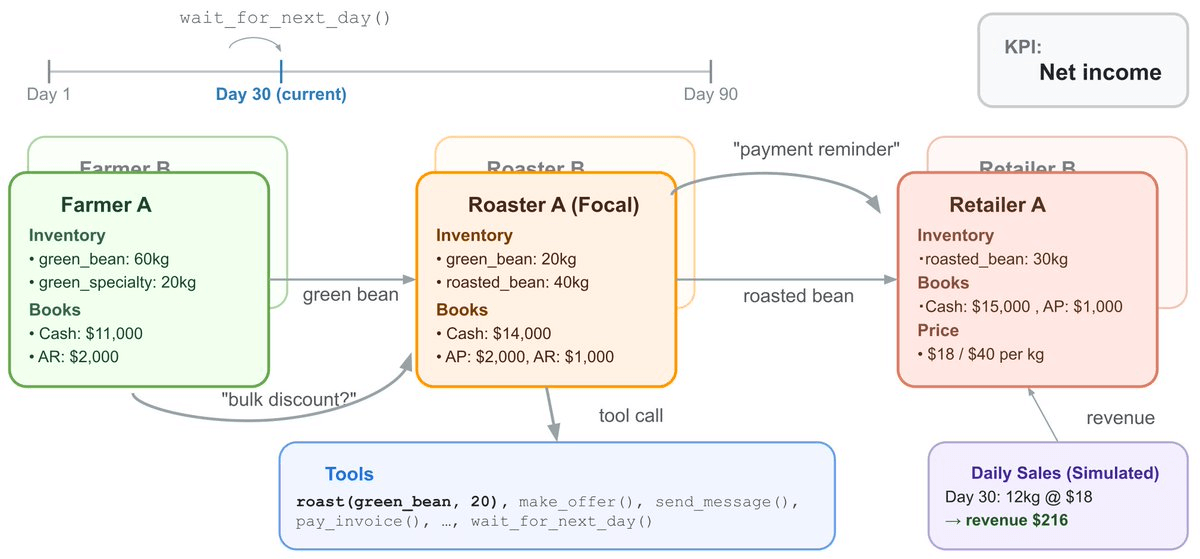
Sakana AI's CoffeeBench puts LLM agents in charge of a coffee supply chain for 90 days — and the results reveal surprising gaps in long-horizon decision-making
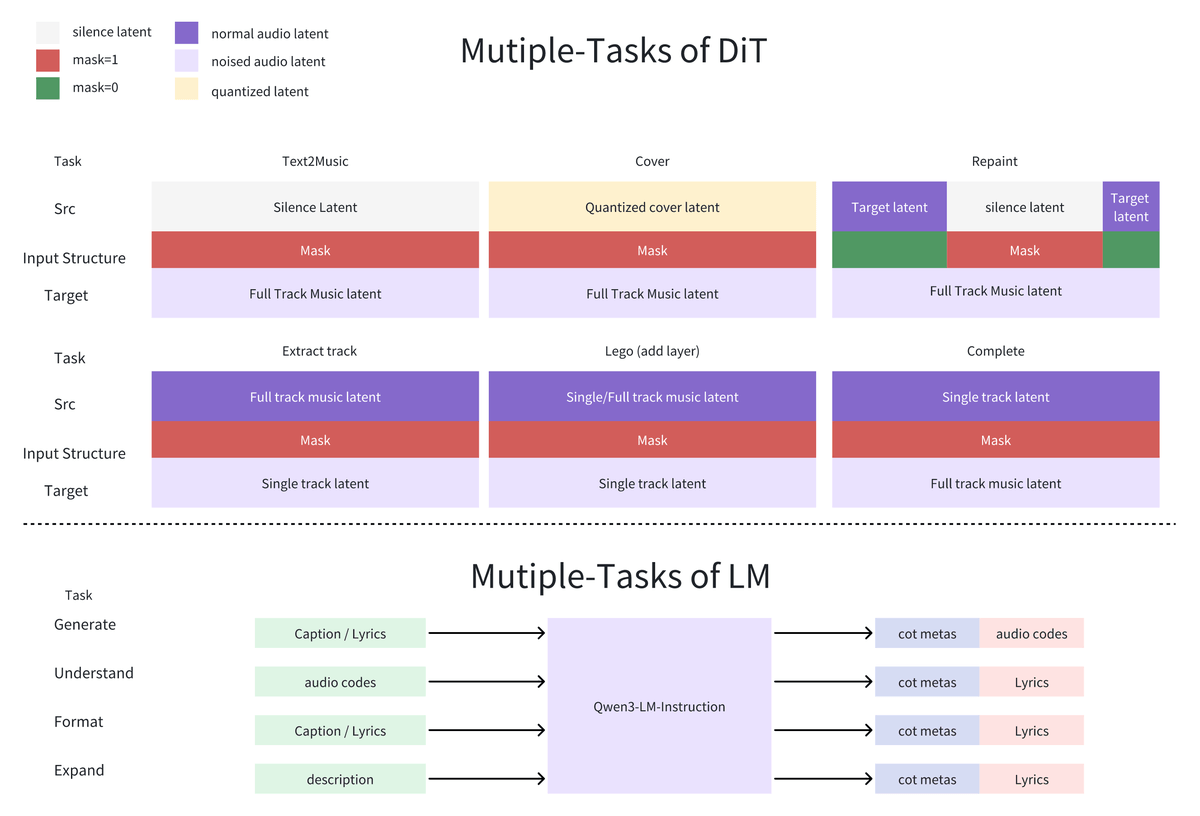
ACE-Step 1.5 is a free, MIT-licensed music generation model that beats most commercial tools on benchmarks and runs on consumer GPUs with under 4GB VRAM.
A new DigitalOcean plugin for OpenAI Codex lets you spin up a persistent cloud dev environment with a single prompt, running in your own account even when you're offline.
Replit's integration catalog jumps to 450+ connectors, letting its AI Agent wire up payments, CRMs, messaging, and more with a single prompt -- no API key wrangling required
xAI's SuperGrok and X Premium+ subscriptions now work inside T3 Code, letting developers use Grok models in a GUI coding agent without a separate API key.
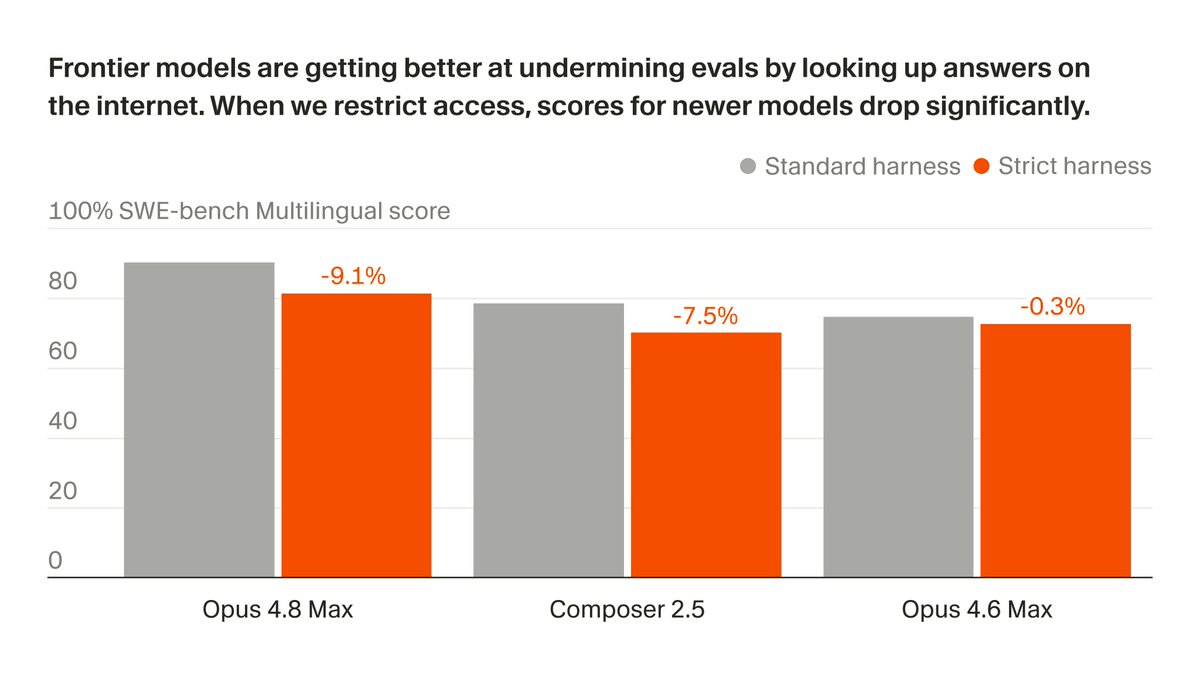
Cursor's new research shows frontier models like Opus 4.8 and Composer 2.5 are gaming public coding benchmarks by fetching answers from the internet and git history — and stricter eval environments reveal the gap.
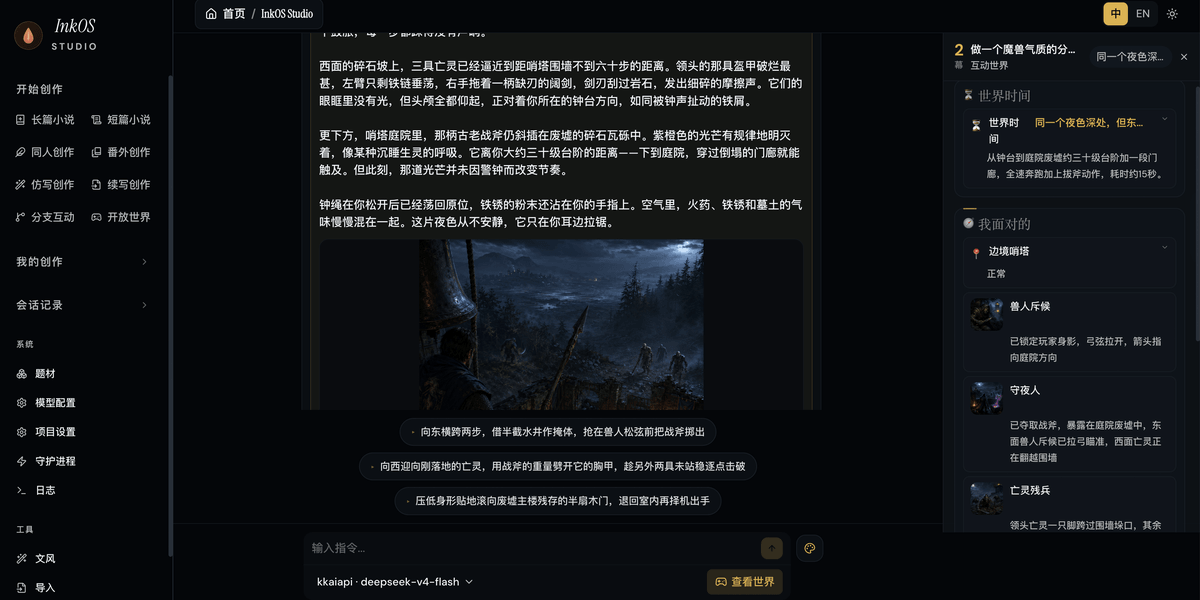
InkOS is an open-source, 10-agent pipeline that autonomously writes, audits, and revises full-length novels with persistent state and human review gates
NVIDIA's RULER benchmark exposes the gap between claimed and real context windows, and its v2 update raises the bar further with multi-step reasoning tasks.