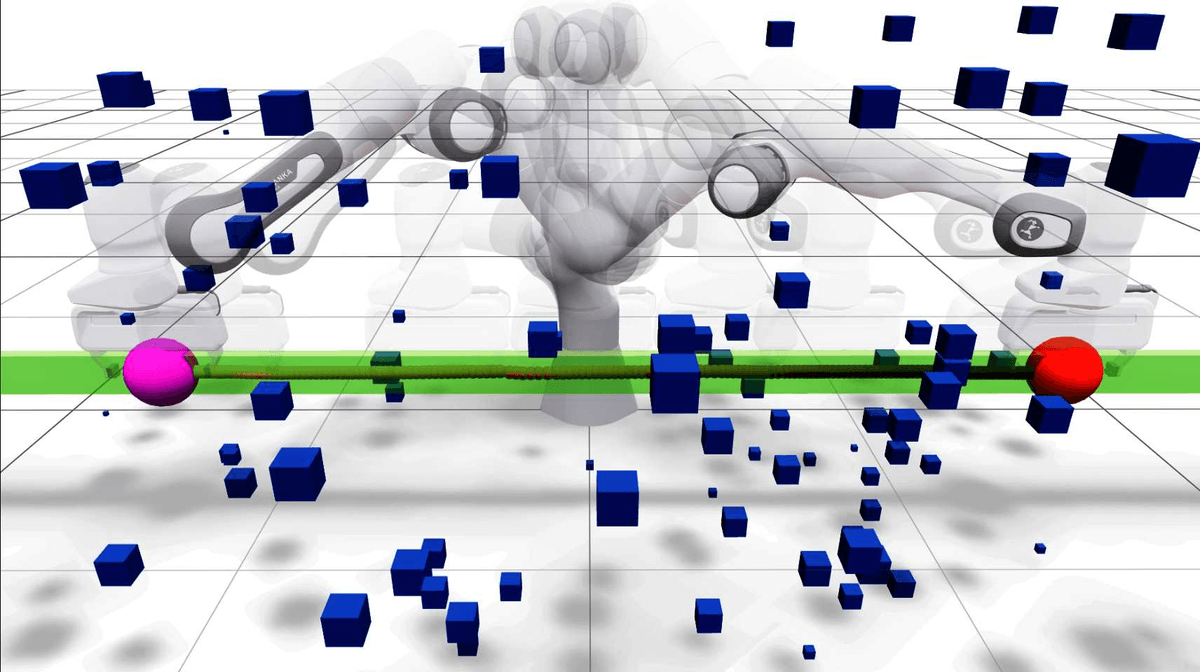
A new SIMD-accelerated planner from Purdue's CoMMA Lab drops humanoid constrained motion planning from tens of seconds to milliseconds, enabling reactive whole-body control.
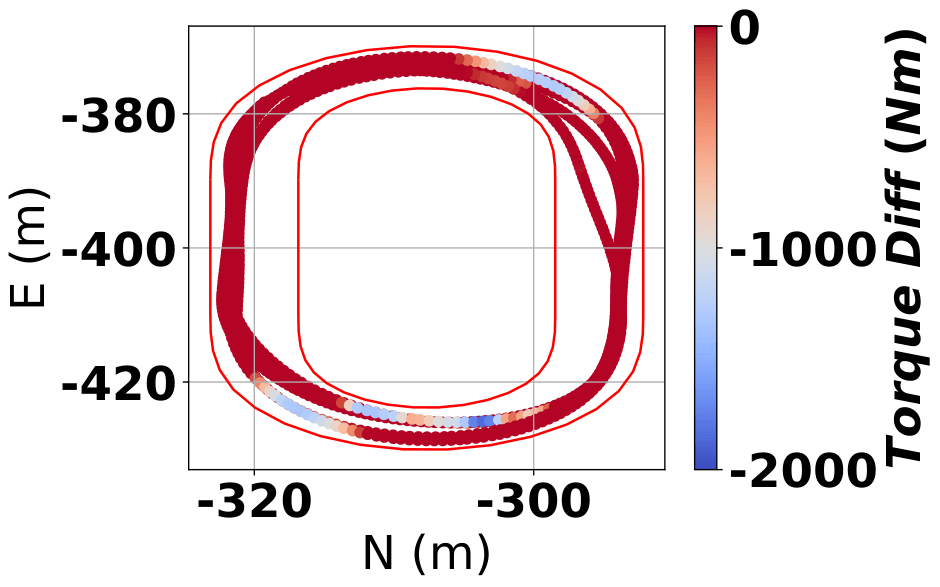
A new sampling strategy uses Pontryagin's Maximum Principle to concentrate training data near safety-critical states, cutting failures and hitting 3ms inference for real-time safety filtering.
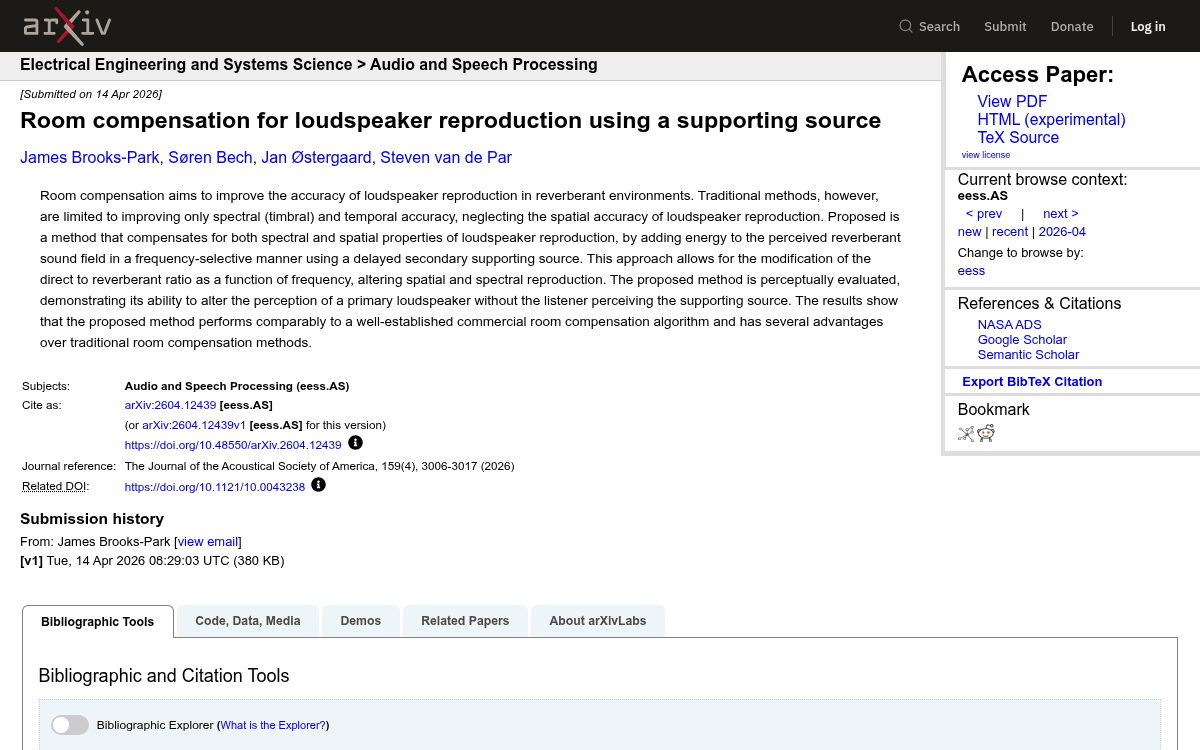
A second, delayed loudspeaker adds frequency-selective energy to the reverberant field, correcting both timbre and spatial perception without listeners noticing it.
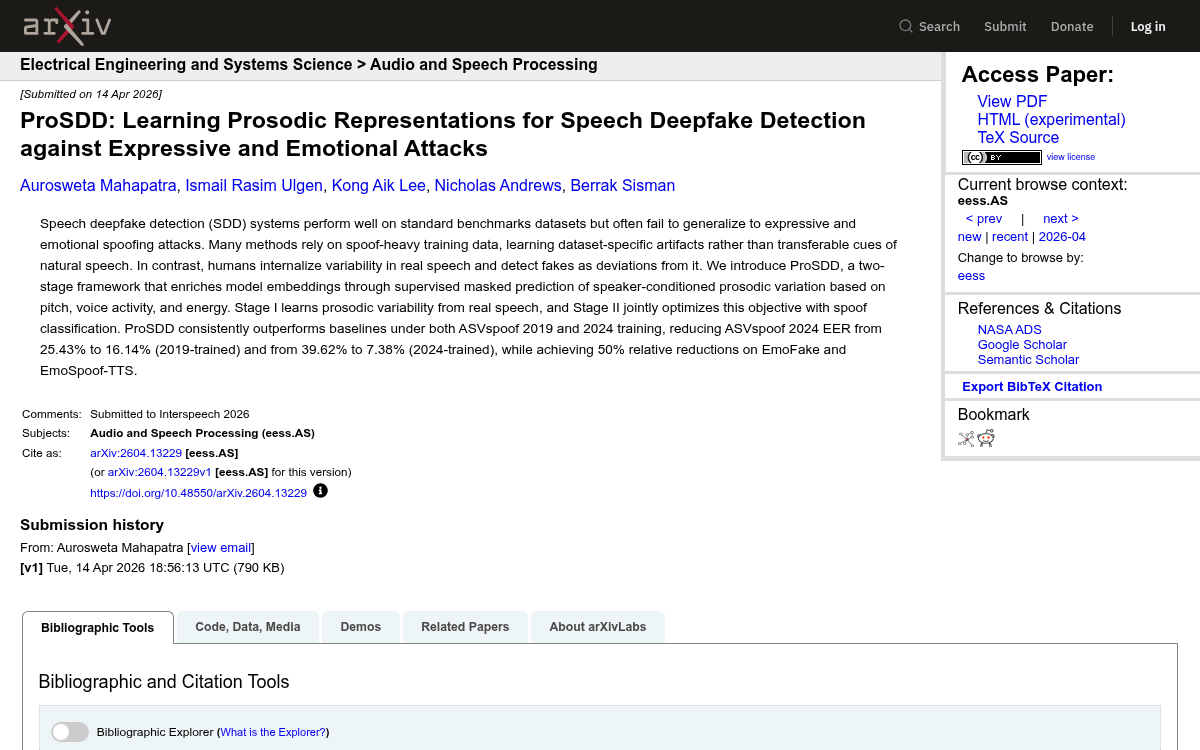
A two-stage training recipe teaches deepfake detectors to model natural prosody first, cutting error rates by more than half on emotional spoofing attacks.
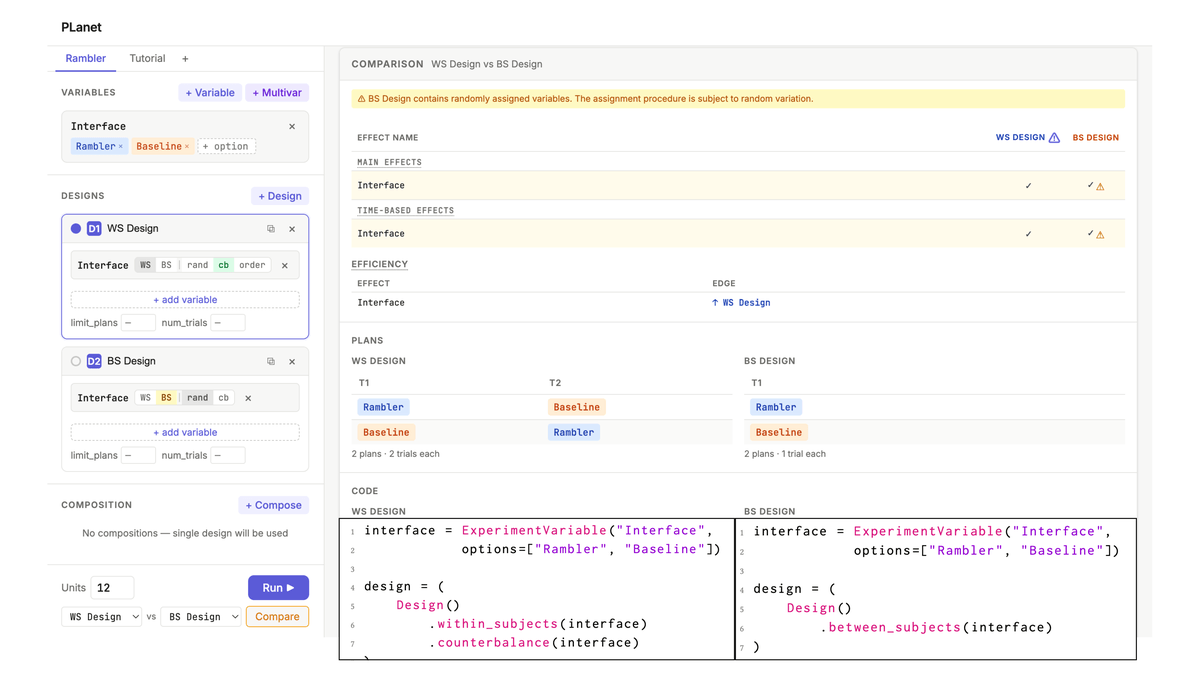
PLanet is a domain-specific language that treats experimental designs as matrix constraints, catching hidden assumptions before you run a single trial.
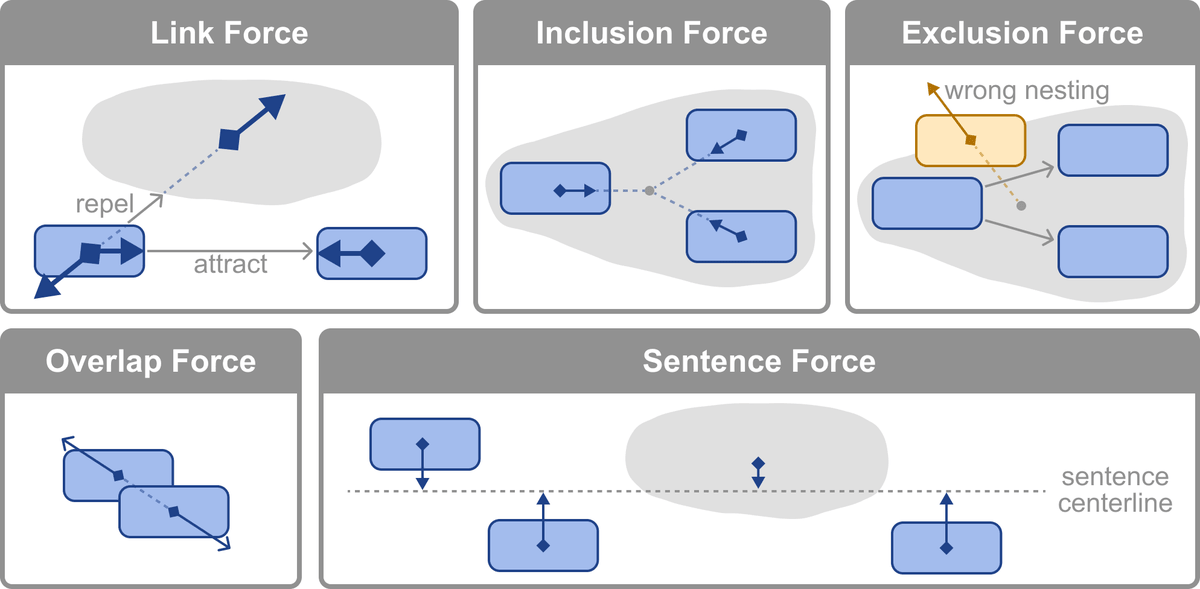
A visualization technique from Zhejiang University builds nested entity graphs sentence by sentence, cutting question response time and doubling answer quality in user studies.
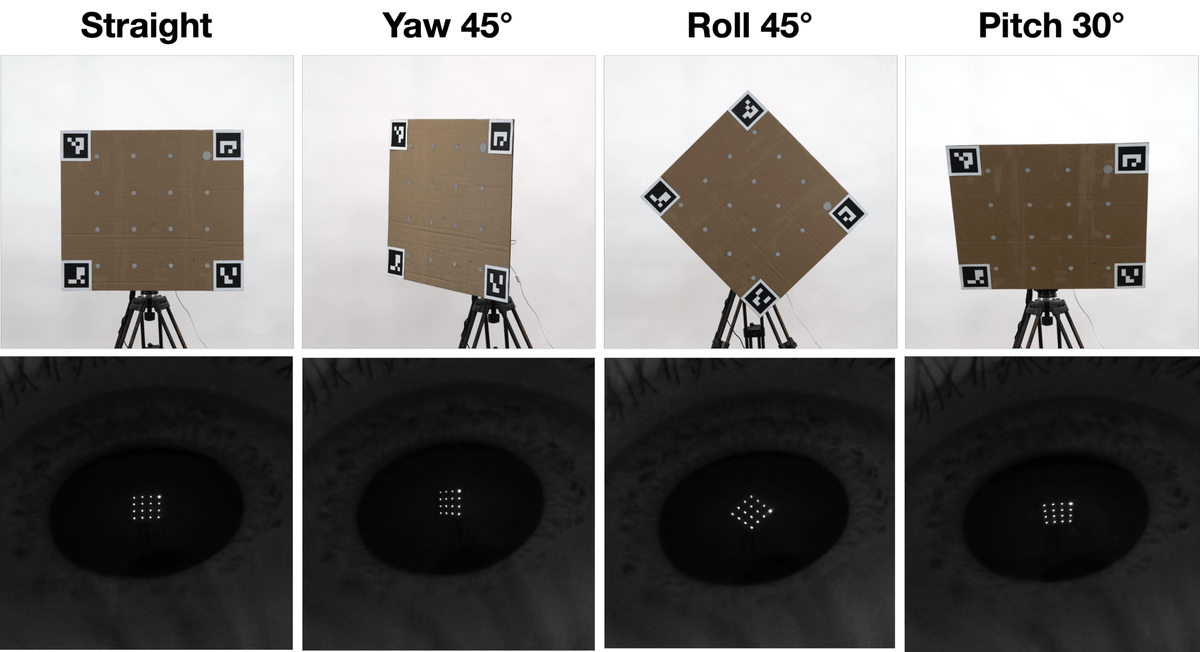
Carnegie Mellon researchers turn the eye's cornea into a passive world-facing camera, using tiny retroreflective tags to identify objects and estimate their 3D pose from glint patterns alone.
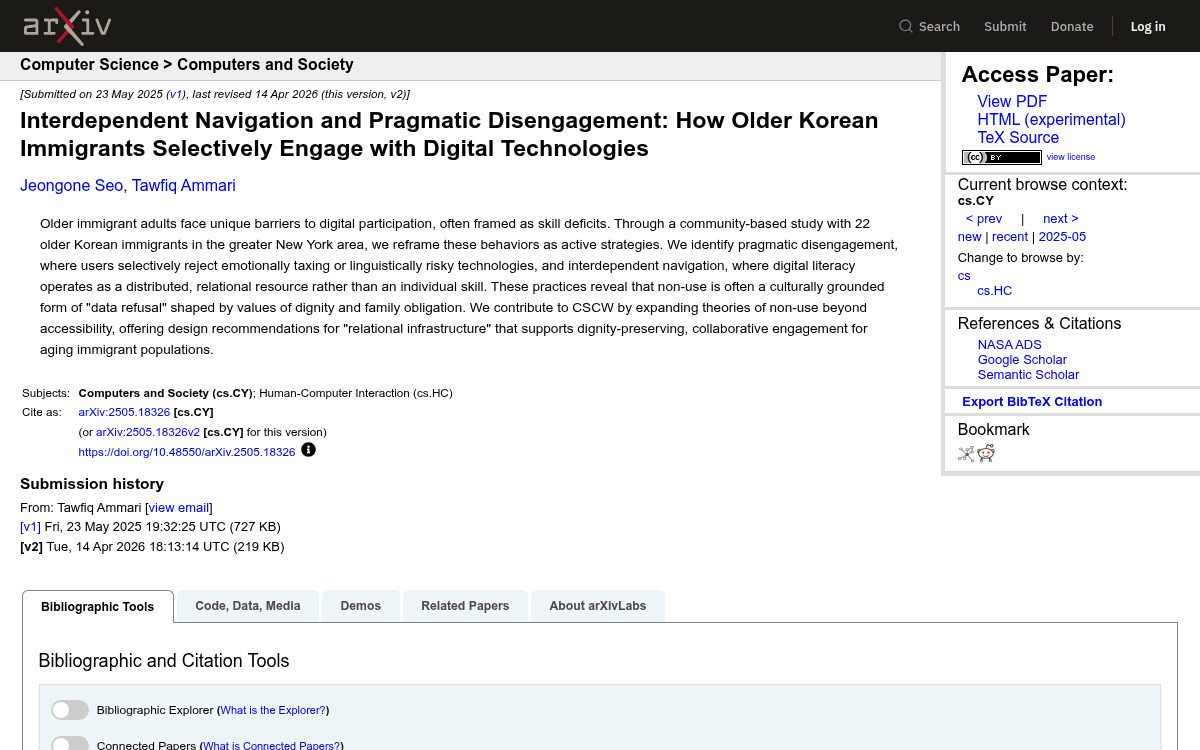
A qualitative CSCW study reframes older Korean immigrants' digital avoidance as strategic refusal, not skill deficits, with implications for inclusive design.
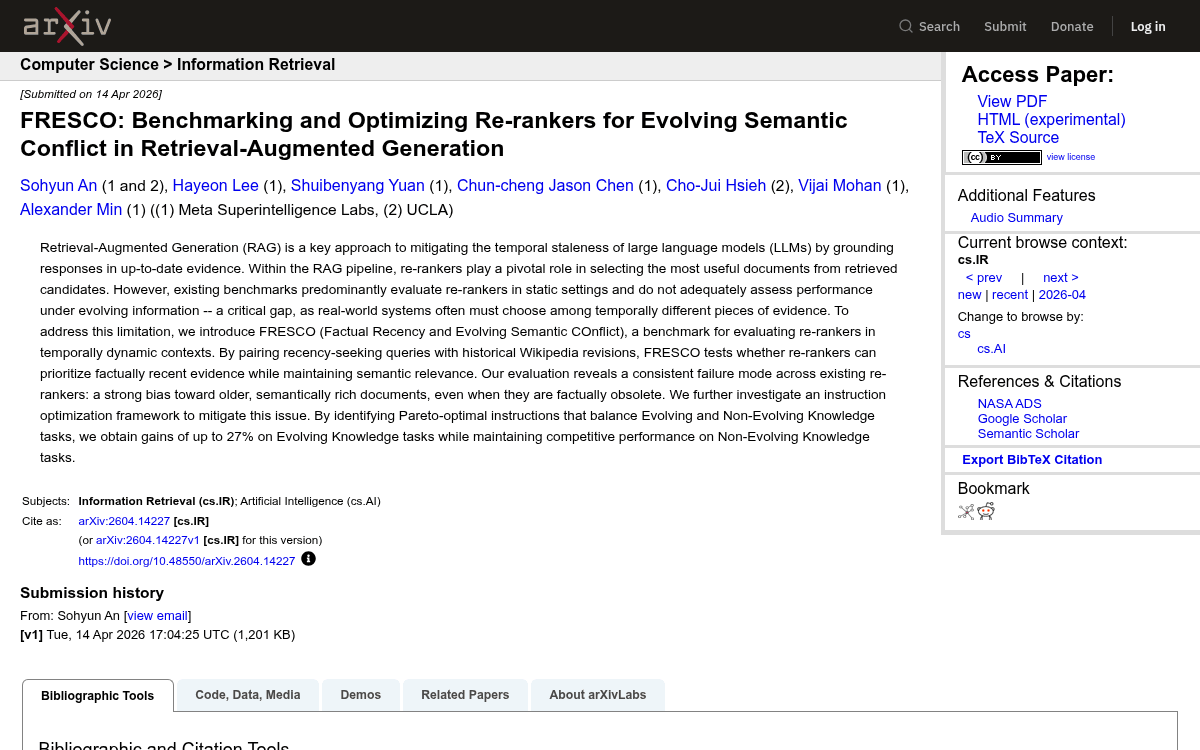
Meta and UCLA researchers show that 19 popular re-rankers stubbornly prefer old, detailed documents over newer ones, and offer a fix without retraining.
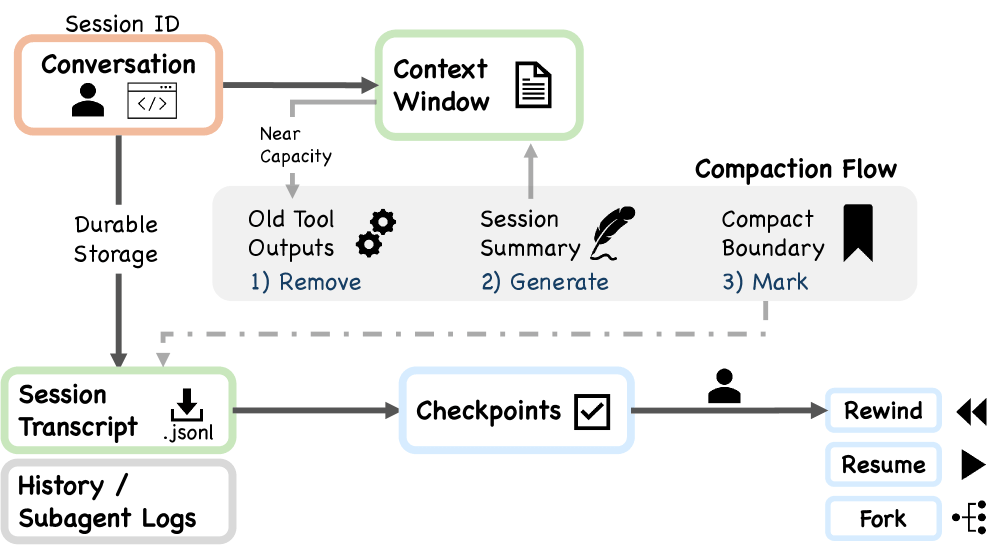
Researchers reverse-engineered Claude Code's 512K-line TypeScript codebase and found that only 1.6% is AI logic — the rest is a fortress of deterministic infrastructure built to manage the model
A Tsinghua paper dissects why on-policy distillation fails, revealing two hard rules and two practical fixes that every LLM post-training pipeline should know
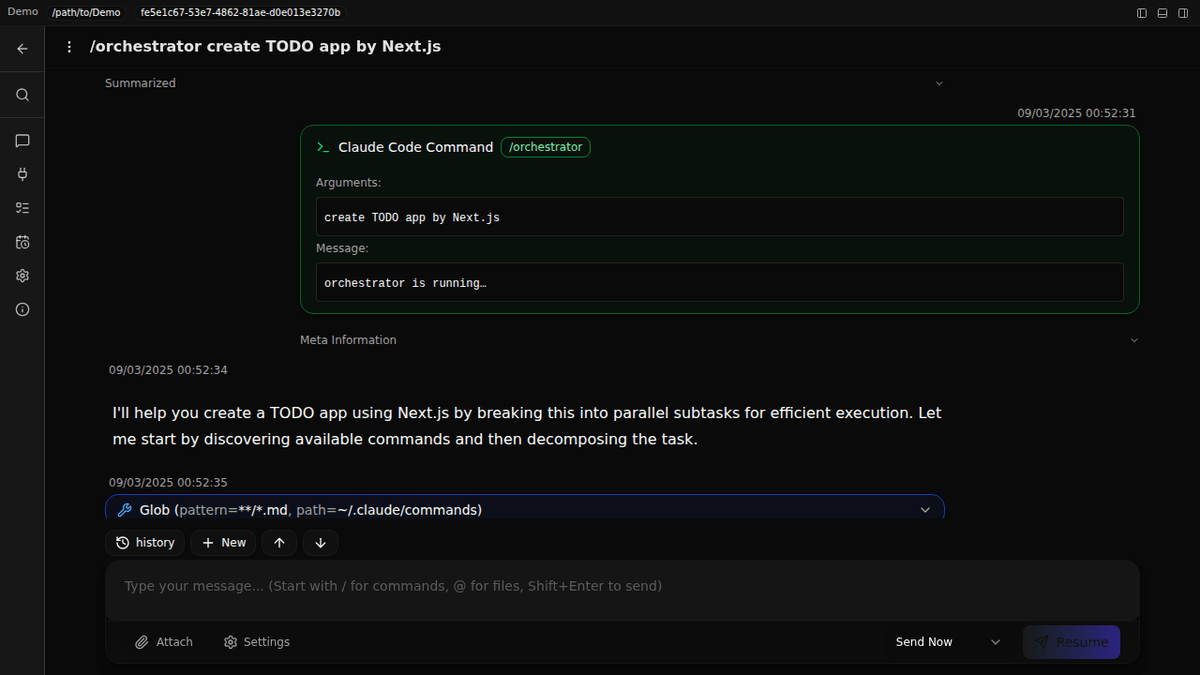
Claude Code Viewer is an open-source web client that turns your local Claude Code sessions into a browsable, mobile-friendly workspace with Git tooling and remote access.
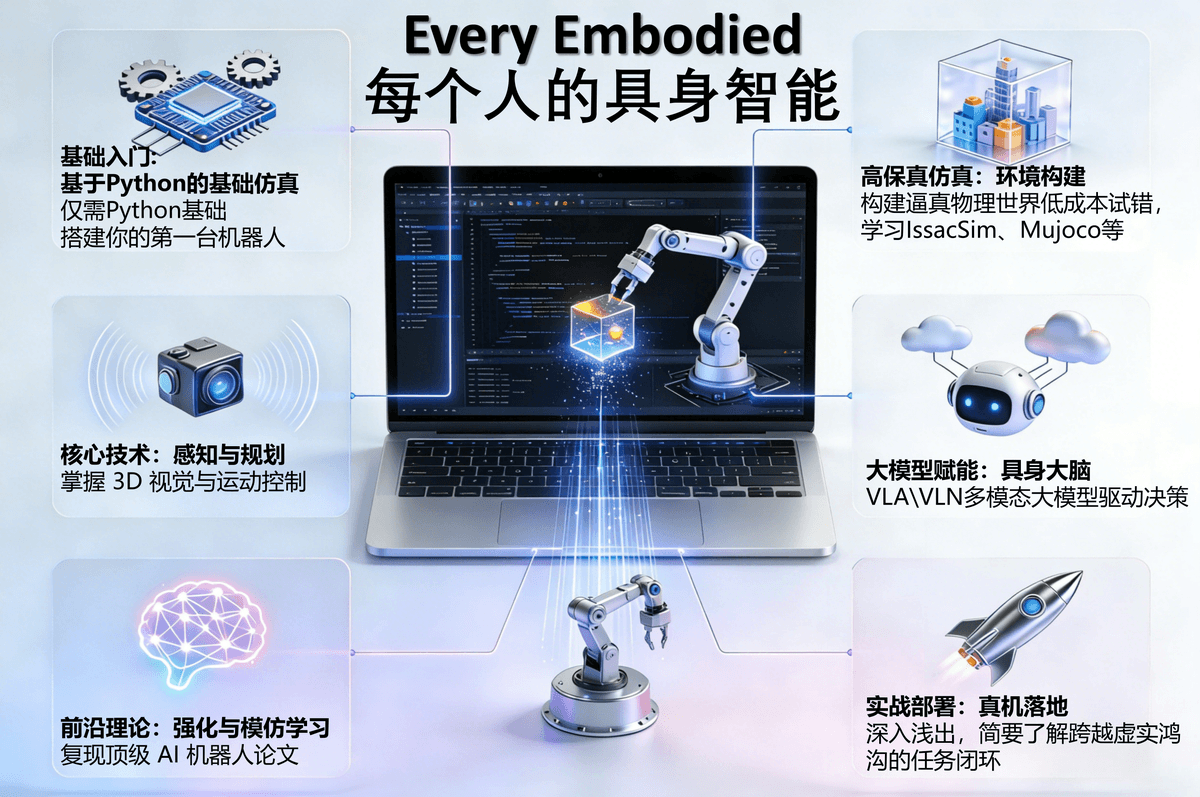
Every-Embodied is a free, open-source course that takes you from basic Python to training and deploying state-of-the-art robot AI models like SmolVLA and Pi0.