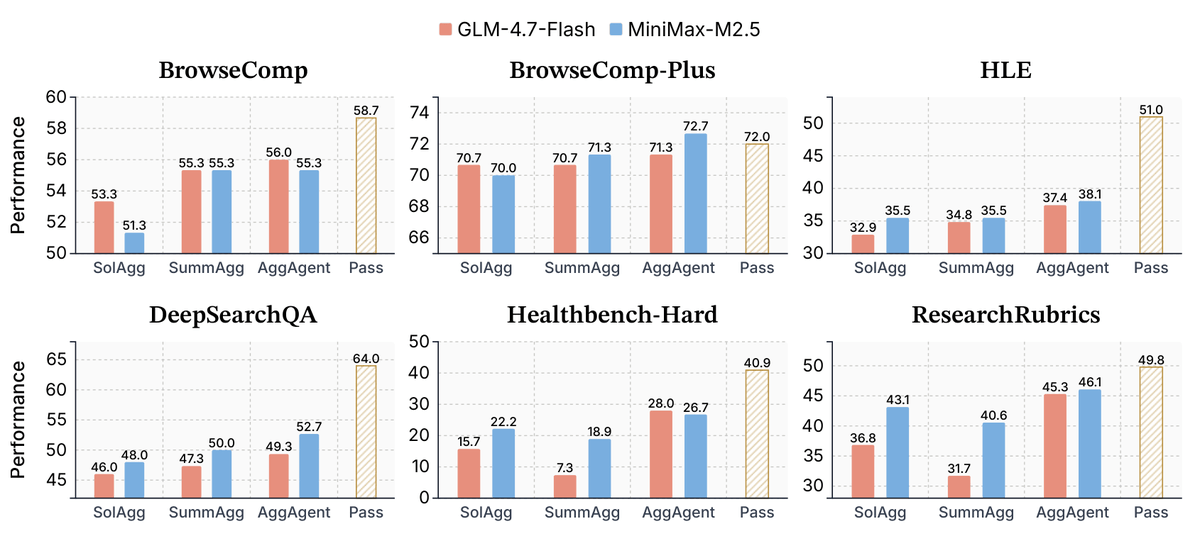
Princeton researchers built AggAgent, an aggregator that treats parallel agent trajectories as an environment to explore, beating existing methods by up to 10 points on deep research.
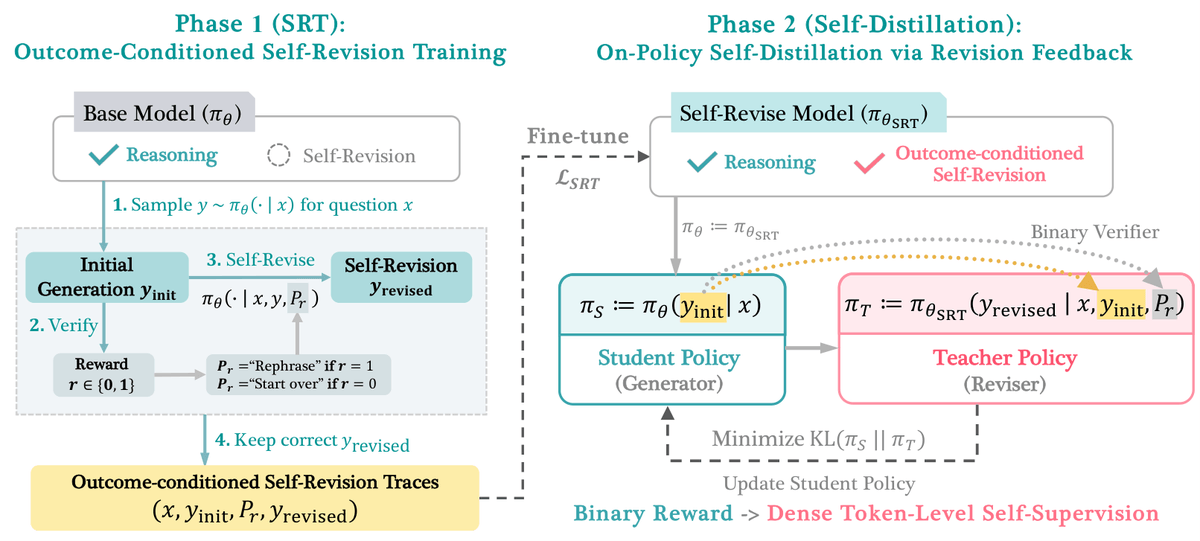
Princeton researchers train models to grade their own homework, turning binary correct/incorrect signals into dense token-level supervision without external teachers.
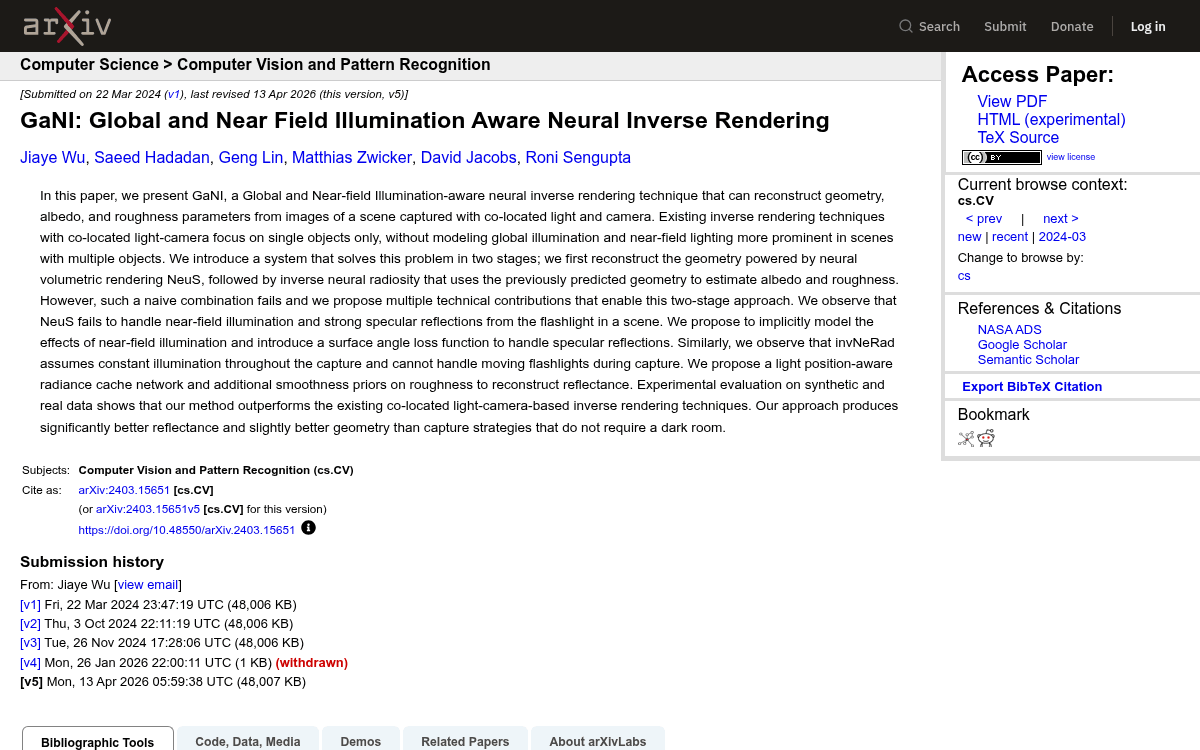
A two-stage neural pipeline reconstructs geometry, albedo, and roughness of multi-object scenes from a phone flashlight capture, handling global and near-field lighting.
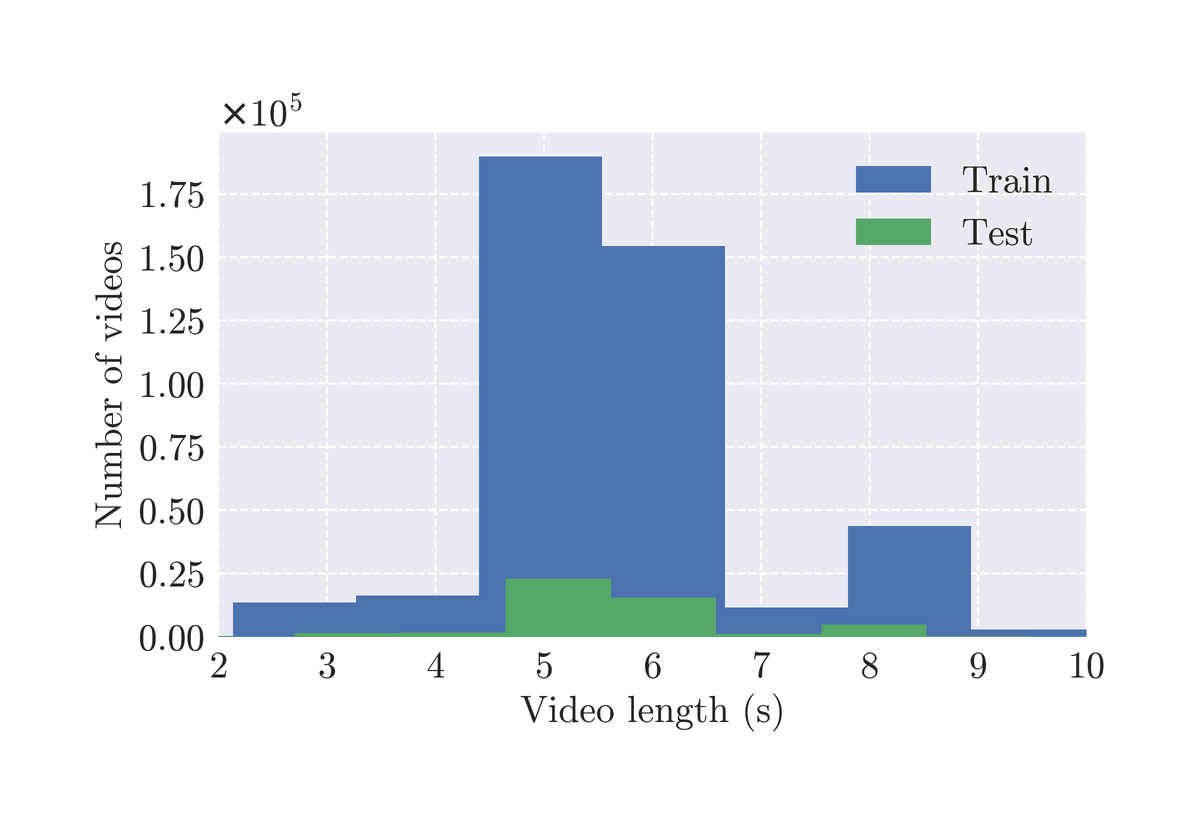
Qualcomm researchers built a live fitness coaching benchmark that exposes how badly current video language models handle proactive, real-time feedback.
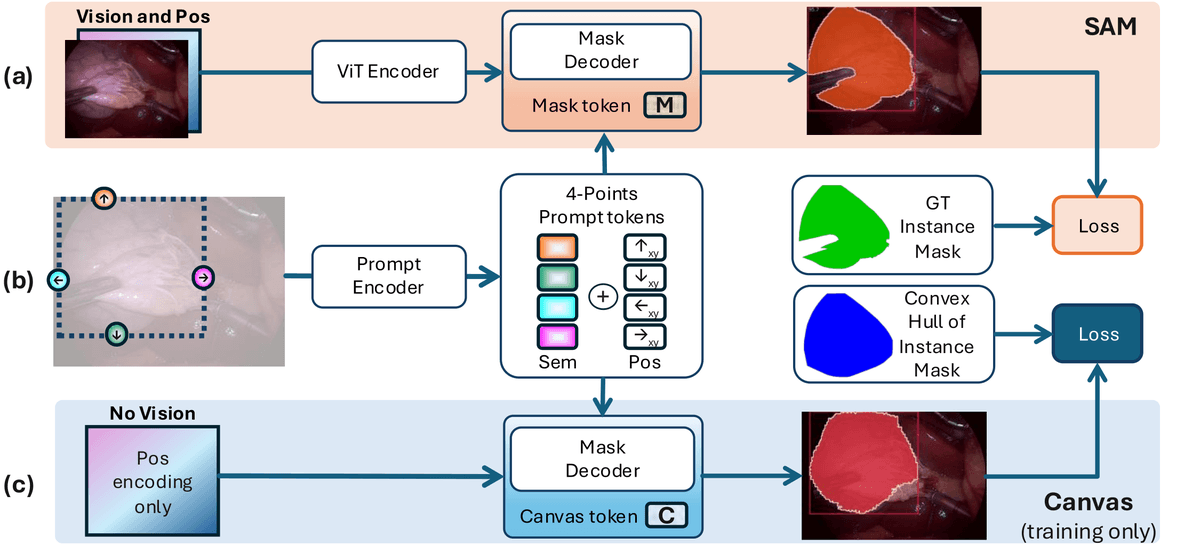
A structured 4-point prompting scheme with role-specific embeddings pushes SAM's medical segmentation accuracy up by 3.42 mIoU while cutting annotation time.
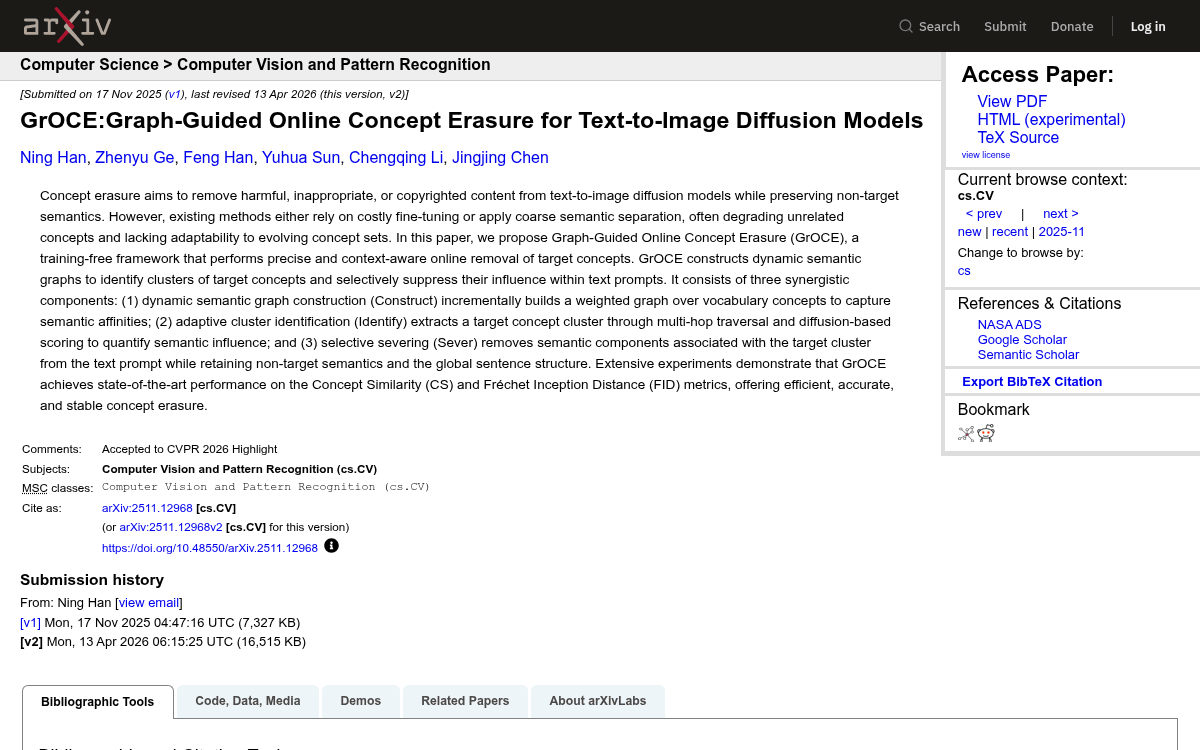
A training-free framework uses semantic graphs to precisely erase concepts from diffusion models in under two seconds, without retraining or collateral damage.
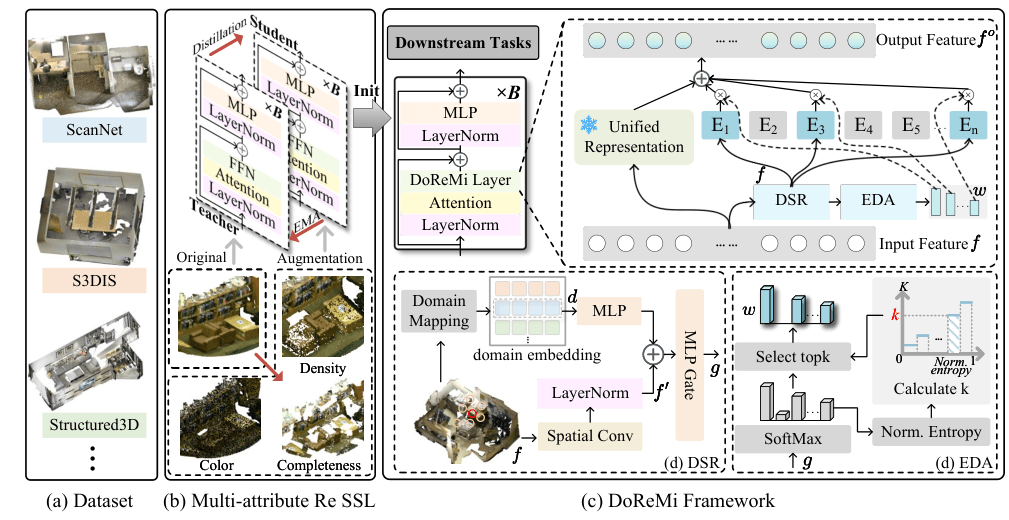
A new Mixture-of-Experts design routes 3D point cloud data by geometric topology instead of semantics, hitting 80.1% mIoU on ScanNet and 77.2% on S3DIS.
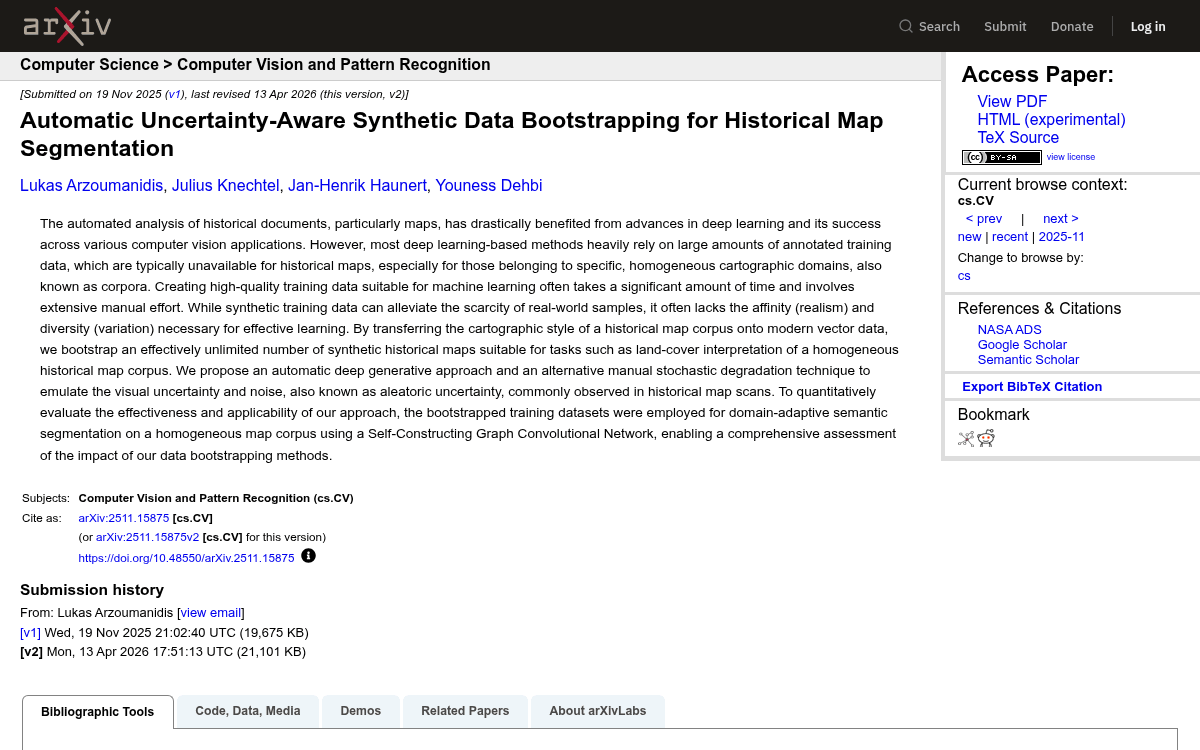
Researchers built a pipeline that fakes historical map corpora from OpenStreetMap data, letting a segmentation network hit 87% accuracy with zero real training labels.
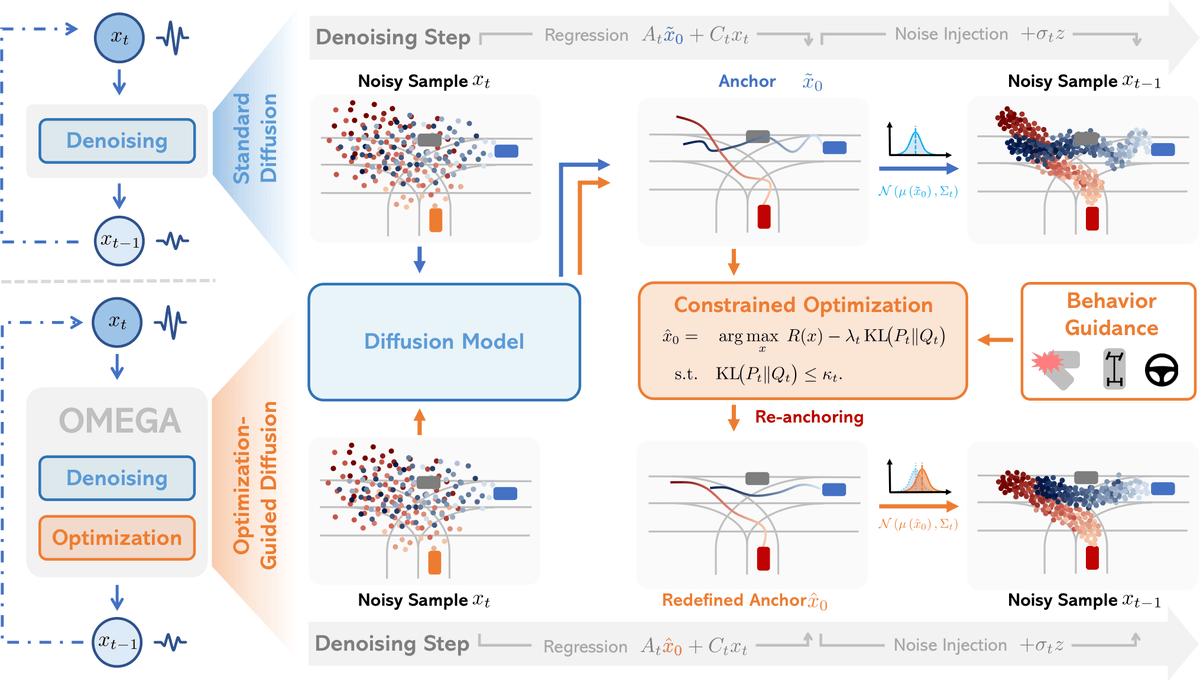
A multi-institutional team introduces OMEGA, a training-free sampler that steers diffusion-based traffic simulators toward physically valid, controllable, and safety-critical scenes.
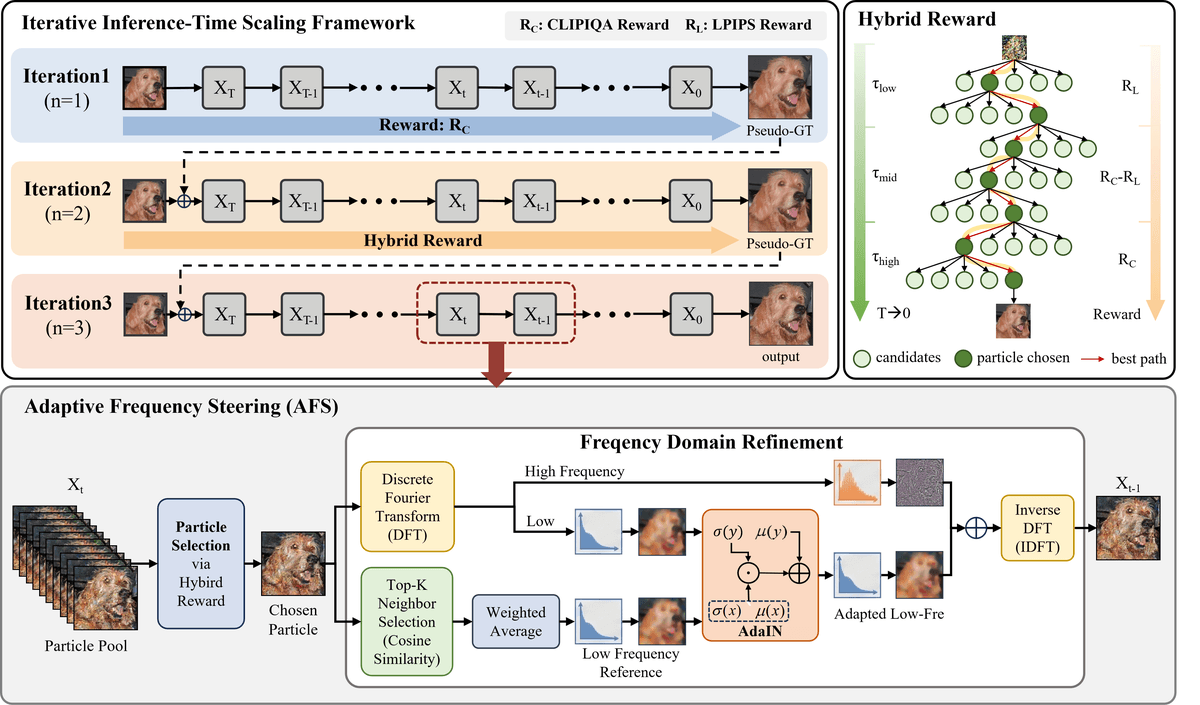
A training-free inference-time technique for diffusion super-resolution that separates images into frequency bands and iteratively refines them to beat the perception-fidelity trade-off.
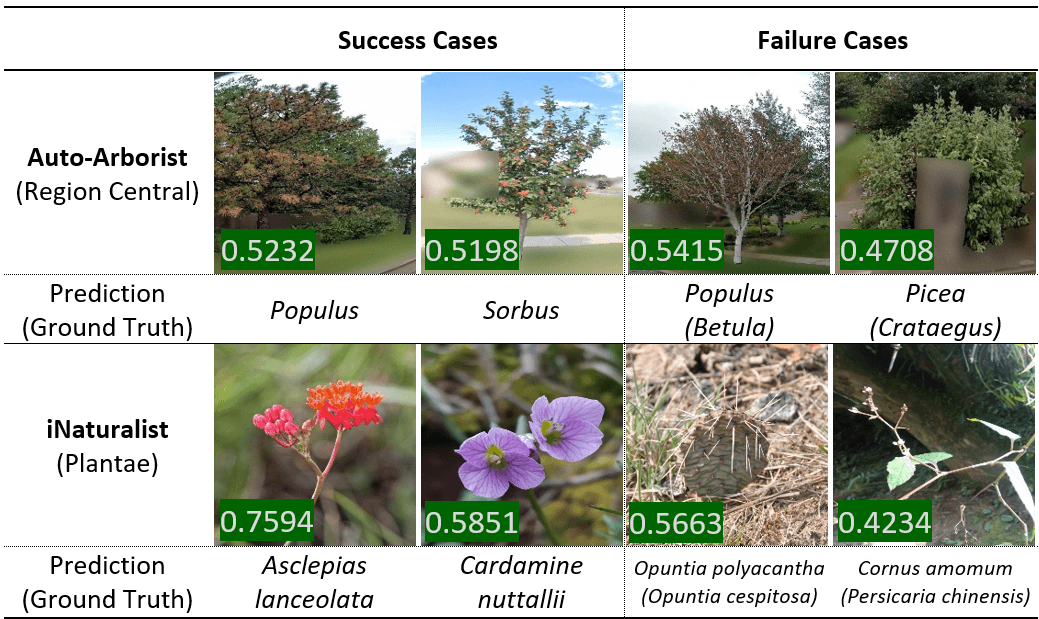
A new embedding framework called TaxoNet reshapes decision boundaries for rare plant species and beats GPT-4o and Gemini-2.5 by 2x on species accuracy.
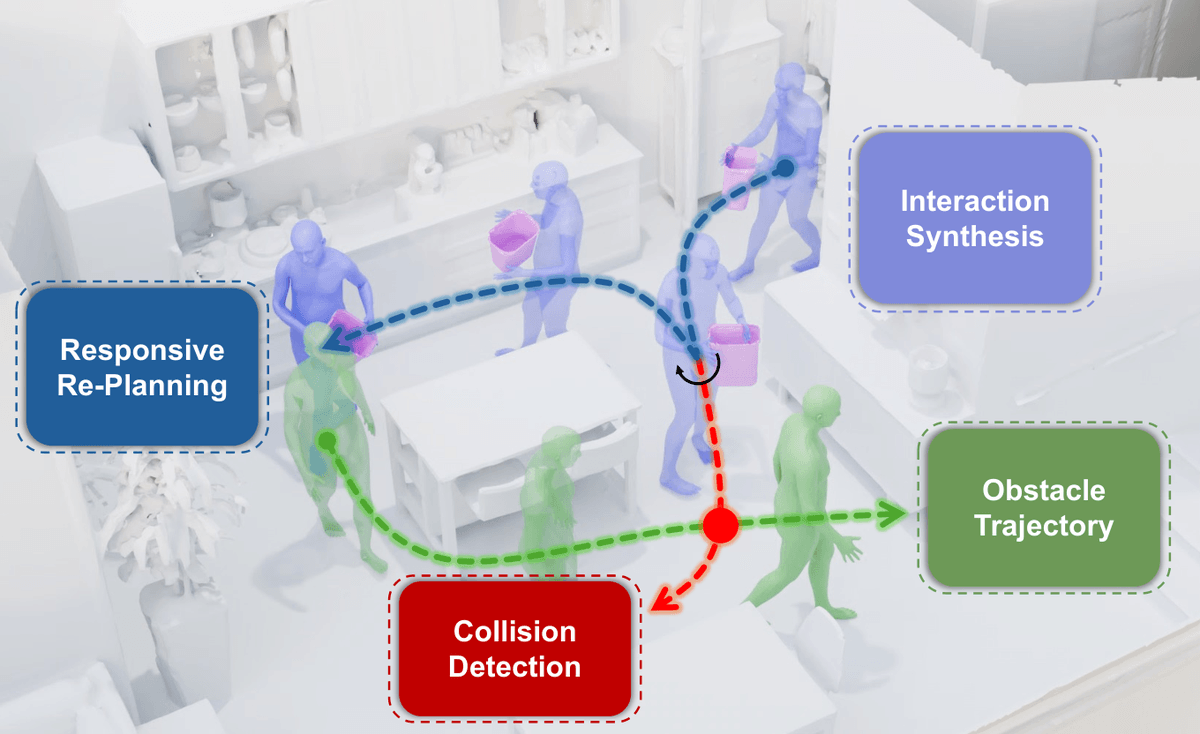
A new framework splits human-object interaction synthesis into two specialized networks, removing the need for hand-specified waypoints and cutting penetration errors on standard benchmarks.
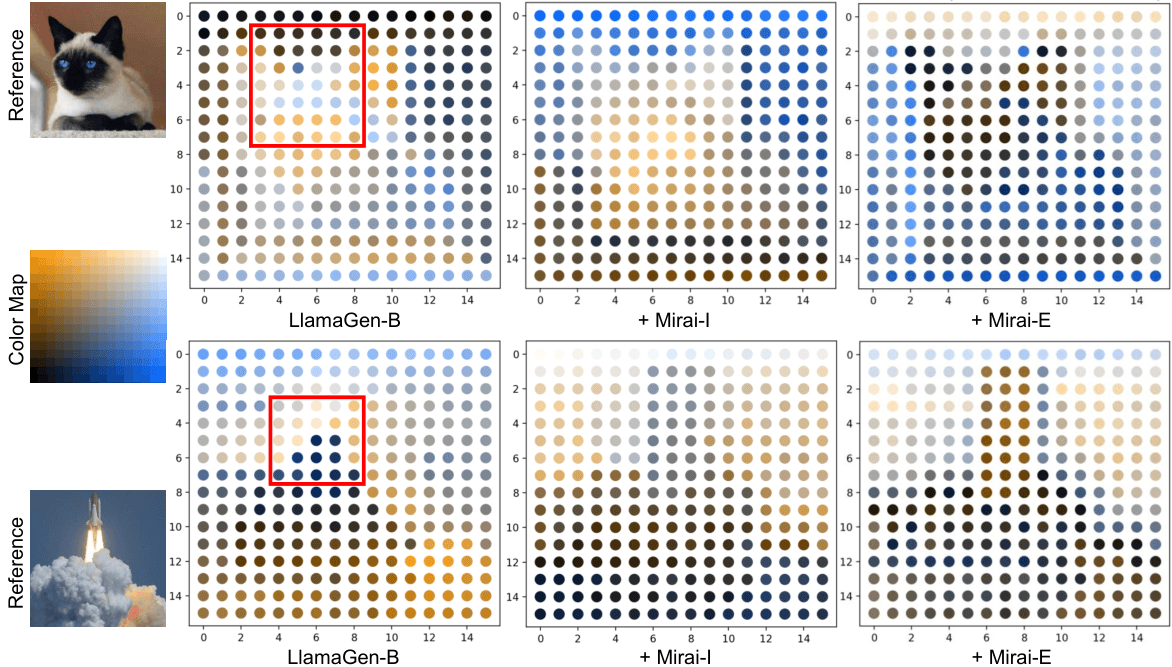
A new training framework injects future-token signals into autoregressive image models, cutting convergence time by up to 10x with zero inference cost.