
Pro
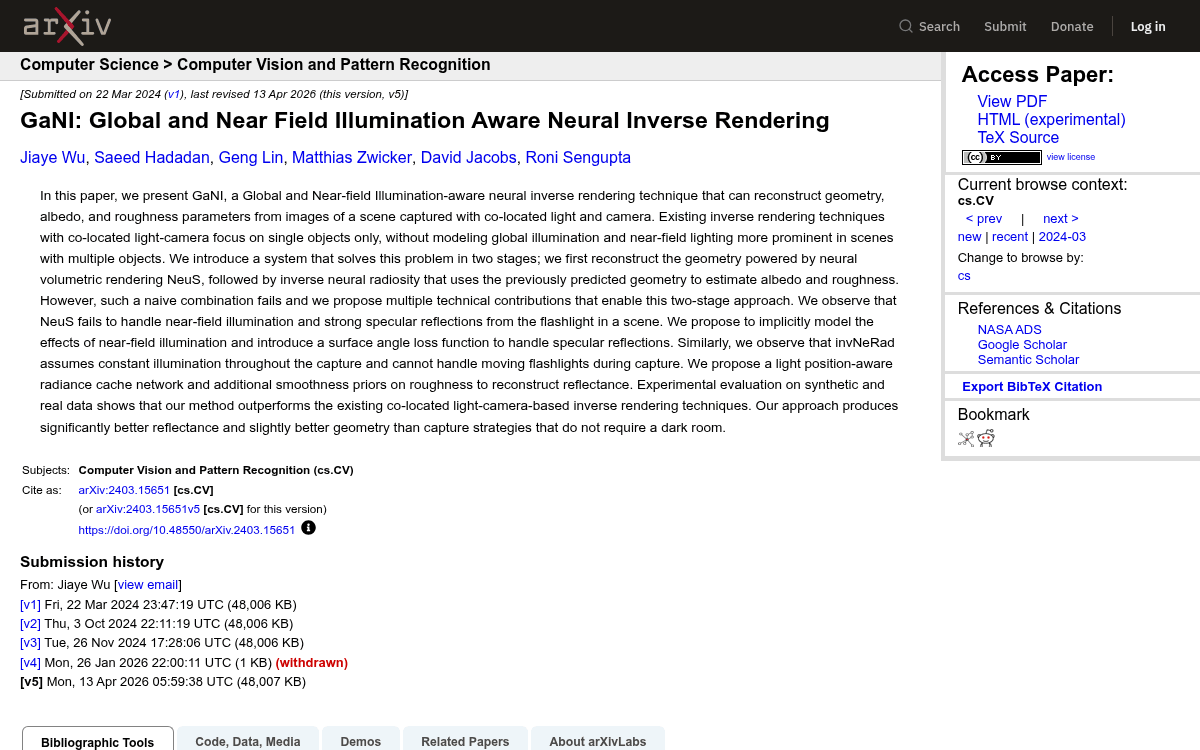
GaNI Lets Your Phone Scan a Coffee Table's Exact Materials in the Dark
A two-stage neural pipeline reconstructs geometry, albedo, and roughness of multi-object scenes from a phone flashlight capture, handling global and near-field lighting.
20 stories
A two-stage neural pipeline reconstructs geometry, albedo, and roughness of multi-object scenes from a phone flashlight capture, handling global and near-field lighting.
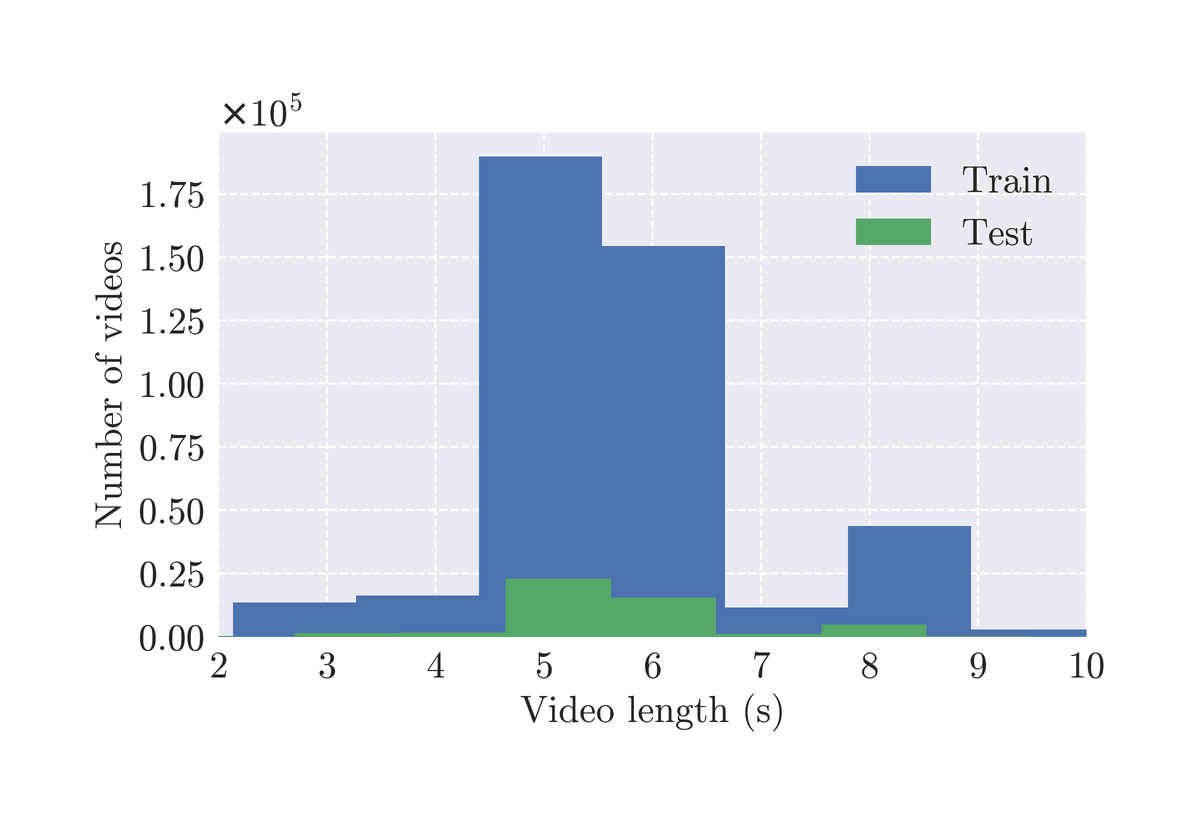
Qualcomm researchers built a live fitness coaching benchmark that exposes how badly current video language models handle proactive, real-time feedback.
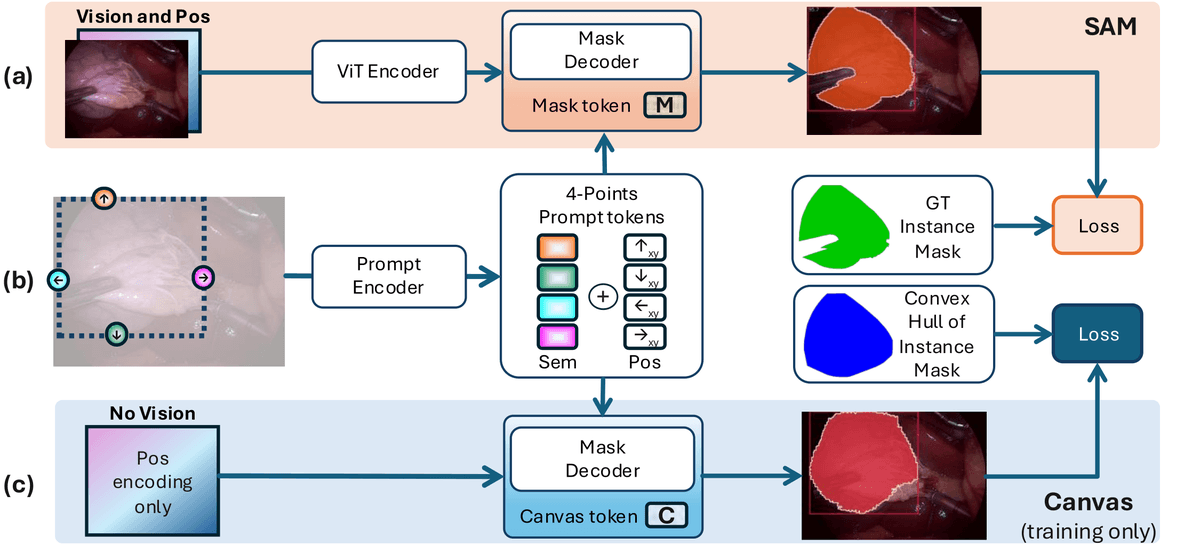
A structured 4-point prompting scheme with role-specific embeddings pushes SAM's medical segmentation accuracy up by 3.42 mIoU while cutting annotation time.
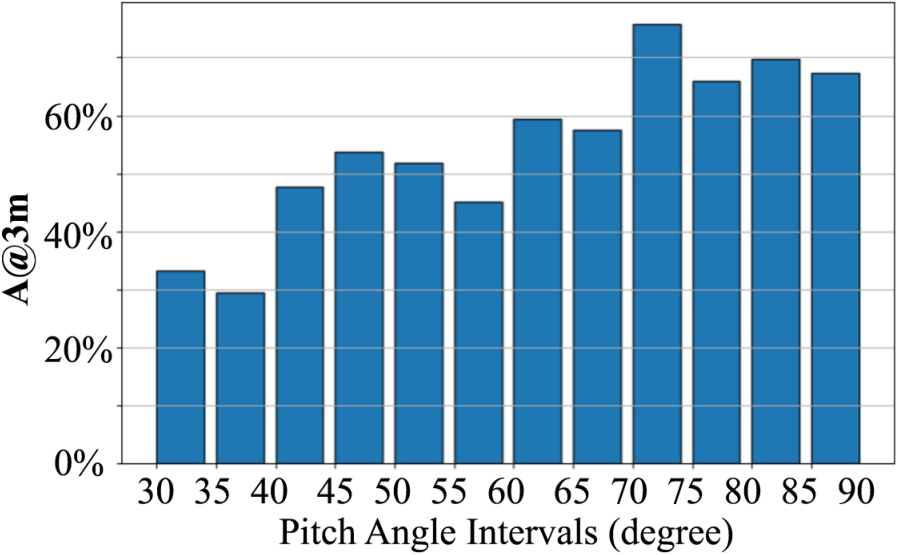
A CVPR 2026 benchmark with 18,000 drone images tests every major visual localization method on the hardest angles and altitudes drones actually fly.
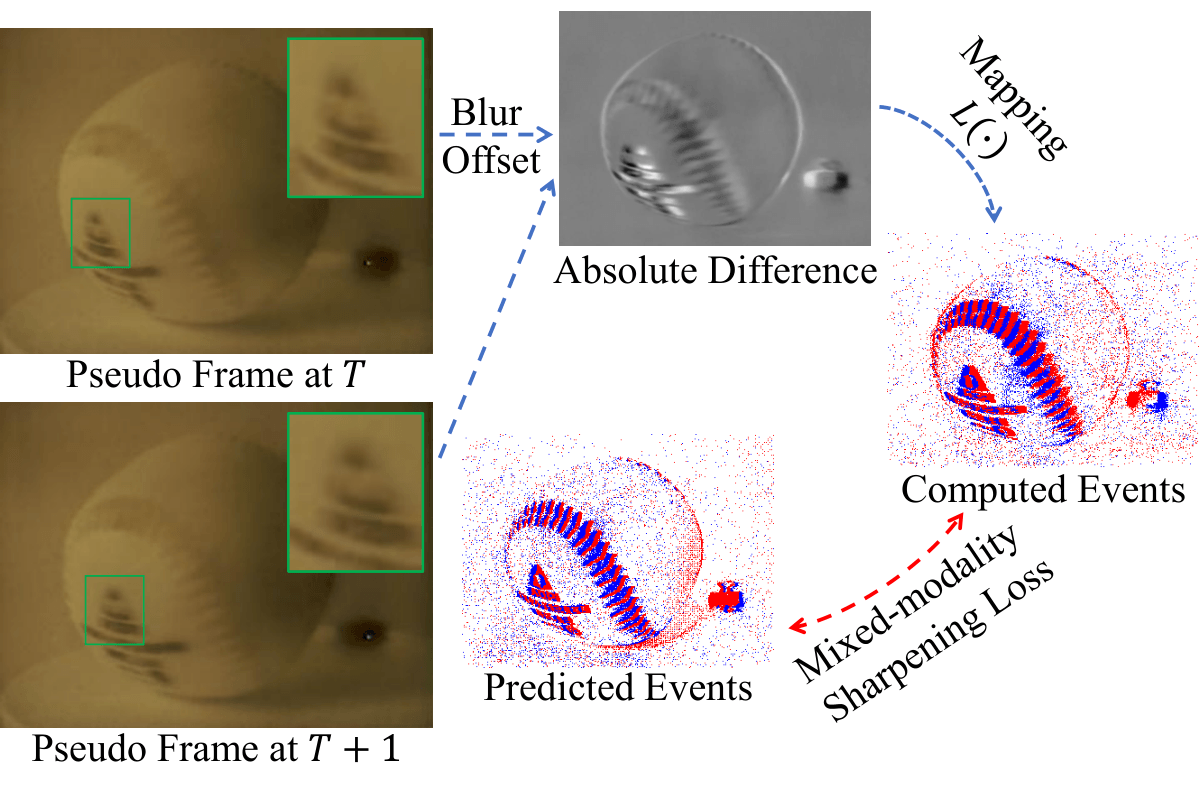
Dark-EvGS pairs event cameras with 3D Gaussian Splatting to render bright, sharp novel views of scenes captured in near darkness.

A training-free framework uses semantic graphs to precisely erase concepts from diffusion models in under two seconds, without retraining or collateral damage.
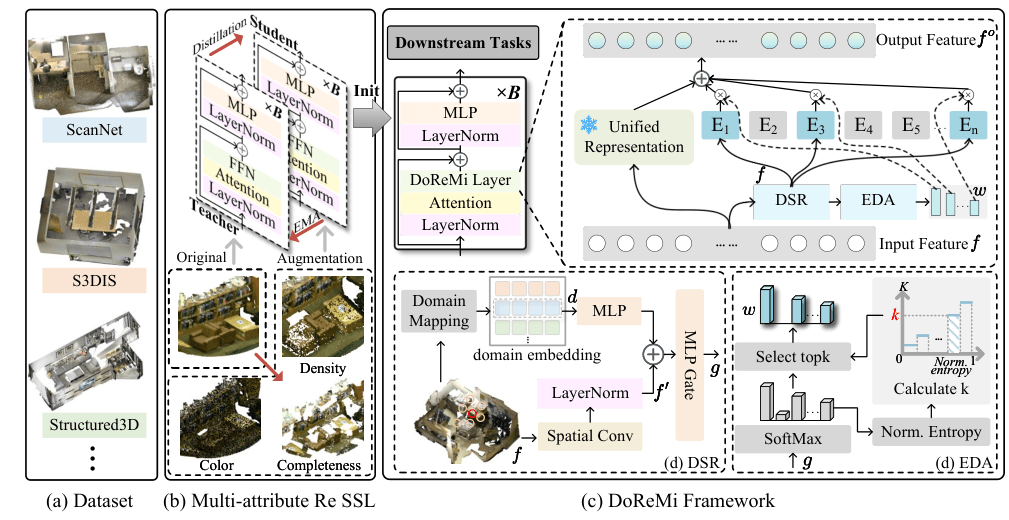
A new Mixture-of-Experts design routes 3D point cloud data by geometric topology instead of semantics, hitting 80.1% mIoU on ScanNet and 77.2% on S3DIS.
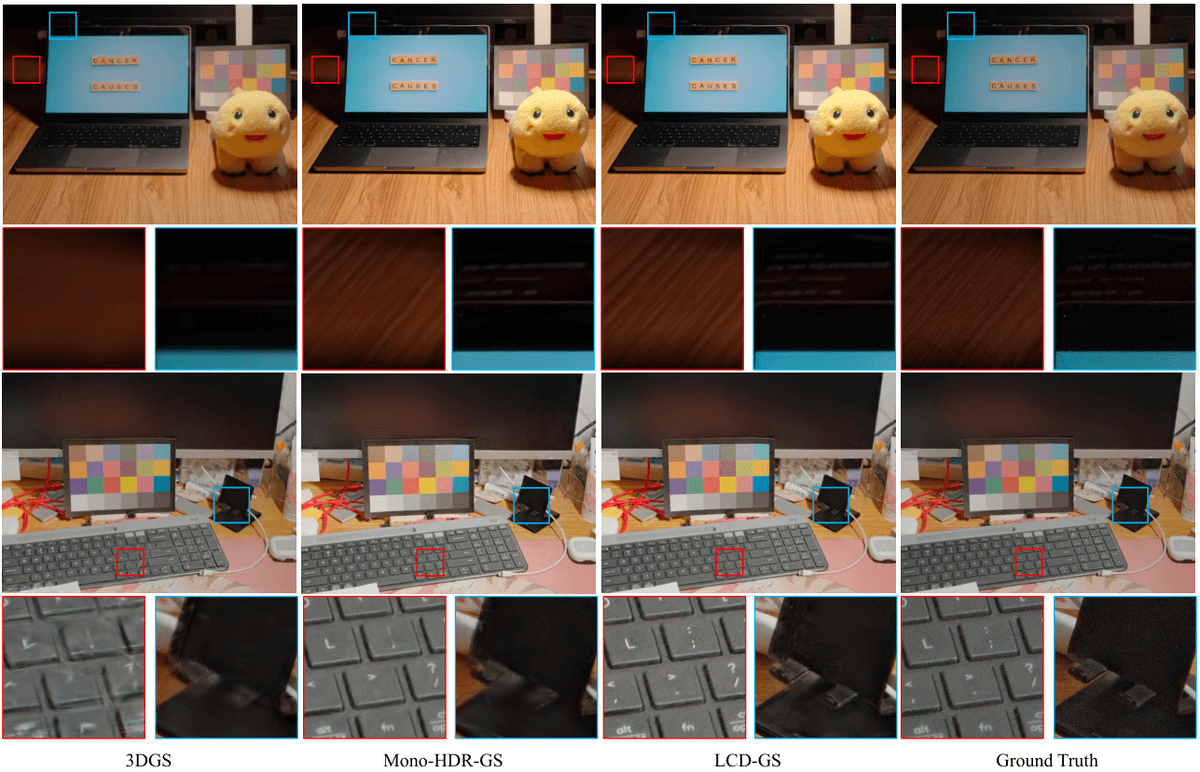
A one-scalar tweak to 3D Gaussian Splatting fixes the bright-bias failure mode when reconstructing scenes directly from HDR imagery.
Researchers built a pipeline that fakes historical map corpora from OpenStreetMap data, letting a segmentation network hit 87% accuracy with zero real training labels.
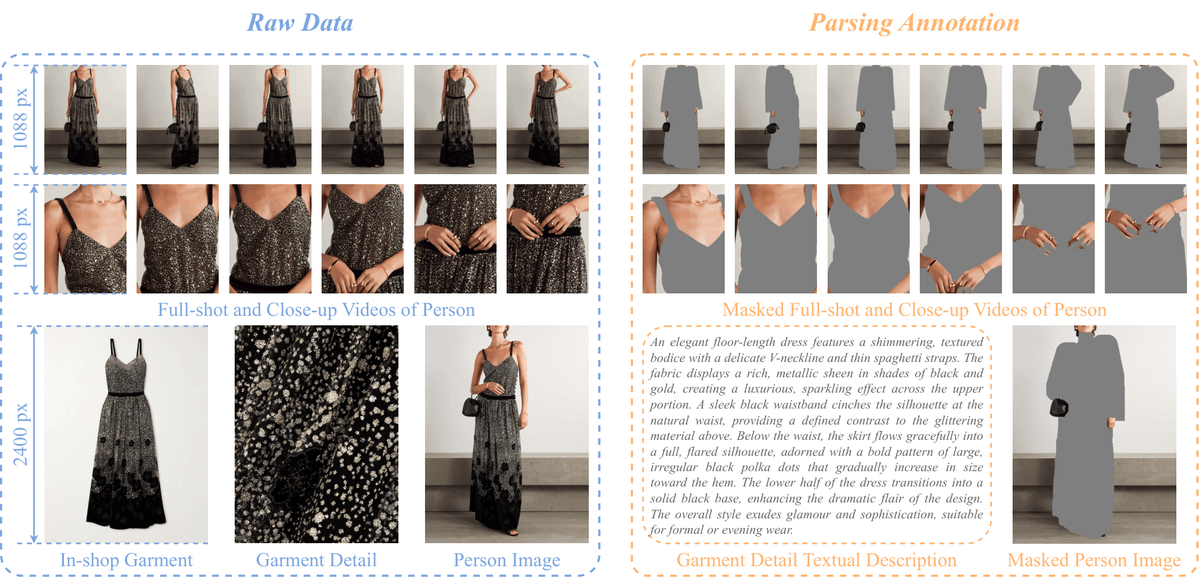
A new Alibaba dataset pushes video try-on to 2400x1800 images with close-up shots, plus a DINO-V2 metric that scores texture fidelity.
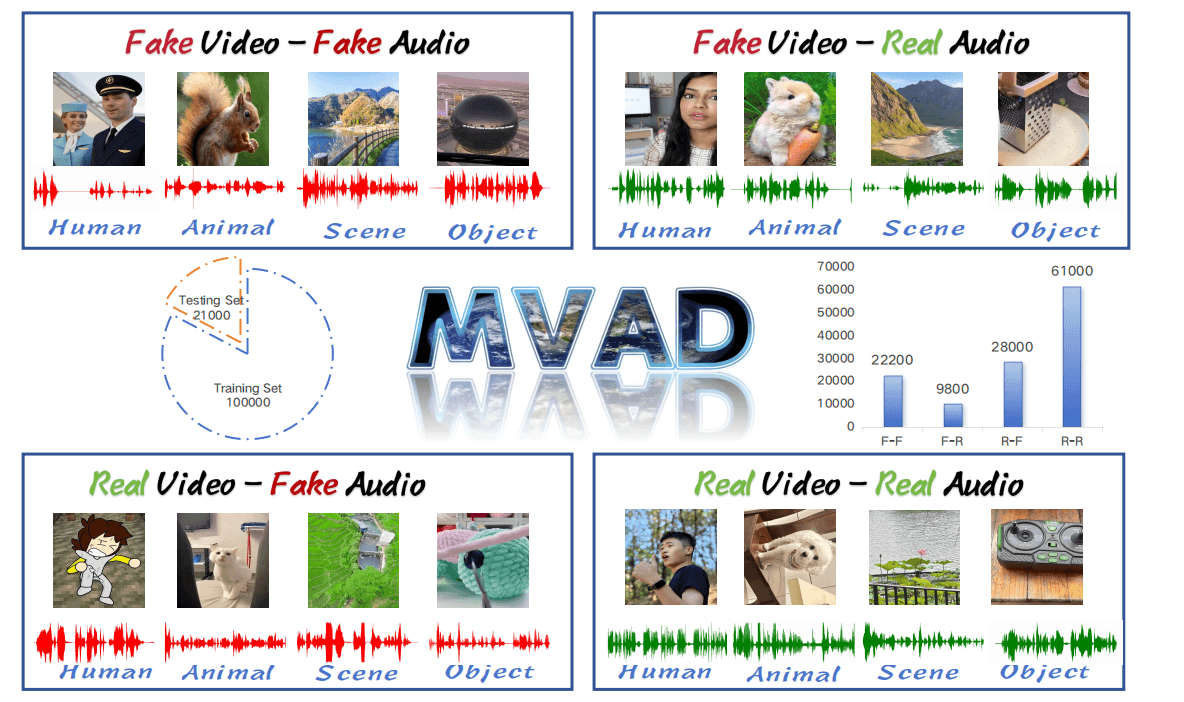
A new 121,000-sample benchmark tests whether detectors can spot AI-generated video and audio together across 23 generators and three forgery patterns.
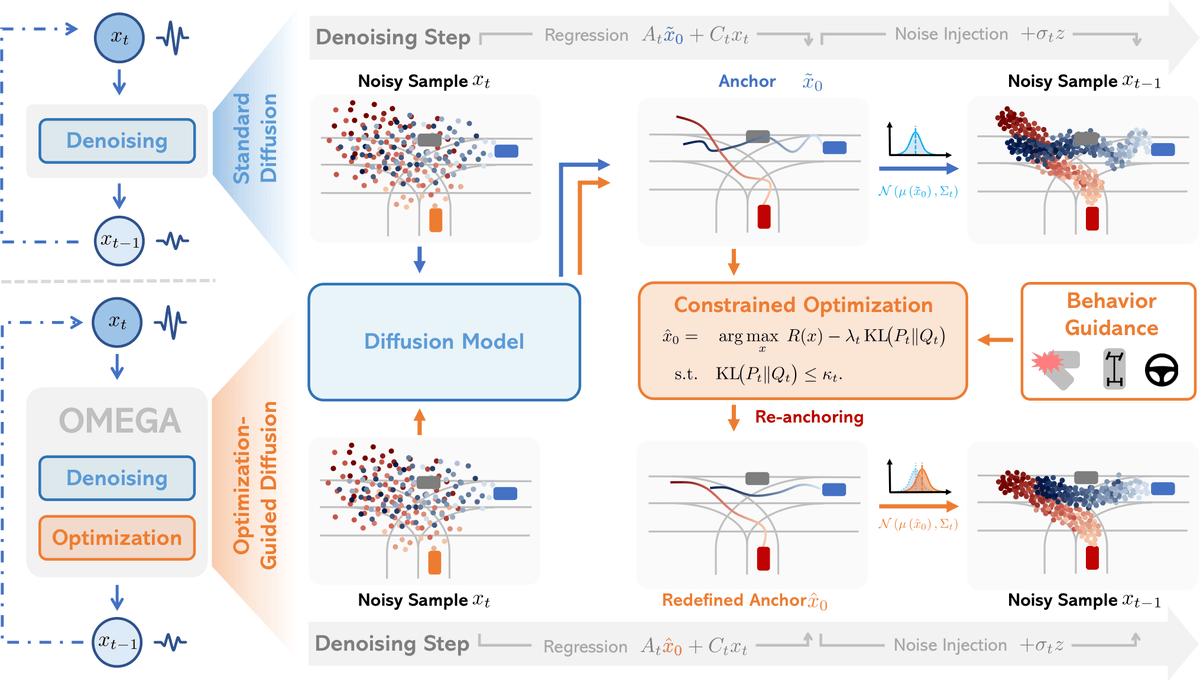
A multi-institutional team introduces OMEGA, a training-free sampler that steers diffusion-based traffic simulators toward physically valid, controllable, and safety-critical scenes.
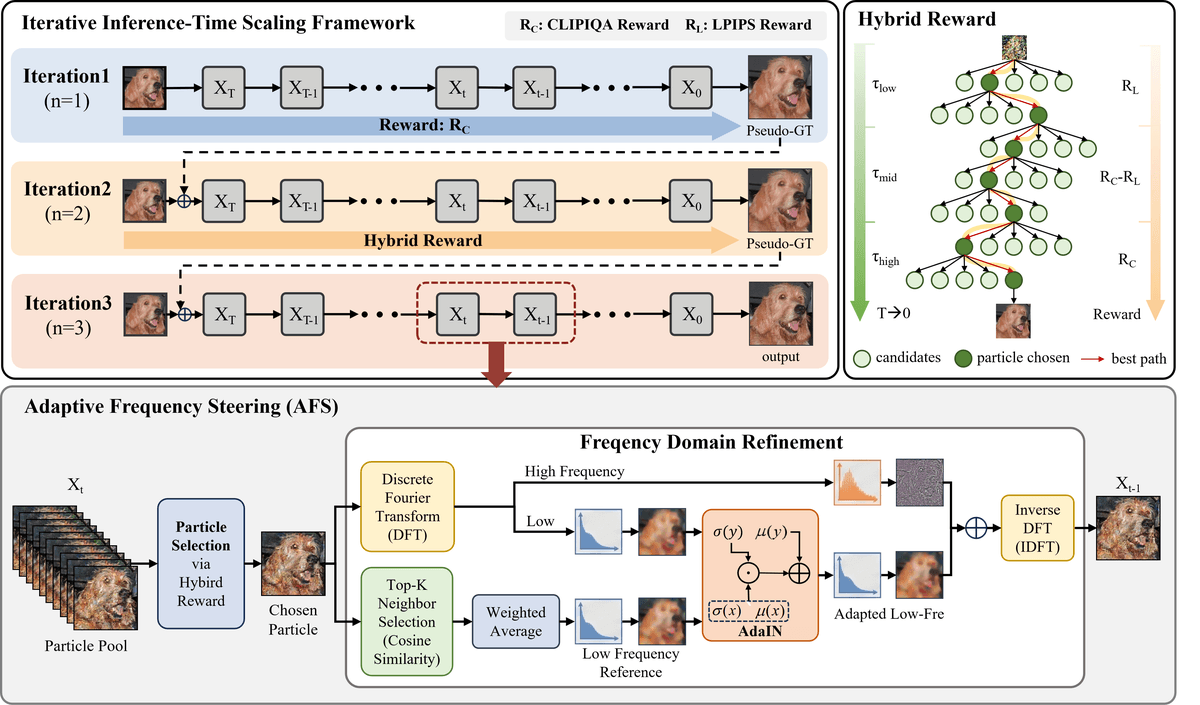
A training-free inference-time technique for diffusion super-resolution that separates images into frequency bands and iteratively refines them to beat the perception-fidelity trade-off.
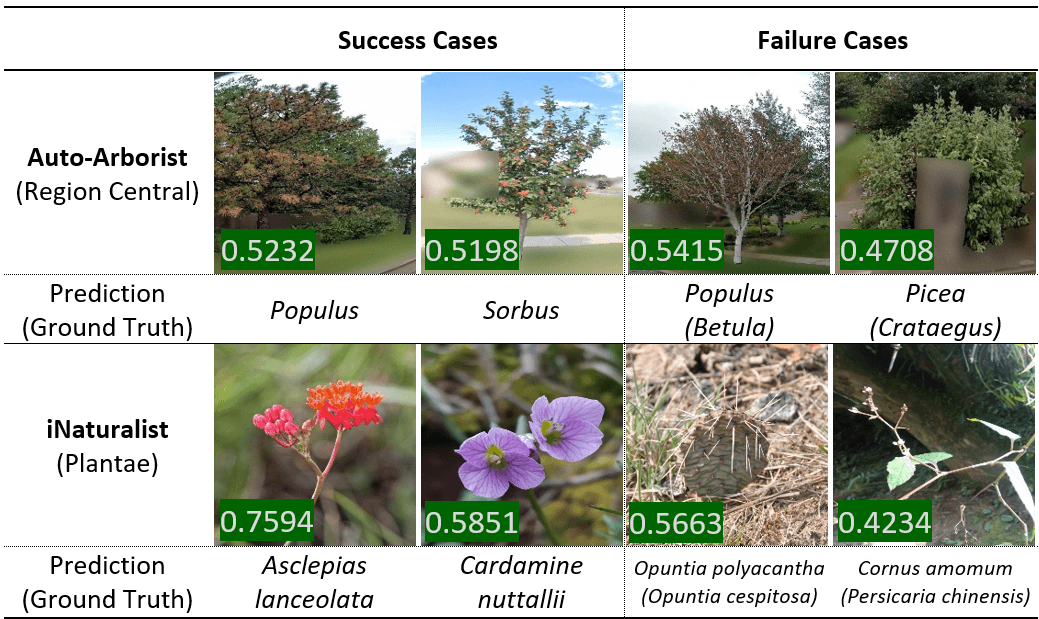
A new embedding framework called TaxoNet reshapes decision boundaries for rare plant species and beats GPT-4o and Gemini-2.5 by 2x on species accuracy.
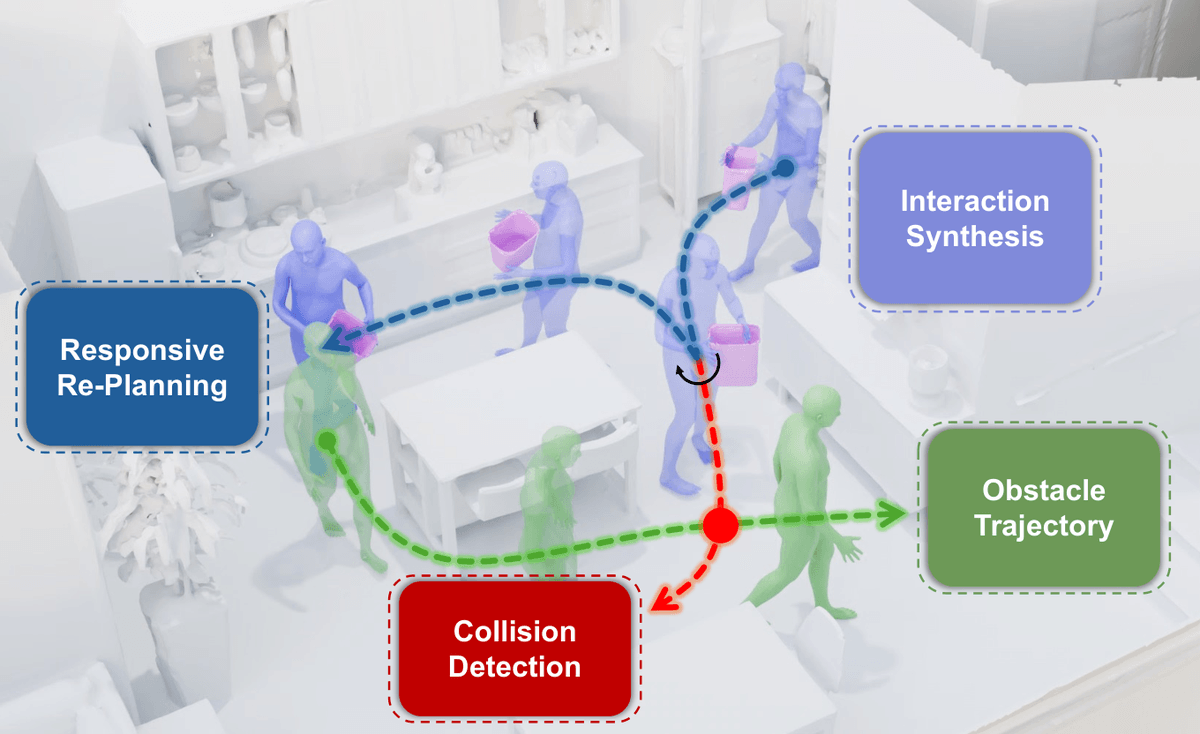
A new framework splits human-object interaction synthesis into two specialized networks, removing the need for hand-specified waypoints and cutting penetration errors on standard benchmarks.
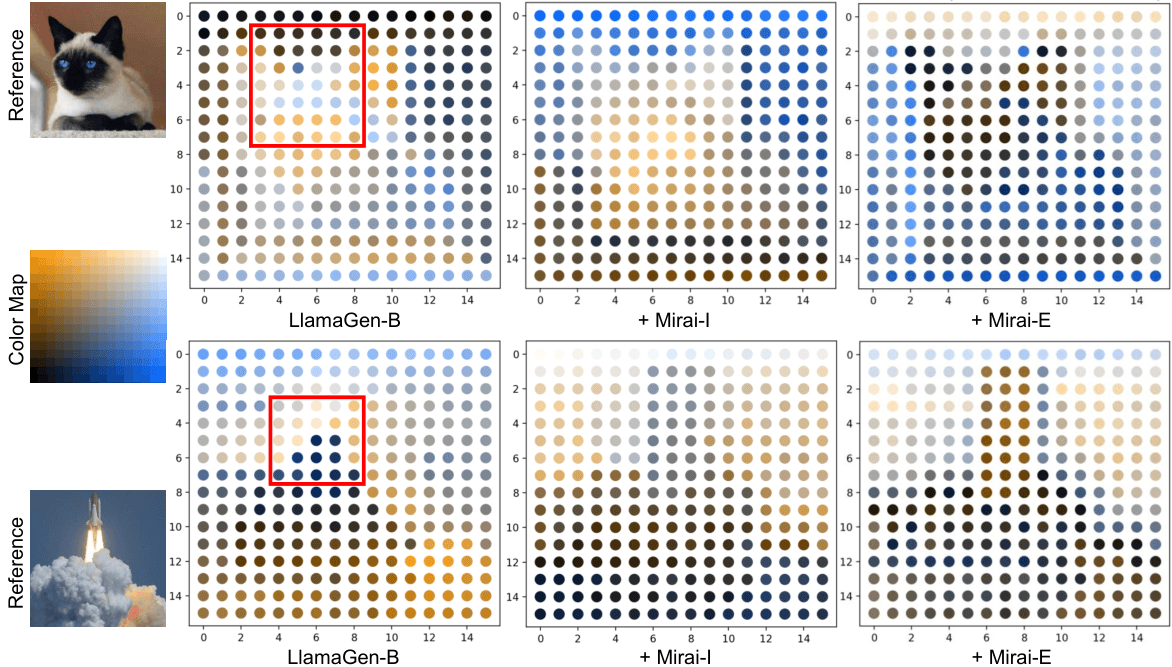
A new training framework injects future-token signals into autoregressive image models, cutting convergence time by up to 10x with zero inference cost.
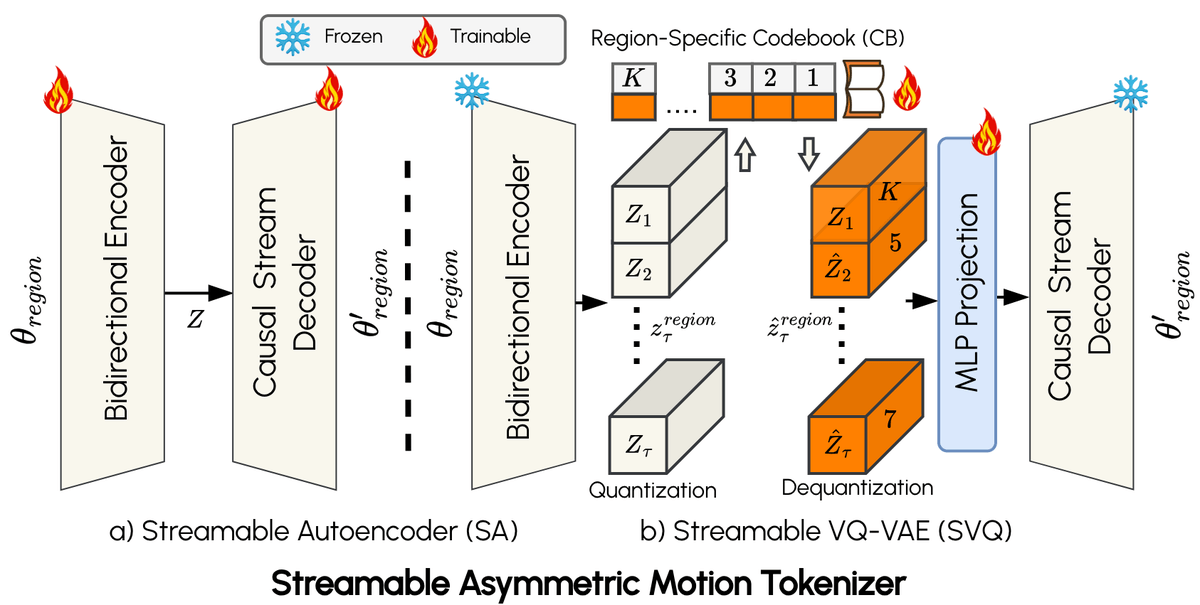
A new framework generates full-body avatar gestures frame-by-frame from live audio, matching offline systems while running with just 250ms latency.
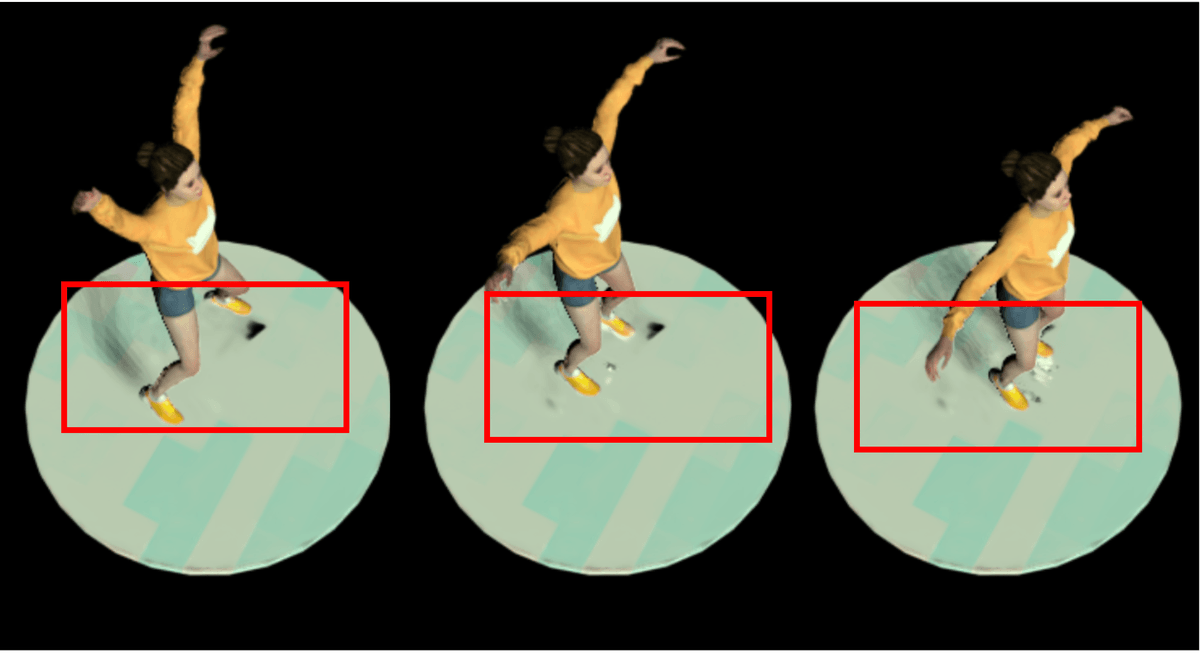
A new two-stage Gaussian Splatting pipeline turns object motion into a supervisory signal, cutting albedo LPIPS by 23% under harsh lighting.
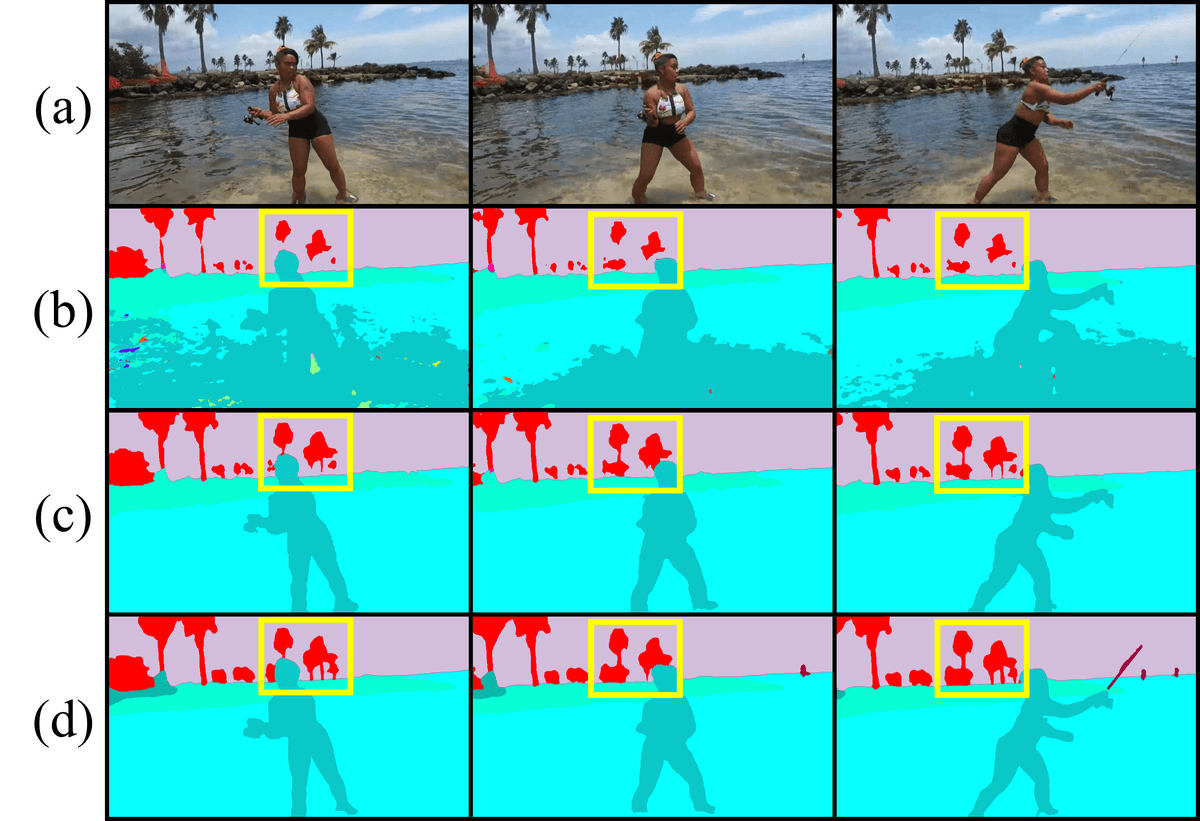
A new test-time adaptation method turns any image segmenter into a video segmenter by distilling SAM2's temporal knowledge from just the first frames.
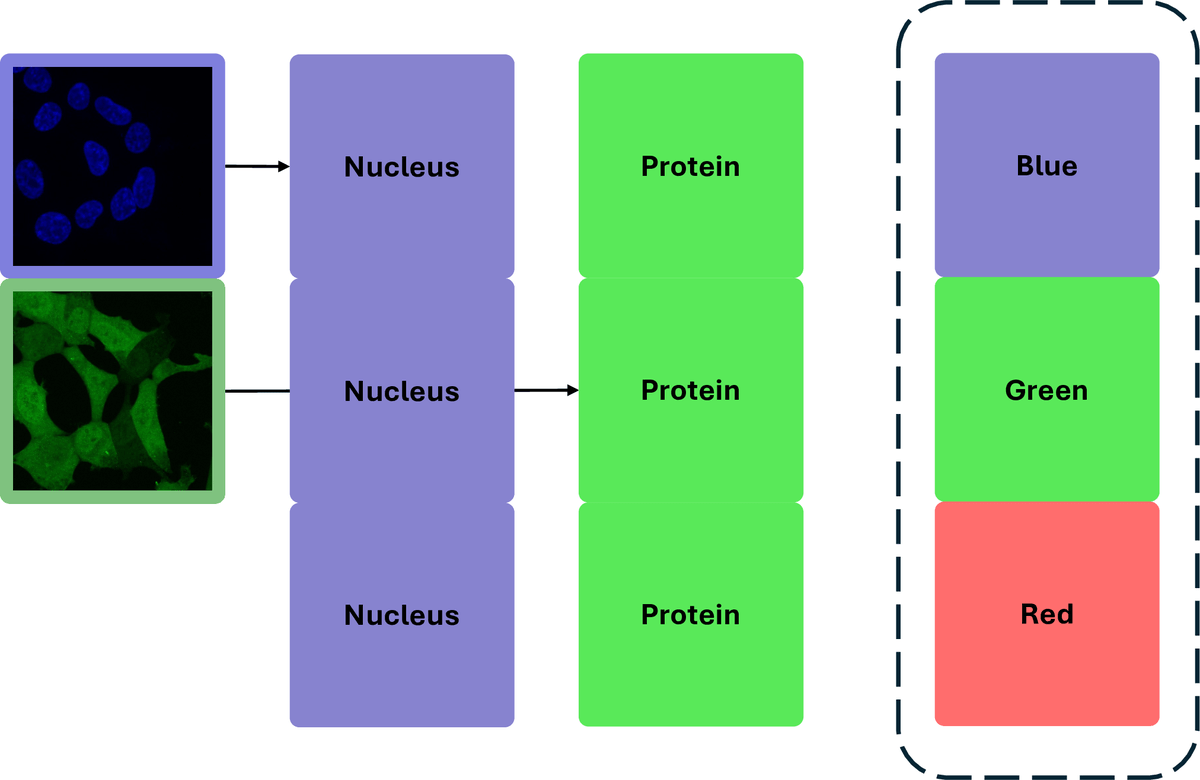
A DINO-pretrained Vision Transformer transfers from Human Protein Atlas images to OpenCell with a macro F1 of 0.860 after fine-tuning.