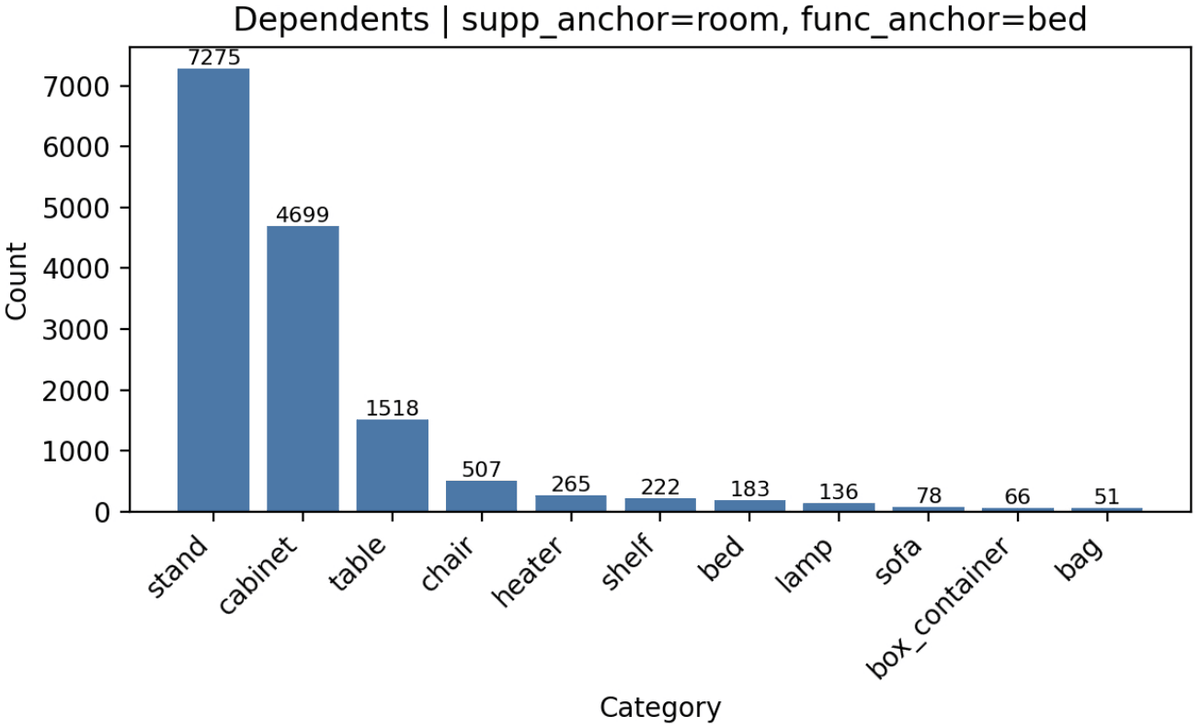
A new framework generates 3D indoor scenes by learning pairwise object rules, producing layouts three times denser than training data while staying physically plausible.
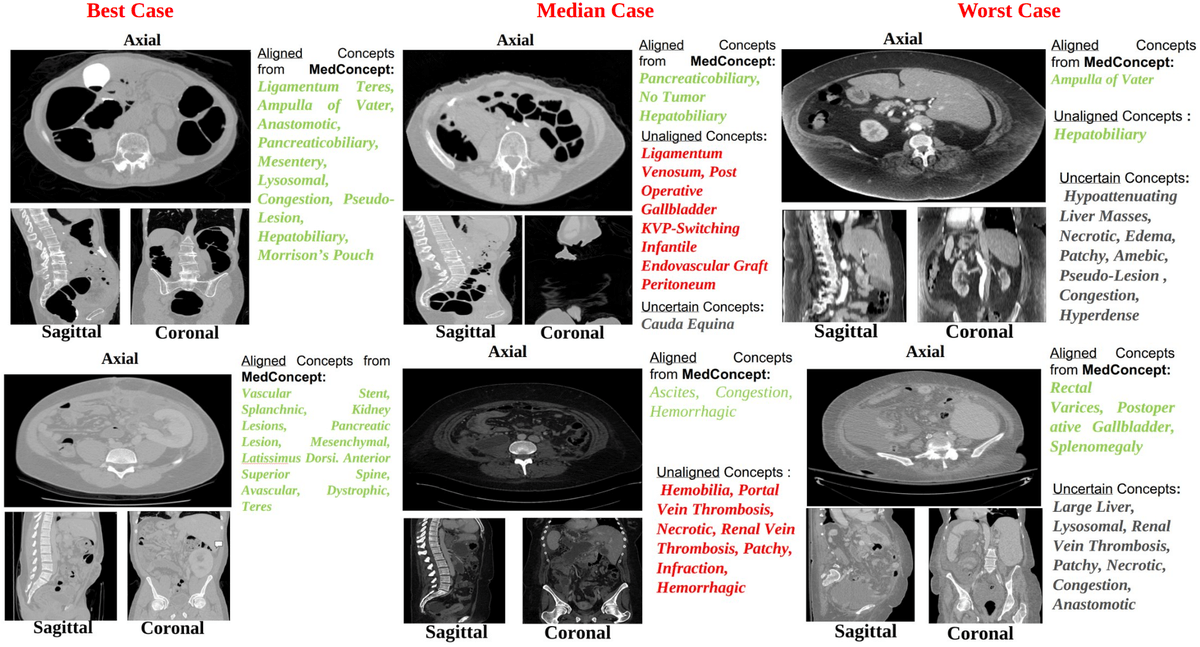
A new framework uses sparse autoencoders to extract clinically named concepts from frozen medical vision-language models and grades them against radiology reports.
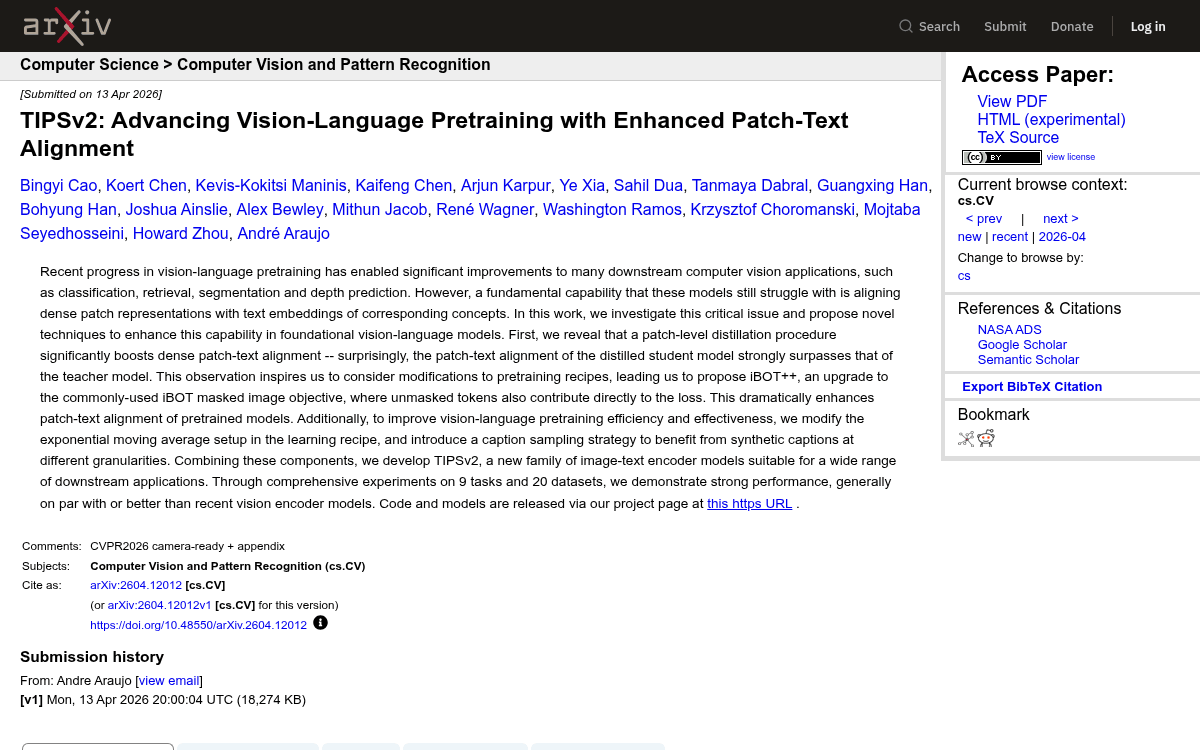
Google DeepMind's TIPSv2 fixes a long-standing weakness in vision-language models by supervising every patch, jumping zero-shot segmentation by 14.1 mIoU.
Researchers show that swapping images for segmentation masks makes cloud-based visual localization privacy-preserving without touching the underlying pipeline.
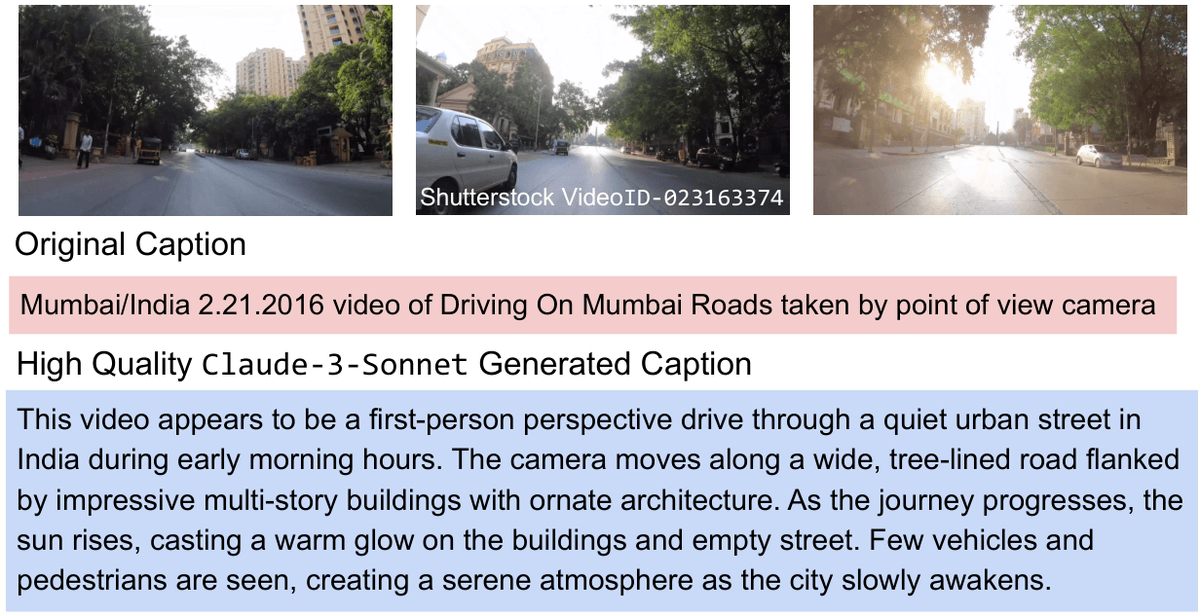
Amazon researchers unify video generation and embedding tasks in a single model, closing the retrieval gap that has plagued VideoLLMs against specialized dual-encoder systems.
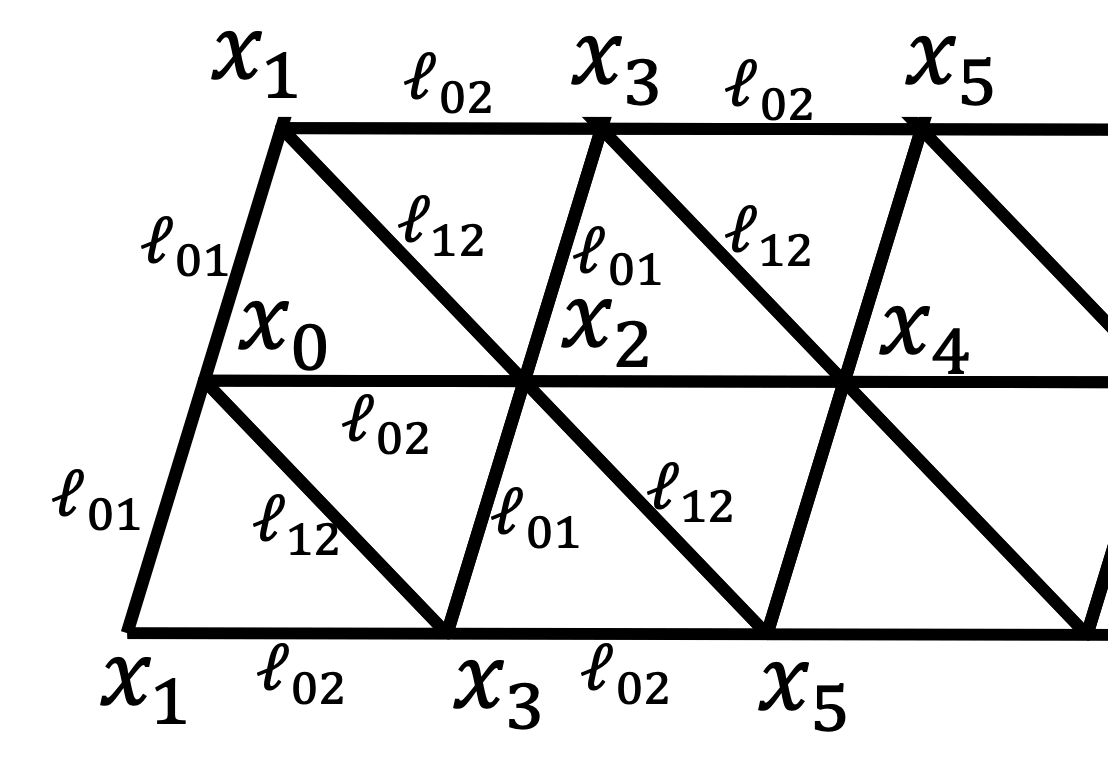
Researchers turn a century-old open problem about hinged tetrahedra rings into an explicit formula, proving these mechanisms exist for any count above five.
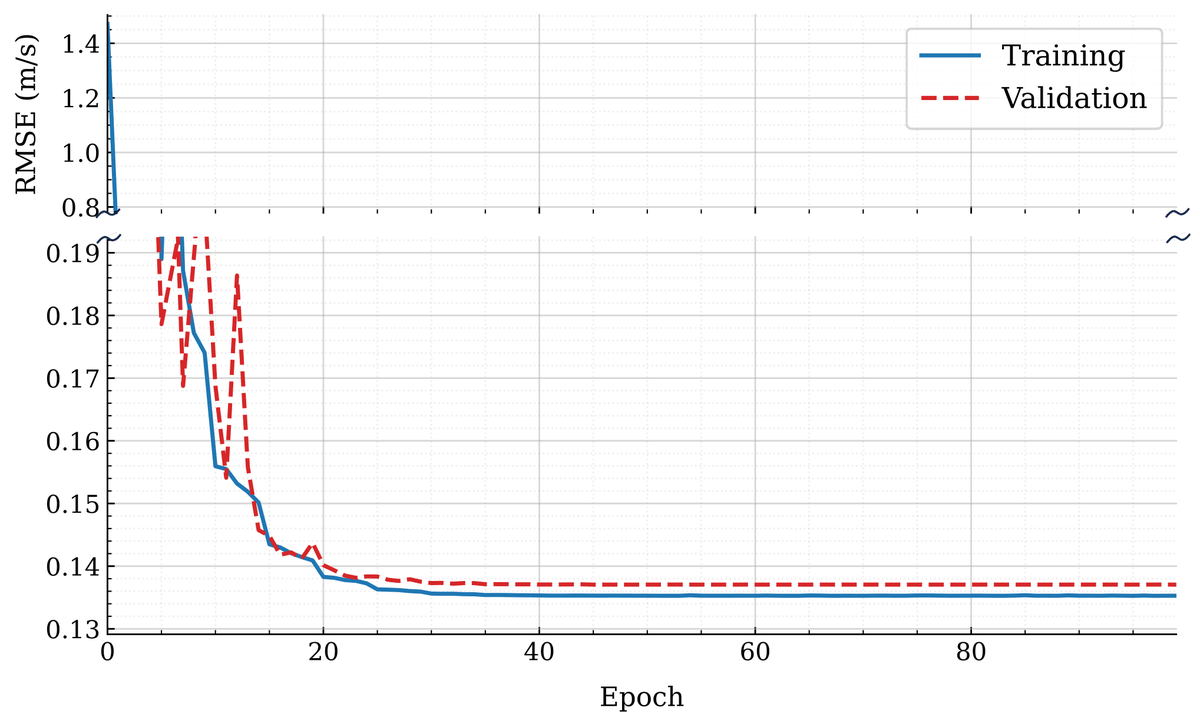
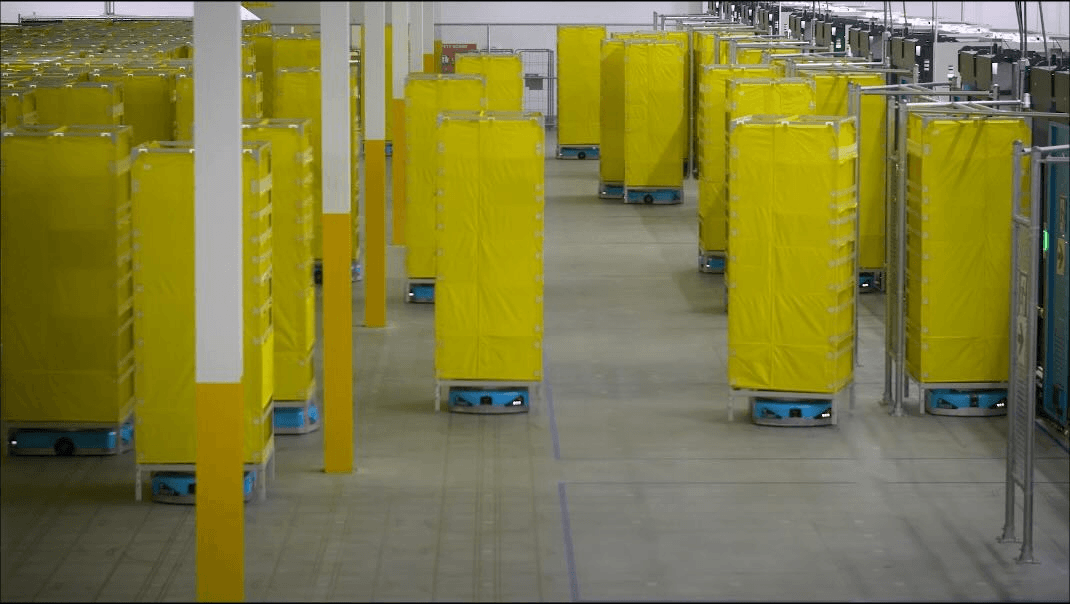
Amazon Robotics researchers publish a paper comparing four foundation model architectures trained on warehouse robot movement data, finding local, event-based designs scale best.
Researchers at KTH and Linköping built an indoor SLAM system that navigates using only cheap magnetometers, an IMU, and a barometer, without any camera.
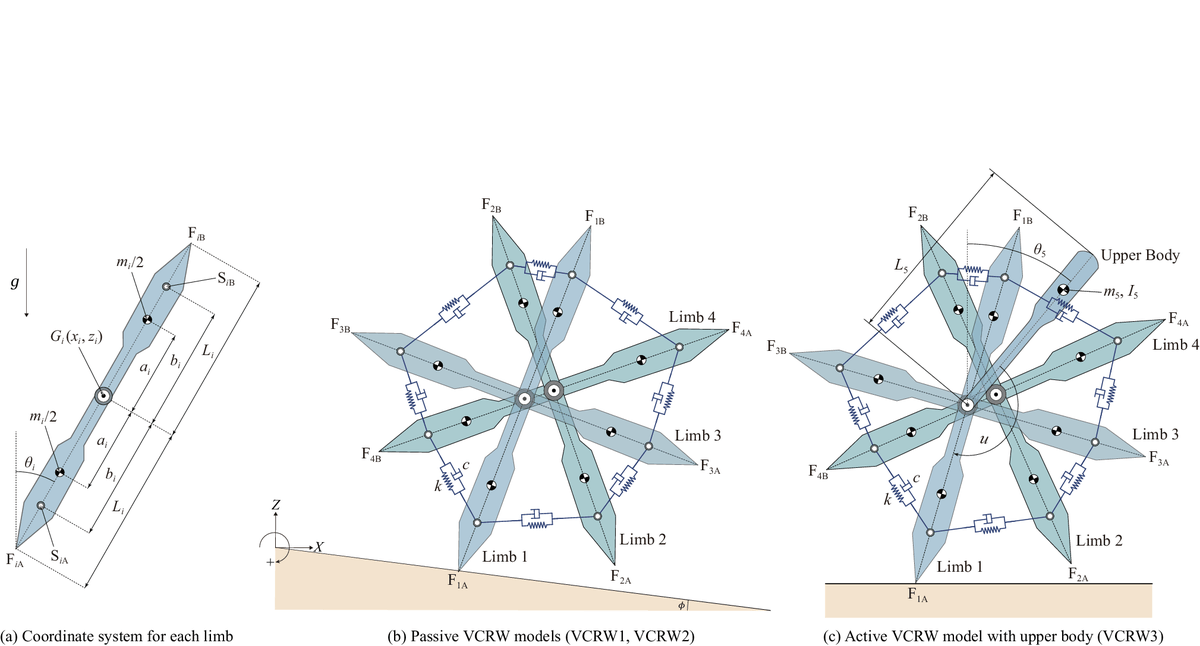
A JAIST team proposes viscoelastically-combined rimless wheels, a passive walker built from two cross-shaped frames linked by springs and dampers, with a simulated actuated extension for level ground.
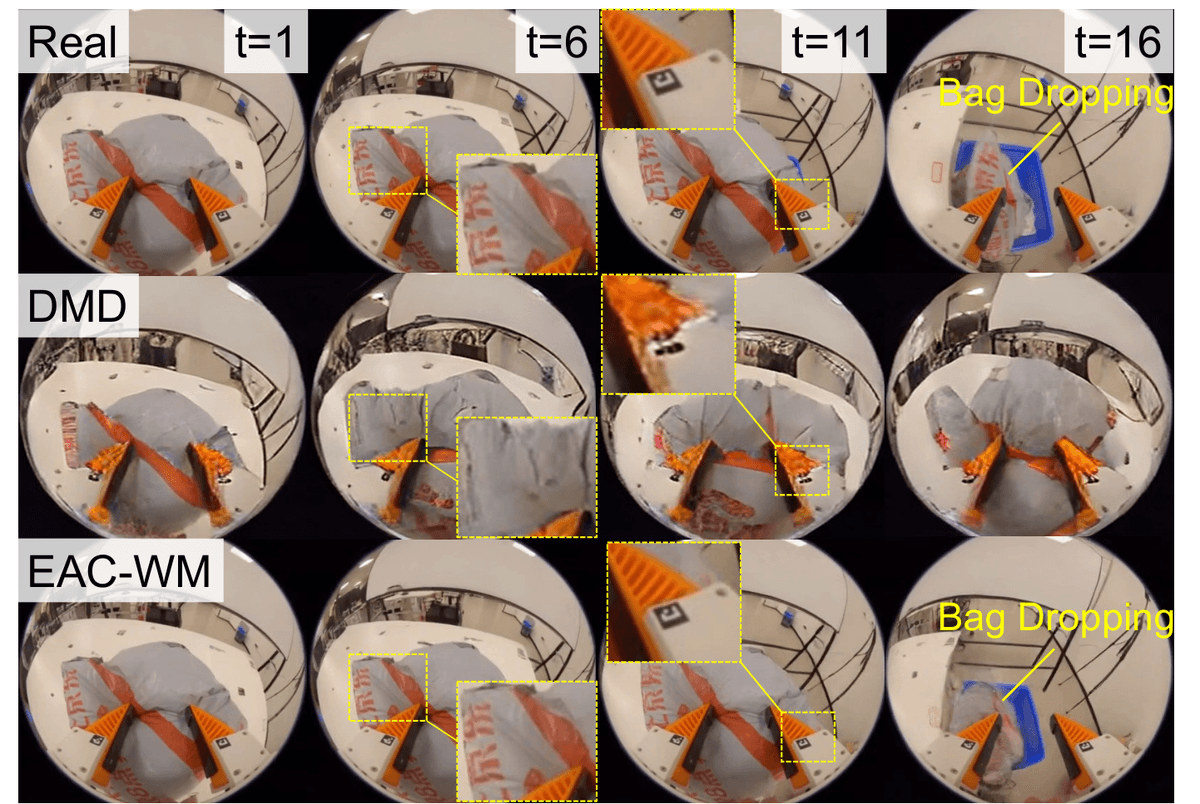
A new framework uses world models to synthesize robot recovery data automatically, hitting 93.3% success on soft bag pushing from just five demonstrations.
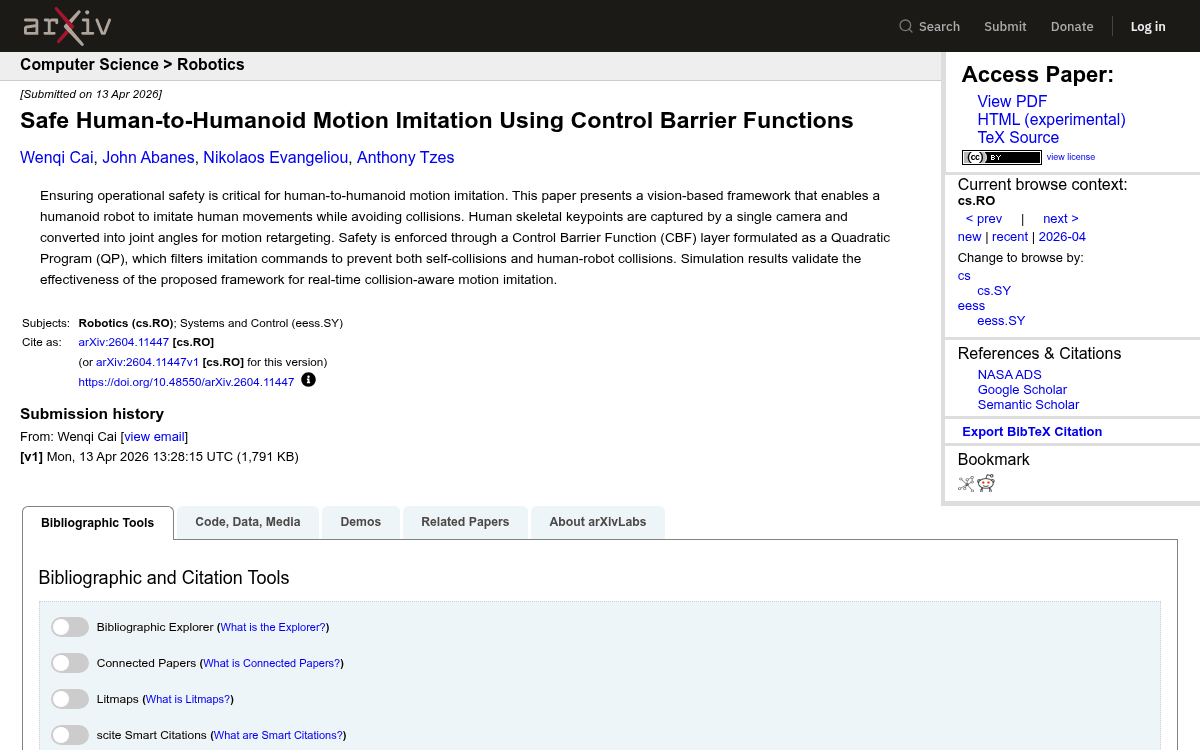
A vision-based pipeline uses control barrier functions to filter human motion imitation commands in real time, blocking self-collisions and human-robot collisions before they happen.
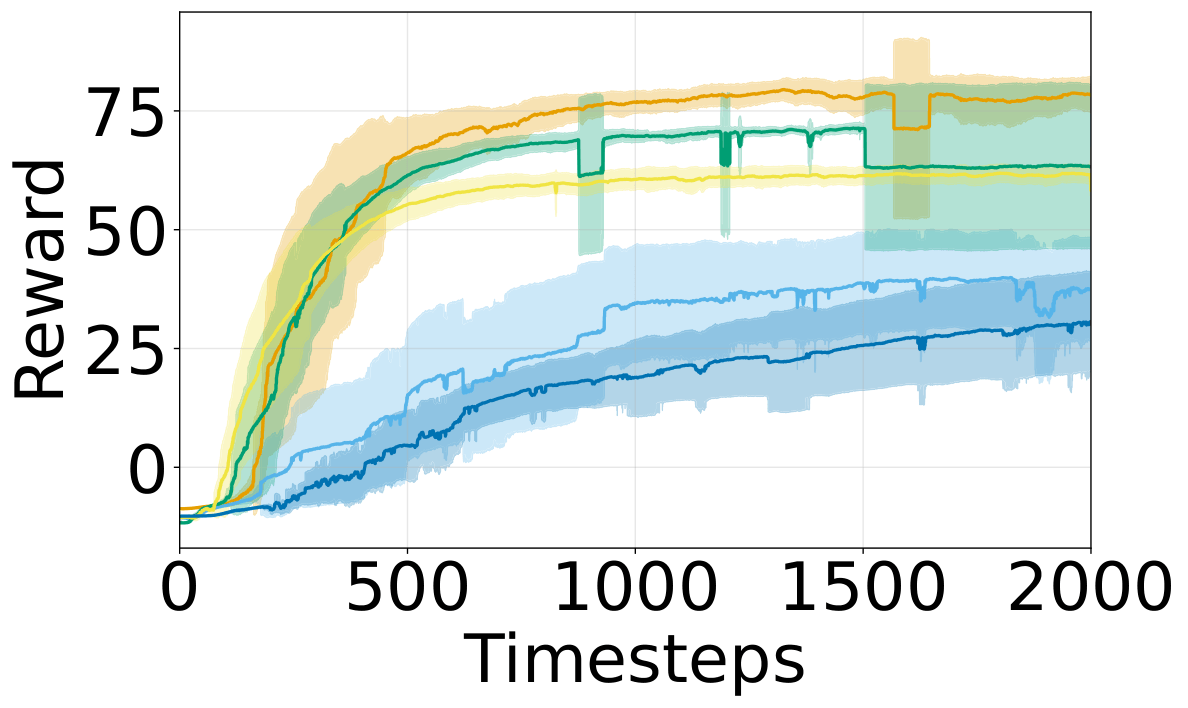
Researchers evolved asymmetric hexacopter drones that beat conventional designs by up to 170%, using evolutionary algorithms to shape bodies and PPO to train brains.