
Pro
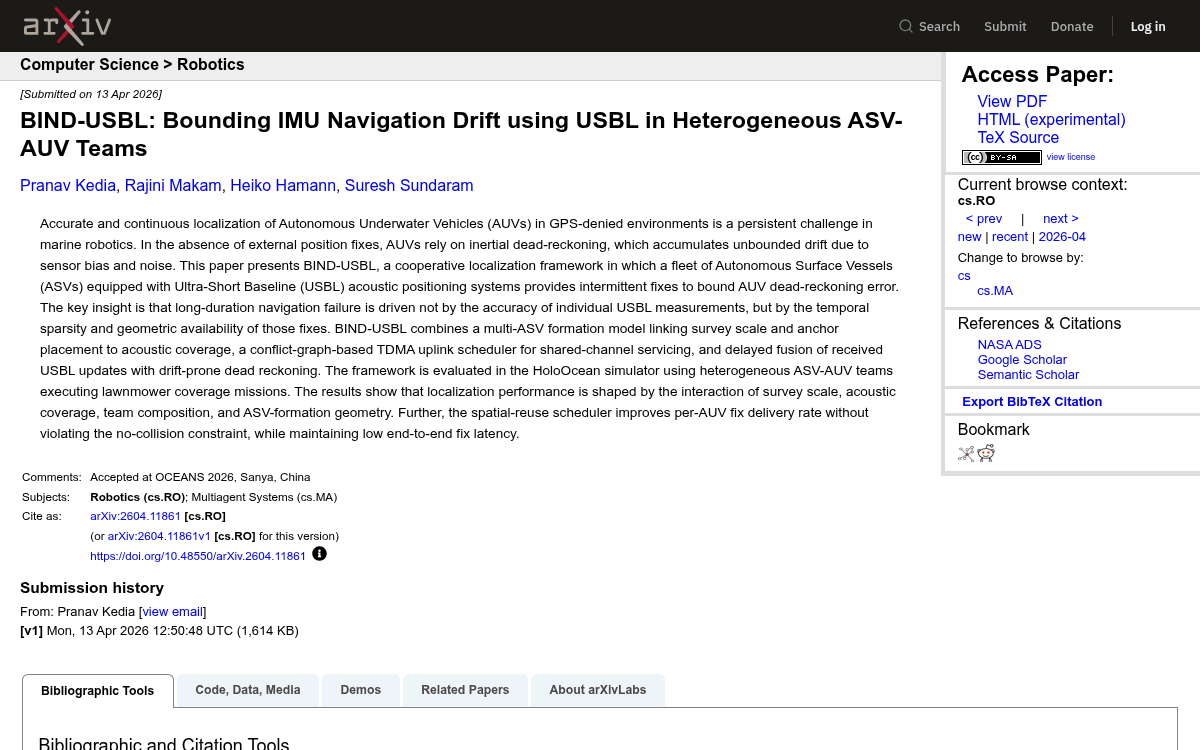
BIND-USBL Lets Surface Drone Fleets Fix Underwater Robots' Navigation Drift
A cooperative localization framework uses fleets of surface vessels as acoustic anchors to prevent underwater robots from drifting during long GPS-denied missions.
20 stories
A cooperative localization framework uses fleets of surface vessels as acoustic anchors to prevent underwater robots from drifting during long GPS-denied missions.
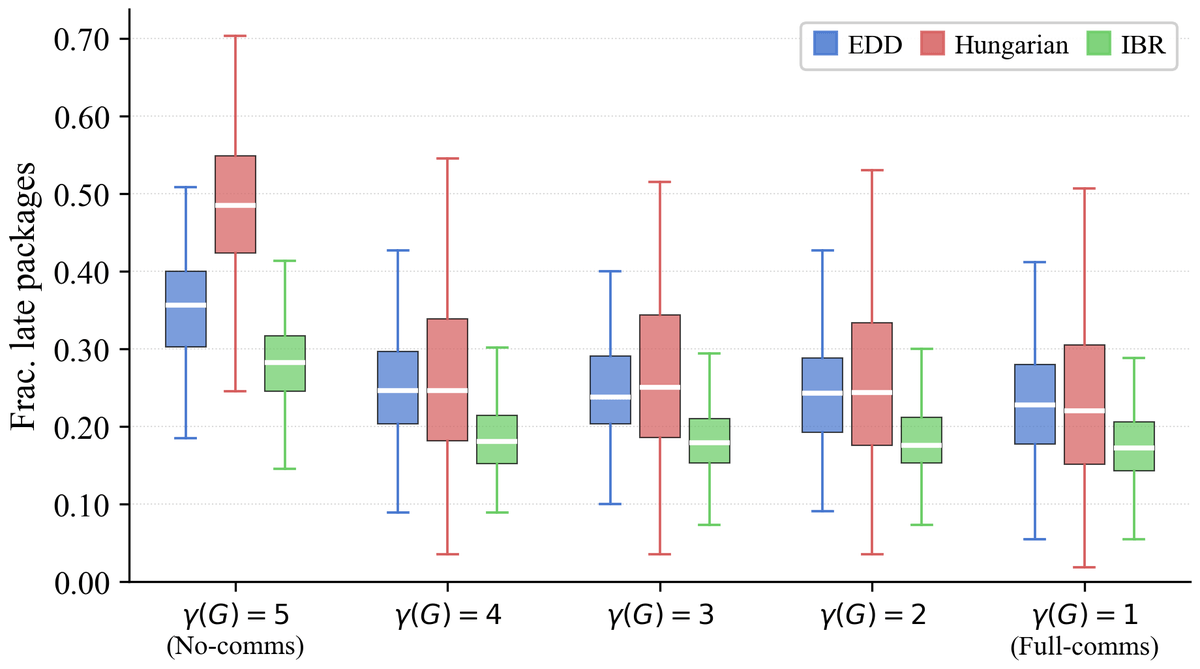
A UC Berkeley team turns city-scale drone dispatch into a local best-response game, matching centralized planners at a fraction of the compute.

A new open-source solver from CMU and MIT tackles contact and hybrid robotics planning problems by treating complementarity constraints as a Lie group.

A new odometry method extends 2D radar tracking into full 3D pose estimation, matching lidar accuracy across 643km of driving data with just a gyroscope assist.
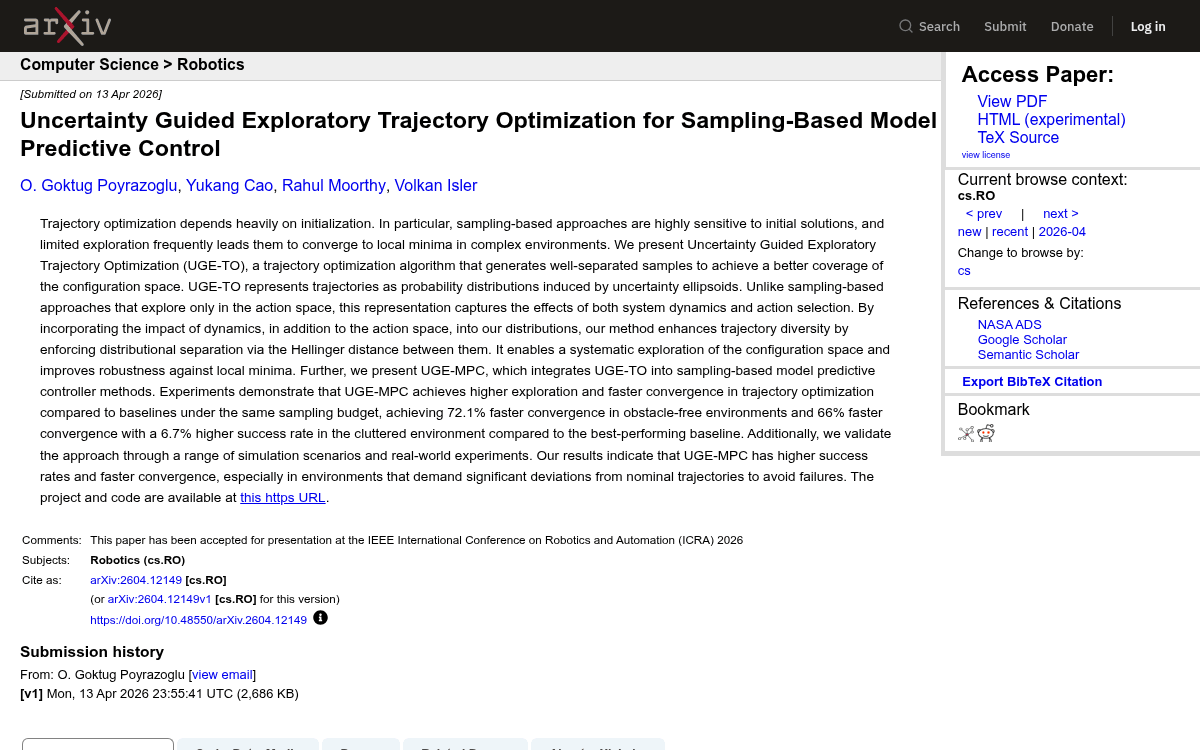
A new sampling scheme for model predictive control spreads candidate trajectories apart using uncertainty ellipsoids, cutting convergence time by up to 72 percent.
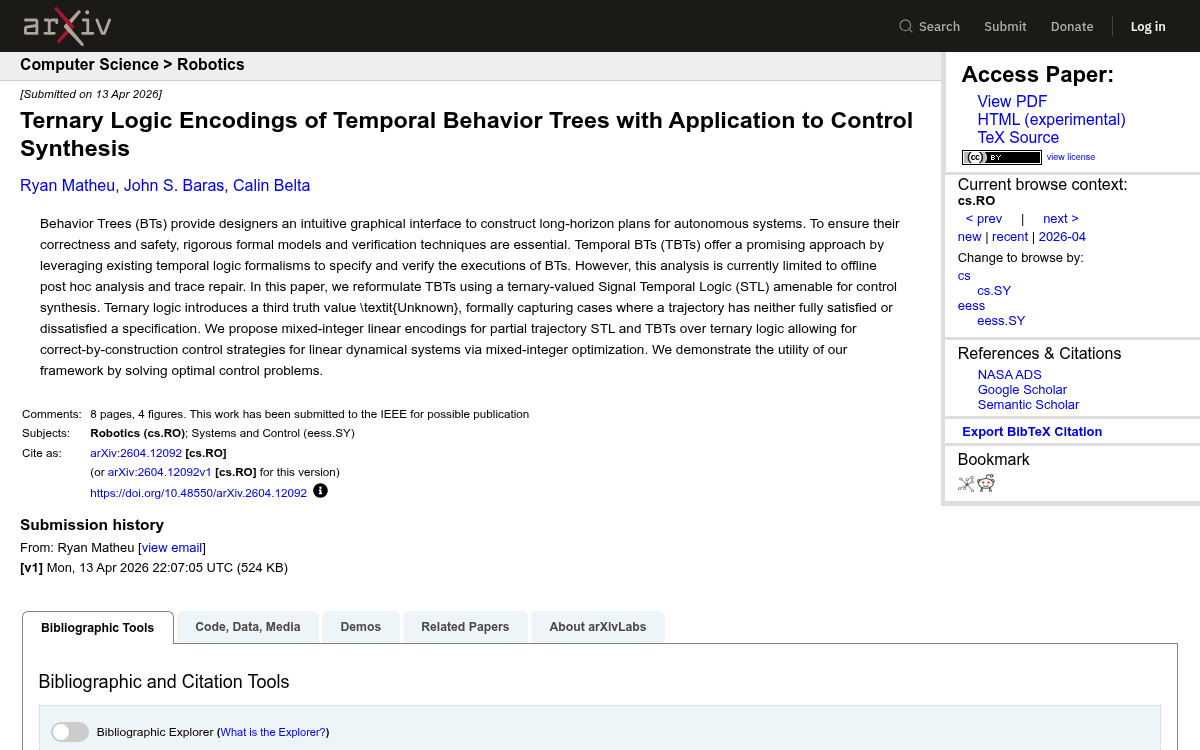
A new ternary-logic formulation lets robots plan directly from Behavior Trees using mixed-integer optimization, turning graphical task specs into provably safe control policies.
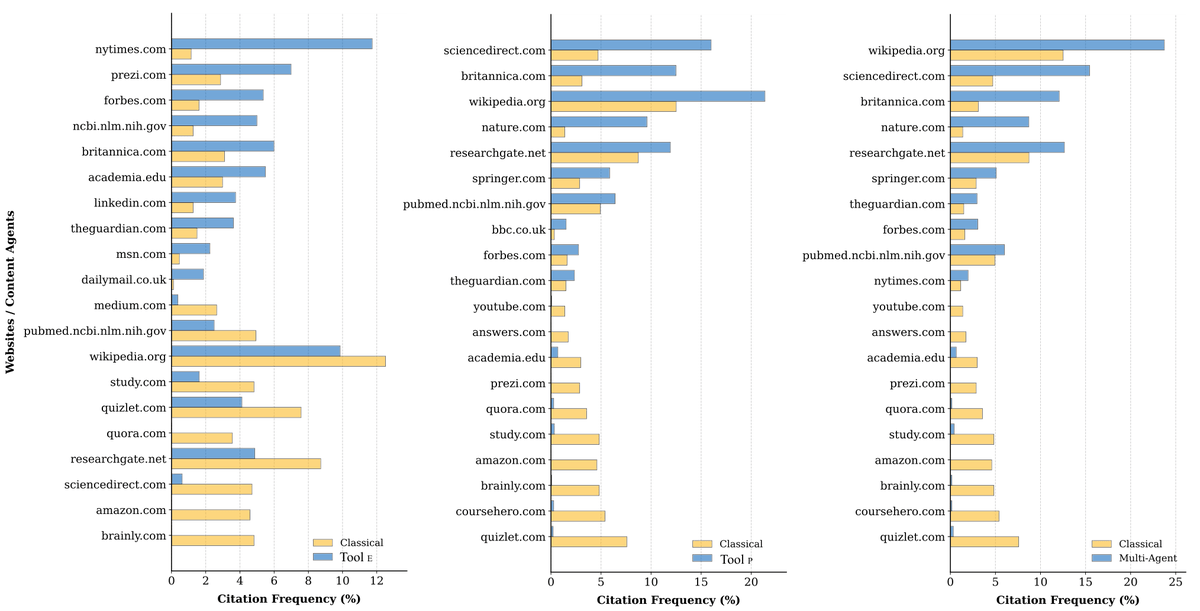
A new benchmark tests how well LLM agents coordinate with website-specific agents to retrieve information, revealing that decentralized access still trails centralized search but the gap closes with scale.
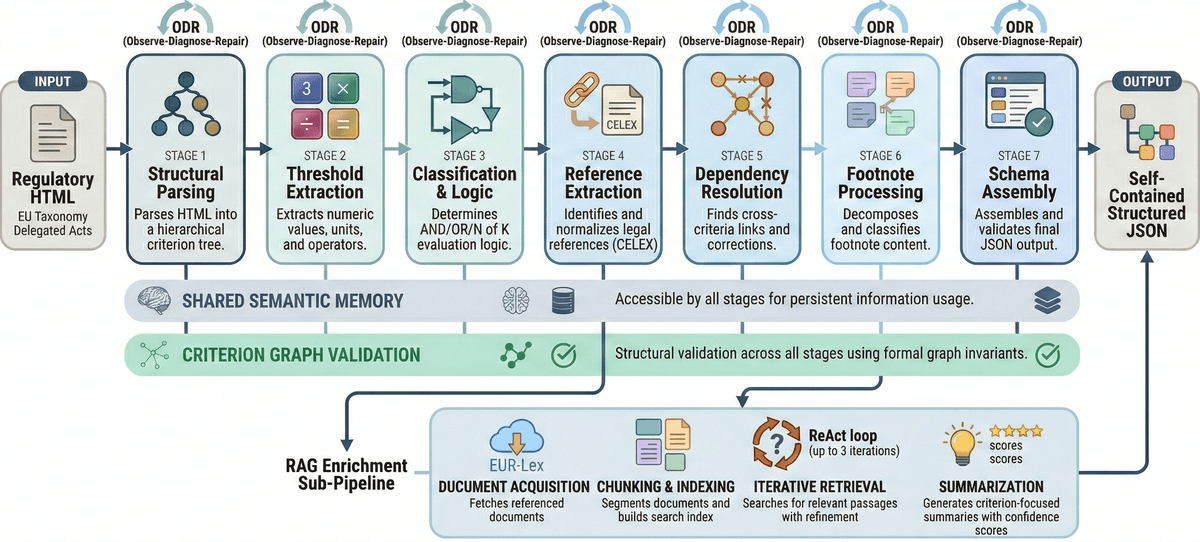
A seven-stage agent pipeline with self-correction loops turns dense EU sustainability regulations into machine-readable compliance criteria, beating GPT-4o across every metric.
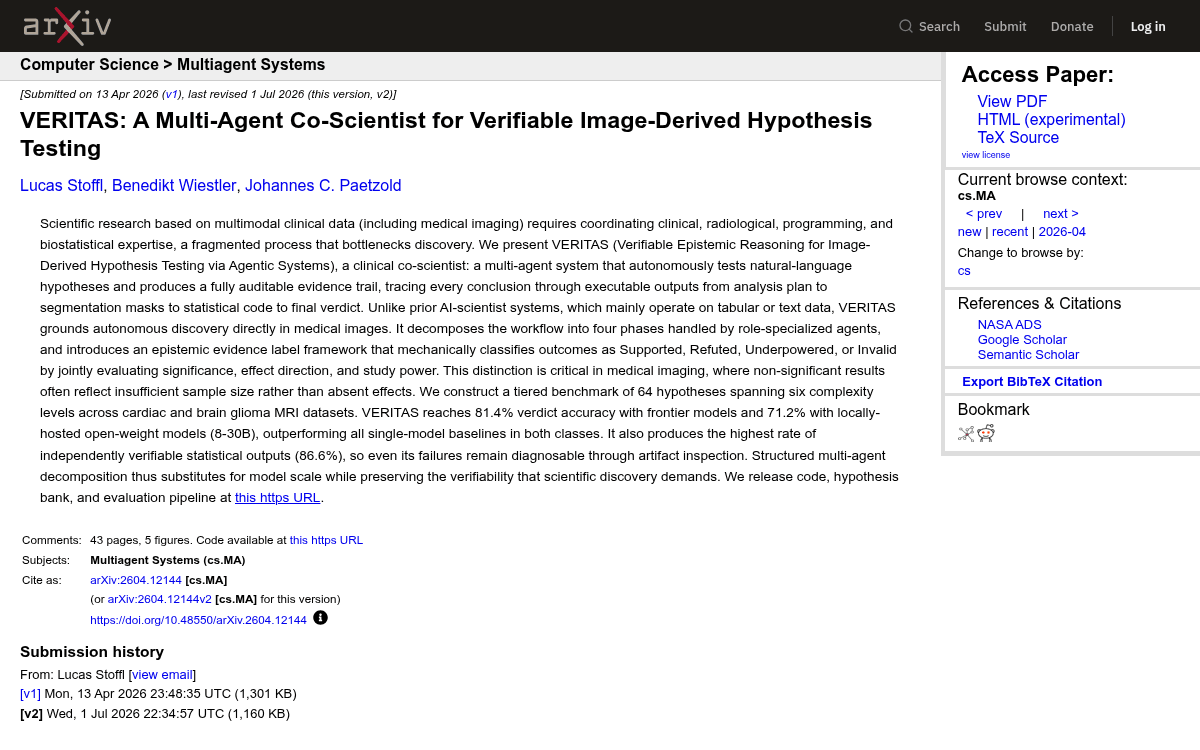
A multi-agent framework turns natural-language clinical questions into fully auditable statistical studies on MRI data, hitting 81.4% verdict accuracy.
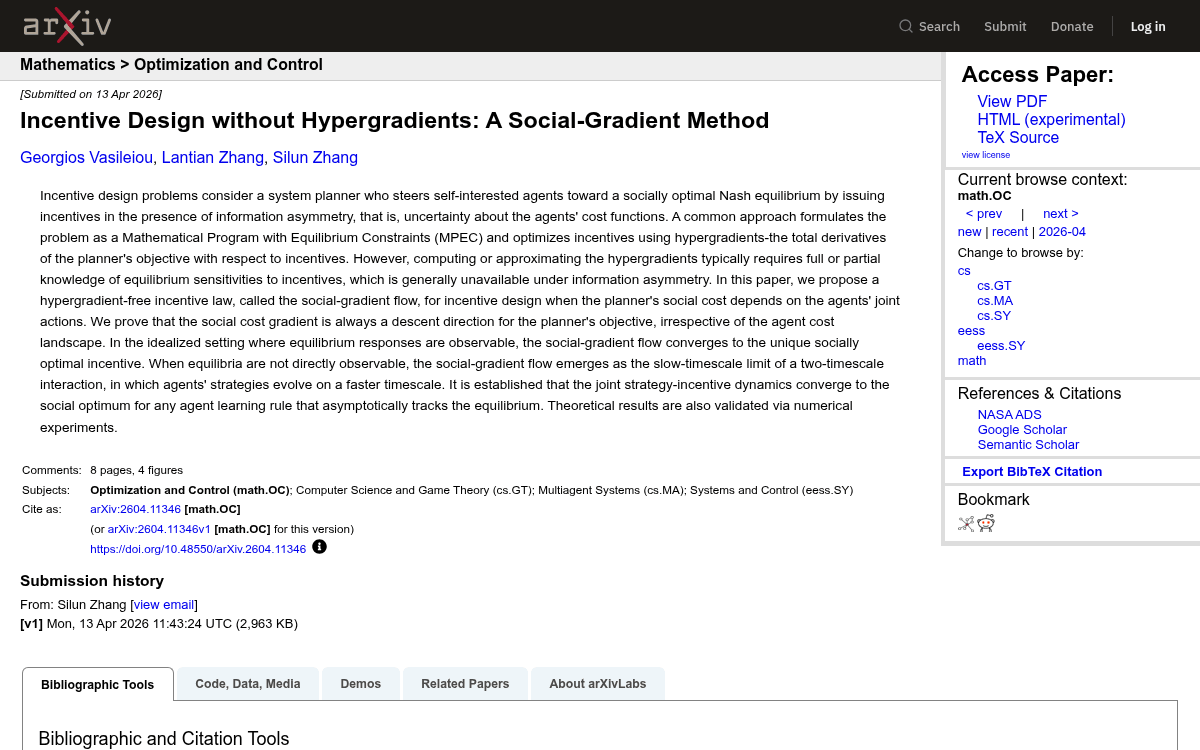
A new control-theoretic method steers self-interested agents to socially optimal outcomes without needing to know their private cost functions.

A new benchmark tests audio language models on real human conversations and reveals they still treat speech as glorified text transcription.
A new fusion strategy adds visual context to audio tokenizers without wrecking reconstruction quality, resolving a long-standing trade-off in omni-modal systems.
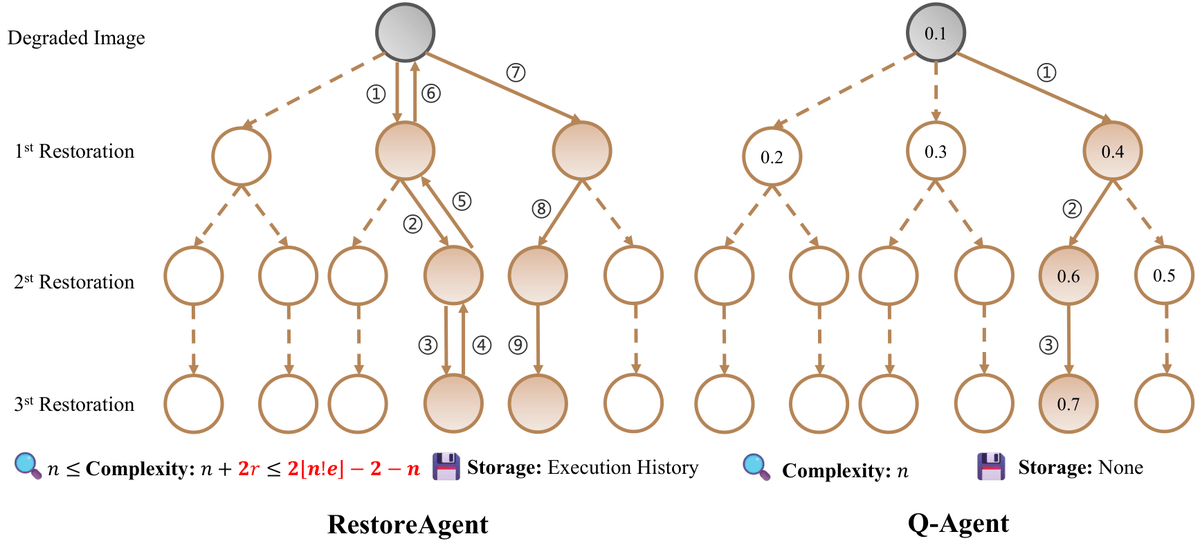
A new image restoration agent uses chain-of-thought reasoning and no-reference quality metrics to pick the best fix order, beating all-in-one models by 1.7 dB PSNR.
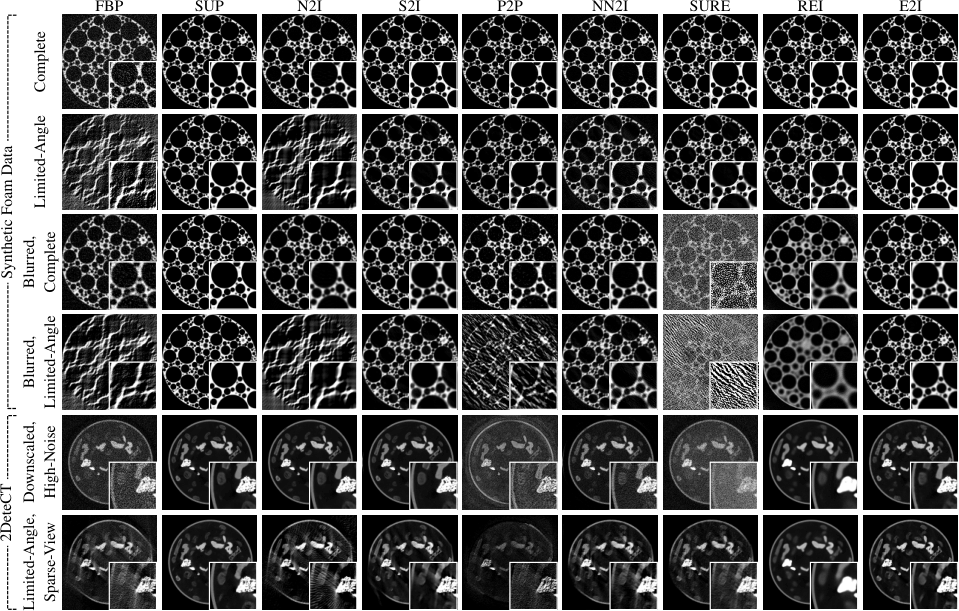
A new self-supervised CT reconstruction method blends cross-validation with equivariance to handle scintillator blurring and limited-angle scans without ground truth.
A theoretical analysis of Temporal CT derives closed-form noise floors, introduces a near-optimal classical solver, and benchmarks a learned prior against them.
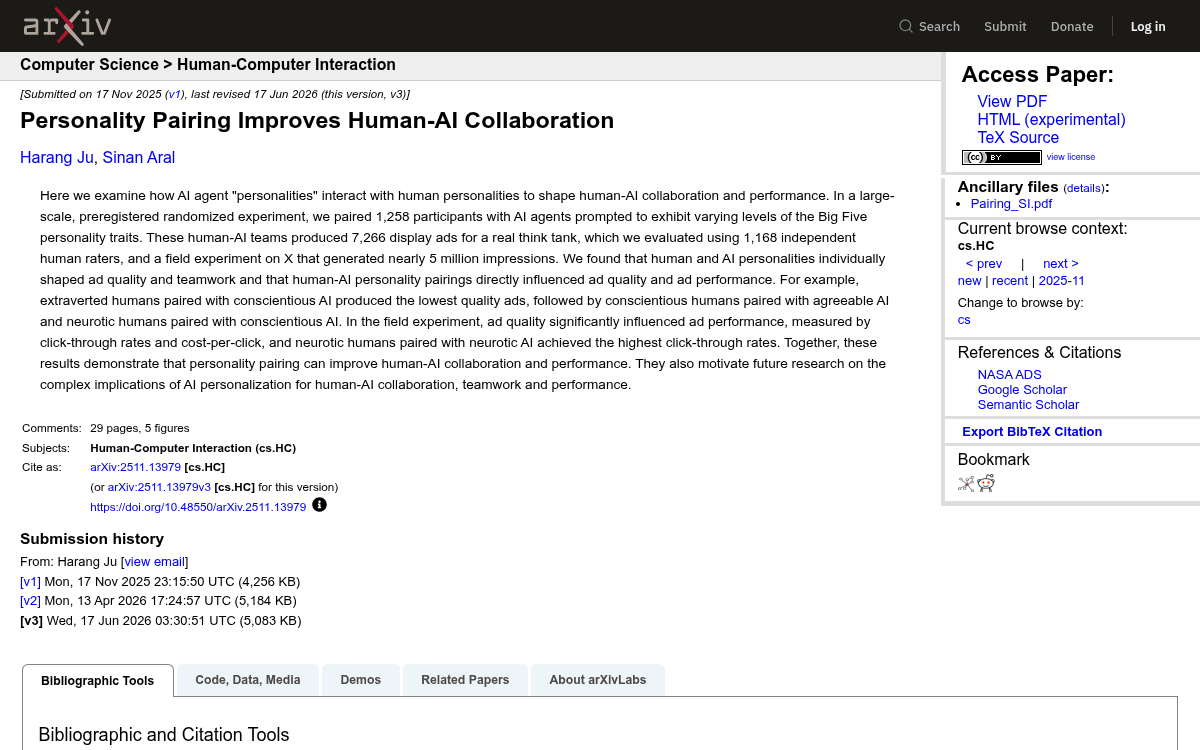
A preregistered randomized trial from Harang Ju and Sinan Aral shows Big Five personality pairings between humans and AI agents shift both work quality and ad performance in the field.
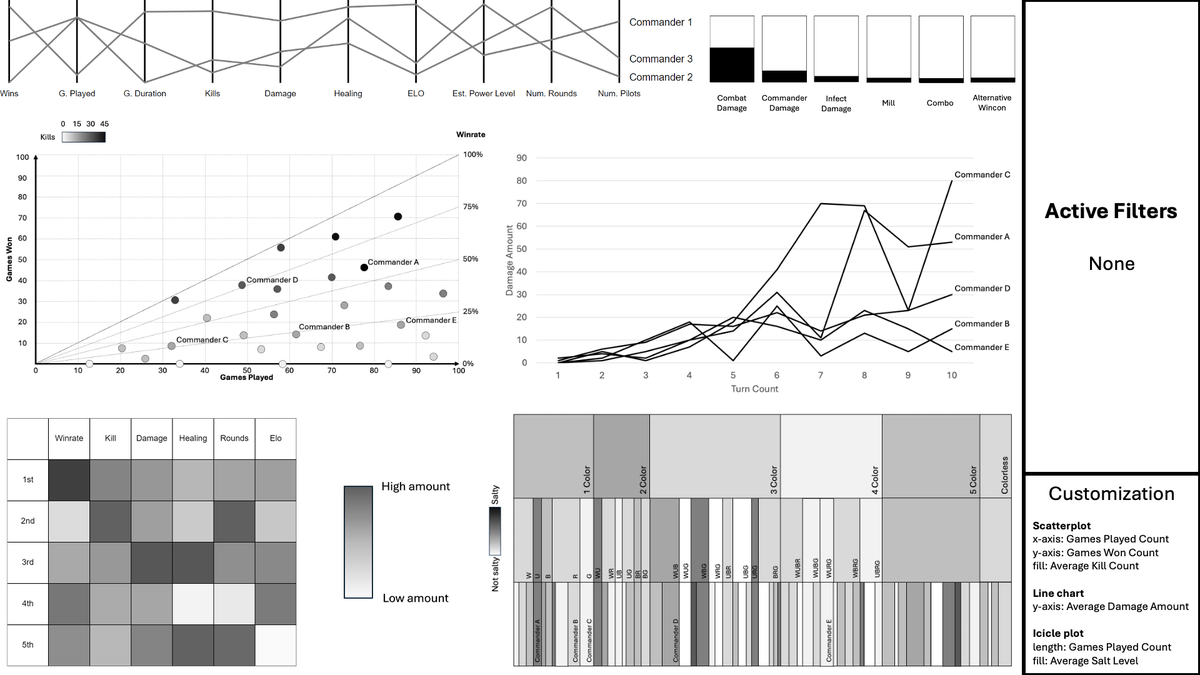
A design study of a Commander format dashboard finds heatmaps beat scatterplots, and players want local, outcome-driven views over global aggregates.
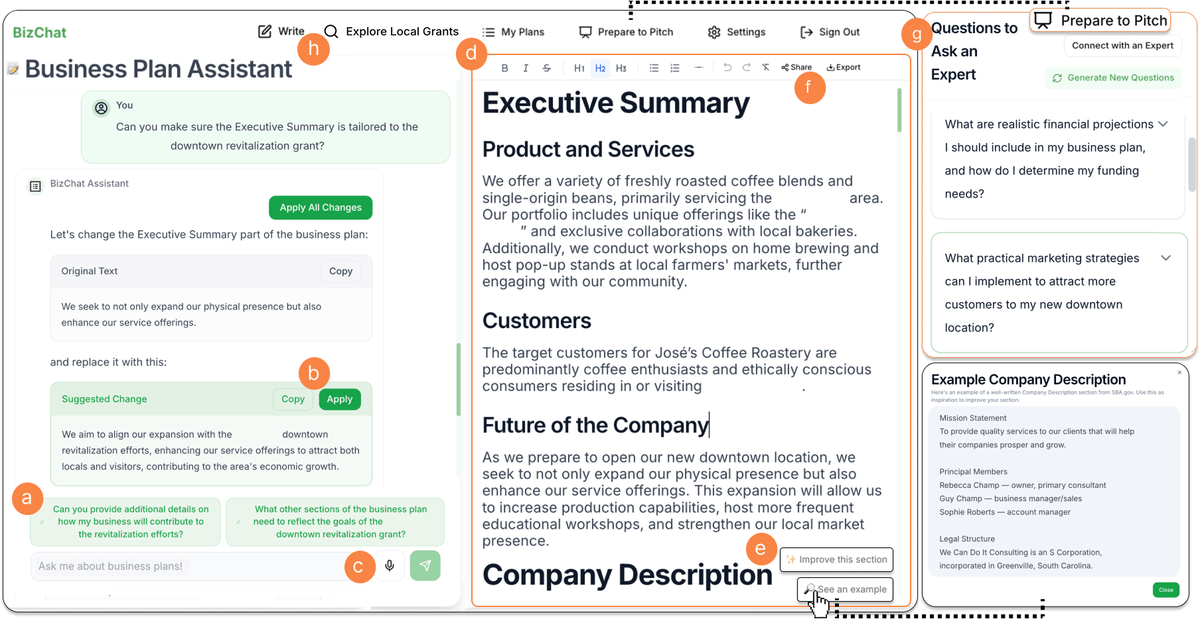
A field study of BizChat, an LLM business plan drafter, shows entrepreneurs cutting drafts from six months to minutes but rarely iterating alone.
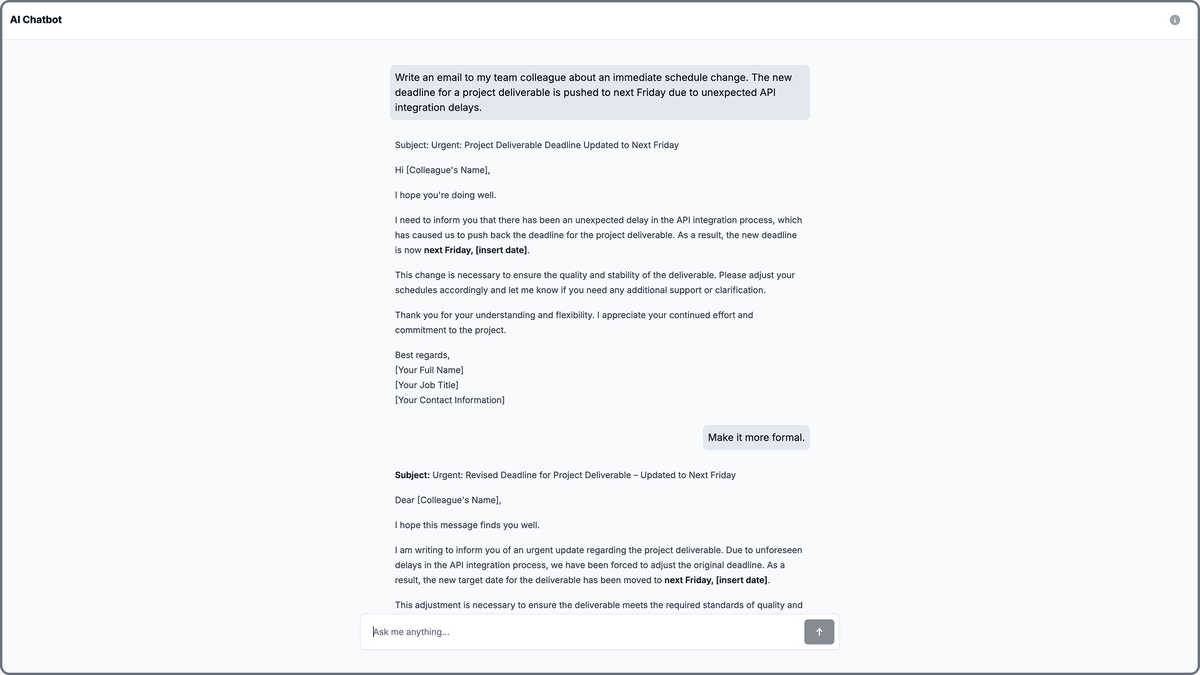
A new interactive technique turns vague prompt phrases like funny or concise into sliders and toggles that steer LLM generation at decoding time.
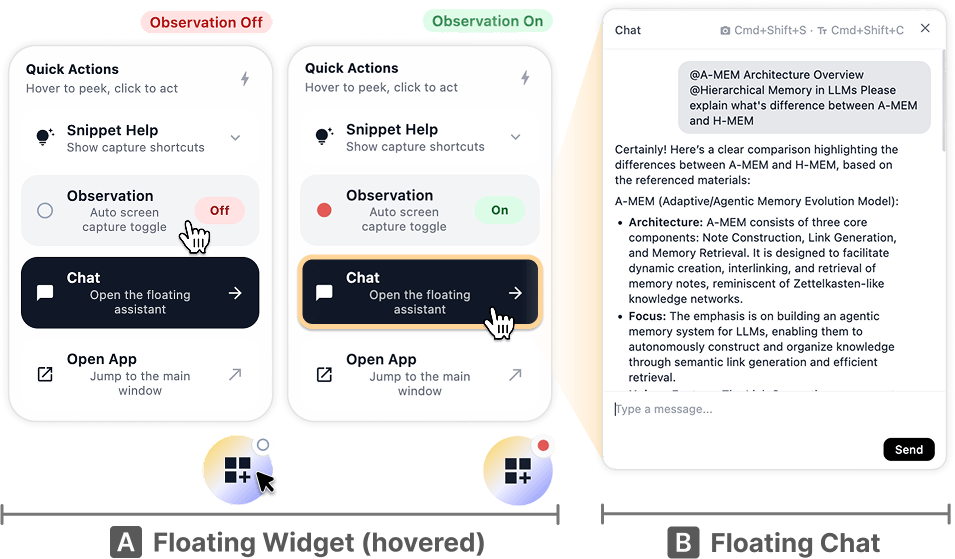
A KAIST-led team built a system that captures fleeting reasoning during knowledge work and hands users an editable canvas of what the AI knows about them.