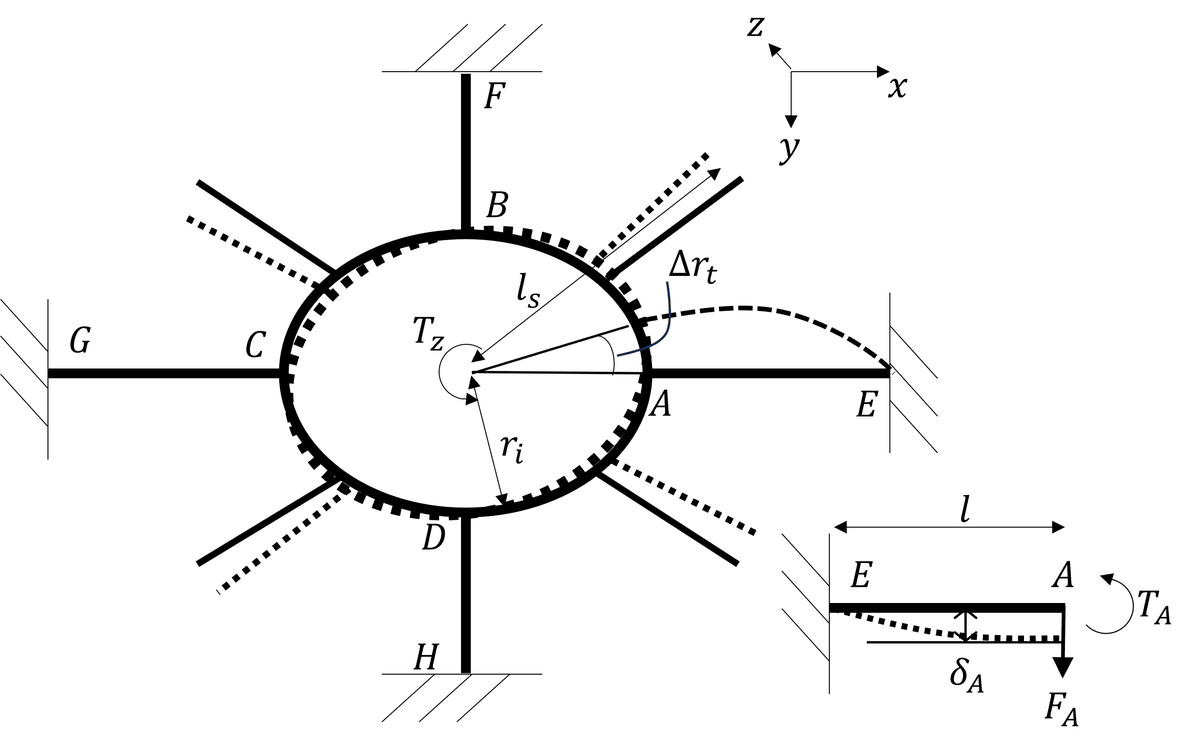
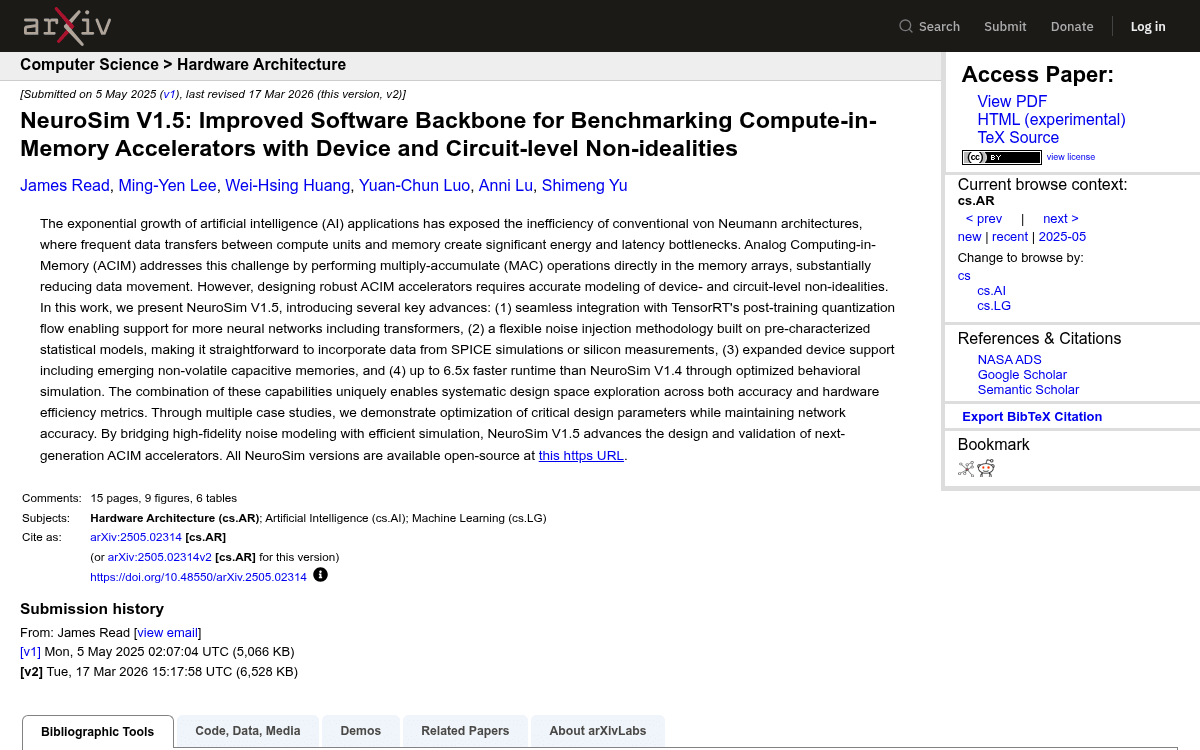
A KAIST team built a slim, non-contact optical torque sensor that measures joint forces with 2.14 times better resolution than standard least-squares calibration.
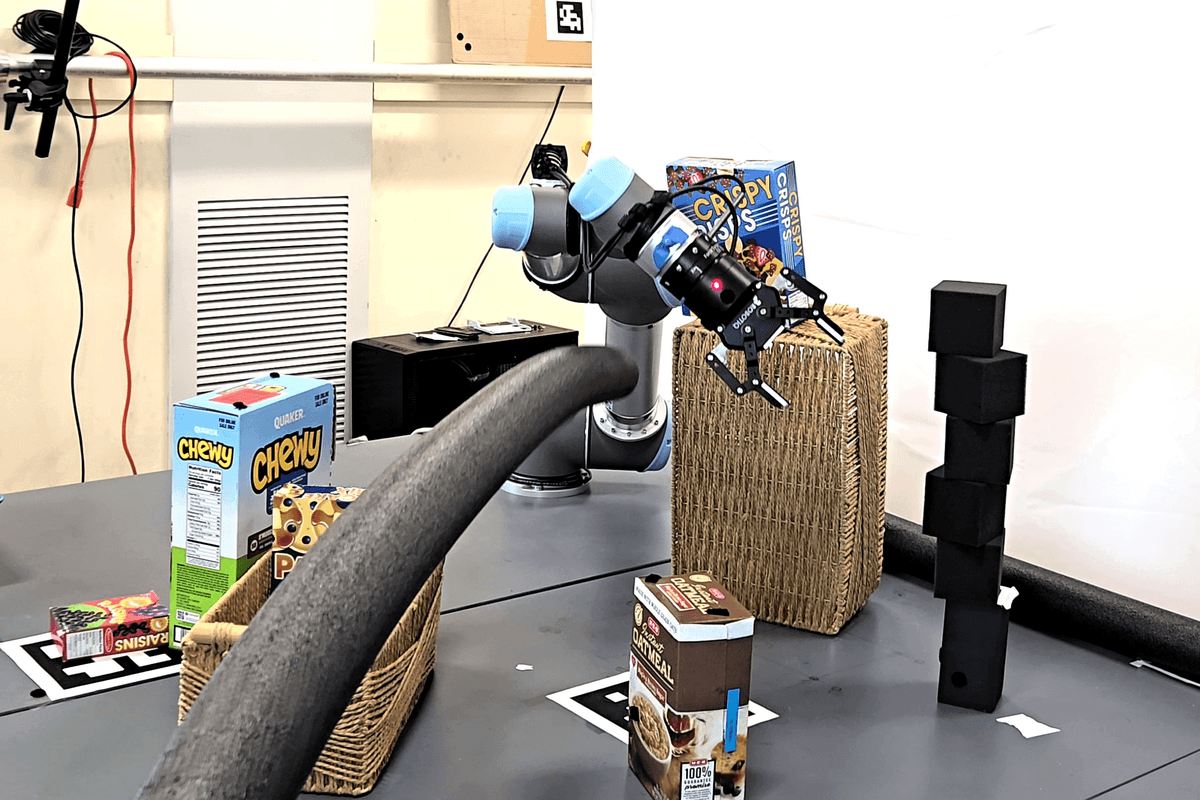
A new sampling-based motion planner uses differential flatness and CPU vectorization to produce dynamically feasible robot trajectories in microseconds.
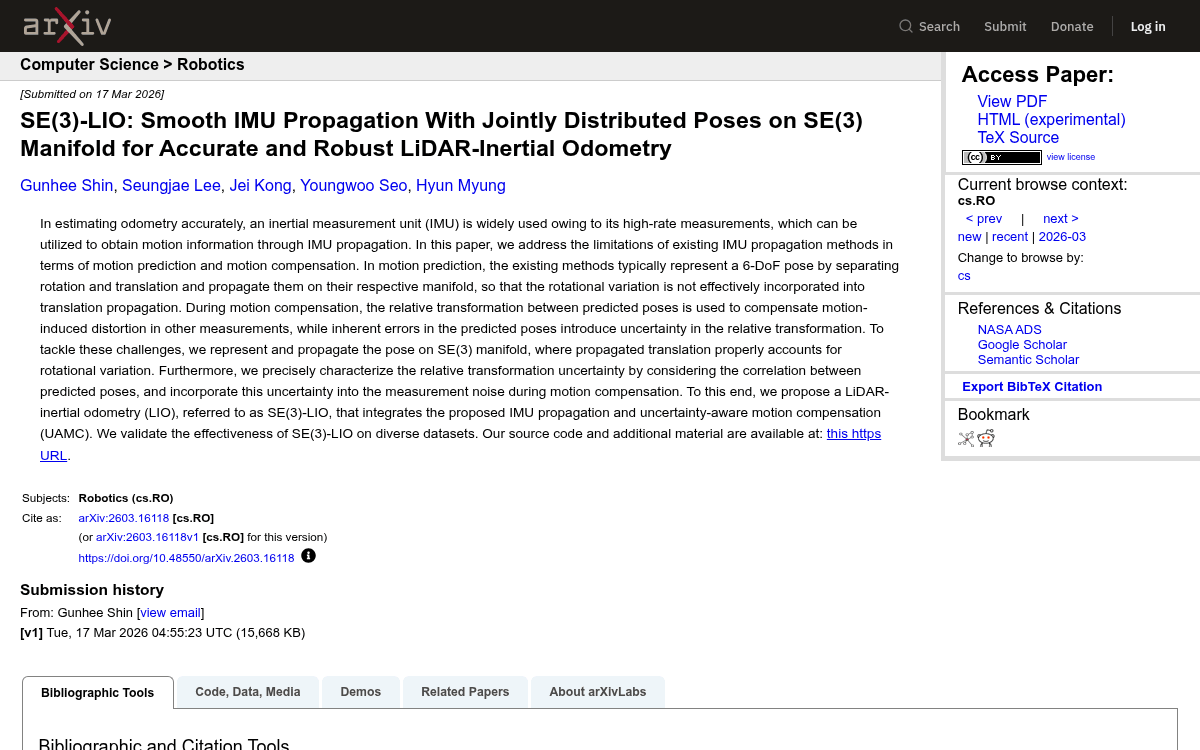
A new LiDAR-inertial odometry method jointly propagates rotation and translation on SE(3), cutting trajectory error by more than half on rough terrain.
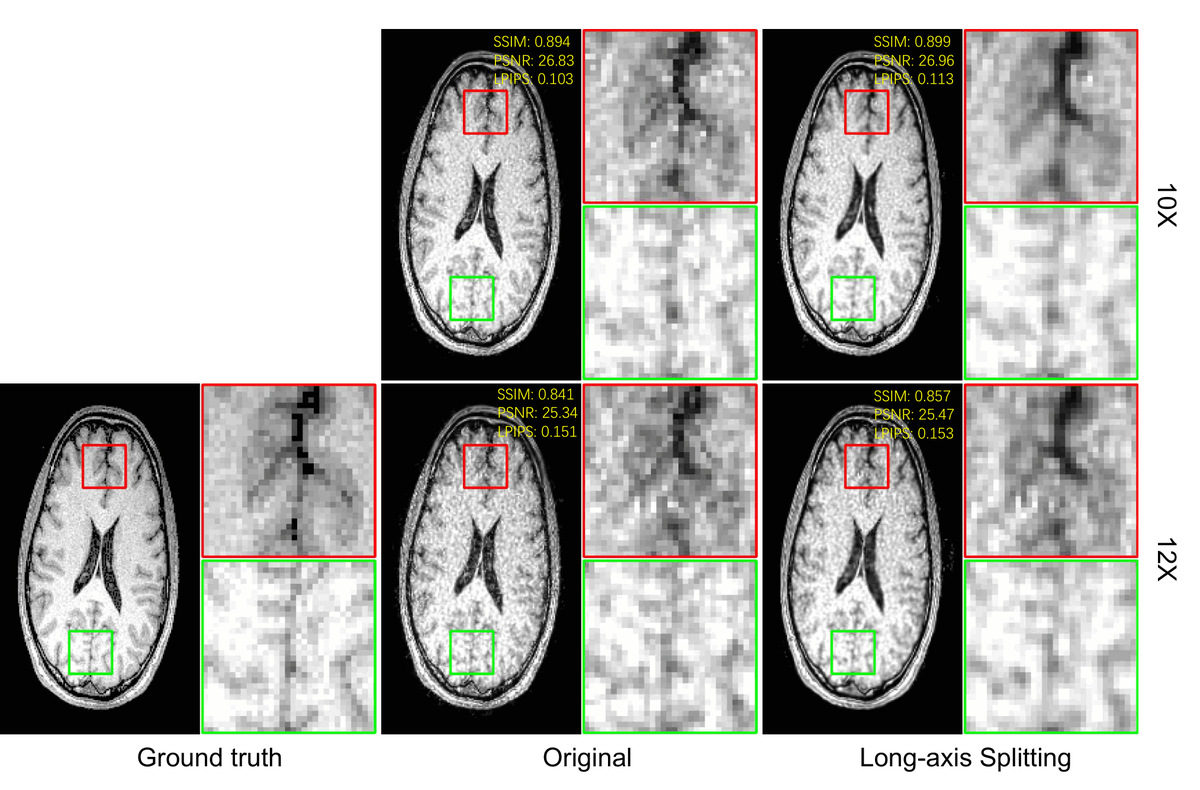
A self-supervised method borrows 3D Gaussian Splatting from graphics to reconstruct isotropic 3D MRI volumes from heavily undersampled k-space, no training data required.
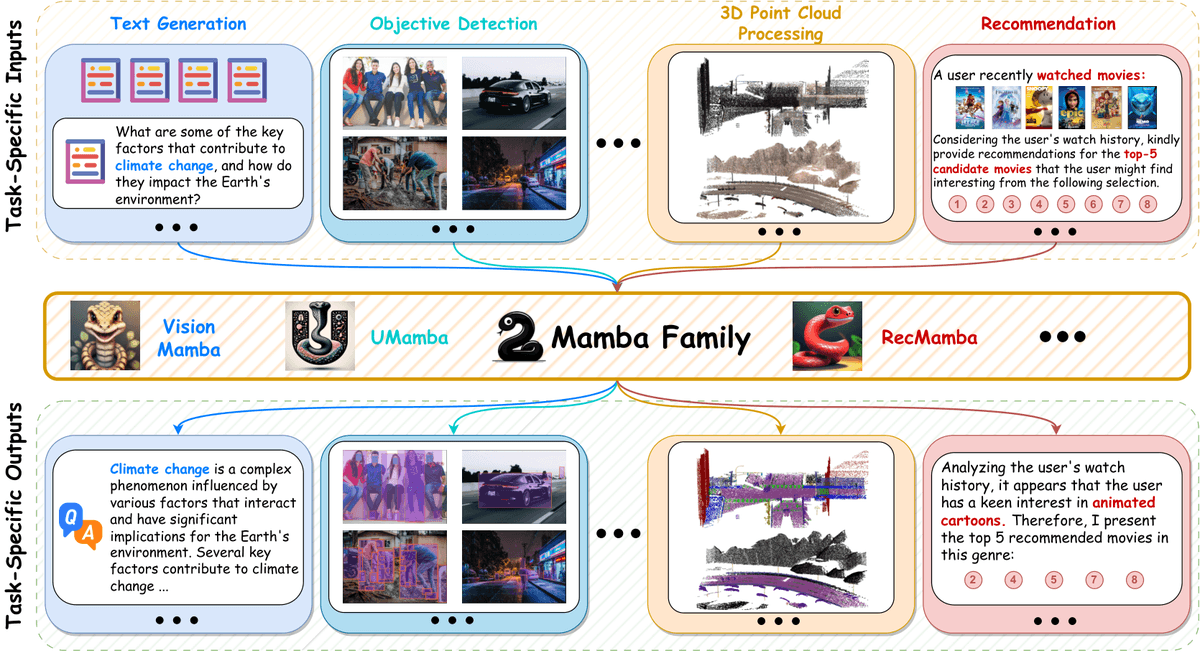
A comprehensive review published in ACM TIST maps how selective state space models challenge Transformers with linear scaling and strong long-sequence performance.
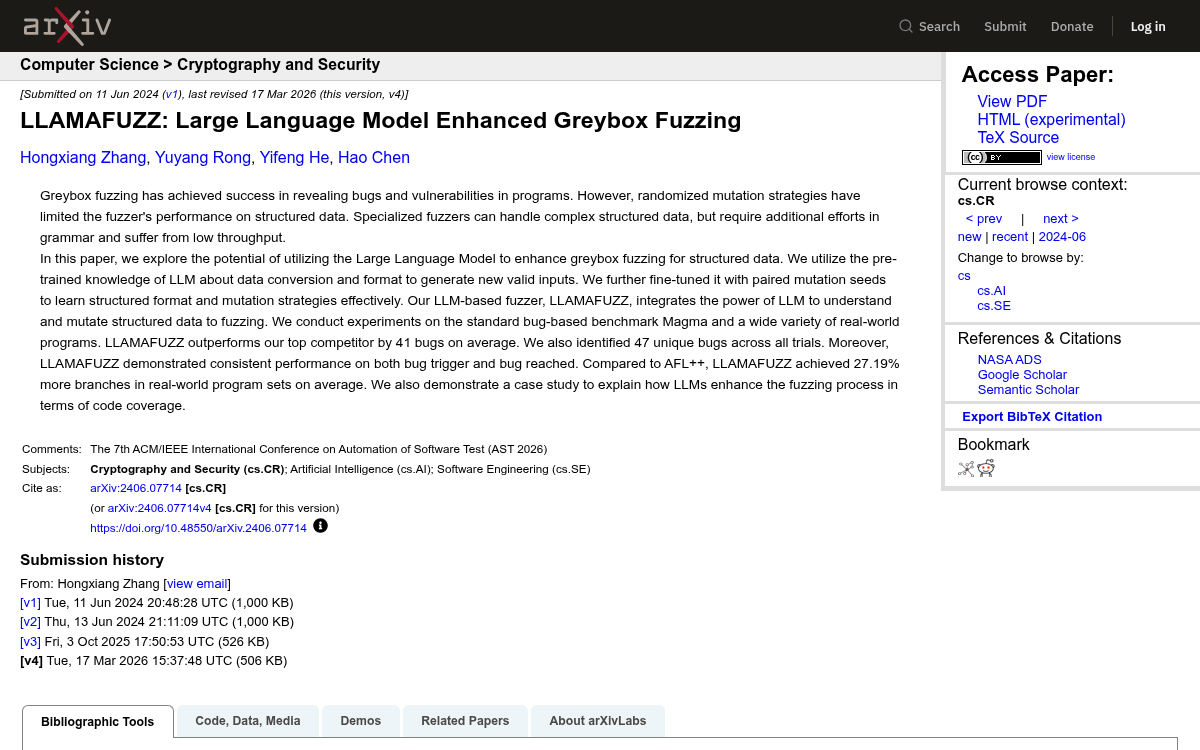
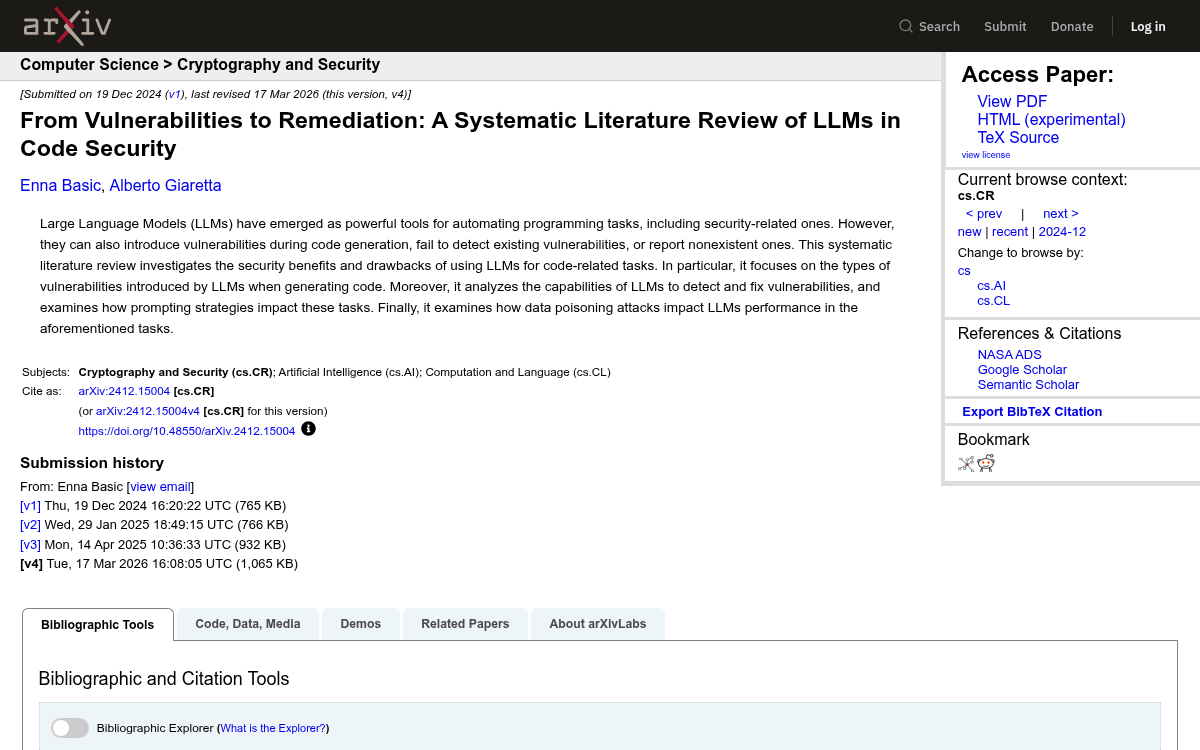
Researchers at Örebro University synthesized 102 studies on LLMs and code security, mapping generated bugs, detection accuracy, repair limits, and poisoning risks.
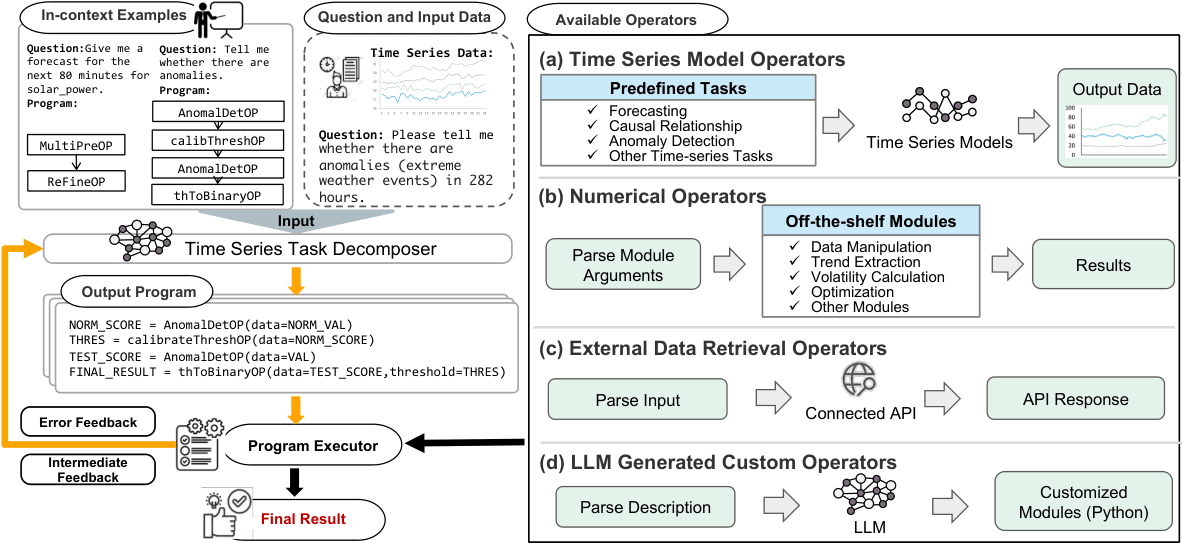
USC researchers built TS-Reasoner, an agent that decomposes time series queries into structured operator pipelines, outperforming GPT-4o, o1 and ReAct on multi-step inference.
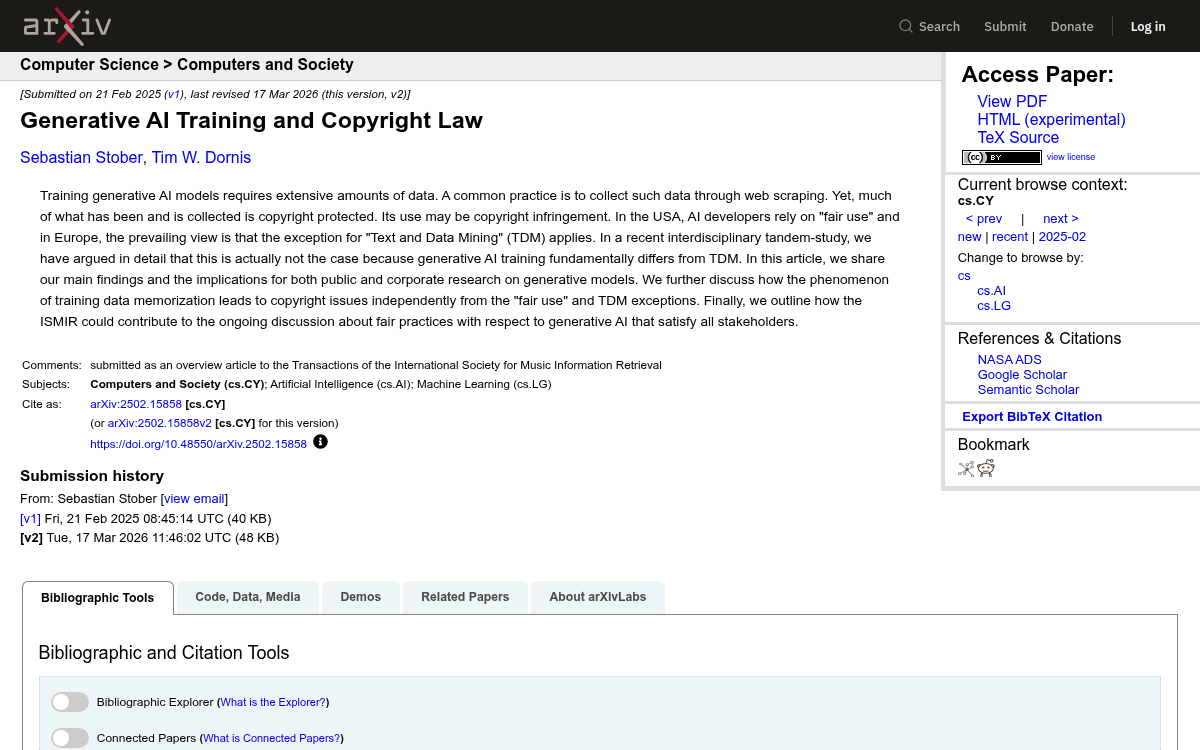
A new arXiv paper argues that training generative AI on copyrighted data likely isn't text-and-data-mining or fair use, with memorization creating separate liability even for legally trained models.
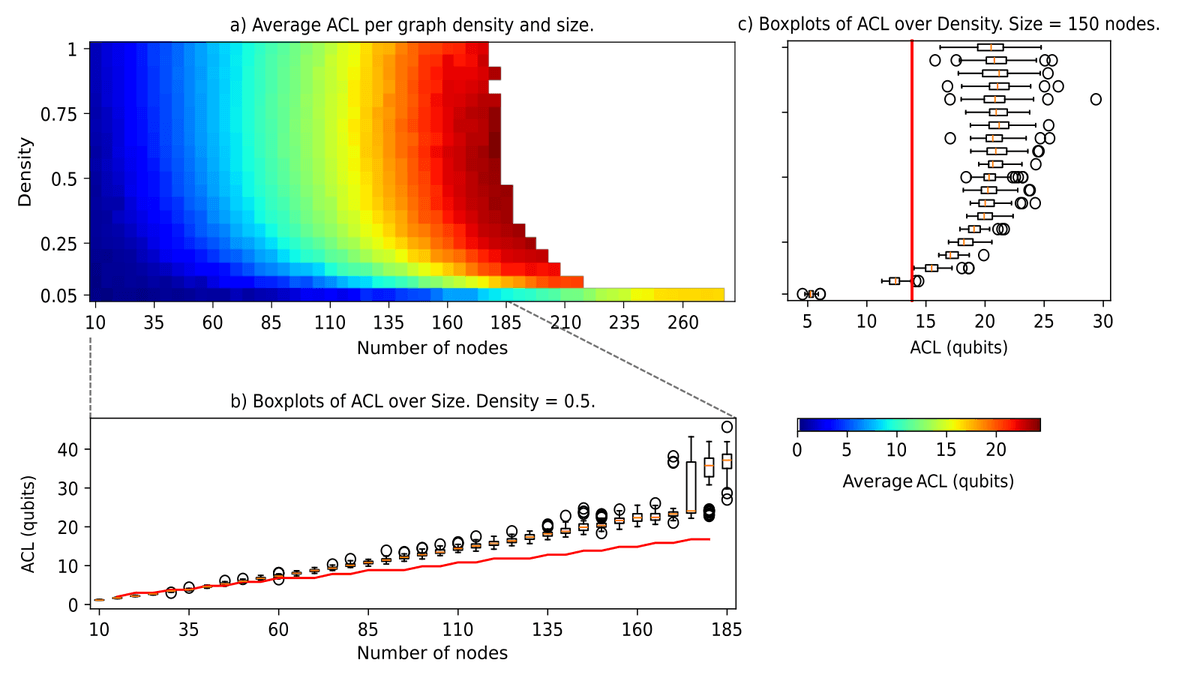
A new evaluation finds that D-Wave's default minor-embedding tool leaves substantial performance on the table, often losing to a simpler deterministic alternative.
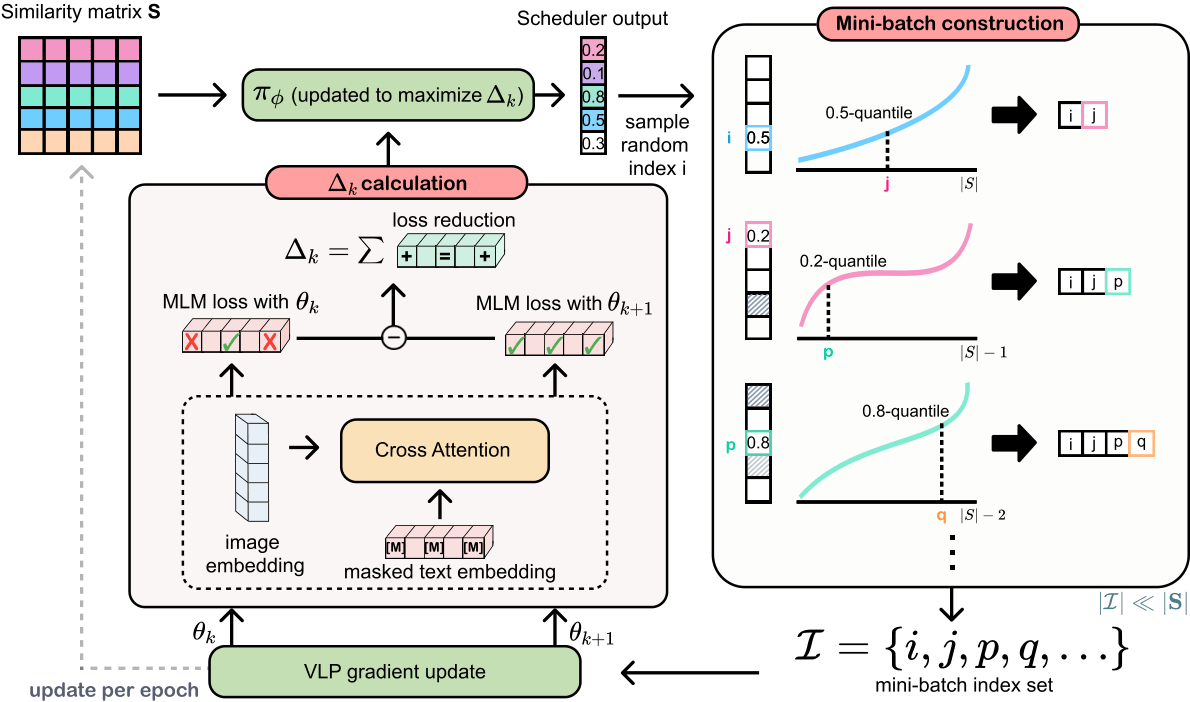
A learned scheduler picks negative sample hardness per anchor during vision-language pretraining, cutting false-negative contamination and lifting retrieval scores across ALBEF, BLIP-2, and SigLIP-2.