
Pro
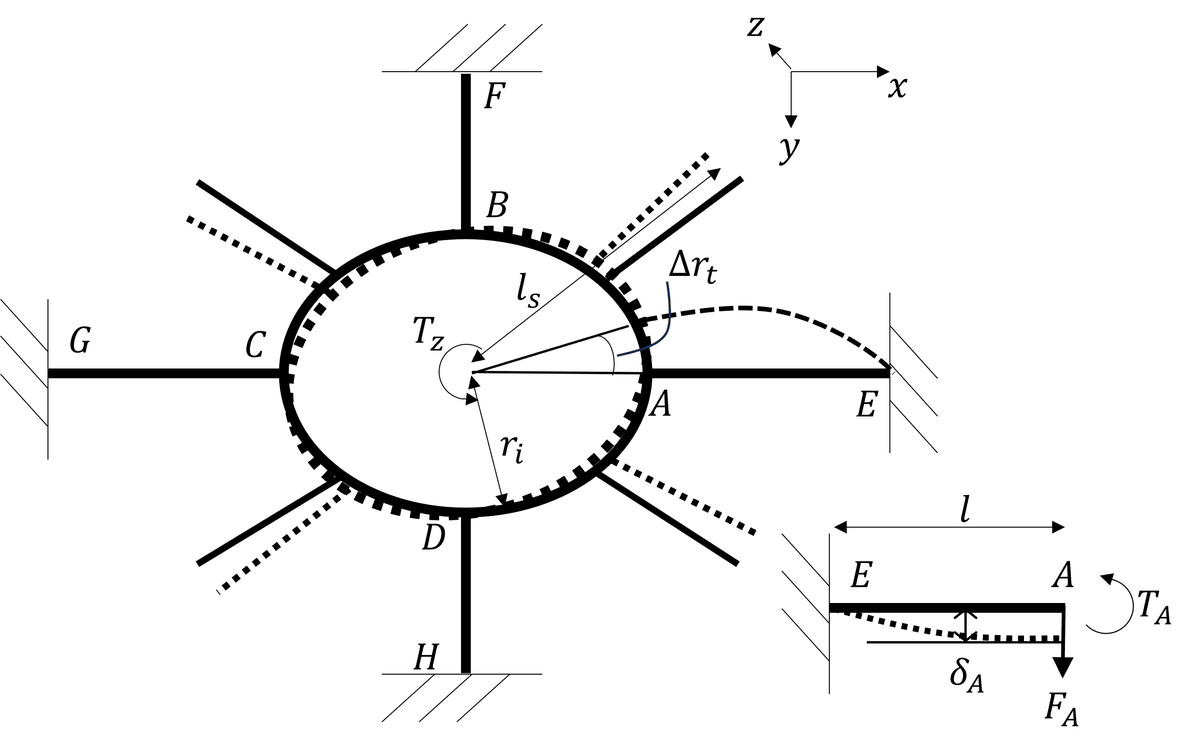
KAIST Builds a Dirt-Cheap Robot Joint Sensor That Beats Strain Gauges by 12x
A KAIST team built a slim, non-contact optical torque sensor that measures joint forces with 2.14 times better resolution than standard least-squares calibration.
20 stories
A KAIST team built a slim, non-contact optical torque sensor that measures joint forces with 2.14 times better resolution than standard least-squares calibration.
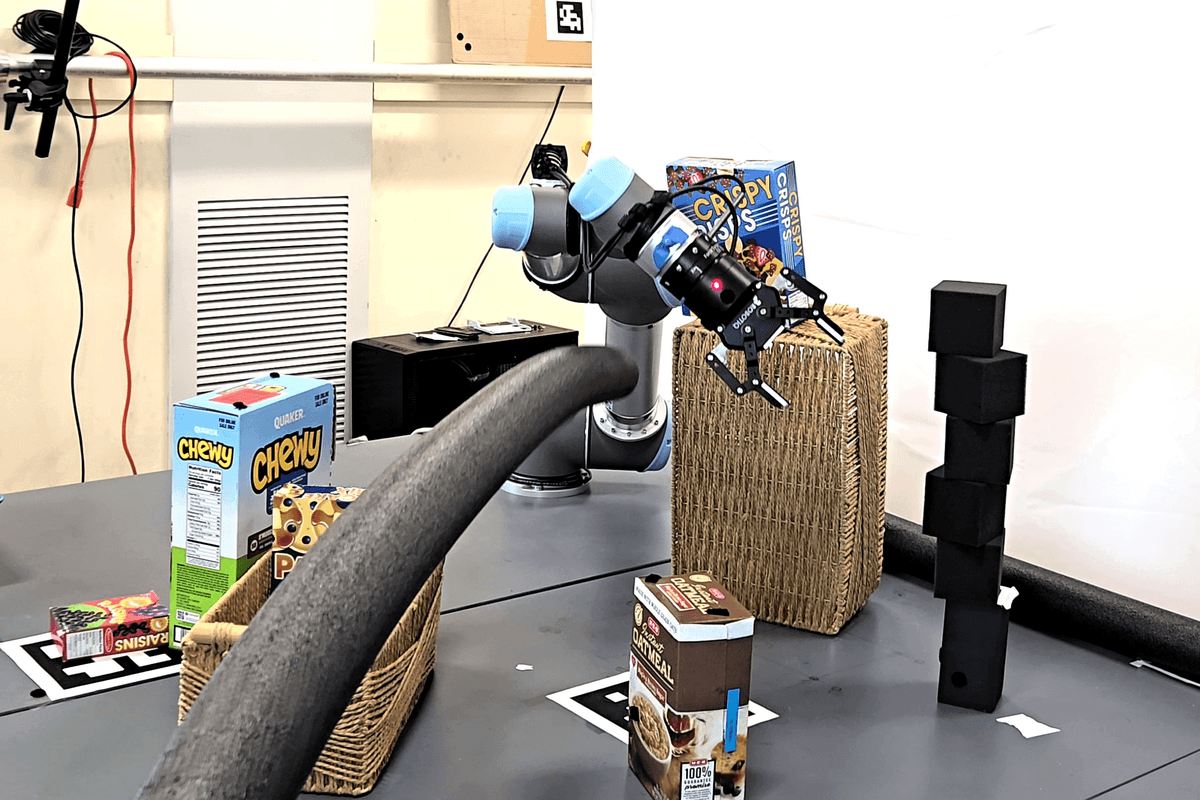
A new sampling-based motion planner uses differential flatness and CPU vectorization to produce dynamically feasible robot trajectories in microseconds.
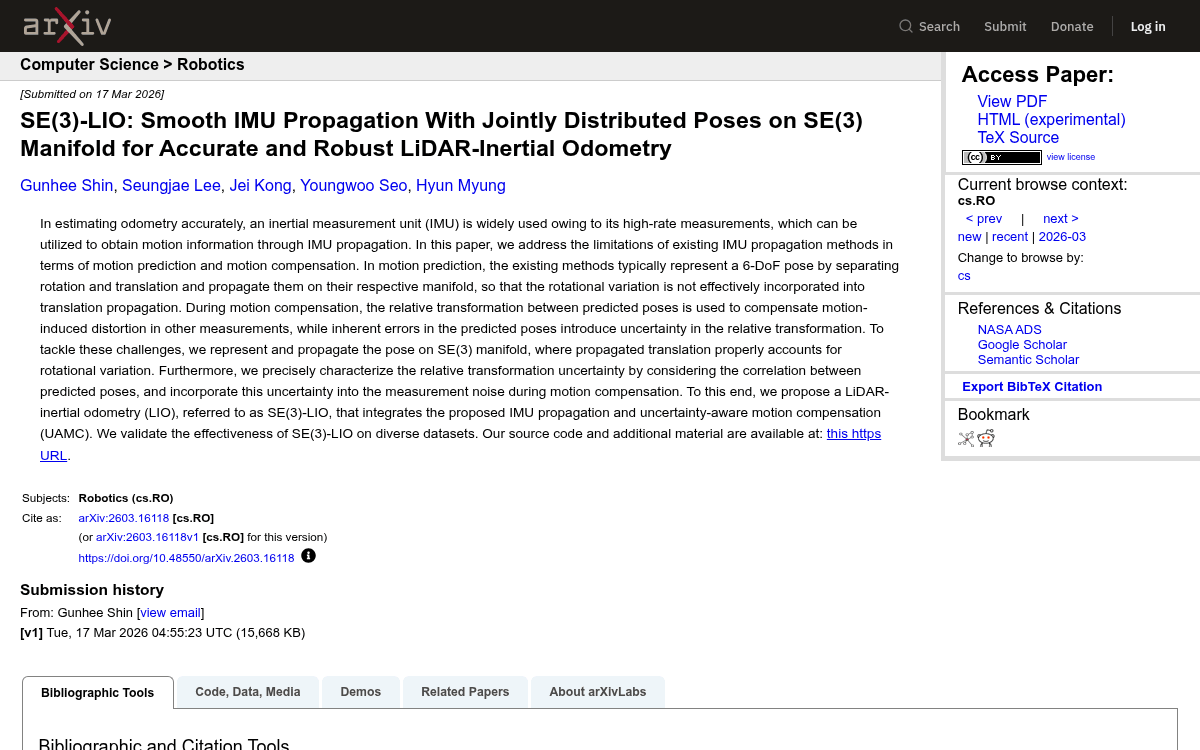
A new LiDAR-inertial odometry method jointly propagates rotation and translation on SE(3), cutting trajectory error by more than half on rough terrain.
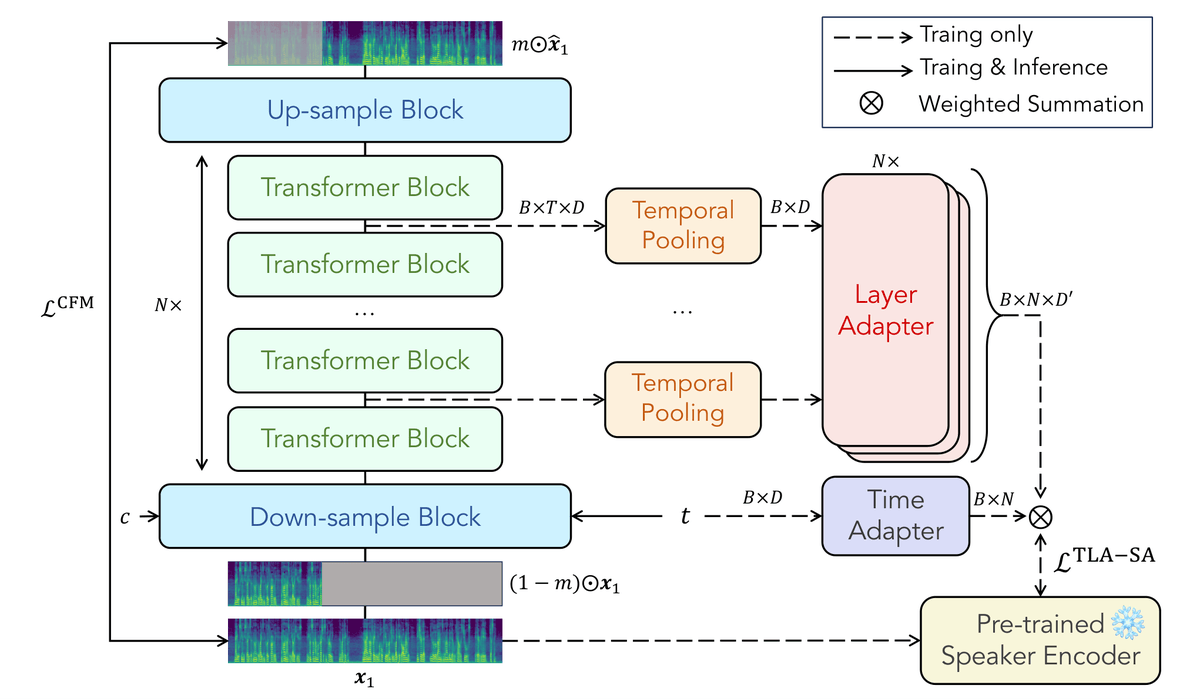
A new training strategy called TLA-SA fixes the speaker mismatch problem in flow-matching TTS by weighting alignment loss across time and depth.
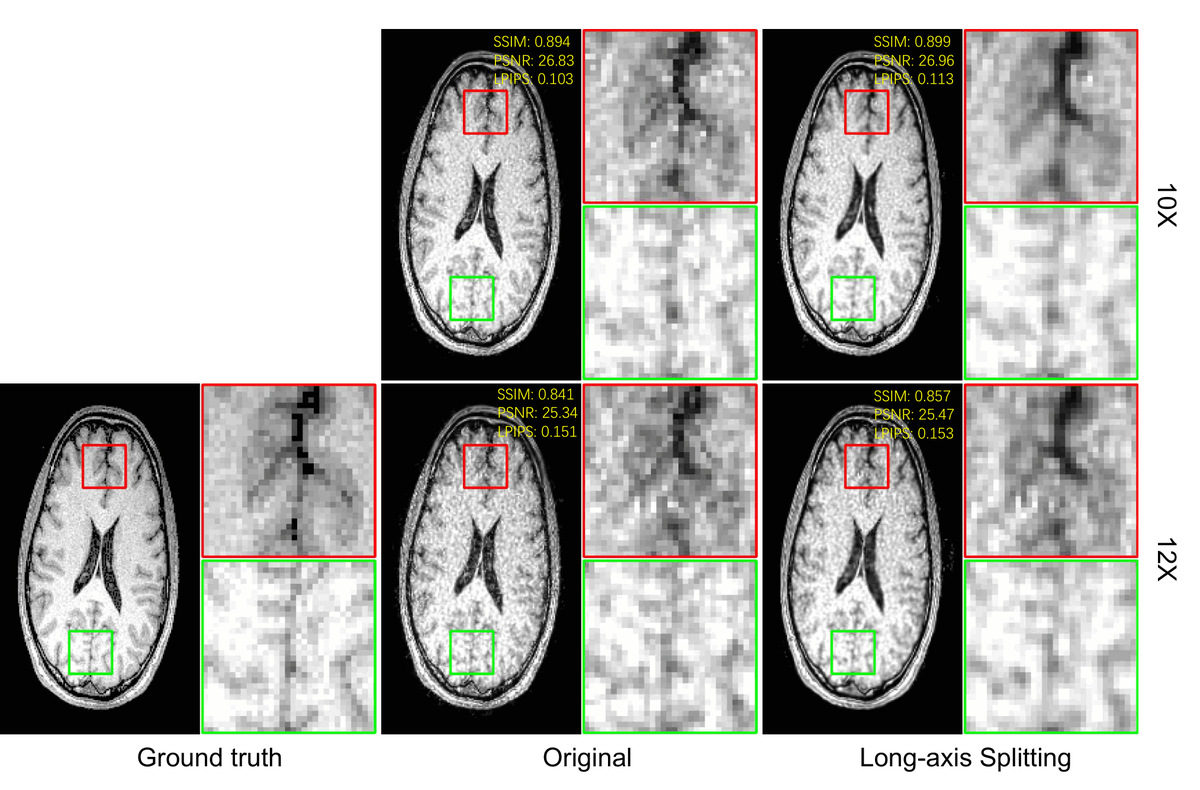
A self-supervised method borrows 3D Gaussian Splatting from graphics to reconstruct isotropic 3D MRI volumes from heavily undersampled k-space, no training data required.
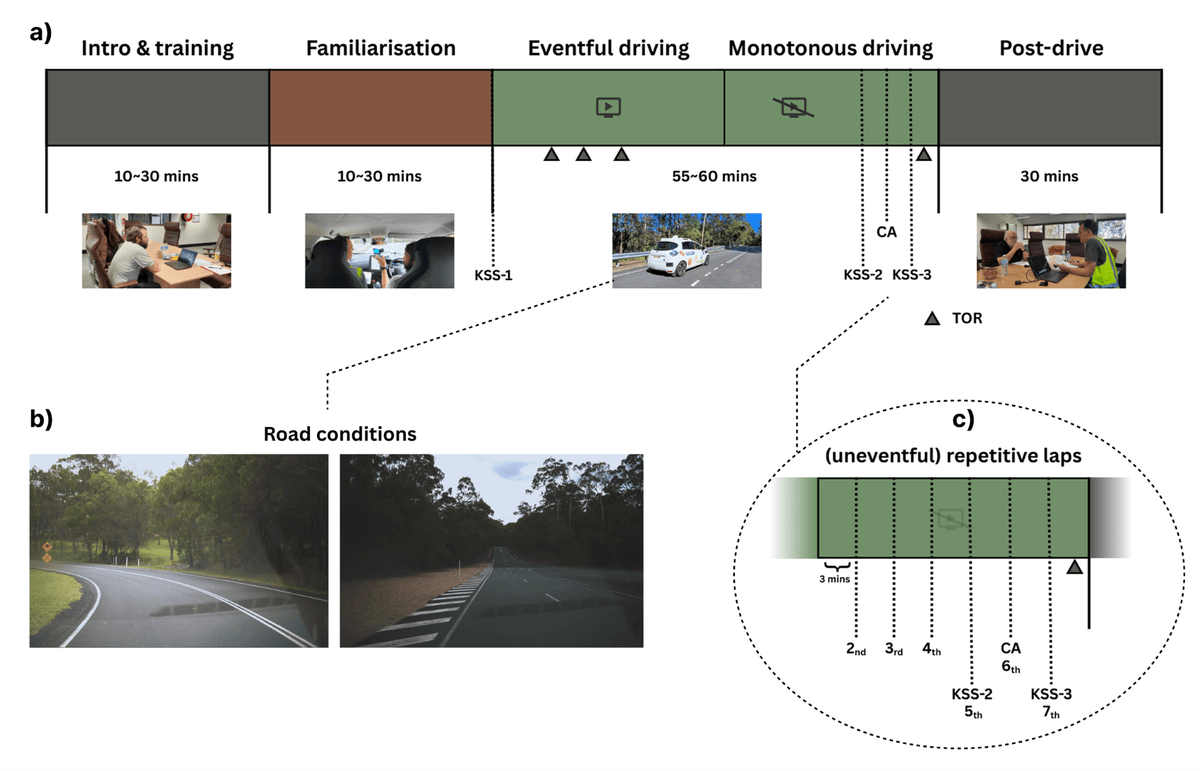
A test-track study with 40 drivers finds a GPT-4 powered voice agent measurably reduces passive fatigue in Level 3 automated cars.
A study tracking 4,830 players across League of Legends and Teamfight Tactics finds individual preferences beat out game design when shaping behavior.
Fine-tuned LLaMA 2 mutates structured inputs like PNG, XML, and JSON, uncovering 47 unique bugs and 27% more branch coverage than AFL++.
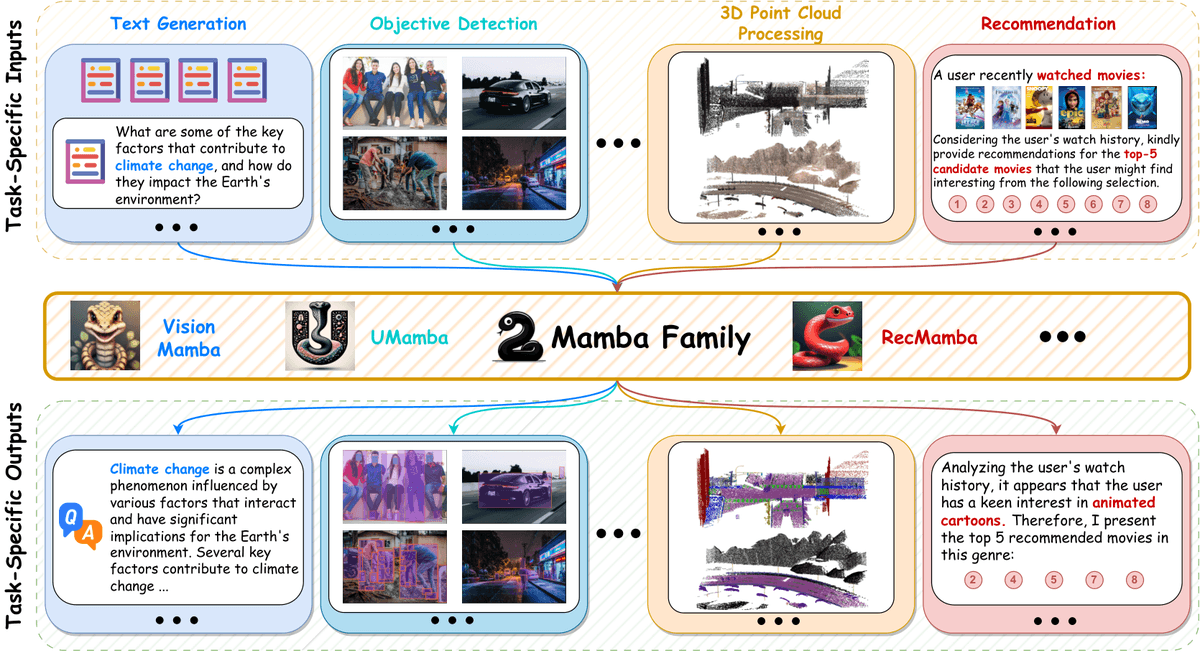
A comprehensive review published in ACM TIST maps how selective state space models challenge Transformers with linear scaling and strong long-sequence performance.
Researchers at Örebro University synthesized 102 studies on LLMs and code security, mapping generated bugs, detection accuracy, repair limits, and poisoning risks.
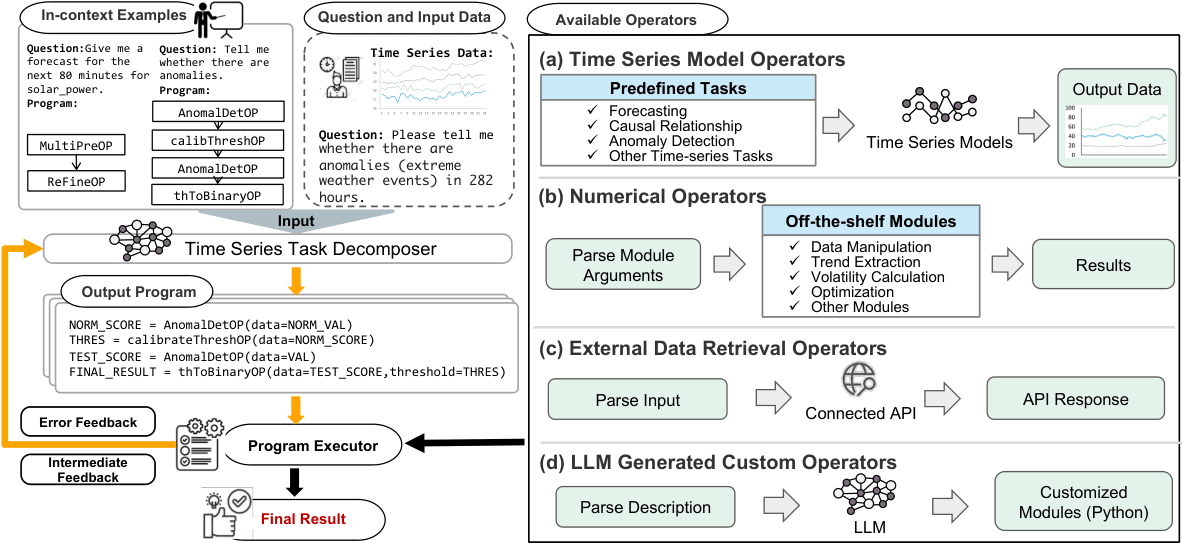
USC researchers built TS-Reasoner, an agent that decomposes time series queries into structured operator pipelines, outperforming GPT-4o, o1 and ReAct on multi-step inference.
A new arXiv paper argues that training generative AI on copyrighted data likely isn't text-and-data-mining or fair use, with memorization creating separate liability even for legally trained models.
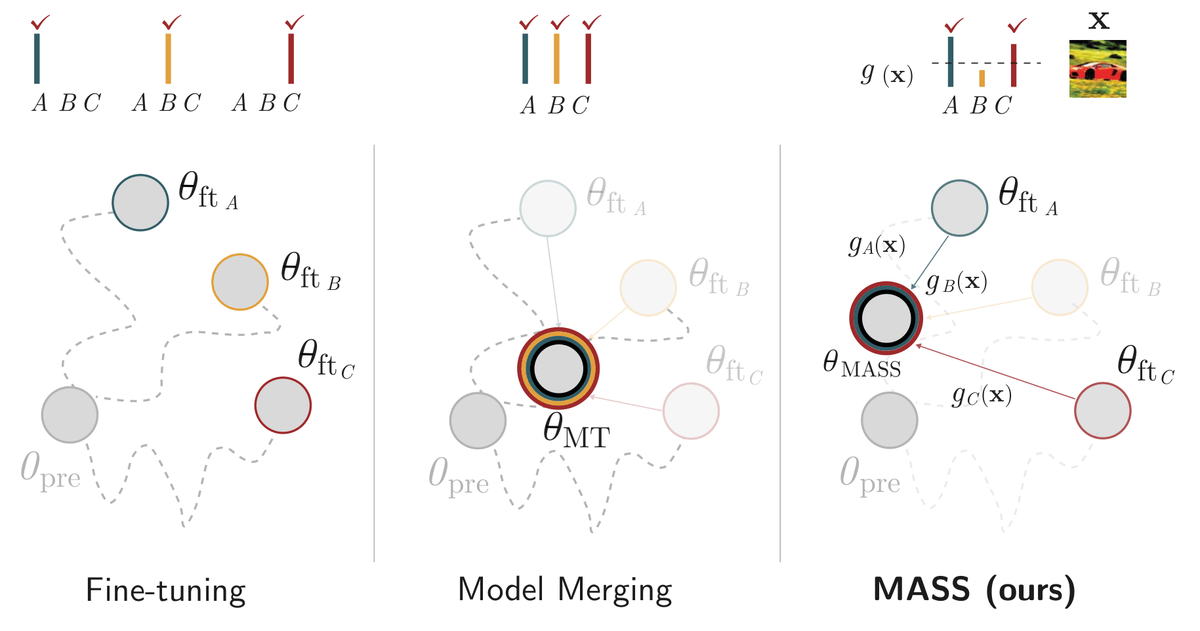
A new model merging method uses SVD subspaces and a data-free router to recover 98% of fine-tuned accuracy at roughly 2x storage.
Georgia Tech's NeuroSim V1.5 adds transformer support, TensorRT quantization, and a 6.5x speedup for simulating analog compute-in-memory chips.
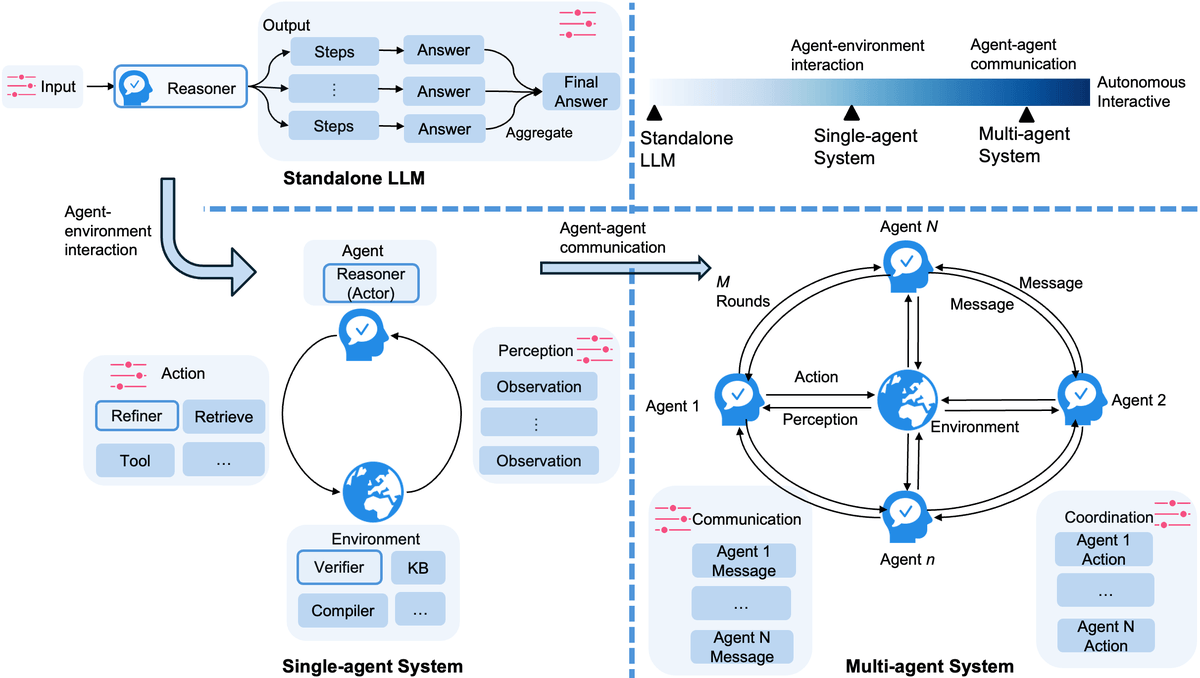
A Salesforce-led survey maps the entire landscape of LLM reasoning research, from prompt tricks to reinforcement learning and agentic workflows.
New research uncovers that reward models unfairly favor certain policy models, then uses Chatbot Arena Elo ratings to fix the bias.
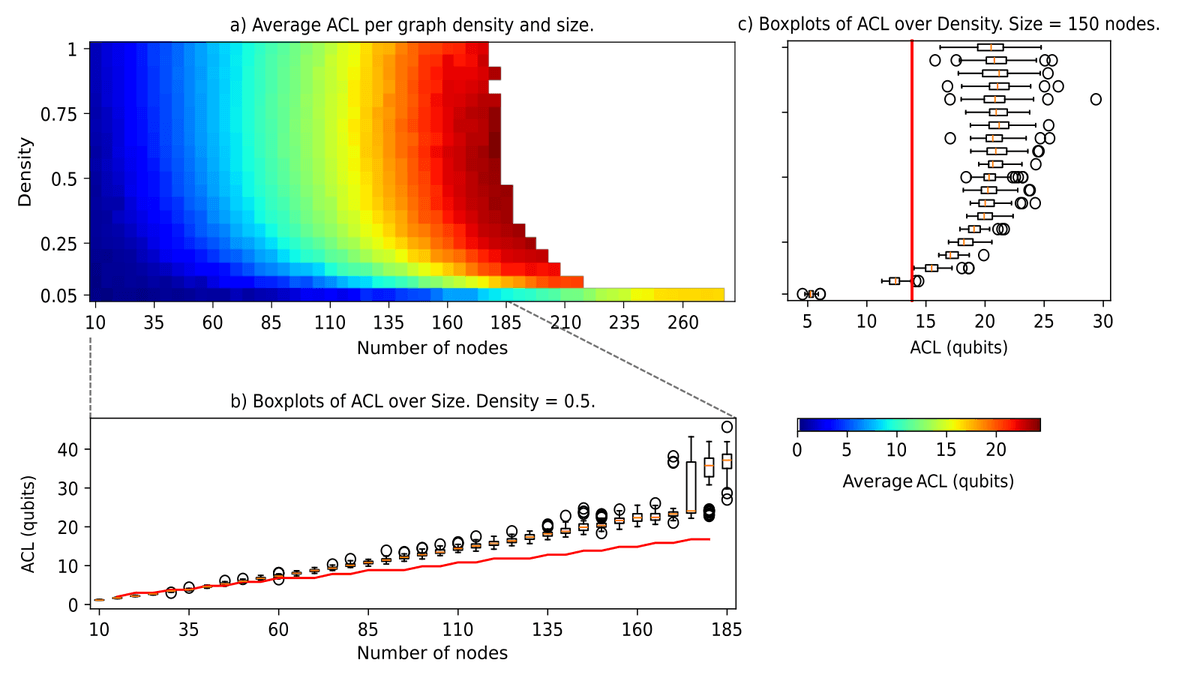
A new evaluation finds that D-Wave's default minor-embedding tool leaves substantial performance on the table, often losing to a simpler deterministic alternative.
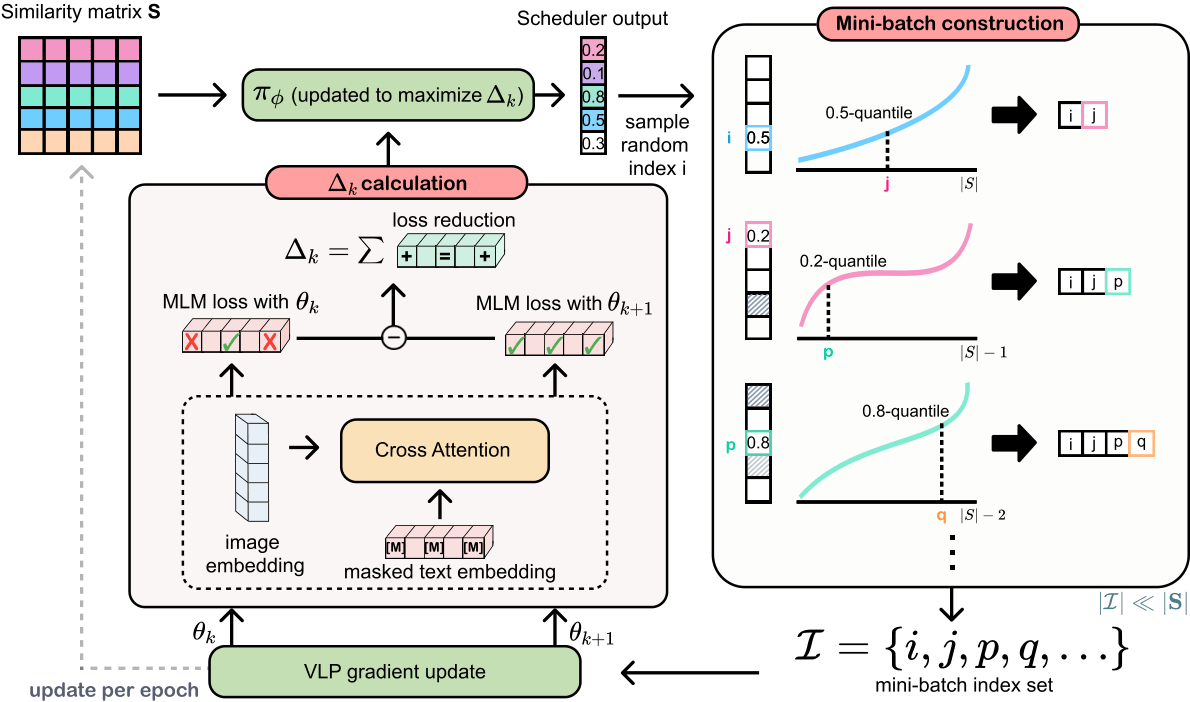
A learned scheduler picks negative sample hardness per anchor during vision-language pretraining, cutting false-negative contamination and lifting retrieval scores across ALBEF, BLIP-2, and SigLIP-2.
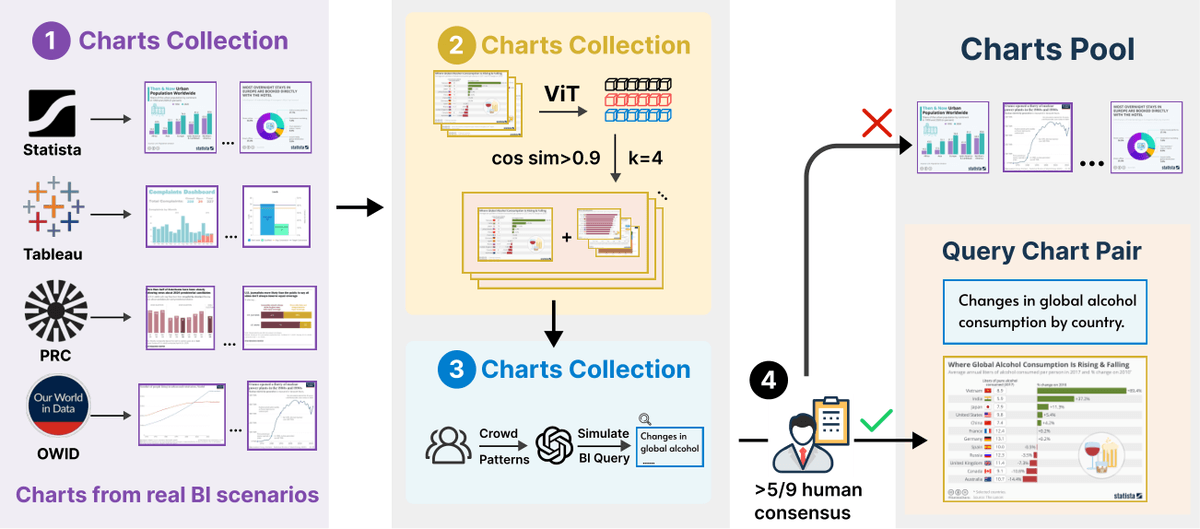
A new benchmark exposes how chart retrieval models fail at semantic reasoning, and a training pipeline built on synthesized insights closes the gap.
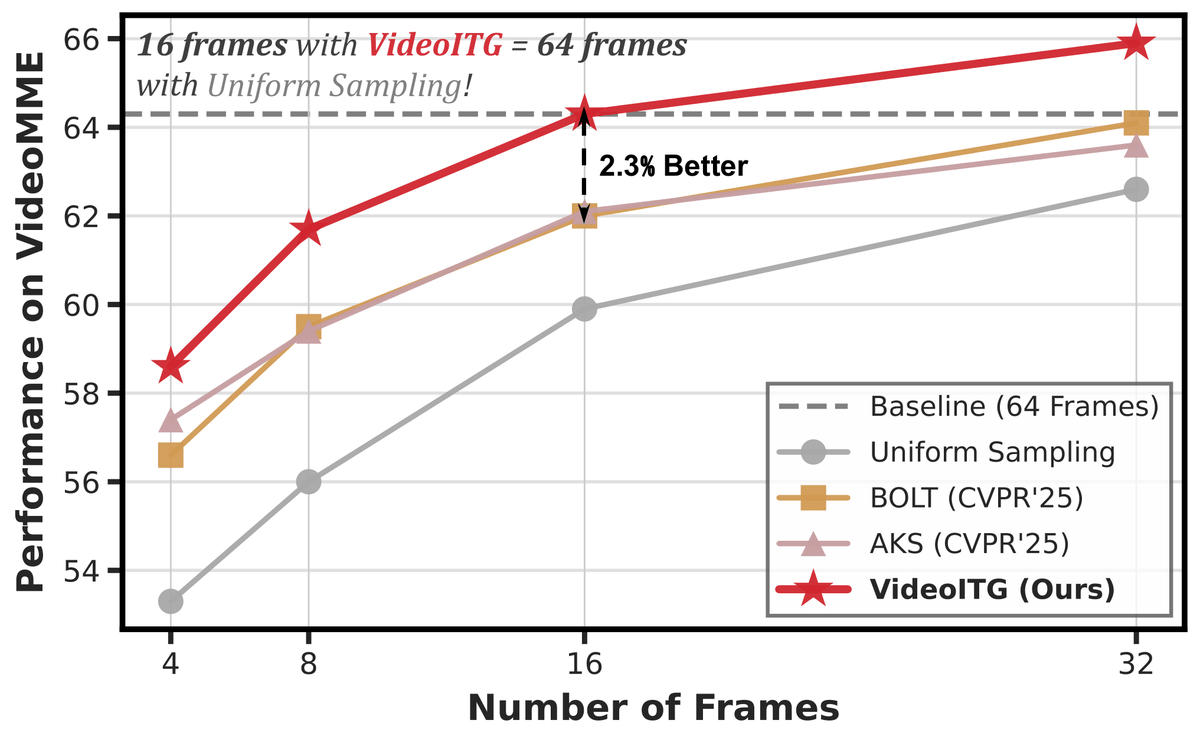
NVIDIA's VideoITG teaches video language models to pick frames based on the question being asked, matching 64-frame accuracy with just 16.