
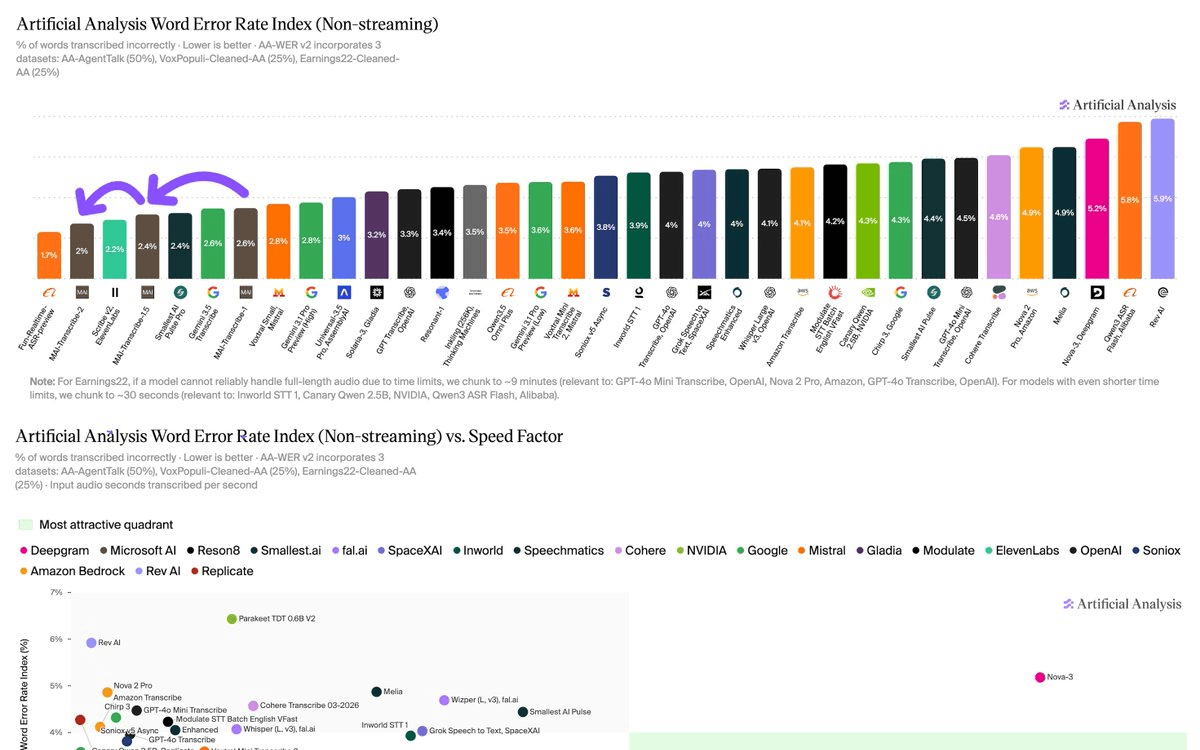
Microsoft's MAI-Transcribe-2 Beats ElevenLabs on Accuracy at 54% Lower Price
Microsoft AI's new speech recognition model hits 2.0% word error rate at 411x real time speed for $1.67 per 1,000 minutes.
20 stories
Microsoft AI's new speech recognition model hits 2.0% word error rate at 411x real time speed for $1.67 per 1,000 minutes.

A new generative retriever leverages the table of contents to hit 82.6% Recall@1 on a fresh 18-book benchmark, with hallucinations under 0.05%.
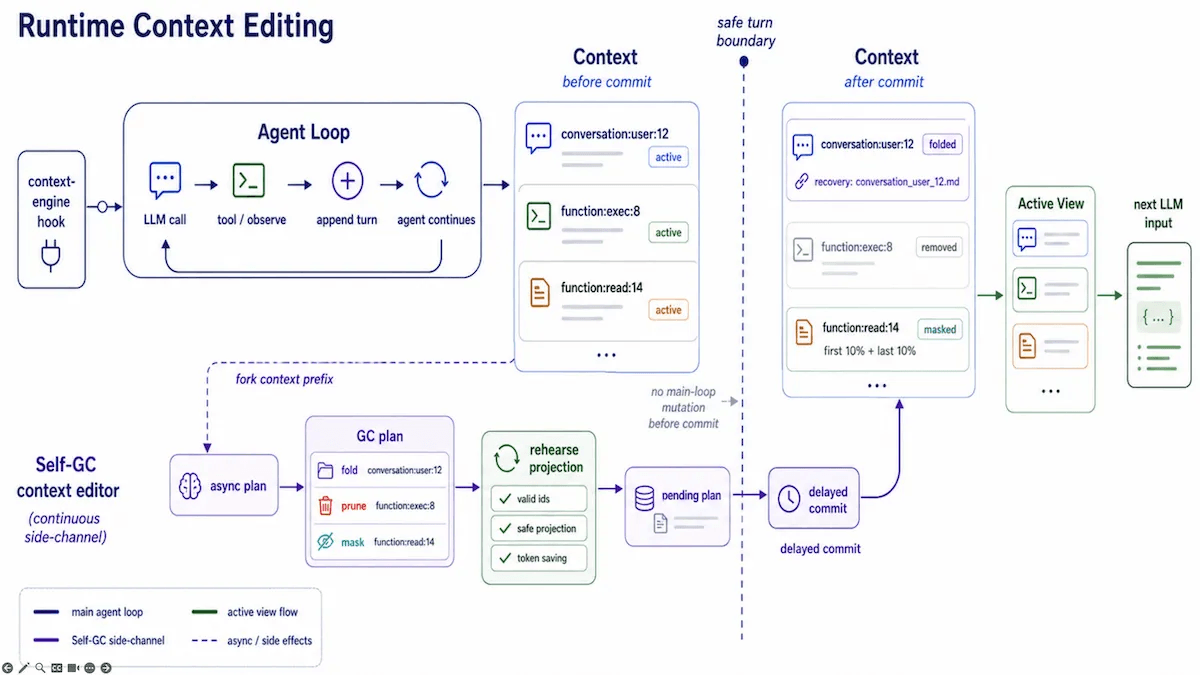
Xiaohongshu's Self-GC uses a planner LLM to fold, mask, or prune agent context, retaining critical details 84.85% of the time versus 54.55% for rule-based baselines.

Figure locks in a $3.5B compute commitment scaling past $6B, targeting up to 100,000 Vera Rubin GPUs to train its Helix humanoid AI.
Ant Group's open-source Ming-3.0-audio-flash scores 99.8% on Artificial Analysis's speech reasoning benchmark, ahead of Grok Voice 3.0, Gemini 3.8 Live and GPT-Realtime-2.1. The weights are MIT-licensed.
A new 365-day simulation drops LLM agents into a deterministic marketplace with ¥100,000, real supplier data, and fraudsters, and no model wins everything.
A solo researcher shipped a 27B Mixture-of-Experts model that runs on stock llama.cpp, grafting Qwen3.8-Flash-Next's n-gram memory into a pruned Qwen3.6 body.
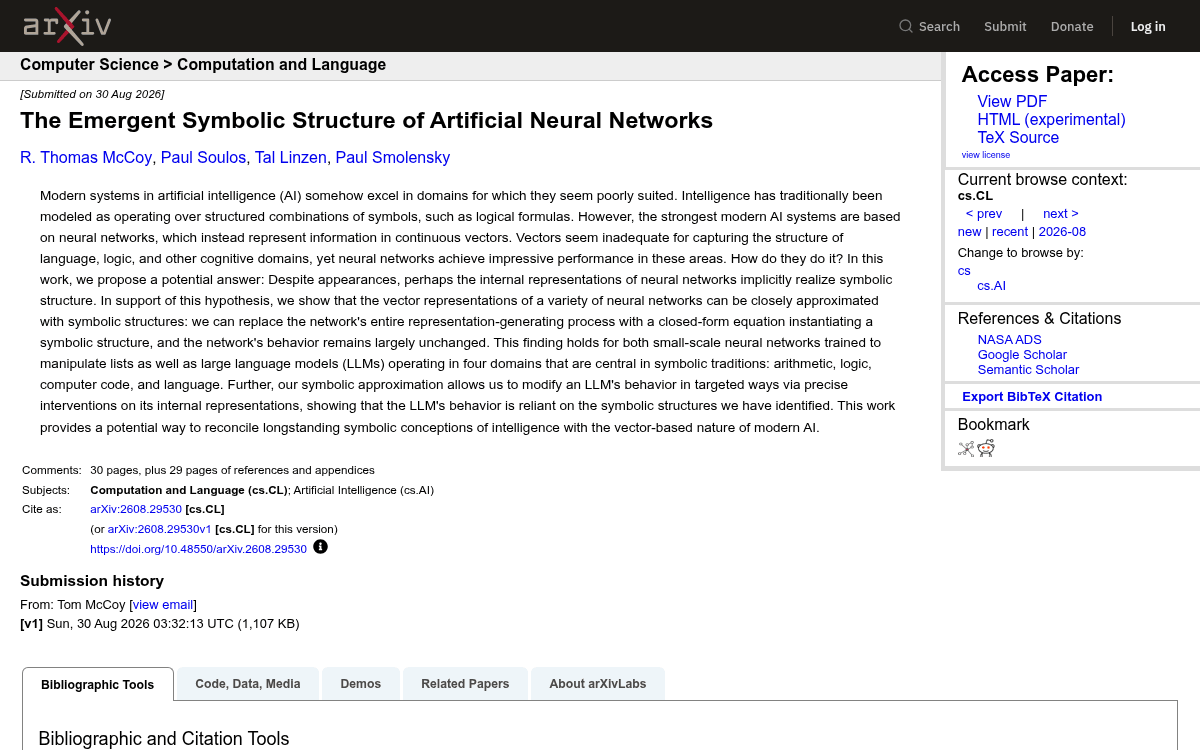
An 8-year interpretability project shows that LLM representations can be closely approximated by symbolic role-filler structures, enabling precise behavioral edits.
Alibaba's new all-in-one video model tops the Artificial Analysis editing leaderboard, generates 30 second 1080p clips with native audio, and accepts documents as input.
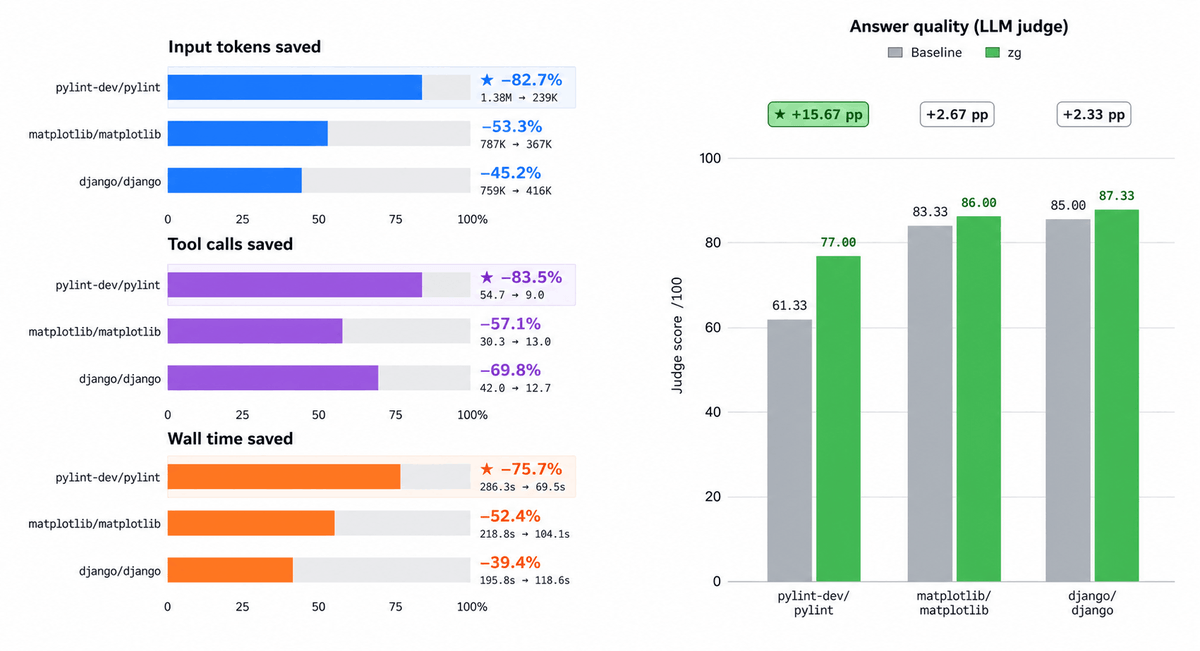
Alibaba's Zvec team open-sourced zg, a local-first CLI that fuses ripgrep, BM25, and vector search into one interface for humans and coding agents.
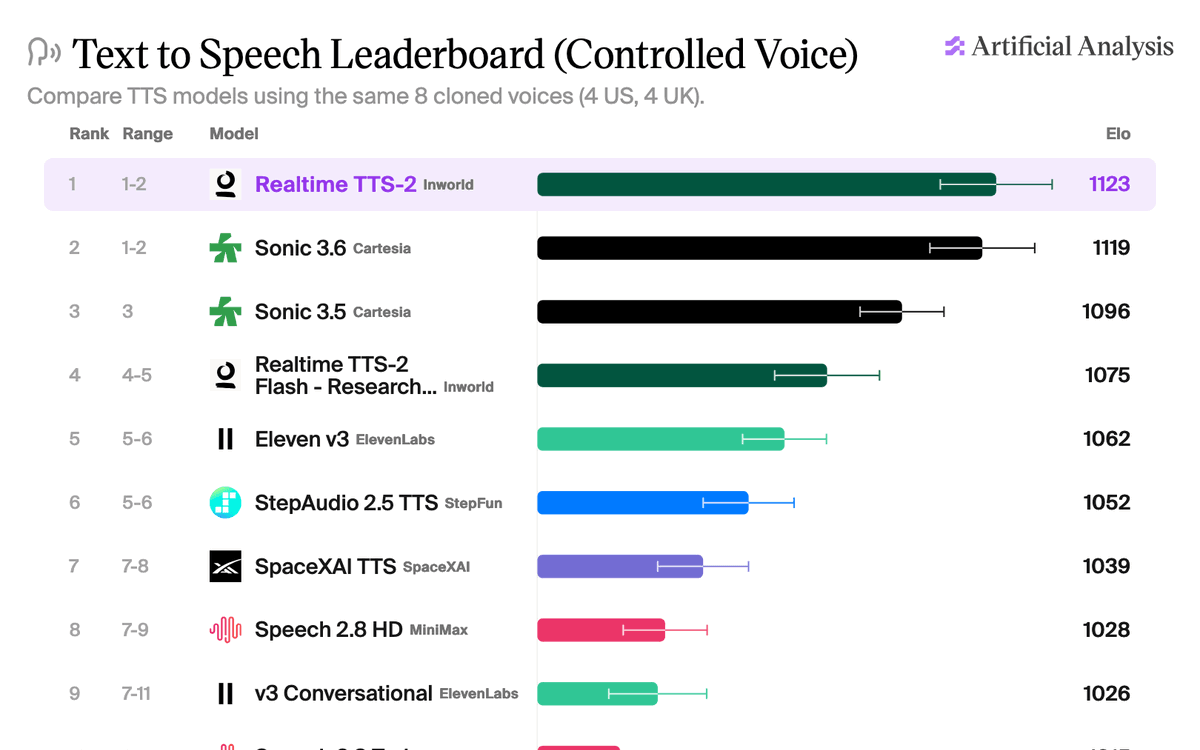
Inworld's Realtime TTS-2 unseats Cartesia Sonic 3.6 on the Controlled Voice Arena, delivering 100+ language coverage and plain-English delivery instructions at under half the price.
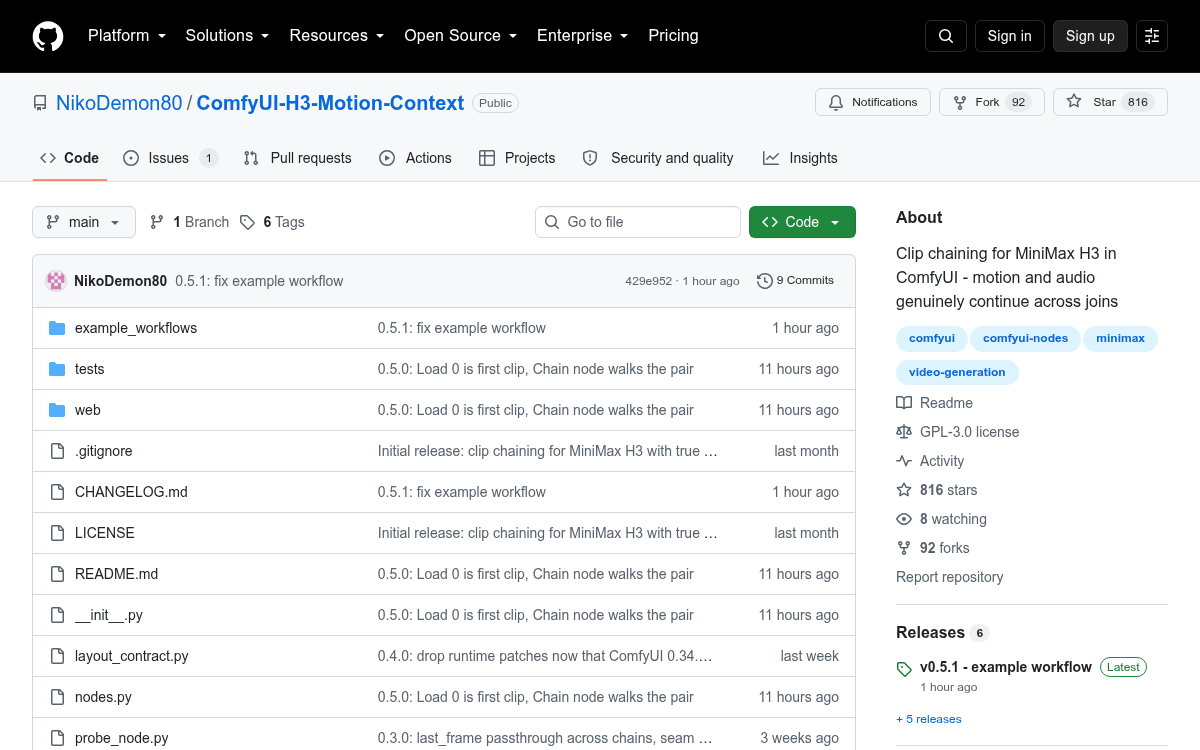
A ComfyUI custom node makes MiniMax H3 clips chain seamlessly by carrying motion and the exact audio waveform across cuts.
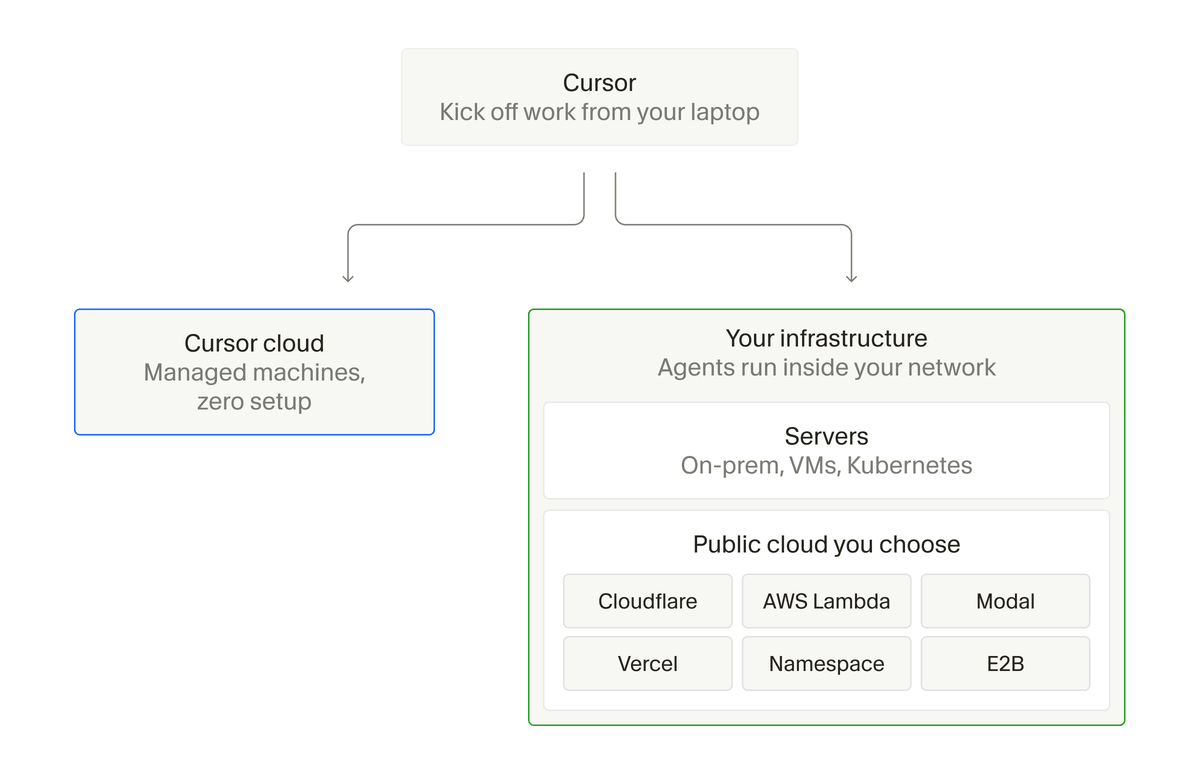
Cursor now lets teams run cloud coding agents on their own infrastructure or partnered sandbox providers, with auto-scaling worker pools.
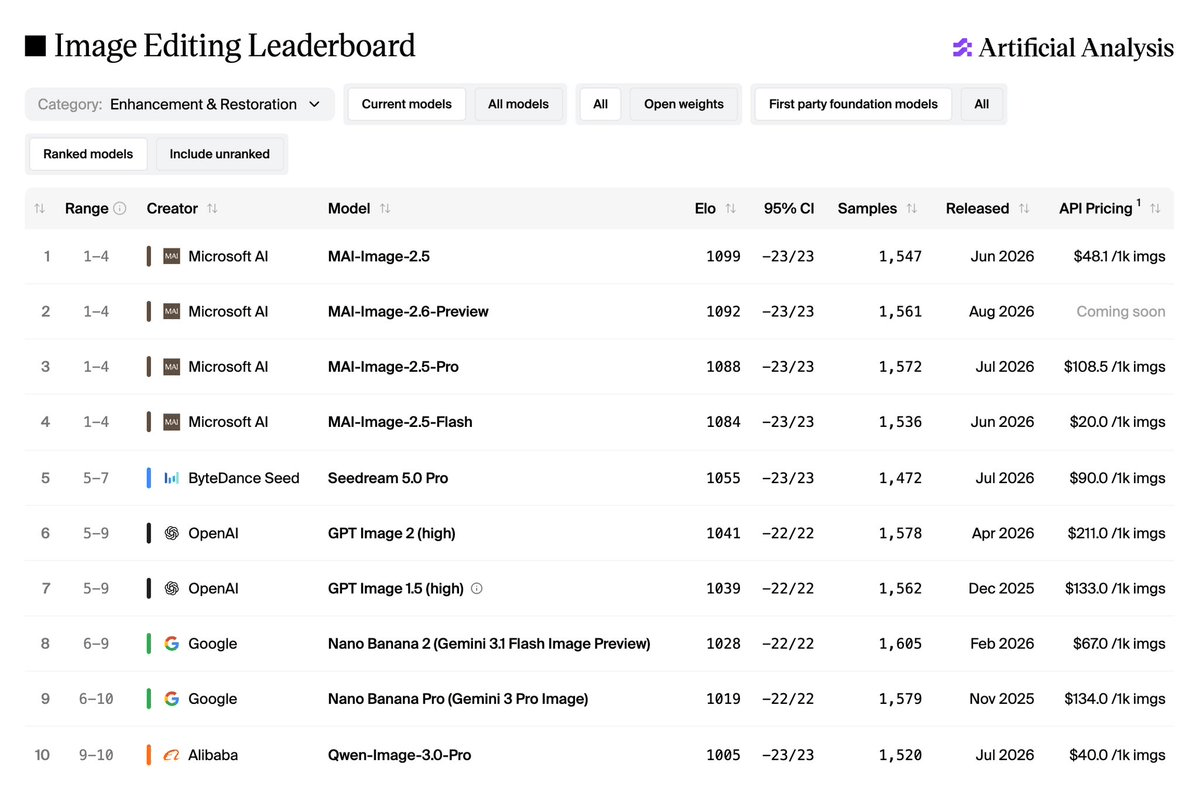
Artificial Analysis rebuilt its Image Editing Arena with a two-axis taxonomy of editing actions and use cases, revealing which model wins each specific task.
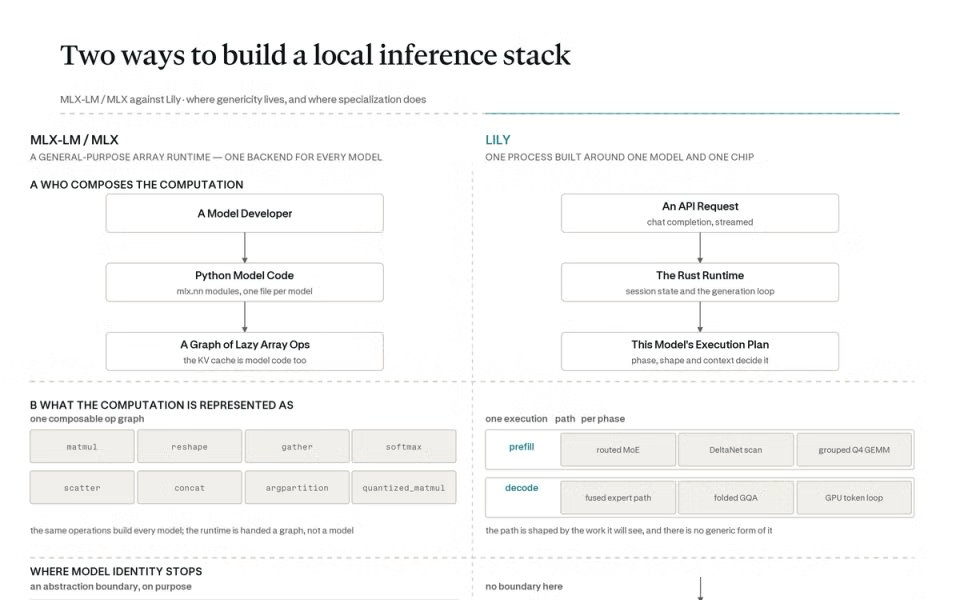
Perplexity open-sources Lily, a Metal-based inference engine tuned for Qwen3.6-35B-A3B that beats MLX-LM by 1.23x prefill and 1.35x decode on M5 Max.

Meta's latest agentic model trims tool calls by 20 percent and tokens by 25 percent while learning when to ask for help.

Anthropic open-sources a full commerce agent blueprint with shopping and merchant reference implementations, plus architectural guidance from production deployments driving 35% larger carts.
Android Studio now natively integrates Gemma 4 as its recommended local model, letting agent-mode coding run fully offline with zero quotas.
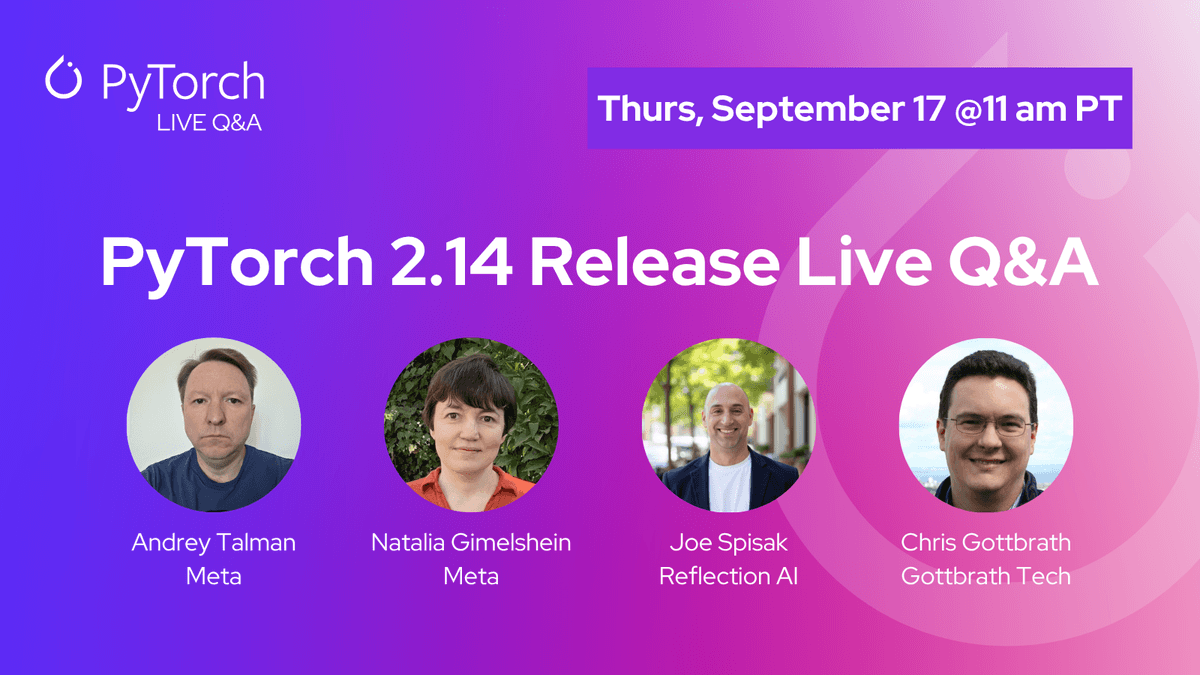
The latest PyTorch release ships NVGEMM CUTLASS kernels for Inductor, a rebuilt nccl2 backend, native Apple Silicon linear algebra, and first-class fault tolerance.
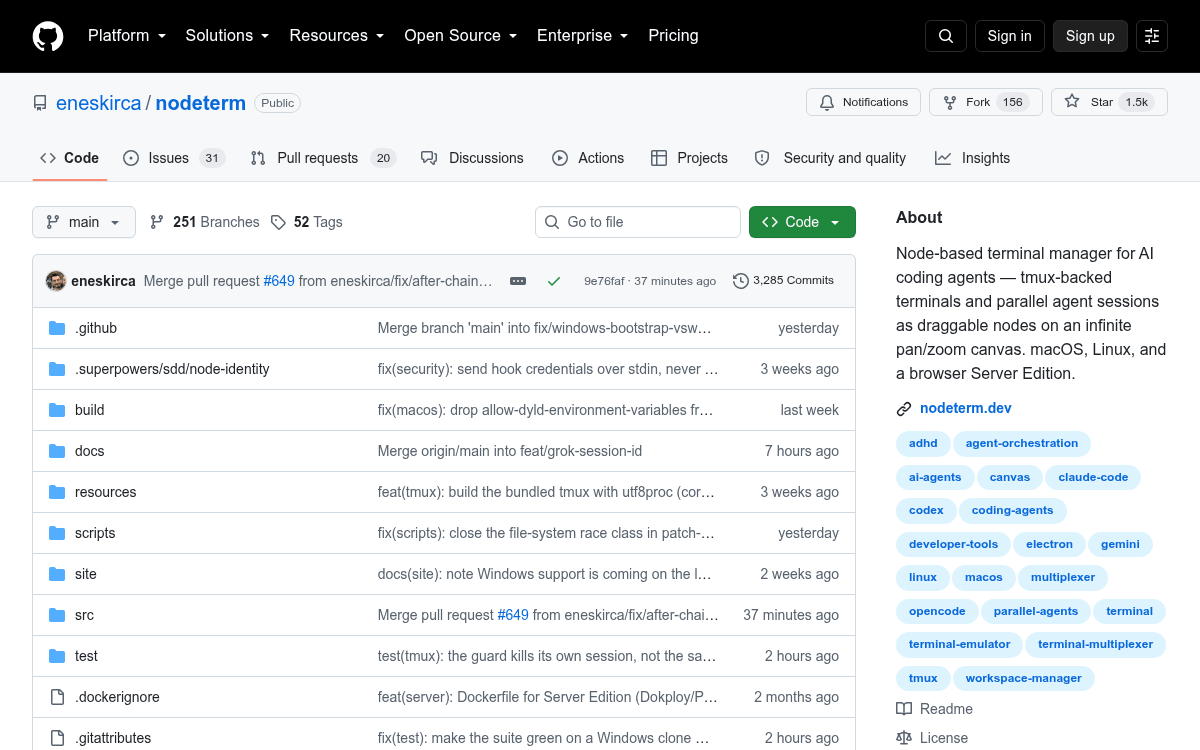
Nodeterm turns terminals and coding agents into draggable nodes on an infinite canvas, with tmux-backed sessions that survive reboots.