
Sarvam's Saaras v3 Powers Equal AI's 285M Monthly Indian Calls
Sarvam's Saaras v3 speech recognition now transcribes roughly 34 million audio minutes a month for Equal AI's call-screening assistant across nine Indian languages.
20 stories
Sarvam's Saaras v3 speech recognition now transcribes roughly 34 million audio minutes a month for Equal AI's call-screening assistant across nine Indian languages.
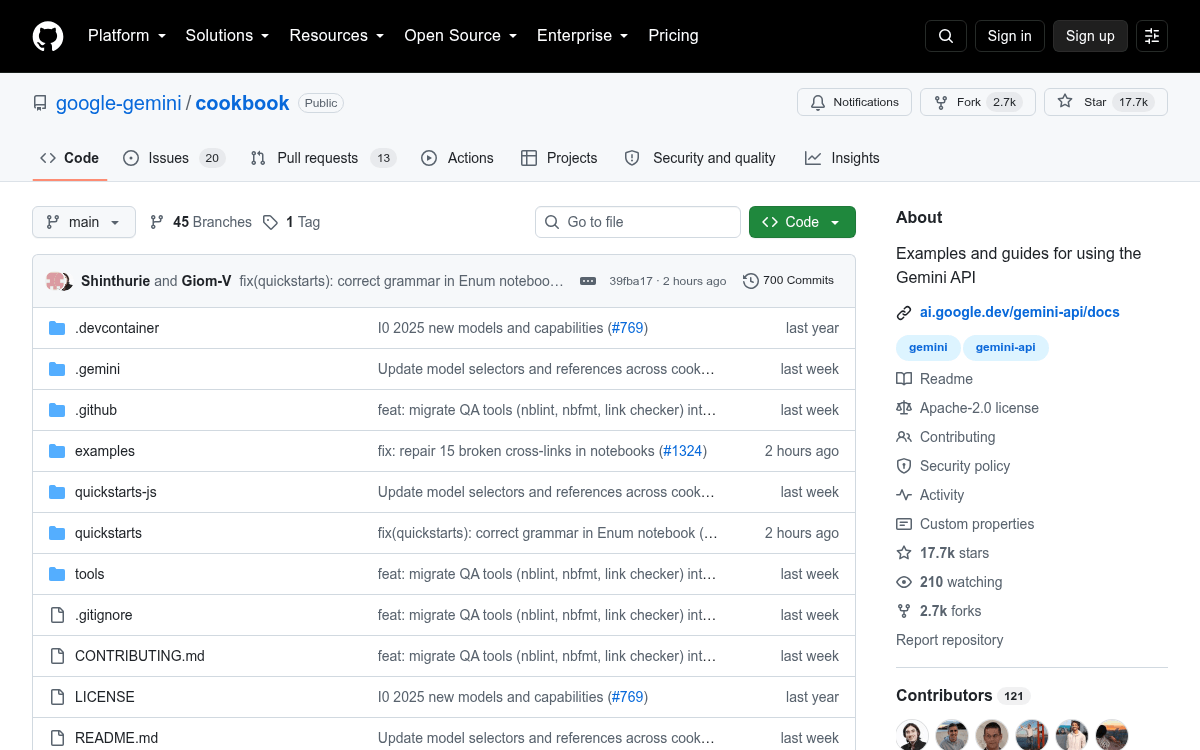
Google's official Gemini cookbook picked up a new Webhooks quickstart notebook showing how to swap polling for real-time push notifications on long-running jobs.

Ornith releases a 397B mixture-of-experts model that matches Claude Opus 4.8 on agentic coding, trained through a self-improvement loop.
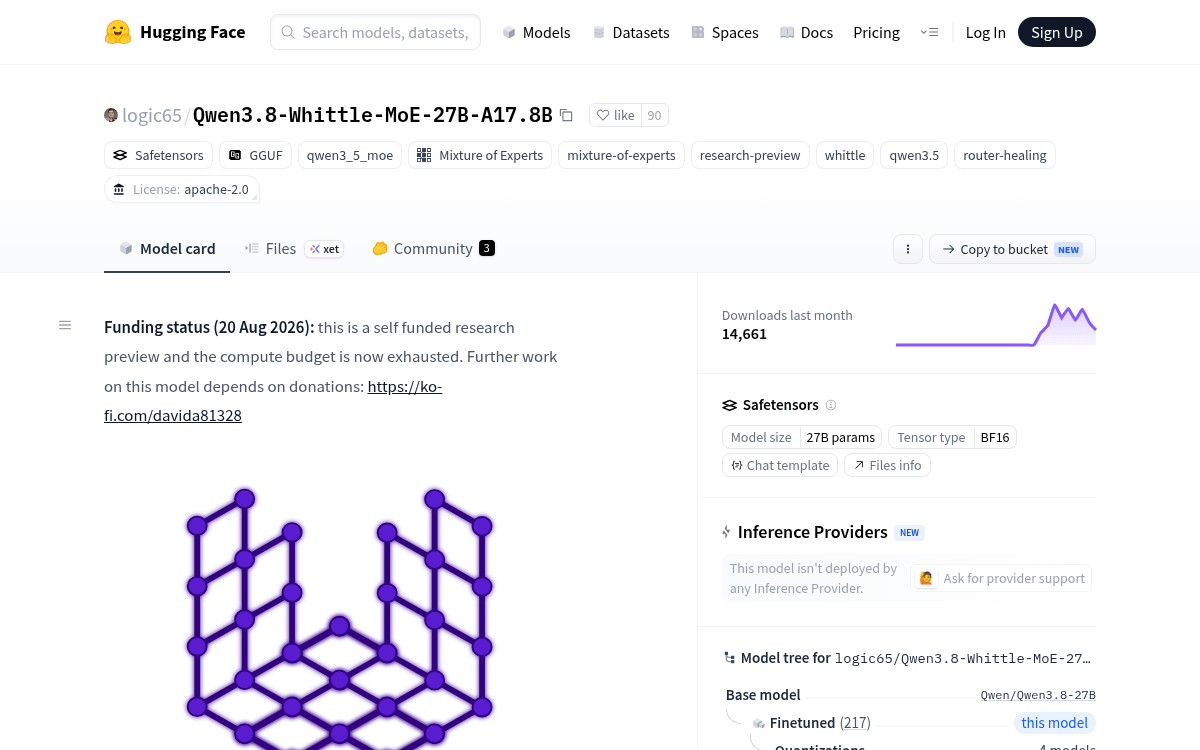
A solo researcher carved Qwen3.8-27B into a 64-expert MoE by only training the routers, recovering knowledge without touching a single expert weight.
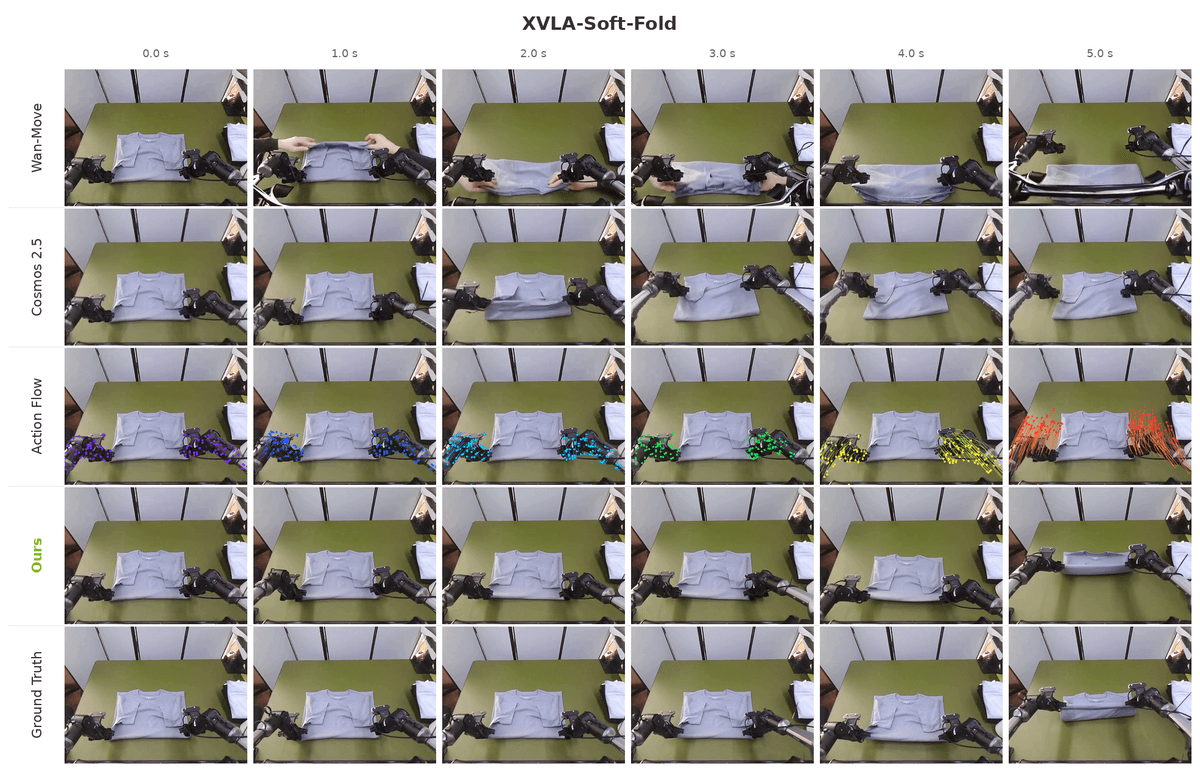
A research team proposes representing robot actions as pixel-space motion, letting one world model learn from human, single-arm, and bimanual data alike.
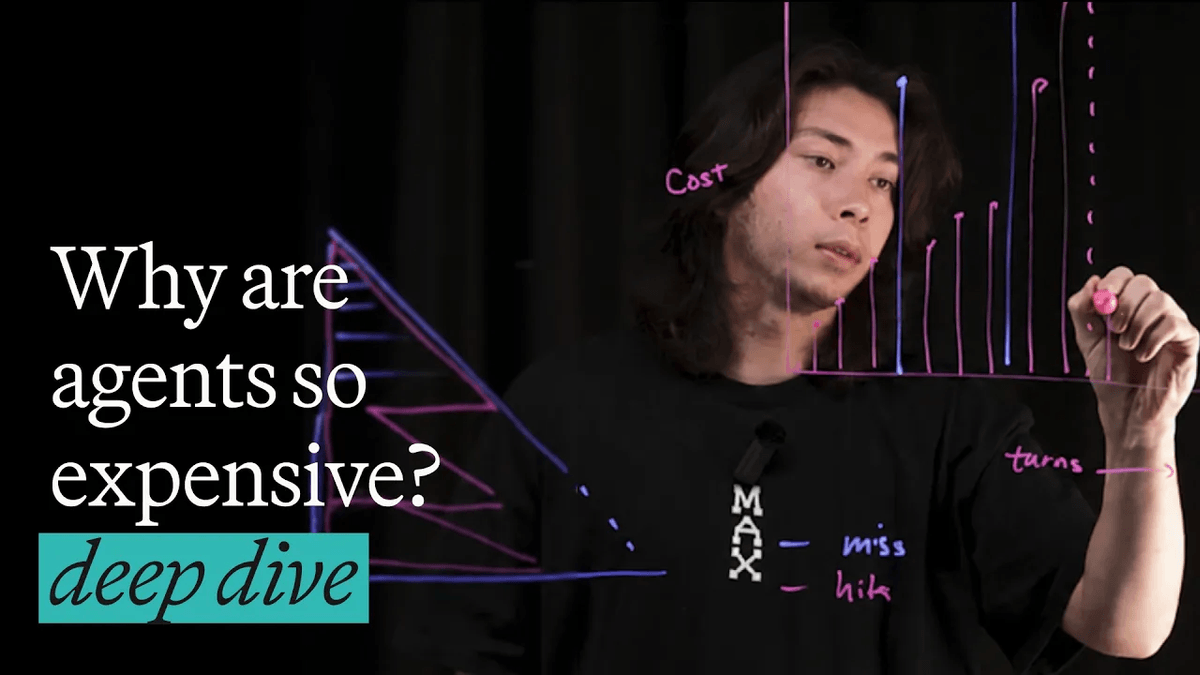
Agent Arena split its leaderboard into Code, Chat, and Work categories and added per-task cost, revealing a different #1 model in each lane.
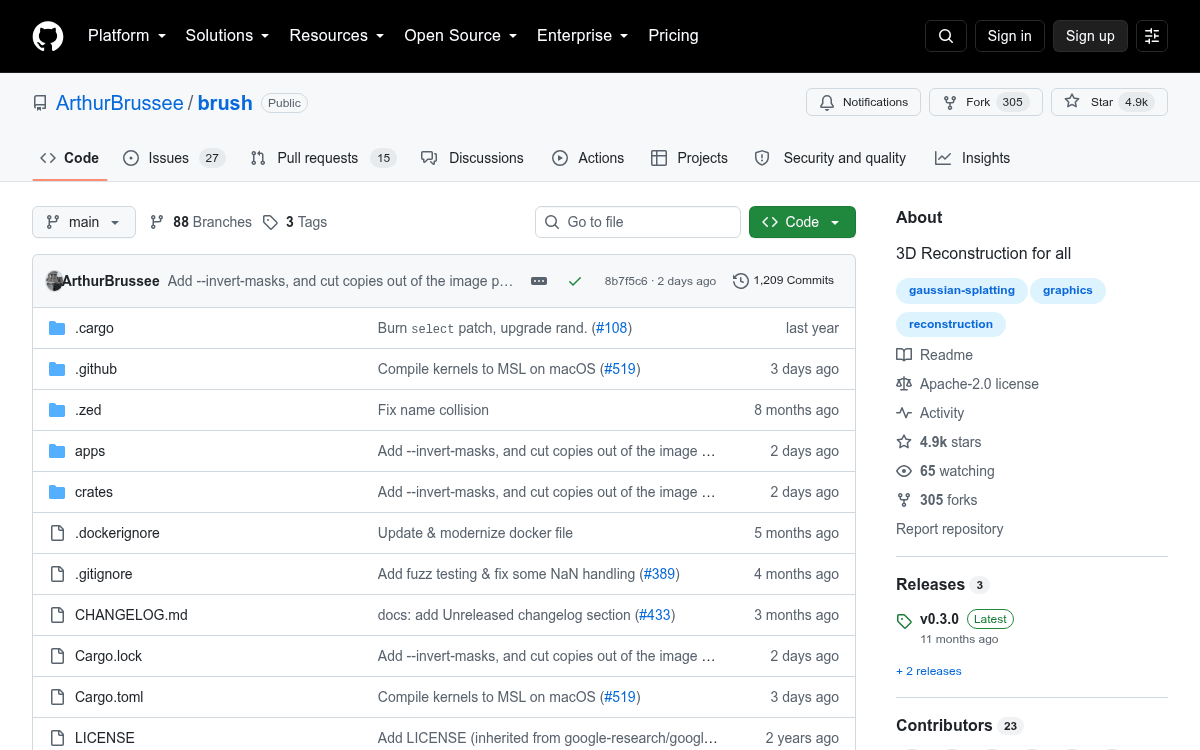
Brush is an open-source Gaussian splatting engine that trains and renders 3D scenes on any GPU, any OS, and even in a browser without CUDA.
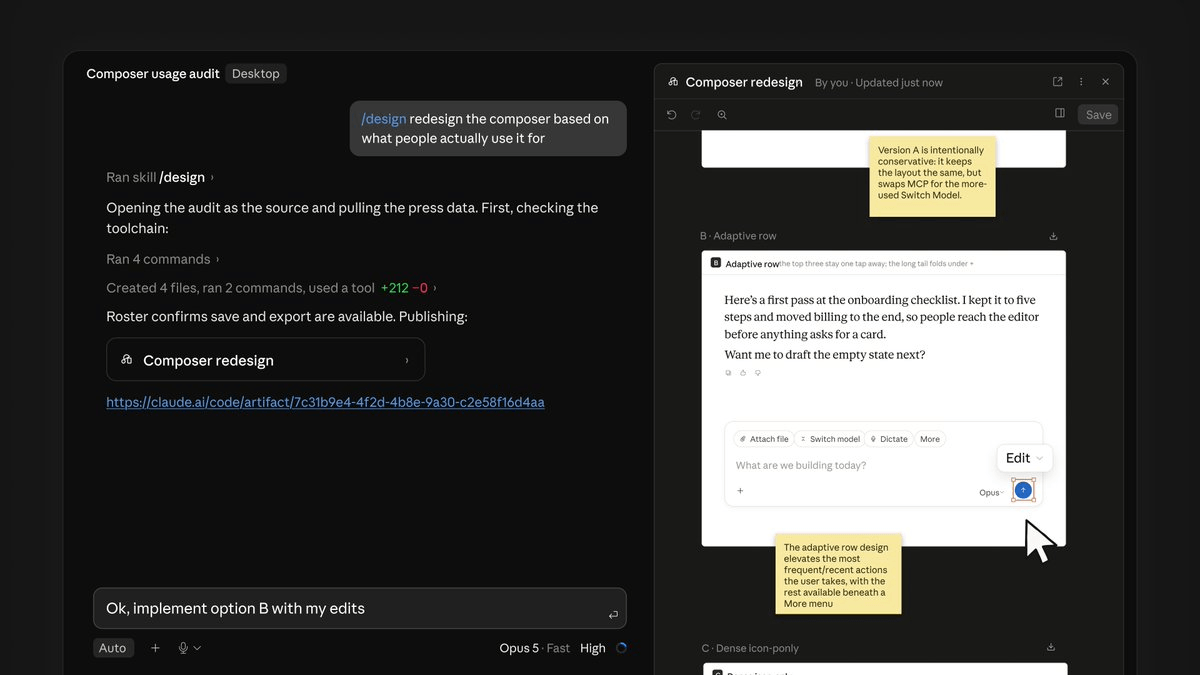
The new /design skill inside Claude Code generates multiple editable UI mockups as artboards, then hands the chosen one off to code implementation.
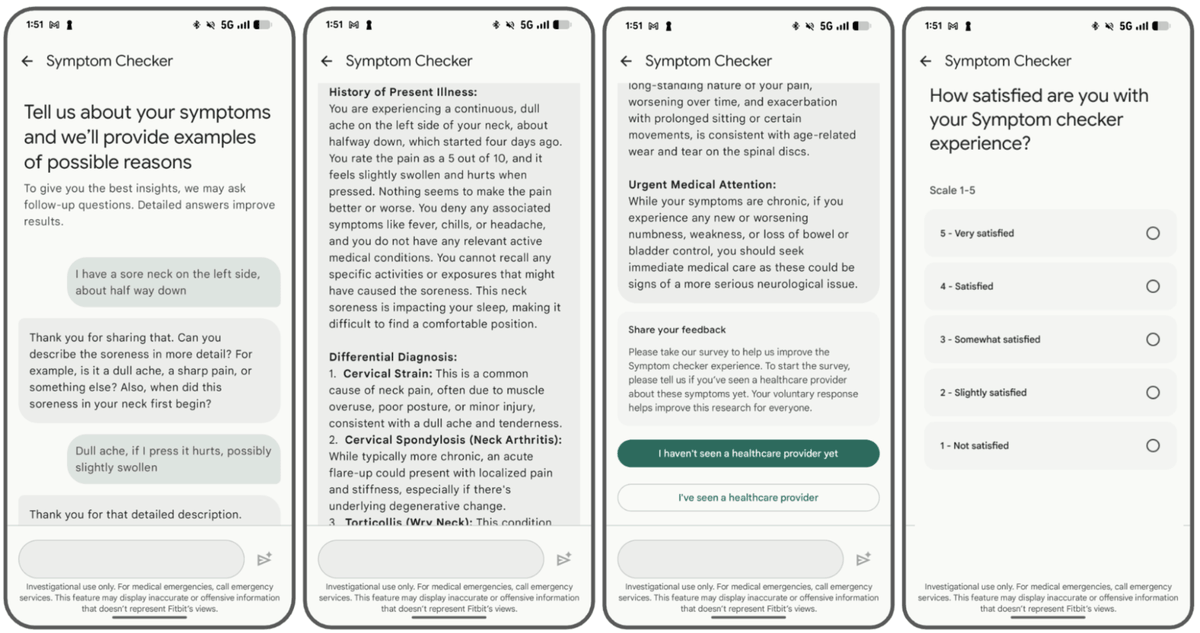
Google Research introduces PhotoScan, a deep learning system that estimates body fat distribution from smartphone photos and predicts insulin resistance almost as accurately as DXA scans.
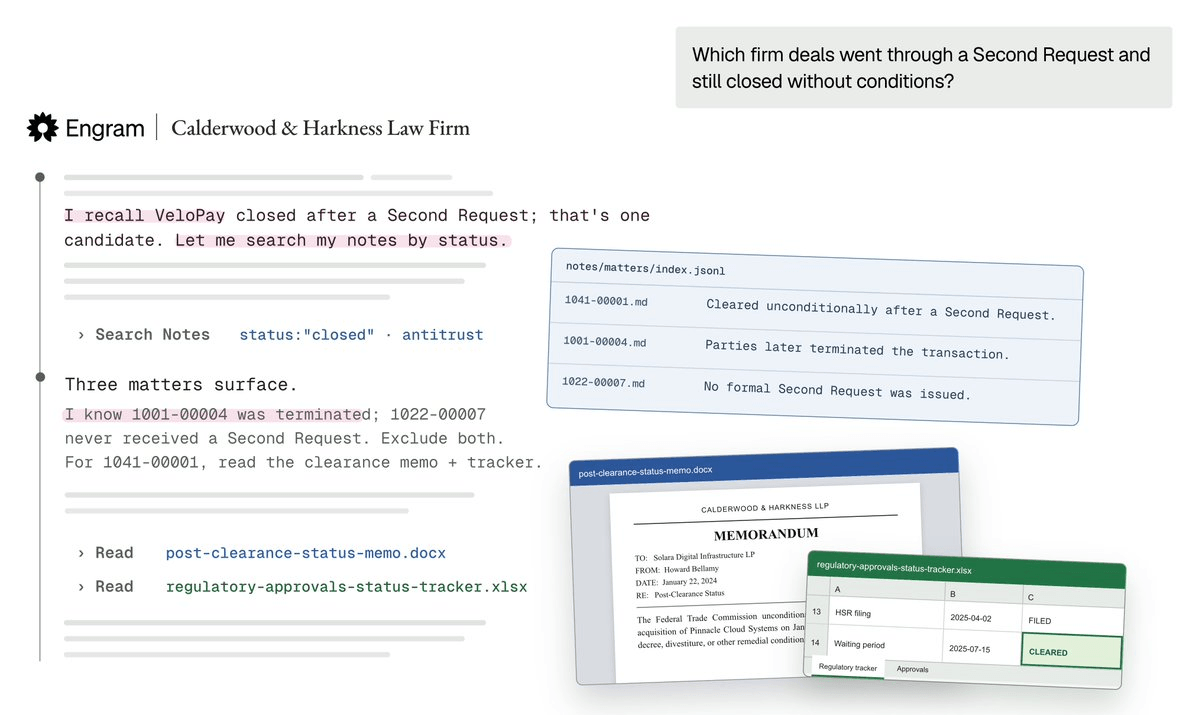
Engram's first research report shows agents that study a law firm ahead of time can beat Opus 4.8 while using 10x less budget per query.
Nous Research turned Hermes Desktop into a multi-agent workspace where specialist bots hold their own memory, models, and hand off tasks by @mention.
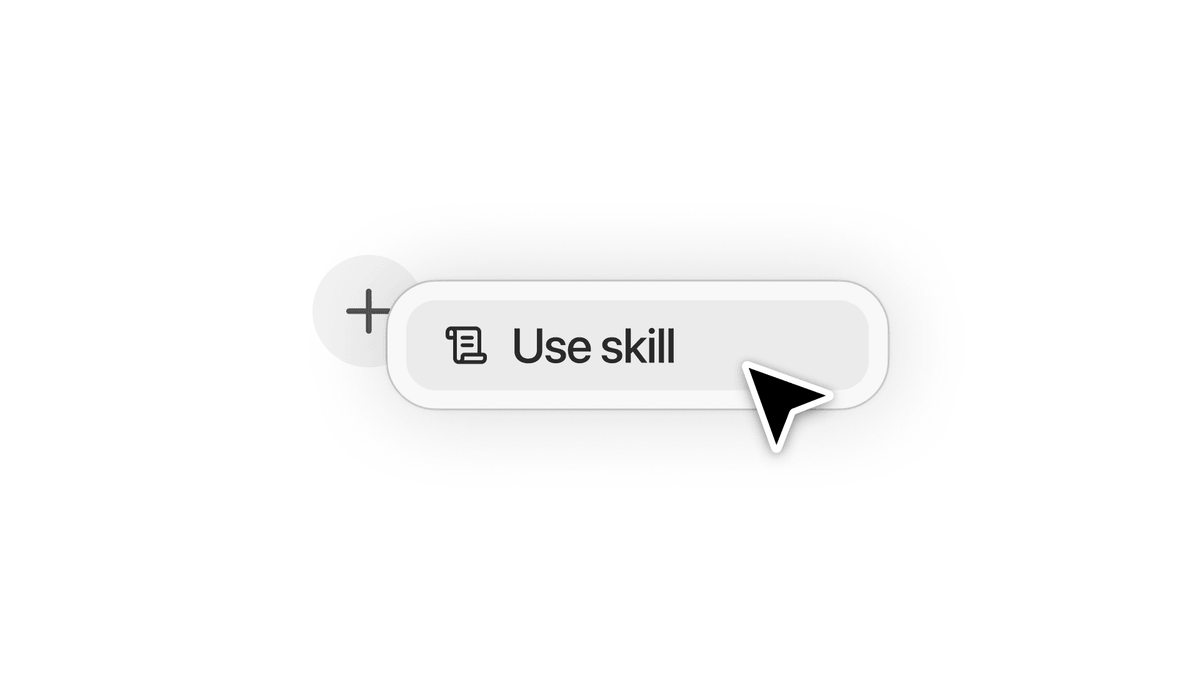
LM Studio's Bionic agent now creates, installs, and invokes reusable SKILL.md packages, sharing the same skill library used by Claude Code and Codex.
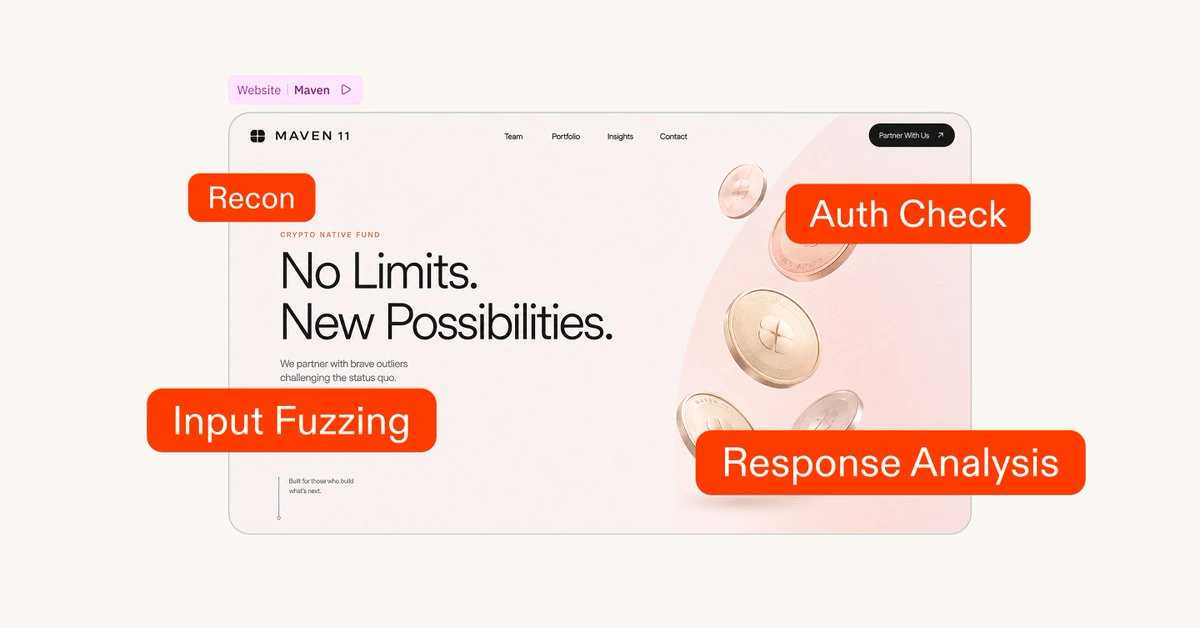
Replit's new black-box pen tests probe deployed apps from the outside like real attackers, complementing existing source-code scans with one-click Agent fixes.
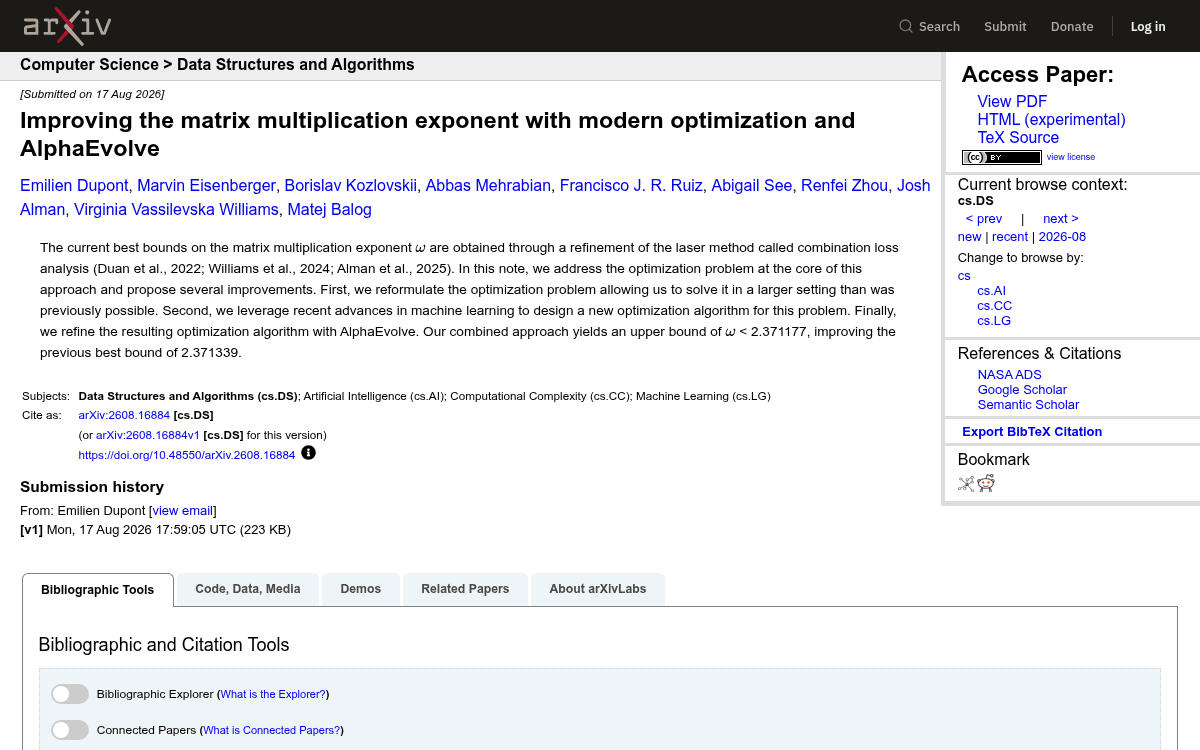
A team from DeepMind, CMU, Columbia, and MIT tightened the theoretical upper bound on matrix multiplication's exponent using gradient-based optimization and AlphaEvolve.
How the industry is shifting from prompt engineering to systems engineering to secure the autonomous stack.
Higgsfield's 15-minute short KÖK BÖRÜ landed at SIGGRAPH with every prompt, asset, and pipeline detail open-sourced to fuel a $1M film contest.

Browser-use just open-sourced a six-primitive Python harness that hands an LLM direct control of macOS without app-specific tools or wrappers.
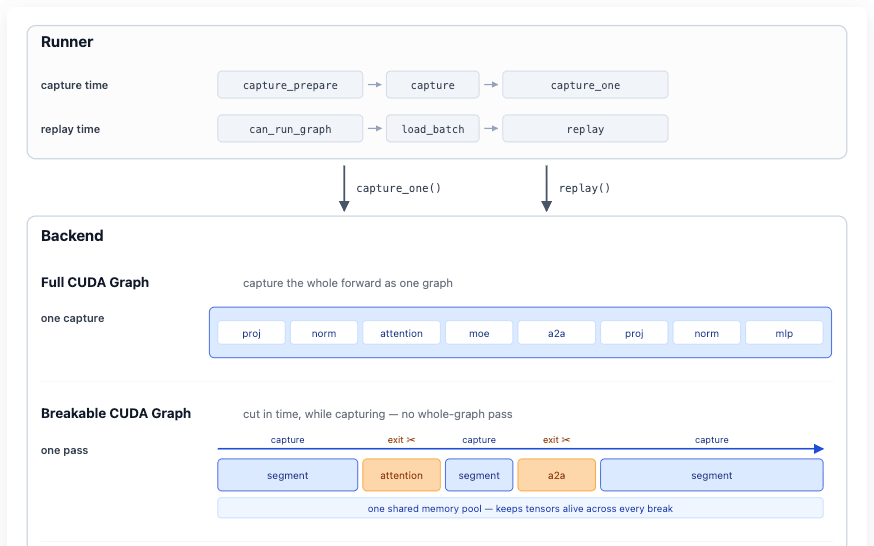
SGLang and Meta rebuilt CUDA Graph support around a runner/backend split, delivering faster startup, broader kernel compatibility, and up to 1.93x prefill speedup.
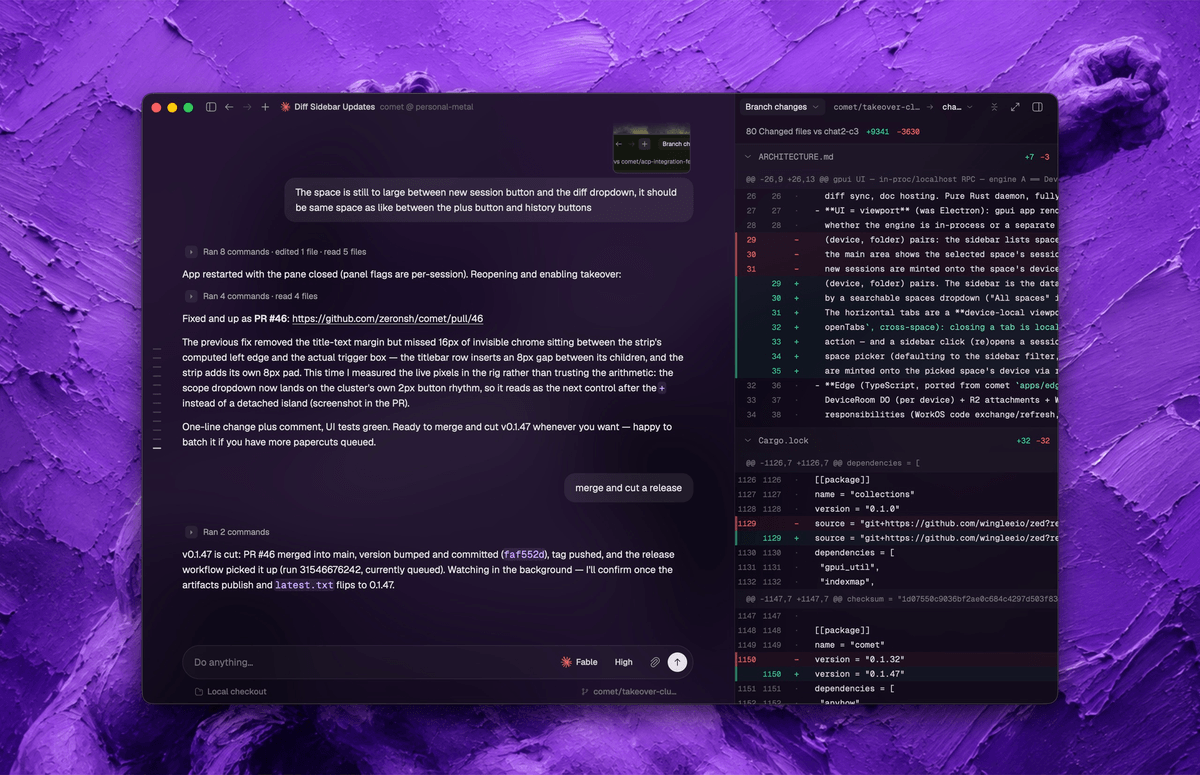
A Rust and gpui project lets you drive Claude Code and Codex sessions from any device, with CRDT sync keeping agents running after your laptop closes.
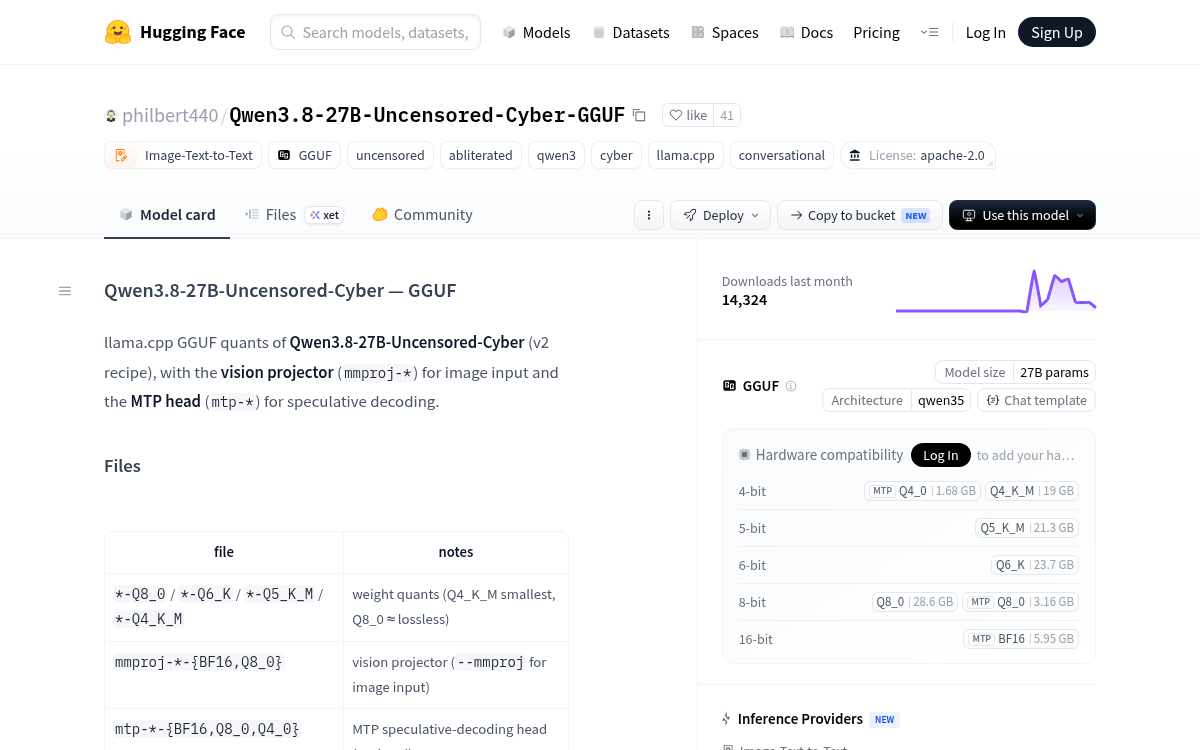
A 27B Qwen3.8 finetune strips refusals on cybersecurity questions while keeping vision and speculative decoding intact, shipped as llama.cpp quants.