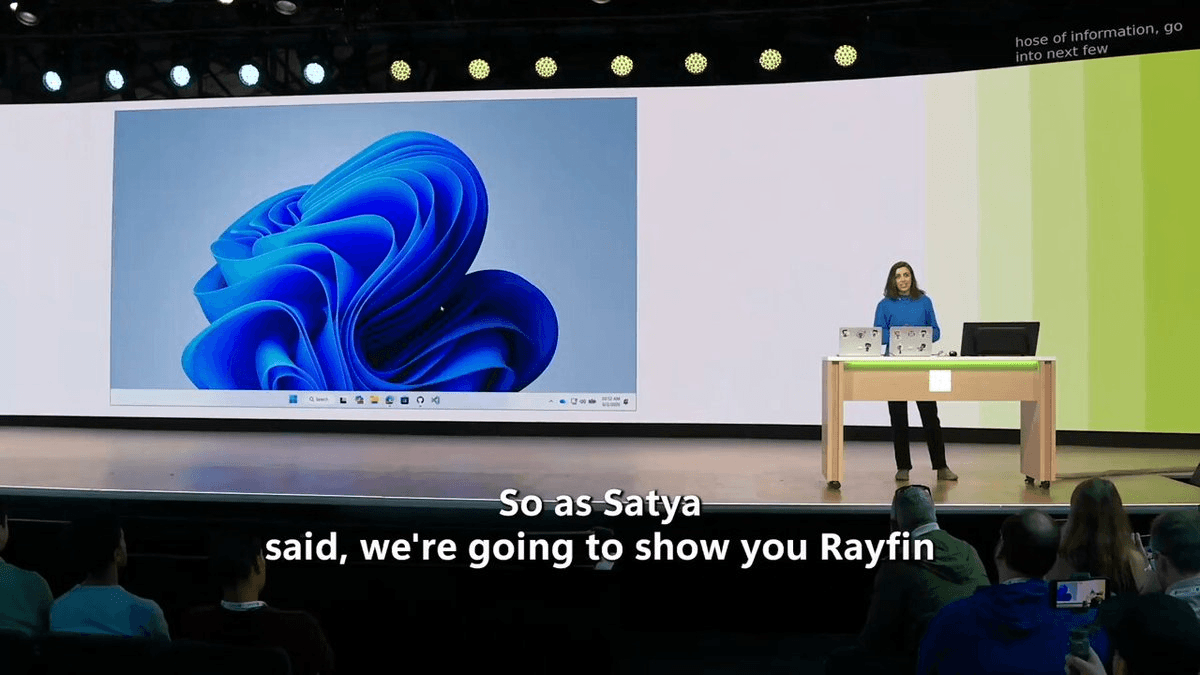
Microsoft AI's first full-stack lineup spans reasoning, code, image, voice and transcription, trained from scratch on Maia 200 silicon with no distillation.
An internal OpenAI reasoning model autonomously cracked the planar unit distance problem, an open question Erdős posed in 1946, using algebraic number theory.
Factory's new Router automatically picks the best LLM per task and fails over across providers, cutting token spend 20-25% while keeping sessions alive.
OpenAI folds content safety signals directly into Responses and Completions, removing the need for a separate moderation call before or after generation.
Microsoft's new text-to-speech model jumps from English-only to 15 languages, beats its predecessor 72% of the time, and fools listeners on speaker identity.
OpenAI's Build iOS Apps plugin brings a live simulator, SwiftUI previews, and hot reload directly into Codex — closing the iOS dev feedback loop without leaving the agent.
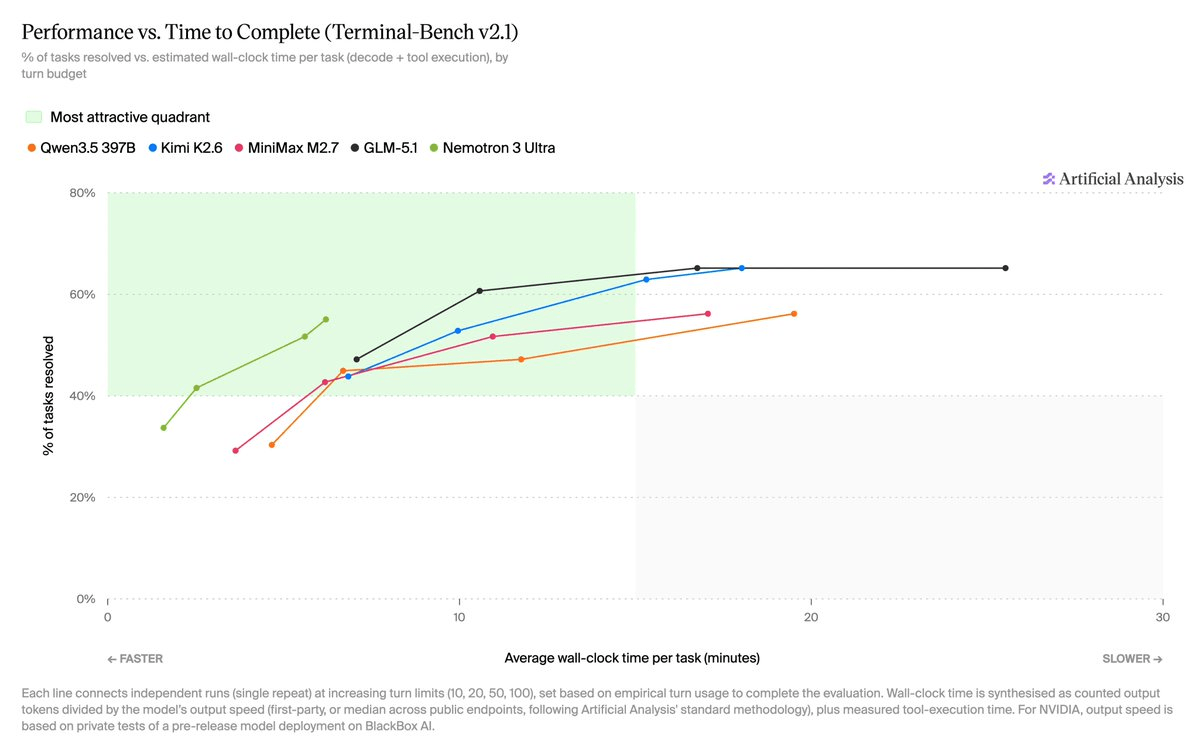
NVIDIA's Nemotron 3 Ultra is the most capable open-weight model from a US lab, delivering 5x faster inference than rivals at 30% lower cost for agentic workloads
A new regret metric called RP-Regret enables agents to reason about adaptive opponents in repeated games, unlocking cooperative equilibria that standard external regret cannot reach
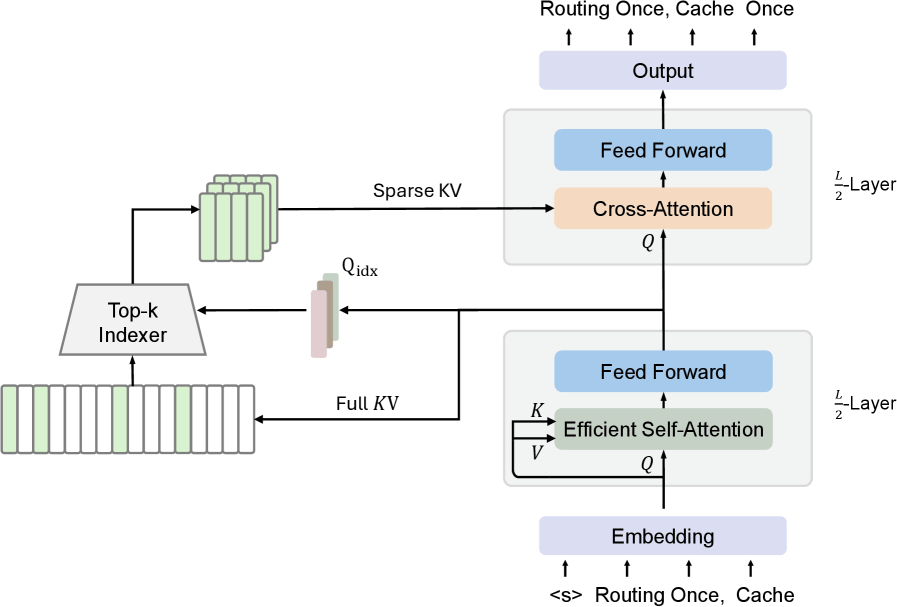
Microsoft Research's CLSA architecture computes sparse attention routing once and shares it across all decoder layers, hitting 17.1x throughput gains at 128K context with near-zero quality loss.
Pika's new Group Chat feature lets a single AI agent join shared conversations with friends, family, or teammates — generating media and completing tasks in real time
Google's NotebookLM team published a Sherlock Holmes themed notebook that reframes studying as detective work, showing how persona prompting can transform passive review into an interactive deduction game.
Unsloth releases GGUF-quantized versions of NVIDIA's 550B Nemotron 3 Ultra, making the fastest US open-weight frontier model runnable locally for the first time.




 Pro