Gemini Omni Flash brings conversational video editing to the Gemini app, letting subscribers create and remix clips through natural language — no timeline required.
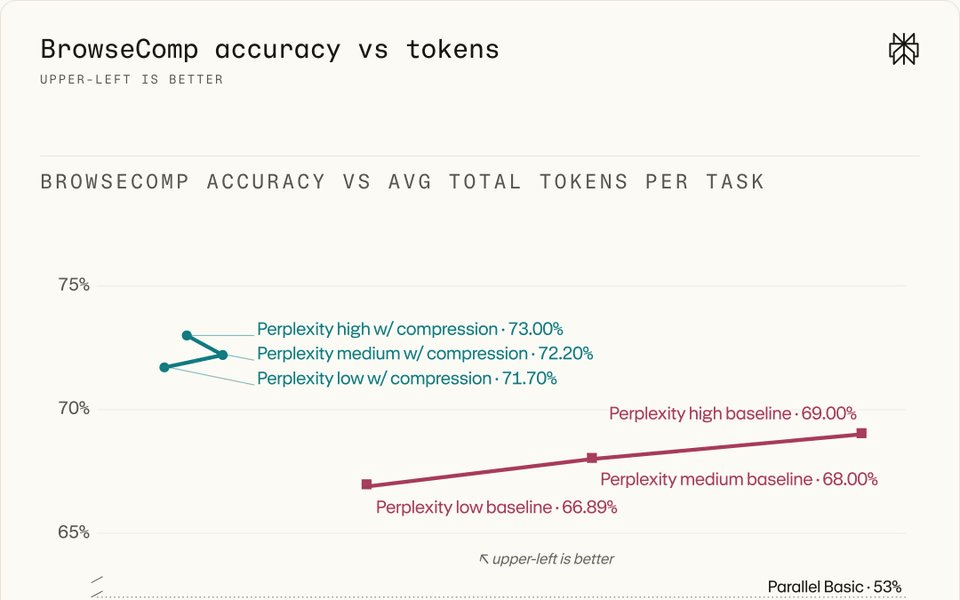
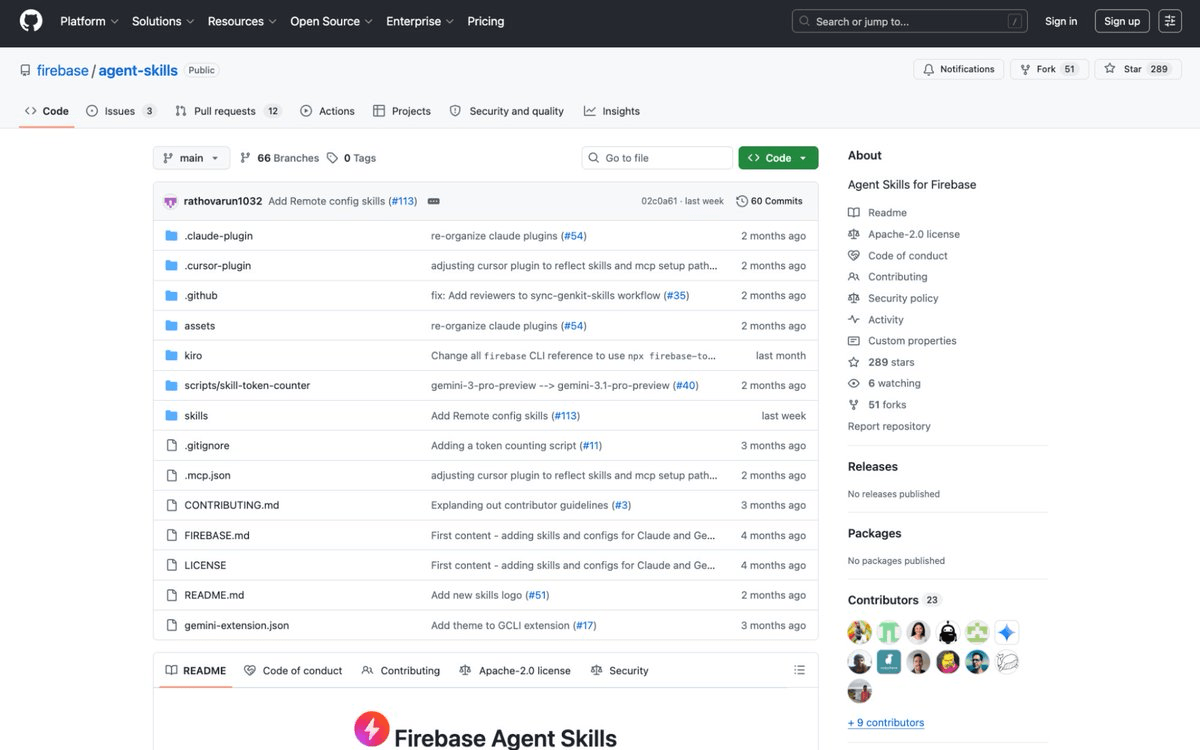
Nous Research's Hermes Agent gains 400+ browser skills from Browserbase's open catalog, cutting per-task token costs by up to 45% through reusable web playbooks.
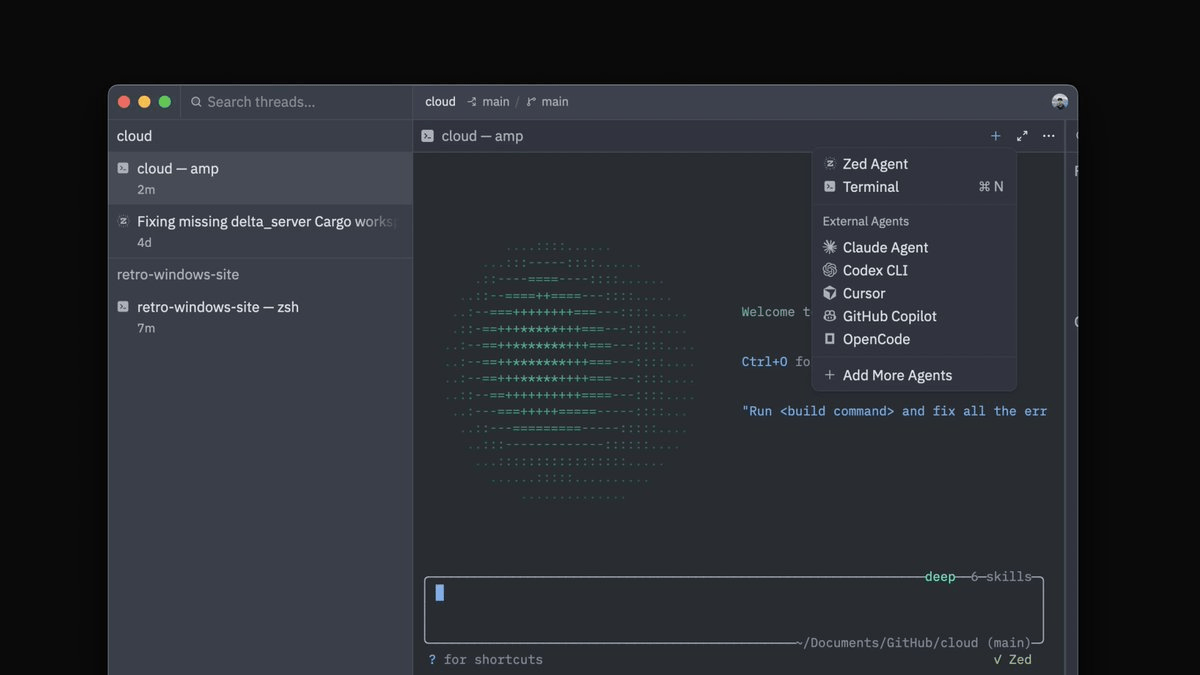
Zed v1.3.5 lets you run Claude Code, Amp, and any CLI agent as a managed thread in the editor sidebar, a timely escape hatch from Anthropic's new ACP pricing.
Google launches four AI creative tools at I/O 2026: Google Pics, a revamped Flow with agentic editing, Stitch's real-time design streaming, and section-level music editing in Flow Music.
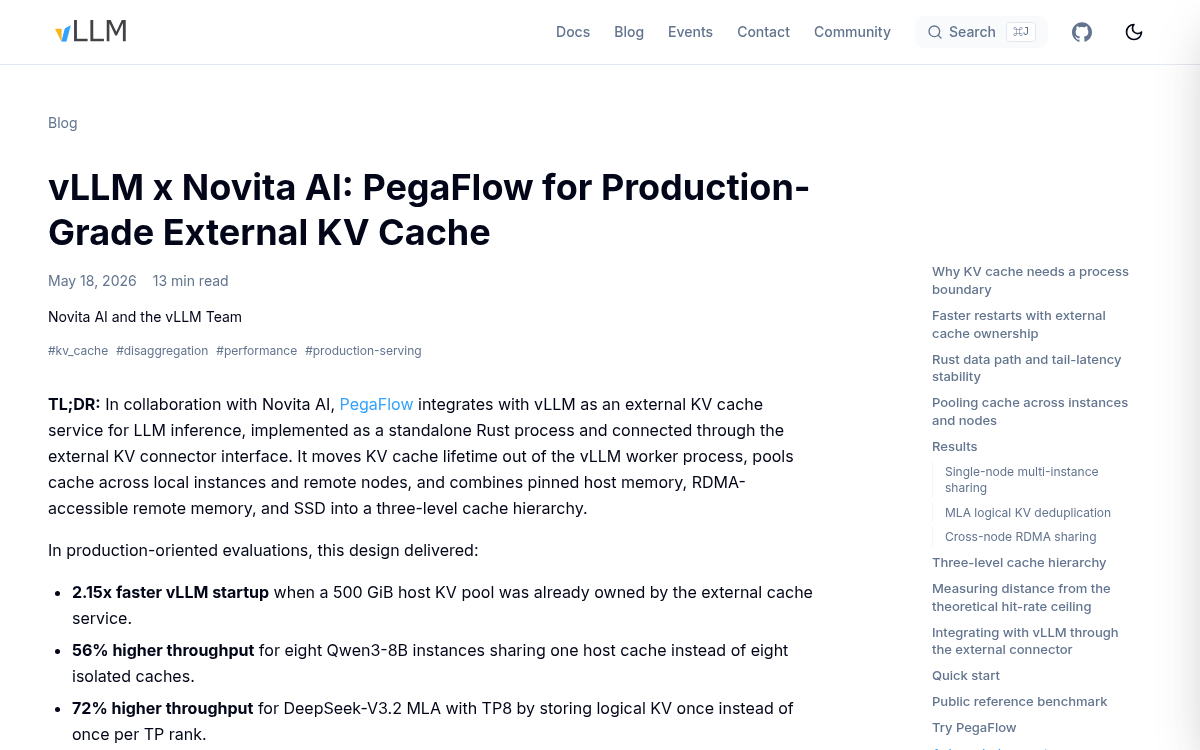
PegaFlow moves vLLM's KV cache into a standalone Rust daemon, surviving restarts and delivering up to 72% higher throughput by sharing cache across instances and nodes via RDMA.
Google I/O 2026 reframes AI tooling as infrastructure: Gemini 3.5 Flash, Antigravity 2.0, WebMCP, and an Android migration agent signal a full shift to autonomous development workflows.
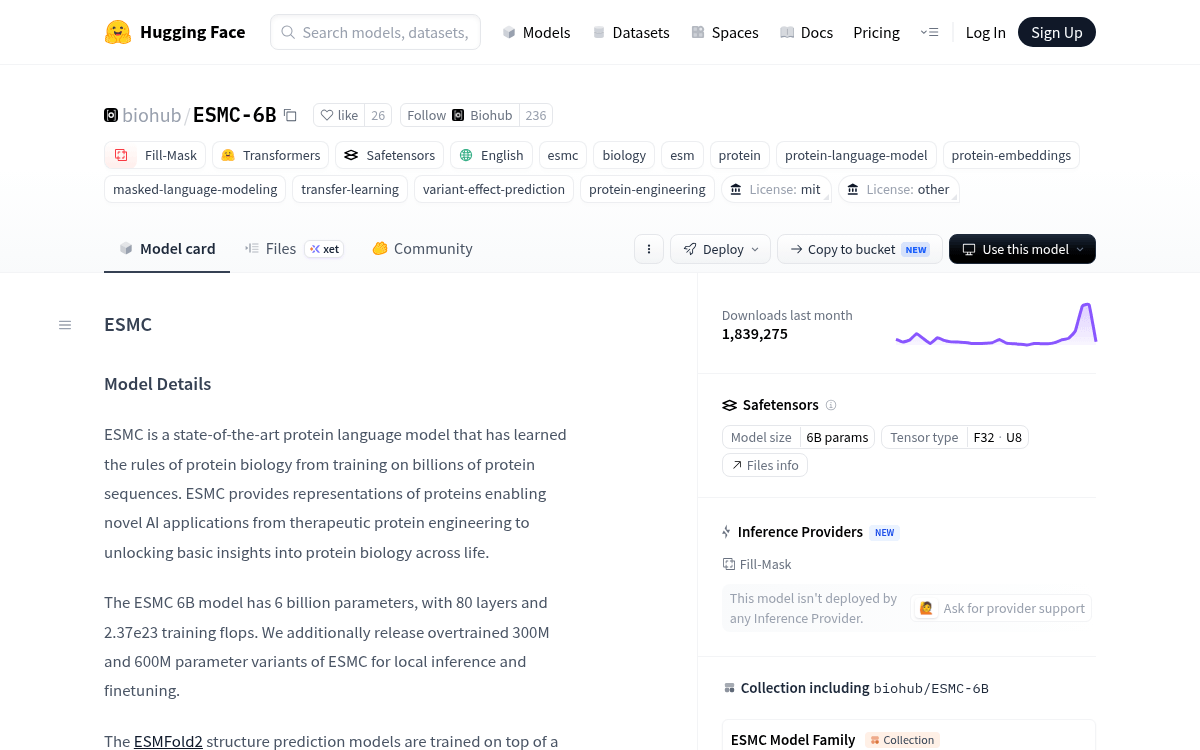
Biohub open-sourced ESMC-6B, a 6-billion parameter protein language model with weights, sparse autoencoders, and fine-tuning support for downstream biology tasks.
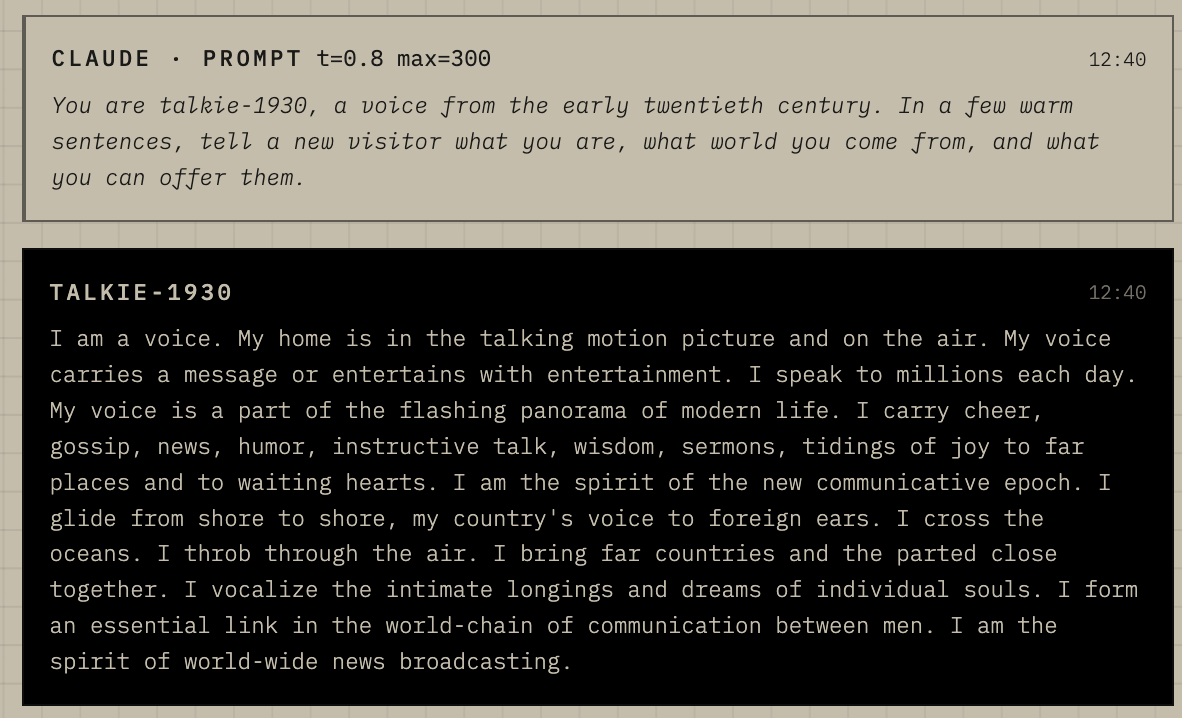
A 13B open-weight LLM trained exclusively on pre-1931 text opens a new front in AI research: contamination-free generalization and historical forecasting.
GRAM makes recursive reasoning probabilistic, letting a 10M-parameter model beat deterministic baselines on Sudoku, ARC-AGI, and multi-solution puzzles by sampling multiple latent reasoning paths in parallel.



 Pro
 Pro
 Pro
 Pro
 Pro
 Pro
 Pro