
Pro
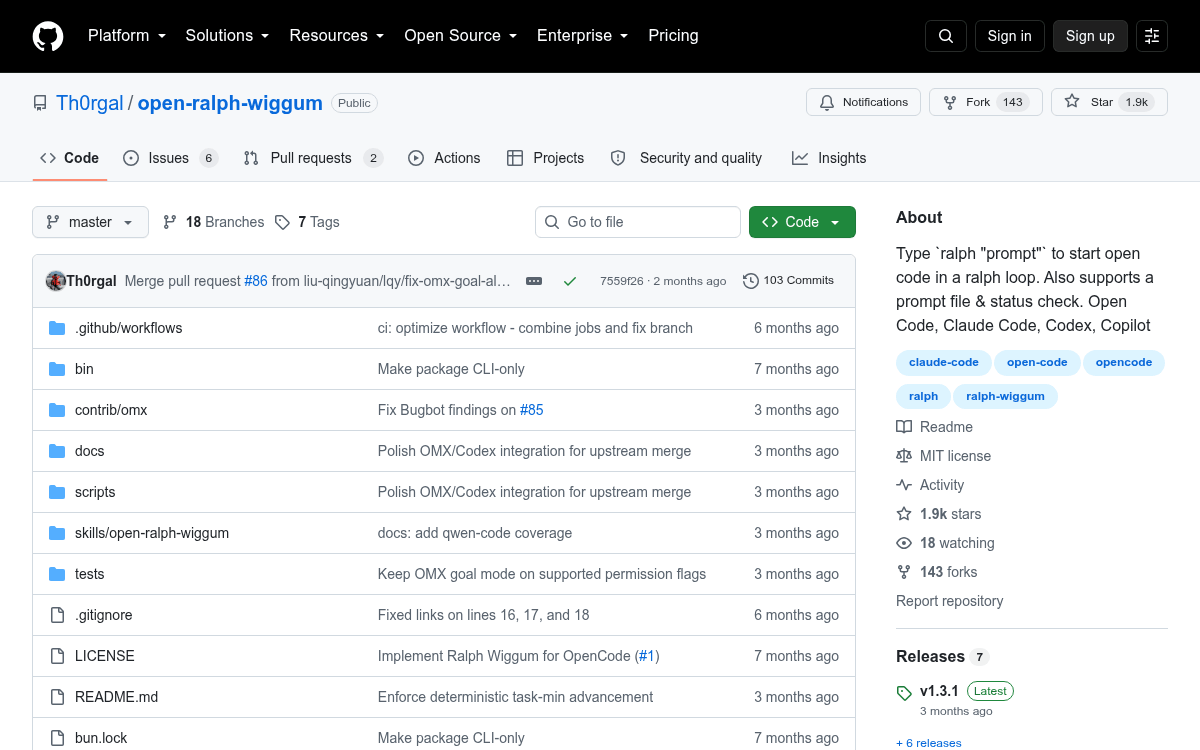
Open Ralph Wiggum Lets AI Coding Agents Loop Overnight Without Babysitting
open-ralph-wiggum wraps Claude Code, Codex, Copilot, and more in an autonomous retry loop that keeps coding until tests pass
20 stories
open-ralph-wiggum wraps Claude Code, Codex, Copilot, and more in an autonomous retry loop that keeps coding until tests pass
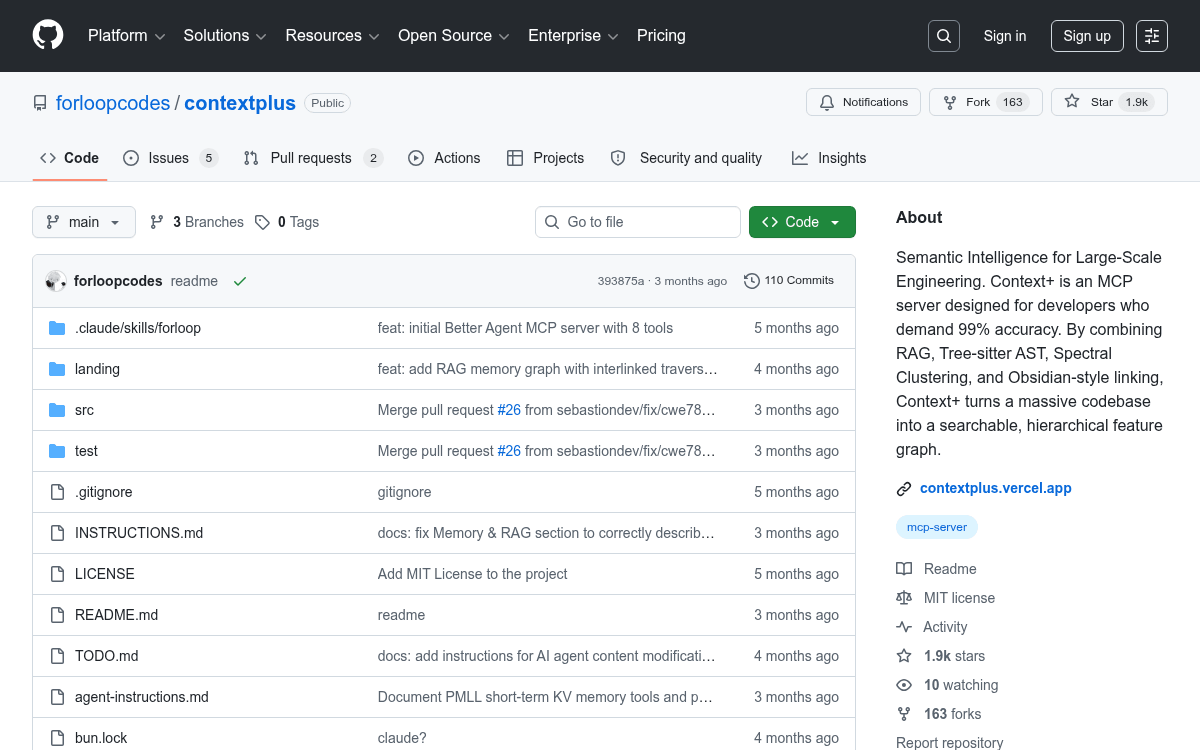
Context+ is a free, open-source MCP server that turns any large codebase into a semantic graph your AI agent can actually navigate accurately.
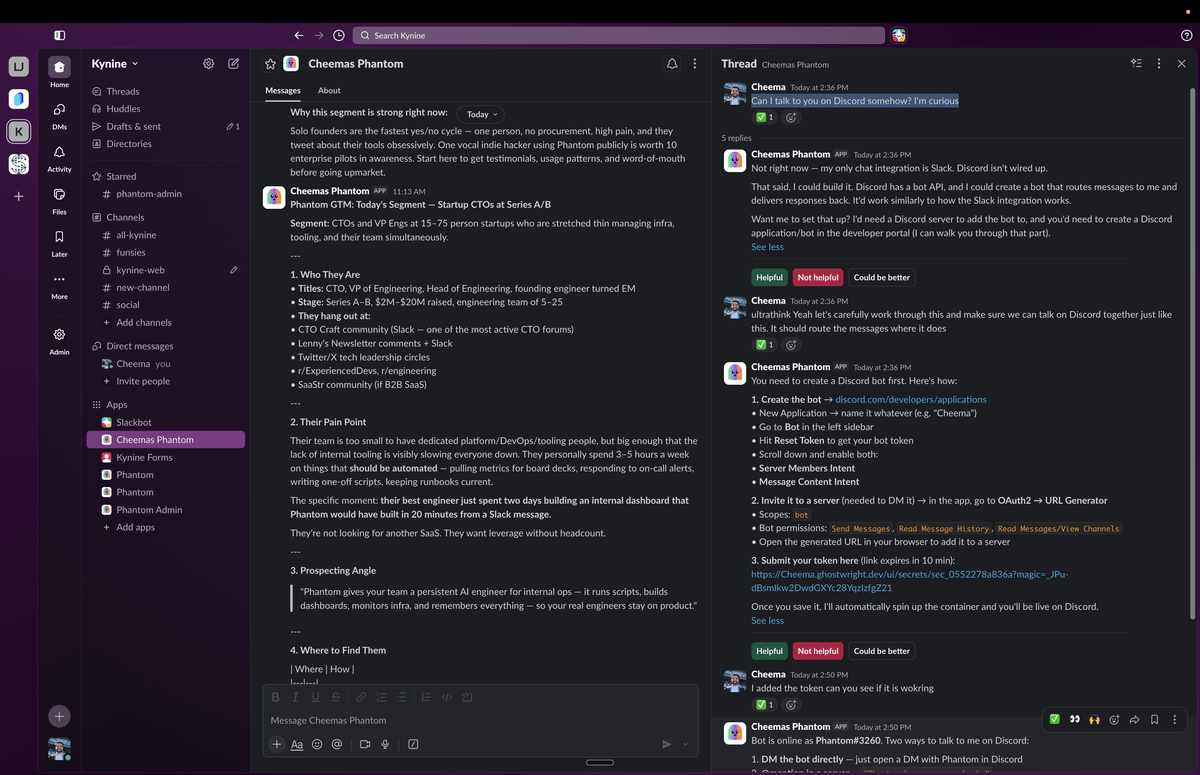
Phantom is an open source AI co-worker that runs on its own dedicated machine, rewrites its own config after every session, and builds its own tools.
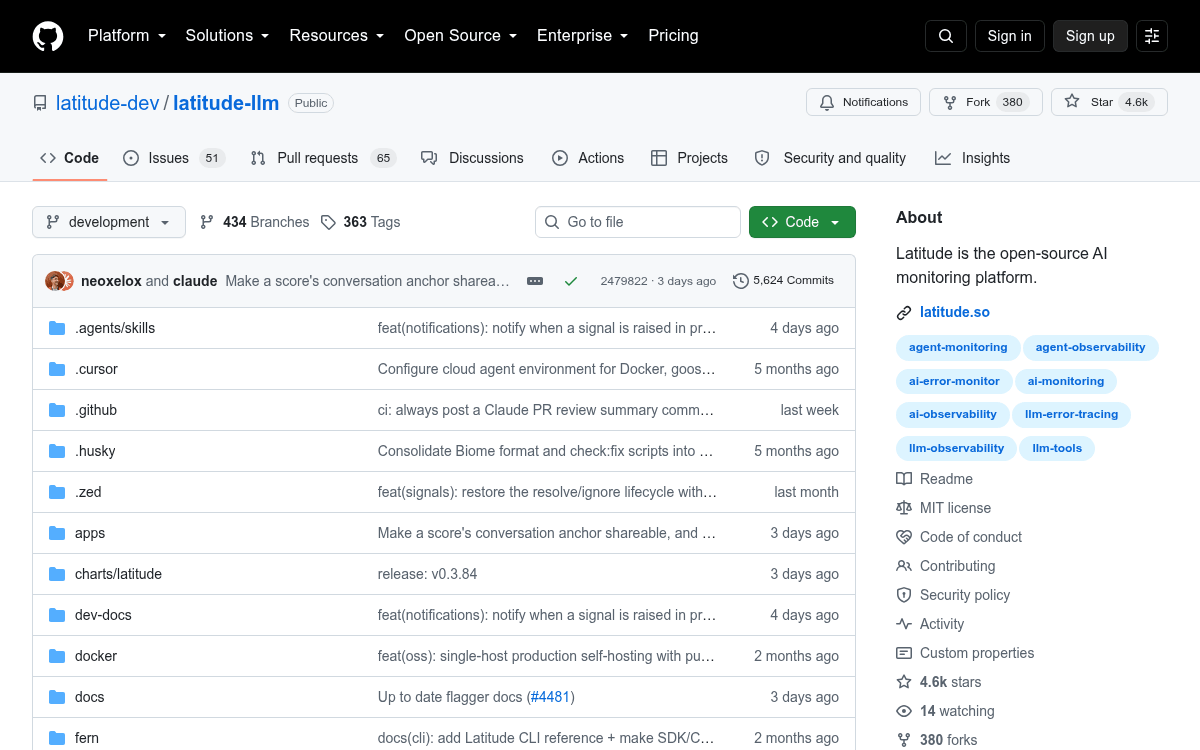
Latitude is an open-source, MIT-licensed observability stack that groups failing agent traces into issues and can dispatch a coding agent to fix them.
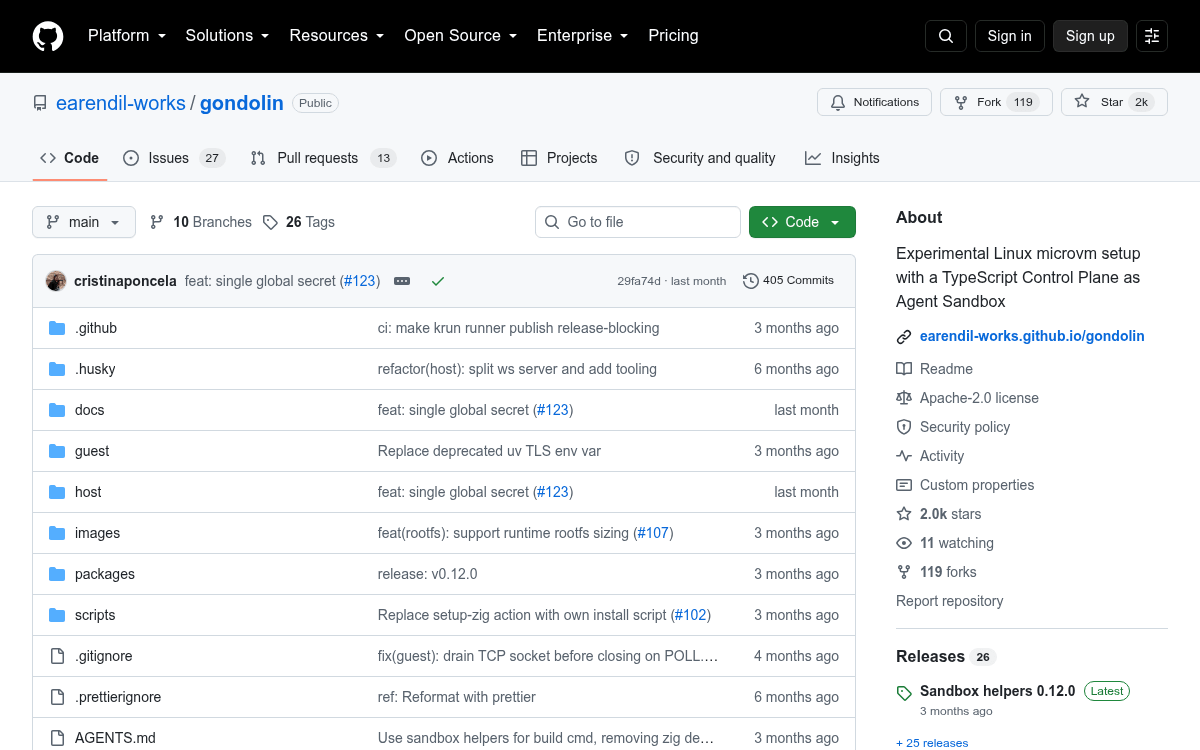
Gondolin runs agent-generated code inside disposable Linux micro-VMs while the host mediates every network call and injects secrets the guest never sees.
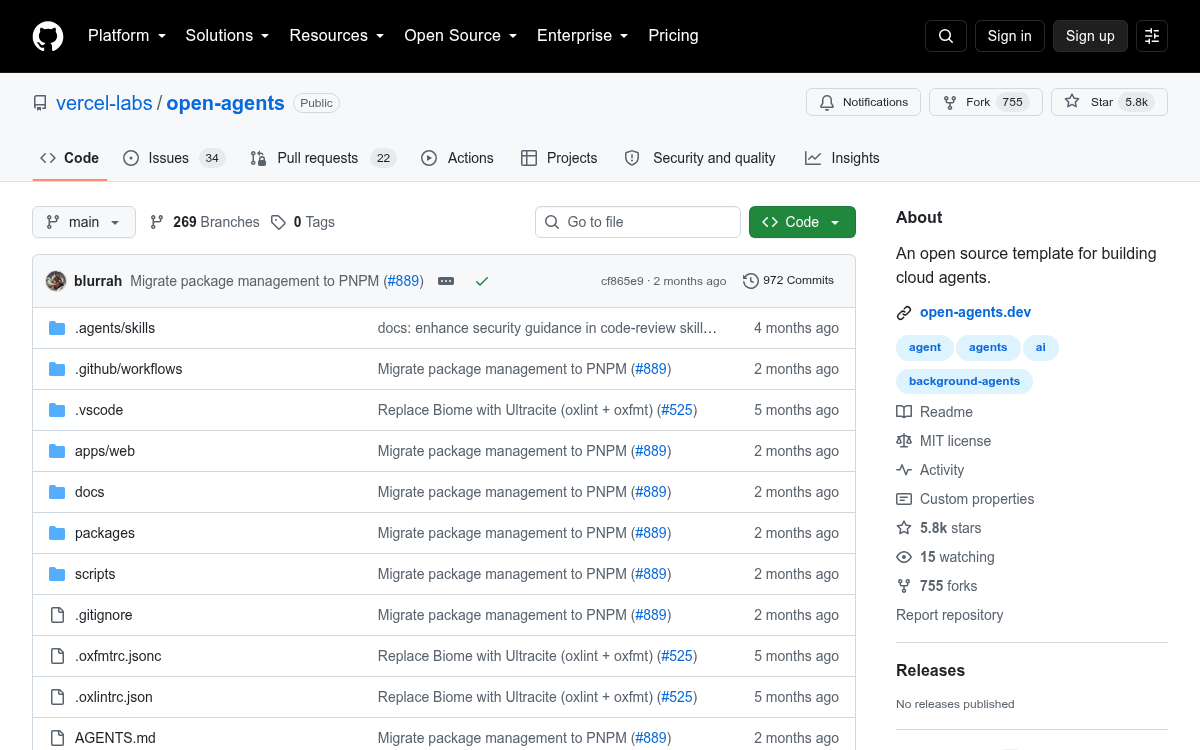
Vercel Labs open-sourced a forkable reference app that runs background coding agents in isolated cloud sandboxes with durable workflow execution.
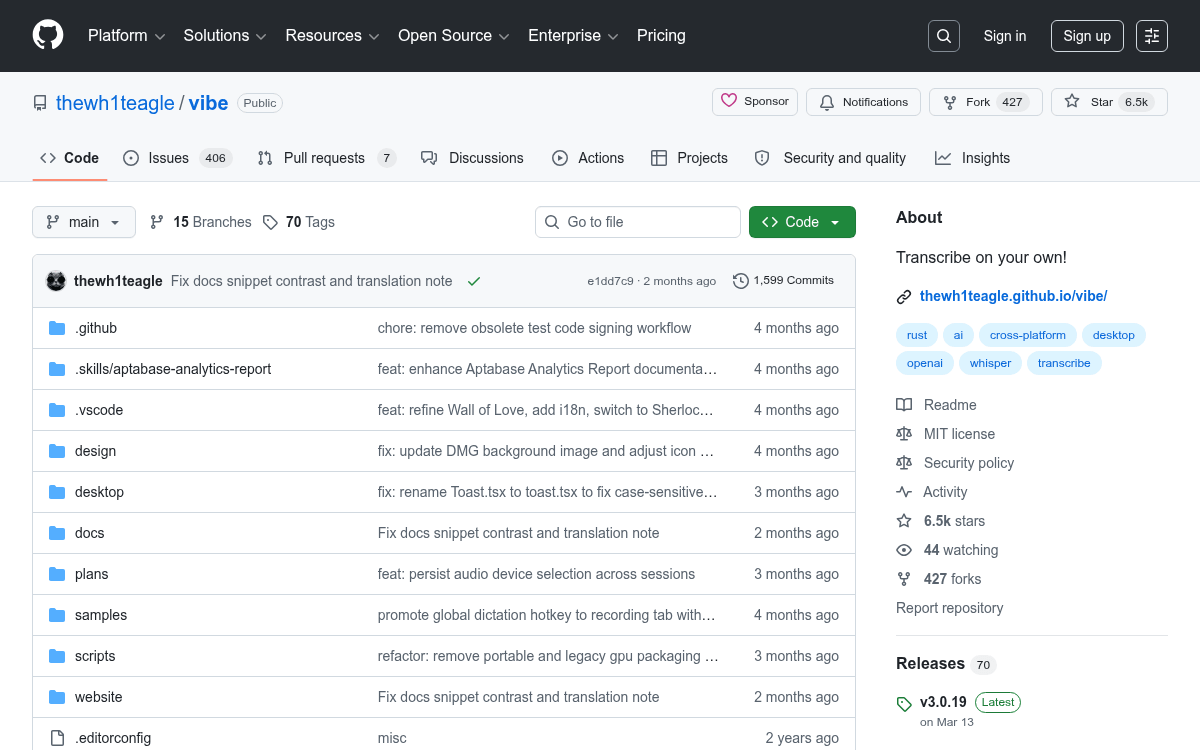
Vibe is a free, open-source desktop app that runs OpenAI Whisper locally on your GPU — no cloud, no cost, no data leaving your machine — across Windows, macOS, and Linux.
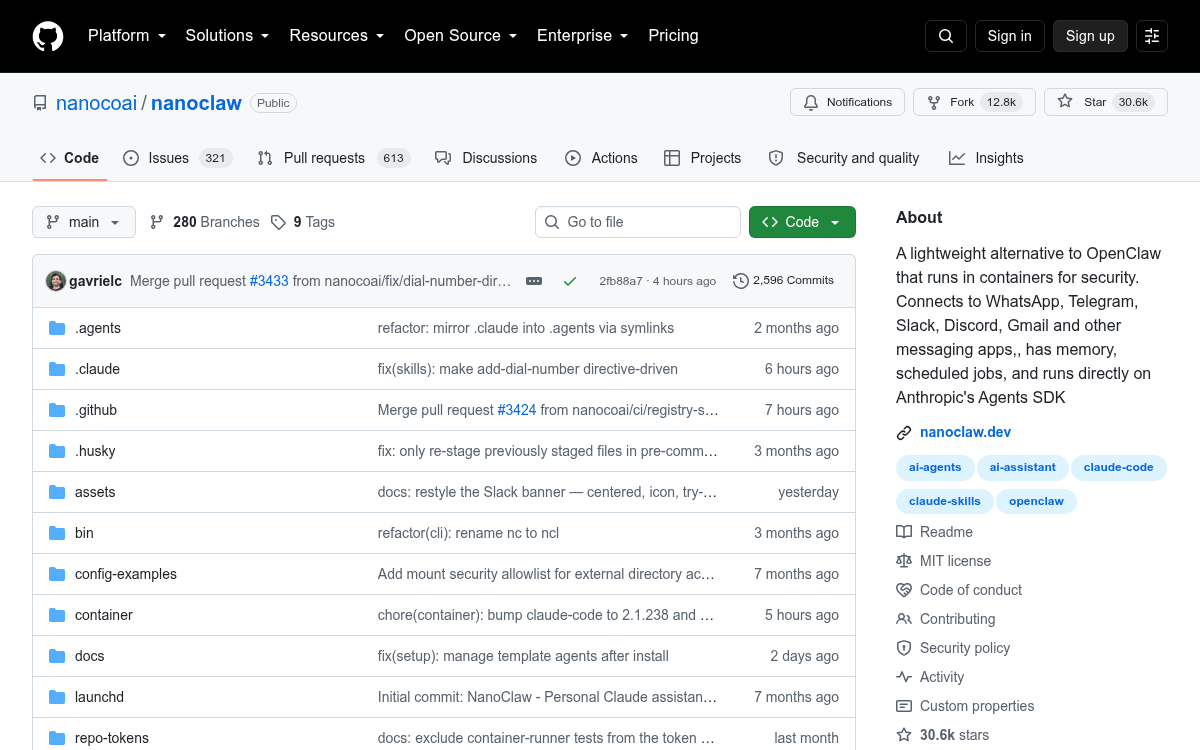
A minimalist open-source project runs Claude agents inside Docker containers, connects them to messaging apps like Slack and WhatsApp, and swaps configuration for code edits.

A trending Rust-based open-source project called OpenFang packages seven autonomous agents into a single 32MB binary that runs on schedules.
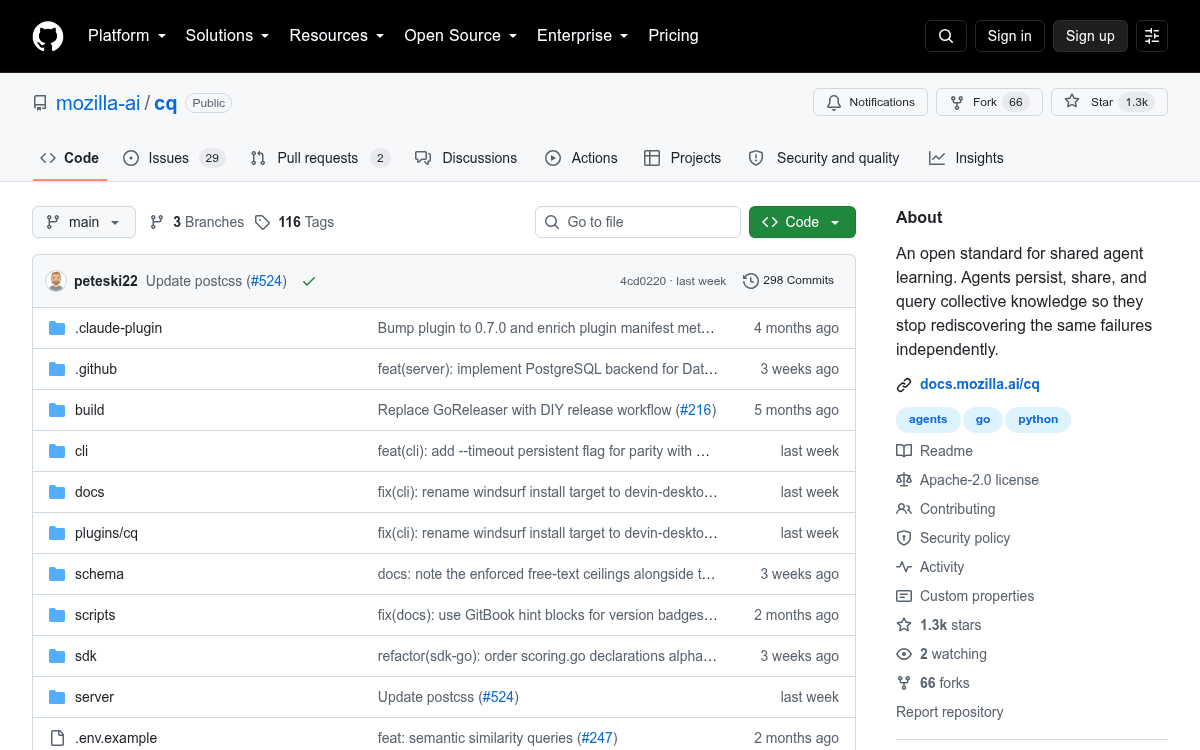
Mozilla.ai's cq is an open protocol that lets coding agents share hard-won lessons across sessions, users, and tools instead of rediscovering the same bugs.
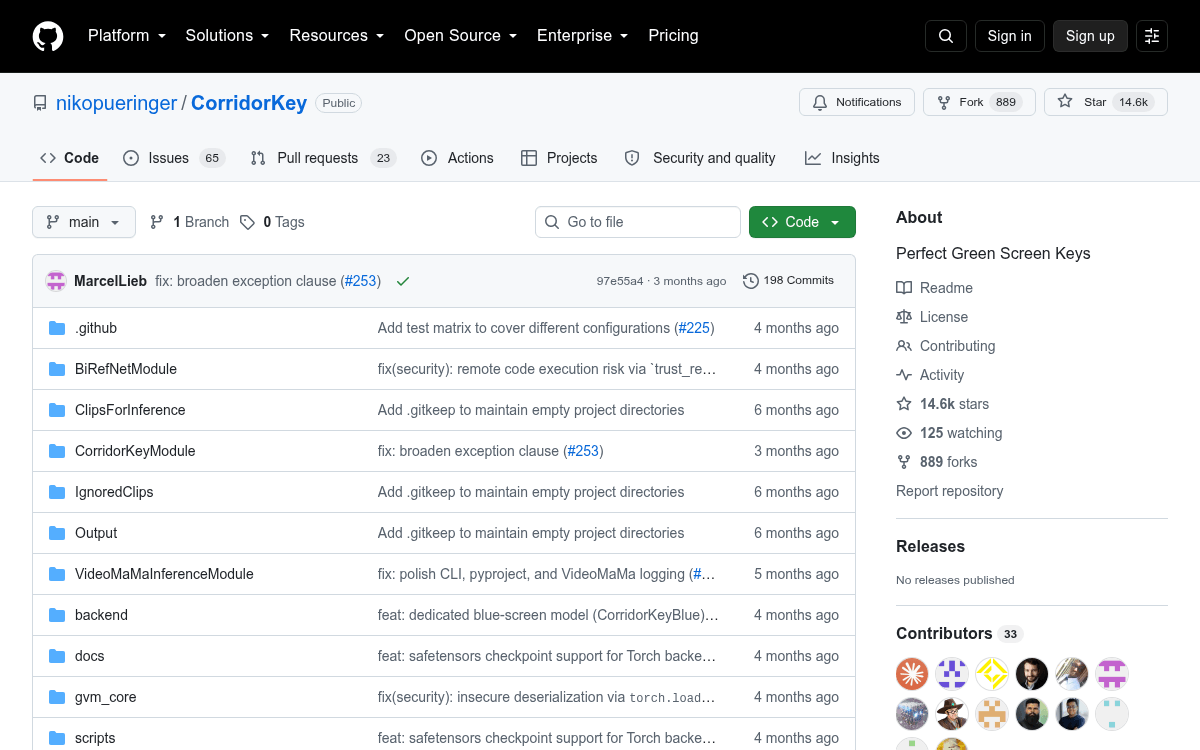
Corridor Digital's neural chroma keyer reconstructs true foreground color under green pixels, preserving hair, motion blur and translucency in 4K EXR.
Cube Core is an open-source semantic layer that lets AI agents, BI tools, and apps query governed metrics instead of raw warehouse tables.
EBM-RL teaches vision-language models to see a scene, think about it, then speak in character — unlocking immersive NPC dialogue for VR and interactive storytelling
SHRED erases memorized content from LLMs without a retain set, outperforming methods that need curated data to stay coherent
SPARK introduces PDI, a trajectory-level metric that tells you whether an AI agent's distilled skills are grounded in real environment evidence — and uses it to make smaller, cheaper models outperform their expensive teachers
REFLECTOR trains LLMs to catch themselves mid-generation using a two-stage SFT and RL pipeline, blocking indirect jailbreaks with over 90% success while actually improving model utility.
A new mechanistic study reveals ESM2 predicts methionine at protein starts not by recognition, but by retrieving a statistical default — and fails when biology diverges from the average.
A new training framework teaches small LLMs to read between the lines and proactively steer conversations, beating GPT-4.1 and Claude on outbound sales benchmarks
DyMoS fixes the root cause of static I2V video generation by rebalancing self-attention away from the reference frame, no retraining required
A new paper introduces SANTA, a stochastic sparse attention method that cuts value-cache memory reads at decode time, delivering up to 1.5× kernel speedup with no accuracy loss at 32k-token contexts.