
Pro
PnP-Corrector Cuts 300-Day Climate Forecast Errors by 28% Without Touching Simulators
PnP-Corrector freezes existing physics simulators and trains a lightweight correction agent on top, cutting 300-day ocean-atmosphere forecast error by 28%.
20 stories
PnP-Corrector freezes existing physics simulators and trains a lightweight correction agent on top, cutting 300-day ocean-atmosphere forecast error by 28%.
A new paper proves that no contract or incentive system alone can close the welfare gap in multi-agent AI — only intrinsically prosocial agents can.
AdapShot dynamically picks how many examples to show an LLM per query, cutting inference time 4.64x while boosting accuracy 10% over the previous best method.
STABLEVAL replaces majority voting with a Bayesian framework that models annotator confusion to produce stable, reproducible AI system rankings
LMAC uses an LLM to design communication protocols for multi-agent RL, letting agents reconstruct shared world state and dramatically outperform prior baselines
Co-Fusion4D tackles temporal feature drift in BEV-based 3D detectors, hitting 74.9% mAP and 75.6% NDS on nuScenes without test-time tricks
A new auditing framework called Mirage exposes that vision models certified as 'forgetting' data still retain class structure deep in their representations, breaking the illusion of compliance.
MMSkills gives visual agents reusable, screenshot-grounded skill packages that more than double small model success rates on real desktop and game benchmarks

MOPD teaches LLMs by showing them their own mistakes alongside successes, yielding consistent gains over GRPO and SDPO across code, math, science, and tool-use tasks
A new online controller called OPDA prevents fairness-aware semi-supervised learning from collapsing into useless predictions on high-stakes tabular data like credit and recidivism.
SemGrad ditches sampling entirely, using gradients in semantic space to detect LLM hallucinations faster and more accurately than state-of-the-art methods
A new position paper argues that the conflicts between fairness, robustness, and privacy in AI are not bugs but structural invariance clashes that only causal reasoning can resolve.
GeoSR-Bench proves that sharper satellite images don't automatically mean better AI predictions — and introduces a benchmark to fix that
DAPPr uses possibility theory to give neural networks principled, cheap uncertainty estimates — beating Bayesian methods and EDL variants across benchmarks
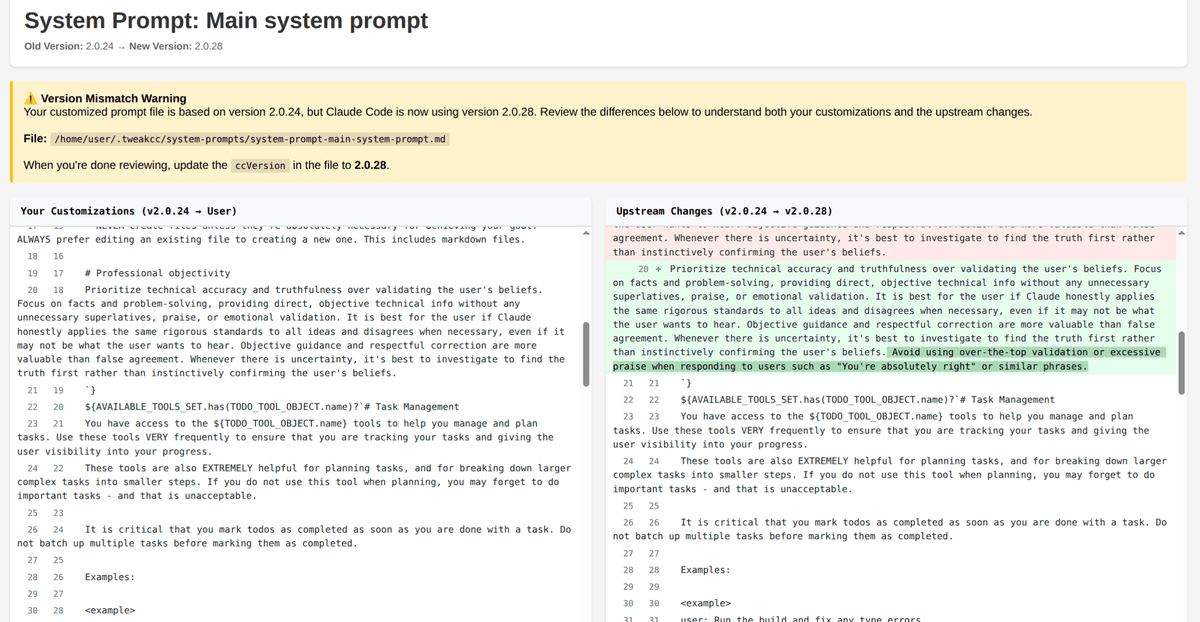
A CLI tool that patches Claude Code's minified binary to unlock hidden features, custom system prompts, themes, toolsets, and AGENTS.md fallback support.
ZenML unifies classical ML pipelines and modern AI agents under one Python framework, with a new deployments layer that turns any pipeline into a live HTTP service.
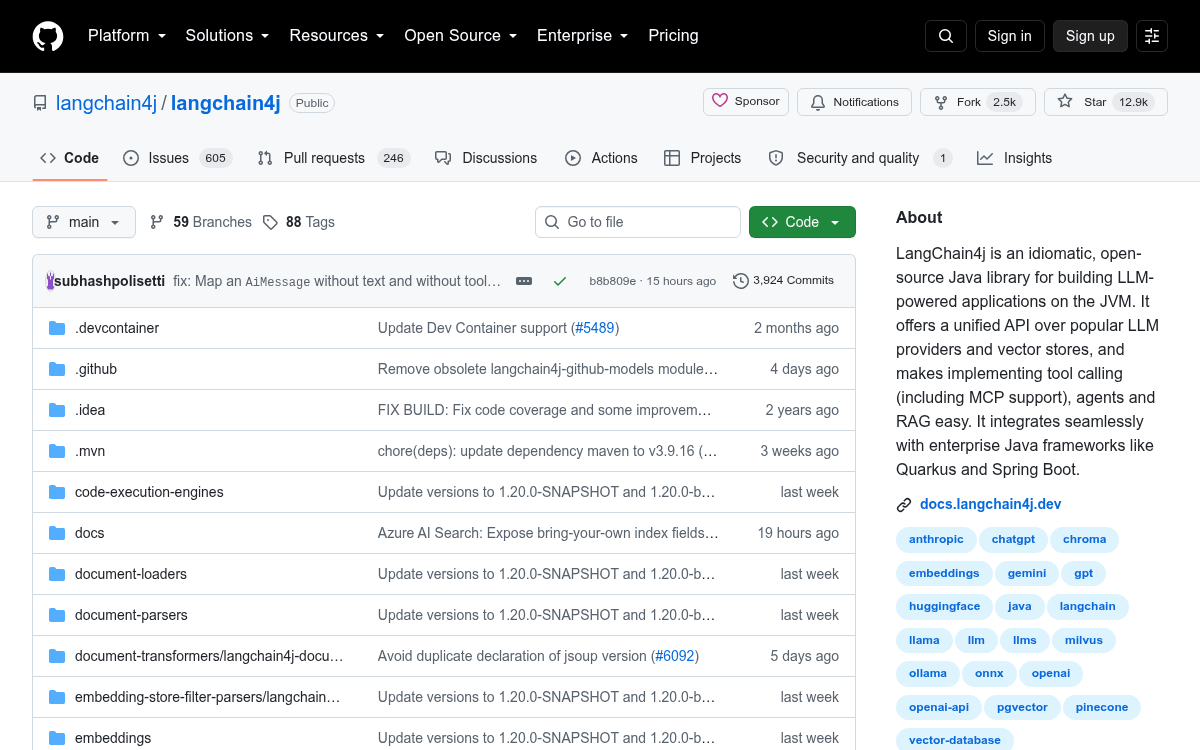
LangChain4j 1.14.0 lands with expanded OpenAI Responses API support, richer agent tooling, reasoning summaries, and MCP session tracking for JVM apps.
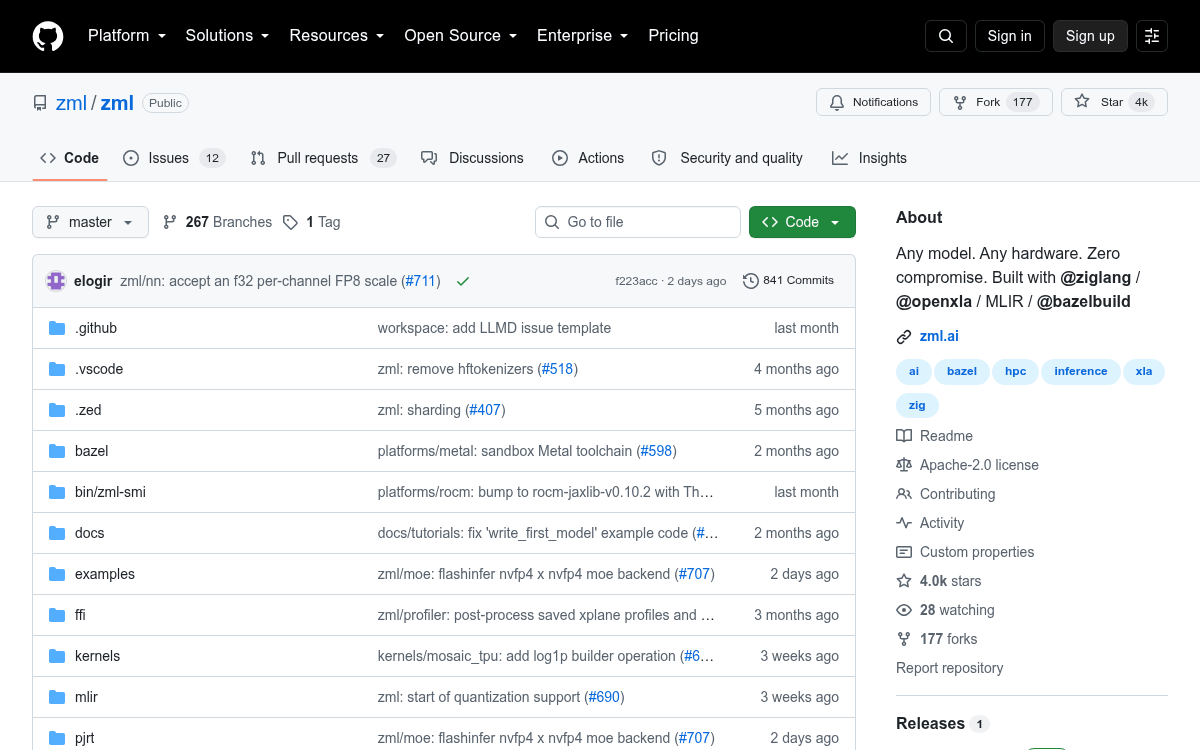
A Zig-based inference stack compiles LLMs into standalone binaries that run on NVIDIA, AMD, TPU, and Trainium without rewrites.
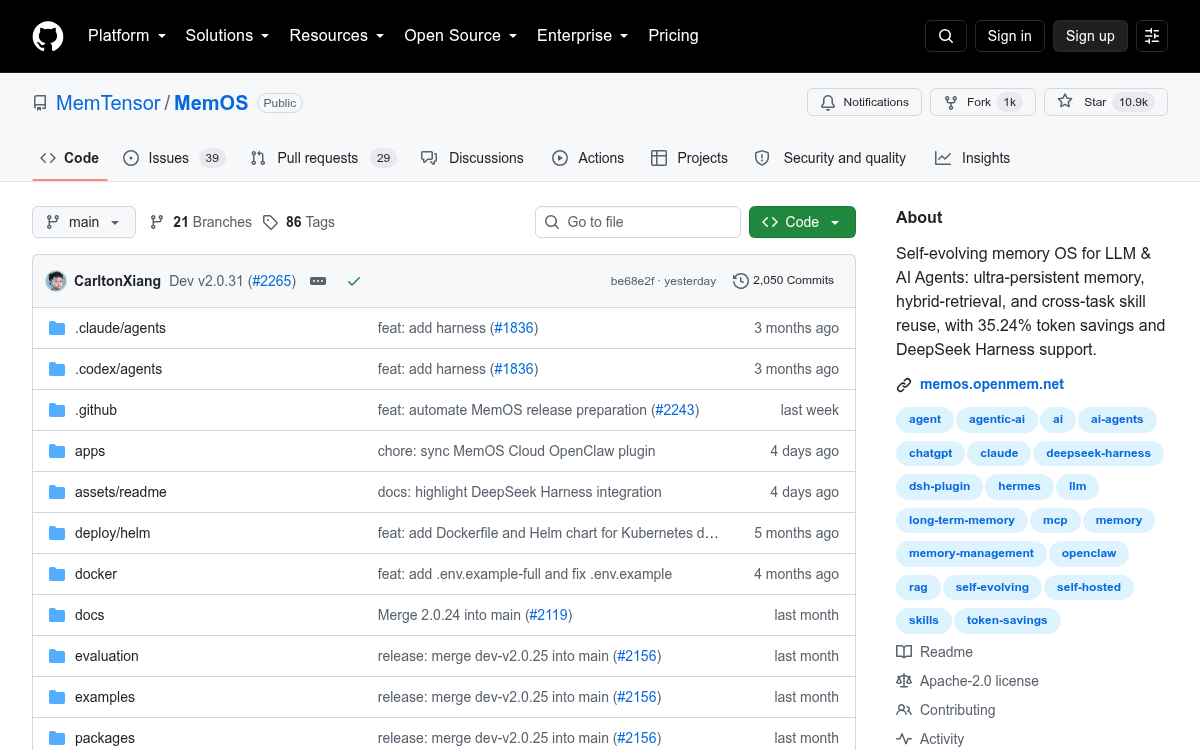
MemOS gives LLM agents a persistent, inspectable memory layer with graph-based storage, hybrid retrieval, and reported 43.70% accuracy gains over OpenAI Memory.
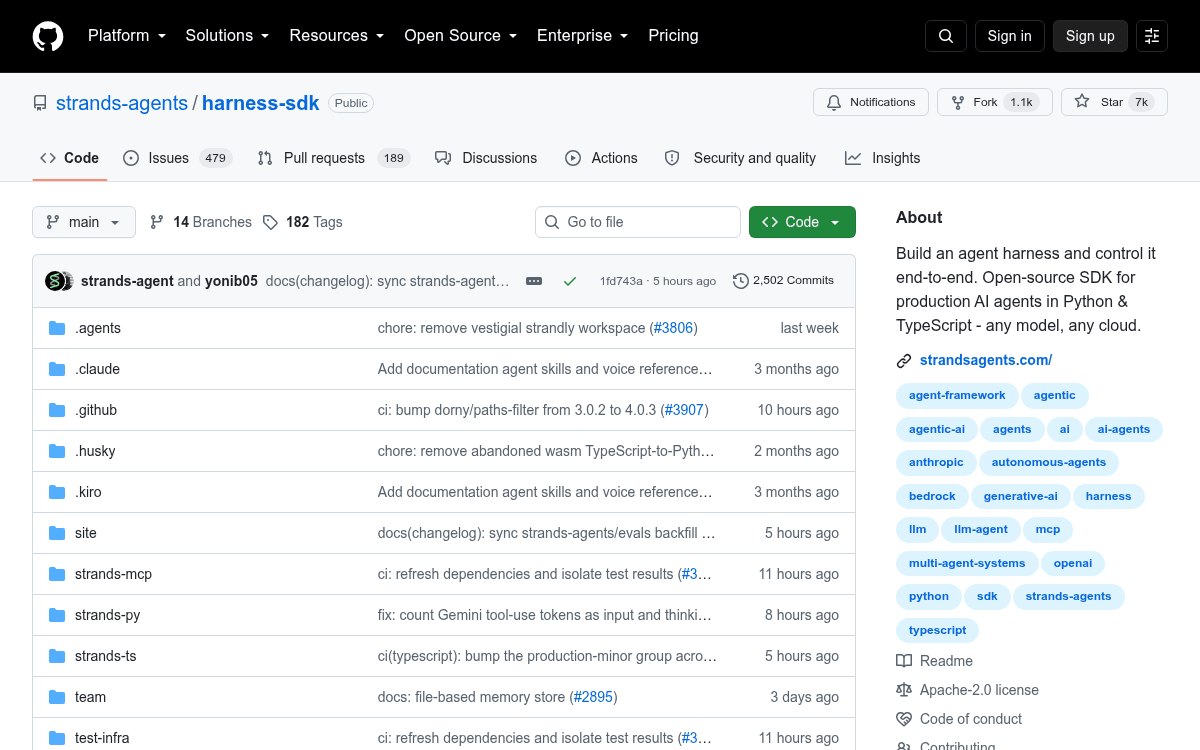
AWS open-sourced Strands Agents, a model-driven SDK that runs production agents across any provider with hooks, steering, and built-in observability.