
Pro
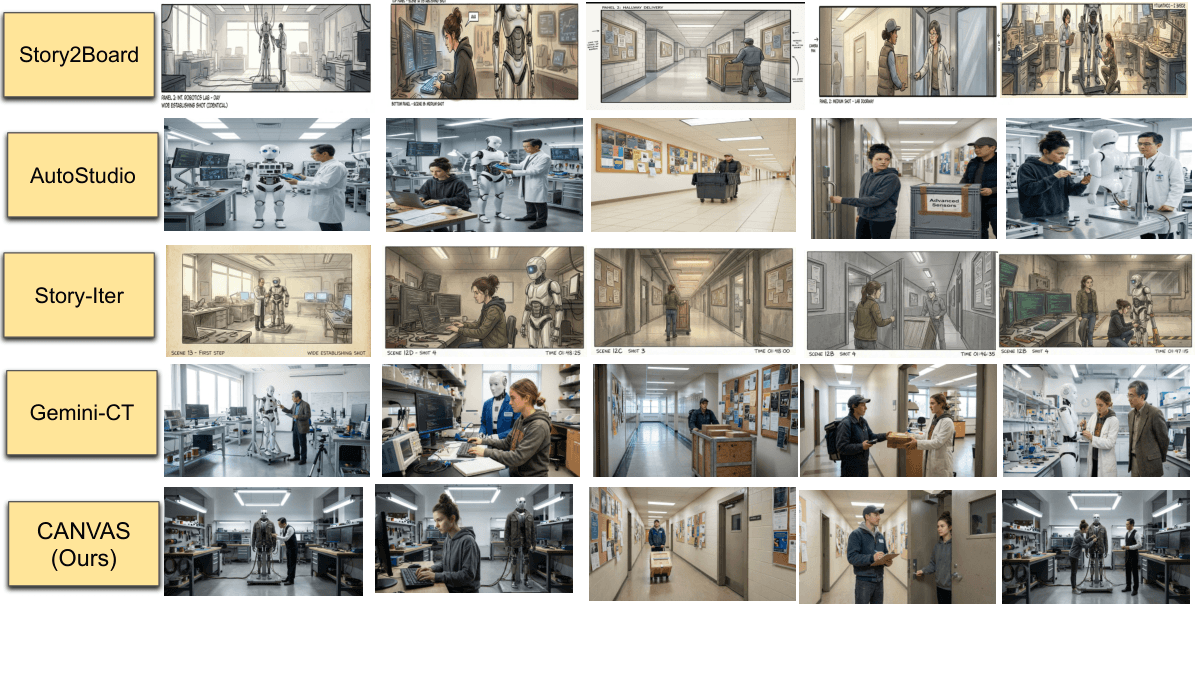
CANVAS Fixes AI Storyboards by Tracking Story Worlds Across Shots
A training-free multi-agent system that tracks characters, locations, and object states across shots lifts background continuity by 21.6 percent.
20 stories
A training-free multi-agent system that tracks characters, locations, and object states across shots lifts background continuity by 21.6 percent.
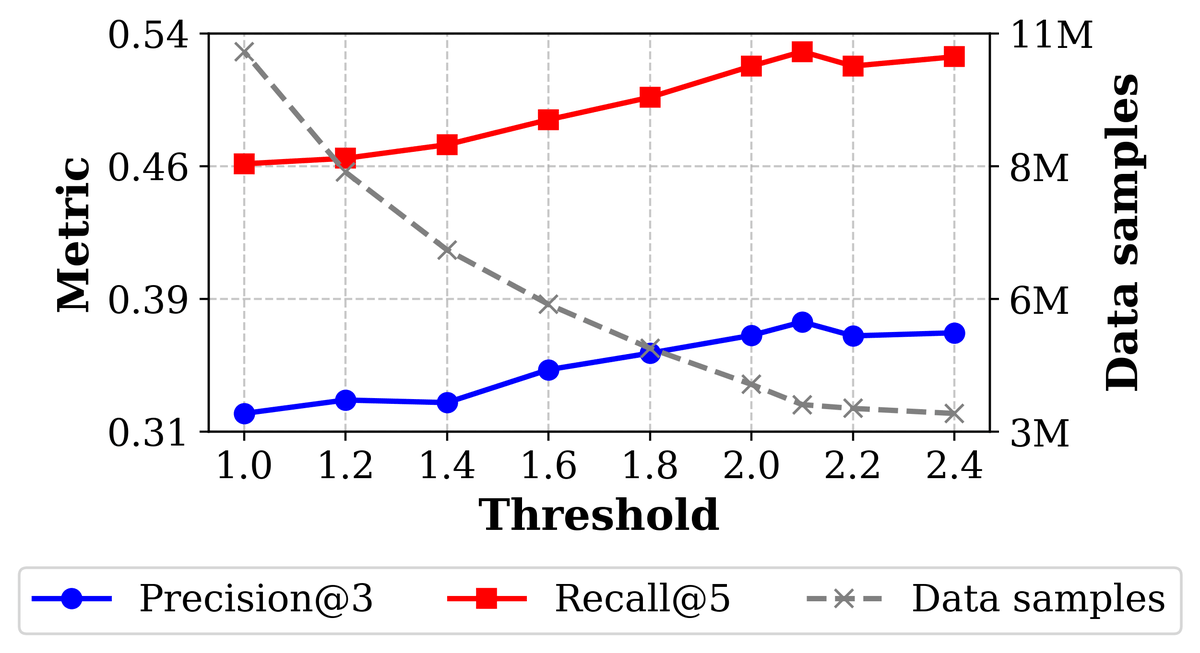
Researchers from Sungkyunkwan University and Naver introduce AuthGR, a generative retriever that ranks documents by trustworthiness, not just relevance.
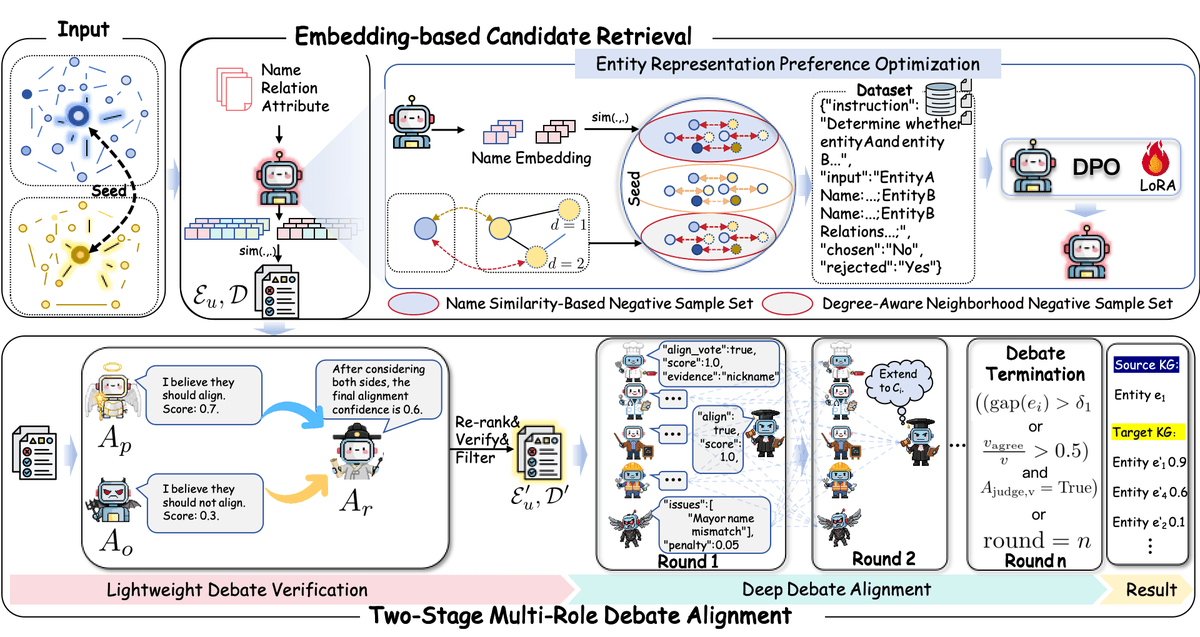
AgentEA replaces single-pass LLM reasoning for entity alignment with a two-stage multi-agent debate, hitting near-perfect scores on major benchmarks.
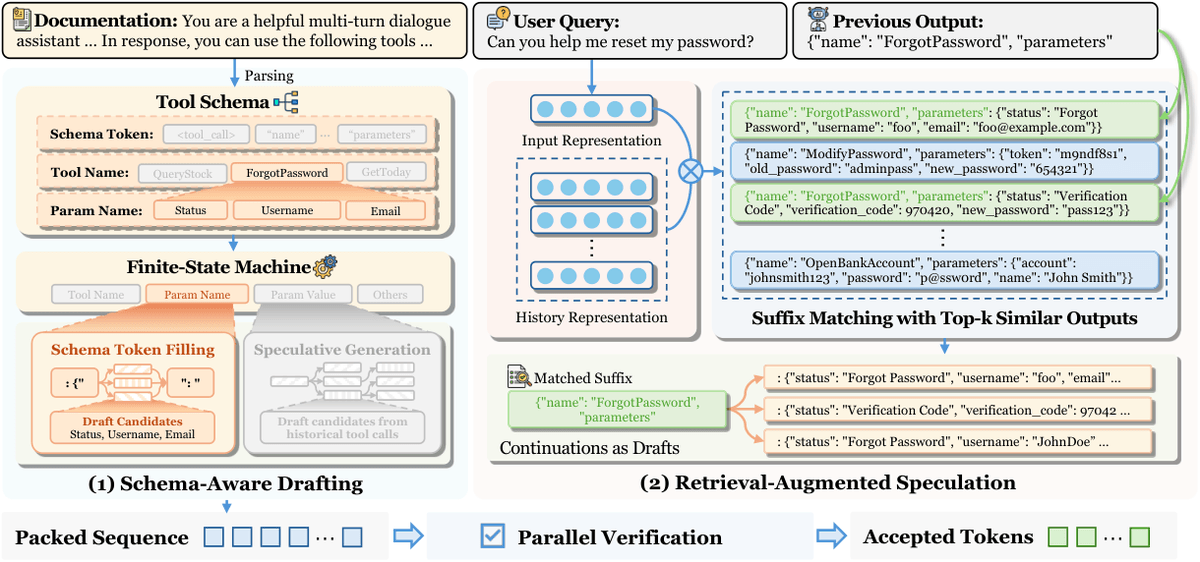
A training-free speculative decoding method exploits JSON schemas and past tool calls to cut tool-calling generation latency by up to 4.2x.
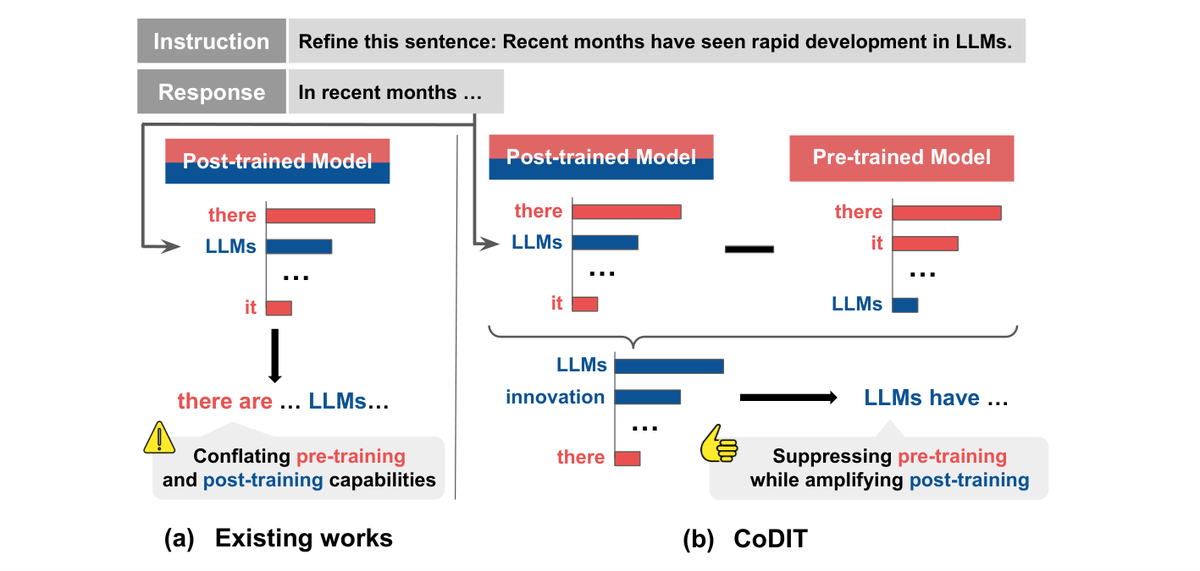
A new decoding trick strips pre-training knowledge from teacher responses, producing instruction-tuning data that beats WildChat, Magpie, and direct distillation.
A new attention-based method generates multiple class prototypes per person, pushing person re-identification accuracy past 97% on Market-1501.
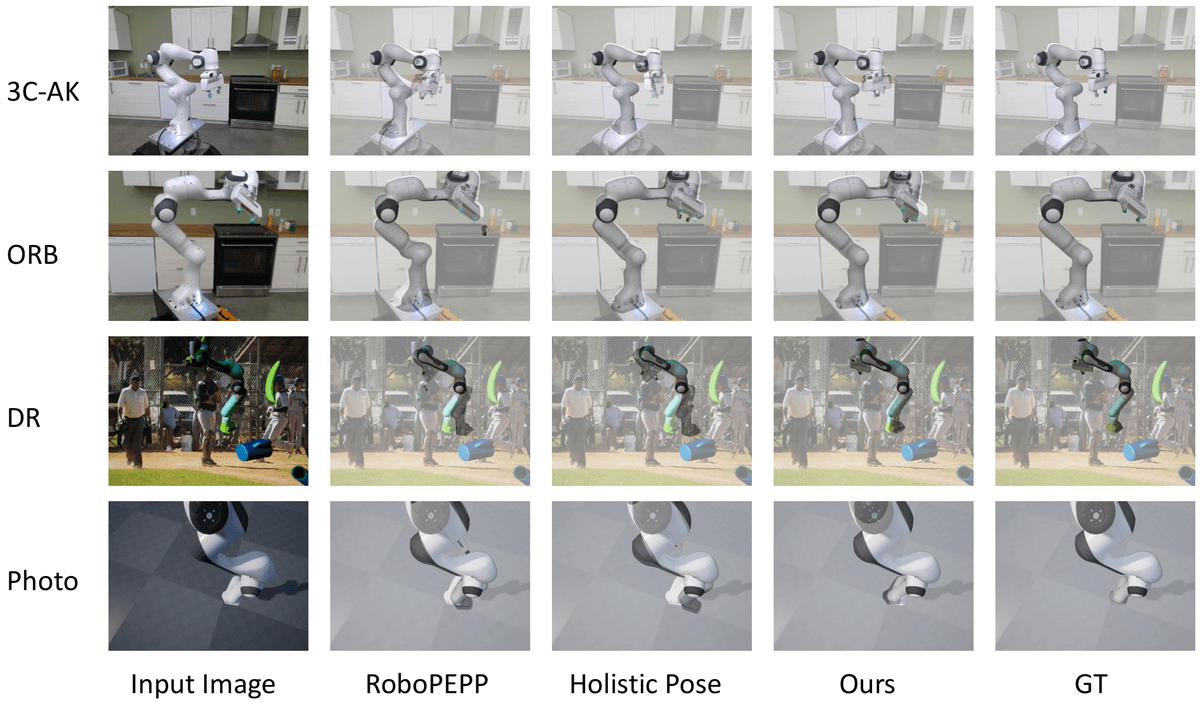
A Harvard and Tsinghua team's dual-branch graph fuses 2D image features with 3D depth priors, learning robot pose from unlabeled video and hitting SOTA on DREAM.
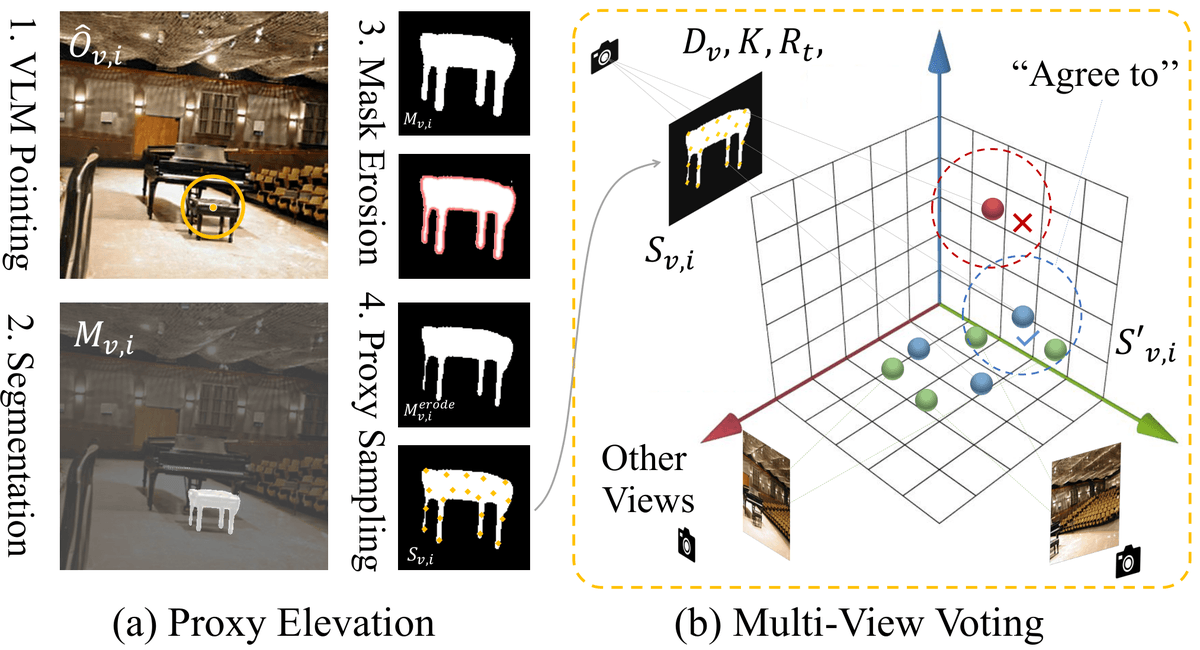
A training-free pipeline turns 2D images into abstract 3D bounding-box scenes, giving GPT-5 and GPT-4o a large boost on spatial reasoning benchmarks.
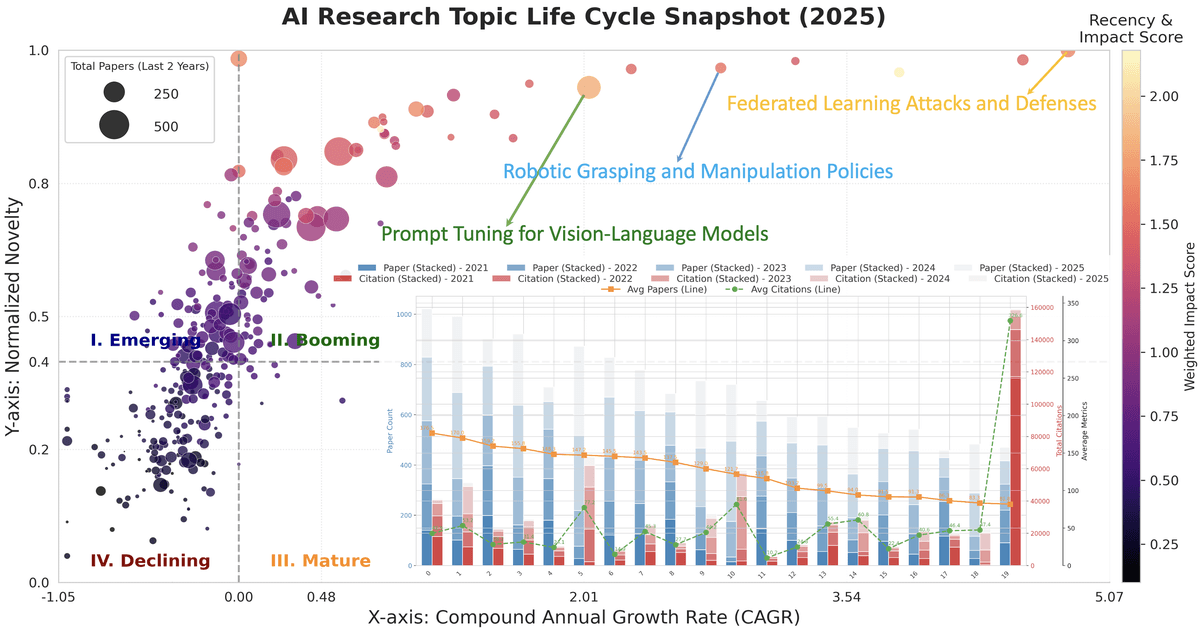
A new pipeline profiles over 100,000 AI papers from 22 conferences, mapping topic lifecycles, compute trends, and institutional focus with LLM-driven semantic parsing.
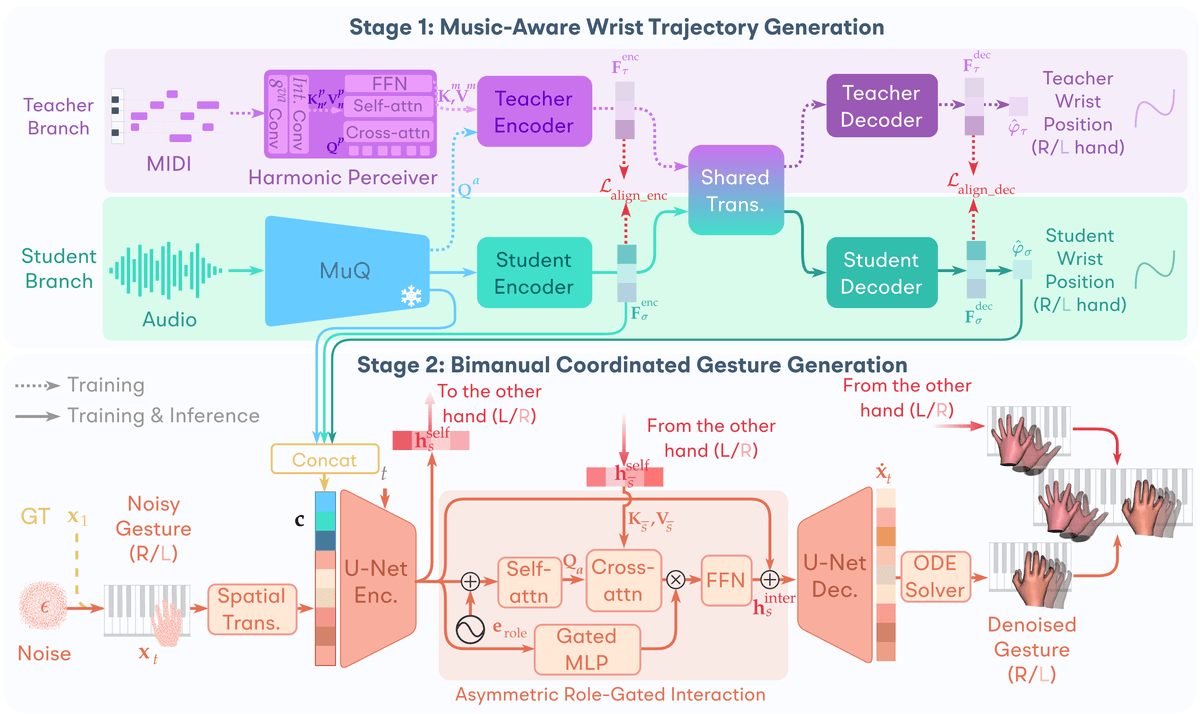
A flow-matching model uses MIDI as a training-only crutch to generate coordinated two-handed piano performances from audio, running 9x faster than prior work.
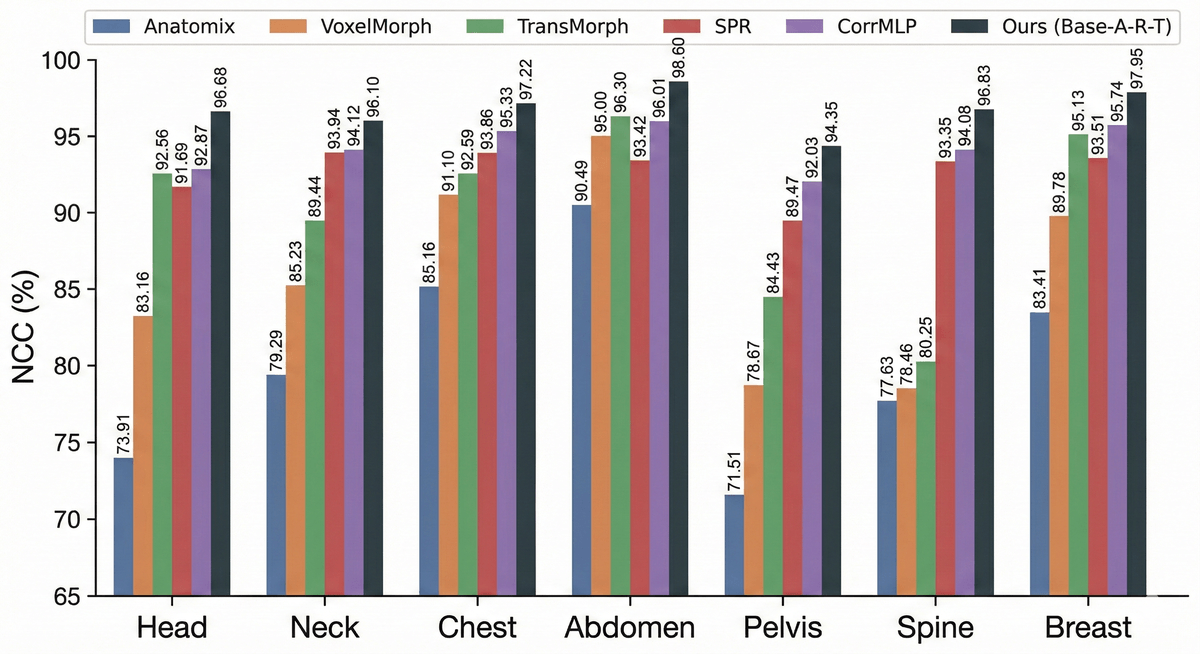
A Mayo Clinic team built a registration model that fuses CT contours, dose maps, and treatment notes to align scans 1,222 pairs across seven anatomical regions.
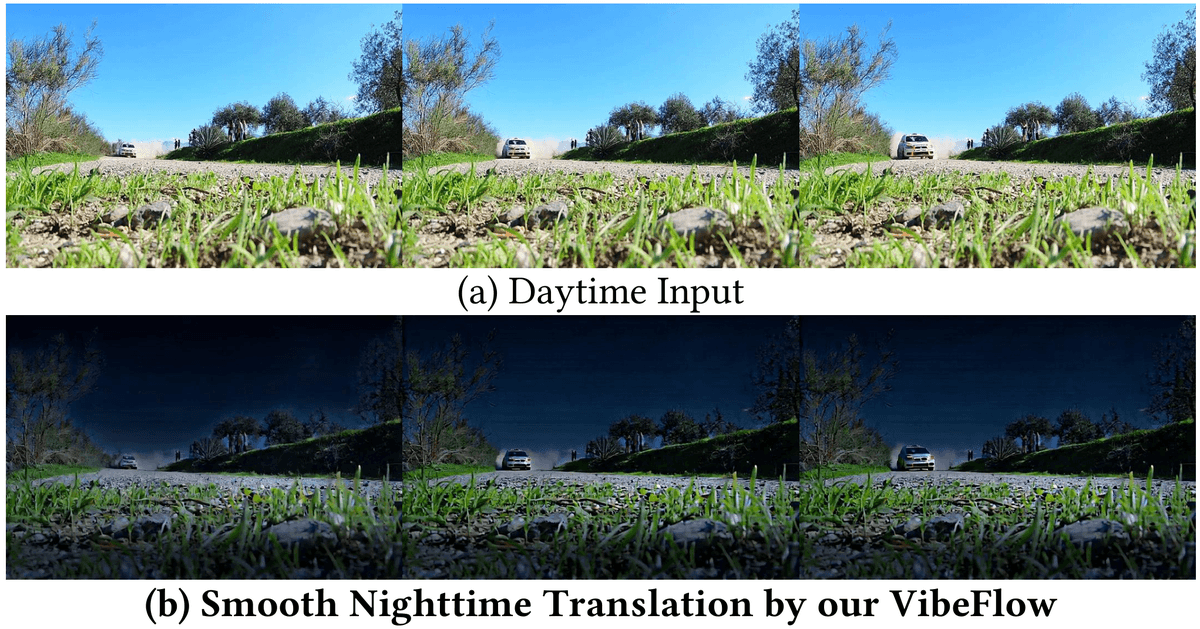
Researchers from Peking University and Tencent introduce a self-supervised framework that edits video color and lighting without paired training data.
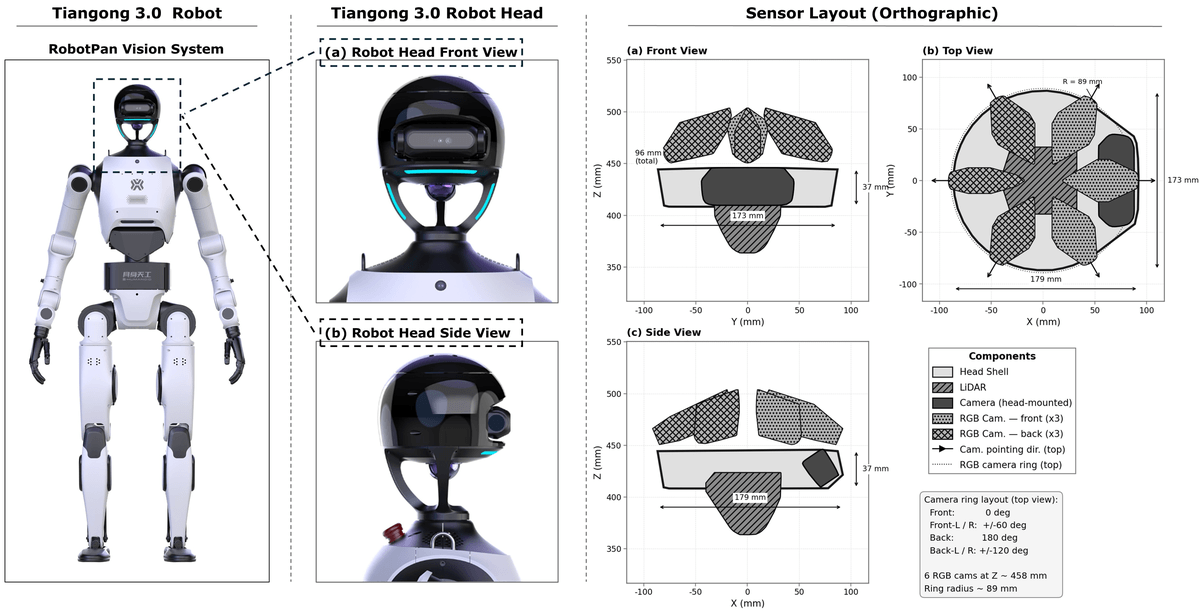
A six-camera plus LiDAR humanoid vision stack predicts compact 3D Gaussians in one forward pass, delivering real-time 360-degree perception.
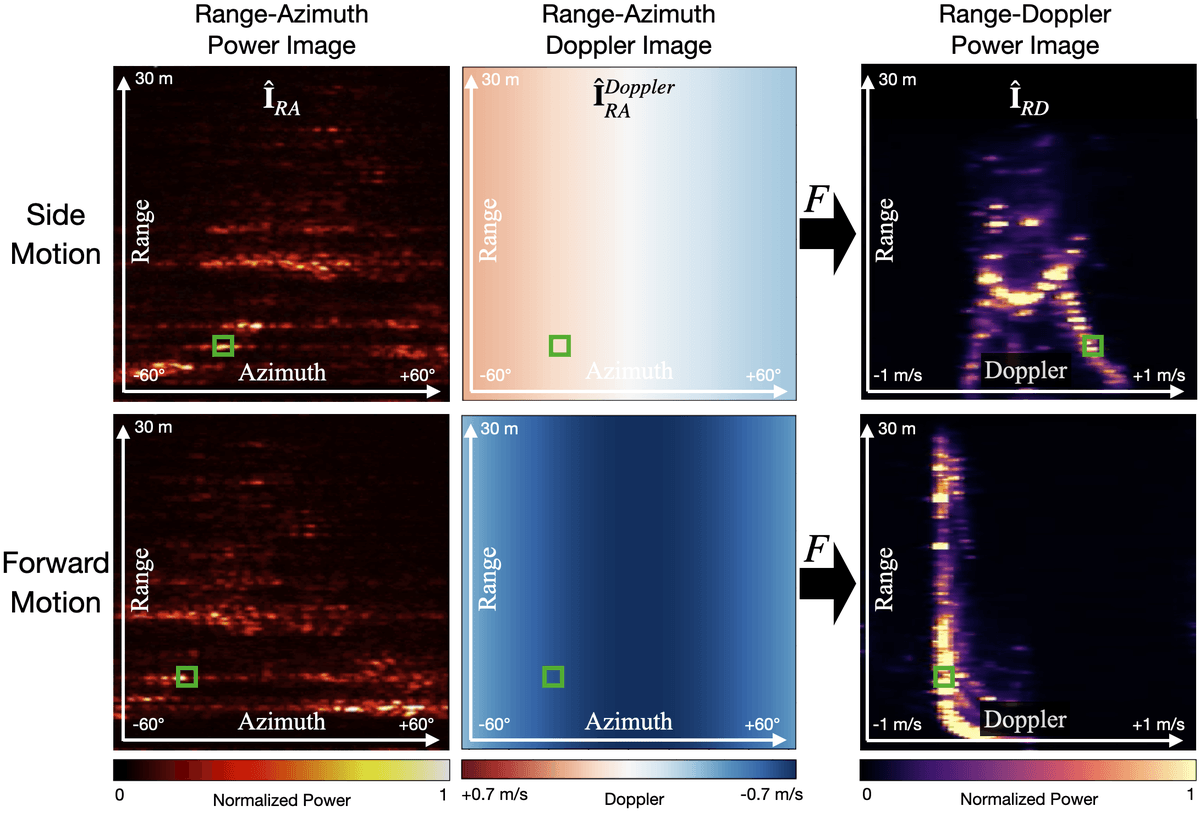
A new arXiv paper adapts Gaussian Splatting to millimeter-wave radar, cutting indoor pose drift by 90 percent without loop closure.
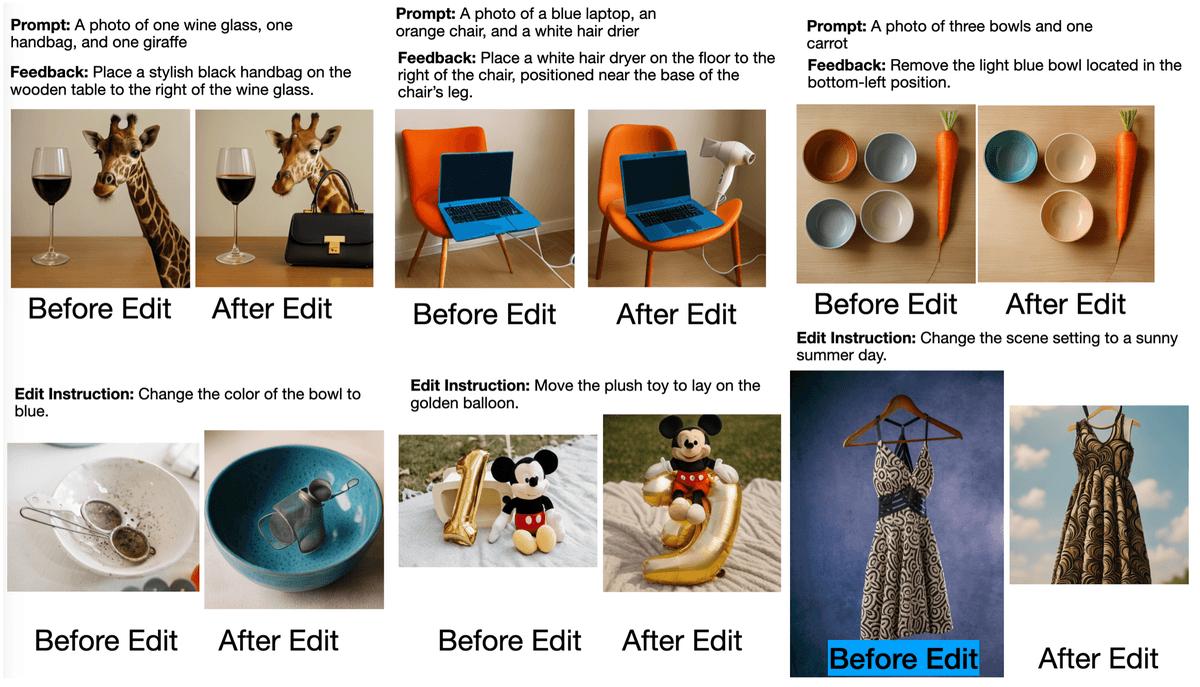
Researchers from Korea University and KT Corporation propose FiRe, a six-step reasoning loop that decomposes prompts into checkable tuples and fixes only the parts an image gets wrong.
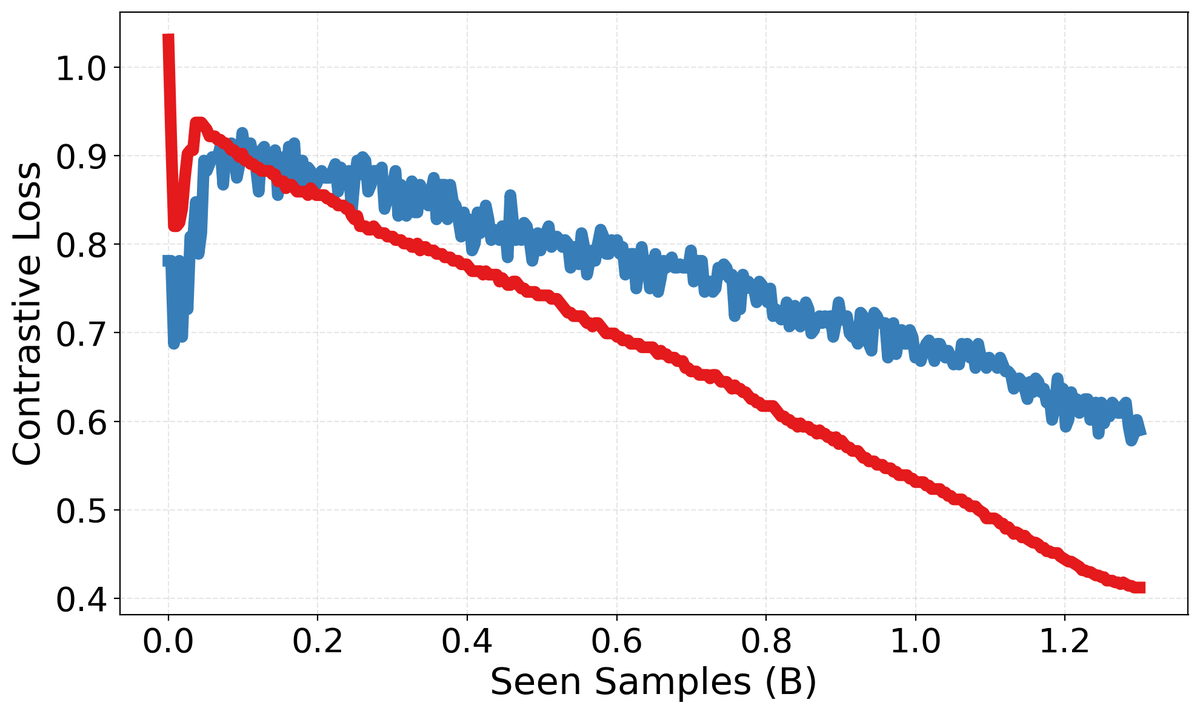
Researchers from Seoul National University and LG AI Research propose a smarter way to initialize Mixture-of-Experts models so experts specialize from step one.
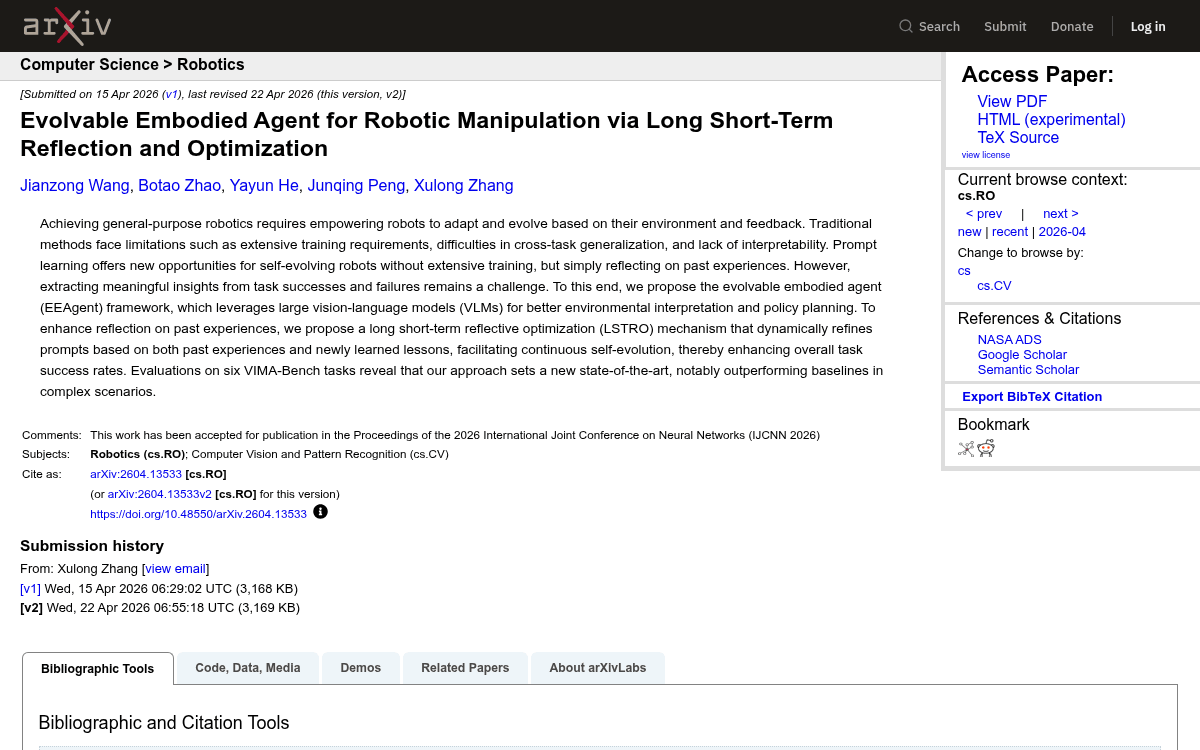
A new framework gives robotic agents human-style long and short-term memory, letting them refine prompts from past successes and failures without retraining.
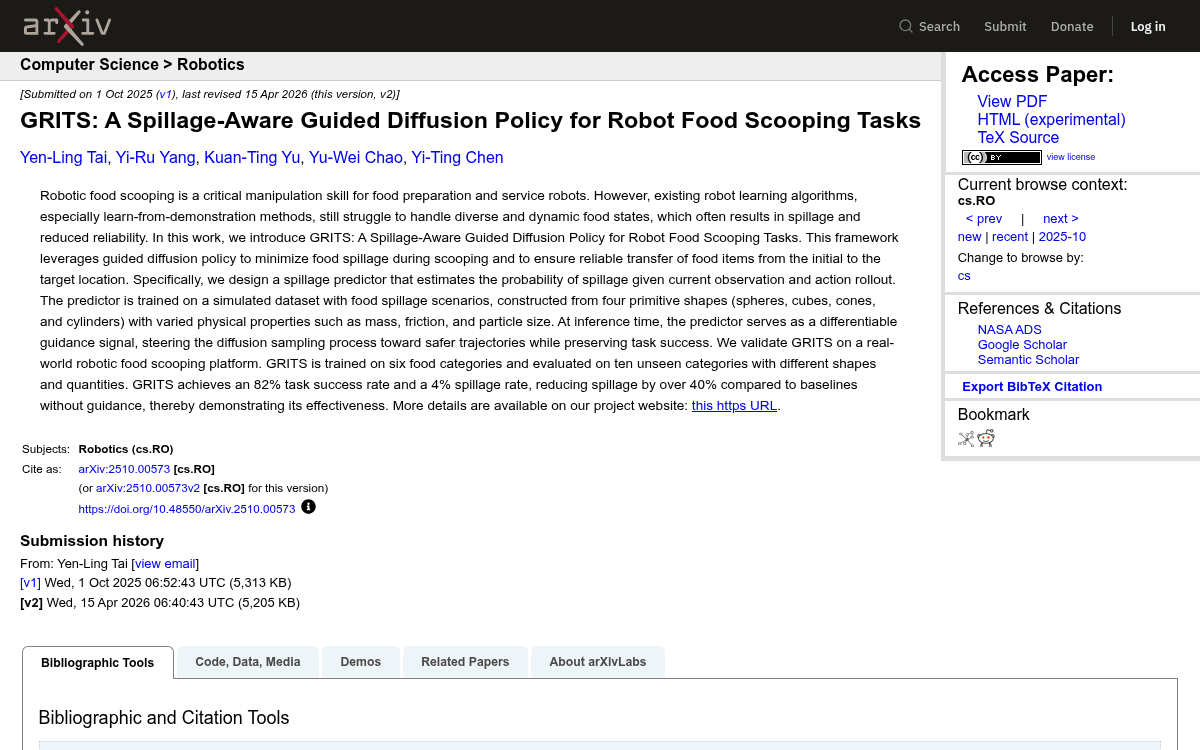
A new diffusion policy uses a spillage predictor as a differentiable guidance signal to cut robot food-scooping spillage by over 40 percent.
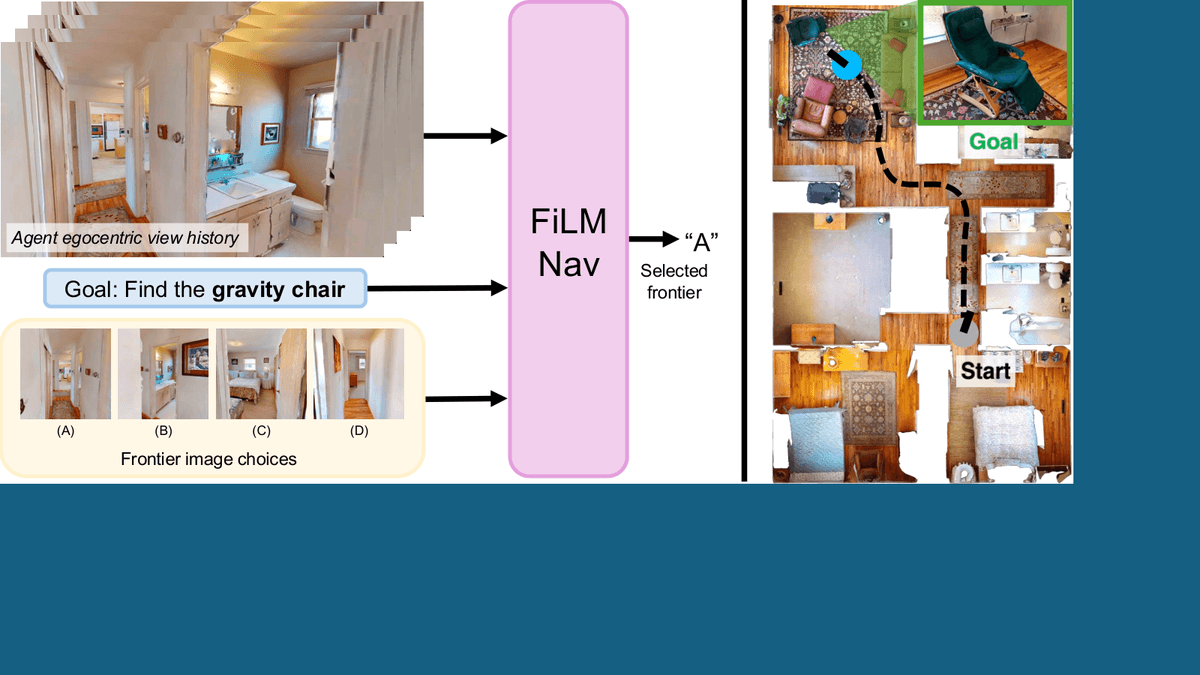
Georgia Tech researchers fine-tune a Mamba-based vision-language model as a frontier picker, topping HM3D ObjectNav and HM3D-OVON on path efficiency.
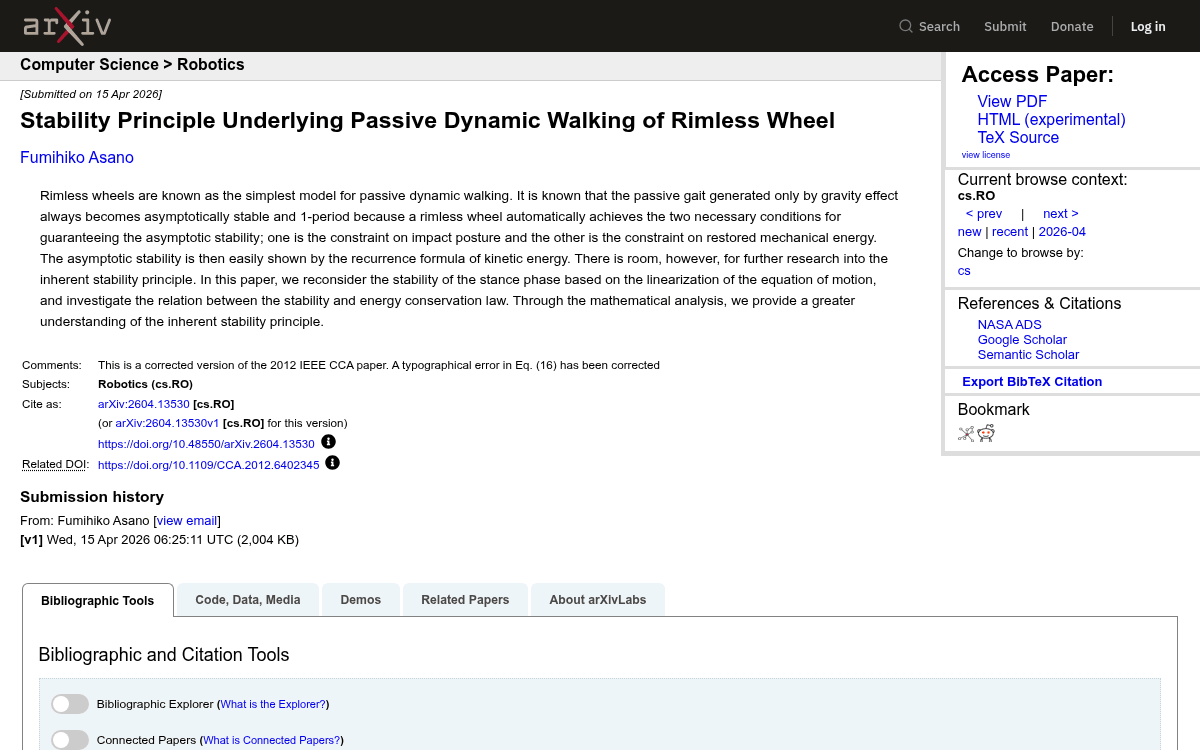
A new mathematical analysis reveals why the simplest passive walker stays stable, tying eigenvalues of the return map directly to mechanical energy conservation.