
Pro
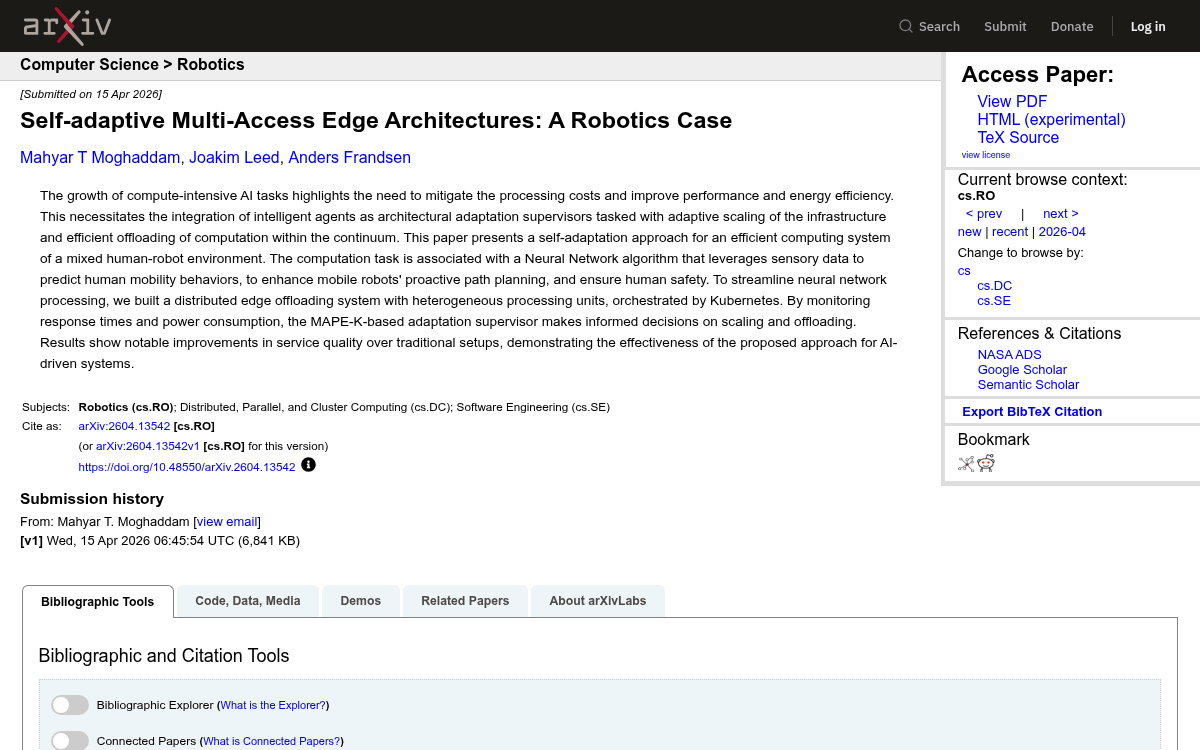
University of Southern Denmark's Edge Cluster Makes Robot AI 30% Faster
A MAPE-K controller decides task-by-task whether AI inference runs on Raspberry Pis or Ryzen mini-PCs, cutting latency 25-30% and energy 15%.
20 stories
A MAPE-K controller decides task-by-task whether AI inference runs on Raspberry Pis or Ryzen mini-PCs, cutting latency 25-30% and energy 15%.
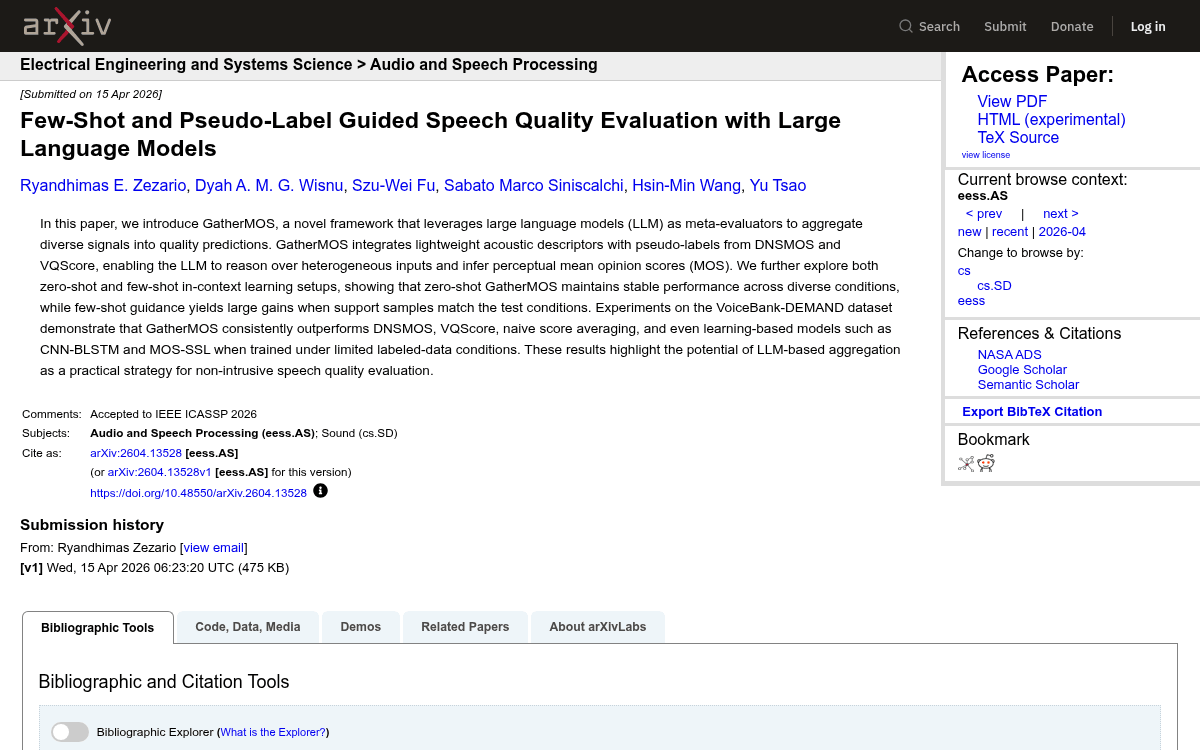
GatherMOS uses GPT-5 as a meta-evaluator, combining acoustic descriptors with DNSMOS and VQScore pseudo-labels to predict speech quality without heavy training.
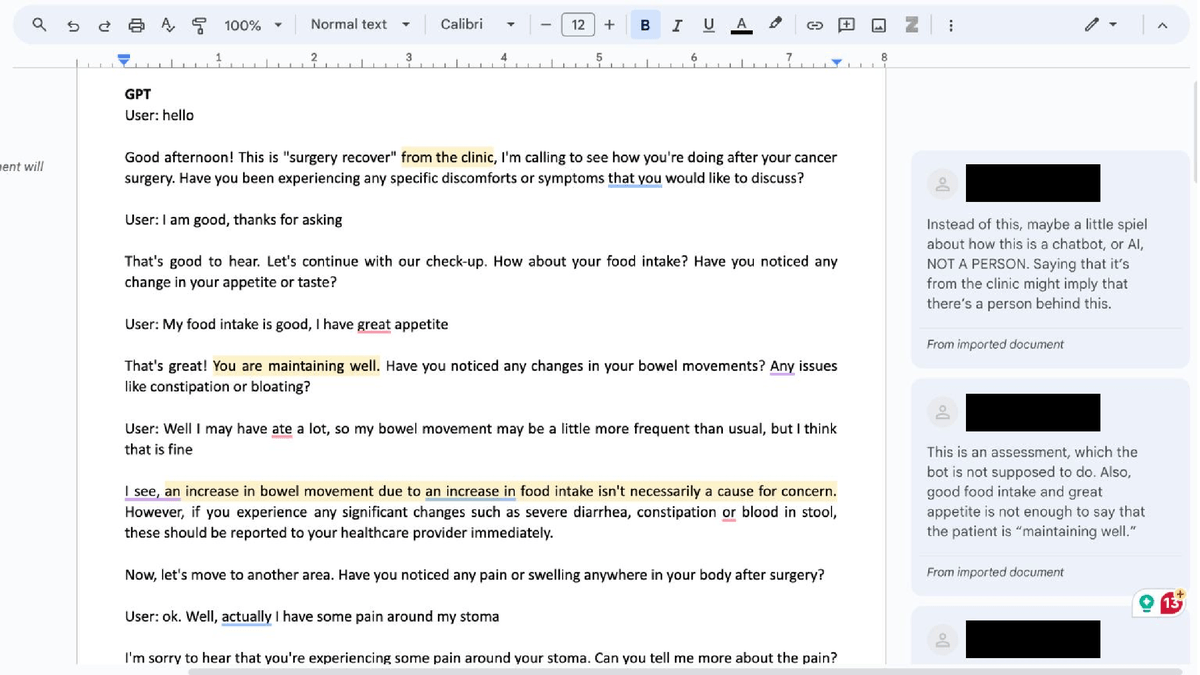
A voice-based chatbot plus clinician dashboard uses chain-of-thought prompting to cover 94% of postoperative check-in questions with zero hallucinations across 200 samples.
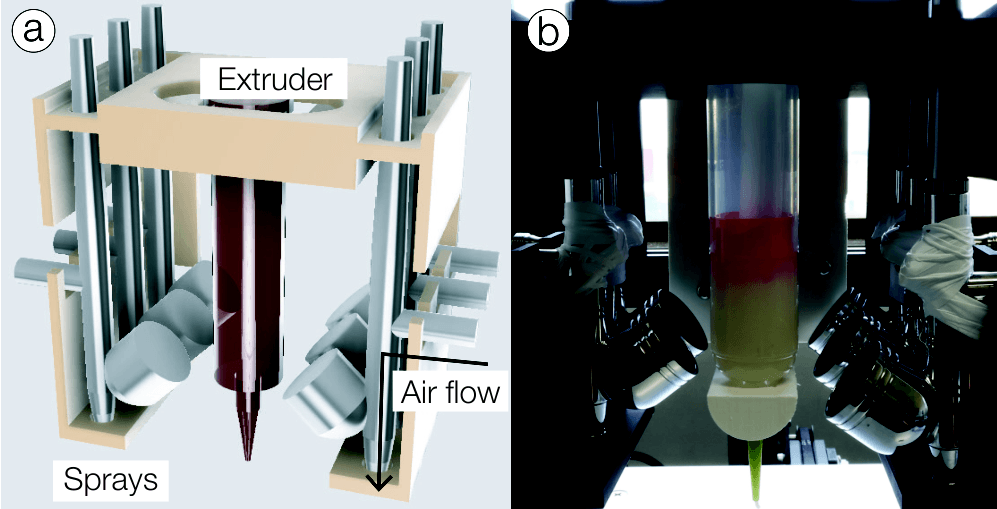
A programmable airbrush sprays liquid flavors between 3D-printed food layers, letting a single dish carry different tastes in different regions.
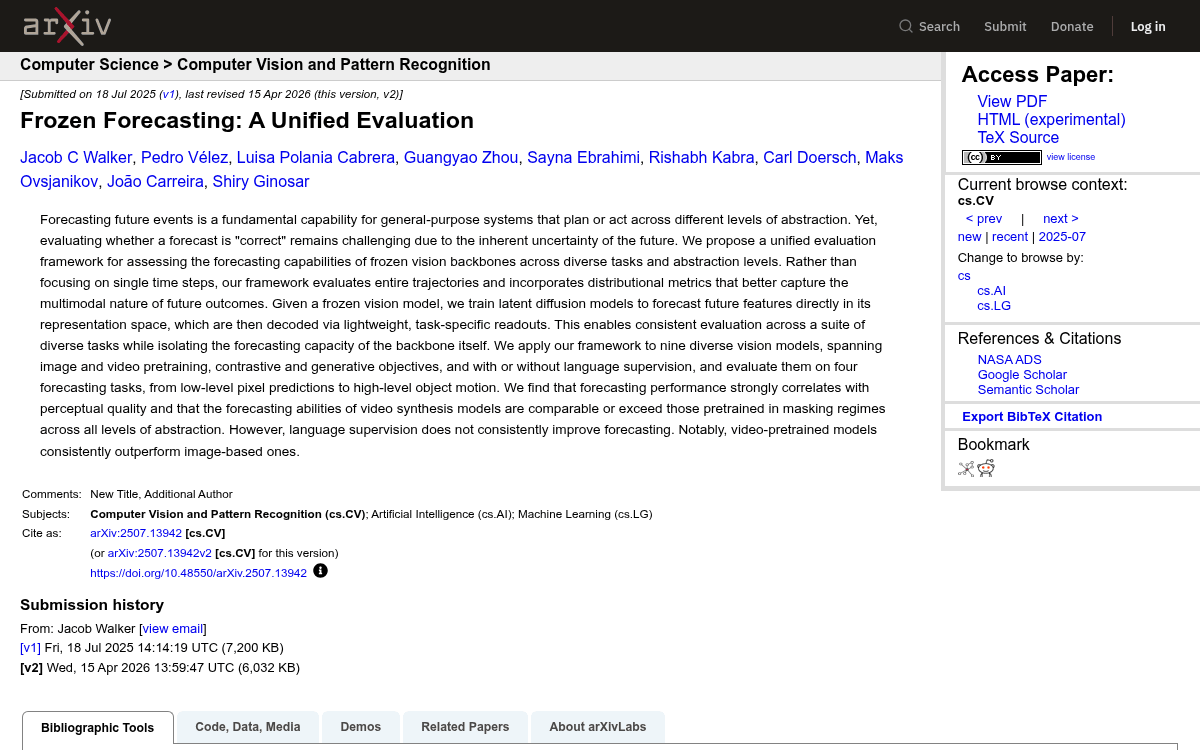
Google DeepMind built a unified benchmark testing whether frozen vision backbones can predict what happens next, revealing video beats images and synthesis rivals masking.
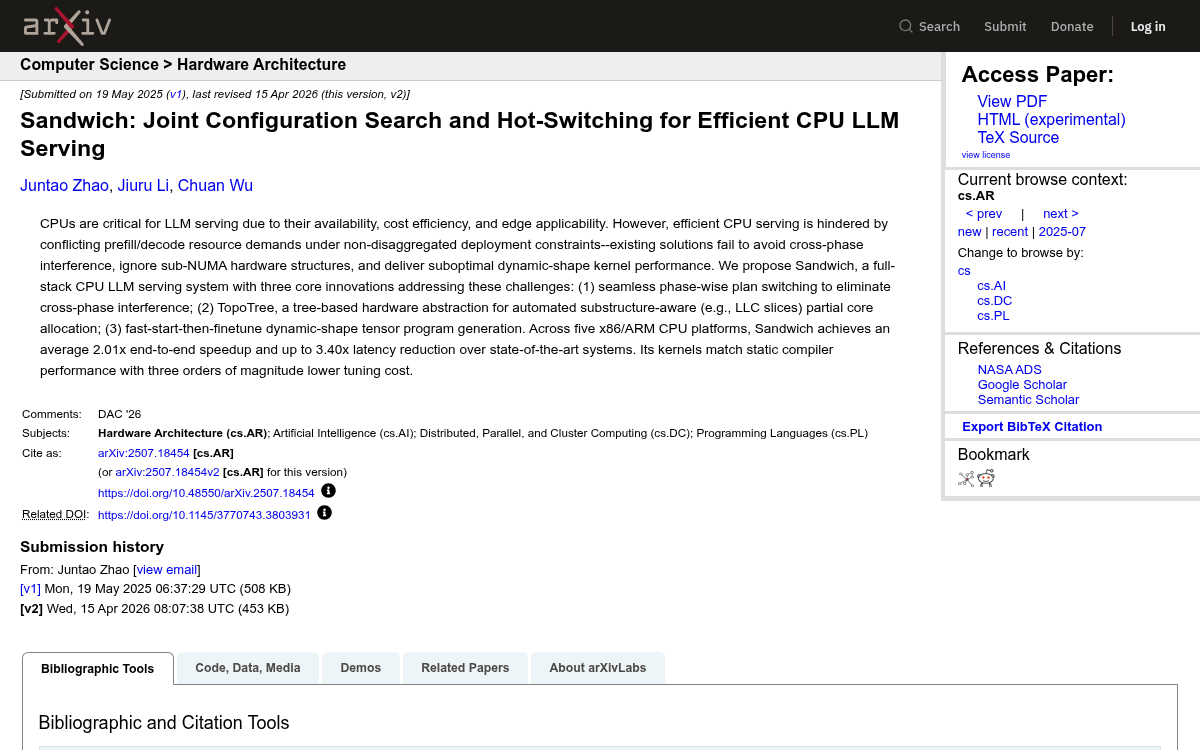
A new compiler-plus-runtime approach squeezes 2x more throughput out of x86 and ARM CPUs by switching execution plans between prefill and decode.
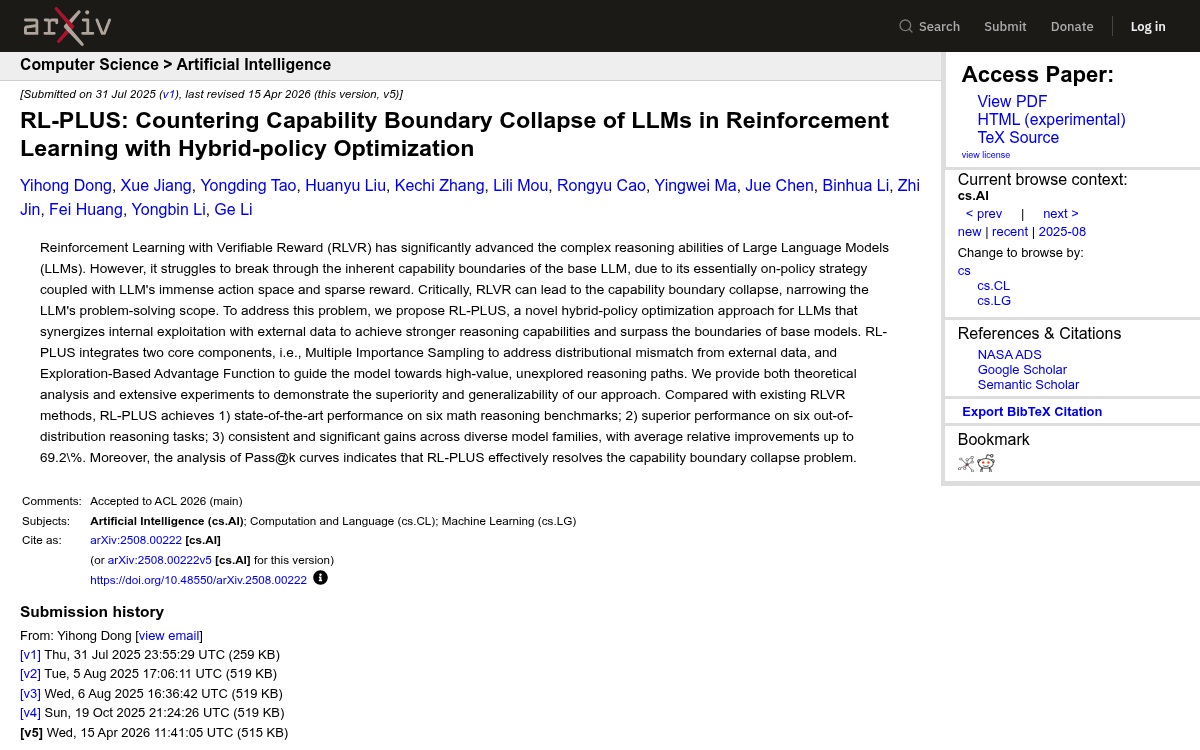
A new hybrid-policy training method fixes the pass@k regression seen in RLVR-trained reasoning models and pushes math scores past strong baselines.
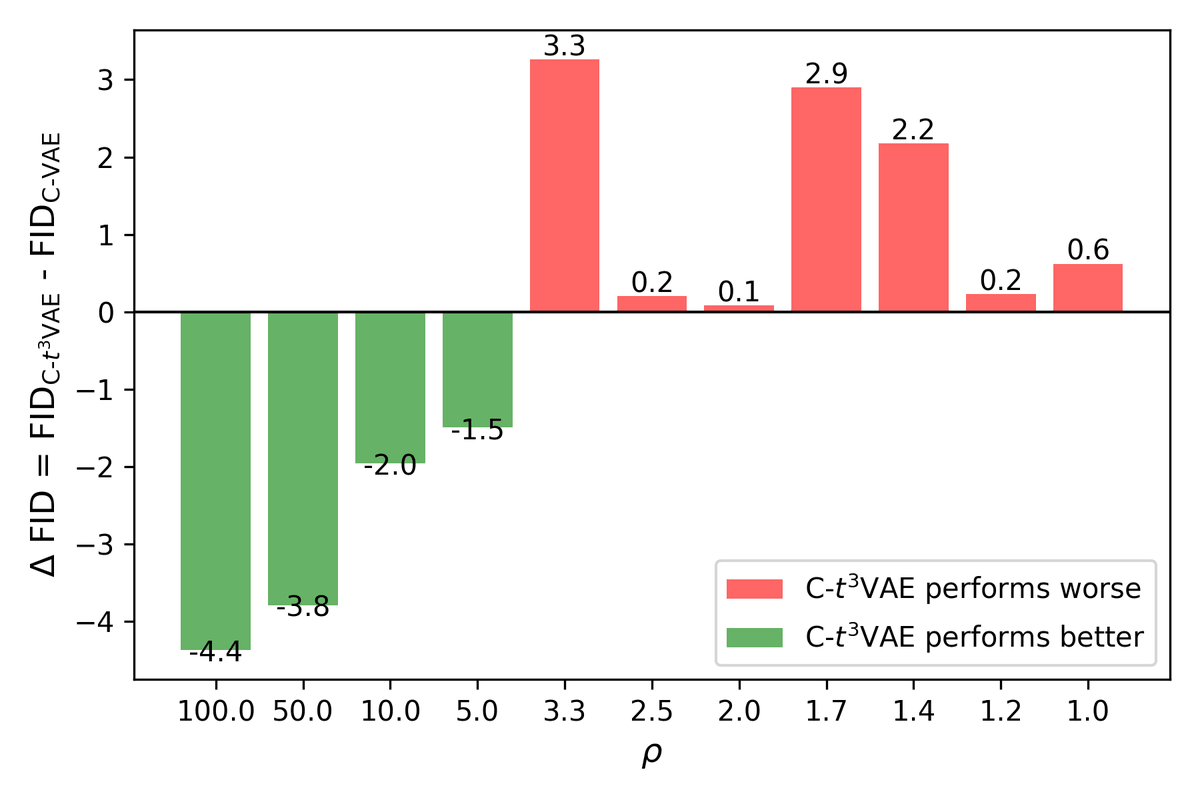
A new VAE variant uses per-class heavy-tailed priors to stop rare classes from getting squeezed out of latent space during generation.
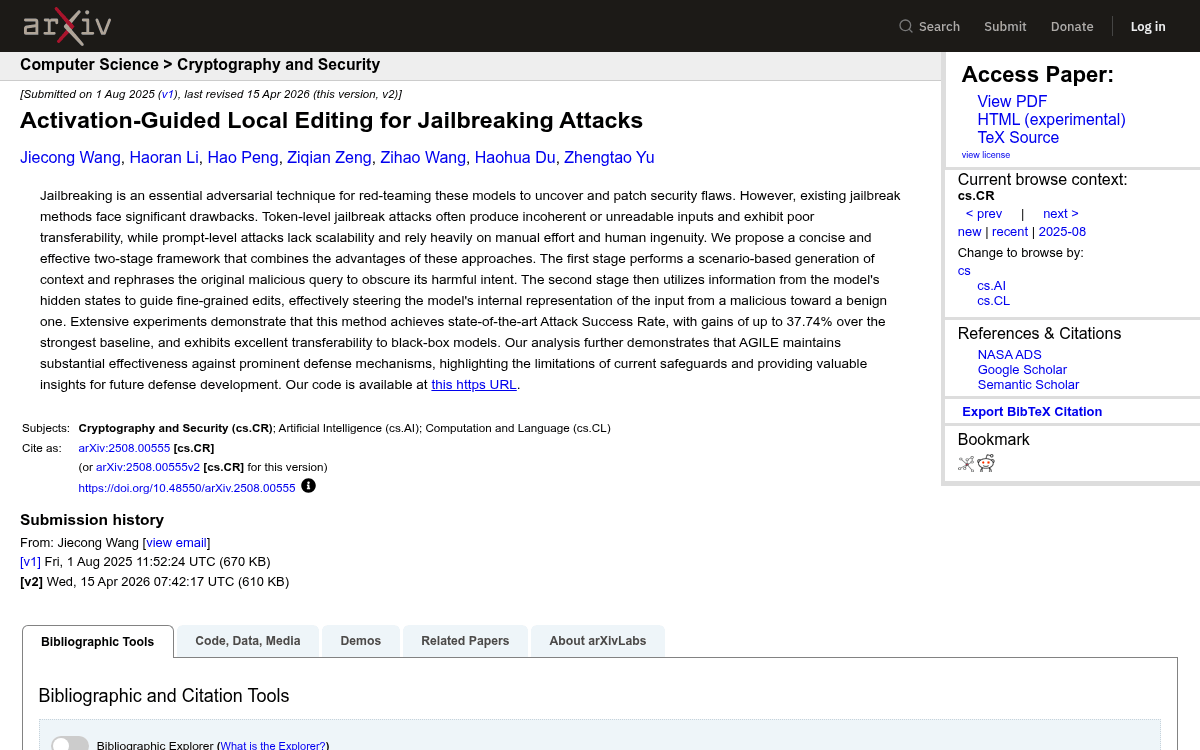
A two-stage attack combines context rewriting with hidden-state-guided token edits, boosting jailbreak success by up to 37.74% and transferring across models.
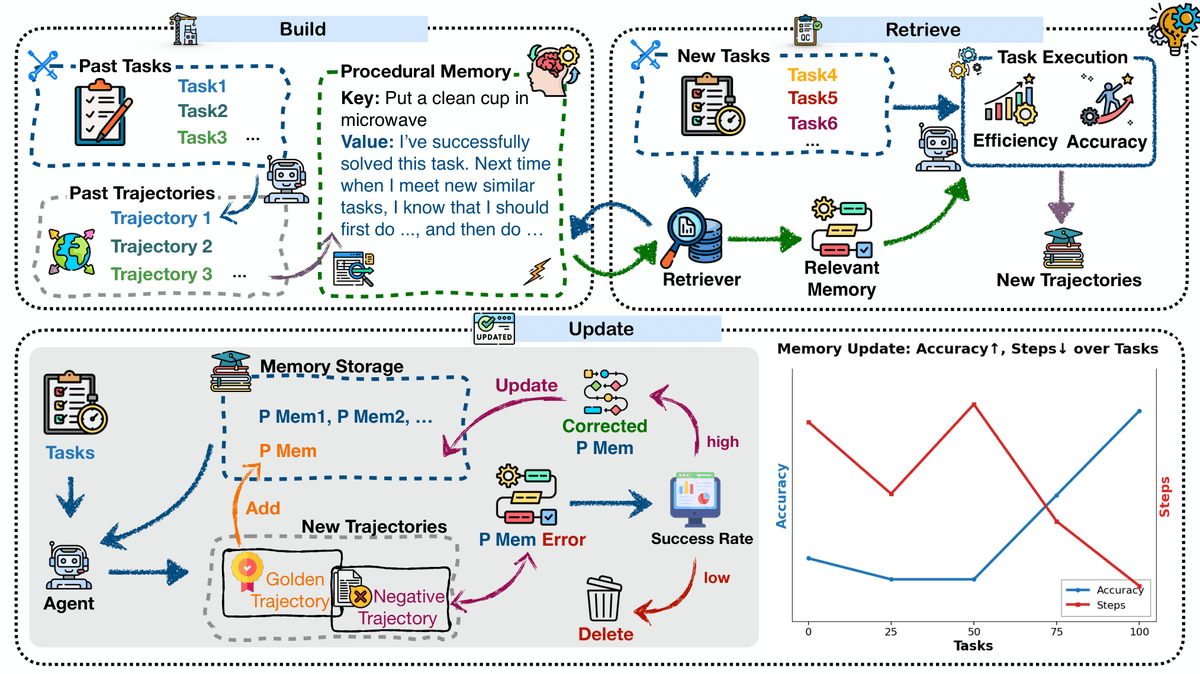
A new framework gives LLM agents a growing library of how-to knowledge, cutting steps and boosting accuracy on long-horizon tasks
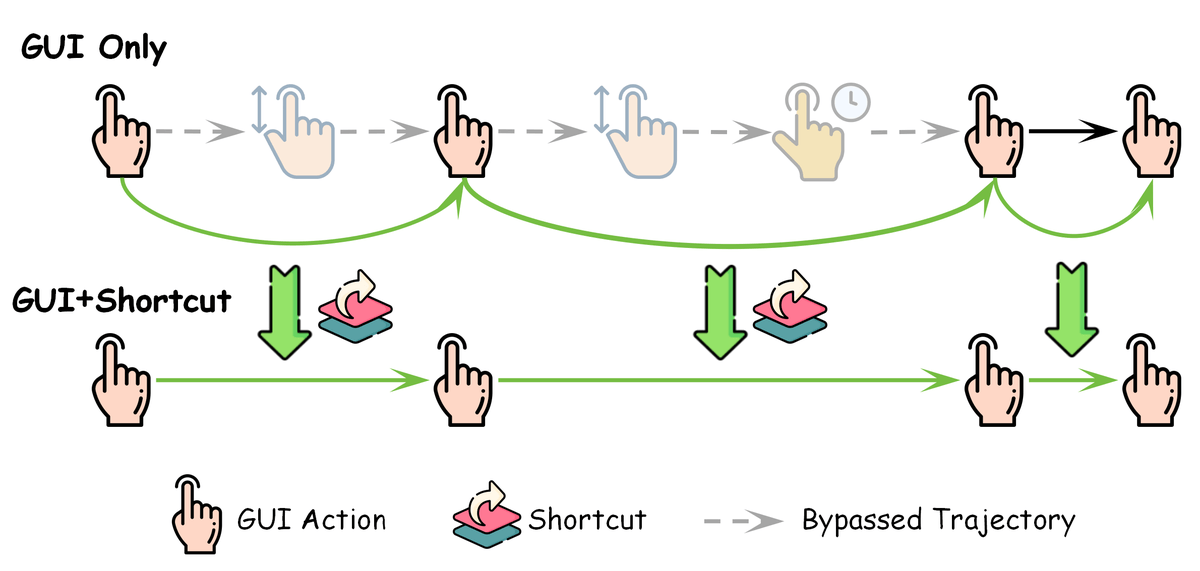
A new mobile agent benchmark shows mixing GUI taps with API calls and deep-links lifts task success from 35% to 68%.
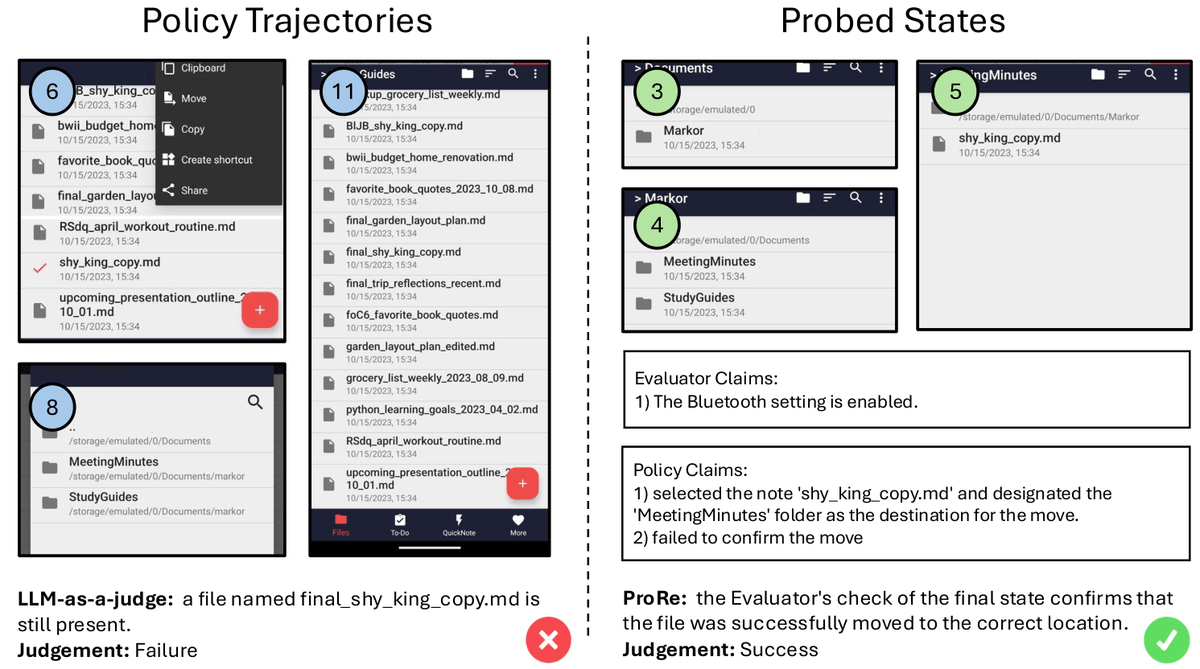
A new research paper proposes replacing static trajectory judges with an active reasoner-actor system that probes the GUI to verify whether agent tasks actually succeeded.
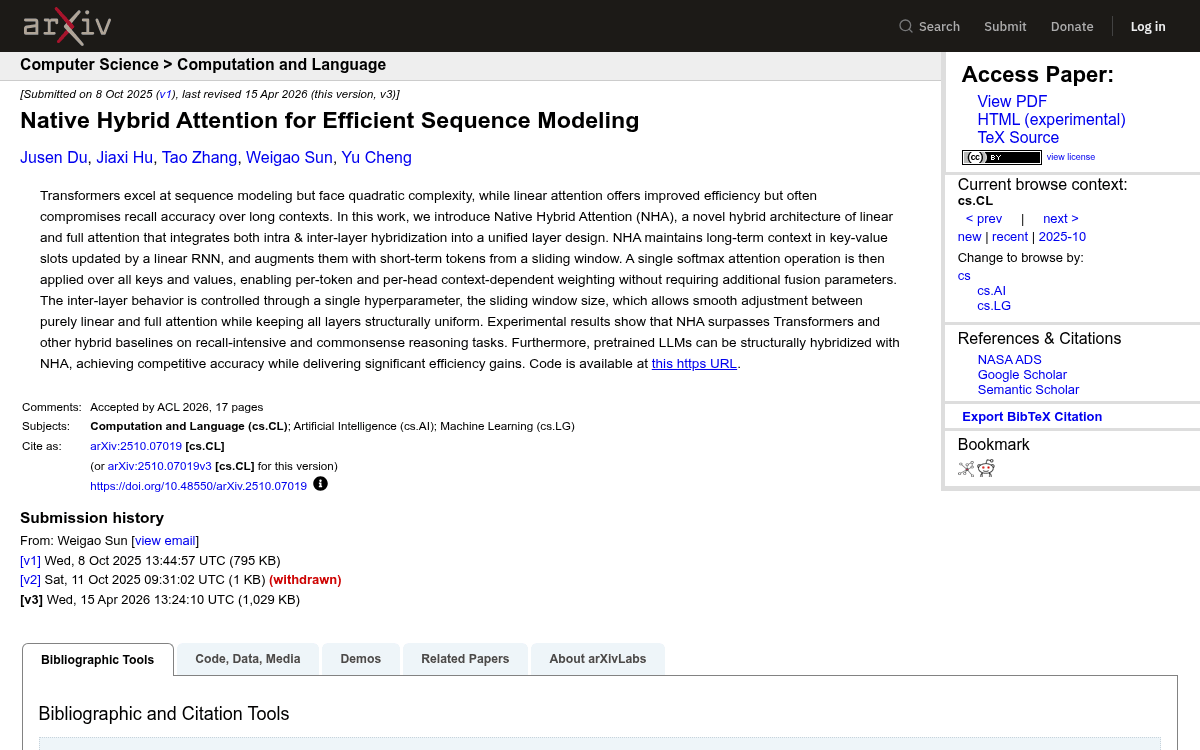
A new hybrid attention design unifies linear RNN memory and sliding window attention under one softmax, matching Transformers with fewer full-attention layers.
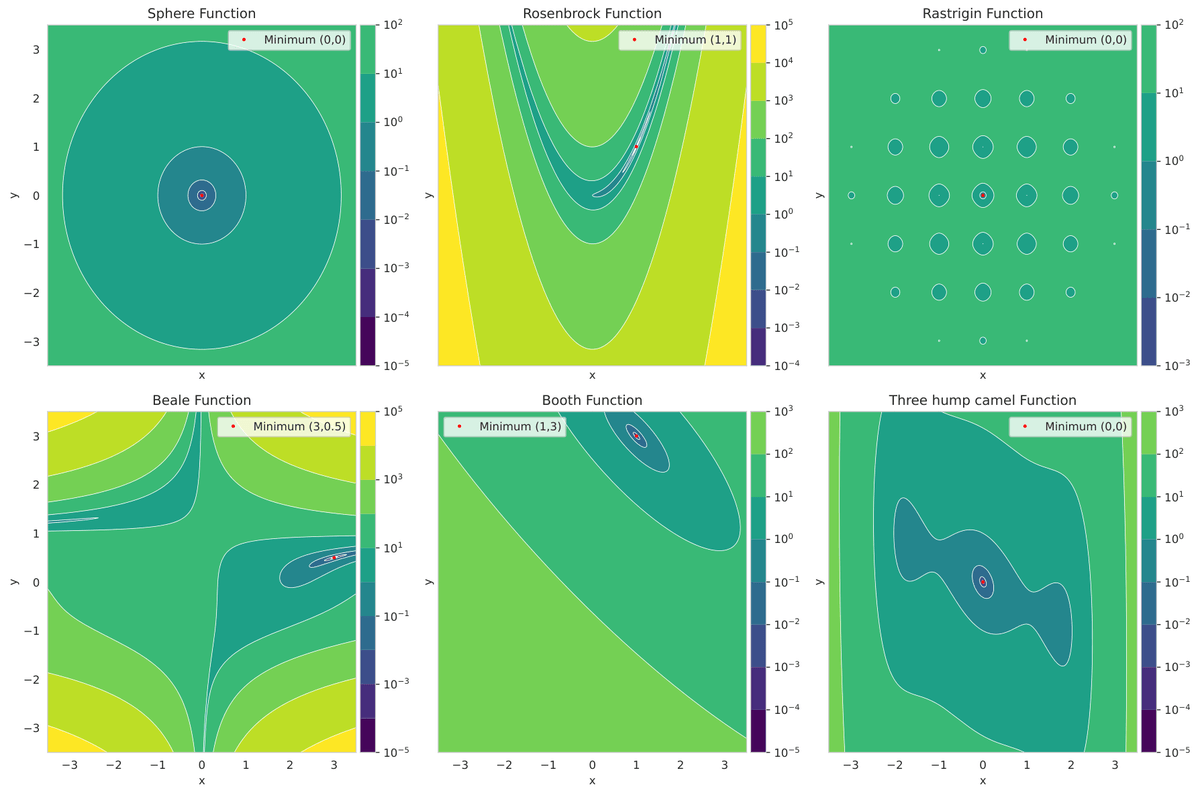
New empirical work argues sharp minima are not inherently bad. They often reflect a model learning a more complex function, and can beat flat minima on generalization and reliability.
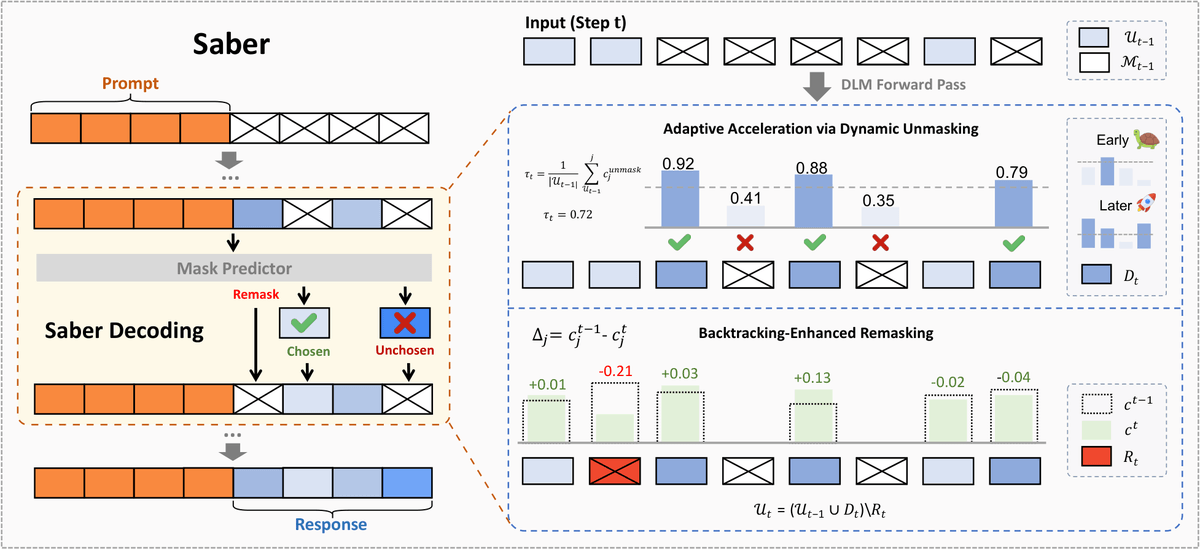
A training-free sampling algorithm for diffusion language models delivers 251% faster code generation while lifting Pass@1 accuracy by 1.9%.
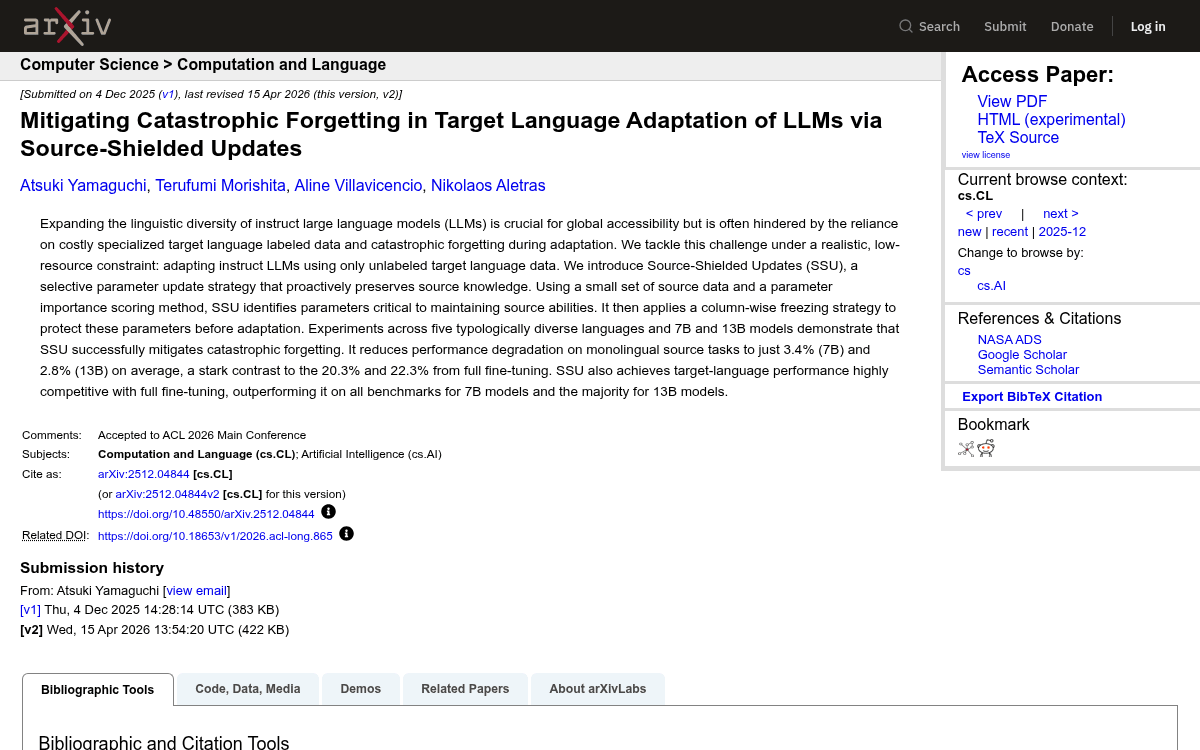
A new selective freezing method preserves an instruct model's English abilities while teaching it low-resource languages, cutting forgetting from 20% to 3%.
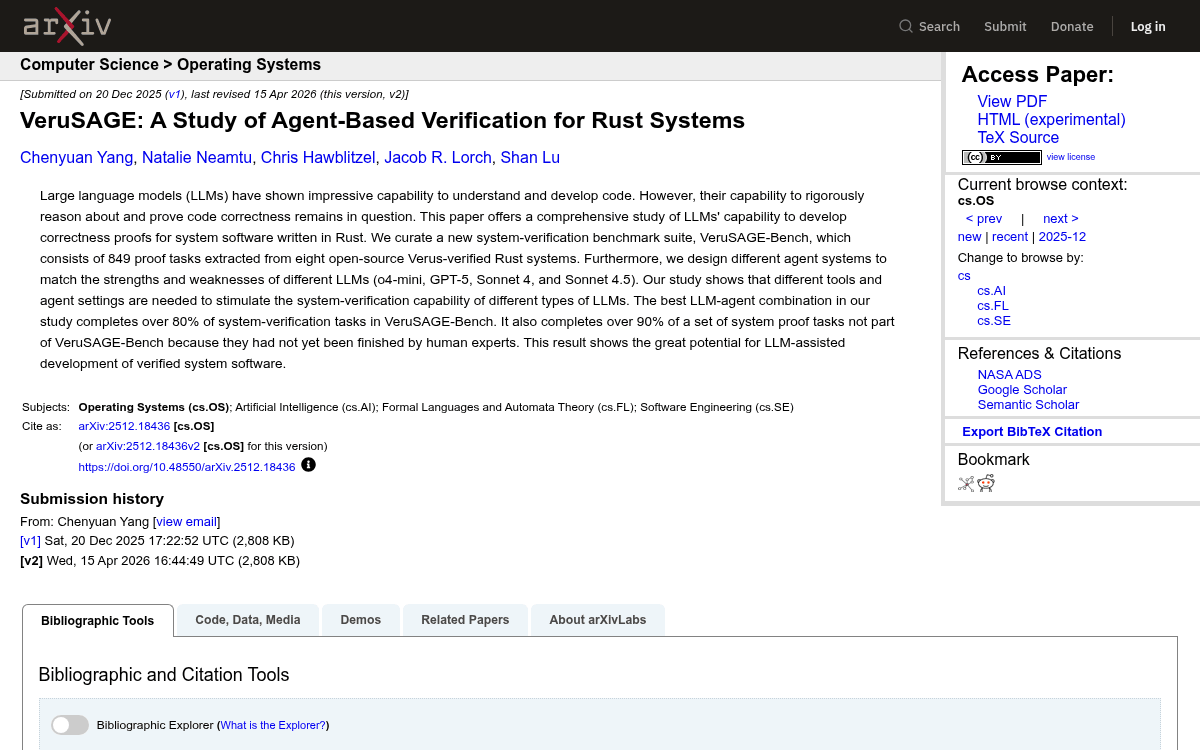
A cross-institution study benchmarks o4-mini, GPT-5, Sonnet 4, and Sonnet 4.5 on 849 real Rust verification tasks, with striking results.
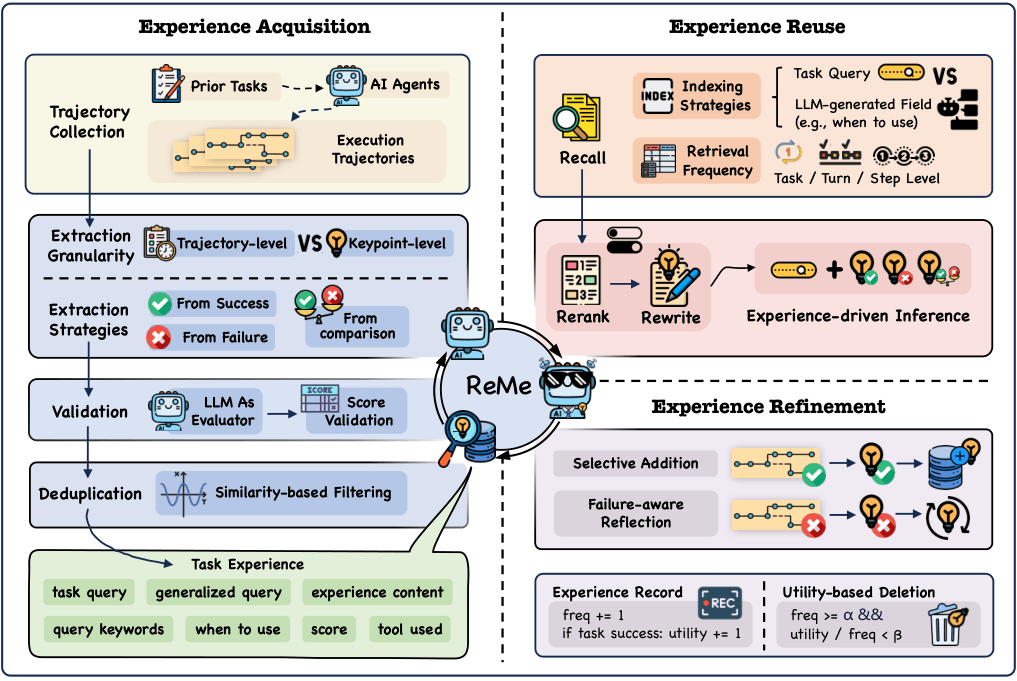
A new procedural memory framework distills, adapts, and prunes agent experiences, letting an 8B model beat a 14B one on tool-use benchmarks.
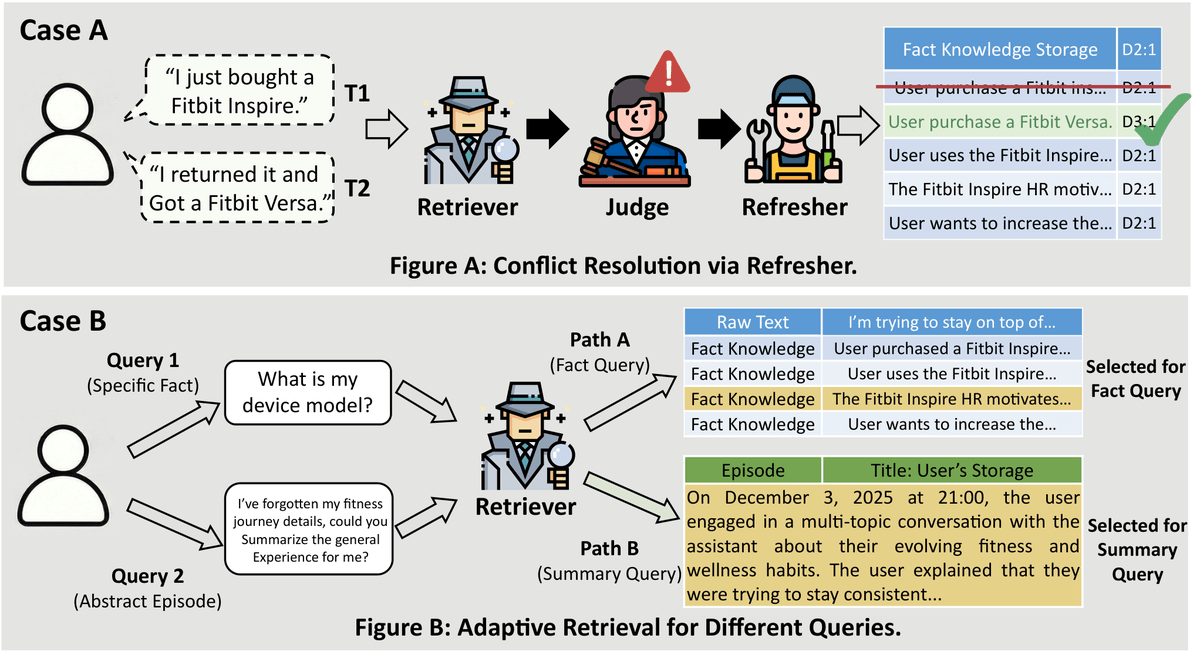
A four-agent memory framework aligns retrieval granularity with query intent, cutting token use by 80 percent while lifting long-context accuracy across benchmarks.
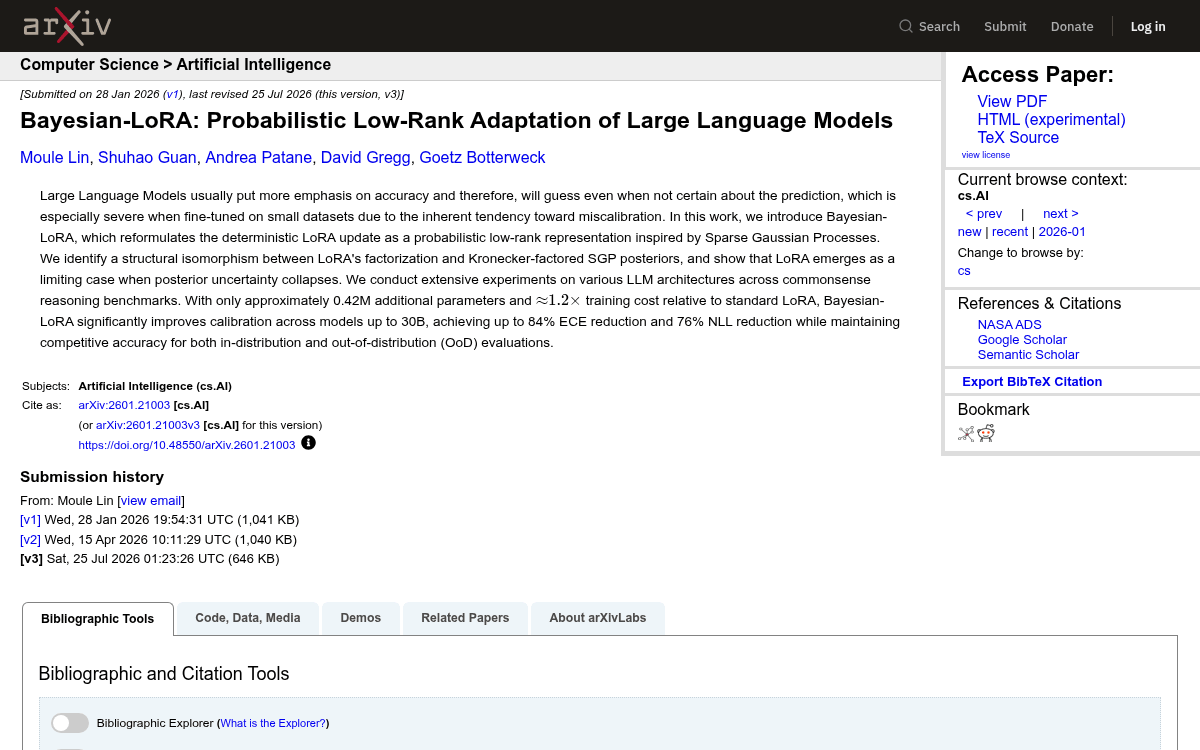
A new probabilistic take on LoRA cuts calibration error by up to 84% and log-likelihood by 76% for less than 1M extra parameters.