
Pro
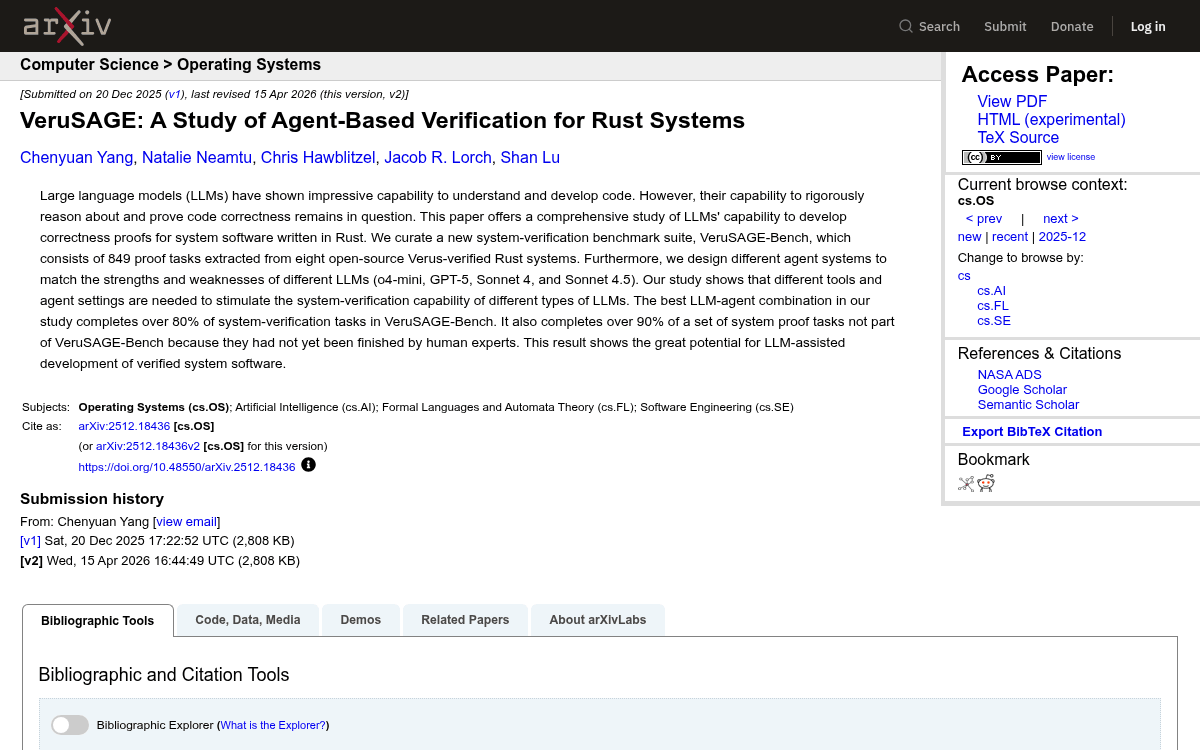
VeruSAGE Proves 81% of Real Rust System Code Correct Without Human Help
A cross-institution study benchmarks o4-mini, GPT-5, Sonnet 4, and Sonnet 4.5 on 849 real Rust verification tasks, with striking results.
20 stories
A cross-institution study benchmarks o4-mini, GPT-5, Sonnet 4, and Sonnet 4.5 on 849 real Rust verification tasks, with striking results.
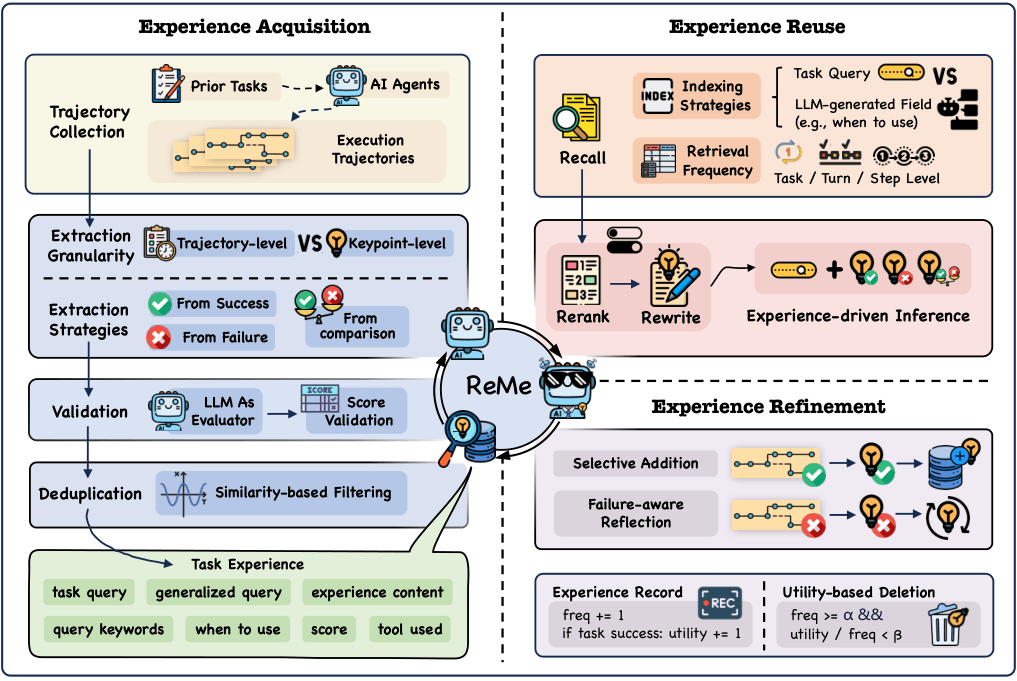
A new procedural memory framework distills, adapts, and prunes agent experiences, letting an 8B model beat a 14B one on tool-use benchmarks.
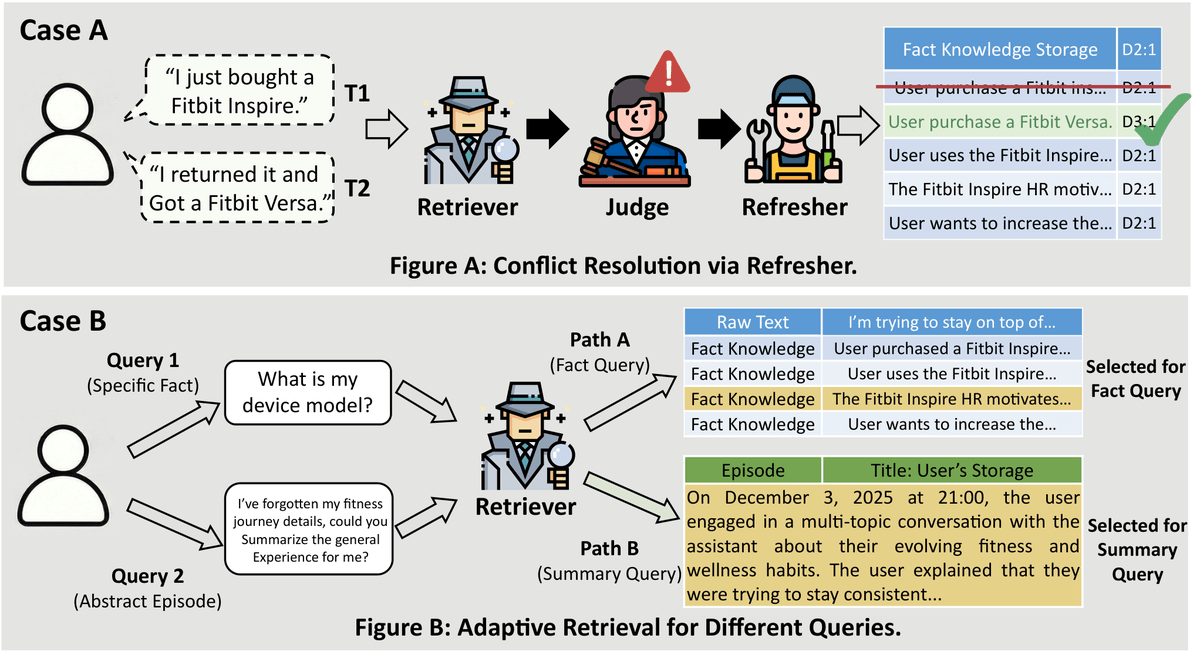
A four-agent memory framework aligns retrieval granularity with query intent, cutting token use by 80 percent while lifting long-context accuracy across benchmarks.
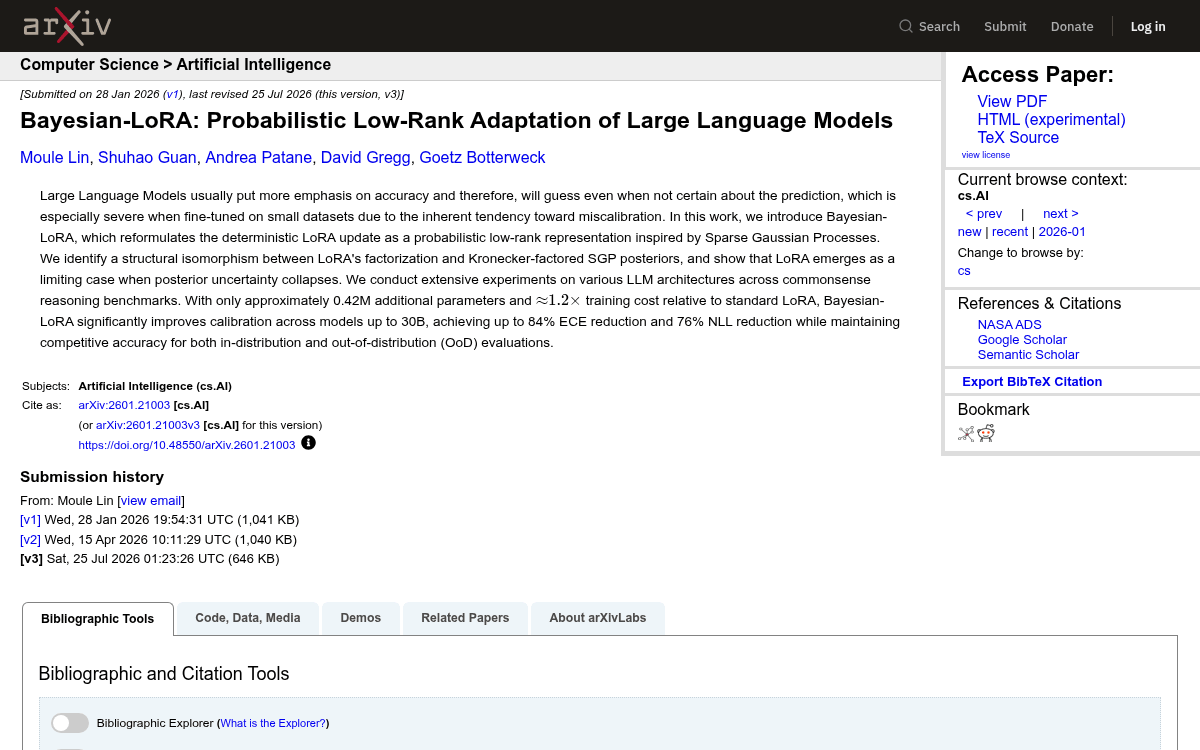
A new probabilistic take on LoRA cuts calibration error by up to 84% and log-likelihood by 76% for less than 1M extra parameters.
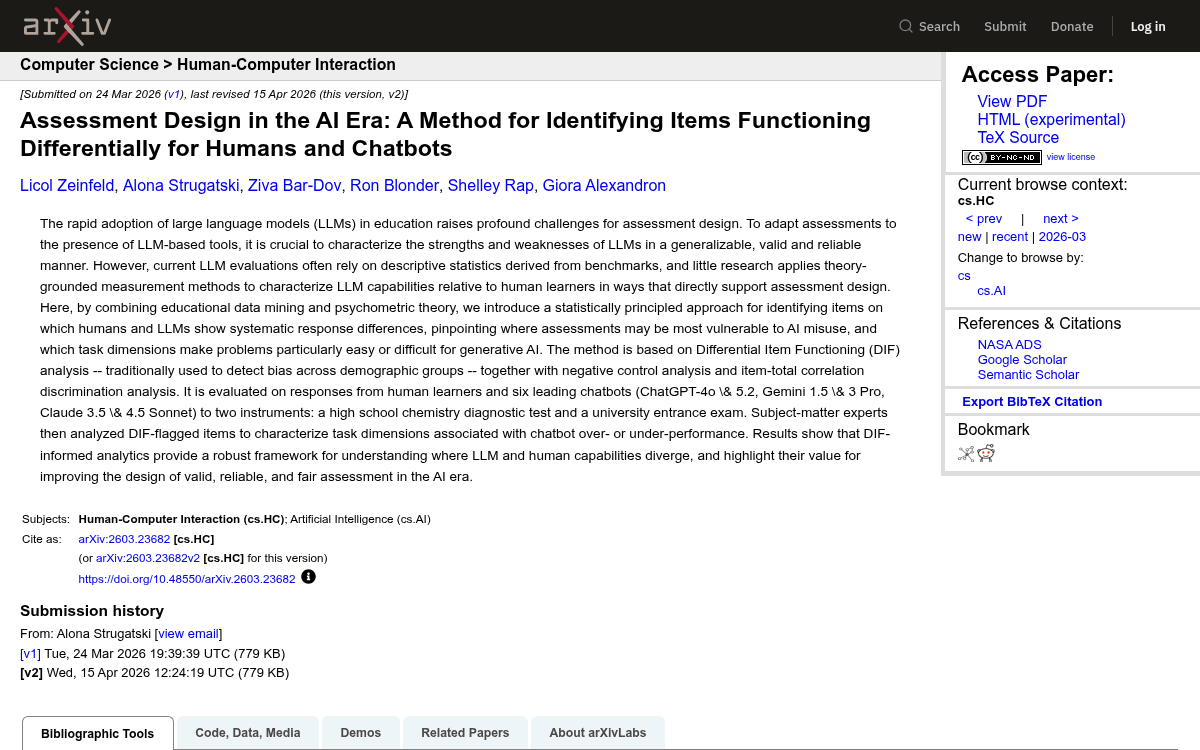
Researchers borrow a psychometric bias detection technique to pinpoint exactly which exam questions favor chatbots over students, and vice versa.
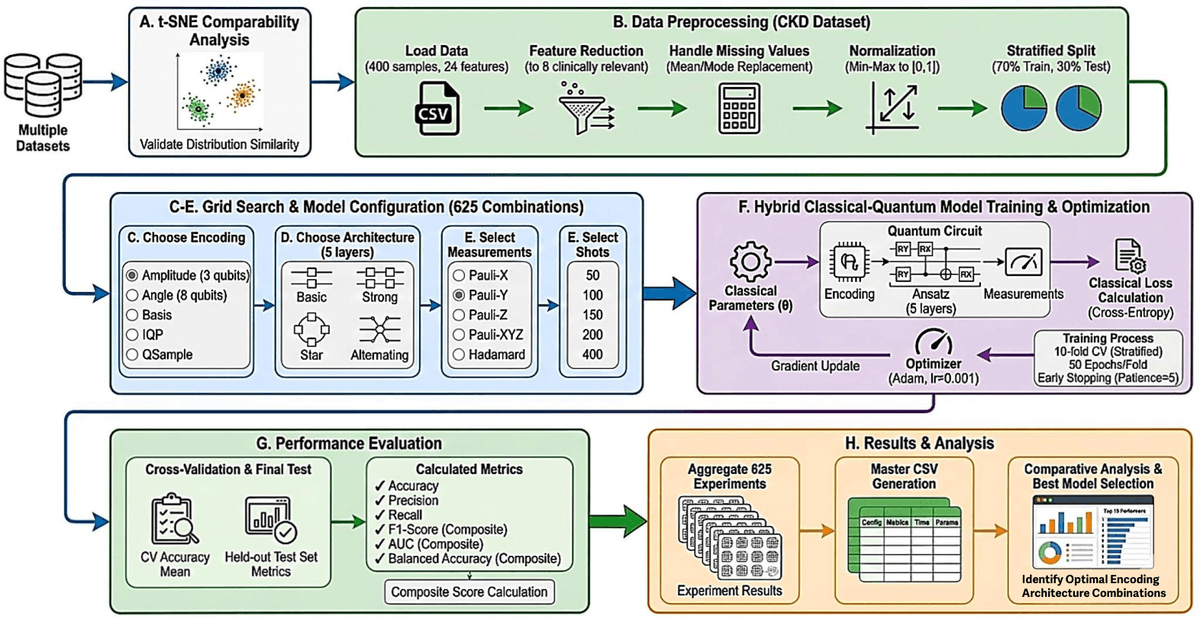
A brute-force sweep of 625 hybrid quantum neural network configurations on kidney disease data shows compact circuits often beat complex ones.
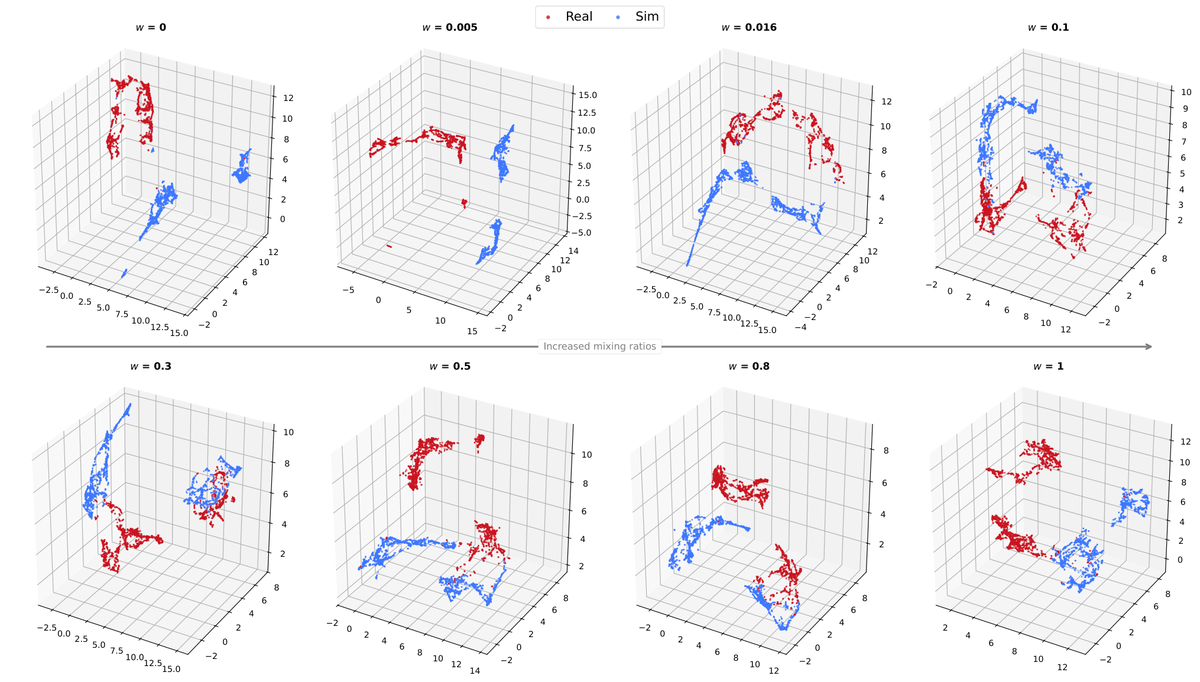
New study reveals why mixing simulation and real robot data works, identifies two hidden mechanisms, and delivers a method that nearly doubles success rates.
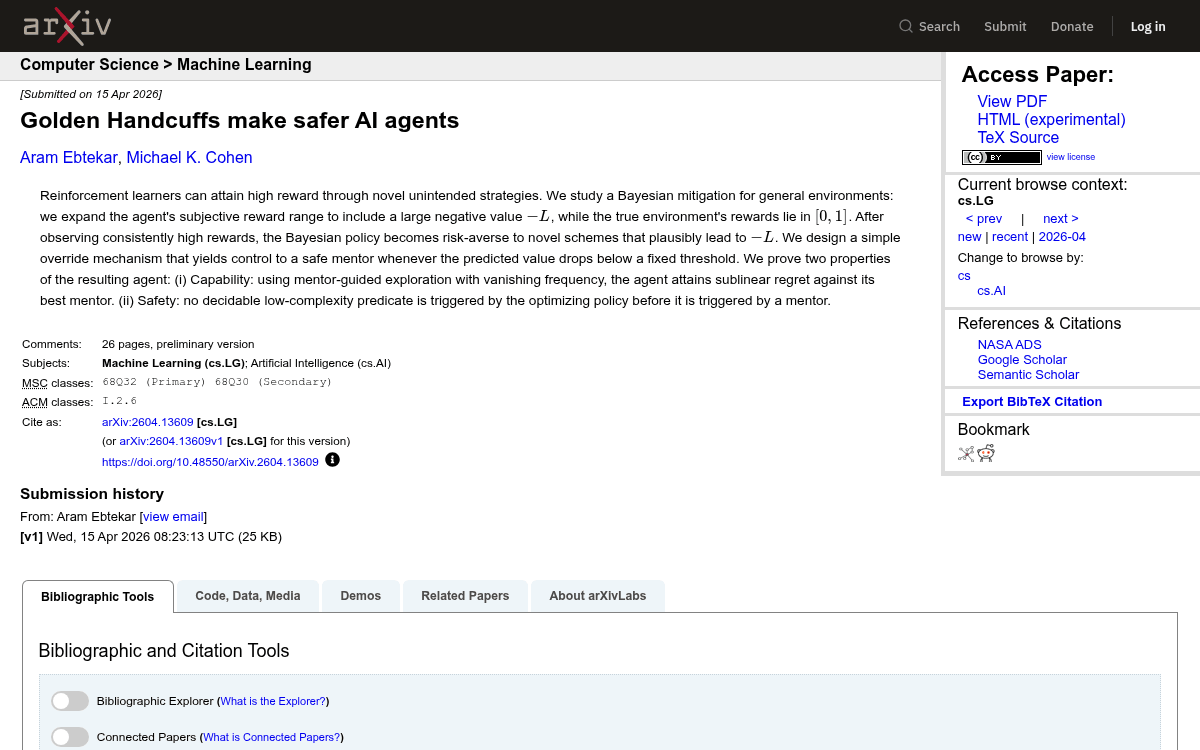
A new Bayesian safety framework makes reinforcement learning agents risk-averse to novel strategies by baking a hypothetical worst-case reward into their prior.
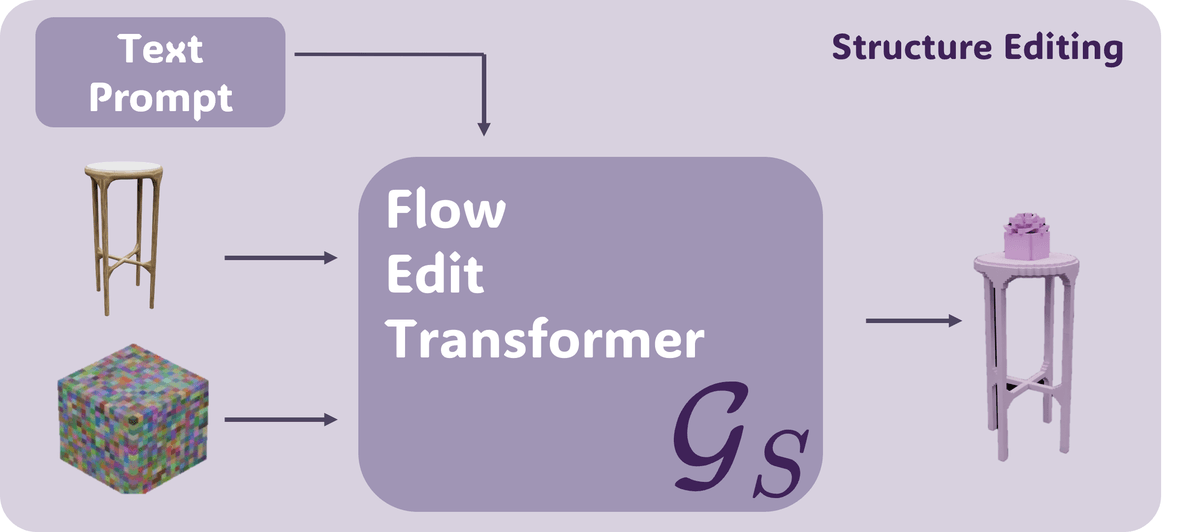
A cross-institution team introduces BVE, a text-guided 3D editing framework that adds trainable modules onto an image-to-3D backbone and uses automatic 3D masks to keep unchanged regions intact.
Researchers built a 33-skill dictionary that lets LLMs classify teachers' geometric reasoning across five Van Hiele levels, beating skills-blind baselines.
A multi-agent system pairs LLM reasoning with machine learning interatomic potentials to run and debate materials science experiments in five minutes.
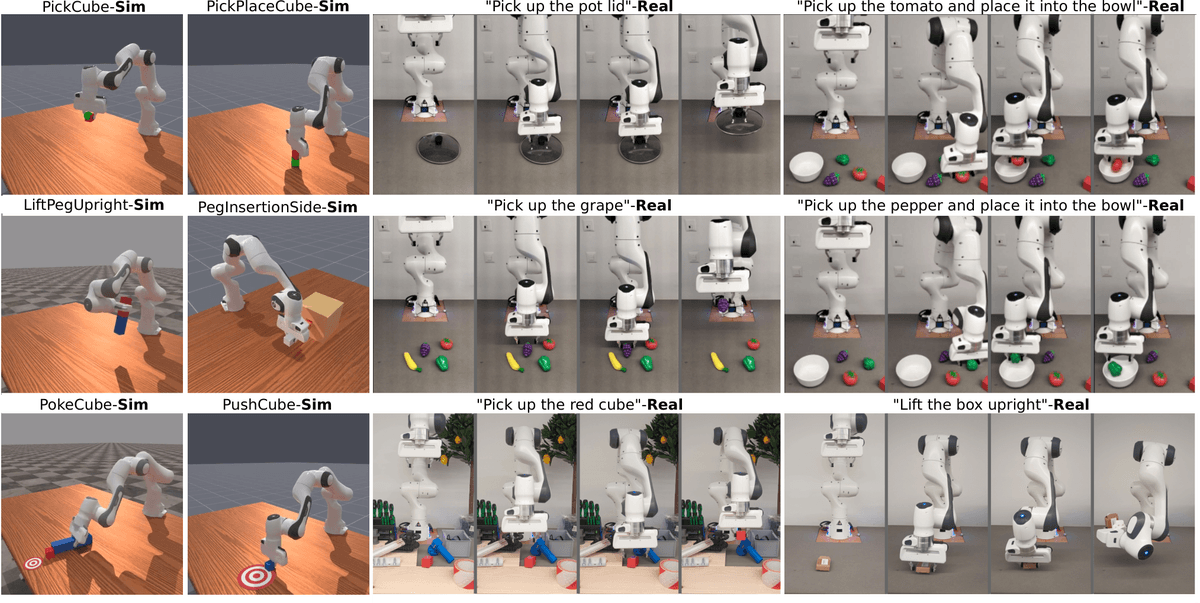
A new method uses vision-language-action models as sparse early hints for PPO, cutting robot training interactions by over 50% on manipulation tasks.
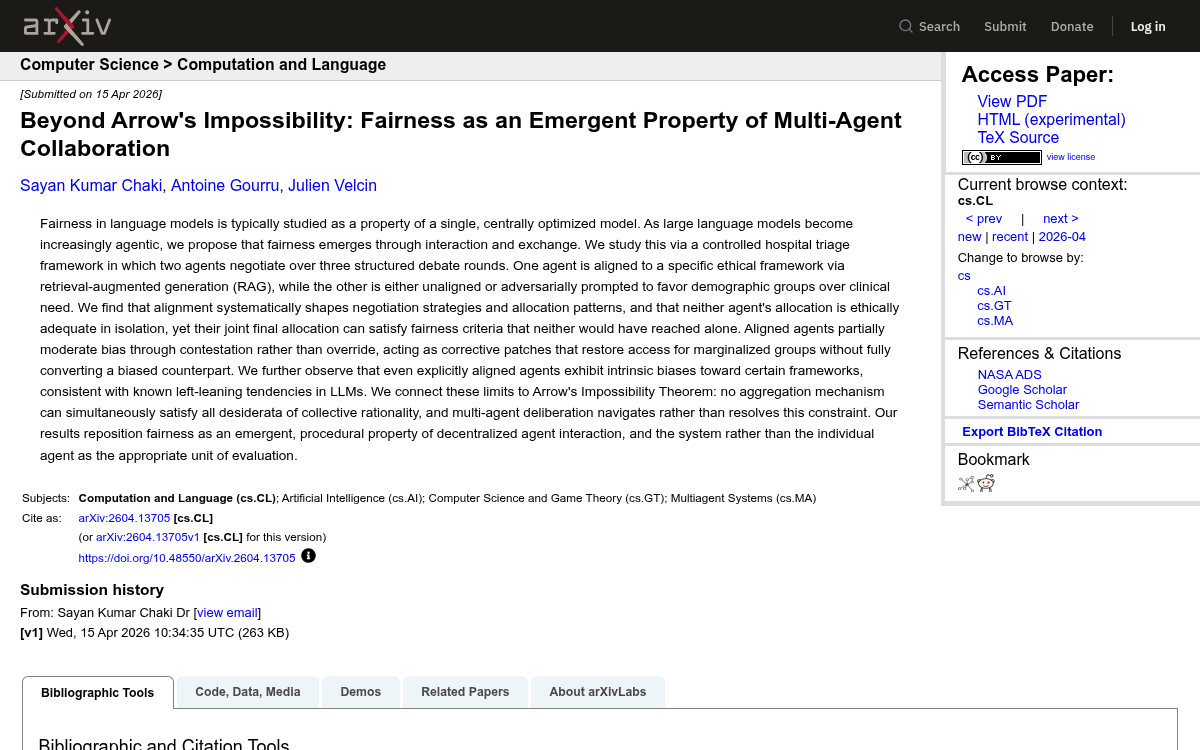
New research shows fairness in multi-agent LLM systems emerges from negotiation between agents, not from any single aligned model in isolation.
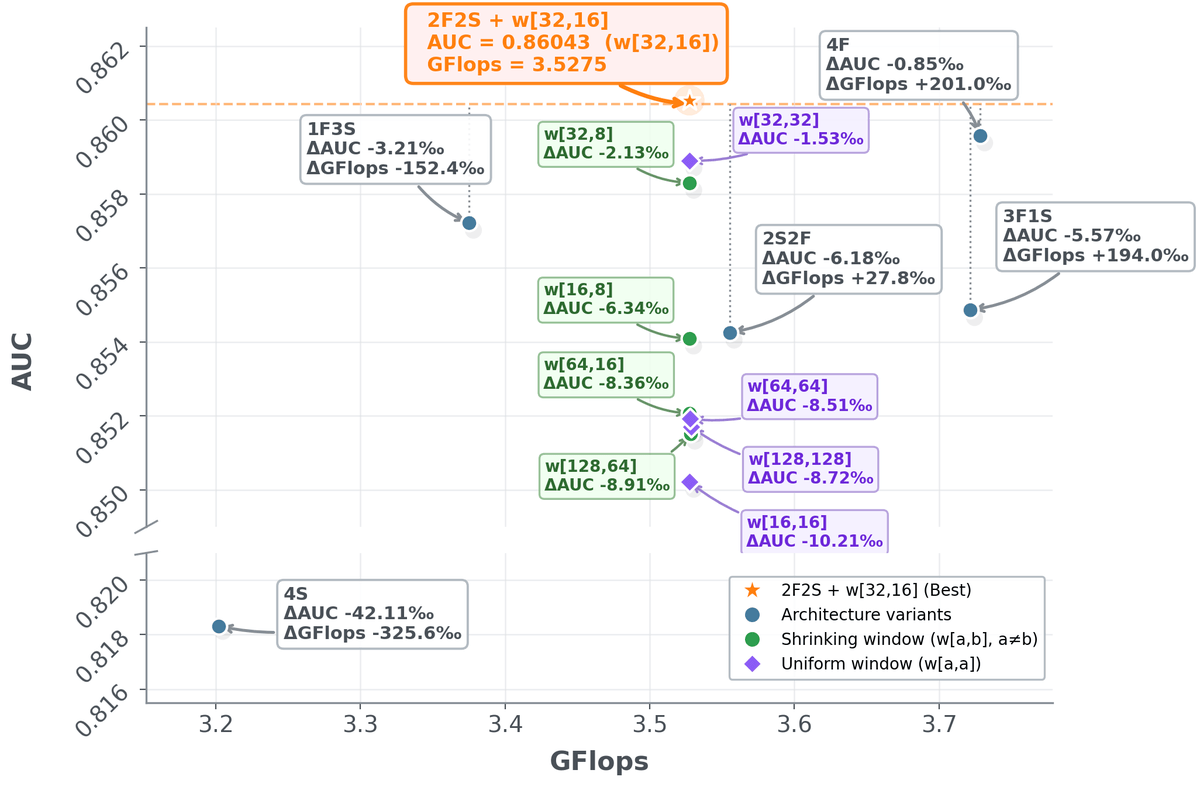
Tencent researchers identify a failure mode called Sequential Collapse Propagation and propose a unified transformer that fuses feature interaction and sequence modeling without dimensional degradation.
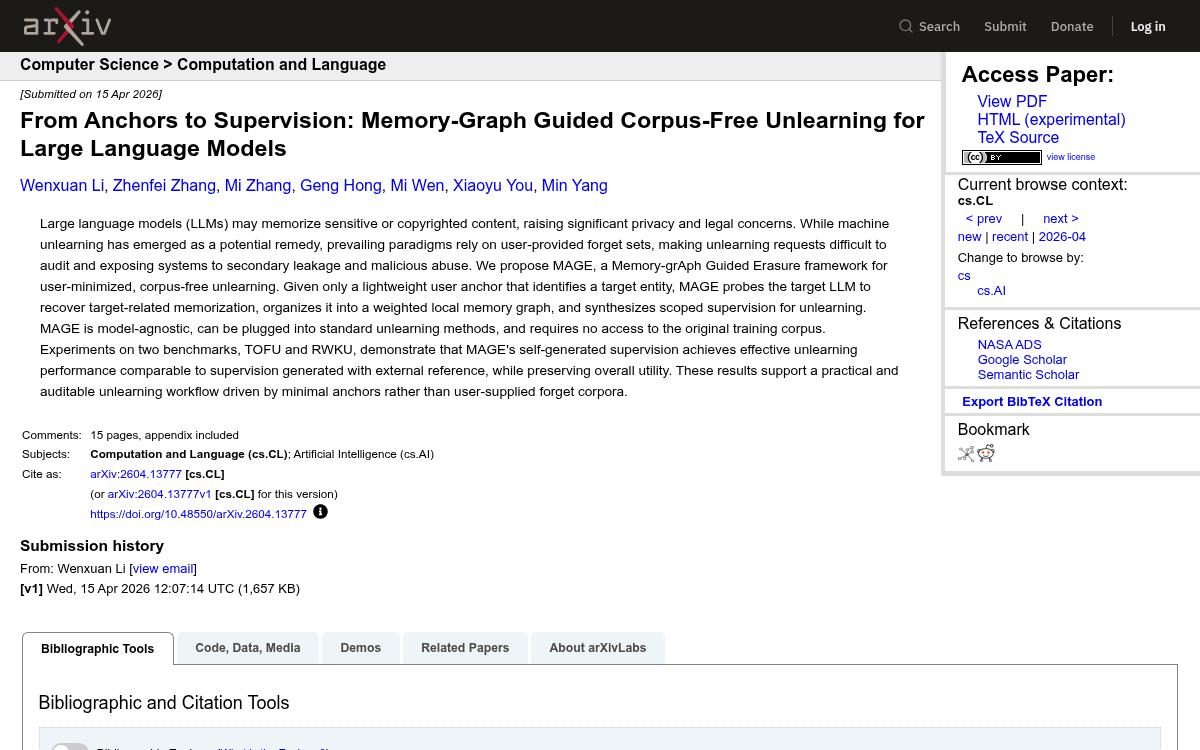
MAGE lets users request LLM unlearning with just a name instead of uploading sensitive content, mining the model's own memory to build the forget set.
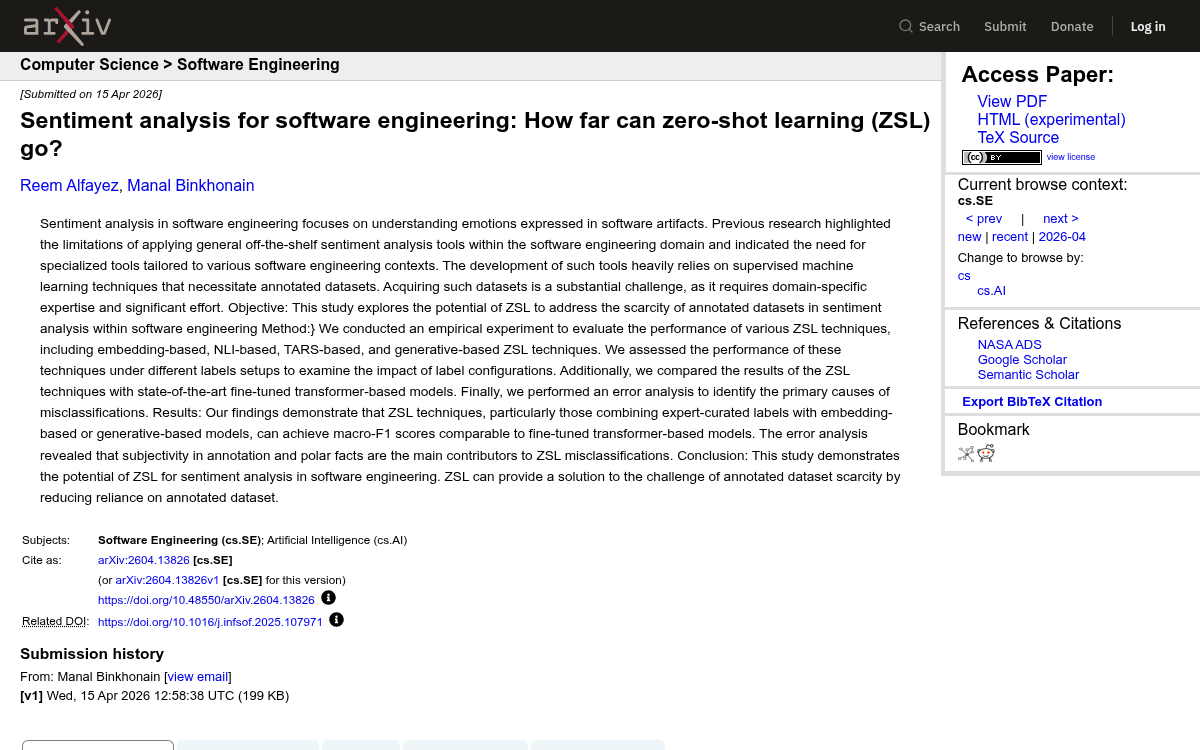
A new empirical study shows zero-shot models can match fine-tuned transformers for sentiment analysis on developer text, no labeled data required.
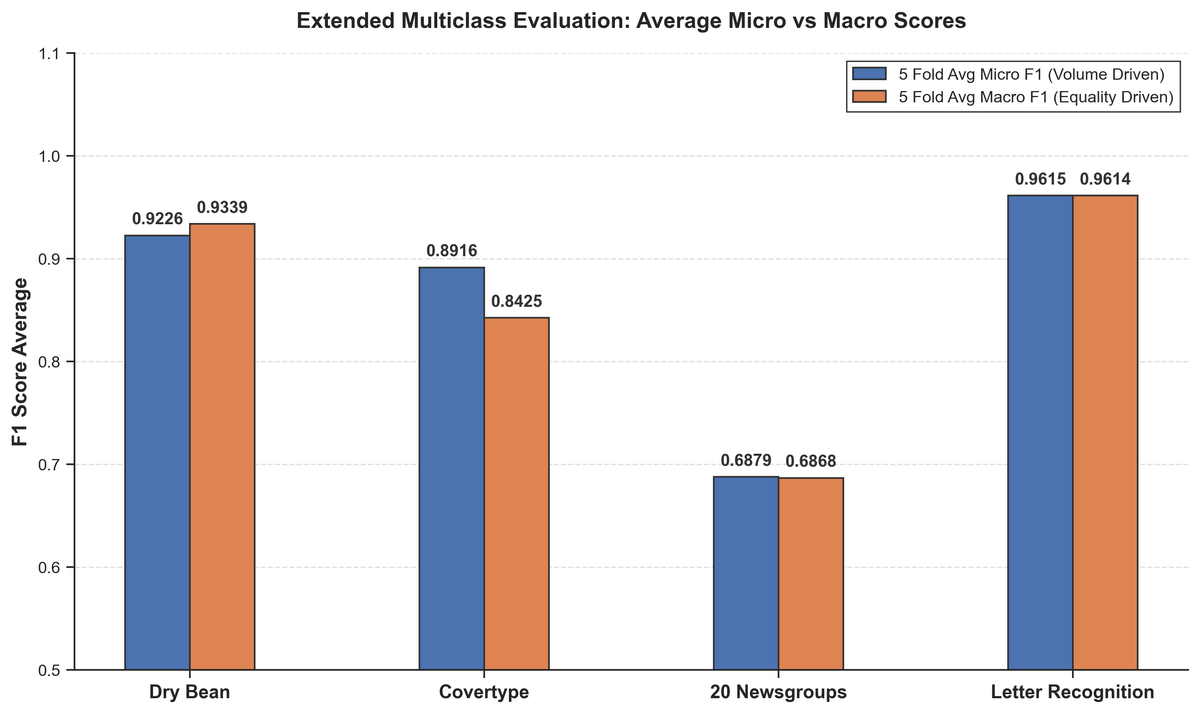
A new study runs seven controlled scenarios across 15 datasets to show why single-metric reporting produces misleading conclusions about model quality.
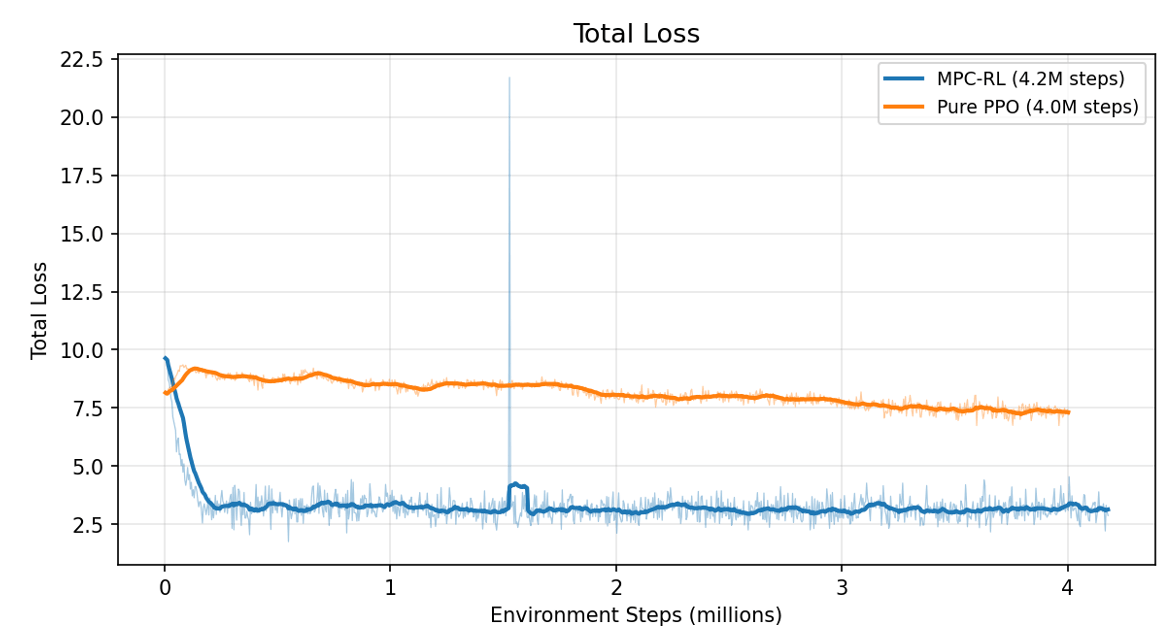
A hierarchical controller pairs a learned speed policy with a model predictive planner, cutting collisions 21% and transferring zero-shot to highway merging.
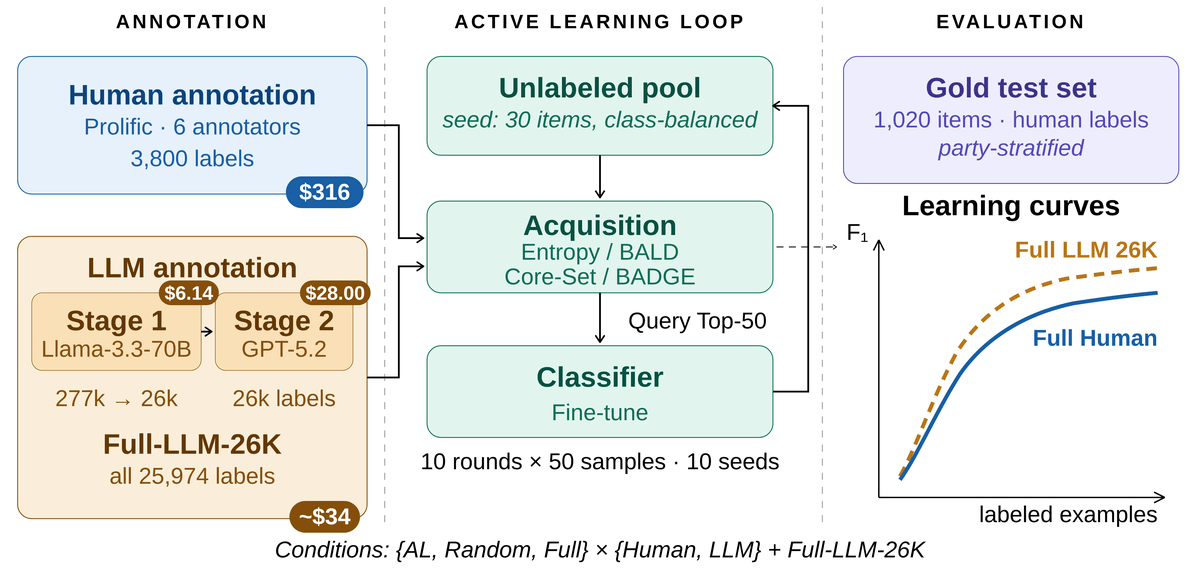
A study on German TikTok hostility detection finds GPT-labeled data trains stronger classifiers than crowdworker labels at one-tenth the cost.
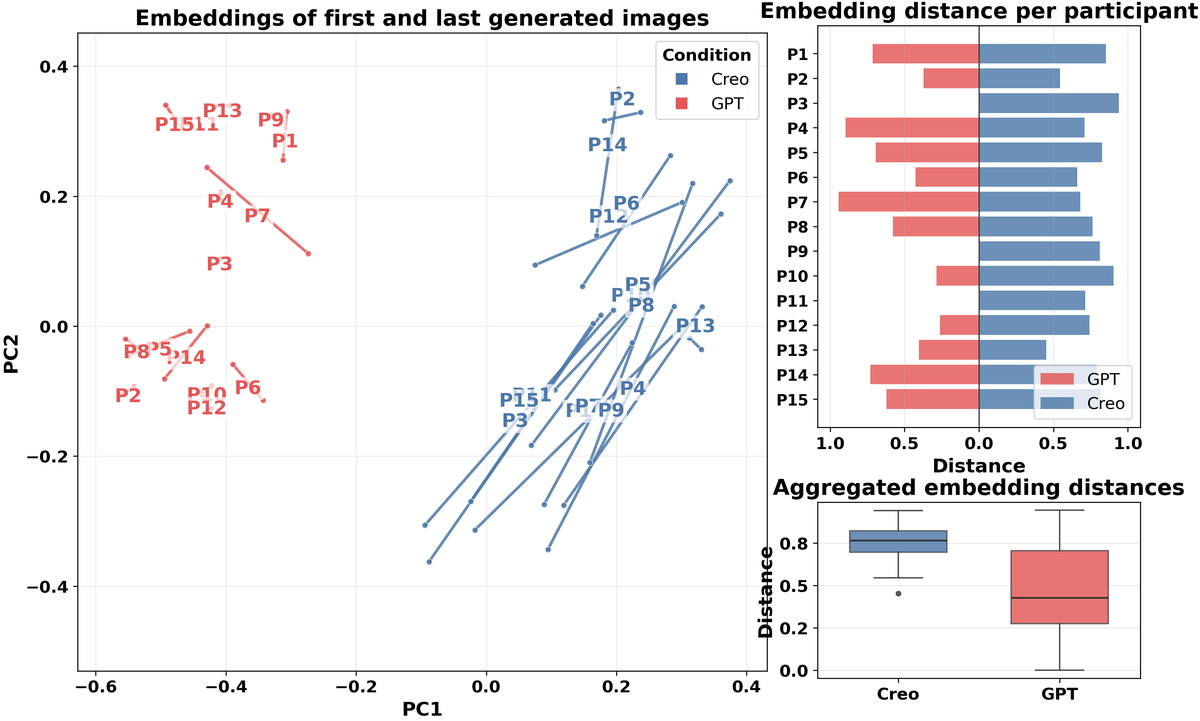
MIT researchers propose a staged text-to-image workflow with sketch-level intermediates and decision locking, boosting user control and output diversity.