
Pro
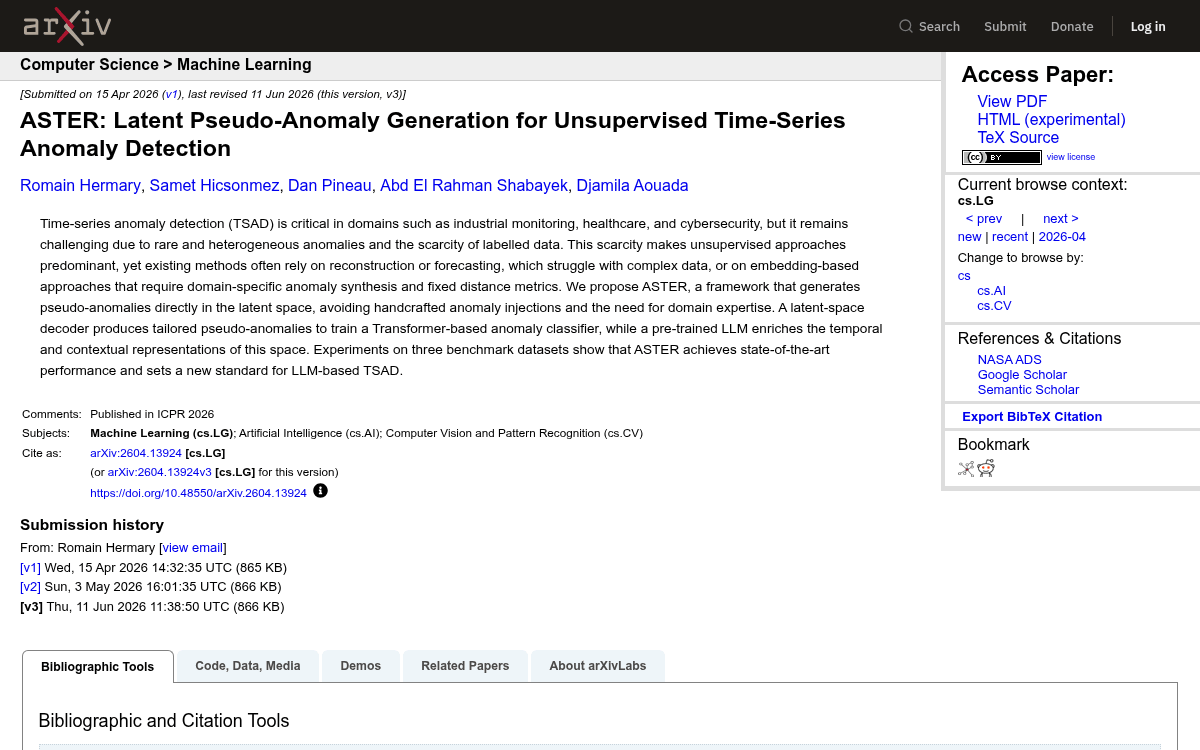
Luxembourg Researchers' ASTER Framework Beats Every LLM Anomaly Detector on TAB
A new unsupervised framework generates pseudo-anomalies inside a latent space shaped by a pre-trained LLM, beating existing baselines on the TAB benchmark.
20 stories
A new unsupervised framework generates pseudo-anomalies inside a latent space shaped by a pre-trained LLM, beating existing baselines on the TAB benchmark.
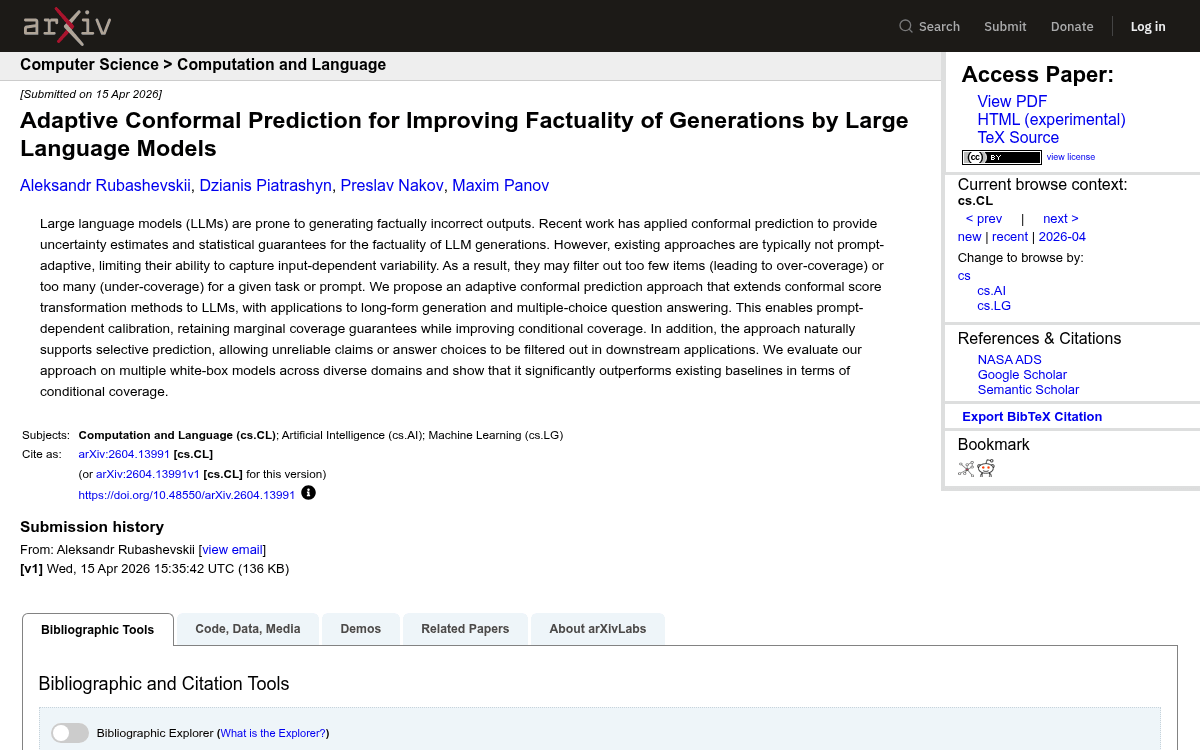
A new adaptive conformal prediction method learns per-prompt thresholds via quantile regression, fixing over and under filtering of LLM claims across diverse topics.
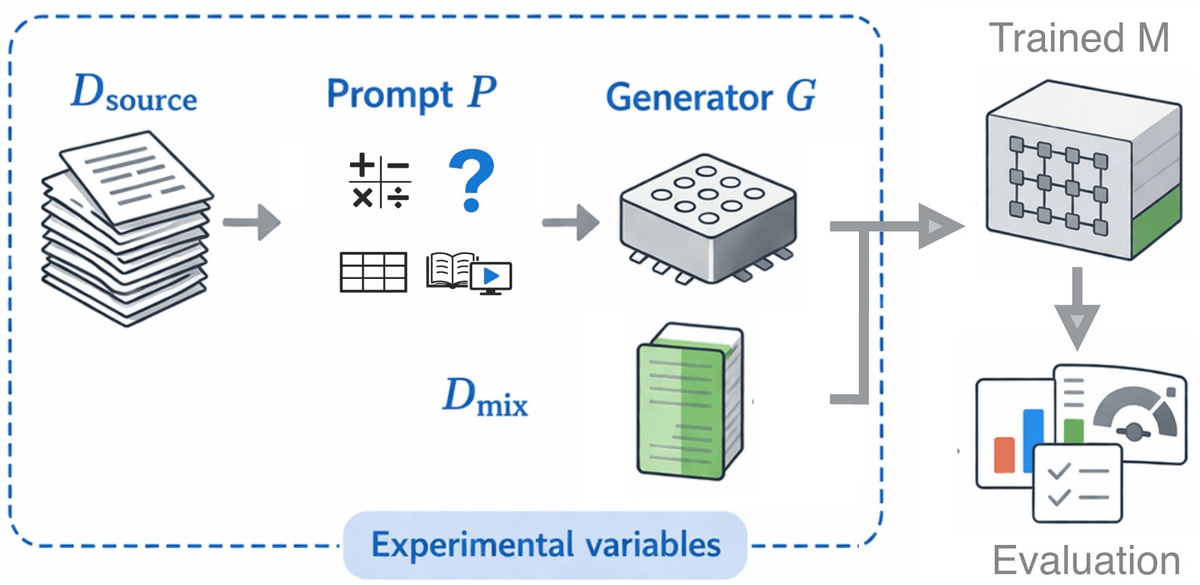
Hugging Face ran 90 controlled experiments to figure out what actually makes rephrased web text useful for pretraining, and released a 486B-token dataset built on the findings.
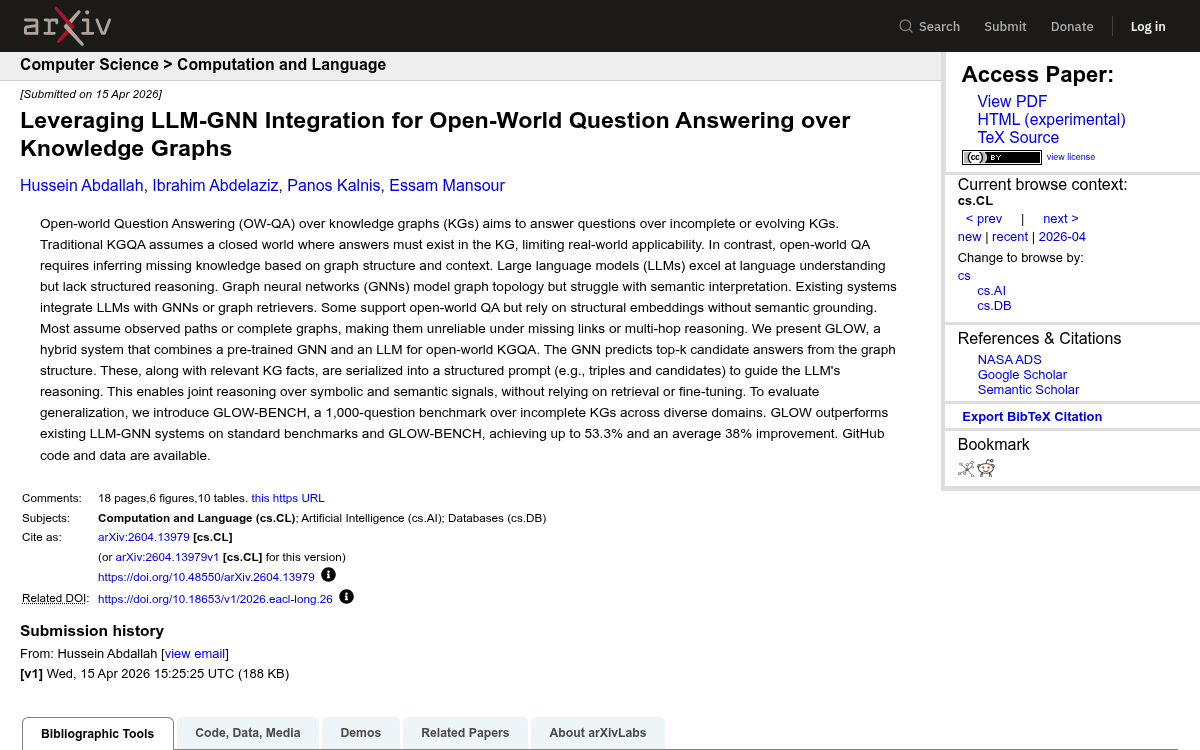
GLOW pairs a lightweight graph neural network with an off-the-shelf LLM to answer questions when the knowledge graph is missing facts, beating prior hybrids by up to 53 points.
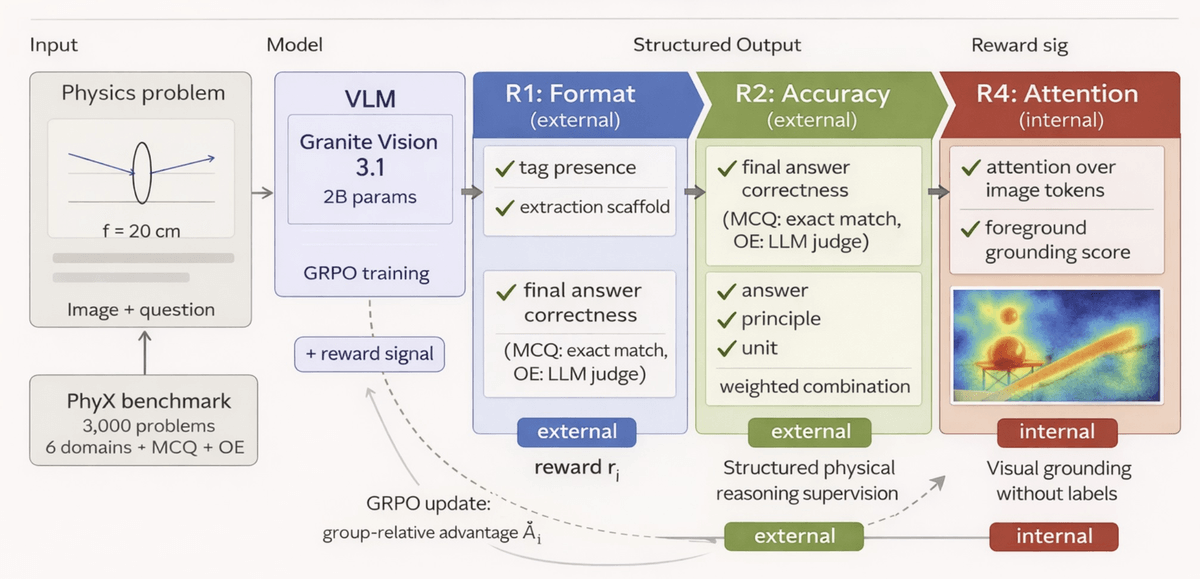
A systematic reward ablation on physics problems shows attention-based supervision doubles spatial reasoning accuracy but breaks symbolic math domains.
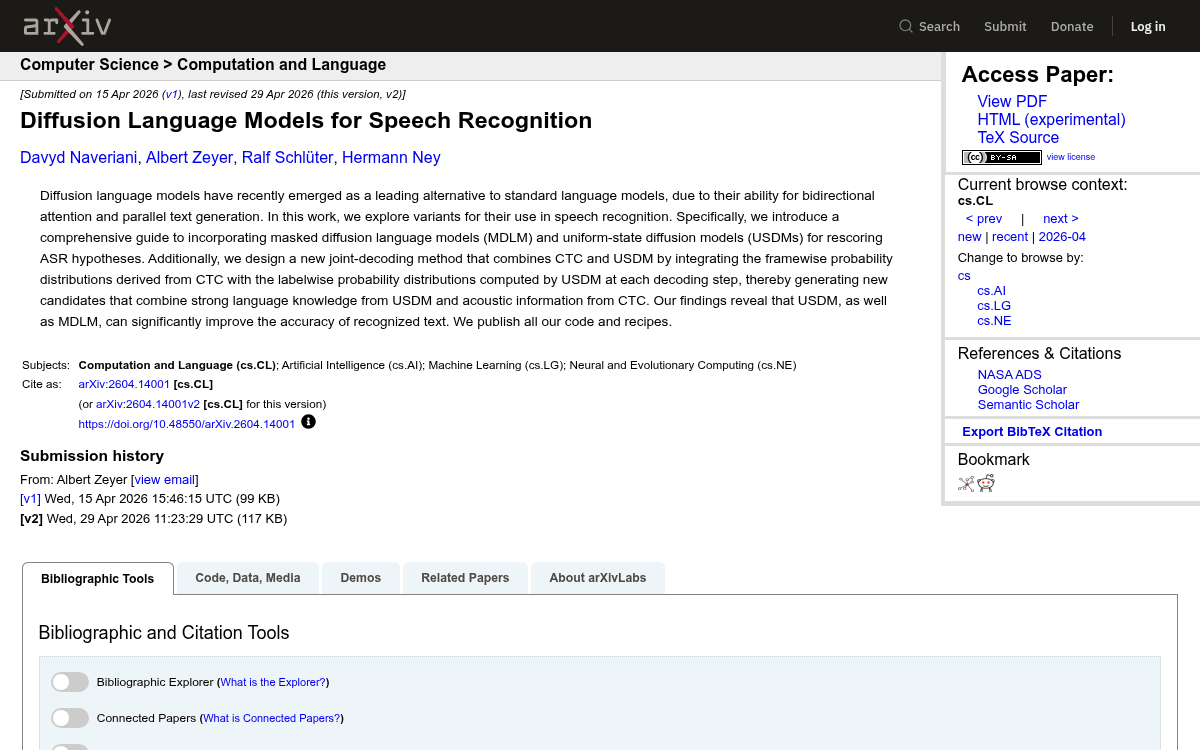
RWTH Aachen researchers show masked and uniform-state diffusion models can rescore ASR hypotheses and even join CTC decoding, cutting word error rates.
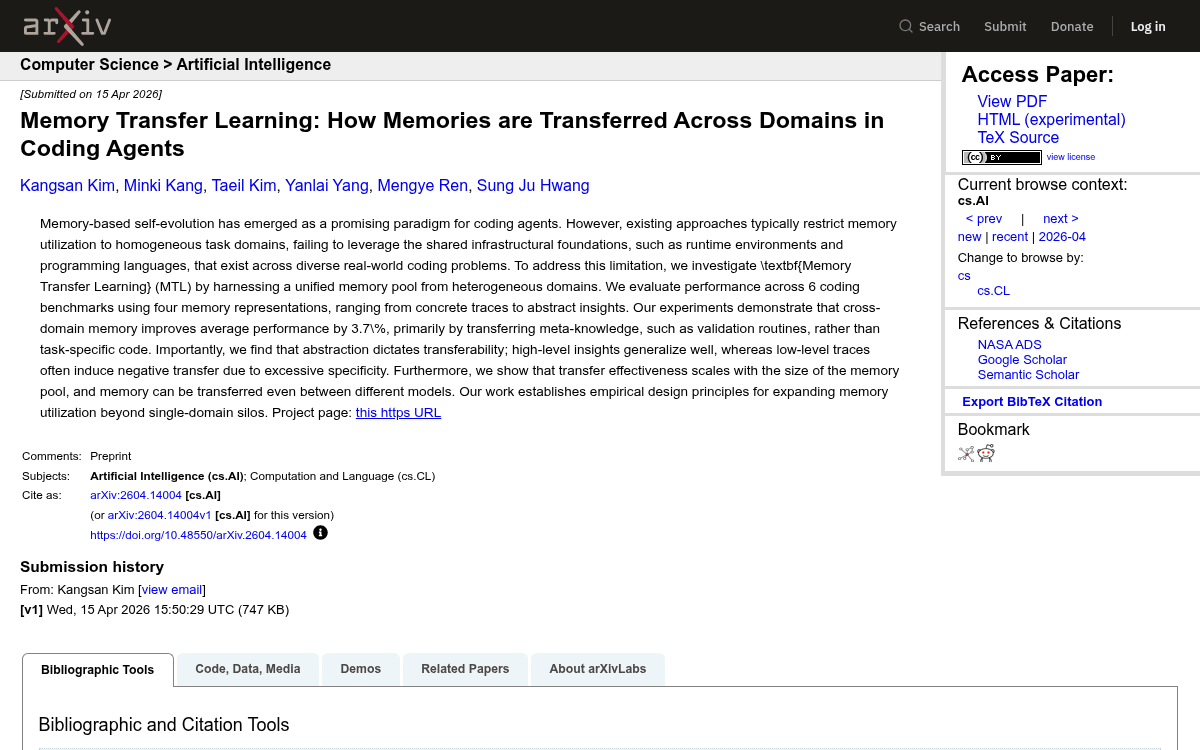
A new study shows sharing agent memories across unrelated coding benchmarks lifts average performance 3.7%, but only when memories stay abstract.
A radar processing method that works in the frequency domain promises robust odometry and simultaneous multi-object tracking for high-speed autonomous driving.
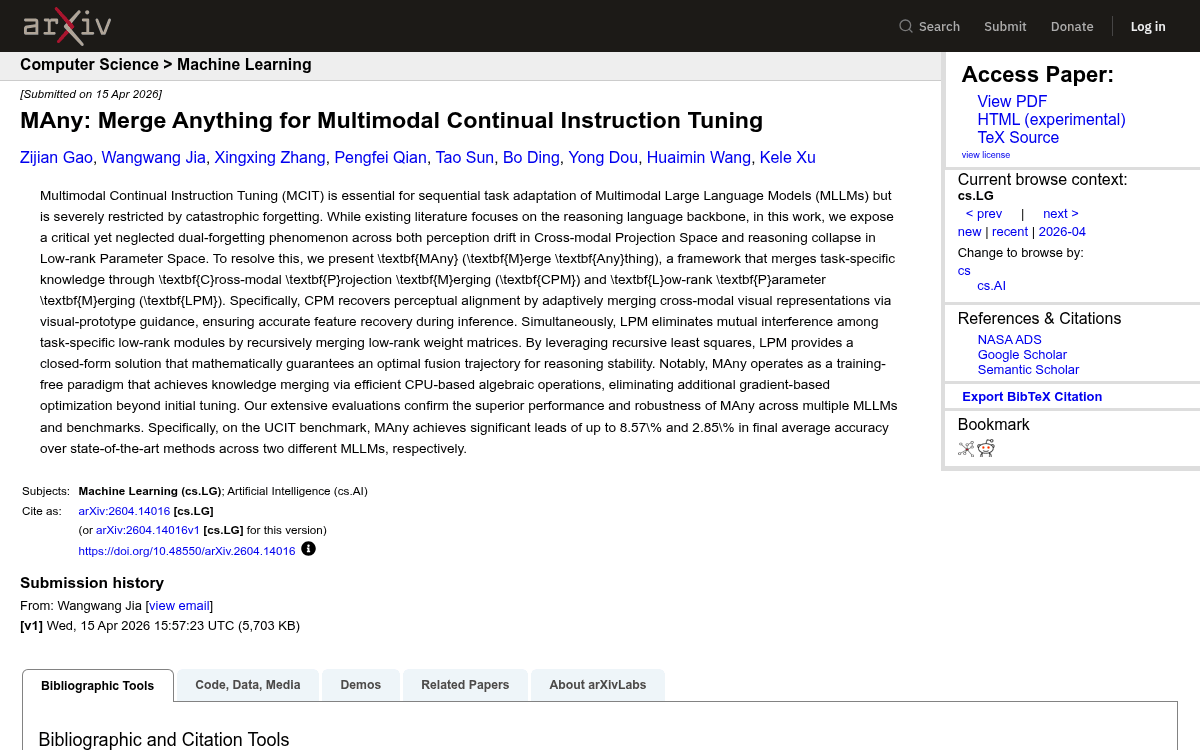
A new training-free framework fixes a blind spot in multimodal continual learning by merging both vision projectors and LoRA weights.
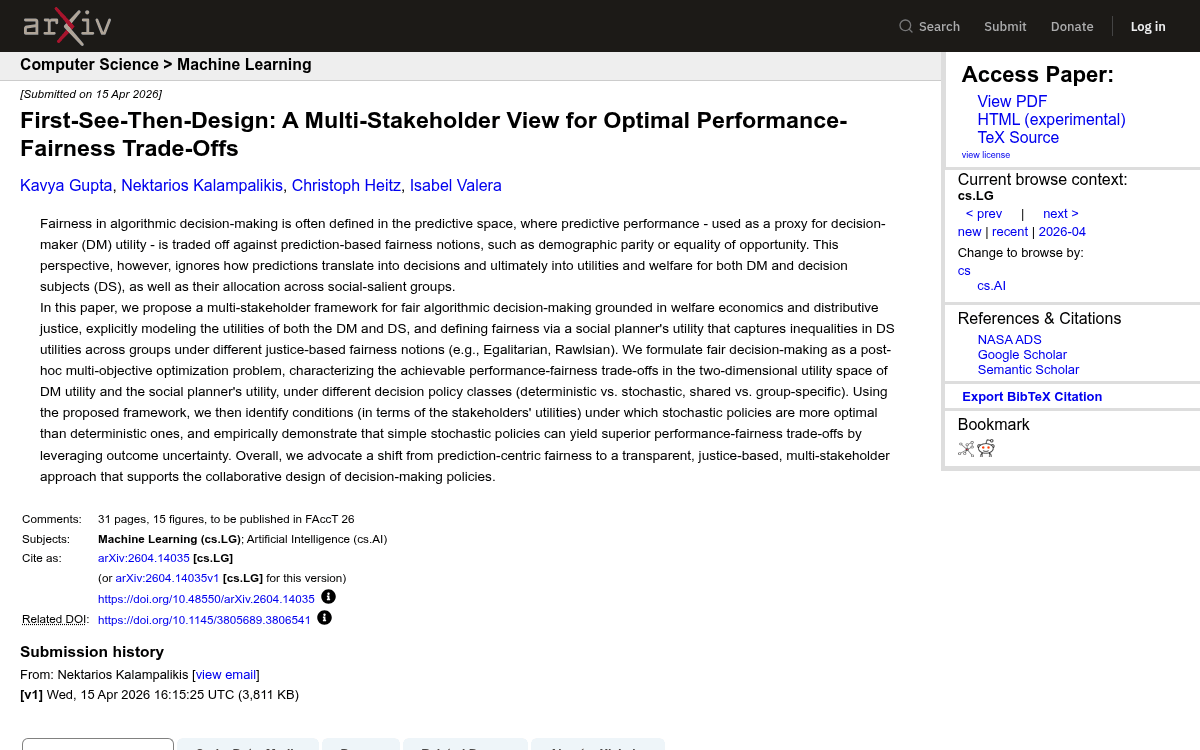
A new fairness framework rejects prediction-based parity metrics in favor of stakeholder utilities, showing stochastic policies expand Pareto trade-offs.
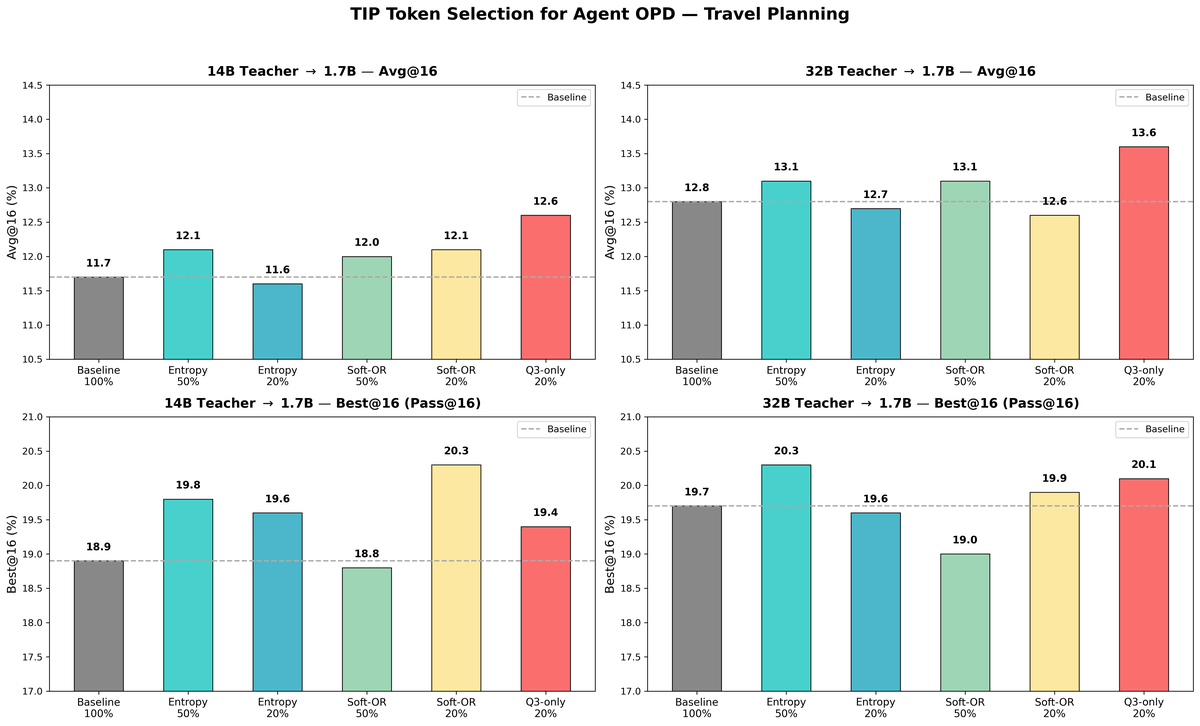
A new taxonomy shows fewer than 10% of tokens carry most of the corrective signal in on-policy distillation, cutting memory up to 47%.
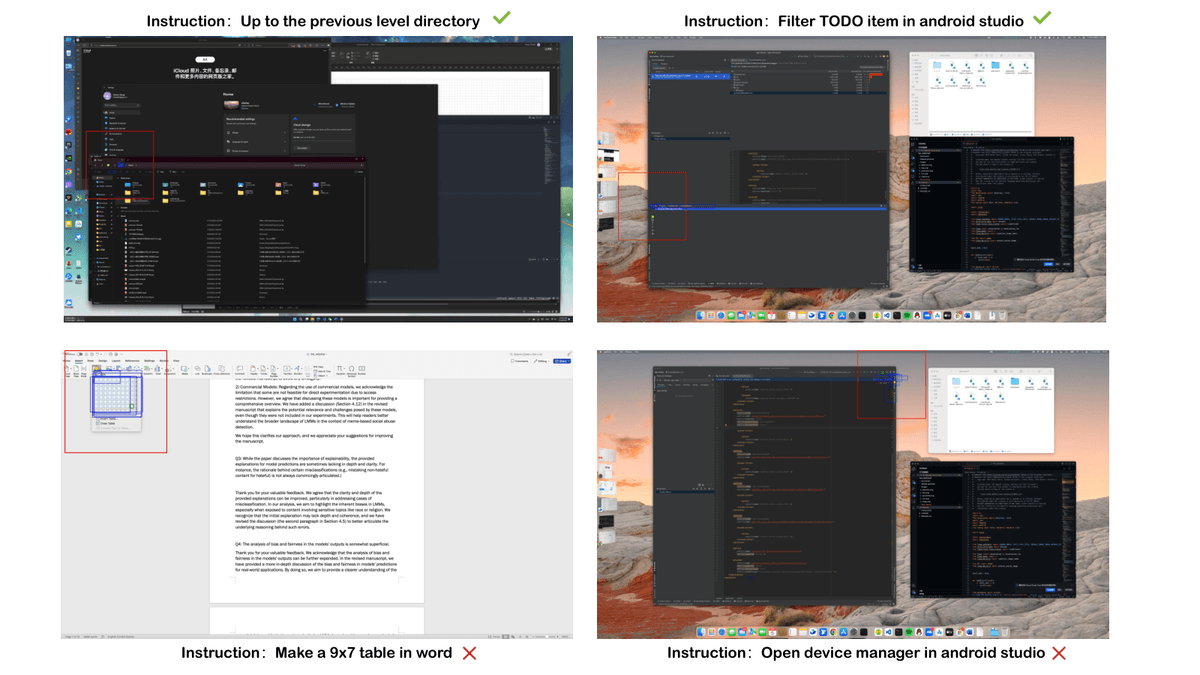
A training-free framework that only zooms into UI screenshots when the model is uncertain, boosting grounding accuracy by up to 13.4 percent.
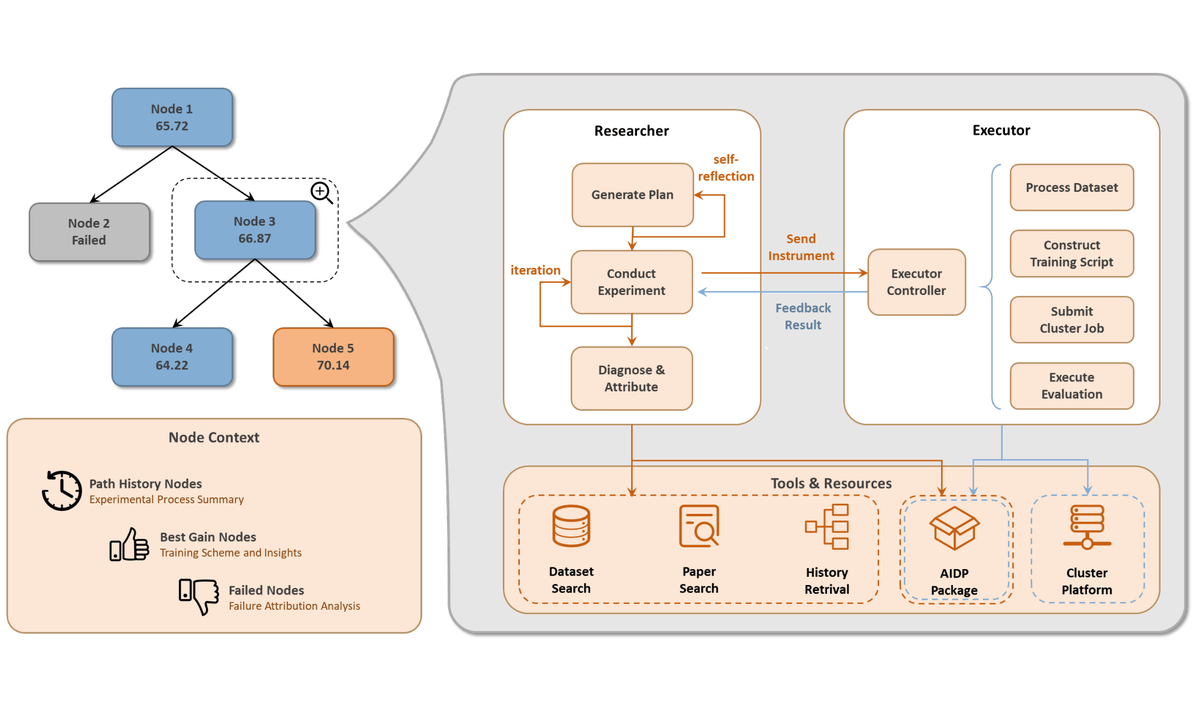
A multi-agent system from Shanghai AI Lab uses tree search to automate LLM fine-tuning, beating expert-designed recipes on multiple tasks.
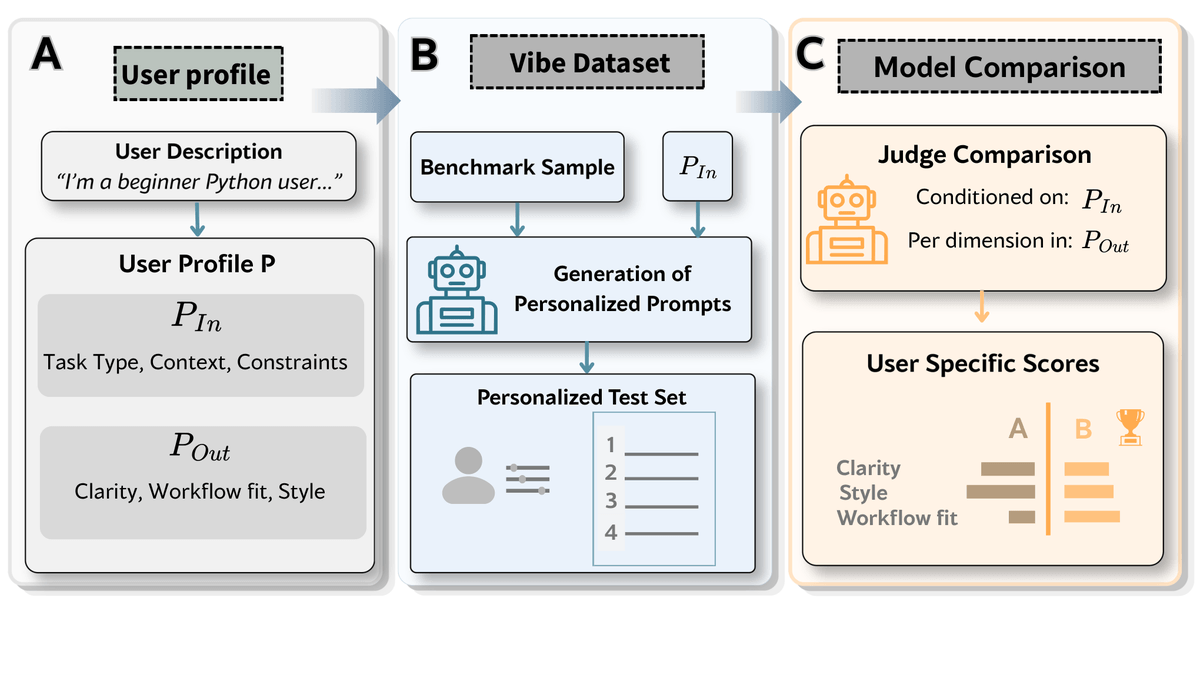
Researchers turn the informal practice of vibe-testing into a structured evaluation pipeline, and show that personalized prompts can flip which model wins.
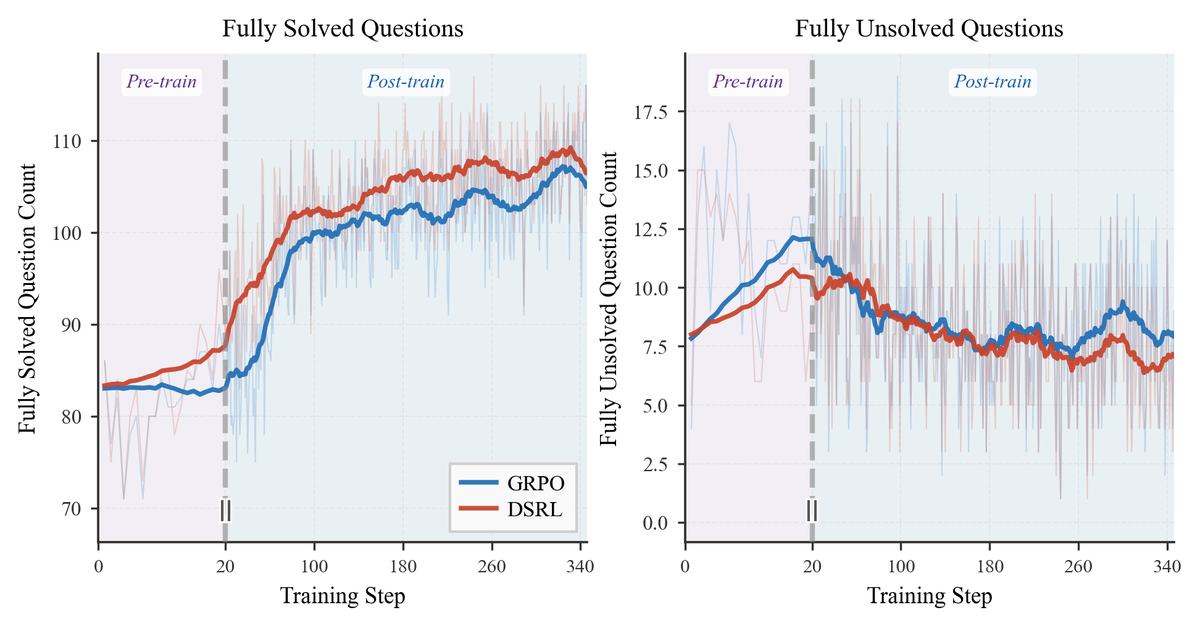
Researchers propose reinforcement learning on the marginal distribution P(y) instead of P(y|x), then combine both stages to expand reasoning exploration beyond GRPO limits.
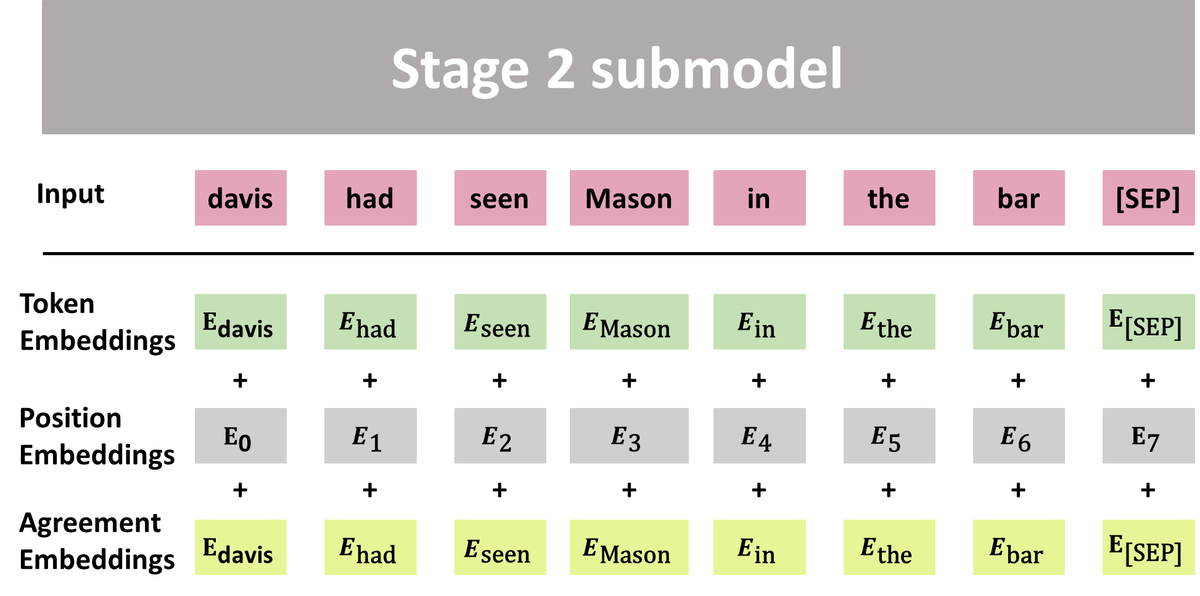
A dual-stage framework injects syntactic dependency information directly into single-GPU BERT pretraining, adding 0.83 GLUE points at no extra compute cost.
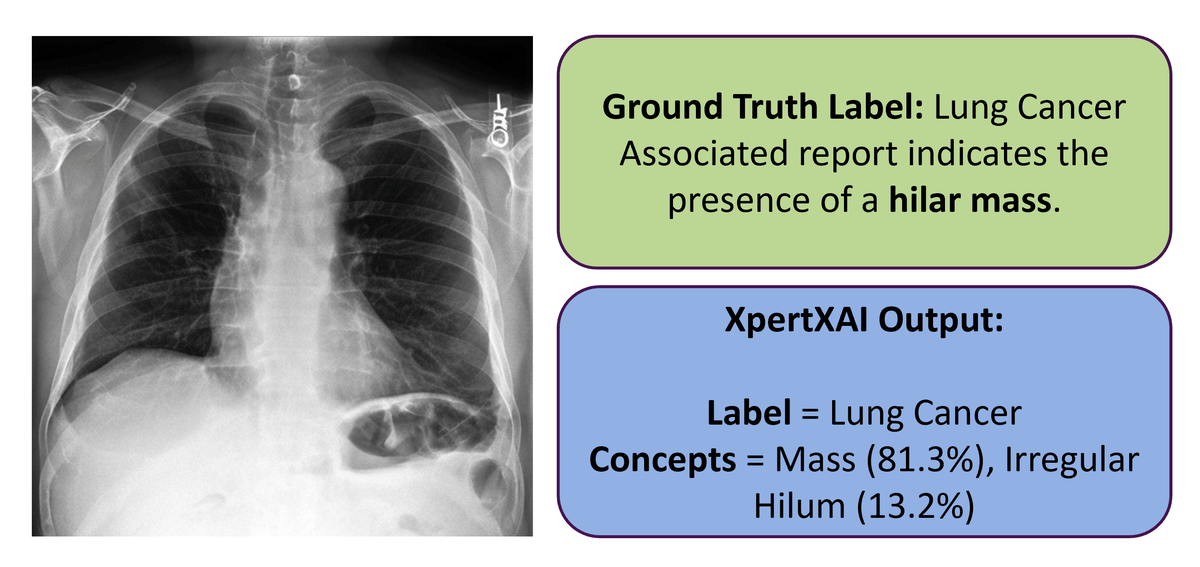
A concept bottleneck model built with radiologist input beats LIME, SHAP, Grad-CAM, and CXR-LLaVA on both accuracy and clinical relevance.
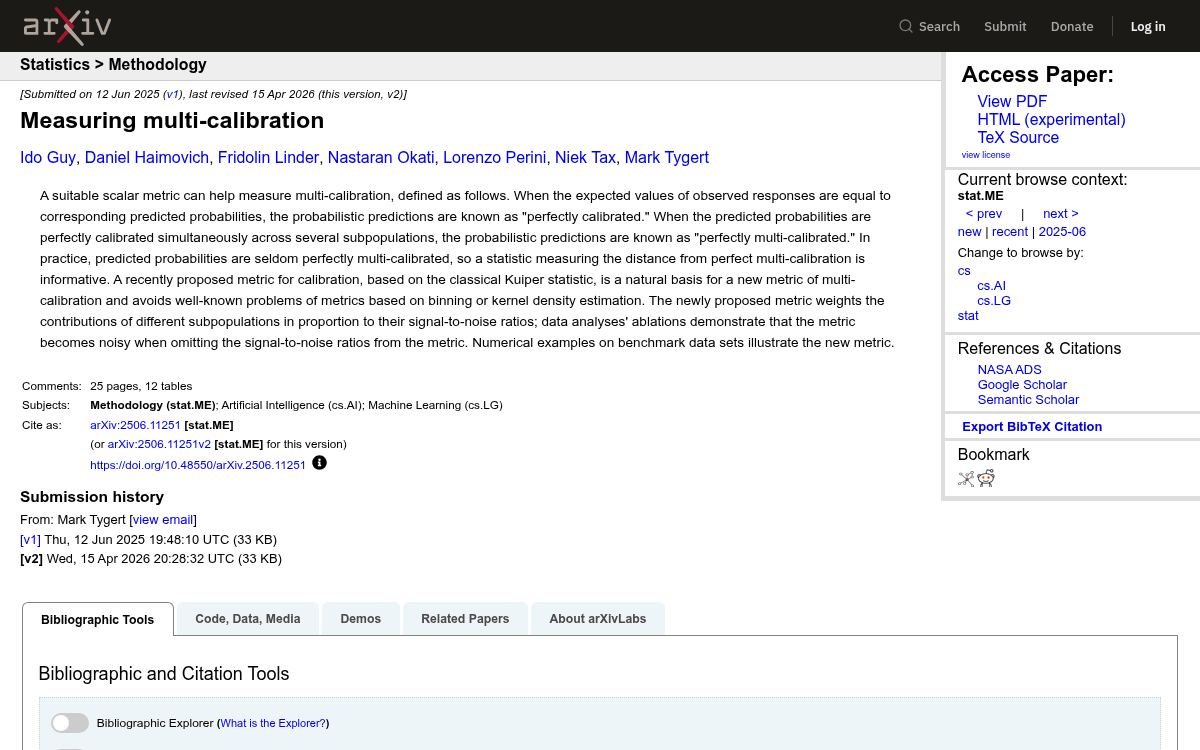
Researchers at Meta propose a Kuiper-statistic metric weighted by signal-to-noise ratios, arguing that unweighted multi-calibration scores are mostly noise.
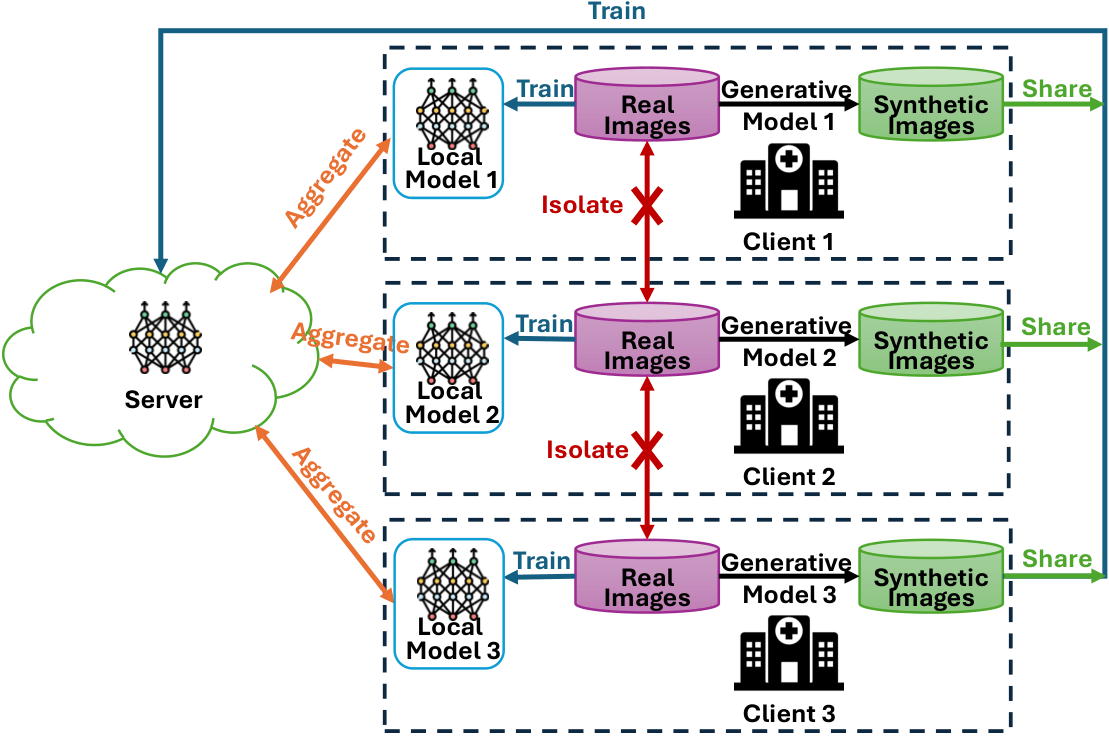
A new study shows synthetic ultrasound images from diffusion models can lift federated breast cancer classifiers past centralized training baselines.
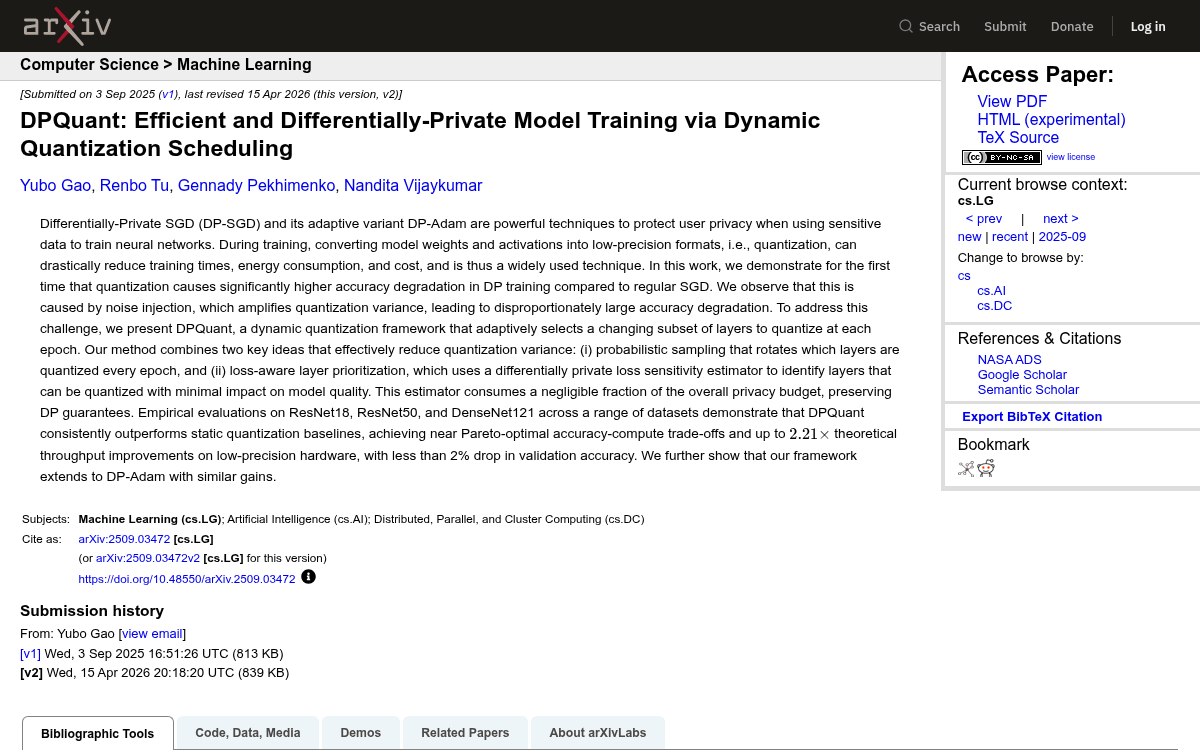
Researchers show 4-bit quantization silently wrecks differentially private training, and offer a dynamic layer-rotation fix that keeps accuracy within 2 percent.