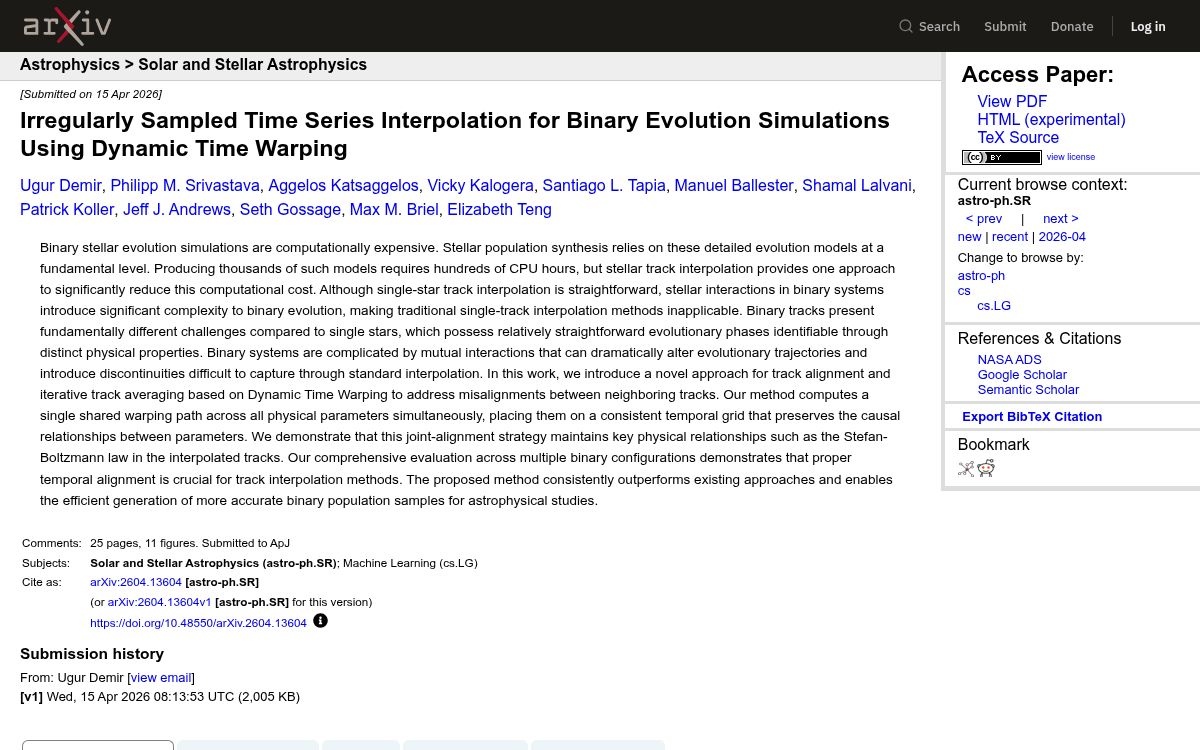
Researchers at Northwestern and collaborators propose a Dynamic Time Warping interpolation scheme for POSYDON binary star grids that preserves physical laws while cutting simulation cost.
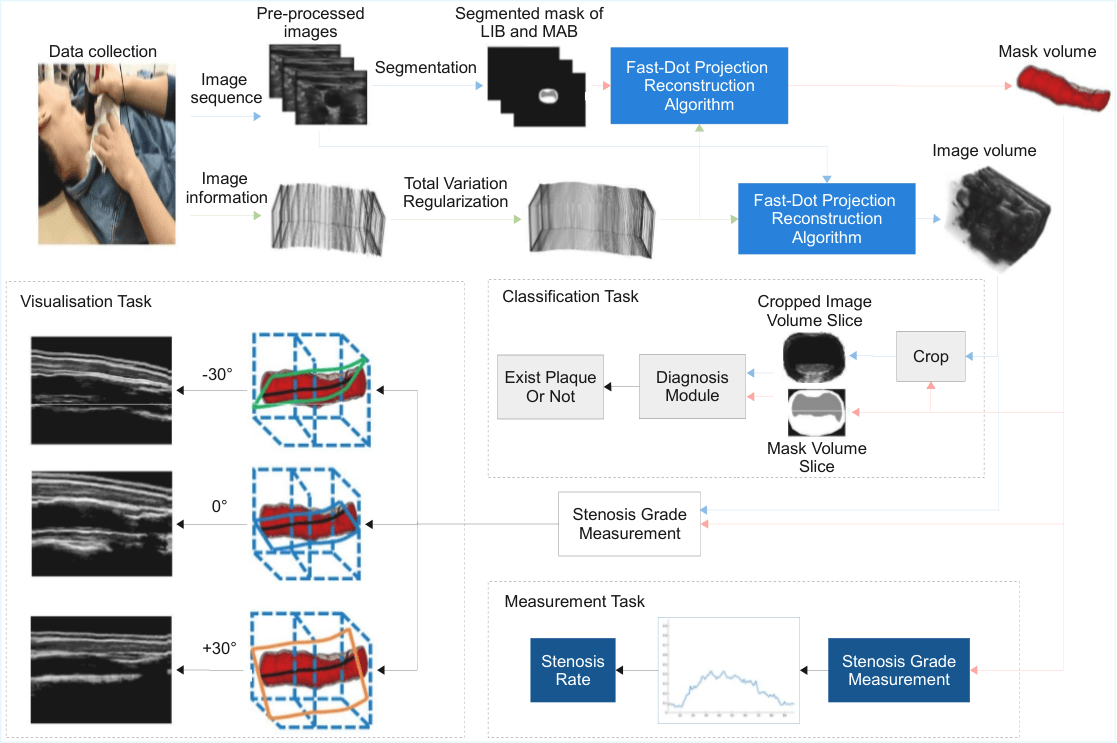
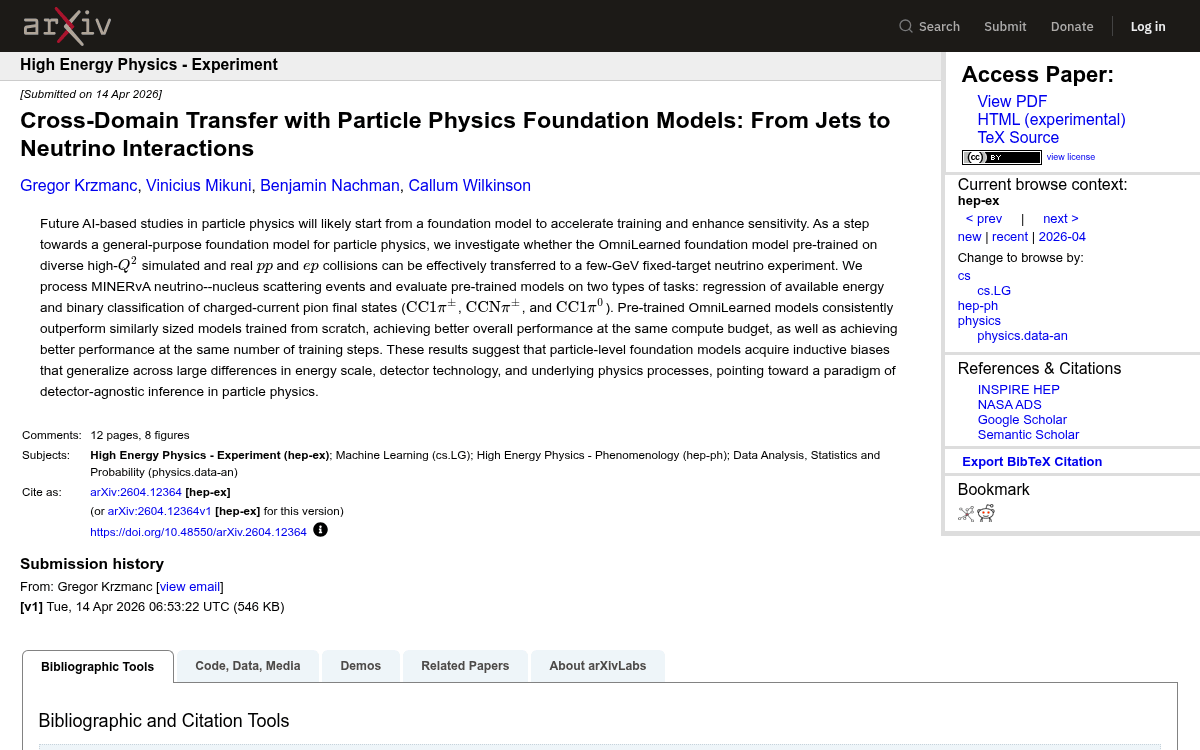
A new arXiv review reframes portable CT, MRI, ultrasound, and capsule endoscopy around image quality, cataloging AI methods that keep low-quality scans clinically usable.
OpenAI's open-source evaluation framework has crossed 19K stars, offering a registry of benchmarks and templates for testing LLM behavior with minimal code.
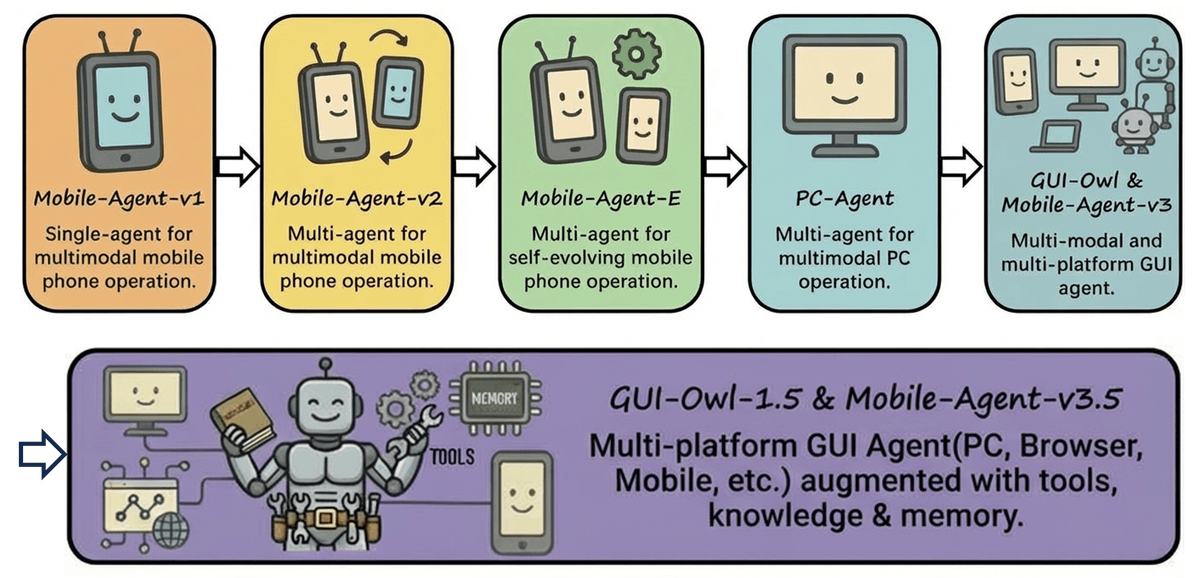
Alibaba's Tongyi Lab open-sources GUI-Owl-1.5 and Mobile-Agent-v3.5, a native multi-platform GUI agent family built on Qwen3-VL that tops 20+ benchmarks.
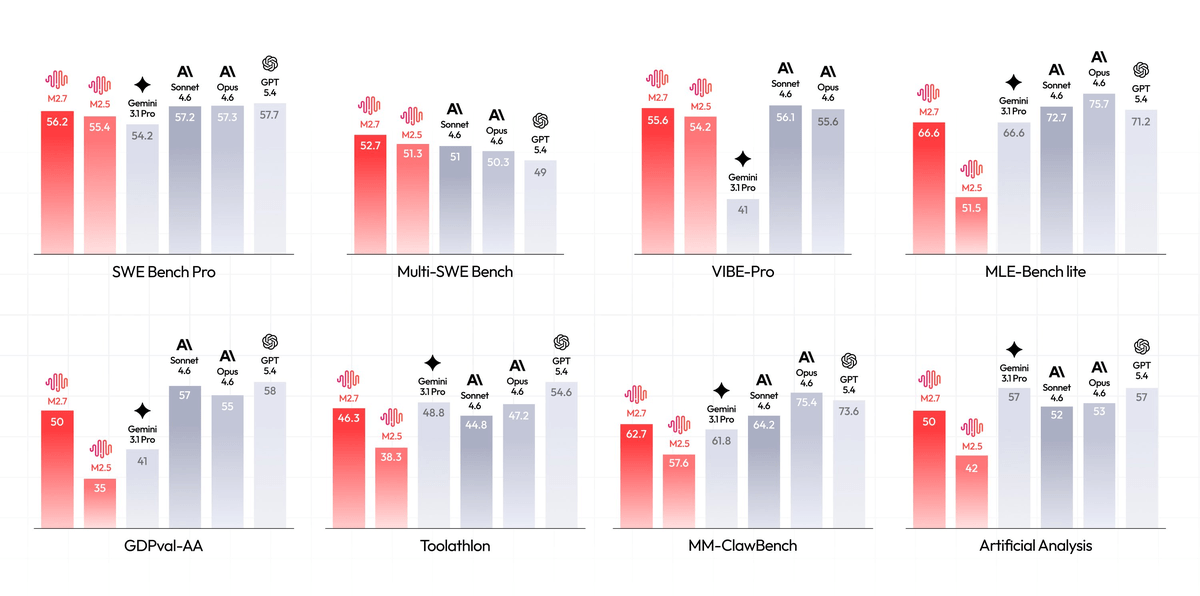
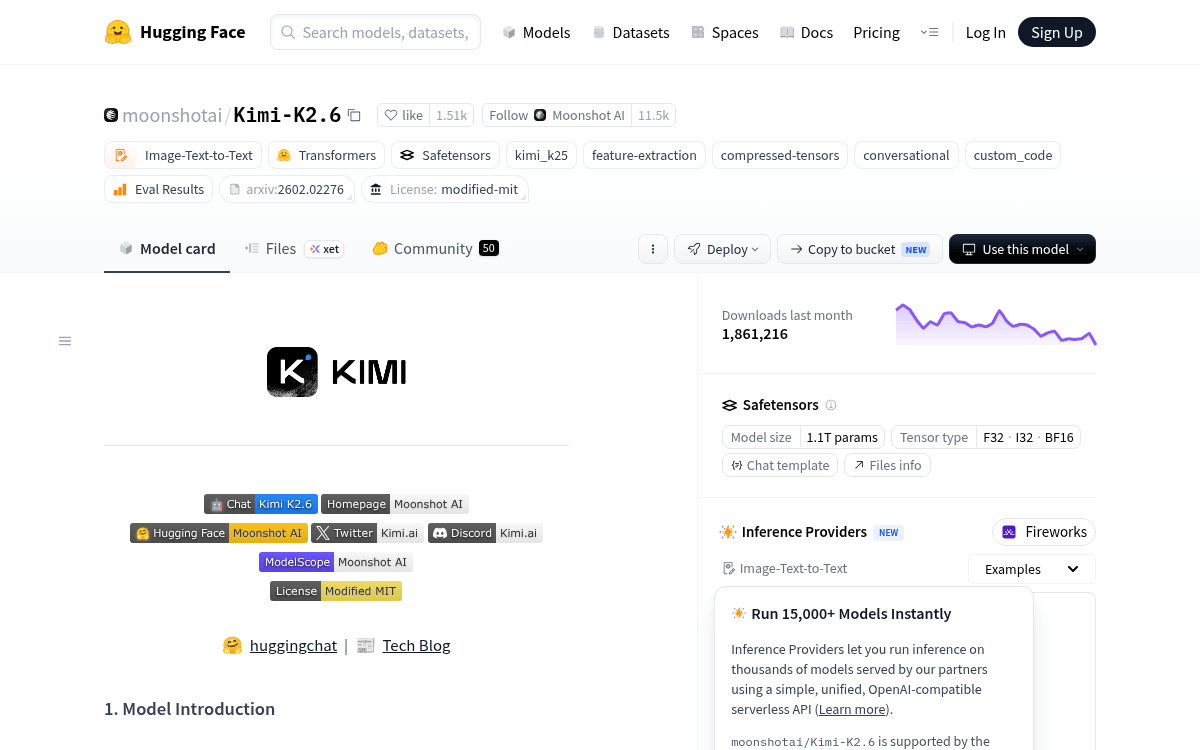
Moonshot AI's open-weight 1T-parameter model tops SWE-Bench Pro, runs 13-hour autonomous coding sessions, and deploys on 4x H100s at a fraction of Claude's price
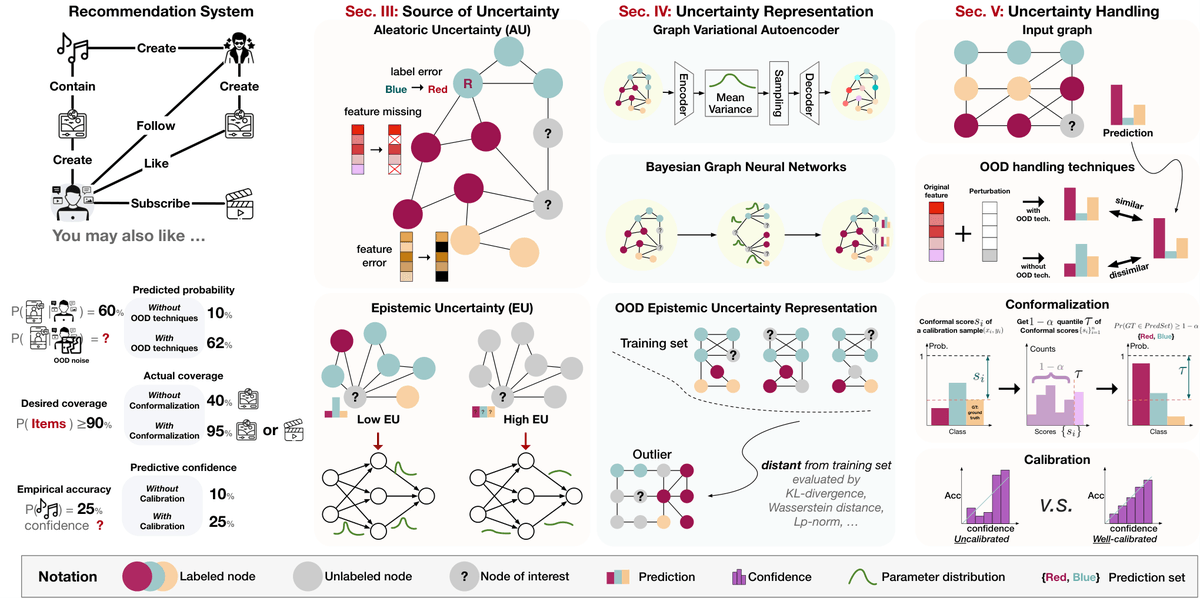
A new survey maps how to make graph neural networks and graph foundation models tell you when they don't know something, organized by representation and handling.
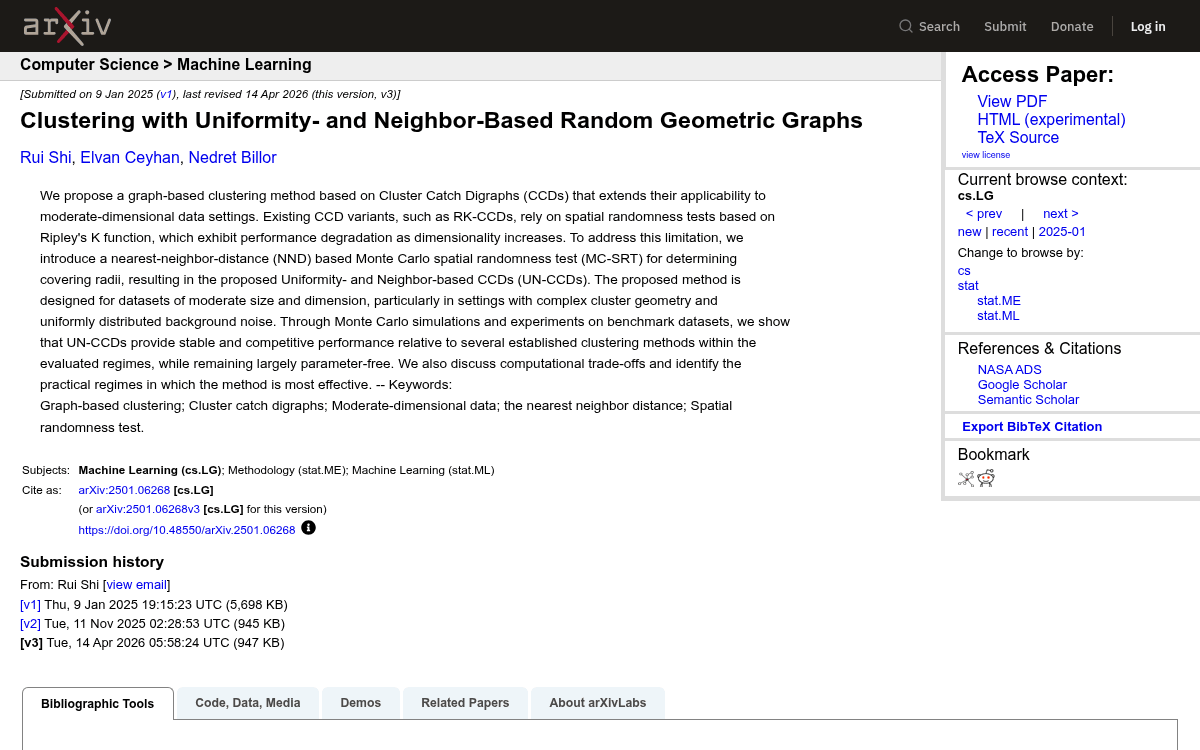
A new graph-based clustering method swaps Ripley's K function for nearest-neighbor distances, keeping cluster catch digraphs usable up to 20 dimensions.
A retain-data-free machine unlearning method uses influence functions to prioritize which forget samples deserve the strongest updates, boosting utility 30% over gradient ascent.
A new out-of-distribution detection method uses class ranking patterns and the Plackett-Luce loss to catch inputs that overconfident classifiers would otherwise miss.
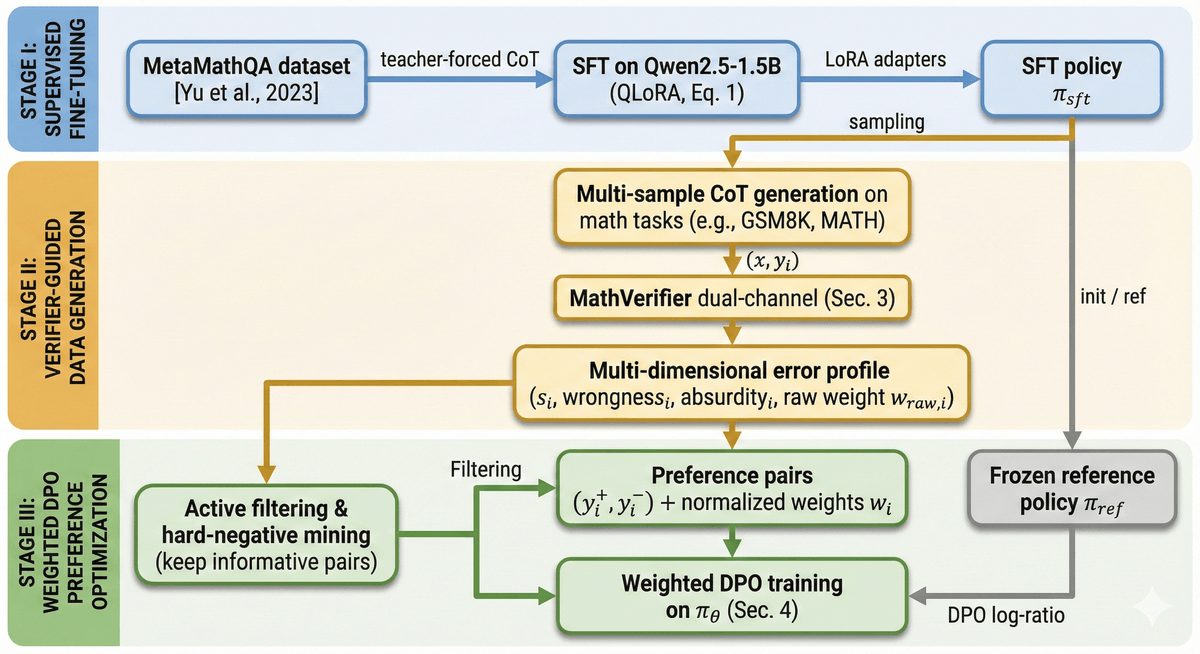
A three-person research team proposes a compact verifier that grades chain-of-thought reasoning across six dimensions, then uses those scores to mine hard negatives for weighted DPO training.
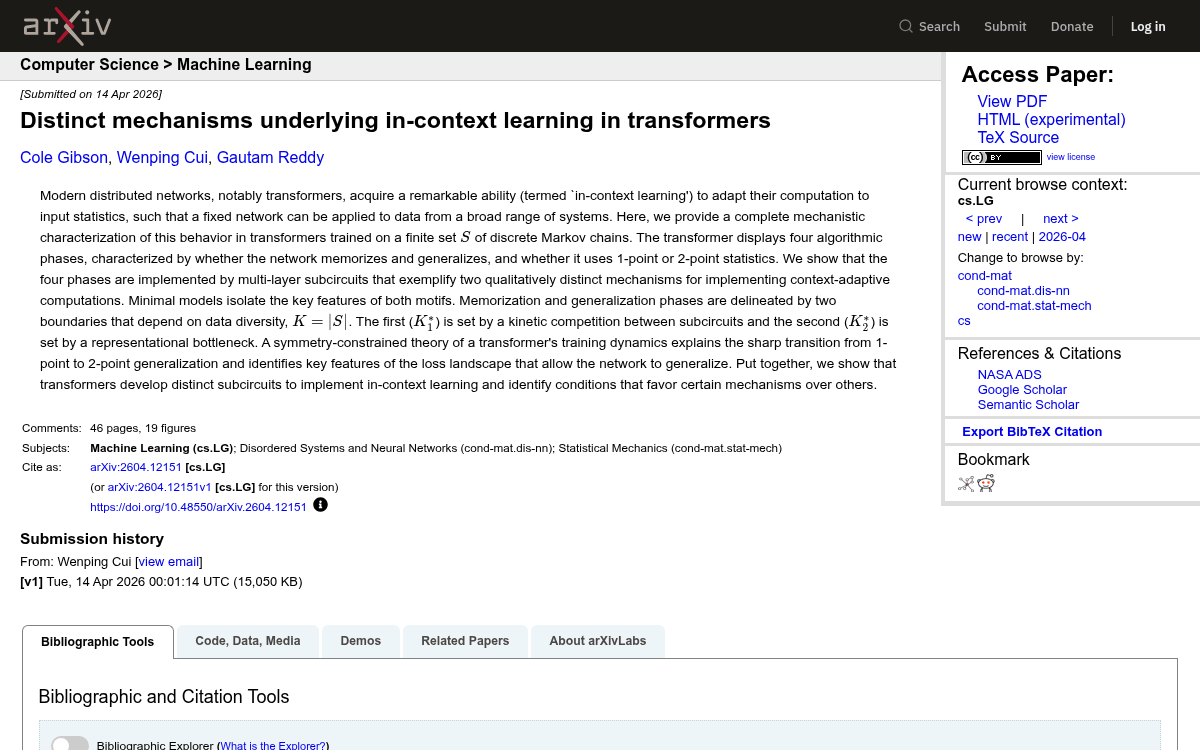
Princeton researchers reverse-engineer a two-layer transformer and uncover four distinct algorithmic phases plus a new circuit motif they call the task recognition head.
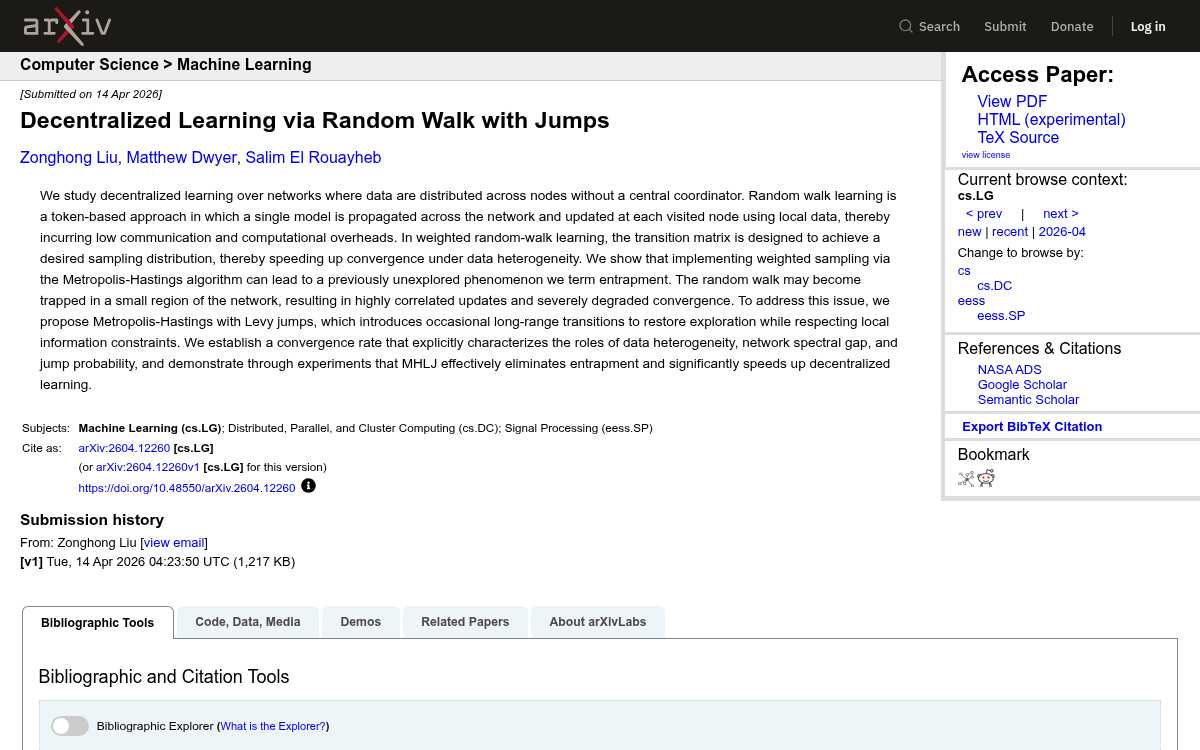
A new decentralized learning algorithm fixes a hidden failure mode where weighted random walks get stuck circling the same nodes, slowing training to a crawl.
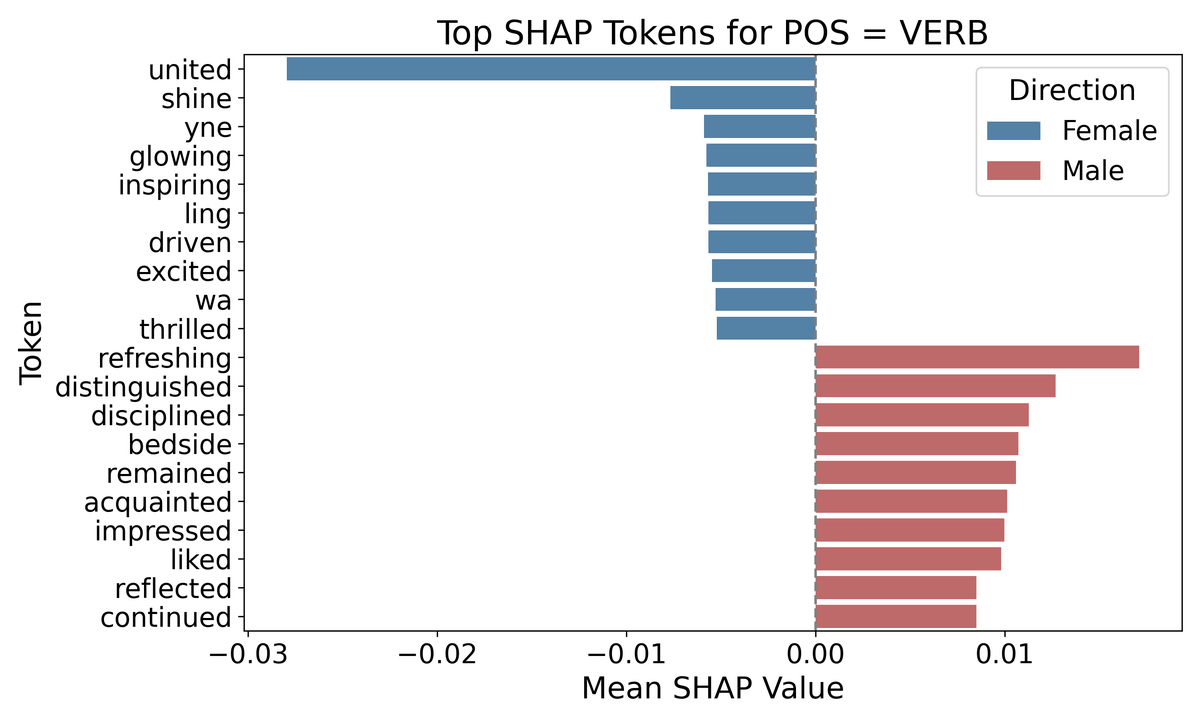
A new interpretability case study shows language models can still guess applicant gender from recommendation letters even after names and pronouns are stripped.