
Pro
Importance Sampling Lets Rough Volatility Hedging Skip Full Retraining
A new framework lets one Monte Carlo dataset train stochastic control policies across many candidate models by reweighting samples instead of resimulating trajectories.
20 stories
A new framework lets one Monte Carlo dataset train stochastic control policies across many candidate models by reweighting samples instead of resimulating trajectories.
A physics-informed neural network fuses satellite temperatures with sparse underwater loggers, revealing that coral bleaching alerts overestimate stress at depth.
HUANet turns each iteration of ADMM into a trainable neural layer, enforcing equality constraints exactly while running orders of magnitude faster than classical solvers.
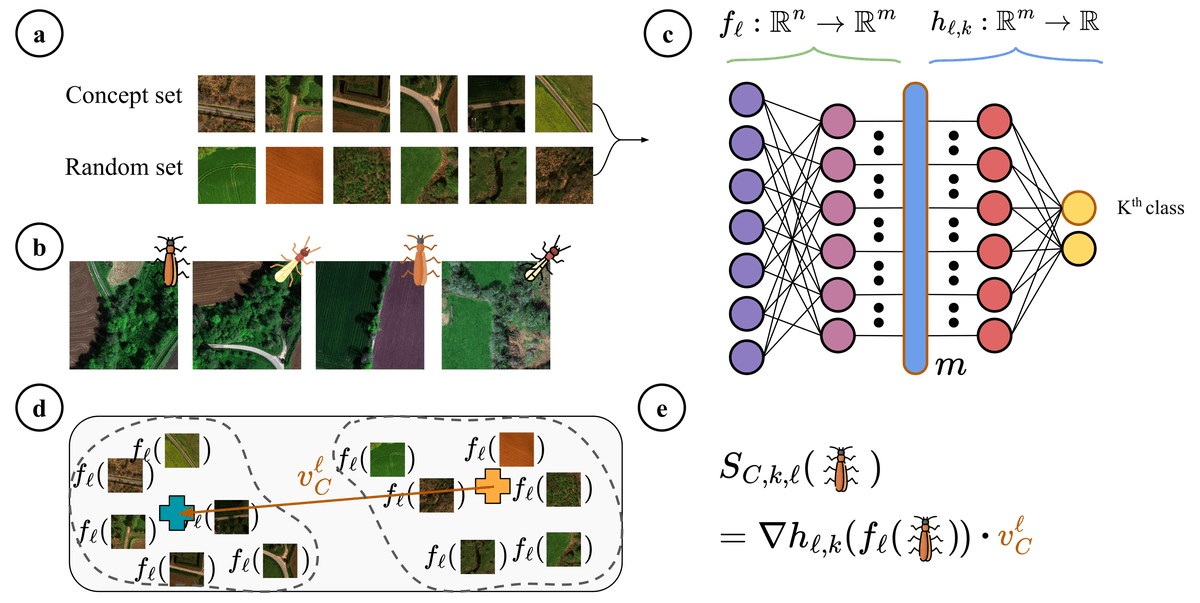
A new drone-derived landscape dataset and Robust TCAV bring concept-level explanations to species distribution models, revealing which habitats drive predictions.
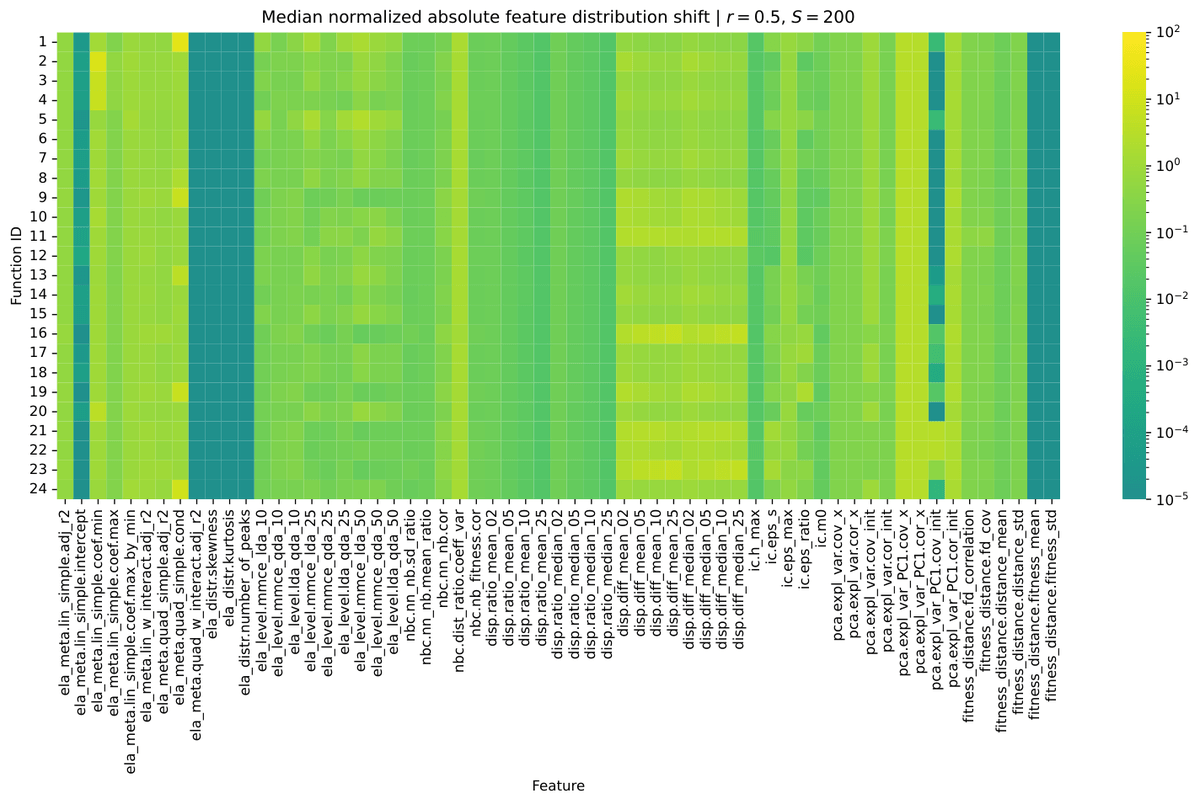
New research finds that reducing high-dimensional black-box problems via random projections quietly warps the landscape features practitioners rely on for algorithm selection.
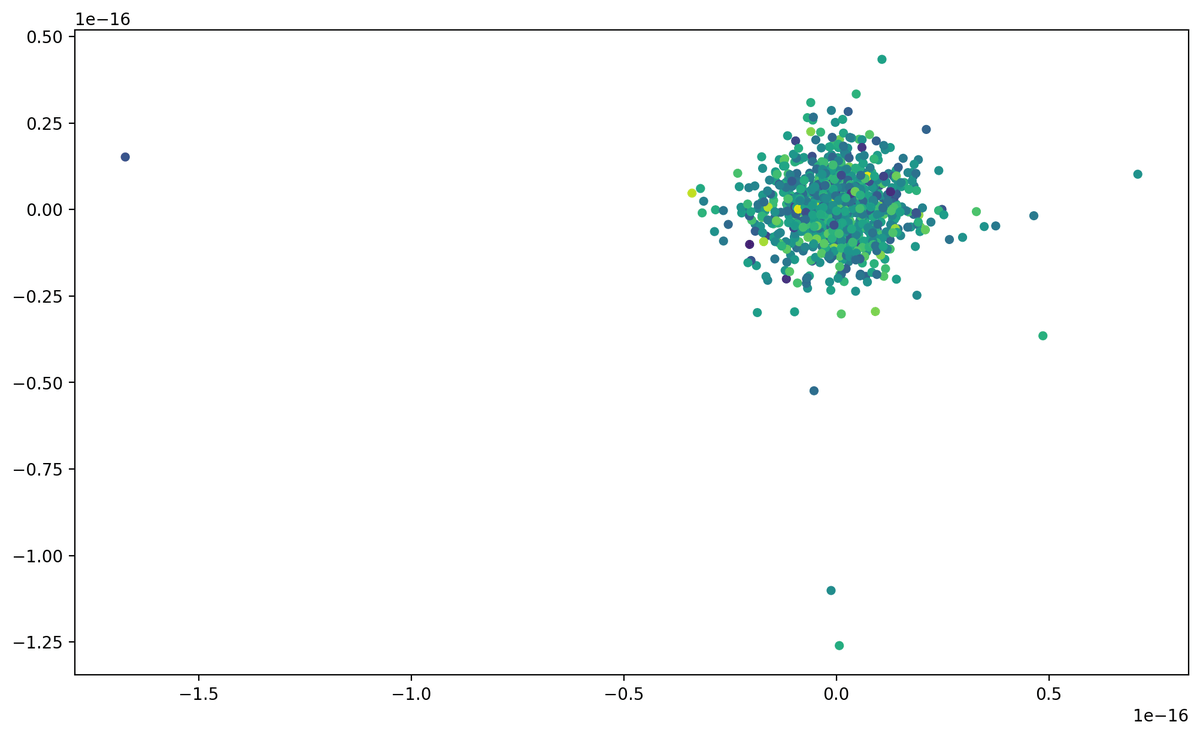
A new arXiv paper by mathematicians Rupert Li and Elchanan Mossel proves that t-SNE's own objective function collapses high-dimensional data into a single point.
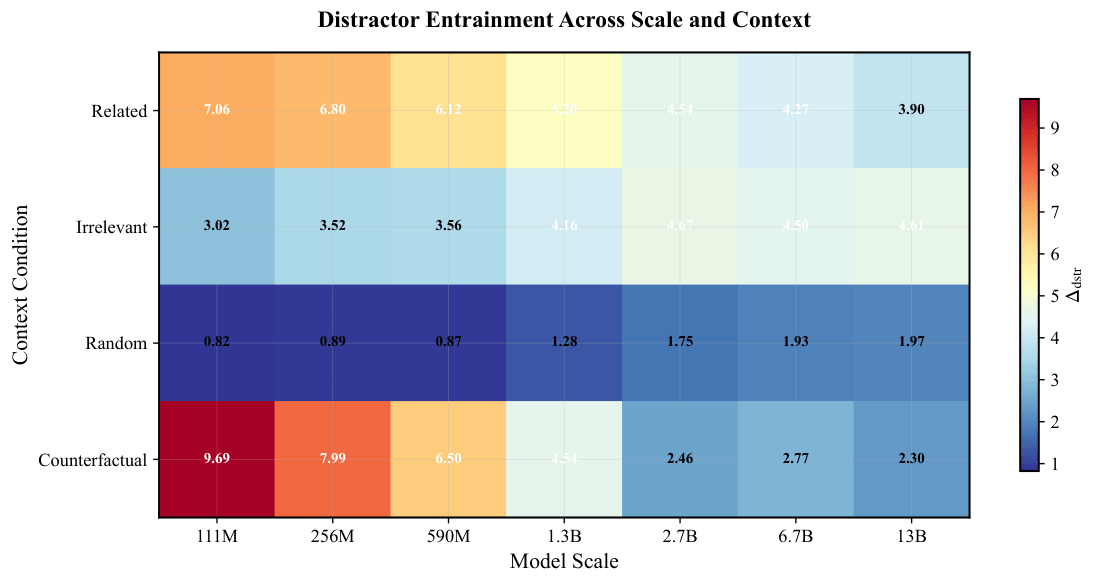
A scaling laws study finds larger language models simultaneously resist misinformation better and copy meaningless tokens more, revealing two opposing forces inside Transformers.

A bike-mounted rig captured 17,718 calibrated RGB, near-infrared, and thermal images across Dutch towns and cities, filling a gap satellites and Google Street View cannot.
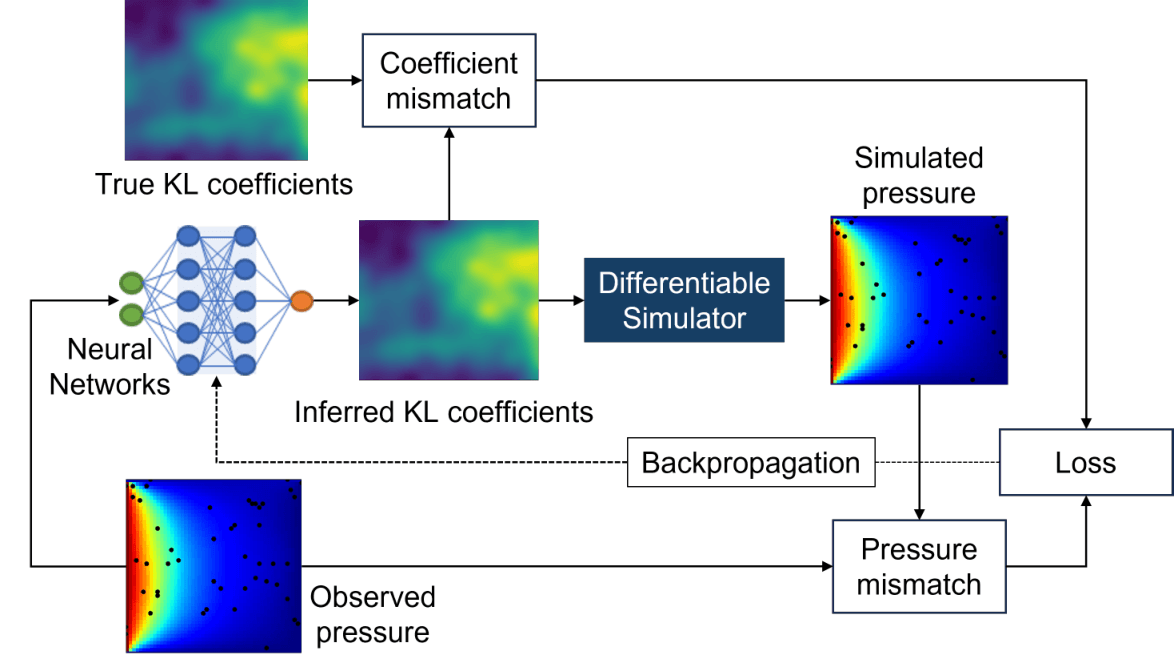
A neural network learns to invert underground permeability from pressure readings by backpropagating through a differentiable Darcy flow simulator, cutting pressure errors in half.
A new neural network design lets data-driven physical models keep energy structure intact and stay stable around several equilibria at once.
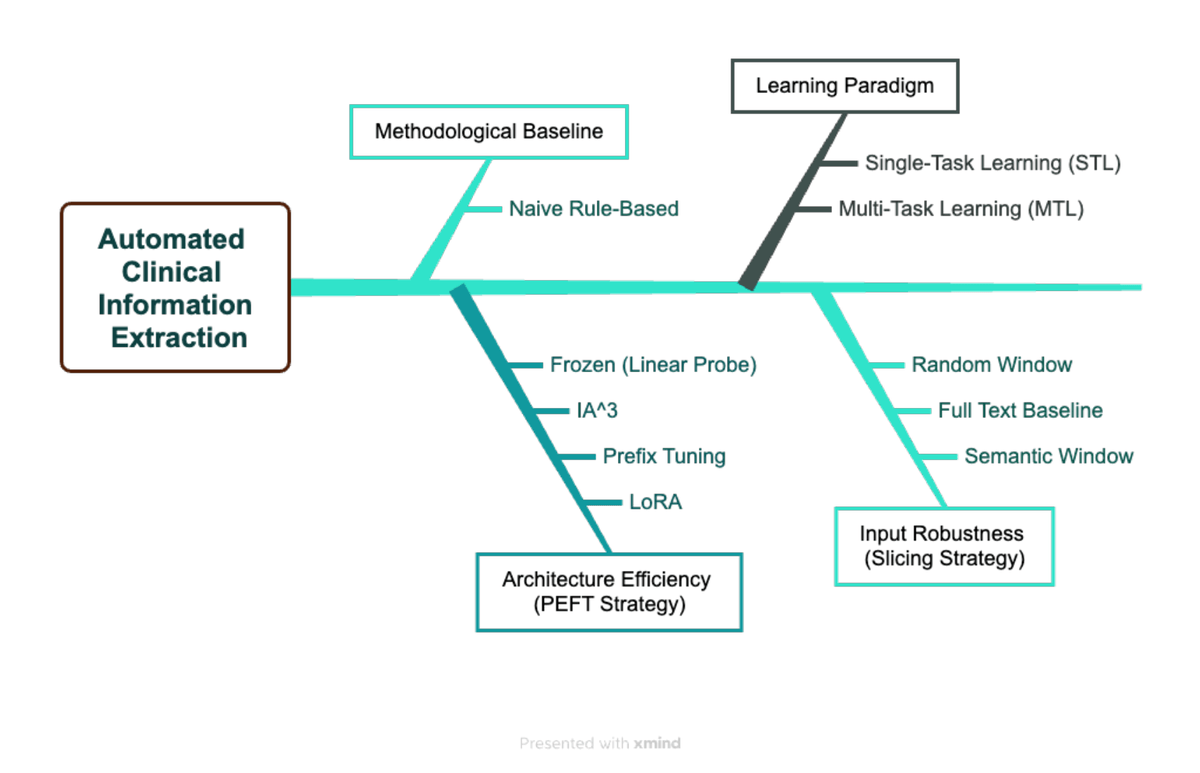
A LoRA-tuned Llama-3-8B extracts TNM cancer staging and biomarkers from pathology reports with 0.976 Macro F1, beating rule-based and single-task baselines.
A new compiler abstraction from CMU, NVIDIA and collaborators fuses entire LLM decoding loops into a single persistent GPU kernel, cutting warmup 3.5x and beating vLLM by up to 1.48x.
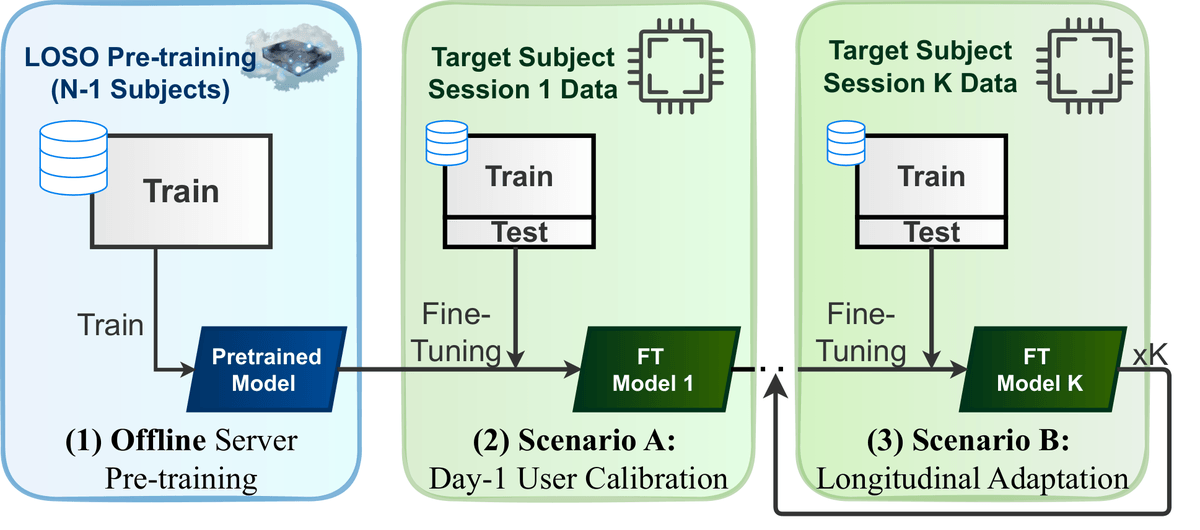
A compiler framework squeezes full-network backpropagation onto a wearable-class microcontroller, cutting training memory 8x while personalizing EEG and EOG models on-chip.
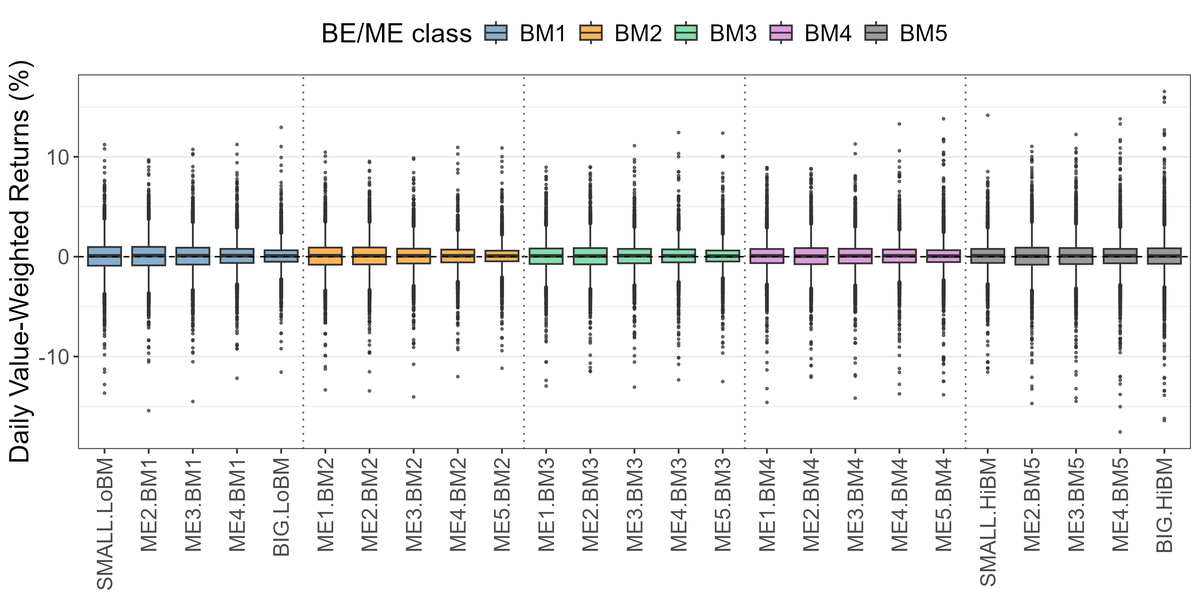
New asymptotic theory shows why sorted L1 penalties beat graphical Lasso when precision matrices have block structure or heavy-tailed data.
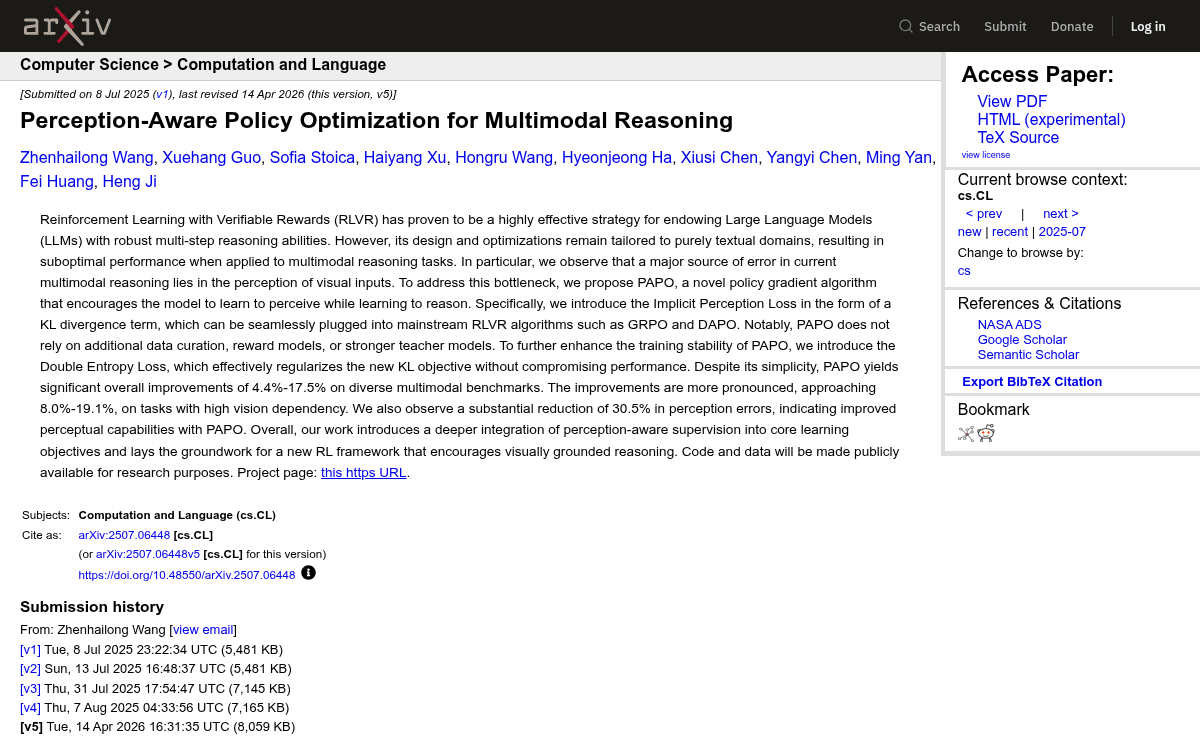
PAPO adds a perception-aware KL term to GRPO and DAPO, cutting multimodal reasoning errors by up to 30% without new data or reward models.
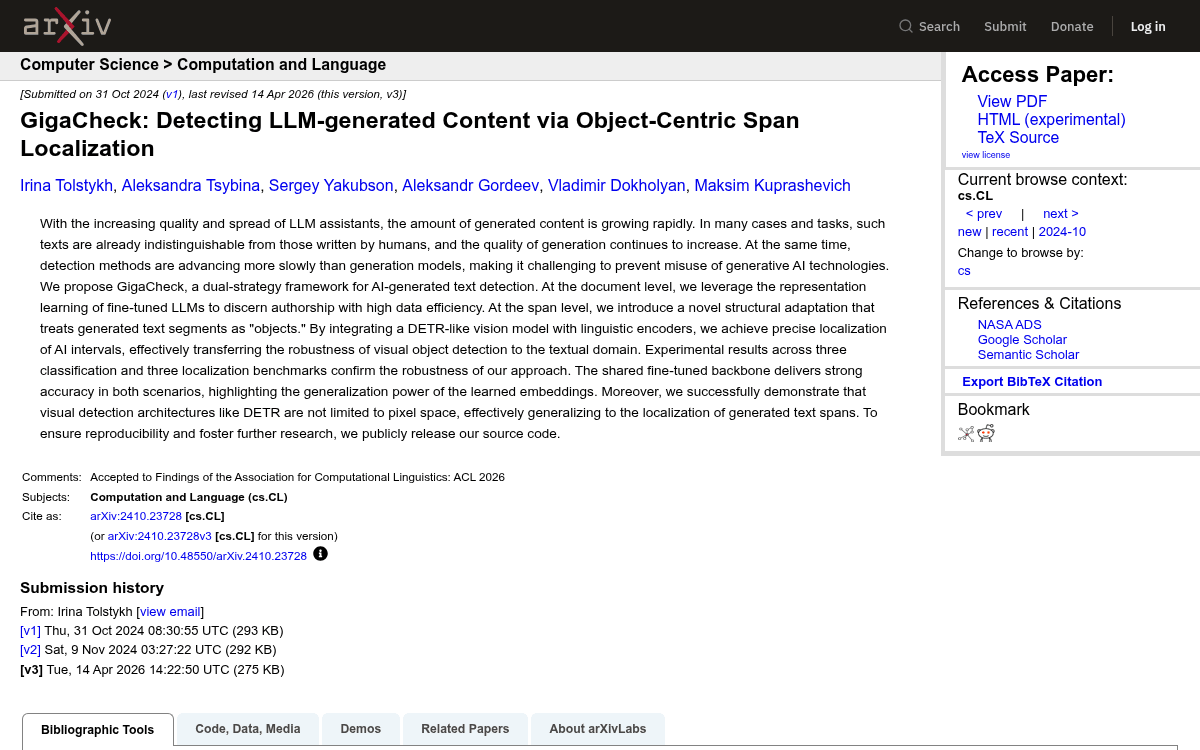
A new framework borrows the DETR object detection architecture from computer vision to pinpoint AI-written passages inside mixed human-machine documents.
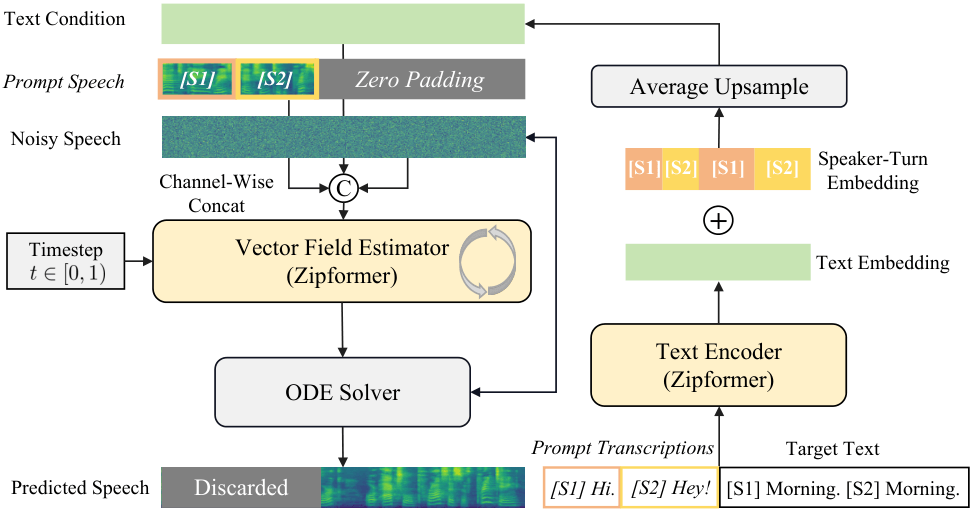
A small 123M-parameter flow-matching model outperforms billion-scale autoregressive rivals on dialogue synthesis, shipping with a 6.8k-hour open dataset.
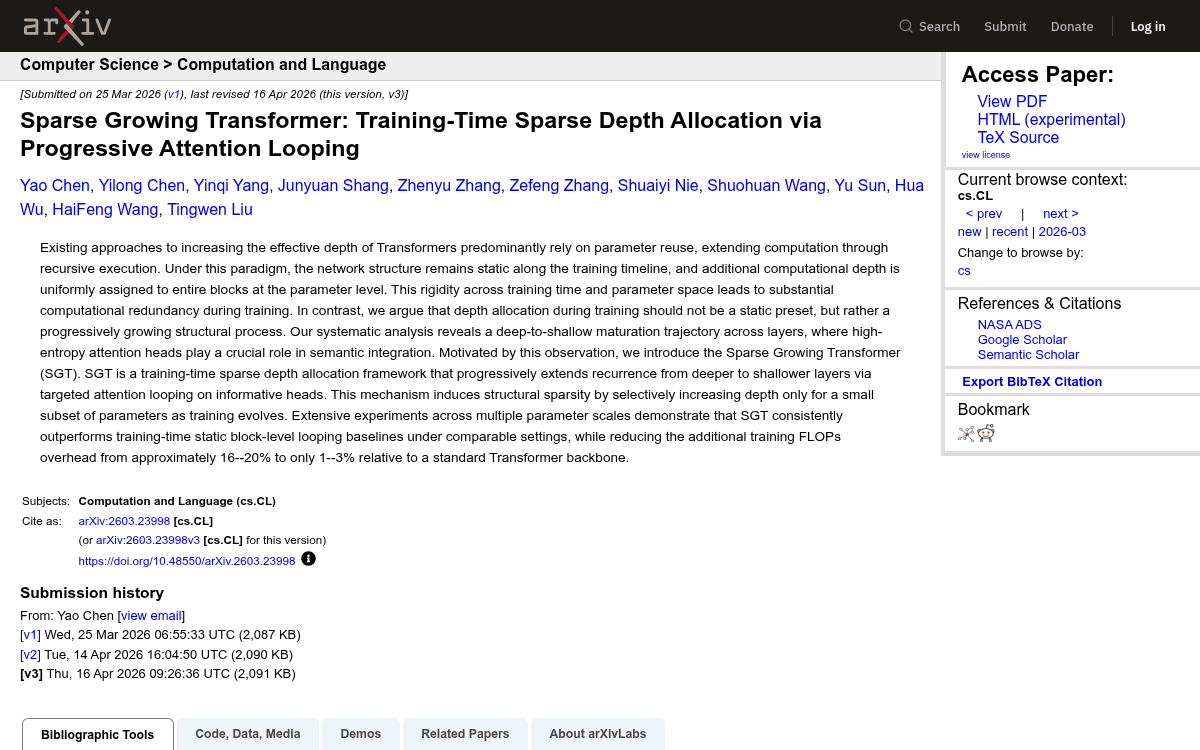
A new looping strategy targets only the highest-entropy attention heads, cutting extra training compute from 16-20% down to just 1-3%.
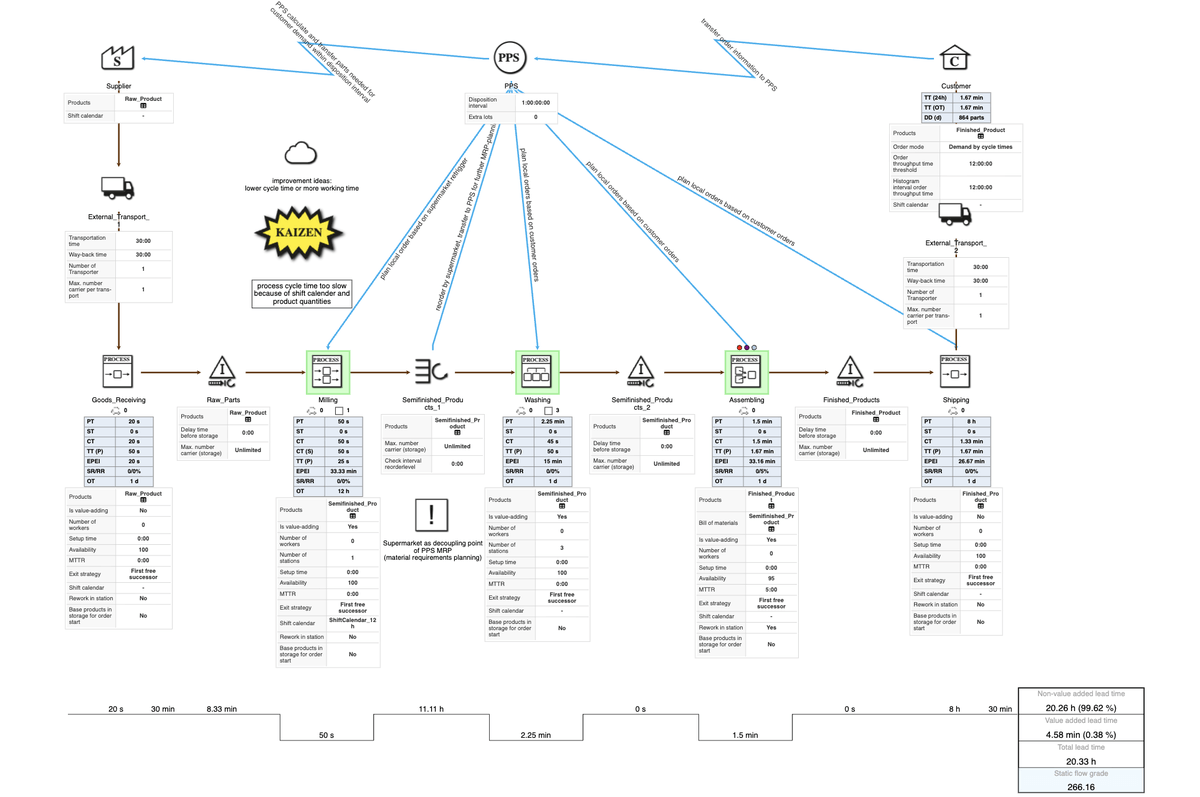
A two-agent architecture for interrogating value stream map simulations hits 86% accuracy by keeping raw data out of the planner's context window.

A fully automated pipeline turns Wiktionary into a 2.3-million-pair derivational lexicon spanning seven European languages, with semantic annotations attached.