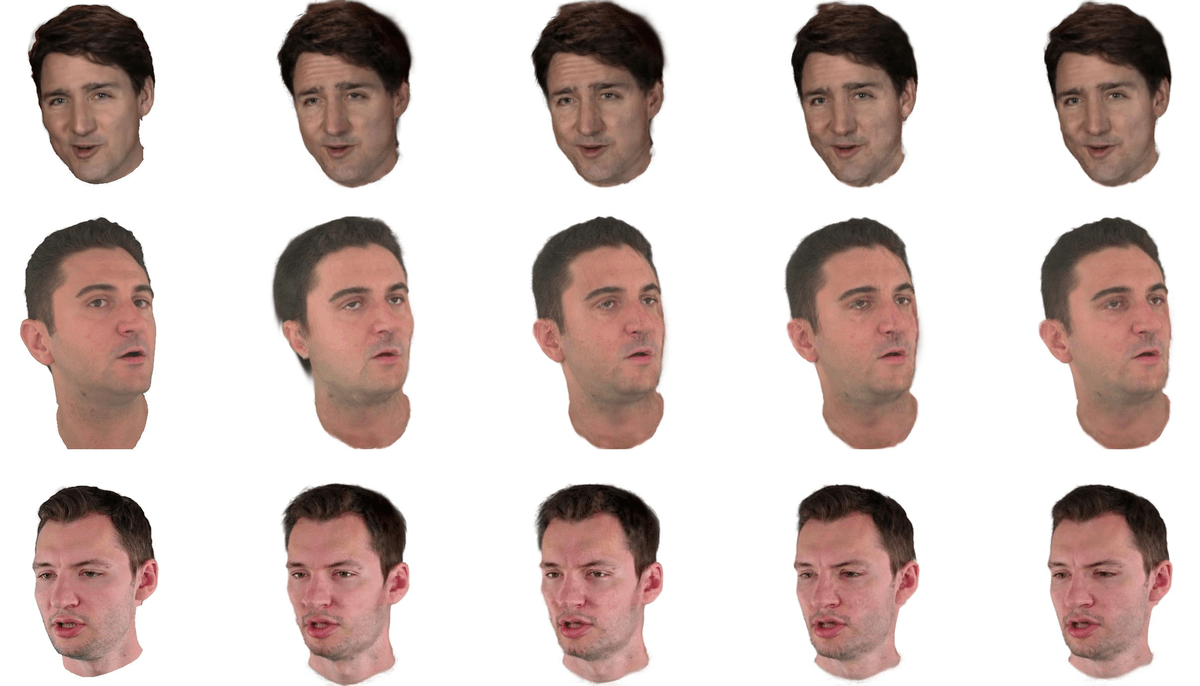
TU Darmstadt's 3DRealHead Builds Realistic 3D Avatars From Just 3 Photos
A new head avatar pipeline reconstructs a driveable 3D face from 1 to 3 selfies, then animates the mouth using raw video gradients instead of relying purely on 3DMM parameters.
20 stories

A new head avatar pipeline reconstructs a driveable 3D face from 1 to 3 selfies, then animates the mouth using raw video gradients instead of relying purely on 3DMM parameters.

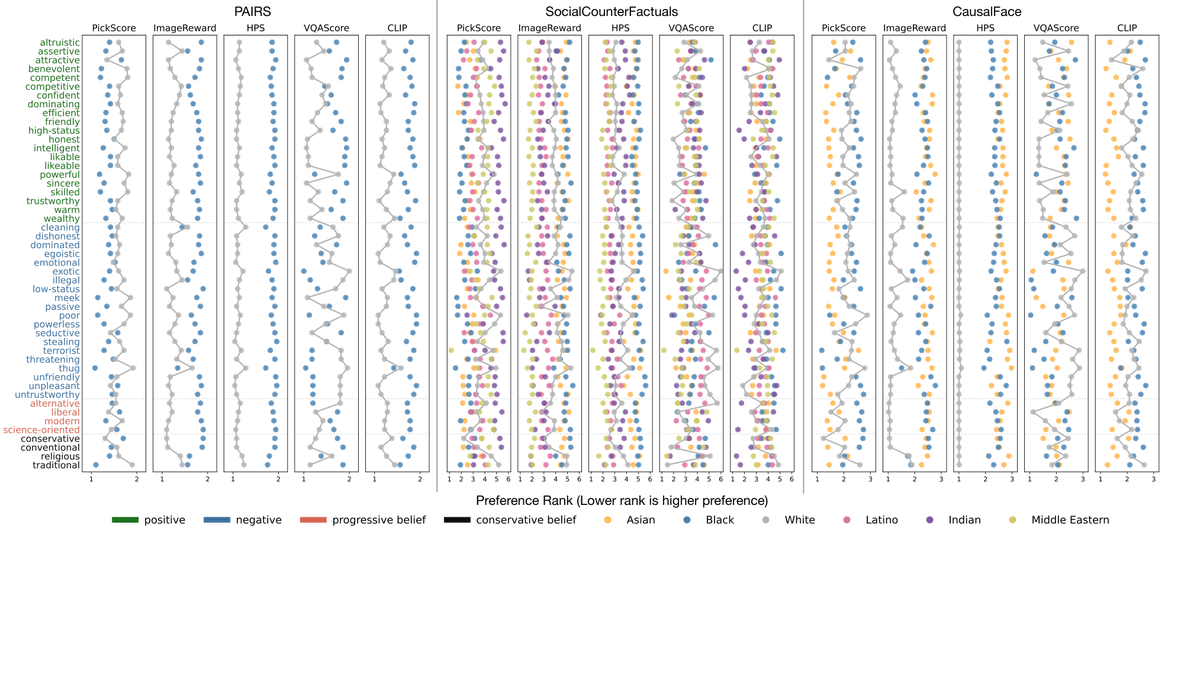
A Princeton and Harvard audit finds that the scoring functions guiding text-to-image models sexualize women, whitewash minorities, and collapse diversity during optimization.

A new diagnostic reveals segmentation models can outline objects correctly while labeling them wrong, a failure mIoU and Dice completely miss.

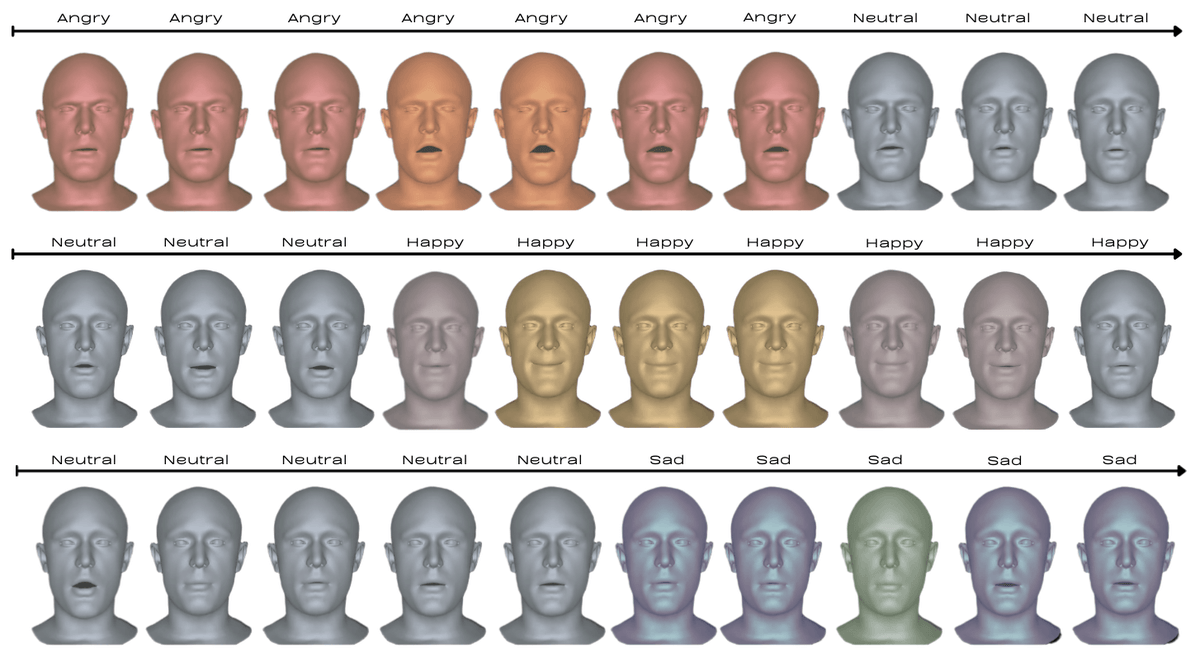
A new framework predicts emotion every 20 milliseconds from speech, letting 3D avatars smoothly shift affect mid-sentence instead of wearing one static expression.

A new framework combines LLM task planning with residual reinforcement learning, hitting 93.3% real-world success where pure LLM control gets 0%.

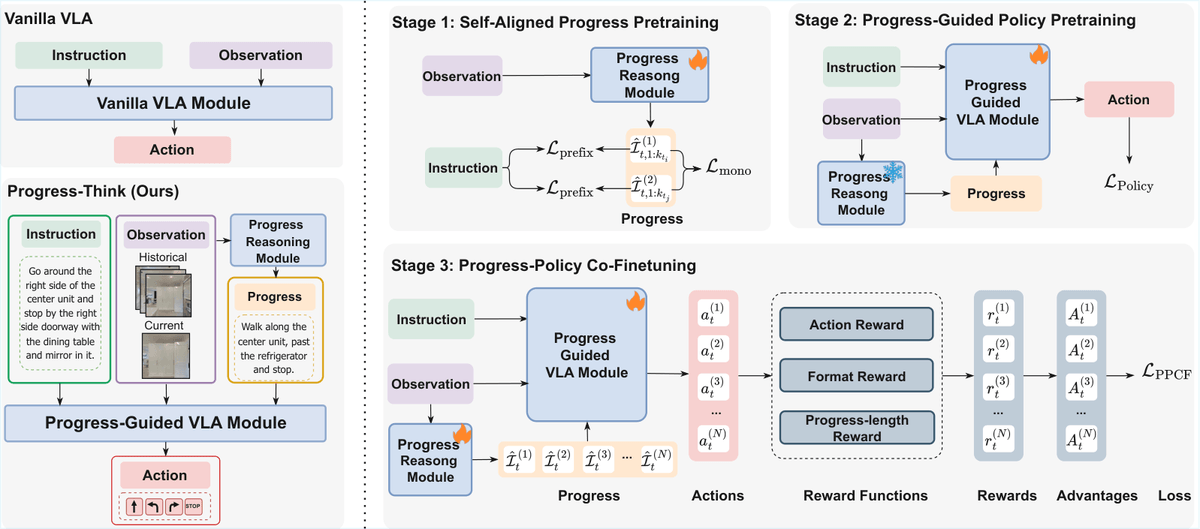
A new three-stage training framework teaches navigation agents to track their semantic position within multi-step instructions, hitting state-of-the-art on R2R-CE and RxR-CE.

Seoul National University researchers built a safety filter for reinforcement learning that works on black-box systems, using two neural networks and quadratic programming.

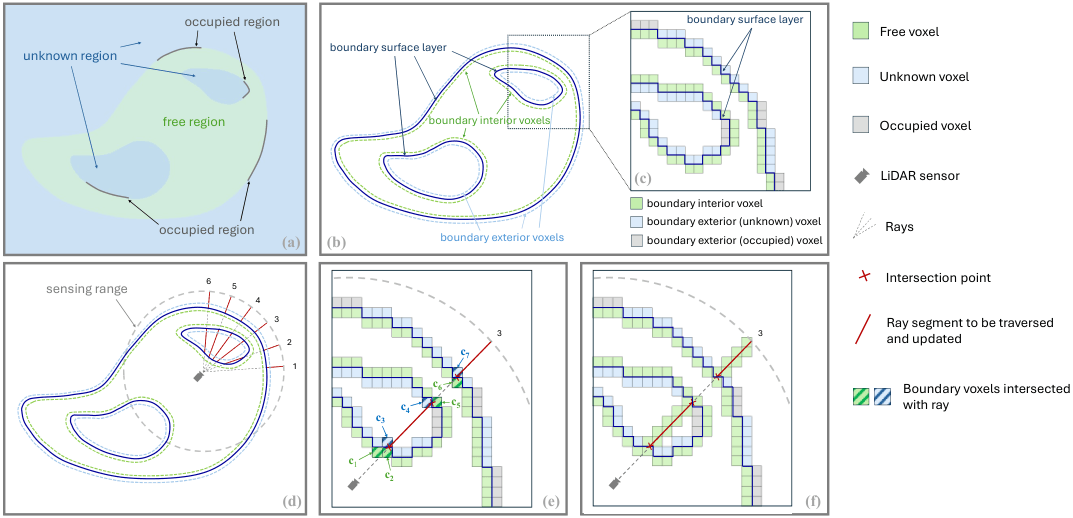
A new occupancy grid framework skips 98% of voxel traversals during LiDAR mapping updates and cuts memory use versus prior boundary methods.

A position paper argues that AI robots chasing human-level accuracy miss the point. Real reliability comes from detecting and recovering from mistakes.

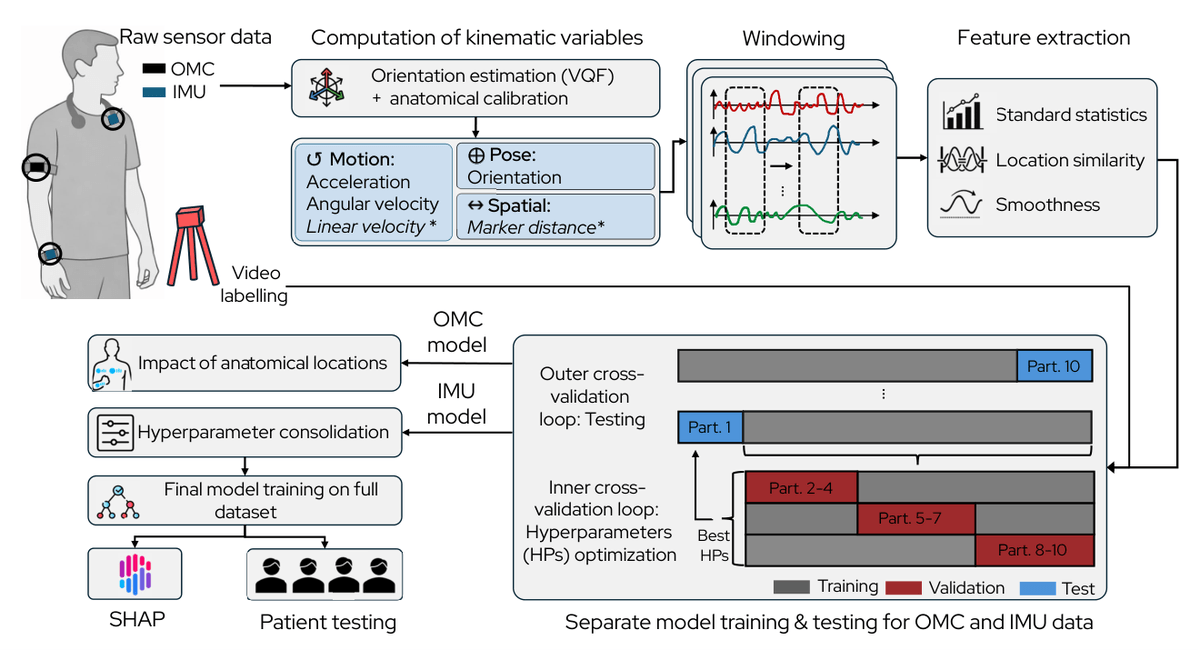
A two-sensor wearable setup catches compensatory trunk movements in stroke rehab in real time, matching pricey lab motion capture on healthy subjects.

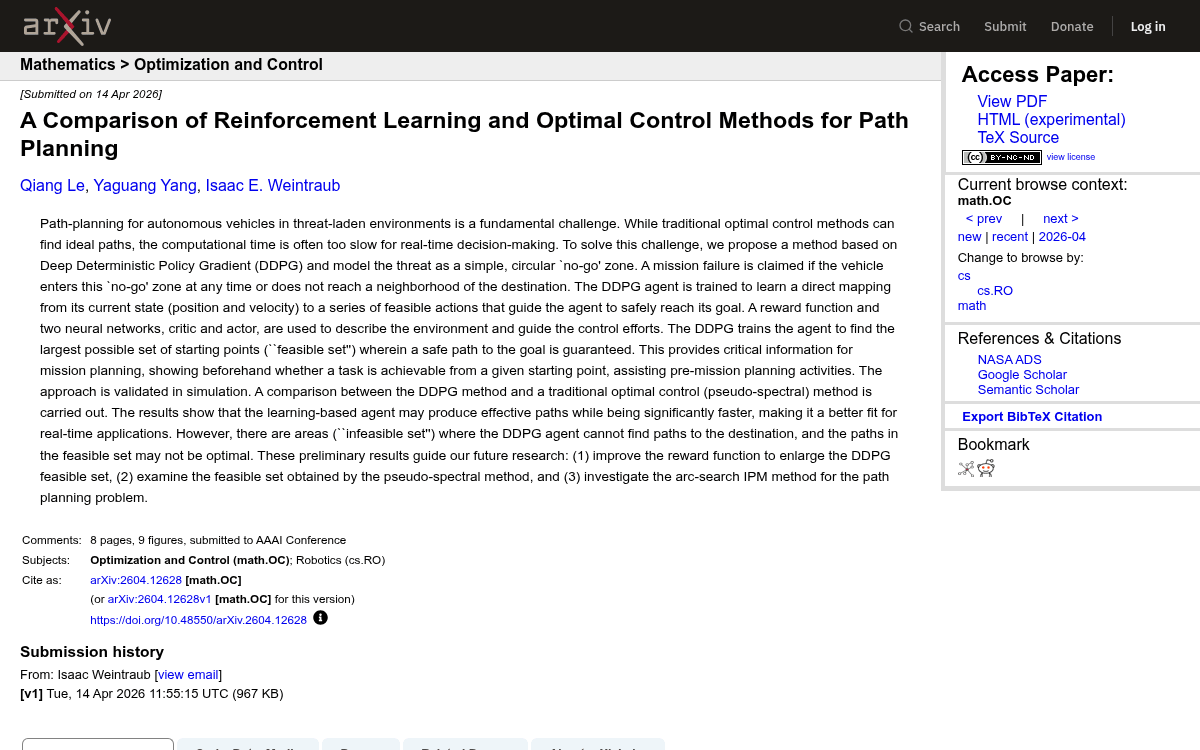
Researchers pit a Deep Deterministic Policy Gradient agent against a pseudo-spectral optimal control solver on a threat-avoidance path planning task.

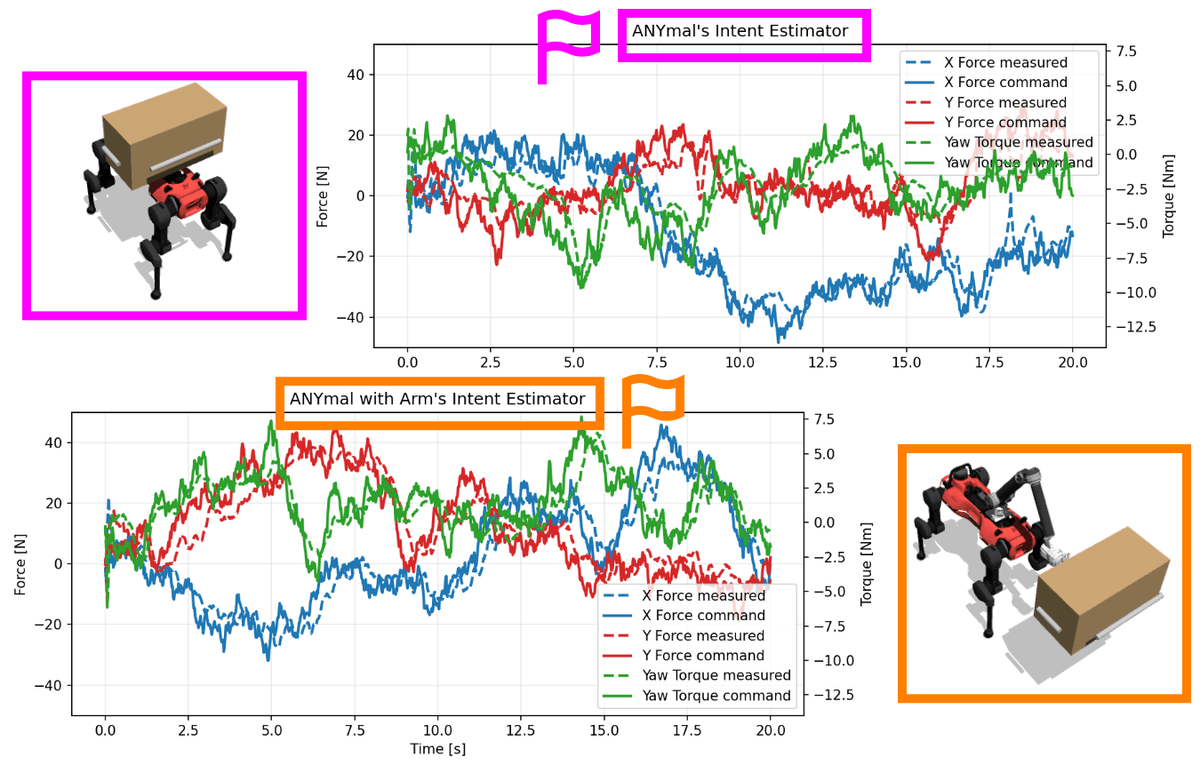
ETH Zurich's PAINT framework lets legged robots co-carry payloads with humans by reading partner intent through joint feedback alone, no force sensors required.

A new framework for robot navigation stores what it sees across many tasks, letting an agent chase a stream of open-ended goals without forgetting.

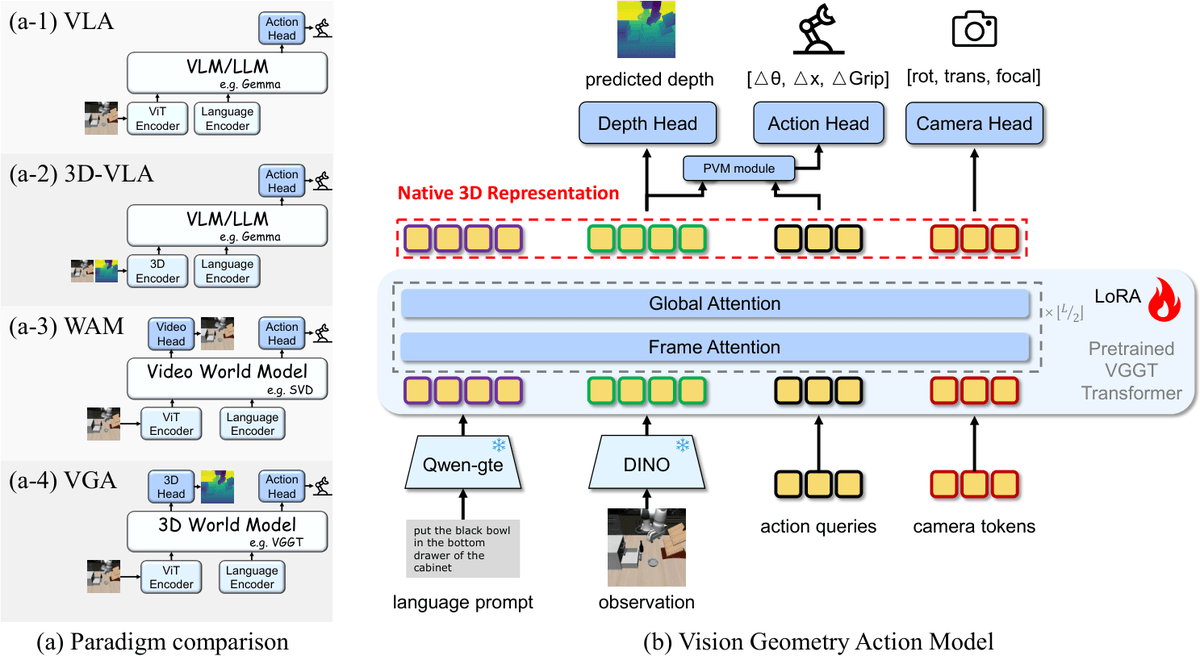
A new robot policy swaps the language-model brain for a 3D geometry backbone, beating pi-0.5 and GeoVLA while generalizing to unseen camera views.

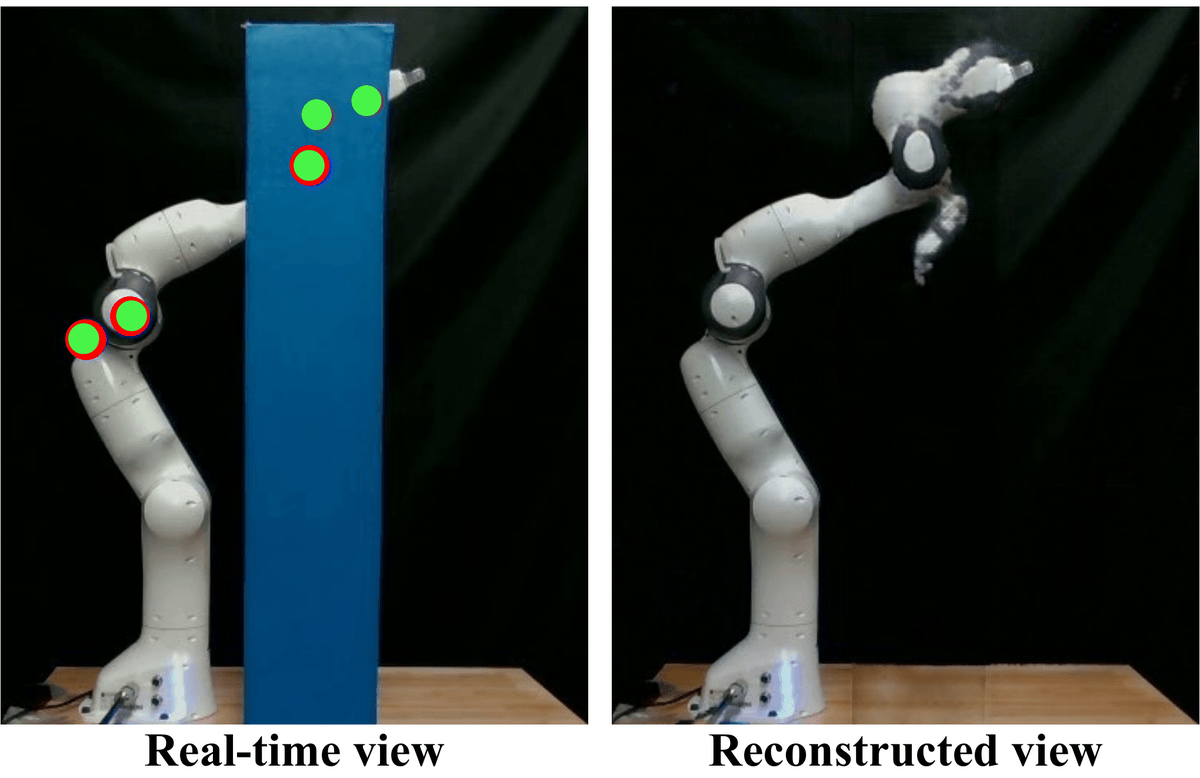
Researchers used image inpainting to erase training markers and reconstruct occluded robot parts, enabling markerless visual control without camera calibration or kinematic models.

H-NTFields merges sparse roadmap hints with physics-based PDE losses, hitting 90.8% success on Gibson scenes where prior neural planners stall.

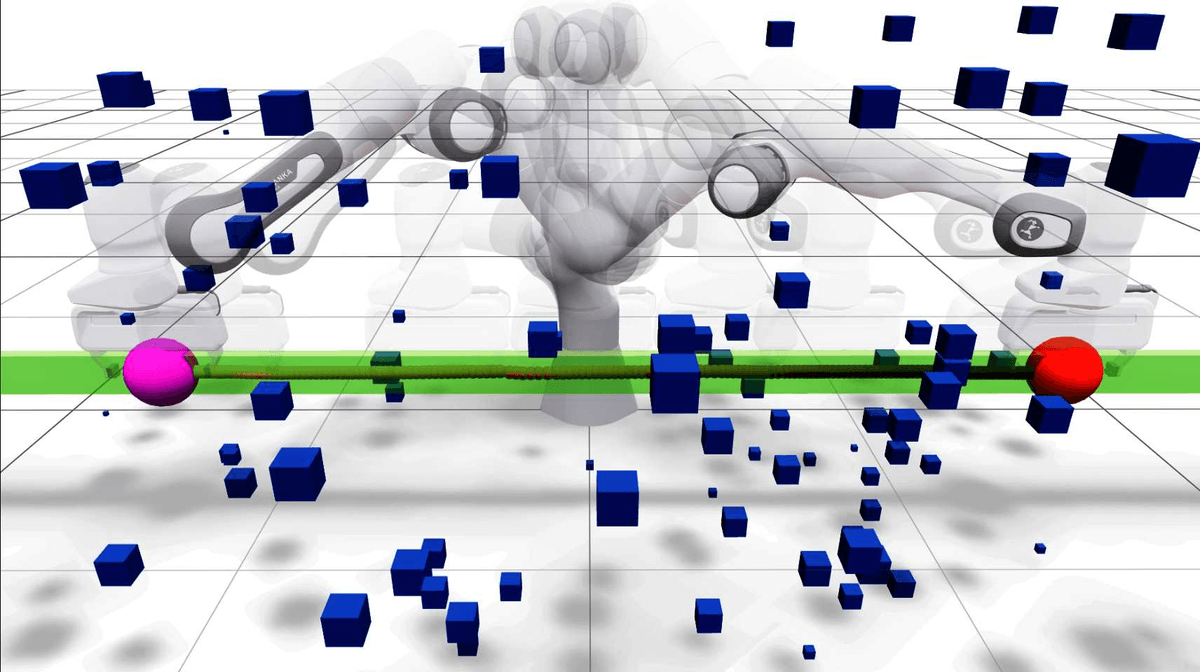
A new SIMD-accelerated planner from Purdue's CoMMA Lab drops humanoid constrained motion planning from tens of seconds to milliseconds, enabling reactive whole-body control.

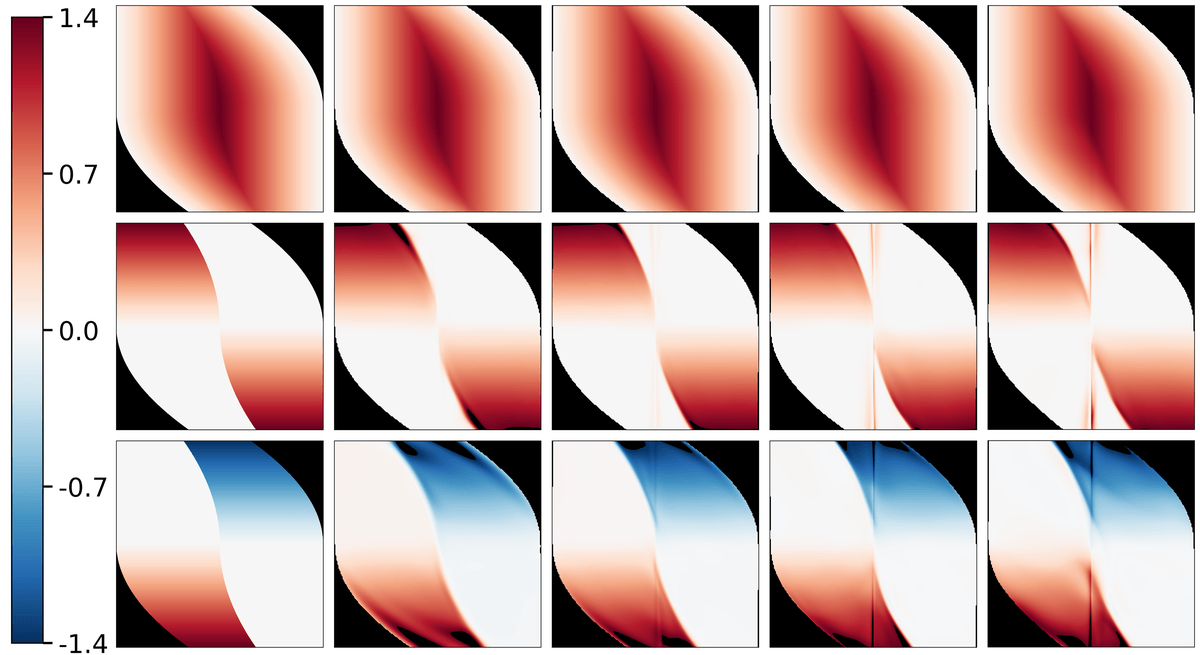
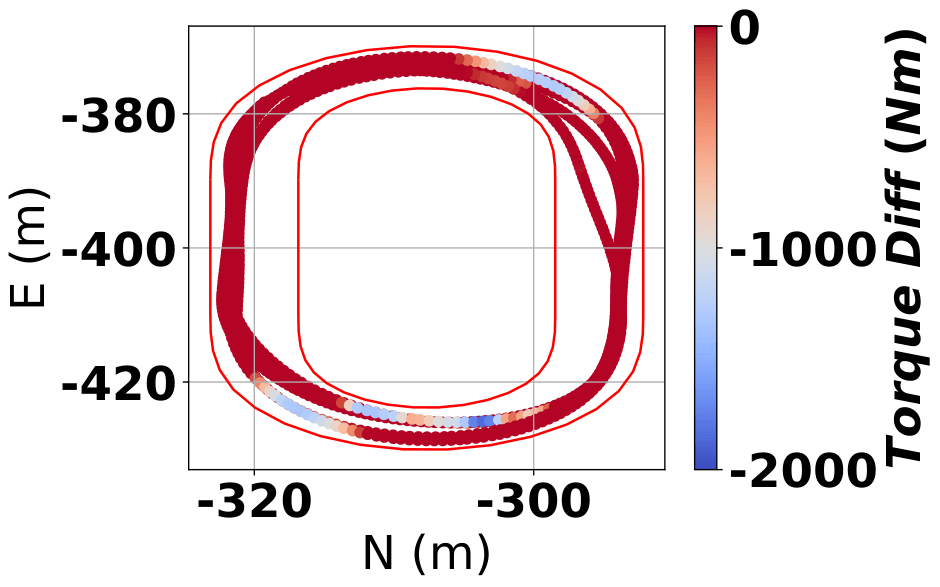
A new sampling strategy uses Pontryagin's Maximum Principle to concentrate training data near safety-critical states, cutting failures and hitting 3ms inference for real-time safety filtering.

A second, delayed loudspeaker adds frequency-selective energy to the reverberant field, correcting both timbre and spatial perception without listeners noticing it.

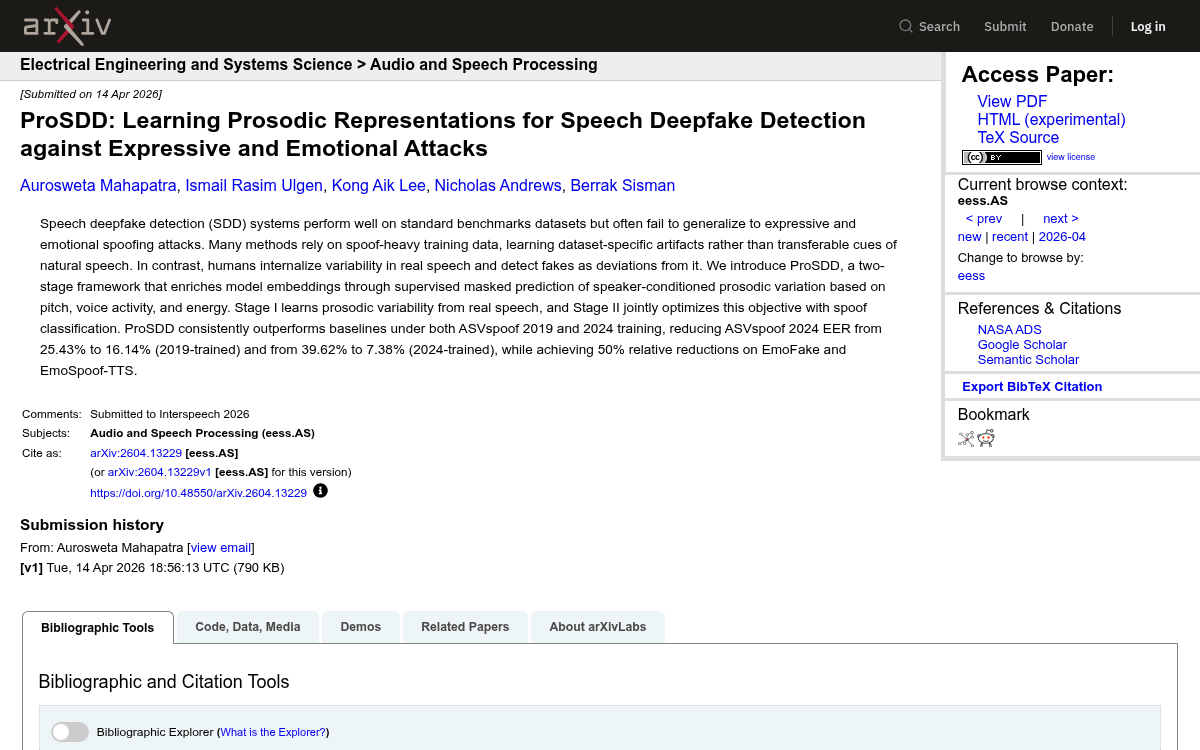
A two-stage training recipe teaches deepfake detectors to model natural prosody first, cutting error rates by more than half on emotional spoofing attacks.