
Cardiff Researchers Show How Robots Can Cut Failure Rates 20x in Nuclear Environments
A position paper argues that AI robots chasing human-level accuracy miss the point. Real reliability comes from detecting and recovering from mistakes.
 Pro
Takeaways
- Position paper argues AI robotics fixates on one-shot accuracy while ignoring error recovery, the real driver of reliability.
- A 5% task failure combined with 5% recovery failure yields just 0.25% overall failure, a 20x reliability gain.
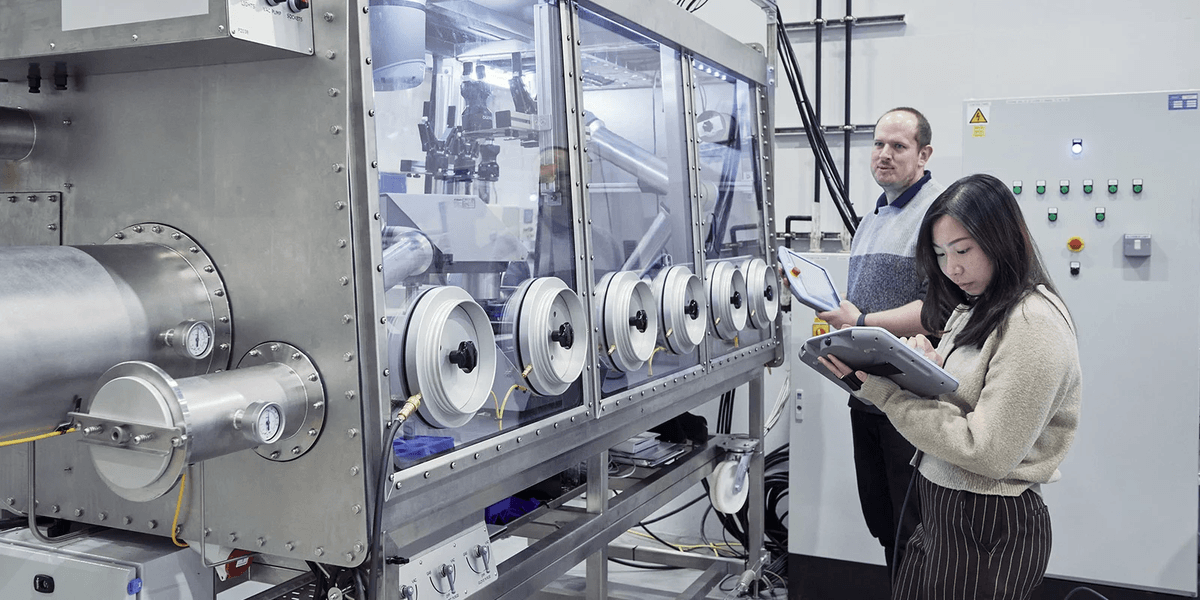
- Nuclear gloveboxes serve as the case study: sealed radioactive environments where small mistakes breach containment.
- Four core challenges identified: defining the task, detecting errors, attributing causes, and communicating errors.
- Proposed architecture uses four blocks: Task Description, State Interpretation, Robot, and Interface.
- No code or model released; work is grounded in RAICo deployments at Sellafield.
Most benchmarks reward a model for getting things right the first time. Out in the physical world, a robot arm working inside a sealed radioactive container does not get graded on a single shot. It gets graded on whether it finishes the job without contaminating the room. A new position paper from Cardiff University and the University of Manchester argues that the gap between benchmark thinking and real deployment is why robotic AI keeps stalling at the edge of safety-critical work, and it sketches a starter design for systems that can catch and fix their own mistakes.
The math that makes recovery matter
The authors open with a numbers argument that is hard to ignore. AI benchmarks often quote human performance informally at around 95% on tasks like image recognition, and researchers chase or exceed that baseline as the gold standard. These systems typically evaluate a single point in time and a one-way interaction, while people are well equipped to recover from and learn from their own errors.
Run the arithmetic on a two-stage process. If the original chance of failing a task is 5% and the chance that a recovery attempt fails is also 5%, the actual likelihood of failure drops to 0.25%. That is a 20x improvement in reliability without touching the underlying perception or control model. The framing lines up with the Swiss Cheese model, which views each layer of error prevention as a barrier with holes, where a threat only gets through when all the holes align. Add more layers, and the odds of a clean penetration collapse.