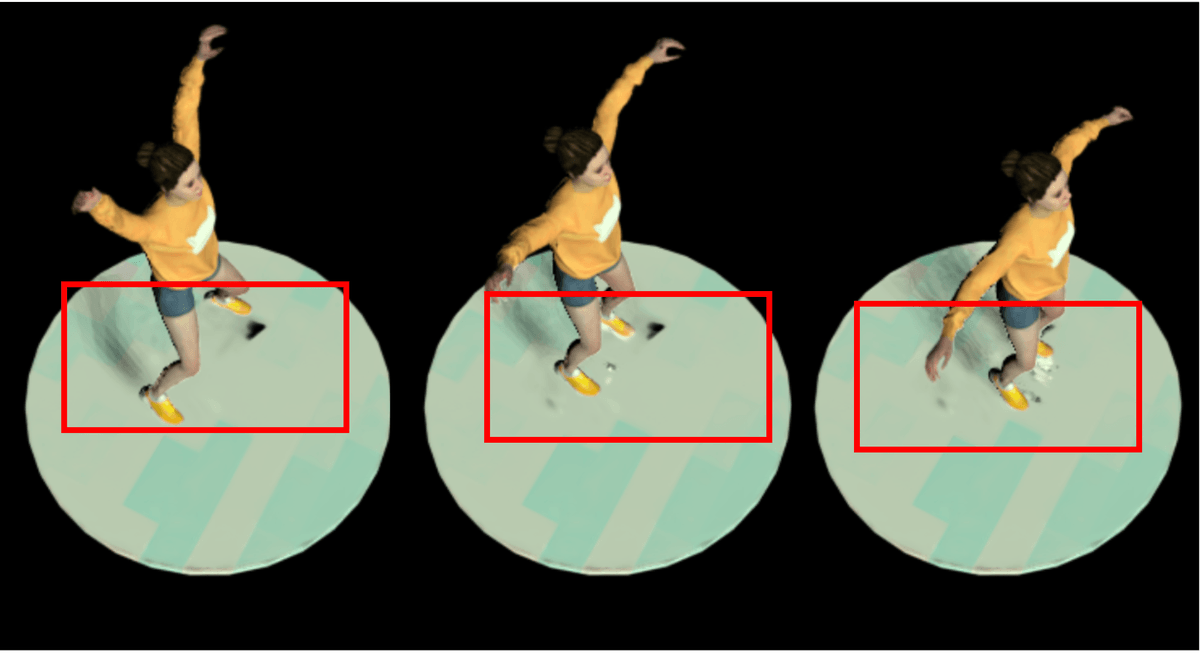
A new framework from University of Alberta and Sony Interactive Entertainment uses reference frames to help VLMs catch subtle video game glitches they'd otherwise miss.
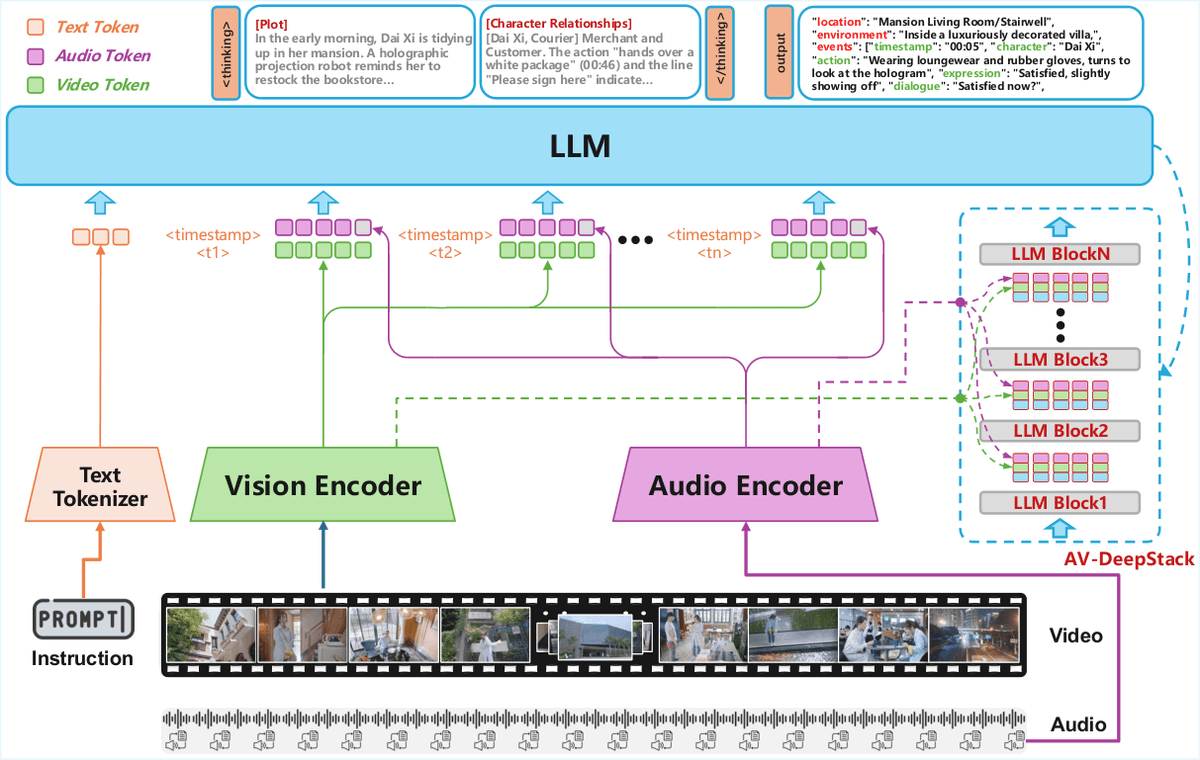
A new research paper defines the video-to-script task, releases a benchmark, and shows an 8B model matching Gemini 3-Pro on cinematic video understanding.
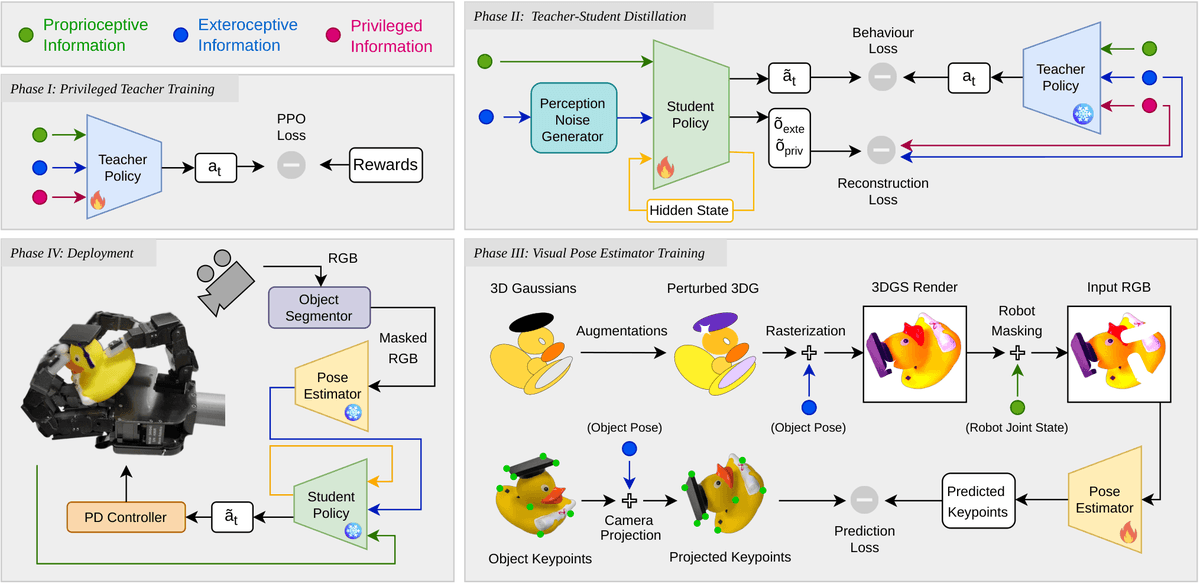
A new framework lets a robot hand reorient complex objects from a single RGB camera by training pose estimators on augmented 3D Gaussian Splats instead of ray-traced renders.
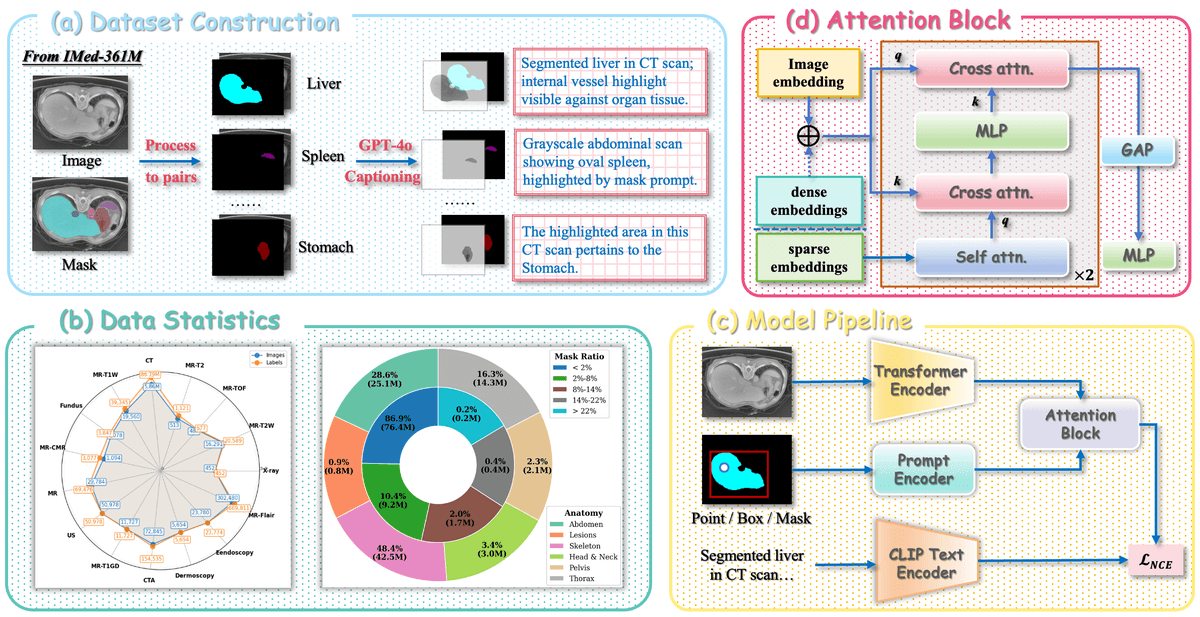
A new medical vision-language model accepts points, boxes, and masks as prompts, letting clinicians steer CLIP toward specific lesions without losing global context.
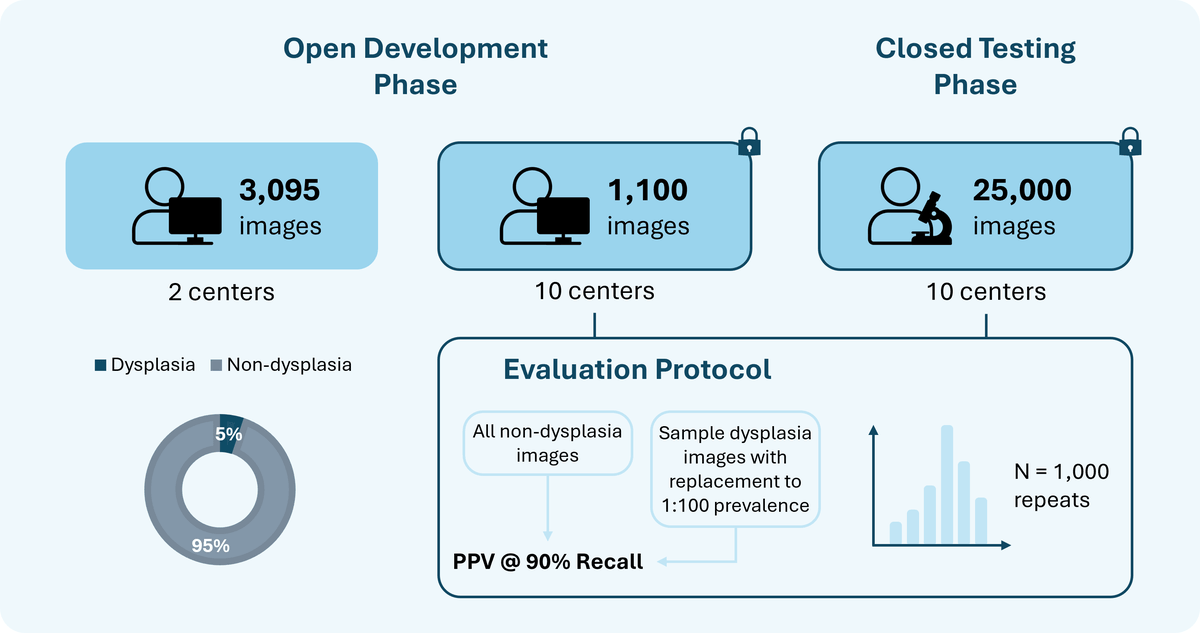
A public benchmark for detecting Barrett's neoplasia at realistic 1% prevalence exposed how AUROC hides the false-positive burden of surveillance CADe.
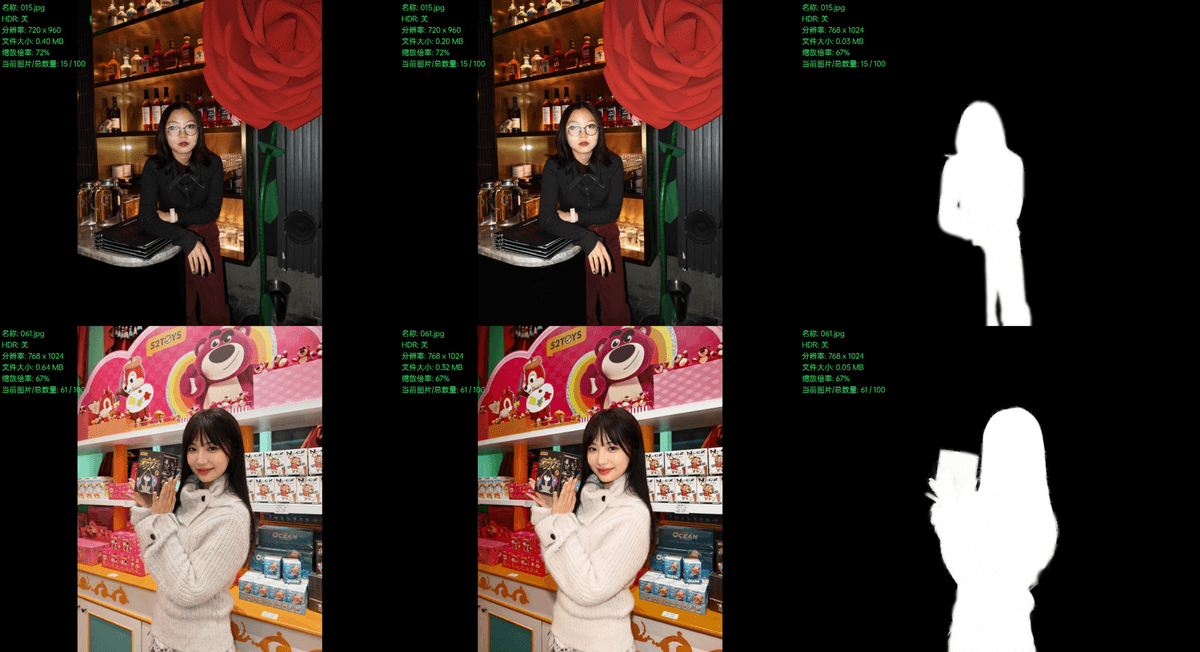
A new benchmark tackles the hardest problem in mobile portrait photography: turning noisy weak-flash shots into studio-grade images without wrecking the background.
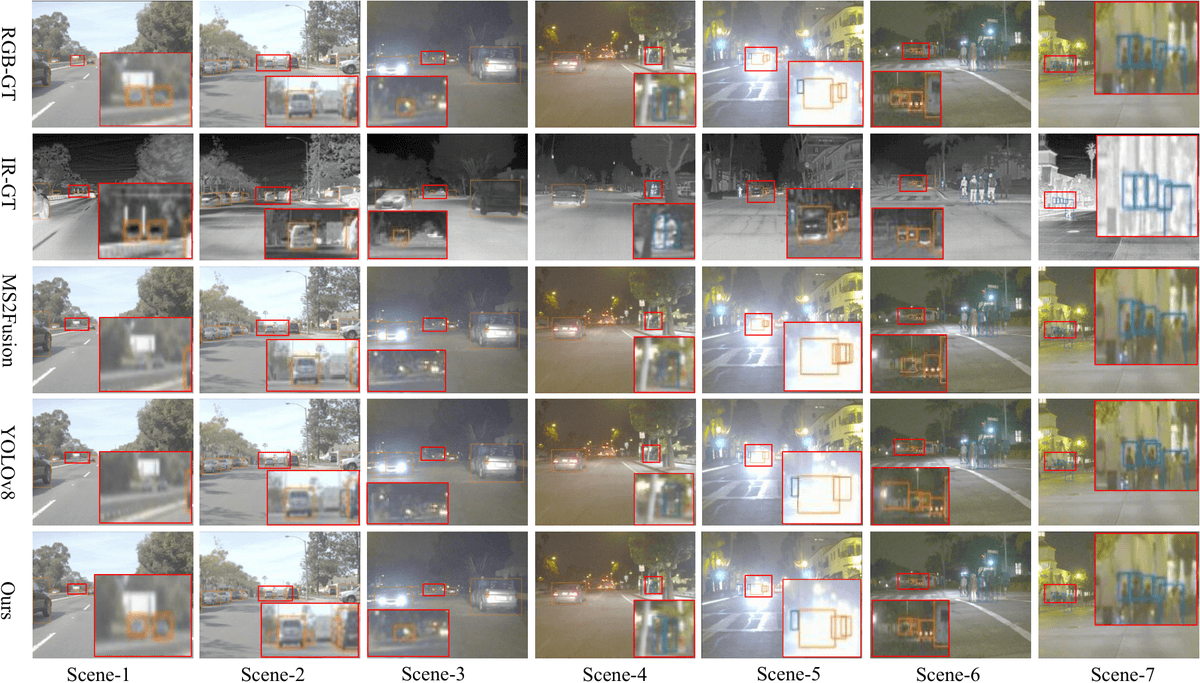
A Tsinghua team recasts CLIP text embeddings as a shared alignment bridge between RGB and thermal streams, cutting fusion FLOPs 70% while topping four benchmarks.
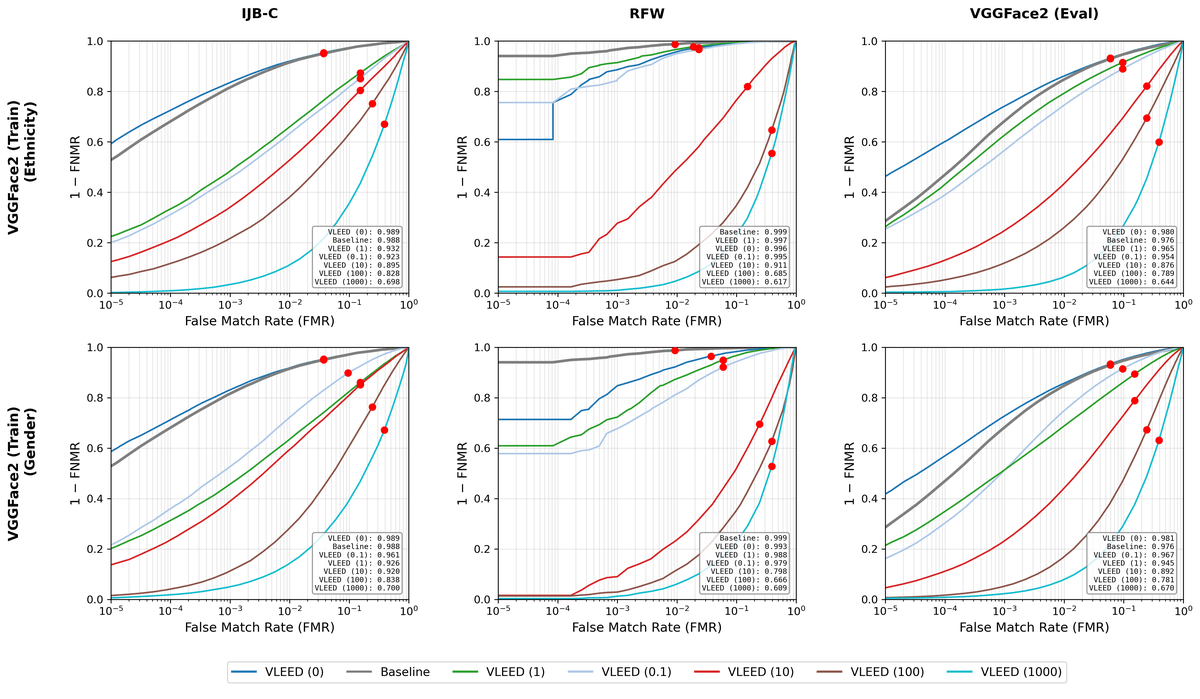
A new post-hoc method strips gender and ethnicity signals from face embeddings using entropy maximization, without retraining the recognition backbone.
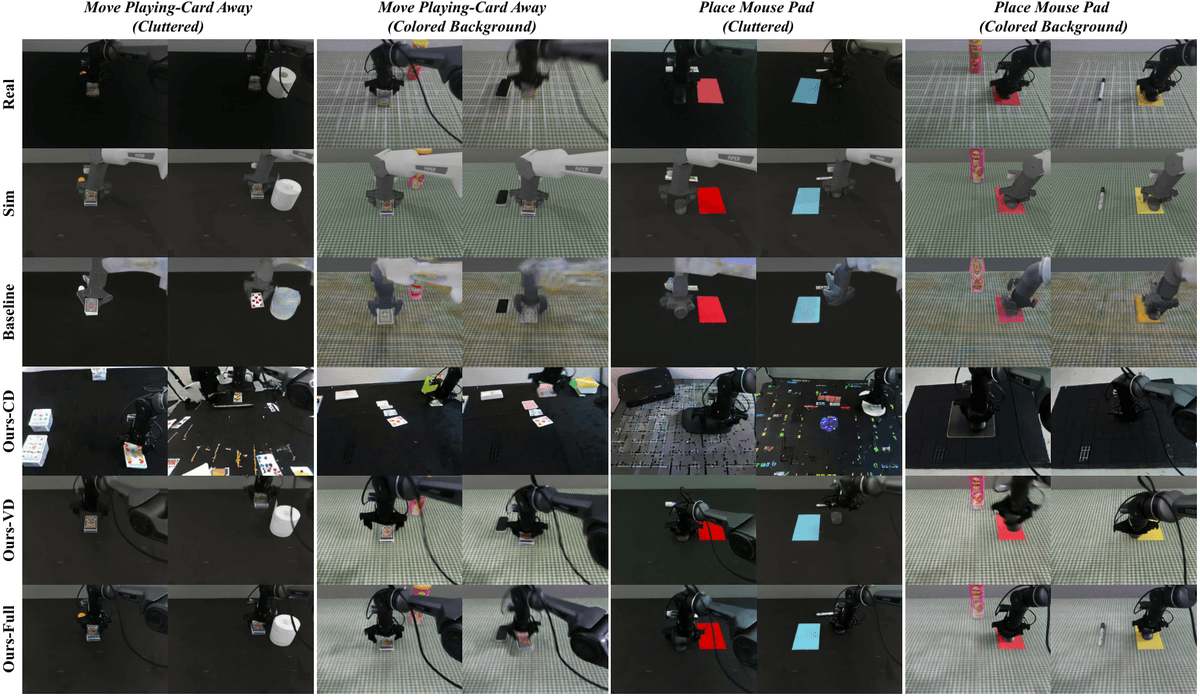
A hybrid pipeline turns a handful of real robot demos into hundreds of photorealistic training videos, boosting Diffusion Policy success rates from 3/30 to 17/30 out-of-distribution.