
Pro
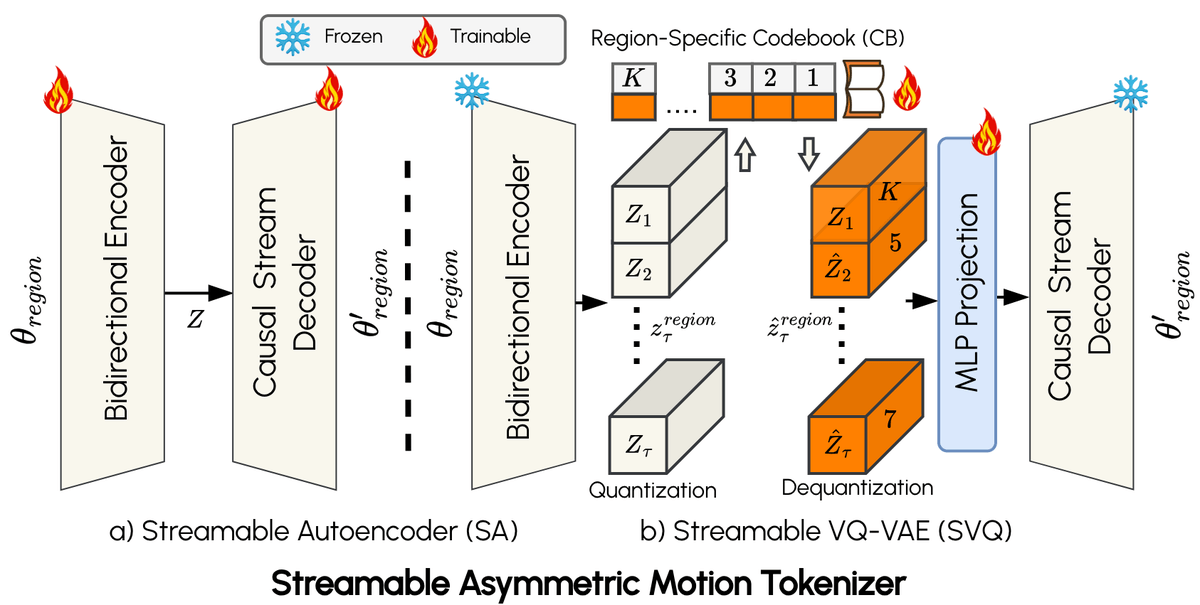
LiveGesture Beats Offline Models at Real-Time Avatar Motion With Zero Look-Ahead
A new framework generates full-body avatar gestures frame-by-frame from live audio, matching offline systems while running with just 250ms latency.
20 stories
A new framework generates full-body avatar gestures frame-by-frame from live audio, matching offline systems while running with just 250ms latency.
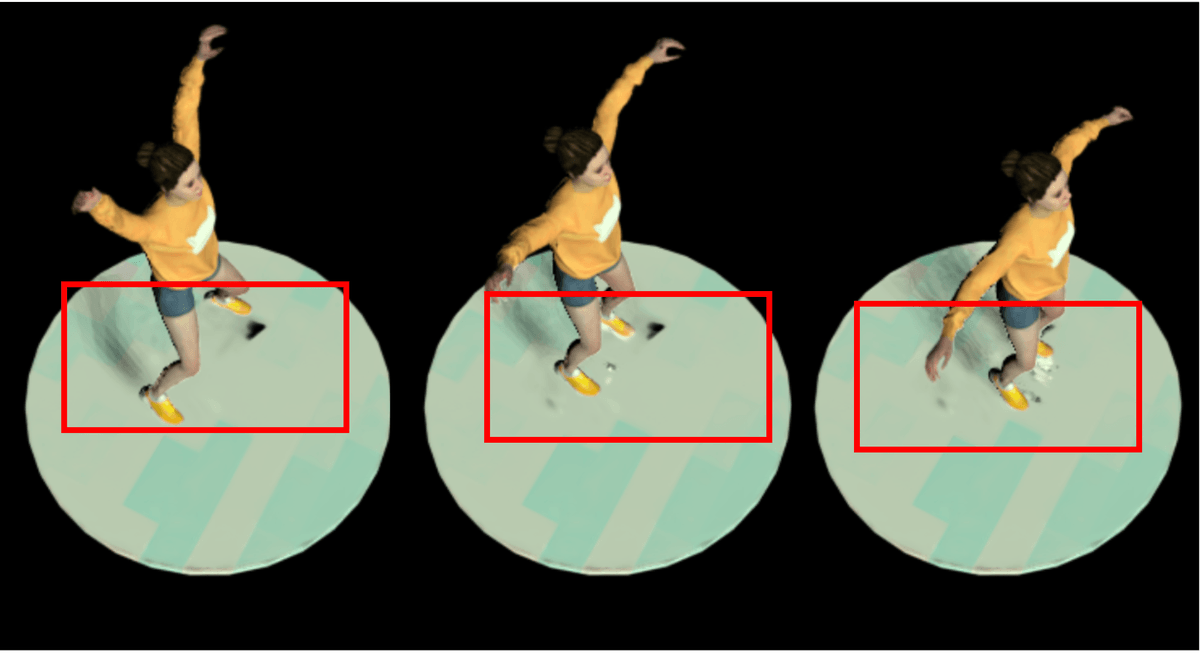
A new two-stage Gaussian Splatting pipeline turns object motion into a supervisory signal, cutting albedo LPIPS by 23% under harsh lighting.
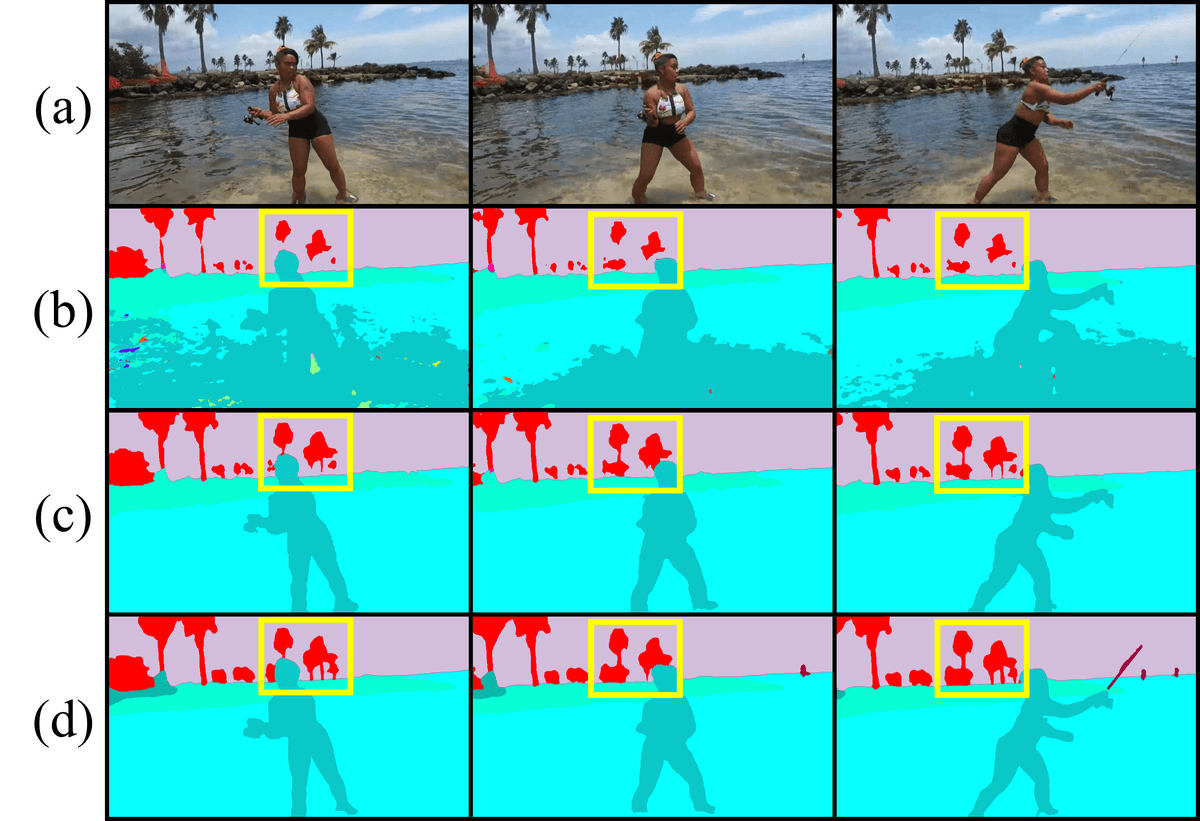
A new test-time adaptation method turns any image segmenter into a video segmenter by distilling SAM2's temporal knowledge from just the first frames.
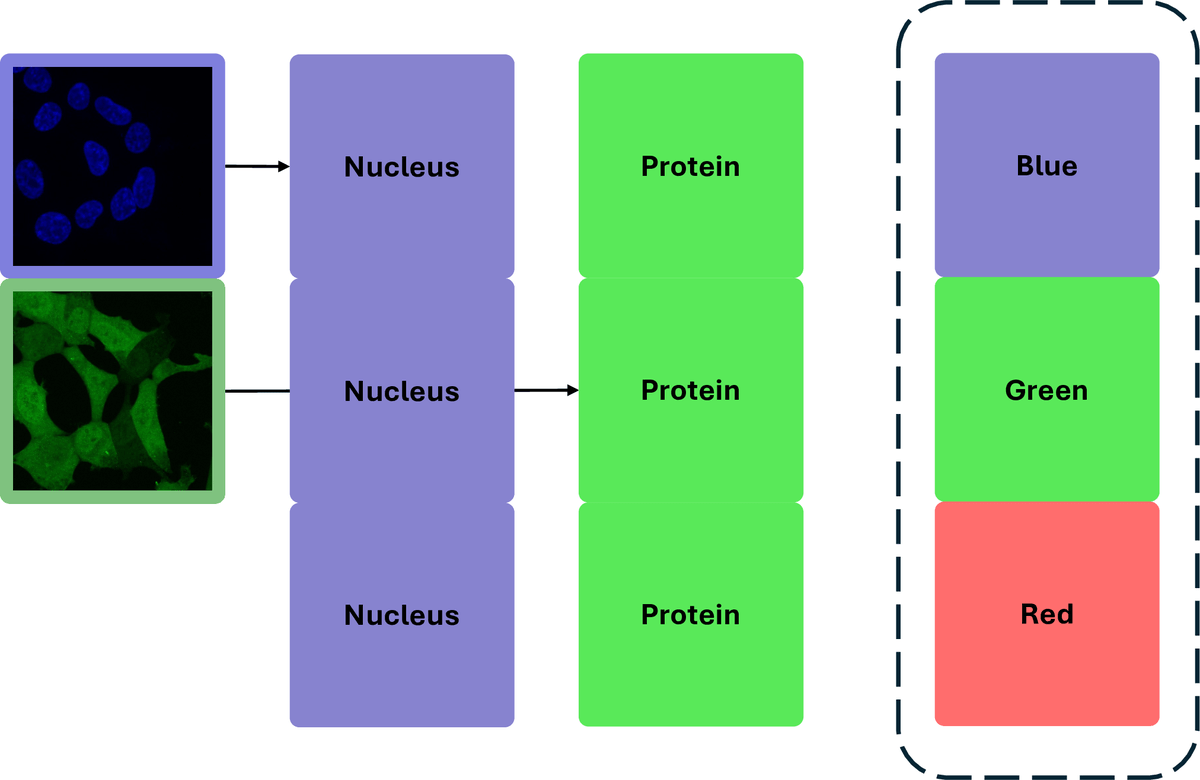
A DINO-pretrained Vision Transformer transfers from Human Protein Atlas images to OpenCell with a macro F1 of 0.860 after fine-tuning.
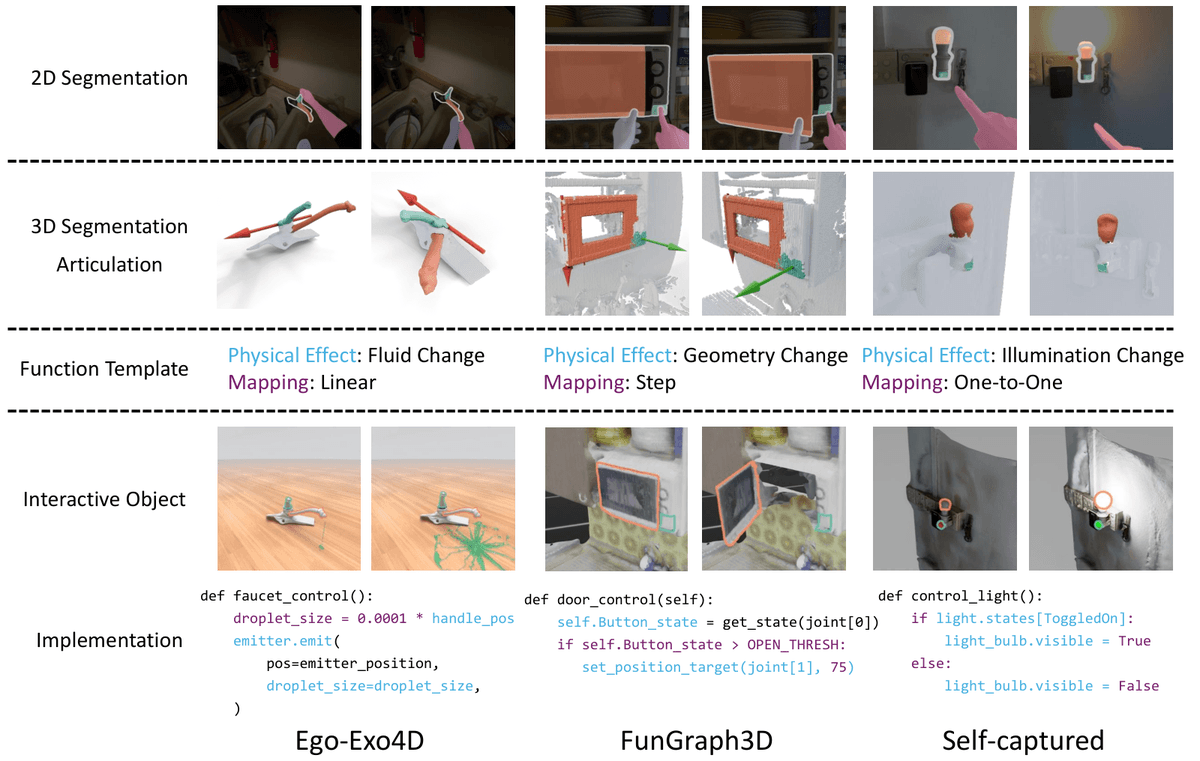
A new dataset, task, and pipeline turn egocentric video into simulation-ready 3D objects where one part actually drives another.
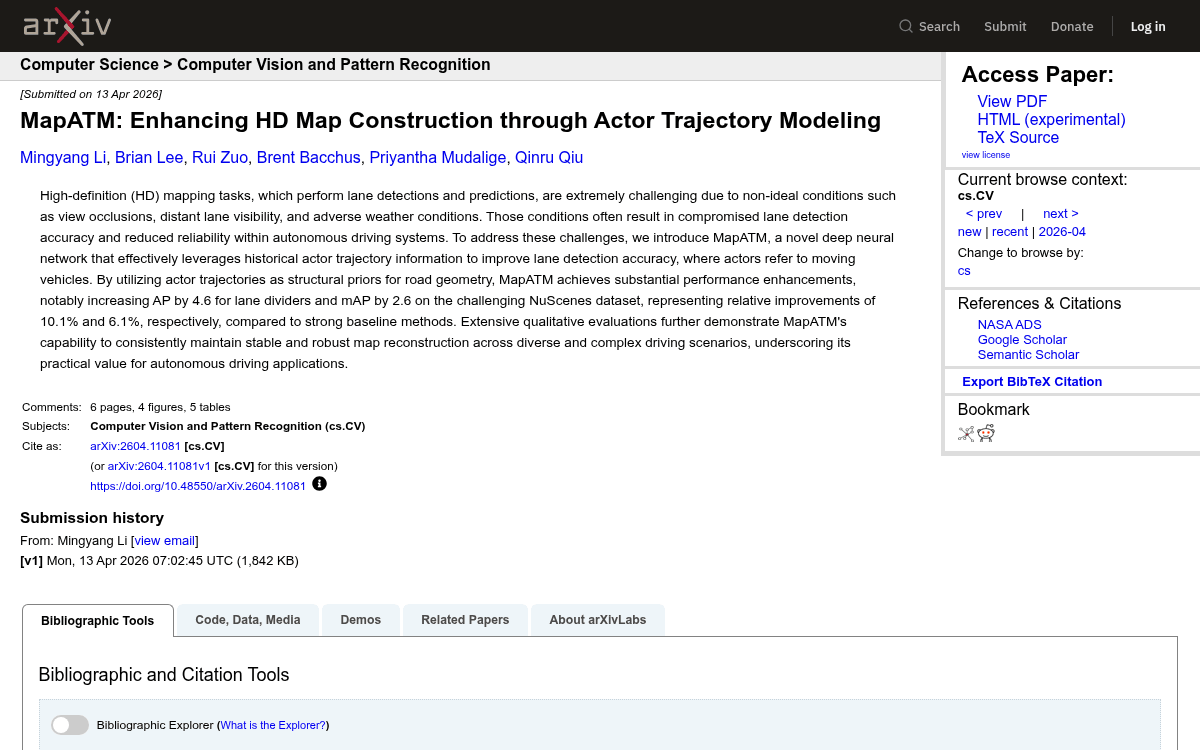
A new HD mapping model uses surrounding vehicle trajectories as structural priors, boosting lane divider precision by 10 percent on NuScenes.

A new framework from University of Alberta and Sony Interactive Entertainment uses reference frames to help VLMs catch subtle video game glitches they'd otherwise miss.
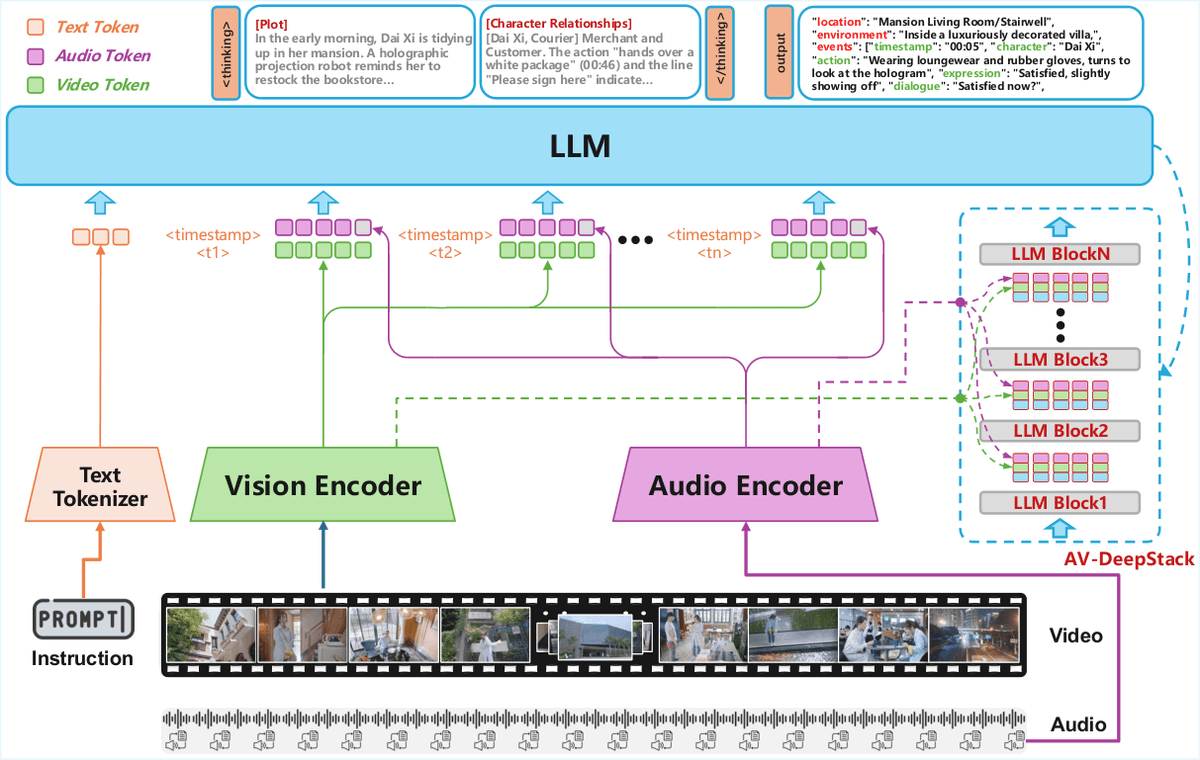
A new research paper defines the video-to-script task, releases a benchmark, and shows an 8B model matching Gemini 3-Pro on cinematic video understanding.
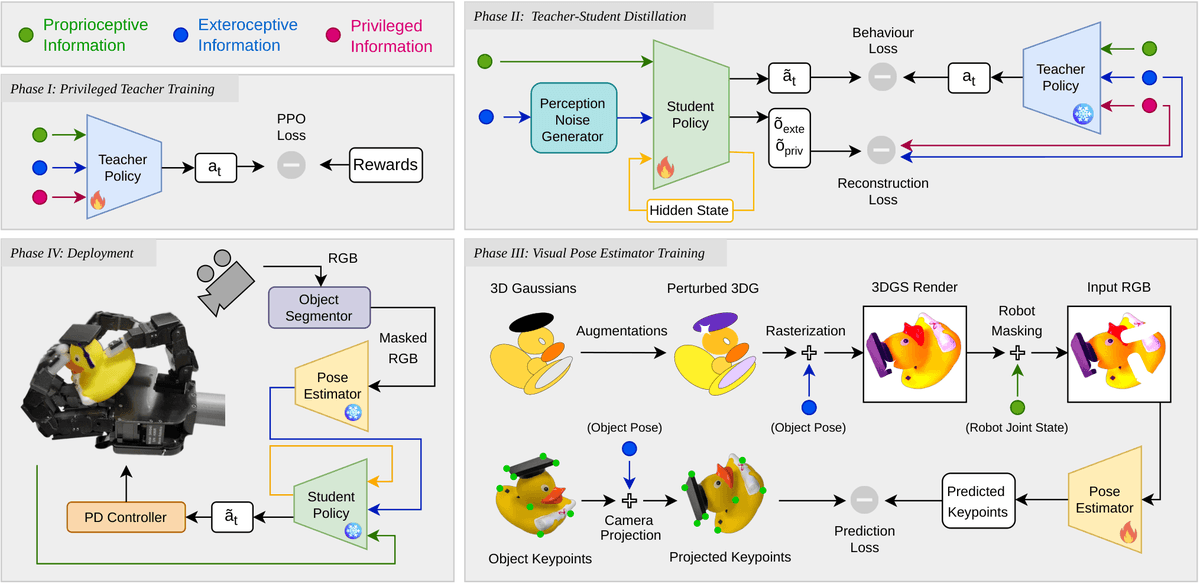
A new framework lets a robot hand reorient complex objects from a single RGB camera by training pose estimators on augmented 3D Gaussian Splats instead of ray-traced renders.
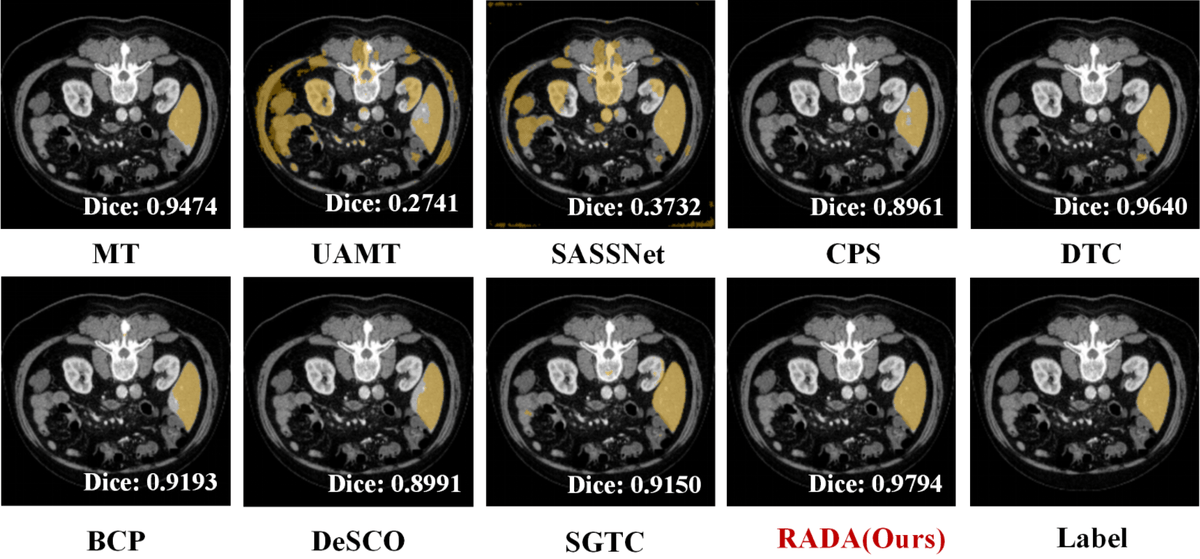
A new framework uses Alpha-CLIP with sparse mask prompts to segment 3D medical scans from just three labeled slices per volume.
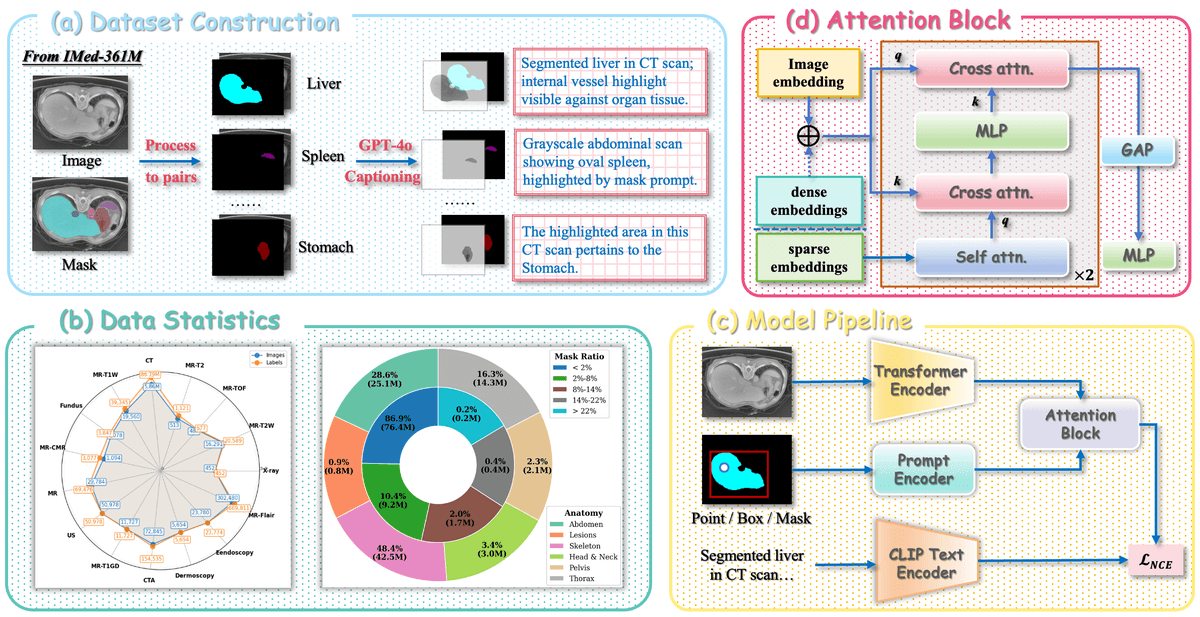
A new medical vision-language model accepts points, boxes, and masks as prompts, letting clinicians steer CLIP toward specific lesions without losing global context.
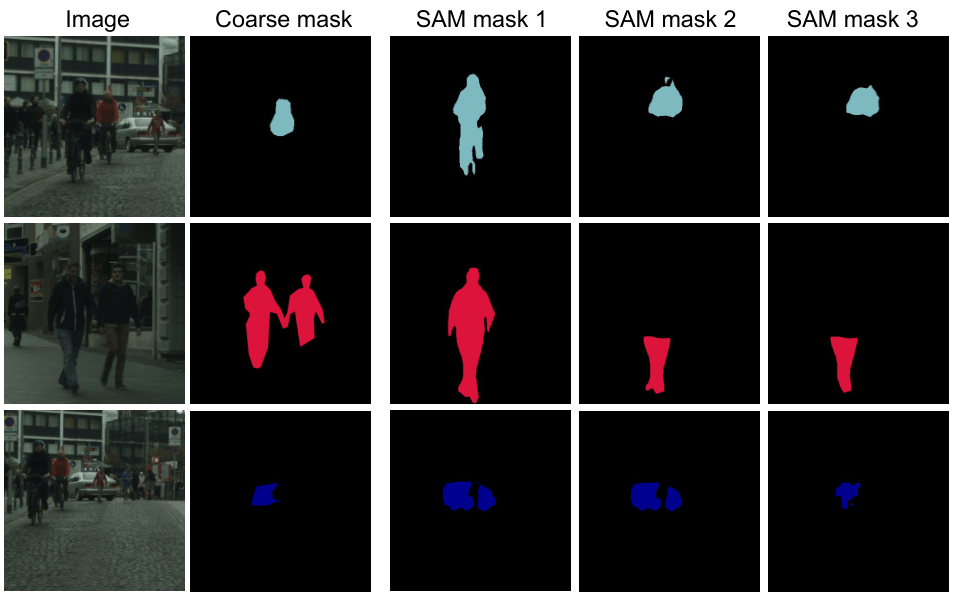
A new framework adapts SAM for weakly supervised semantic segmentation, hitting 94% of full supervision quality using just 2% of annotation budget.
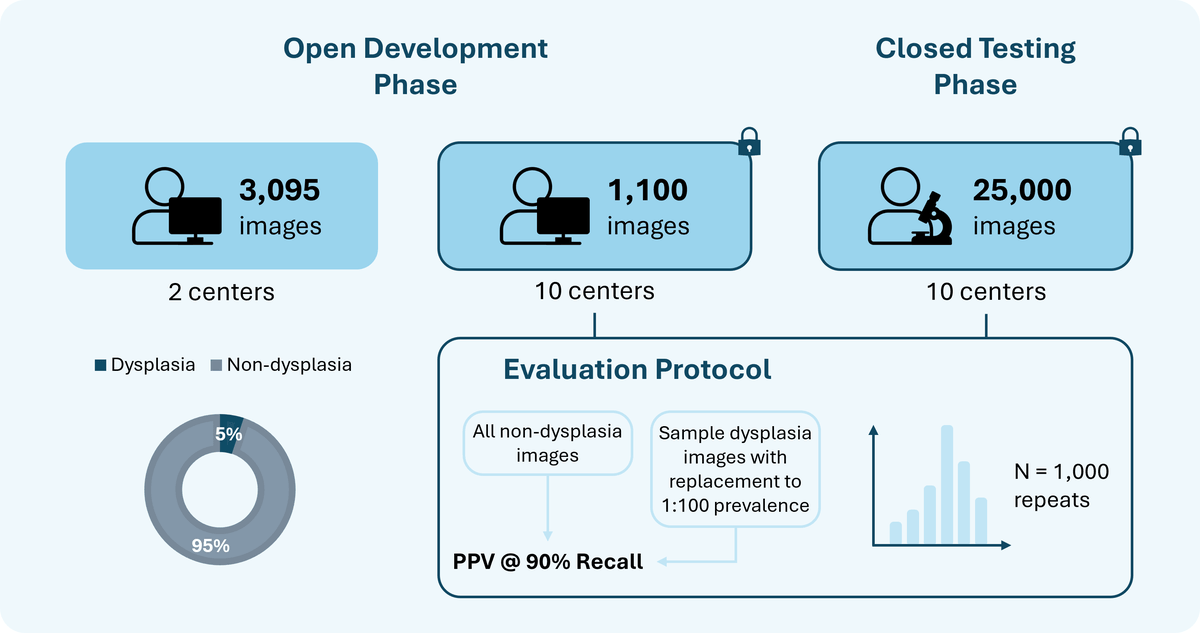
A public benchmark for detecting Barrett's neoplasia at realistic 1% prevalence exposed how AUROC hides the false-positive burden of surveillance CADe.

A new benchmark tackles the hardest problem in mobile portrait photography: turning noisy weak-flash shots into studio-grade images without wrecking the background.
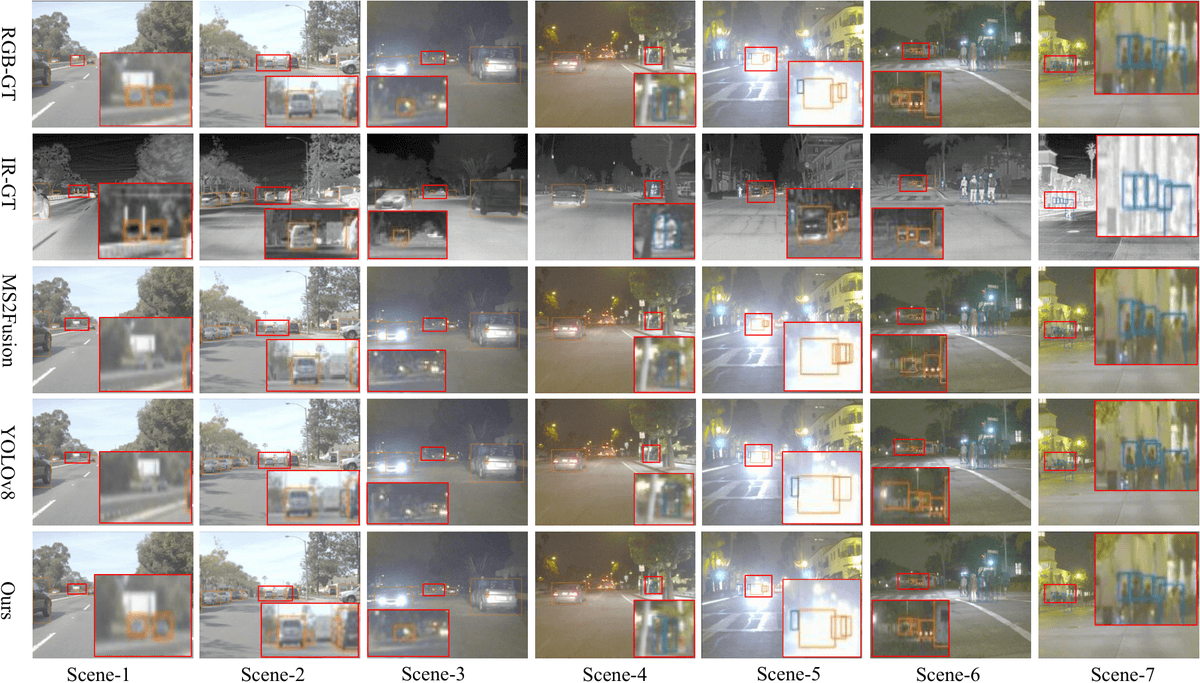
A Tsinghua team recasts CLIP text embeddings as a shared alignment bridge between RGB and thermal streams, cutting fusion FLOPs 70% while topping four benchmarks.
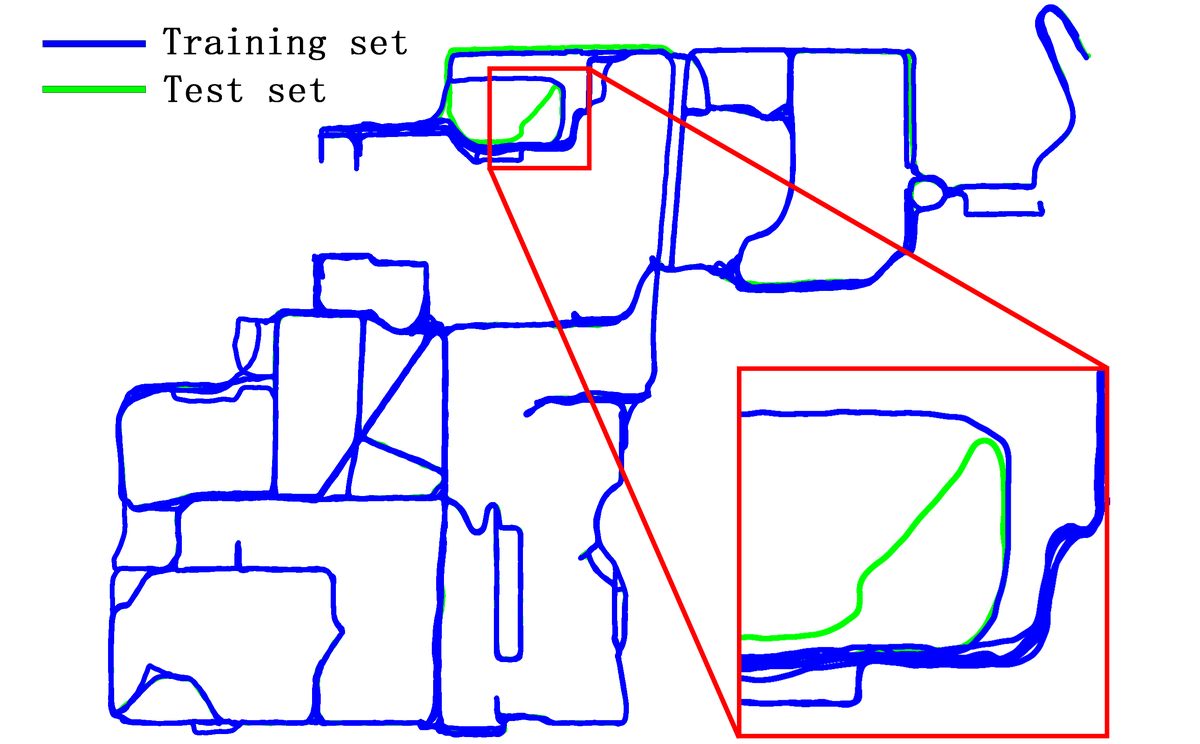
A new scene coordinate regression framework for LiDAR relocalization cuts position error by up to 73.9% while running in real time.
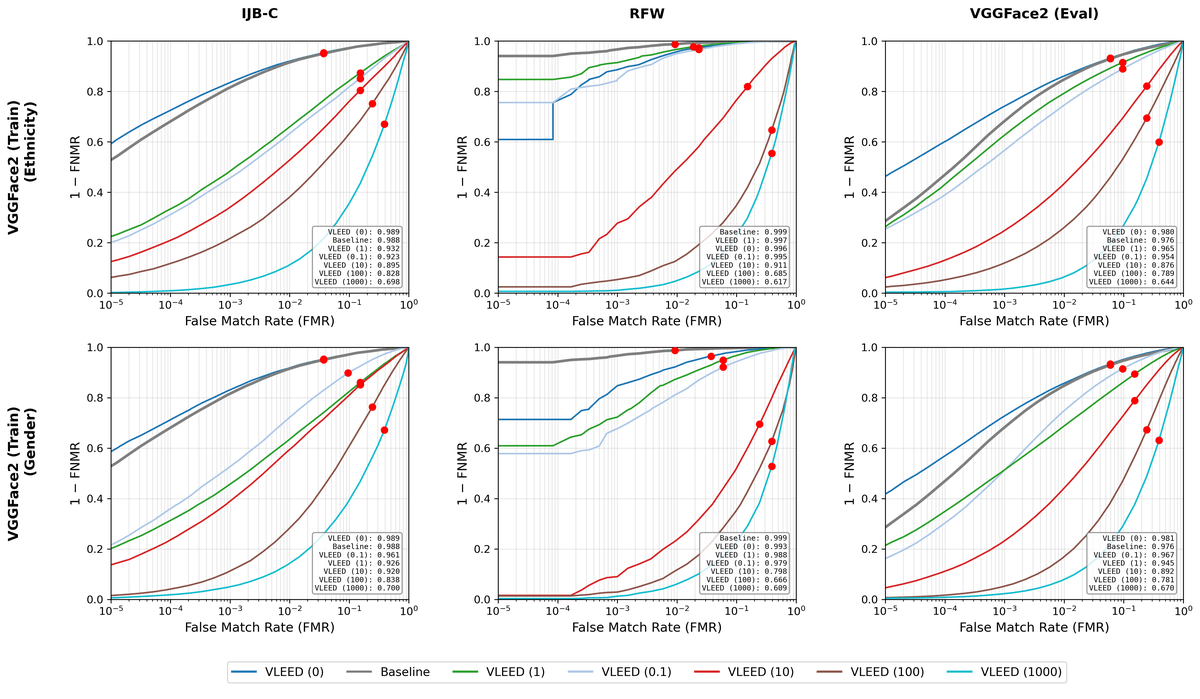
A new post-hoc method strips gender and ethnicity signals from face embeddings using entropy maximization, without retraining the recognition backbone.
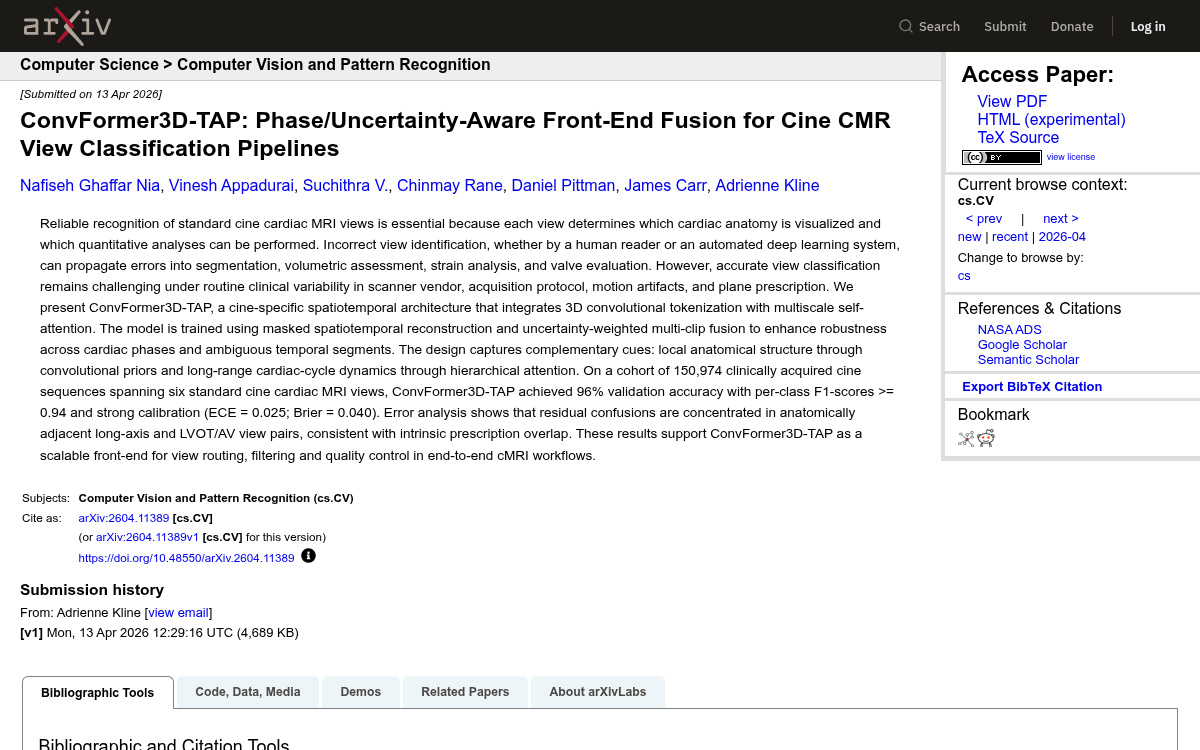
A hybrid CNN-Transformer trained on 150,974 cine sequences hits 96% accuracy across six cardiac MRI views, cutting downstream biomarker errors.
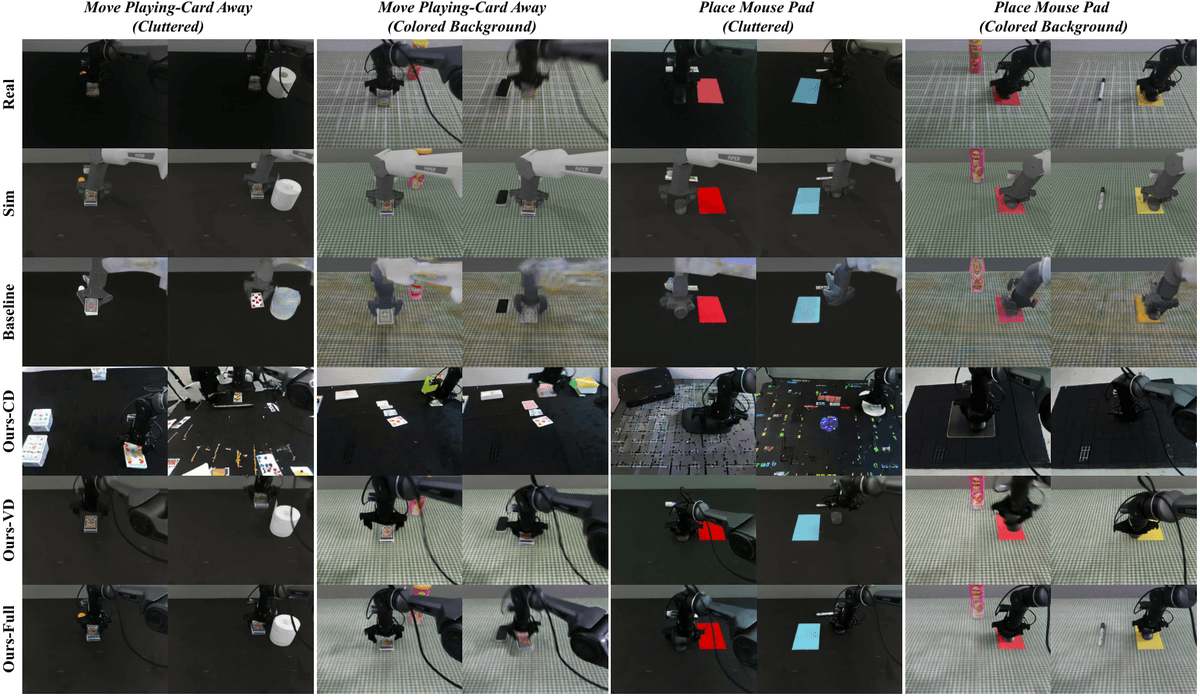
A hybrid pipeline turns a handful of real robot demos into hundreds of photorealistic training videos, boosting Diffusion Policy success rates from 3/30 to 17/30 out-of-distribution.

Two plug-and-play modules cut heart rate error by 20 percent on average when faces move, speak, or rotate during rPPG capture.